
Sports
Giannis Antetokounmpo Net Worth Soars as Basketball Superstar Builds Empire
From MVP titles to blockbuster contracts and big-brand deals, Giannis has crafted a fortune reflecting his dominance on and off the court.

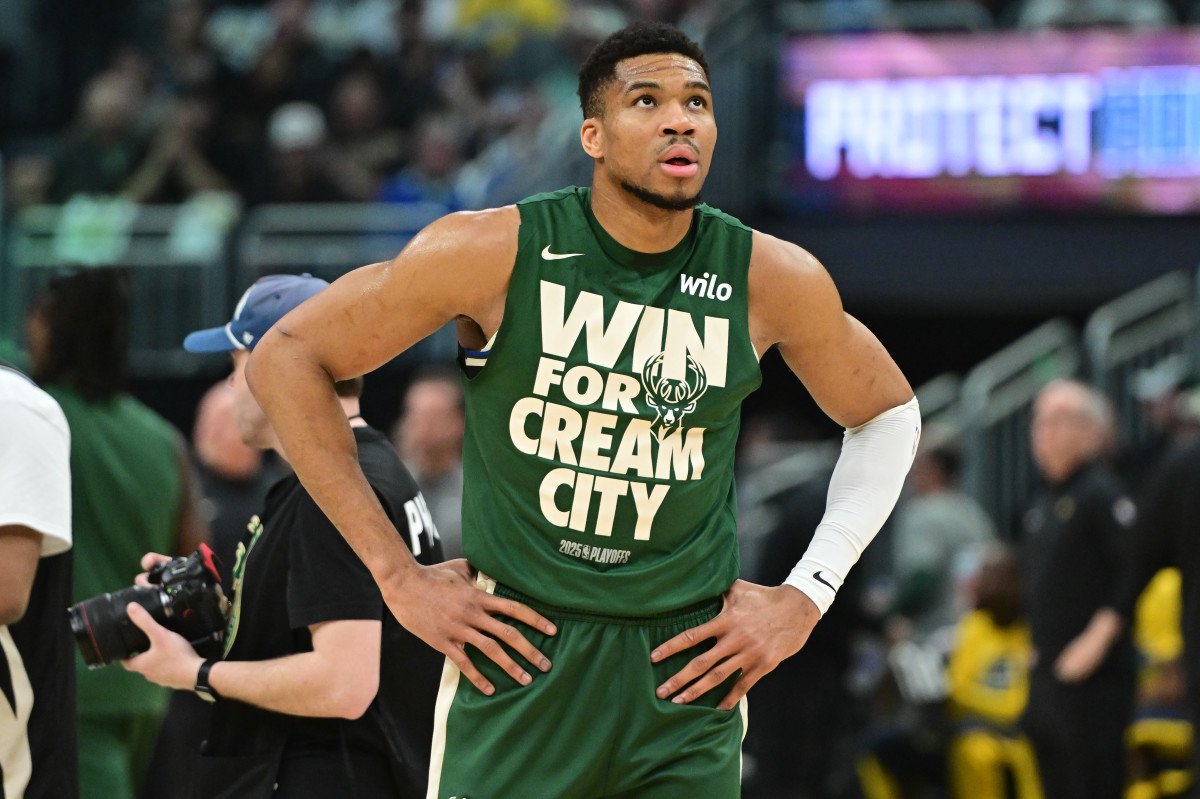
Giannis Antetokounmpo, the Greek Freak who has taken the NBA by storm, isn’t just a basketball phenom—he’s also a financial powerhouse. As of 2025, Giannis is estimated to hold a net worth of approximately $90 million, a testament to his transformative move from underdog to global icon.
At the heart of his wealth is his massive $234 million contract with the Milwaukee Bucks, signed in December 2020. Spread over five years, that deal pays him an average of $46.8 million per season, positioning Giannis among the highest earners in league history.
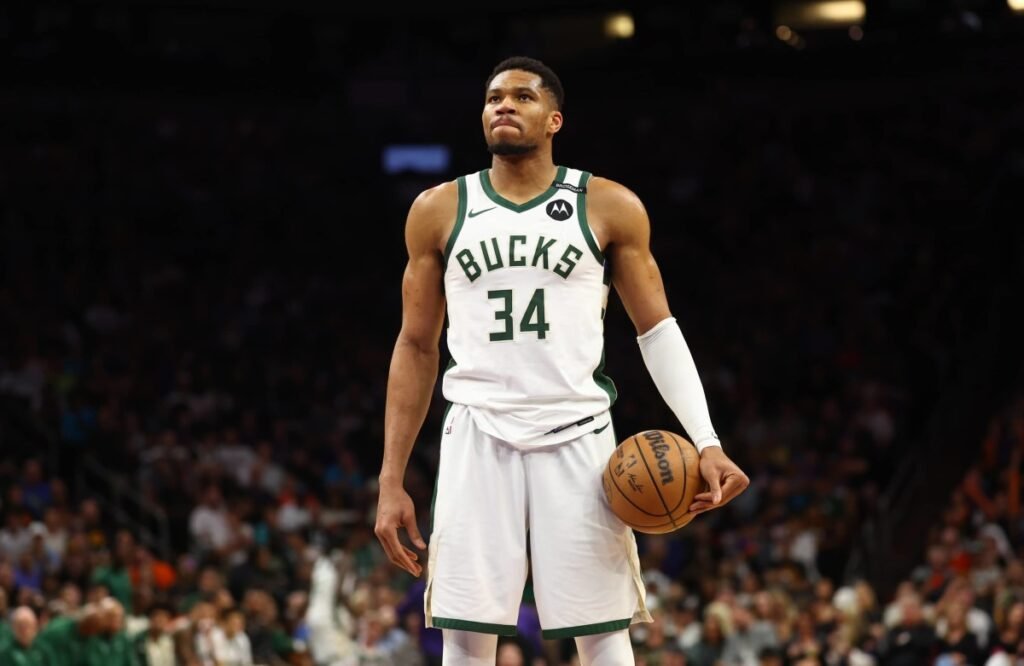
Still, his on-court income is only part of the story. Giannis has capitalized on his stardom through lucrative endorsement deals with brands like Nike, Logitech, JBL, Turkish Airlines, and Mastercard. His signature “Zoom Freak” sneakers with Nike have become a market staple, adding millions more to his earnings.
His annual endorsements are believed to range between $10 million and $15 million, meaning even when he’s sidelined, his bank account keeps climbing. Combine that with playoff and MVP bonuses, and it’s no wonder his total earnings likely exceed $110 million a year.
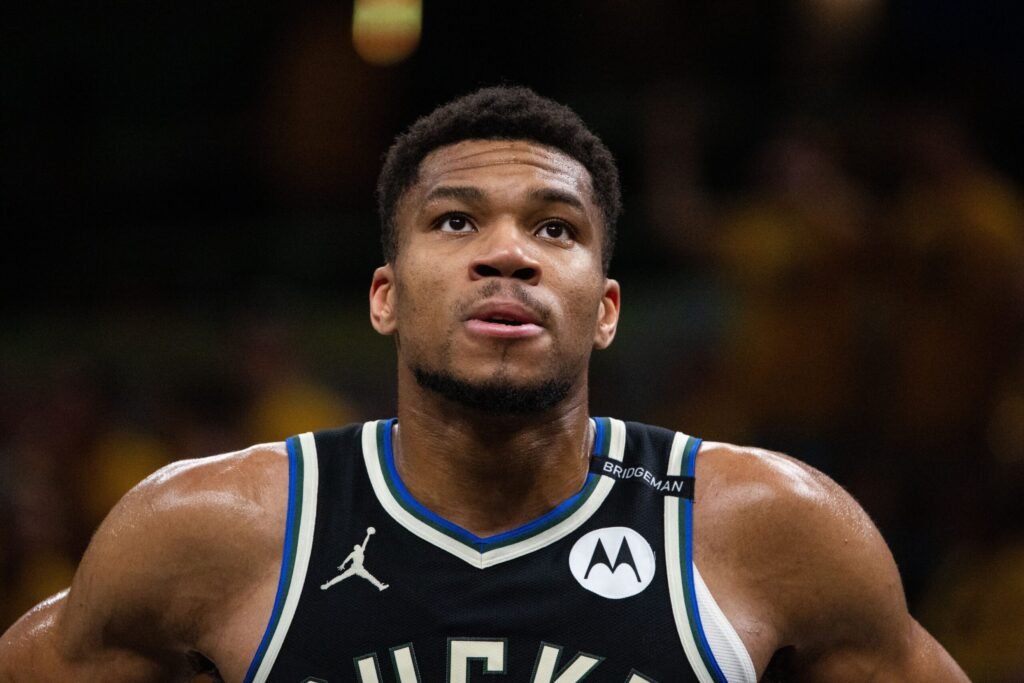
Apr 29, 2025; Indianapolis, Indiana, USA; Milwaukee Bucks forward Giannis Antetokounmpo (34) during game five of the first round for the 2024 NBA Playoffs against the Indiana Pacers at Gainbridge Fieldhouse.
Giannis has also dipped into philanthropy and investment, notably founding the Giannis Antetokounmpo Family Foundation to support families in need, particularly in his native Greece. Meanwhile, insider whispers suggest he’s begun investing in real estate—and even youth sports—signaling a savvy bet on long-term wealth.
All told, with a staggering $130 million earned on the court, up to $60 million from endorsements, and growing off-court ventures, Giannis’s net worth sits around $90–100 million. At just 29 years old, he stands as a rare modern athlete proving that skill, strategy, and self-belief can create lasting legacy—and fortune.









Sports
Diego Pavia Waived by Ravens: Heisman Runner-Up’s NFL Dream Takes Another Twist… What Happens Next?
The former Vanderbilt star is back on the waiver wire after failing to secure a backup quarterback role in Baltimore, but his football journey could still take him to the NFL, CFL, UFL — or even back to college.

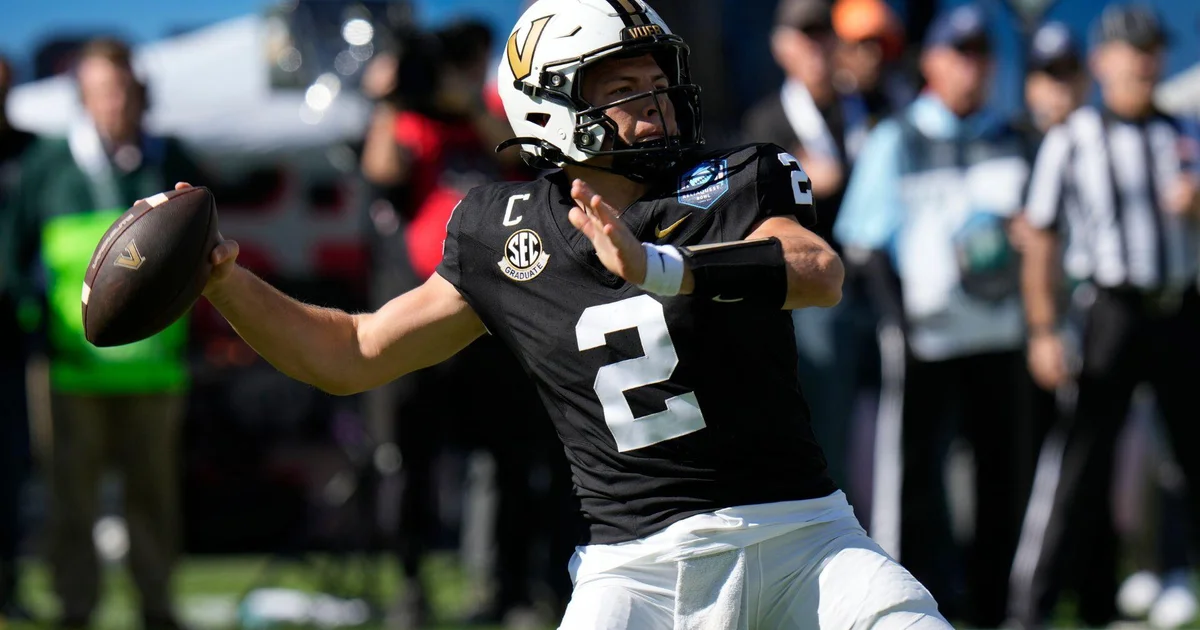
Former Diego Pavia has suddenly found himself at another crossroads in his football career.
The former Vanderbilt Commodores quarterback has entered the NFL’s waiver system after failing to earn a training-camp opportunity with the Baltimore Ravens, where he had hoped to compete for a backup role behind star quarterback Lamar Jackson.
For Pavia, however, this may not be the end of the road. Far from it.
The quarterback, who finished second in the 2025 Heisman Trophy voting, still has several possible routes ahead of him. His next move could determine whether he gets another shot at the NFL, heads north to Canada, joins the UFL or even attempts an extraordinary return to college football.
Could Diego Pavia get another NFL chance?
If Pavia clears waivers, one option is to remain patient and wait for another NFL opportunity.
Quarterbacks often find unexpected openings during the offseason and training-camp period. Injuries, roster changes and teams needing an additional arm for camp can quickly change the equation.
That means Pavia could still receive a call from an NFL team looking for a quarterback to compete for a 53-man roster spot or a place on the practice squad.
His college résumé could also work in his favour. Pavia became one of the most recognisable quarterbacks in college football and was a Heisman Trophy finalist after an impressive campaign.
For a player with that level of production and experience, another NFL opportunity may only be one phone call away.
The CFL could be another option
If the NFL door remains closed, Pavia could look toward the Canadian Football League (CFL).
The Winnipeg Blue Bombers reportedly hold his negotiating rights and have previously indicated interest in the quarterback. A move to Canada could give Pavia the chance to play meaningful professional football and continue developing his game.
The CFL has also provided a pathway to the NFL for several quarterbacks in the past, making it a potentially attractive option for a player still hoping to establish himself at the highest level.
Is the UFL watching?
The United Football League (UFL) could also emerge as a destination.
The league appeared to show interest after the Ravens’ announcement regarding Pavia was shared, with the UFL’s social-media account reacting to the news with an eyes emoji.
While that is hardly an official recruitment signal, it was enough to fuel speculation that Pavia could be on the league’s radar.
For Pavia, the UFL could provide something extremely valuable: game experience.
Instead of waiting for an NFL roster opportunity that may or may not arrive, playing in the UFL could allow him to take regular snaps, showcase his skills and potentially attract attention from NFL scouts.
Could Pavia return to college football?
Perhaps the most unusual possibility involves a return to the college game.
Pavia’s eligibility situation is complicated. He does not appear to fit comfortably within the NCAA’s current eligibility framework because of his junior-college career before beginning his four-season NCAA run.
However, the rapidly changing legal landscape surrounding college athletics could potentially create another opening.
Pavia could theoretically explore legal options to seek another season of eligibility. The situation would be complicated by the fact that he has already signed an NFL contract with the Ravens, although he reportedly did not receive a signing bonus or a game check and only earned standard per diem payments for his offseason work.
Whether that would be enough to make another college season possible remains uncertain.

Still, in the current era of college football, where eligibility rules and athlete rights continue to face legal challenges, Pavia may have little reason not to explore every available avenue.
One thing is clear: Pavia still has options
The most important factor in Pavia’s favour may be his recent history.
Finishing second in the Heisman Trophy race is not an ordinary achievement. It means he has already demonstrated that he can perform at an elite level against top college competition.
The challenge now is finding the right platform to prove that his game can translate to professional football.
An NFL training-camp invitation would obviously be the ideal outcome. But if that opportunity does not immediately arrive, the CFL or UFL could offer a route to gain valuable experience.
And then there is the unlikely college football option.
For now, Pavia’s NFL journey has hit a setback, but his story is far from finished. The former Heisman runner-up may have to take a less direct route to reach his ultimate goal — and his next move could be one of the most intriguing quarterback stories to follow.
Sports
Richard Carapaz Strikes Again! Ecuadorian Star Goes Solo to Win Tour de France Stage 18 as Pogacar Keeps Yellow…
EF Education-EasyPost rider Richard Carapaz produced a perfectly timed attack on the final climb to Orcieres-Merlette, while Tadej Pogacar comfortably retained the overall race lead.

Richard Carapaz delivered another memorable moment at the Tour de France, launching a perfectly timed late attack to claim a solo victory in Stage 18 while Tadej Pogacar continued to hold the coveted yellow jersey.
The EF Education-EasyPost rider broke away during the final climb toward Orcieres-Merlette and never looked back.
Carapaz crossed the finish line with a winning margin of 45 seconds over Mauro Schmid, while Matteo Jorgenson finished third.
For the Ecuadorian rider, the victory added another major achievement to an already impressive Grand Tour career.
The 33-year-old’s latest triumph was his ninth Grand Tour stage victory, while it also marked his second Tour de France stage win after his previous success in 2024.
Carapaz Times His Attack to Perfection
The 185.2-kilometre stage from Voiron to Orcieres-Merlette was always expected to test the riders, with the mountainous terrain providing plenty of opportunities for attackers.
But the race began at a remarkably fast pace.
Riders covered around 42.5 kilometres during the opening hour, despite the demanding route.
As the race developed, a breakaway group managed to establish itself ahead of the main peloton.
Carapaz remained patient.
Rather than wasting energy with unnecessary attacks, the Ecuadorian waited for the final climb — the moment when he believed his strengths could make the biggest difference.
That decision ultimately paid off.
With just 3.5 kilometres remaining, Carapaz launched his decisive move.
The other riders in the leading group simply could not match his acceleration.
His advantage quickly grew to around 37 seconds heading into the final kilometre, leaving Carapaz with enough breathing room to celebrate his victory.
As he approached the finish, the Ecuadorian rider spread his arms wide in celebration.
The victory was his.
‘I Bided My Time’
Speaking after the stage, Carapaz explained that the final climb was ideally suited to his strengths.
He said he had waited patiently for the right moment before making his move.
The victory also carried special meaning because winning a stage at the Tour de France is becoming increasingly difficult.
Carapaz acknowledged that while his latest triumph was different from his previous stage victory, it was every bit as hard-earned.
His experience showed throughout the final kilometres.
Instead of attacking too early, he waited until the perfect moment and then committed fully.
The result was a controlled solo finish that gave his team another major victory on cycling’s biggest stage.
Pogacar Remains in Yellow
While Carapaz celebrated his stage victory, the biggest battle in the overall classification remained relatively quiet.
Tadej Pogacar and the other leading riders stayed safely within the main peloton for much of the stage.

The top 10 overall contenders were more than eight minutes behind the leaders with around 30 kilometres remaining, but the gap began to close as the peloton approached the final climbs.
Despite the increased pace, Pogacar’s position at the top of the general classification remained secure.
The Slovenian superstar therefore retained the yellow jersey as the Tour moved closer to its decisive final stages.
Pogacar is now closing in on what would be his fifth Tour de France title, adding further weight to his growing legacy in professional cycling.
Pedersen Strengthens His Grip on Green Jersey
The battle for the points classification also produced an important development.
Mads Pedersen, wearing the green jersey, entered the stage with his lead under pressure after Jasper Philipsen claimed victory in Stage 17.
Pedersen responded in the best possible way.
The Danish rider joined the early breakaway and later launched an attack during the intermediate sprint.
His move allowed him to collect valuable points and extend his advantage.
By the end of the sprint battle, Pedersen’s lead over Philipsen had grown from just seven points to 32 points.
He then returned to the group, having achieved his objective.
The green jersey battle remains one of the most closely watched contests of the Tour, and Pedersen’s latest move could prove important as the race enters its final stages.
Alpe d’Huez Awaits
The Tour de France now moves toward another crucial mountain test.
The penultimate mountain stage will take riders on a 127.9-kilometre route from Gap to Alpe d’Huez.
The legendary climb could provide one final opportunity for the general classification contenders to attack.
For Pogacar, however, the challenge is clear.
He must protect his advantage while navigating one of the most demanding stages of the race.
For the riders chasing him, it could be their last major opportunity to change the overall standings before the Tour reaches its conclusion.
Meanwhile, Carapaz has already secured his moment of glory.
His Stage 18 victory was a reminder of why the Ecuadorian remains one of the most dangerous climbers in the peloton.
With a perfectly timed attack, a powerful final climb and a confident solo finish, Carapaz once again showed that when the road rises and the pressure increases, he knows exactly when to strike.
And as the Tour heads toward Alpe d’Huez, the biggest question remains: Can anyone still stop Pogacar from completing another remarkable Tour de France triumph?
Sports
Argentina Fan Demands World Cup 2026 Final Replay The Petition’s Reason Is Dividing Football Fans
An online petition urging FIFA to replay the 2026 World Cup final has gone viral after an Argentina supporter claimed controversial decisions affected the outcome of the championship match.

The controversy surrounding the 2026 FIFA World Cup Final continues to intensify, with an Argentina supporter launching an online petition that calls on FIFA to replay the tournament’s showpiece match.
The petition, which has gained traction across social media, argues that several controversial moments during the final had a decisive impact on the result. The organizer claims that key officiating decisions and disputed incidents unfairly influenced the outcome, prompting a call for football’s governing body to order an unprecedented replay.
While the campaign has attracted significant attention online, FIFA’s regulations do not provide for World Cup finals to be replayed simply because of fan petitions or public dissatisfaction with refereeing decisions. Any decision to overturn or replay a match would require extraordinary circumstances under the governing body’s disciplinary and competition rules.
The final itself was one of the most dramatic matches of the tournament, with both teams producing memorable performances before emotions spilled over after the final whistle. The encounter has remained a major talking point among supporters, pundits, and former players, many of whom continue to debate controversial moments from the match.
ALSO READ : Lionel Messi vs Diego Maradona: Is Argentina’s World Cup Hero Finally Above The Legend? Bhaichung Bhutia Gives His Verdict…
Supporters backing the petition argue that football’s biggest tournament should be decided without any lingering doubts over officiating. They believe that technology and video reviews should have prevented the disputed incidents that have fueled debate since the final.
However, many football analysts and fans have pushed back against the campaign, arguing that controversial refereeing decisions have always been part of the sport and that replaying the World Cup final would set an unprecedented and impractical precedent.
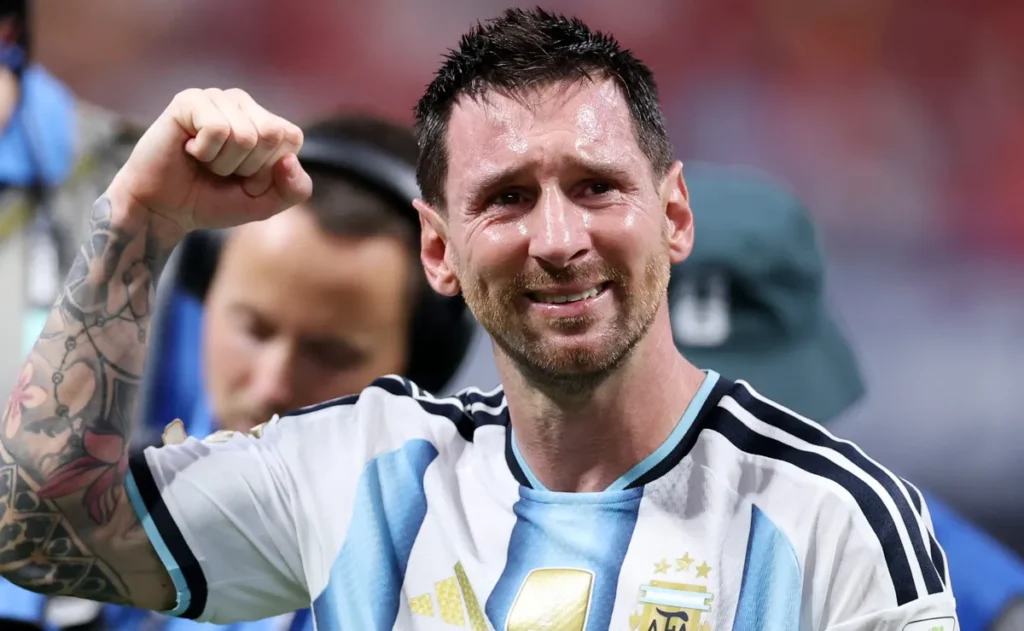
Neither FIFA nor the International Football Association Board (IFAB) has indicated that the final result is under review. As of now, the governing bodies have not announced any plans to revisit the outcome of the championship match.
Online petitions have become a common way for football supporters to express their views after major tournaments, often attracting hundreds of thousands—or even millions—of signatures. While they can generate significant public attention, such campaigns do not carry legal or regulatory authority over FIFA’s competition decisions.
For Argentina’s passionate fan base, the petition reflects the lingering disappointment of falling short on football’s biggest stage. Whether the campaign continues to gather momentum or eventually fades, it highlights just how emotionally invested supporters remain in one of the most talked-about World Cup finals in recent memory.

Trump Turns Up Pressure as Senate Returns: John Thune Faces Election Bill Fight, Funding Deadline and GOP Rebellion

Emma Roberts Marries Cody John in Intimate Idaho Wedding: ‘Scream Queens’ Star Says I Do in Front of Julia Roberts and Close Family

BMW iX1, iX2 Get a Major Price Shock in UK: Electric SUVs Now Cost Less Than Petrol Models After £3,750 Grant

Land Rover Freelander 8 EREV Interior Revealed: 6 Seats, ‘Zero-Gravity’ Captain Chairs and a Luxury Cabin That Looks Like a Private Jet…

Apple TV+ Is One Tony Away From Entertainment History Could ‘Schmigadoon!’ Complete a Record-Breaking EGOT Journey?

1-Iran Issues Dire Warning to Israel and Defies Trump on Nukes: “We’re Ready to Strike Deep Inside”

Donald Trump’s net worth reveals the fortune behind the former US President and business mogul

Sen. Elizabeth Warren Calls It a ‘Cesspool of Corruption’ — Here’s Why Senators Are Now Fighting Back Against the DOJ’s Live Nation Deal That Left Every Fan Betrayed…

“She Never Made It Out…” Albany House Fire Claims Woman’s Life as Family Pleads for Help to Bring Her Home

“Tomás Rodríguez Net Worth 2025: Panama’s Gold Cup Goal‑Machine’s Surprising Fortune Revealed”

Miss Jamaica Suffers Terrifying Fall Off Miss Universe Stage; Rushed to Hospital on Stretcher in Viral Video

Moana Live-Action Teaser Sparks Outrage as Fans Call Disney’s Move a ‘Clear Money Grab’ — What Went Wrong?

Ryan Gosling’s Project Hail Mary Trailer Stuns Fans with a Mysterious Alien Ally and a Mission That Could Save Earth

Apple delays Jessica Chastain thriller The Savant about domestic extremism after recent US violence

Avatar 3, Fire and Ash trailer reveals Jake Sully’s family facing terrifying new Na’vi enemies with deadly fire powers
-

 Sports1 week ago
Lionel Messi vs Diego Maradona: Is Argentina’s World Cup Hero Finally Above The Legend? Bhaichung Bhutia Gives His Verdict…
-
 Sports1 week ago
FIFA World Cup 2026 Final Referee Revealed: Why Slavko Vinčić Could Be Argentina’s Biggest Concern Against Spain
-
 Sports1 week ago
“Stopping Harry Kane Will Be France’s Biggest Challenge…” Gurpreet Singh Sandhu Warns Ahead of World Cup Clash
-

 Entertainment1 week ago
James Wright Named UTA U.K. Music Group Co-Head, Expanding Leadership Role Representing Top Artists
-

 Sports1 week ago
FIFA World Cup 2026 Closing Ceremony: IShowSpeed, Robbie Williams, Shakira & Global Stars Set To Light Up Final Night…
-

 Sports7 days ago
India Spotted Him Before the World Did: How Ferran Torres’ Journey From Mumbai to World Cup Glory Came Full Circle…
-
 Sports1 week ago
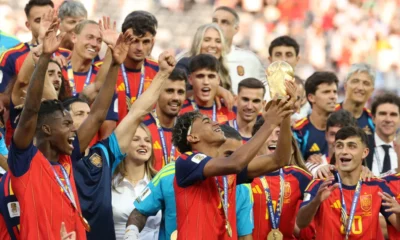
Argentina Under Fire After World Cup Final: Why Did Lionel Messi and Teammates Walk Away During Spain’s Trophy Celebration?
-

 Sports1 week ago
Jude Bellingham Finally Explains Viral Lionel Messi Clash After World Cup Semifinal Defeat: ‘It Was Nothing Like People Thought…’
Pingback: Vinicius Jr Sends Brazil to World Cup as Ancelotti Celebrates First Victory - Daily Global Diary