
Sports
$765 Million Man Juan Soto Shocks Yankees in Subway Series Comeback I’m Trying to Do Damage Every Time
Juan Soto reminds New York who he is with a thunderous home run, 3-hit night and game-turning momentum as Mets roar back to beat the Yankees.

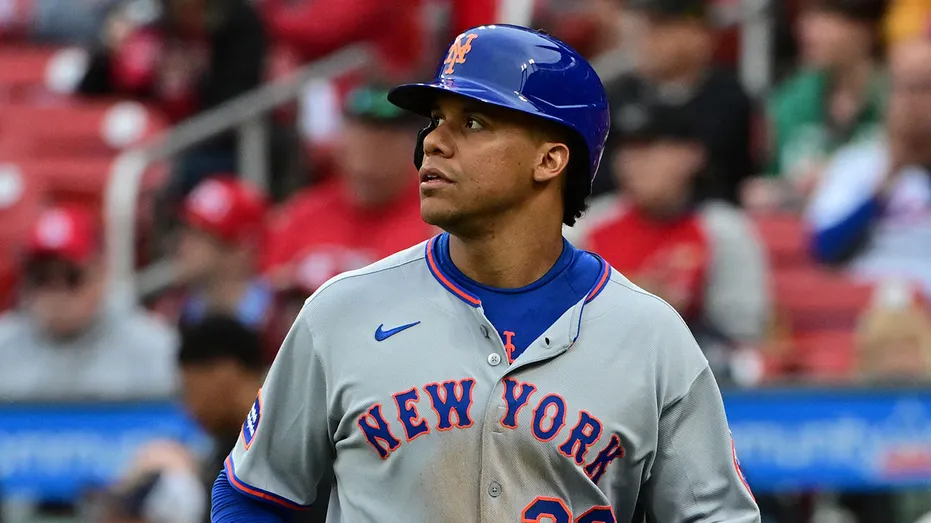
Juan Soto didn’t just play baseball Friday night — he performed. Under the bright lights of the Subway Series, the 26-year-old Mets star silenced critics and stunned his former team, the New York Yankees, with a clutch display that fueled a stunning comeback and a much-needed Mets victory.
After falling behind early to back-to-back bombs from Jasson Domínguez and Aaron Judge, rookie Justin Hagenman found himself rattled in his MLB debut. But then came Soto — and everything changed.
On the first pitch he saw, Soto launched a towering two-run homer into the left-center stands — his 21st of the season — immediately leveling the score and reigniting belief inside Citi Field.
uan responded right away, just getting the momentum right back said Carlos Mendoza, Mets manager. That was the setting-the-tone moment.
But Soto wasn’t done. He scorched a 108.6-mph double in the third, added a single in the fifth, and nearly had a second homer with a deep flyout in the seventh. That same inning, Jeff McNeil stepped up after a Pete Alonso walk and drilled a go-ahead two-run shot down the right-field line off Luke Weaver, giving the Mets the lead for good.
That was awesome,” McNeil said. “He [Soto] had a great day. Huge home run. That’s just who he is. It’s fun to watch.
The comeback win was about more than just one game — it was a declaration from Soto, whose early-season struggles (.229 AVG by June 5) had drawn sharp criticism from fans and radio pundits alike. Many questioned the $765 million contract the Mets handed him in the offseason.
But since June 6, Soto has flipped the narrative with a vengeance:
- .348 batting average
- 10 home runs
- 1.185 OPS in 27 games
- Named National League Player of the Month
His season OPS of .916 now ranks 7th in MLB, and those 21 homers have him tied for 9th overall.
I feel good right now,” Soto said postgame. “I’m seeing the ball really well… I’m trying to do damage every time and help the team win.
Ironically, it was the Yankees, Soto’s former team, who witnessed first-hand what their crosstown rivals now enjoy. And with both teams fighting to stay relevant in a season marked by injuries and inconsistency, Soto’s bat might just be the spark the Mets needed to turn their season around.







Sports
“Cubs vs Dodgers Tonight… Here’s Exactly Where to Watch the Big MLB Clash and Why Fans Are Confused This Season”
With new MLB broadcast changes, fans are scrambling—here’s the full guide to watching Chicago Cubs vs Los Angeles Dodgers on April 25.


Baseball is back, stadiums are buzzing, and fans are ready—but there’s one unexpected challenge this season: figuring out where to actually watch the game.
If you’re planning to catch the matchup between the Chicago Cubs and the Los Angeles Dodgers, you’re not alone in feeling a bit confused.
Thanks to recent broadcasting changes by Major League Baseball, watching your favorite team isn’t as straightforward as it used to be.
So, here’s everything you need to know—without the headache.
When and Where Is the Game?
The highly anticipated clash between the Cubs and Dodgers is set for:
- Date: Saturday, April 25, 2026
- Time: 7:15 p.m. (ET)
- Venue: Dodger Stadium
- Location: Los Angeles
This iconic ballpark is expected to be packed as fans gear up for one of the most exciting matchups of the early MLB season.
Where to Watch Cubs vs Dodgers
Here’s the simple answer most fans are looking for:
- TV Channel: FOX
- Streaming: MLB.TV (available via Fubo)
If you have cable, FOX will be your go-to option. For cord-cutters, MLB.TV remains the most reliable way to stream the game live.
Why Watching MLB Games Feels More Complicated Now
This season, MLB introduced a new broadcasting model, taking control of production and distribution for a significant number of games.
While the move aims to modernize the viewing experience, it has left many fans wondering:
- Which channel is showing their team?
- Which platform requires a subscription?
- Why is it different every game?
In short—it’s not just you. Even long-time baseball fans are double-checking schedules before every game.

Why This Matchup Matters
Whenever the Cubs and Dodgers meet, it’s more than just a regular game.
The Dodgers, one of the most dominant teams in recent MLB history, bring star power and consistency. Meanwhile, the Cubs continue to rebuild and surprise, making every game unpredictable.
Fans will also be watching closely for performances from big names like:
- Mookie Betts (Dodgers star)
- Freddie Freeman (Dodgers first baseman)
These players have the ability to turn the game around in a single moment.
What to Expect Tonight
Expect a competitive, high-energy game under the lights at Dodger Stadium.
- A packed crowd
- National TV coverage
- Two historic franchises facing off
It’s the kind of matchup that reminds fans why baseball still holds a special place in sports culture.
Final Word
If you’re tuning in tonight, double-check your channel, grab your snacks, and settle in early.
Because despite the confusion around broadcasts, one thing hasn’t changed—the magic of a live MLB game.
And when the Cubs face the Dodgers, it’s always worth watching.
Sports
Sue Bird and Megan Rapinoe Break Up After 10 Years… Power Couple Ends Relationship but Leaves Fans With One Last Surprise
The iconic sports duo announce their split and the end of their podcast “A Touch More,” promising a heartfelt farewell to fans.

In a moment that has left fans emotional across the sports world, legendary athletes Sue Bird and Megan Rapinoe have officially announced the end of their relationship after nearly a decade together.
The couple shared the news in a deeply personal way—through their own podcast, A Touch More—a platform where they had openly shared their journey, thoughts, and life beyond sports.
A Decade-Long Relationship Comes to an End
For 10 years, Bird and Rapinoe weren’t just partners—they were one of the most admired power couples in sports.
Their relationship symbolized more than love. It stood for equality, representation, and strength—especially within women’s sports and the LGBTQ+ community.
Announcing the split, Rapinoe emphasized that the decision was mutual and made with care:
“It’s a decision that we made together… We’re still going to be there for each other. It’s just going to look a little bit different.”
It wasn’t dramatic. It wasn’t messy. Instead, it reflected maturity—two people evolving in different directions while maintaining respect.
The End of ‘A Touch More’—But Not Without Goodbye
Alongside their breakup, the duo also confirmed they will be phasing out their popular podcast A Touch More.
The podcast had become a fan-favorite space where the couple discussed everything—from sports and culture to personal growth after retirement.
Bird shared how meaningful the platform had been:
“We have shared so much of our life… launching this podcast has been one of our favorite things.”
But they’re not disappearing overnight.

Fans can expect six final special episodes, which the duo described as a heartfelt farewell—not just to the show, but to the shared chapter of their lives.
Two Legendary Careers, One Powerful Story
Even beyond their relationship, both Bird and Rapinoe are icons in their respective sports.
- Sue Bird is widely regarded as one of the greatest players in WNBA history, winning four championships and earning 13 All-Star selections across a 20-year career.
- Megan Rapinoe, a global face of women’s soccer, led the United States Women’s National Soccer Team to multiple FIFA Women’s World Cup victories (2015 and 2019), becoming a symbol of activism and excellence.
Together, they were more than athletes—they were cultural figures.
What Happens Next?
While their romantic relationship is ending, both are stepping into new individual journeys.
Rapinoe revealed she is planning to launch her own podcast, while Bird is continuing her project, Bird’s Eye View, for a second season.
Their message is clear: this is not an ending—it’s a transition.
More Than a Breakup
What makes this story stand out is how it’s being handled.
There’s no controversy. No blame. Just honesty.
The two emphasized that while their relationship is changing, their connection and mutual respect remain intact.
And perhaps that’s why this news feels different—it’s not just about a breakup, but about growth.
A Farewell Fans Didn’t Expect
For millions of fans who followed their journey, this announcement marks the end of an era.
But Bird and Rapinoe are making sure it’s not a sudden goodbye.
With a few final podcast episodes still to come, they’re giving fans one last chance to celebrate what they built together.
And maybe that’s the most fitting ending of all—not silence, but a meaningful goodbye.
Sports
“Angels Icon Garret Anderson Dies at 53… The Silent Hero Behind 2002 World Series Glory Gone Too Soon”
The legendary Los Angeles Angels outfielder, known for his quiet dominance and historic 2002 performance, leaves behind a legacy that shaped a franchise forever.

The baseball world is in mourning after the heartbreaking news that Garret Anderson, one of the most beloved figures in Los Angeles Angels history, has passed away at the age of 53. The team confirmed his death on Friday, though no official cause has been disclosed.
For fans who watched the Angels rise from underdogs to champions, Anderson wasn’t just another player—he was the backbone of an era. Quiet, consistent, and fiercely loyal, he defined what it meant to wear an Angels jersey.
A Career Built on Loyalty and Consistency
Drafted in 1990, Anderson made his Major League debut in 1994 with the then California Angels. What followed was a remarkable journey spanning 17 MLB seasons—15 of which were spent with the Angels organization.
In an era filled with flashy superstars, Anderson stood apart. He wasn’t loud. He didn’t chase headlines. Instead, he delivered—game after game, season after season.
By the time he retired, Anderson had etched his name across the Angels’ record books:
- Franchise leader in games played (2,013)
- Most RBIs (1,292)
- Record total bases (3,743)
- Nearly 500 doubles and 796 extra-base hits
His 272 home runs rank just behind modern greats like Mike Trout and Tim Salmon, placing him firmly among the franchise’s all-time elite.
2002: The Year That Defined a Legacy
If there is one chapter that immortalized Anderson, it was the unforgettable 2002 World Series.
That season, Anderson batted an impressive .306 and drove in 123 runs, leading the Angels into the postseason. But the real magic happened in October.
Facing the mighty San Francisco Giants—led by the legendary Barry Bonds—the Angels found themselves on the brink of elimination.
What followed became one of baseball’s greatest comeback stories.
In Game 7, with everything on the line, Anderson delivered the defining moment of his career—a clutch three-run double that sealed a 4-1 victory and secured the Angels’ first and only World Series title.
It wasn’t just a hit. It was history.
More Than Just Numbers
Beyond stats and trophies, Anderson’s impact was deeply personal.
He was a three-time All-Star and even took home MVP honors during the 2003 All-Star Game, along with winning the Home Run Derby. But what truly set him apart was his humility.
Former teammates and fans often described him as “the quiet leader”—a player who led not with words, but with unwavering professionalism.
After retiring, Anderson remained close to the game, working as a television analyst for Angels broadcasts, continuing to share his insights with the same calm presence fans had come to admire.
Tributes Pour In
The Angels organization expressed profound grief in an official statement, calling Anderson “one of the most beloved icons in franchise history.”
Team owner Arte Moreno said:

“Garret was a cornerstone of our organization… his professionalism, class, and loyalty made him unforgettable.”
Current superstar Mike Trout also shared an emotional message on social media, saying Anderson inspired generations of players who followed.
To honor his legacy, the Angels will wear a memorial patch for the rest of the season, alongside a moment of silence and a tribute video before their next game.
A Life Beyond Baseball
Born on June 30, 1972, in Los Angeles, Anderson remained deeply connected to his roots. Despite achieving fame, he always carried himself with humility and grace.
He is survived by his wife Teresa, daughters Brianne and Bailey, and his son, Garret “Trey” Anderson III.
The End of an Era
In a sport often dominated by loud personalities and larger-than-life figures, Garret Anderson was something different—a steady force, a silent achiever, a true team player.
His story reminds us that greatness doesn’t always shout. Sometimes, it simply shows up… every single day… and delivers.
And now, as the Angels and the baseball world say goodbye, one thing is certain—his legacy will never fade.

“All Former U.S. Presidents Gather in Philadelphia for ‘HISTORYTalks 2026’… Alongside Michelle Obama, Hillary Clinton, Nicole Kidman & Tom Brady in a Historic Mega Conclave”
“Nicole Kidman Reveals ‘Harrowing’ Moment She Learned About Her Mother’s Death… and Why She Is Now Training as a Death Doula: ‘It’s Very Important to Me’”

“Dylan Sprouse Confronts Trespasser at Hollywood Hills Home… Holds Suspect Until Police Arrive After Early Morning Burglary Scare”

“Bezos Met Gala Sponsorship Row Erupts Underground… NYC Subway ‘DIY Ads’ Blast Billionaire With Claims of ‘Buying Influence’”

“‘White Chicks 2’ Could Finally Happen… But Only If THIS Condition Is Met, Reveal Wayans Brothers: ‘We’re Not Doing It Any Other Way’”

1-Iran Issues Dire Warning to Israel and Defies Trump on Nukes: “We’re Ready to Strike Deep Inside”

Donald Trump’s net worth reveals the fortune behind the former US President and business mogul

“She Never Made It Out…” Albany House Fire Claims Woman’s Life as Family Pleads for Help to Bring Her Home

“Tomás Rodríguez Net Worth 2025: Panama’s Gold Cup Goal‑Machine’s Surprising Fortune Revealed”

Caitlin Clark Sidelined with Quad Strain, Set to Miss Two Weeks of WNBA Action

Miss Jamaica Suffers Terrifying Fall Off Miss Universe Stage; Rushed to Hospital on Stretcher in Viral Video

Moana Live-Action Teaser Sparks Outrage as Fans Call Disney’s Move a ‘Clear Money Grab’ — What Went Wrong?

Ryan Gosling’s Project Hail Mary Trailer Stuns Fans with a Mysterious Alien Ally and a Mission That Could Save Earth

Apple delays Jessica Chastain thriller The Savant about domestic extremism after recent US violence

Avatar 3, Fire and Ash trailer reveals Jake Sully’s family facing terrifying new Na’vi enemies with deadly fire powers
-

 Entertainment1 week ago
“Evolve or Die…” Sam Levinson Reveals How ‘Euphoria’ Season 3 Was Rebuilt After ‘The Idol’ Experiment
-
 Entertainment1 week ago
“Evolve or Die…” Sam Levinson Explains Shocking Creative Shift Behind ‘Euphoria’ Season 3 Return
-
 Entertainment1 week ago
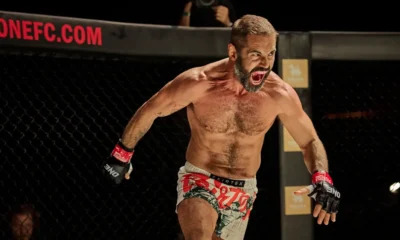
‘Beast’ Director Tyler Atkins Breaks Silence on MMA Drama Exploring Identity, Family… and the Raw Fight for Survival
-

 Entertainment1 week ago
“Choosing the Next James Bond Isn’t Easy…” Amazon MGM Breaks Silence on 007 Casting Mystery
-

 Entertainment1 week ago
Justin Bieber’s “Low-Key” Coachella Set Sparks Heated Debate… Fans Accuse Double Standards After Sabrina Carpenter Comparison
-

 Entertainment1 week ago
Lisa Kudrow Reveals Unexpected Reason Behind Casting Her Son in ‘The Comeback’ Final Season… Fans Call It ‘Most Personal Twist Yet’
-

 Entertainment1 week ago
“All Hail the Queen…” Donna Langley’s Hollywood Power Play Stuns CinemaCon as Nolan, Spielberg and Snoop Dogg Rally Behind Universal
-

 Entertainment3 days ago
“Hulk Hogan: Real American” Review: Netflix Docu… is More About Donald Trump Than the Wrestling Legend Himself, Fans Ask ‘Where is Hulk Hogan in His Own Story?’