
World News
Ukraine war day 1296 Cheap Gerbera drones spark Poland crisis with 7 shocking revelations
Zelenskyy slams allies for “statements but no action” as Russia’s plywood-made Gerbera drones violate Poland’s skies.

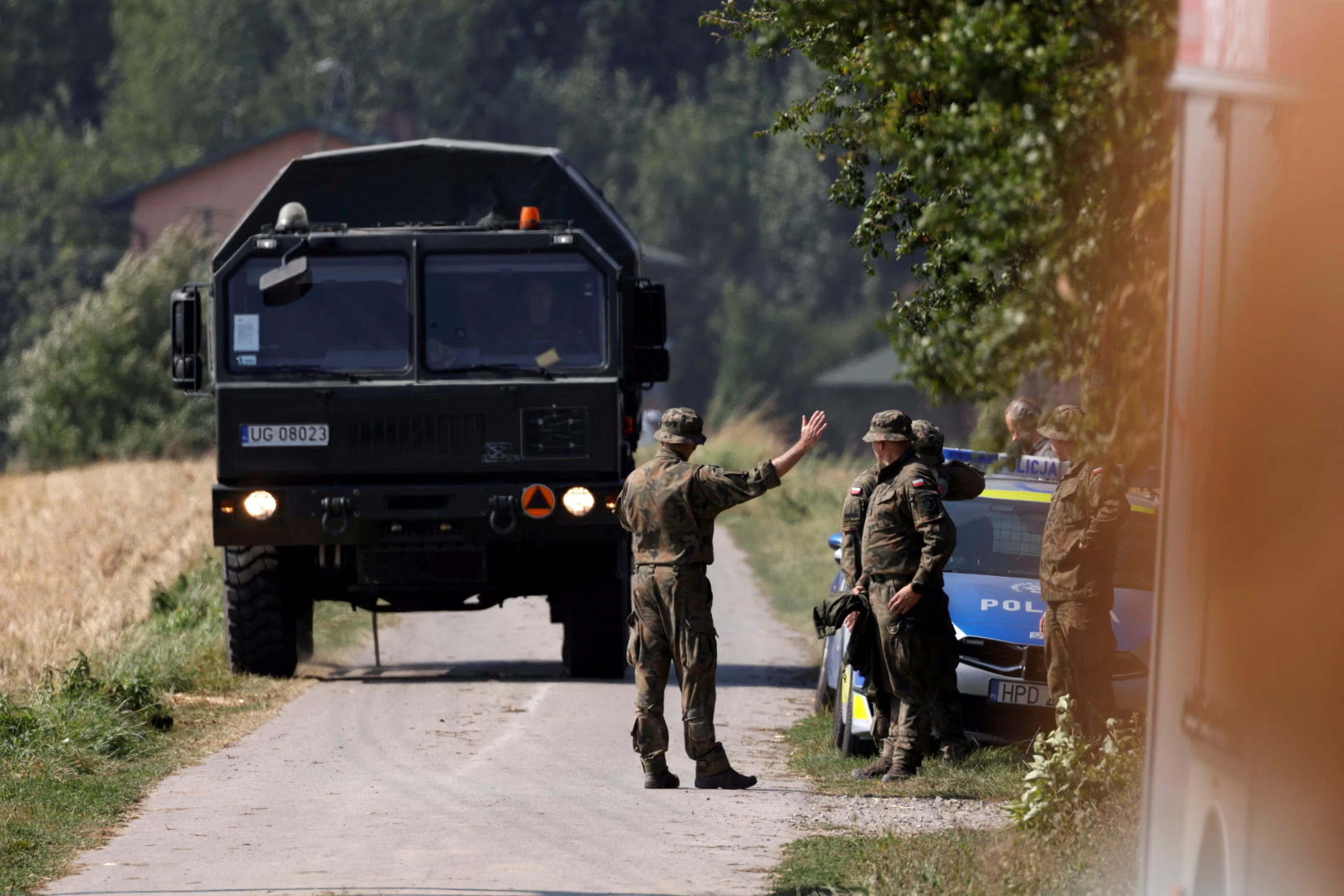
The Ukraine war has entered day 1,296 with another dangerous escalation—this time inside the airspace of Poland, a NATO member. According to Polish military officials, drones that crossed the border on Wednesday included Russia’s Gerbera UAVs, a cheap plywood-and-foam aircraft similar to Iran’s Shahed drones.
The incident is being described as one of the most unsettling developments since Russia’s invasion of Ukraine began in 2022. The use of these drones, sometimes as decoys and sometimes as flying bombs, raises fresh questions about Russia’s strategy and NATO’s response.
What is the Gerbera Drone?
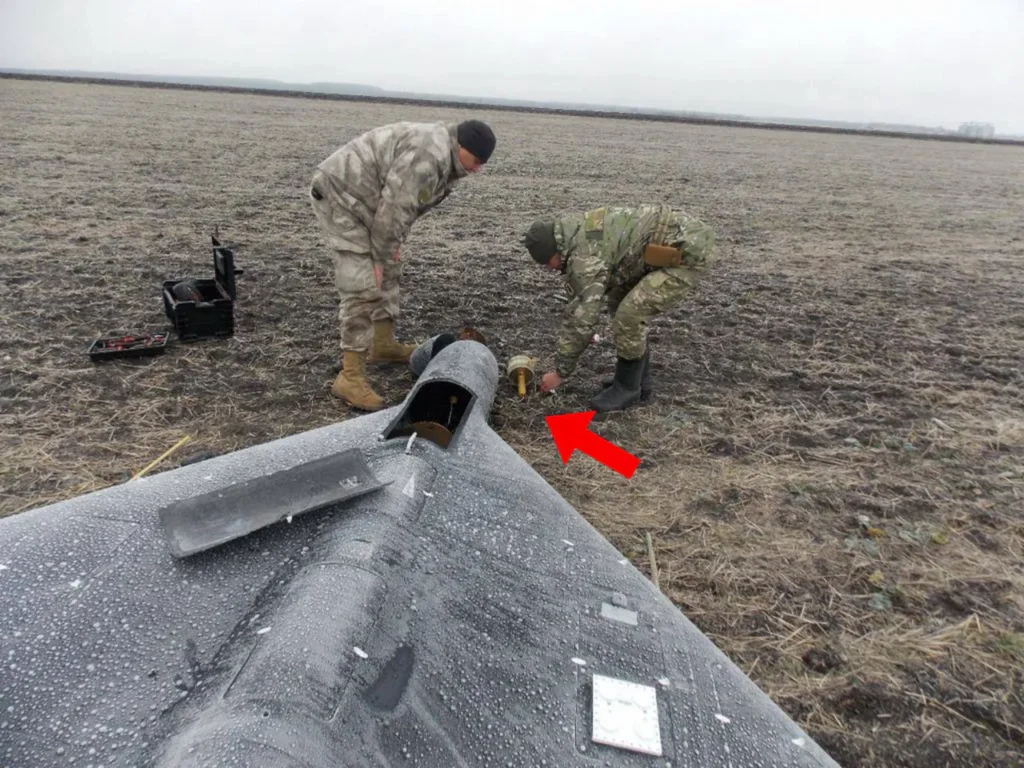
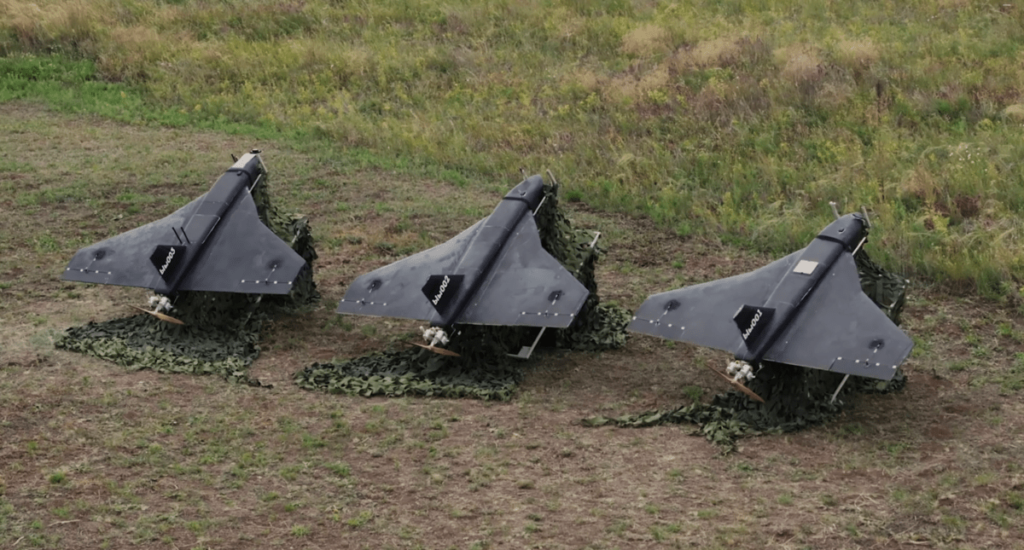
The Gerbera UAV is a low-cost, long-range drone reportedly assembled in Yelabuga, Russia, using kits supplied by a Chinese manufacturer. Made largely from plywood and foam, it is powered by a small rear motor and propeller. Its crude design is deceptive—Ukrainian intelligence says it can be fitted with a small warhead or used for reconnaissance.
Western analysts note that Russia often deploys Gerbera drones in swarms to overwhelm Ukrainian air defenses. This mirrors tactics already seen with Iranian-supplied Shahed drones. Despite China’s denial, shipments of components have been documented, and smuggled electronics from US and European firms have been discovered in downed drones.
Zelenskyy’s Anger
In his daily address, Volodymyr Zelenskyy delivered one of his sharpest rebukes of western leaders yet.
“There have been more than enough statements, but so far there has been a lack of action,” Zelenskyy said. “The Russians are testing the limits of what is possible. They are recording how NATO countries react.”
Zelenskyy reiterated his call for a joint European air shield, insisting only coordinated defenses can protect against future waves of drones. He warned that if dozens have already appeared, “no one can guarantee there won’t be hundreds.”
European Reactions
German defense minister Boris Pistorius told parliament that the drones’ flight path was deliberate:
“There is absolutely no reason to believe this was a course correction error. They were armed and could have caused damage at any time.”
Meanwhile, the UK’s defense secretary John Healey announced Britain will mass-produce low-cost interceptor drones, based on Ukrainian designs, to help counter Russian UAV attacks. The announcement will be detailed at the DSEI arms trade show in London, following talks with defense officials from Poland, Italy, France, and Germany.
Trump vs. NATO Allies
In the United States, reactions were split. President Donald Trump posted on social media:
“What’s with Russia violating Poland’s airspace with drones? Here we go!”
His comment appeared to downplay the seriousness, compared with strong statements from European leaders and even his own ambassador to NATO, Matthew Whitaker, who declared: “We stand by our NATO Allies and will defend every inch of NATO territory.”
The Oil Sanctions Puzzle
Beyond drones, the war is hitting global energy markets. Analysts say Indian buyers are demanding larger discounts on Russian crude due to sanction risks. Some Russian exporters have threatened to redirect cargoes to China instead.
The European Union lowered its price cap for Russian oil to $47.60 a barrel from $60, while the United States under Trump refused to support the cut. Critics argue sanctions coordination among G7 allies has collapsed. Ursula von der Leyen, the EU Commission chief, hinted at a faster phase-out of Russian fuels.
NATO Strengthens the North
As a direct signal to Moscow, the US State Department approved a $1.07 billion arms sale of advanced air-to-air missiles to Finland, now a NATO member after abandoning decades of neutrality. Congress must still sign off, but the deal underscores NATO’s readiness to bolster defenses along Russia’s border.
Why Poland Matters
Poland has been one of Ukraine’s strongest supporters, hosting millions of refugees and sending tanks and artillery. A violation of its airspace is not just a technical breach—it is a geopolitical alarm bell. The Gerbera drones may look like toys, but NATO leaders know they could be carrying deadly payloads.
This incident also coincides with Russian-Belarusian military drills in Belarus, raising fears the exercises could be dress rehearsals for further escalation.
Final Word
Day 1,296 of the Ukraine war reminds the world that this conflict is far from “frozen.” From cheap plywood drones to billion-dollar missile sales, the stakes keep rising.
For Zelenskyy, the message is urgent: Europe must move from statements to action. For NATO, the challenge is clear—how to respond to Russia’s creeping provocations without stumbling into a wider war.
Stay with Daily Global Diary for the latest updates, analysis, and frontline reports.







World News
“All Former U.S. Presidents Gather in Philadelphia for ‘HISTORYTalks 2026’… Alongside Michelle Obama, Hillary Clinton, Nicole Kidman & Tom Brady in a Historic Mega Conclave”
A rare, star-studded assembly marks America’s 250th anniversary celebrations, bringing together political leaders, Hollywood icons, and sports legends under one historic roof in Philadelphia.


In what is being described as one of the most extraordinary public gatherings in modern American history, all living former U.S. Presidents came together in Philadelphia for HISTORYTalks 2026, a flagship event celebrating the country’s upcoming 250th anniversary.
The high-profile conclave, jointly produced by the History Channel and NBCUniversal, transformed the city into a global stage where politics, entertainment, sports, and media intersected in a rare moment of unity and reflection.
The gathering reportedly included former U.S. Presidents alongside prominent public figures such as former First Lady Michelle Obama, former Secretary of State Hillary Clinton, and current First Lady Jill Biden.
But what truly elevated the event into pop-culture territory was its Hollywood and sports crossover. Academy Award-winning actor Nicole Kidman, NFL legend Tom Brady, Emmy-winning comedian Tina Fey, and veteran journalist Hoda Kotb were all part of the star-studded lineup.
ALSO READ : Younghoe Koo Explains Botched Field Goal After Slip: “The Ball Was Moving So I Pulled Up”
Adding further cultural depth to the event were actor Ted Danson and Philadelphia Eagles icon Jason Kelce, whose presence symbolized the blending of American entertainment, sports heritage, and civic identity.
A Historic Cultural Moment
The event, held in Philadelphia—a city deeply tied to American independence—was designed as more than just a ceremonial celebration. Organizers described it as a “national storytelling moment,” focusing on the past 250 years of the United States and the evolving meaning of leadership, democracy, and cultural influence.
While political discussions remained behind closed doors, public sessions featured moderated conversations on unity, media responsibility, and the future of American society.
When Politics Meets Pop Culture
The unexpected combination of political heavyweights and entertainment icons made HISTORYTalks 2026 one of the most unusual gatherings in recent memory.

Observers noted the symbolic importance of seeing former Presidents seated alongside global celebrities and sports legends—a reflection of how modern American influence now spans far beyond politics alone.
According to attendees, the atmosphere was more reflective than political, with discussions often focusing on shared national identity rather than partisan divides.
A Celebration of Influence
From the White House to Hollywood, from NFL stadiums to global media studios, the event highlighted how leadership today is shaped by multiple arenas of influence.
The presence of organizations like History Channel and NBCUniversal underscored the growing role of media in shaping historical narratives for younger generations.
As the United States approaches its 250th anniversary, HISTORYTalks 2026 is already being described as a defining cultural snapshot—one that brought together power, fame, and public service in a single historic frame.
World News
Key Prosecutor Removed from John Brennan Probe… Doubts Over Case Strength Raise Big Questions
A senior Justice Department prosecutor steps away after reportedly questioning evidence against former CIA chief John Brennan.


In a development that could significantly impact a high-profile political investigation, a lead prosecutor has been removed from the probe involving former CIA Director John Brennan.
According to a source familiar with the matter, prosecutor Maria Medetis Long is no longer part of the investigation after expressing concerns about the legal strength of any potential criminal case against Brennan.
Doubts From Within the Justice Department
The revelation has raised eyebrows in legal and political circles.
Medetis Long, who leads the national security section at the U.S. Attorney’s Office for the Southern District of Florida, reportedly conveyed to Justice Department officials that there may not be sufficient evidence to support criminal charges.
Shortly afterward, she stepped away from the case.
While the U.S. Department of Justice confirmed that she is no longer involved, it downplayed the significance of the move, stating that reassigning attorneys is a “routine practice” to manage resources effectively.
Still, the timing of her departure has sparked speculation.
What Is the Brennan Investigation About?
The investigation centers on Brennan’s role in assessing alleged Russian interference in the 2016 United States presidential election.
Brennan, who served as CIA Director under Barack Obama, was a key figure when the intelligence community released findings about Russia’s involvement in the election.
The probe gained traction after Jim Jordan, chairman of the House Judiciary Committee, referred the matter to the Justice Department. He alleged that Brennan may have provided false testimony regarding how the intelligence assessment was prepared.
Brennan and his legal team have strongly denied these claims.
Political Undercurrents Intensify
The case has also been tied to long-standing grievances from Donald Trump, who has repeatedly criticized investigations into his 2016 campaign’s alleged ties to Russia.
In recent weeks, Trump reshuffled leadership within the Justice Department, replacing Attorney General Pam Bondi with her deputy Todd Blanche, citing frustration over the pace of investigations involving political opponents.
Blanche has publicly stated that a president has the authority to pursue investigations into individuals they have had “issues with,” a remark that has added fuel to the already heated debate over the independence of the Justice Department.

A Pattern of Legal Turbulence
This isn’t the first controversy surrounding politically sensitive prosecutions.
Last year, former acting U.S. attorney Erik Siebert was removed after declining to pursue charges against other Trump critics, including former FBI Director James Comey and New York Attorney General Letitia James.
A replacement prosecutor later secured indictments, but those cases were ultimately dismissed by a judge due to issues with the appointment process.
What Happens Next?
Despite the shake-up, the Brennan investigation is ongoing.
Investigators have reportedly issued multiple subpoenas and are preparing for additional interviews. However, it remains unclear whether the case will ultimately lead to criminal charges.
Medetis Long’s departure could have ripple effects—not only on the direction of the investigation but also on the willingness of witnesses to cooperate.
A Case at a Crossroads
At its core, this development highlights a deeper tension within the U.S. legal system—where law, politics, and public perception often collide.
Is this simply a routine reassignment, as officials claim?
Or does it signal deeper concerns about the viability of the case?
For now, the answers remain uncertain. But one thing is clear—the investigation into John Brennan has entered a critical and potentially निर्णायक phase.
World News
“Grave violation”: Israel’s Lebanon strikes threaten fragile U.S.-Iran ceasefire just days after Trump’s “whole civilization” threat secured deal
Israeli military operations against Hezbollah continue despite two-week pause between Washington and Tehran, raising questions about whether the Pakistan-brokered agreement can survive

The ink has barely dried on the fragile U.S.-Iran ceasefire agreement, and already it’s facing its first major test—one that could determine whether the two-week pause leads to lasting peace or simply delays the inevitable return to conflict.
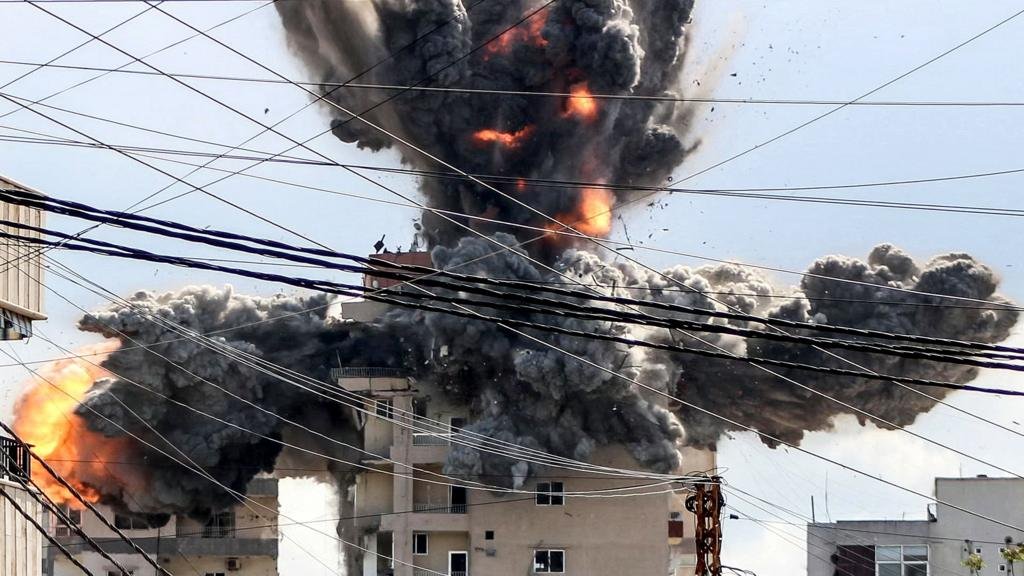
Israel has continued military strikes against Hezbollah targets in Lebanon, operations that critics are now calling a “grave violation” of the ceasefire that Pakistan brokered between Washington and Tehran just days ago.
The attacks have sparked international concern and raised a fundamental question: Can a ceasefire between the United States and Iran hold when Israel—America’s closest Middle East ally—continues combat operations against Iran’s most powerful regional proxy?
The Ceasefire Israel Never Agreed To
From the beginning, Israel made its position crystal clear: the U.S.-Iran ceasefire would not constrain Israeli military operations against Hezbollah, the Iranian-backed militant group that has been engaged in escalating clashes with Israeli forces along the Lebanese-Israeli border.
Israeli officials stated publicly, even before the ceasefire was announced, that their national security interests could not be put on hold simply because President Donald Trump and Iranian leadership had agreed to a temporary pause.
Israeli Prime Minister Benjamin Netanyahu has maintained that Hezbollah poses an existential threat to Israel, and that operations to degrade the group’s military capabilities would continue regardless of diplomatic developments between other parties.
“Israel was not a signatory to this agreement,” one Israeli Defense Forces (IDF) spokesperson said earlier this week. “We retain the right to defend our citizens and our borders from terrorist threats.”
What Constitutes a “Grave Violation”?
The phrase “grave violation” has been used by Iranian officials, regional observers, and some international diplomats who argue that Israel’s continued strikes undermine the spirit—if not the letter—of the U.S.-Iran agreement.
Iran’s position is straightforward: Hezbollah is part of the broader “axis of resistance” that Tehran supports across the Middle East. While Hezbollah operates independently in Lebanon, it receives significant military, financial, and political support from Iran. Strikes against Hezbollah are, in Tehran’s view, indirect strikes against Iranian interests.
Iranian Foreign Ministry officials have reportedly communicated to Pakistani mediators that Israel’s ongoing operations represent a violation of the ceasefire’s intent, which was to reduce regional tensions and create space for broader negotiations.
“How can we negotiate in good faith when Israel bombs our allies with impunity?” one Iranian diplomat was quoted as saying. “This makes a mockery of the ceasefire.”
The American Dilemma
The United States finds itself in an uncomfortable position, caught between its commitments to Iran under the ceasefire agreement and its longstanding alliance with Israel.
The White House has carefully avoided directly criticizing Israeli actions, instead offering generic statements about supporting Israel’s right to self-defense while also calling for “all parties to exercise restraint.”
This diplomatic balancing act satisfies no one. Iran sees it as evidence of American bad faith, while Israel views it as insufficient support for its security needs.
Behind the scenes, according to sources familiar with the discussions, Trump administration officials have been engaged in intense conversations with Israeli counterparts, urging them to at minimum scale back operations during the two-week ceasefire window.
Whether these private appeals will have any effect remains to be seen.
Hezbollah’s Role in the Broader Conflict
Understanding why Israel is so focused on Hezbollah requires understanding the group’s role in the regional power struggle between Israel and Iran.
Hezbollah, which translates to “Party of God,” is not just a militant group—it’s also a political party with significant representation in the Lebanese parliament and a vast social services network that provides healthcare, education, and other services to Lebanon’s Shia population.
Militarily, however, Hezbollah is formidable. The group is estimated to possess over 150,000 rockets and missiles, including precision-guided munitions that can reach anywhere in Israel. It has sophisticated tunnels along the border, well-trained fighters with combat experience from Syria, and significant military infrastructure embedded within civilian areas in southern Lebanon.
For Israel, Hezbollah represents the most immediate and dangerous threat on its borders—more pressing even than potential Iranian nuclear weapons, which remain a future concern rather than a present danger.
Recent Escalations
The Israeli strikes that have been labeled “grave violations” of the ceasefire include:
Airstrikes on Hezbollah weapons depots in southern Lebanon, which Israel claims were being prepared for potential attacks across the border.
Targeted assassinations of Hezbollah commanders, operations that Israel has conducted periodically for years but have continued despite the U.S.-Iran ceasefire.
Cross-border artillery exchanges following Hezbollah rocket fire into northern Israel, which displaced Israeli civilians and prompted military responses.
Israel maintains that these operations are defensive and necessary to protect Israeli citizens living in communities near the Lebanese border who have been under threat of Hezbollah attacks.
Hezbollah, for its part, has continued limited attacks across the border, claiming they are in retaliation for Israeli strikes and in solidarity with Palestinians in Gaza (if that conflict is still ongoing at this time).
Lebanon: The Forgotten Victim
Lost in the geopolitical maneuvering between Iran, the United States, and Israel is Lebanon itself—a country that has endured decades of conflict and currently faces catastrophic economic collapse.
Lebanese civilians in the south have been caught in the crossfire between Israeli strikes and Hezbollah operations, with thousands displaced and infrastructure destroyed. The Lebanese government, weak and divided, has little ability to constrain Hezbollah or protect civilians from Israeli strikes.
Lebanese Prime Minister officials have appealed to the international community for help, but with limited success. Lebanon has become a proxy battlefield where regional powers settle their disputes, with ordinary Lebanese paying the price.
Can the Ceasefire Survive?
The fundamental question now is whether the U.S.-Iran ceasefire can survive Israel’s continued operations in Lebanon, or whether these strikes will provide Iran with justification to abandon the agreement.
Several scenarios are possible:
Scenario 1: Status Quo Continues: Iran accepts that Israel will continue operations against Hezbollah but maintains the ceasefire with the U.S. anyway, viewing the two issues as separate. This allows negotiations to continue while regional tensions simmer.
Scenario 2: Iranian Escalation: Iran responds to Israeli strikes by resuming its own aggressive posture, potentially reopening the Strait of Hormuz blockade or conducting other operations that would effectively end the ceasefire.
Scenario 3: U.S. Pressure on Israel: The Trump administration applies significant pressure on Israel to halt operations during the ceasefire window, potentially offering security guarantees or other incentives in exchange for Israeli restraint.
Scenario 4: Complete Collapse: The ceasefire breaks down entirely within days, with all parties returning to pre-agreement positions and potentially escalating further.
The Pakistan Factor
Pakistan, which brokered the original ceasefire, has remained publicly silent on the Israeli strikes, but diplomatic sources suggest Pakistani officials are deeply concerned that their mediation efforts could unravel.
For Pakistani Prime Minister and foreign ministry officials, successfully mediating between the U.S. and Iran represented a significant diplomatic achievement. The collapse of the agreement due to Israeli actions would be seen as a failure of Pakistani diplomacy, even though Israel was never part of the negotiations.
Pakistani officials have reportedly been in contact with counterparts in Washington, Tehran, and Tel Aviv, urging all parties to show restraint and allow the two-week window to play out before making any final judgments.
The Two-Week Window Shrinks
With each passing day, the already-limited two-week ceasefire window grows shorter. What began as an opportunity for de-escalation and potential broader negotiations is now threatened by actions on the ground that neither the U.S. nor Iran may be able to fully control.
The reality is that Israel operates with significant independence from the United States, particularly when it believes its core security interests are at stake. While America provides crucial military aid and diplomatic support, Israeli governments—regardless of political leadership—have consistently demonstrated a willingness to act unilaterally when they judge it necessary.
This creates a situation where the U.S. has made commitments to Iran that it may not be able to enforce on its ally, potentially undermining American credibility in future negotiations.
International Response
The international community has responded to the Israeli strikes with a mix of concern and resignation.
United Nations officials have called for all parties to respect the ceasefire and avoid actions that could lead to broader regional conflict.
European nations have largely remained silent, unwilling to criticize Israel publicly while also concerned about regional stability.
Arab states have issued carefully worded statements calling for de-escalation, but most have limited influence over either Israeli or Iranian decision-making.
The Bigger Picture
The Israeli strikes on Lebanon highlight a fundamental challenge in Middle East diplomacy: conflicts in the region are deeply interconnected, and resolving one without addressing others may be impossible.
The U.S.-Iran ceasefire focused narrowly on direct confrontation between those two nations, particularly around the Strait of Hormuz and naval operations in the Persian Gulf. But it didn’t—and perhaps couldn’t—address the broader network of proxies, alliances, and conflicts that define regional dynamics.
Israel-Hezbollah tensions, the ongoing situation in Gaza, Syria‘s civil war, Yemen‘s humanitarian crisis, and other flashpoints all feed into the broader U.S.-Iran confrontation. Attempting to isolate one piece of this complex puzzle may prove impossible.
What Happens Next?
The coming days will be critical. If Israeli operations continue or escalate, Iran will face a decision: accept the strikes as separate from the U.S. ceasefire, or use them as justification to abandon the agreement.
If Iran chooses the latter, the brief window of de-escalation will close, potentially leading to renewed conflict that could be worse than what preceded it.
If Iran chooses the former, the ceasefire may survive, but the underlying tensions that make the region so volatile will remain unresolved.
The Bottom Line
Israel’s continued strikes on Hezbollah in Lebanon represent either a “grave violation” of the U.S.-Iran ceasefire or a separate issue entirely, depending on who you ask.
For Iran and its supporters, the strikes prove that America cannot or will not constrain its ally, making negotiations pointless.
For Israel and its supporters, the strikes are necessary self-defense against a terrorist organization that threatens Israeli civilians and has nothing to do with the U.S.-Iran agreement.
For the United States, the strikes create a diplomatic headache that threatens to undermine the ceasefire before it has a chance to lead to broader negotiations.
And for Lebanon, the strikes are just the latest chapter in decades of being caught in the middle of conflicts between more powerful regional actors.
The fragile two-week ceasefire that President Trump’s “whole civilization” threat helped secure is already being tested. Whether it survives may depend less on agreements between capitals and more on decisions made by commanders on the ground.
The clock is ticking. And in the Middle East, two weeks can be an eternity—or it can pass in the blink of an eye.

“All Former U.S. Presidents Gather in Philadelphia for ‘HISTORYTalks 2026’… Alongside Michelle Obama, Hillary Clinton, Nicole Kidman & Tom Brady in a Historic Mega Conclave”
“Nicole Kidman Reveals ‘Harrowing’ Moment She Learned About Her Mother’s Death… and Why She Is Now Training as a Death Doula: ‘It’s Very Important to Me’”

“Dylan Sprouse Confronts Trespasser at Hollywood Hills Home… Holds Suspect Until Police Arrive After Early Morning Burglary Scare”

“Bezos Met Gala Sponsorship Row Erupts Underground… NYC Subway ‘DIY Ads’ Blast Billionaire With Claims of ‘Buying Influence’”

“‘White Chicks 2’ Could Finally Happen… But Only If THIS Condition Is Met, Reveal Wayans Brothers: ‘We’re Not Doing It Any Other Way’”

1-Iran Issues Dire Warning to Israel and Defies Trump on Nukes: “We’re Ready to Strike Deep Inside”

Donald Trump’s net worth reveals the fortune behind the former US President and business mogul

“She Never Made It Out…” Albany House Fire Claims Woman’s Life as Family Pleads for Help to Bring Her Home

“Tomás Rodríguez Net Worth 2025: Panama’s Gold Cup Goal‑Machine’s Surprising Fortune Revealed”

Caitlin Clark Sidelined with Quad Strain, Set to Miss Two Weeks of WNBA Action

Miss Jamaica Suffers Terrifying Fall Off Miss Universe Stage; Rushed to Hospital on Stretcher in Viral Video

Moana Live-Action Teaser Sparks Outrage as Fans Call Disney’s Move a ‘Clear Money Grab’ — What Went Wrong?

Ryan Gosling’s Project Hail Mary Trailer Stuns Fans with a Mysterious Alien Ally and a Mission That Could Save Earth

Apple delays Jessica Chastain thriller The Savant about domestic extremism after recent US violence

Avatar 3, Fire and Ash trailer reveals Jake Sully’s family facing terrifying new Na’vi enemies with deadly fire powers
-

 Entertainment1 week ago
“Evolve or Die…” Sam Levinson Reveals How ‘Euphoria’ Season 3 Was Rebuilt After ‘The Idol’ Experiment
-

 Entertainment1 week ago
“Evolve or Die…” Sam Levinson Explains Shocking Creative Shift Behind ‘Euphoria’ Season 3 Return
-

 Entertainment1 week ago
“Choosing the Next James Bond Isn’t Easy…” Amazon MGM Breaks Silence on 007 Casting Mystery
-

 Entertainment1 week ago
‘Beast’ Director Tyler Atkins Breaks Silence on MMA Drama Exploring Identity, Family… and the Raw Fight for Survival
-

 Entertainment1 week ago
Justin Bieber’s “Low-Key” Coachella Set Sparks Heated Debate… Fans Accuse Double Standards After Sabrina Carpenter Comparison
-

 Entertainment1 week ago
Lisa Kudrow Reveals Unexpected Reason Behind Casting Her Son in ‘The Comeback’ Final Season… Fans Call It ‘Most Personal Twist Yet’
-

 Entertainment5 days ago
Dutton Ranch Showrunner Chad Feehan Quietly Exits Just Weeks Before Premiere — And Nobody Saw It Coming…
-

 Entertainment1 week ago
Christopher Nolan Unveils Jaw-Dropping ‘The Odyssey’ Footage… And That Trojan Horse Scene Has Everyone Talking