
welfare
Centrelink Payments 2025 Boost Revealed 7 Increases Coming This Weekend That Millions Didn’t Expect
From pensions to rent assistance, more than 5 million Australians will see changes in their Centrelink payments — but some could actually lose money.

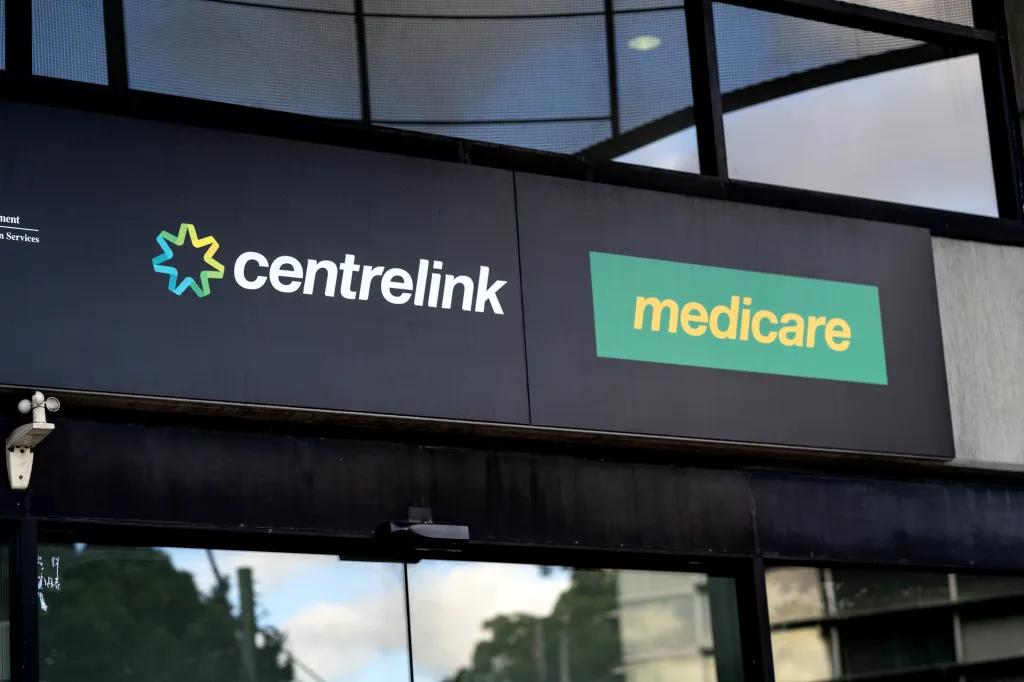
Millions of Australians will notice a small but important change in their bank accounts this weekend. The Department of Social Services confirmed that Centrelink payments will be adjusted from Saturday, with more than 5 million people set to receive increases.
But before you celebrate, here’s the catch — while payments like the Age Pension, Carer Payment, and Disability Support Pension are going up, changes to deeming rates could mean some part-pensioners actually end up with less.
Let’s break down what’s really changing and how it could affect your weekly budget.
Which Centrelink Payments Are Increasing?
From Saturday, the following payments will rise:
- Age Pension
- Carer Payment
- Disability Support Pension
- Commonwealth Rent Assistance
- JobSeeker Payment
- ABSTUDY (for people aged 22 and over)
- Parenting Payment
These payments are indexed to inflation, meaning they are adjusted regularly to reflect the cost of living. Without these increases, pensions and welfare benefits would fall behind rising prices at the supermarket, fuel pump, and power bills.
How Much More Will You Get?
It depends on your situation. For example:
- Singles receiving the Aged Pension, Carer Payment or Disability Support Pension will get $29.70 more per fortnight.
- Couples combined will see an extra $44.80 per fortnight.
If you’re on Commonwealth Rent Assistance or JobSeeker, you’ll see smaller increases — but it all adds up when you’re trying to stretch every dollar.
Services Australia has published a detailed table so recipients can check their exact increase. The good news? You don’t need to do anything — the higher payments will be deposited automatically.
Why Now?
Indexation is built into Australia’s welfare system. As inflation rises, so do benefits. According to Services Australia, “different payment rates and thresholds are indexed on different dates throughout the year.”
That means not every welfare benefit goes up at the same time. For instance, Youth Allowance was last adjusted in January, while pension payments were last indexed in March.
What About Deeming Rates?
This is where things get complicated.
Deeming rates are part of the income test used to determine how much pension you’re entitled to. It’s based on the idea that your investments — such as bank accounts, superannuation, or shares — are assumed to earn a certain rate of return, whether or not they actually do.

From Saturday:
- The lower deeming rate will rise from 0.25% to 0.75%
- The upper deeming rate will rise from 2.25% to 2.75%
This means that if you’re a part-pensioner with financial assets, the government will assume you’re earning more than before — and that could reduce the amount of pension you receive.
Why Are Deeming Rates Increasing Now?
The Labor Party extended the freeze on deeming rates during the pandemic to shield retirees from economic shocks. But that temporary measure is ending.
In a joint statement, Tanya Plibersek and Ged Kearney, ministers in the Albanese government, explained:
“Deeming rates were frozen at artificially low levels as an emergency COVID-19 measure… Social security recipients impacted by deeming saved around $1.8 billion as a result.”
Now, with inflation easing, the government is “gradually returning deeming rates to pre-pandemic settings.”
How Could This Affect Retirees?
Professor Susan Thorp from the University of Sydney explains that higher deeming rates could lower the full pension threshold.
For example, a single homeowner pensioner with $210,000 in savings may see a bigger reduction in their pension than under the previous rules. For every $10,000 above that amount, the pension could be reduced by $7.
In short, while the pension headline figure is going up, some retirees may not feel richer if deeming rules cut into their entitlements.
A Balancing Act
The Coalition cut deeming rates in 2020 during COVID-19 to protect pensioners. Both major parties later promised to keep rates low ahead of the 2022 election. That freeze gave older Australians breathing space as interest rates and inflation surged.
Now, with Australia’s economy stabilising, the government says it’s time to “normalize” rates. But critics argue this risks hurting those already struggling with rent, groceries, and medical costs.
Final Word
For more than 5 million Australians, the Centrelink changes this weekend mean more money in the bank. But for some, especially part-pensioners with investments, the deeming increase could take away what indexation gives.
It’s a reminder of the delicate balance in welfare policy: helping those in need without ignoring budget realities.
Stay informed with Daily Global Diary for updates on Centrelink, pensions, and cost-of-living changes across Australia.


Summer House Cast Celebrates First Emmy Nomination, Calls It Surreal

Beyoncé Ends Two-Year Music Hiatus With ‘Morning Dew’… Fans Wonder If a Bigger Announcement Is Coming

Stephen Colbert vs Jimmy Kimmel at the Emmys 2026… Late-Night Giants Face Off in a Battle for TV’s Top Honor

Emmy Awards 2026 Predictions: First Post-Nominations Forecast Spotlights the Early Favorites

Lorde Pushes Back Against Spotify’s AI Features

1-Iran Issues Dire Warning to Israel and Defies Trump on Nukes: “We’re Ready to Strike Deep Inside”

Sen. Elizabeth Warren Calls It a ‘Cesspool of Corruption’ — Here’s Why Senators Are Now Fighting Back Against the DOJ’s Live Nation Deal That Left Every Fan Betrayed…

Donald Trump’s net worth reveals the fortune behind the former US President and business mogul

“Tomás Rodríguez Net Worth 2025: Panama’s Gold Cup Goal‑Machine’s Surprising Fortune Revealed”

“She Never Made It Out…” Albany House Fire Claims Woman’s Life as Family Pleads for Help to Bring Her Home

Miss Jamaica Suffers Terrifying Fall Off Miss Universe Stage; Rushed to Hospital on Stretcher in Viral Video

Moana Live-Action Teaser Sparks Outrage as Fans Call Disney’s Move a ‘Clear Money Grab’ — What Went Wrong?

Ryan Gosling’s Project Hail Mary Trailer Stuns Fans with a Mysterious Alien Ally and a Mission That Could Save Earth

Apple delays Jessica Chastain thriller The Savant about domestic extremism after recent US violence

Avatar 3, Fire and Ash trailer reveals Jake Sully’s family facing terrifying new Na’vi enemies with deadly fire powers
-

 Entertainment1 week ago
Chris Hansen Praises Robert Pattinson’s ‘Primetime’ Portrayal, Calls It ‘Overly Dramatic’
-

 Entertainment6 days ago
Hollywood’s New Box-Office Saviours Revealed: How Curry Barker Joined Guillermo del Toro’s Elite Circle
-

 Entertainment4 days ago
Creative Arts Emmys Night Two Winners: ‘Widow’s Bay’ Dominates, but Rob Reiner’s Emotional Victory Steals the Spotlight
-

 Entertainment1 week ago
America Honors a Country Music Icon With Dolly Parton Day on September 25
-

 Entertainment1 week ago
Inside Christopher Nolan’s Ambitious ‘The Odyssey’ Shoot: 20 Actors and One Giant Trojan Horse
-

 Entertainment1 week ago
‘The Gentlemen’ Goes Dark: Theo James Unpacks Season 2’s Shocking End
-

 Entertainment6 days ago
Why Is America Celebrating Dolly Parton Day on 9/25? The Sweet Meaning Revealed
-

 Entertainment1 week ago
Hunter Biden vs Nick Fuentes: Behind the Scenes of the Interview That Almost Turned Into a Physical Confrontation…