
Politics
Trump’s CFTC pick Brian Quintenz faces setback as Winklevoss brothers push for new candidates
Donald Trump’s nomination of Brian Quintenz as CFTC chair stalls while Josh Sterling, Mike Selig, and Tyler Williams emerge as alternatives amid reported influence from the Winklevoss twins.

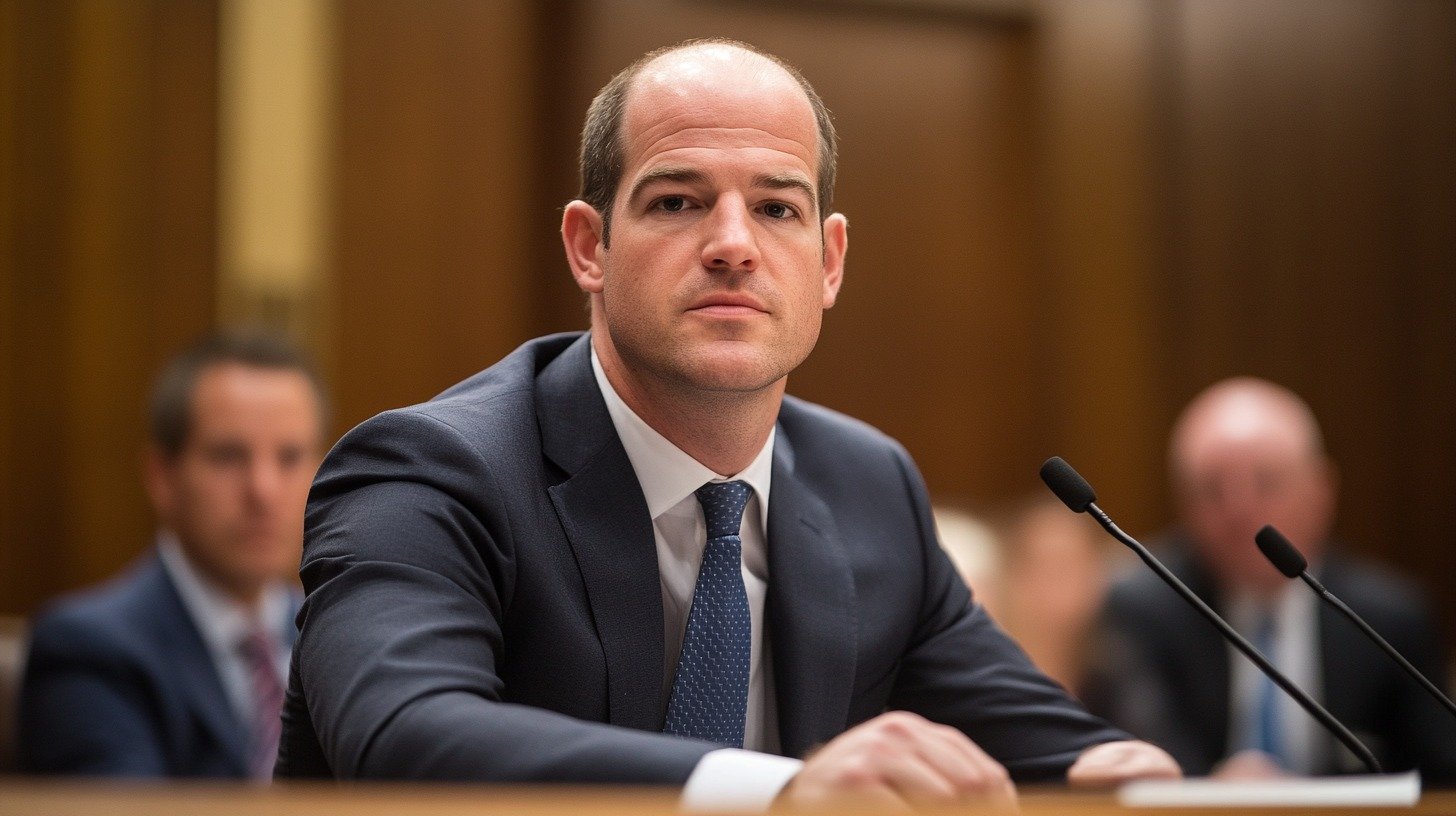
The future leadership of the Commodity Futures Trading Commission (CFTC), one of the United States’ most critical financial regulators, has been thrown into uncertainty after reports suggested that Donald Trump’s pick, Brian Quintenz, may not advance to a Senate vote.
ALSO READ : Coinbase Sony and Samsung pour millions into Bastion stablecoin startup surprises crypto world
Quintenz, who was nominated in February by President Trump, appeared before the Senate Agriculture Committee in June and was initially expected to face a full Senate confirmation by late July. However, the White House abruptly requested a delay, leaving Washington insiders speculating about the reasons. According to Semafor, Trump’s team has since begun vetting at least three other potential candidates, signaling possible changes at the top of the CFTC.
The alternatives on Trump’s radar
Among those now being considered is Josh Sterling, a former director of the CFTC’s market participants division, who worked at the agency between 2019 and 2021. Currently a partner at Milbank LLP, Sterling has argued that leaving the CFTC understaffed could destabilize U.S. markets. Writing in Bloomberg Law, he warned:
Leaving a key regulator undermanned risks letting financial markets critical to the U.S. economy fall into neglect. Those markets…have proven time and again to be an important shock absorber for financial risk.
Other names reportedly under review include Mike Selig, chief counsel at the SEC’s crypto task force, who advises Paul Atkins, and Tyler Williams, counselor to Treasury Secretary Scott Bessent and former global head of policy at Galaxy Digital.
The Winklevoss factor
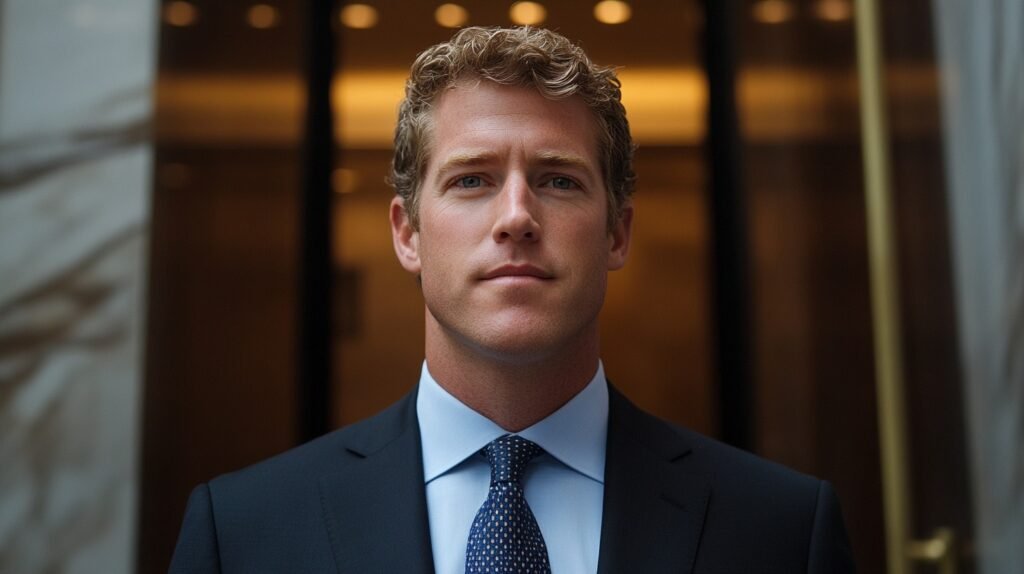
Adding to the intrigue are reports that Cameron Winklevoss and Tyler Winklevoss, co-founders of the crypto exchange Gemini, may have played a role in derailing Quintenz’s nomination.
The billionaire twins were early financial backers of Trump’s 2024 campaign, contributing $2 million in Bitcoin, and in August they pledged an additional $21 million worth of BTC to a pro-Trump political action committee. Their proximity to the White House has grown since, with both attending July’s signing ceremony for Trump’s GENIUS Act, a stablecoin bill designed to strengthen U.S. crypto infrastructure.
On September 10, Quintenz himself appeared to validate rumors of the Winklevoss brothers’ disapproval. In a surprising move, he shared text messages with the twins suggesting Gemini sought assurances on CFTC enforcement policies should he be confirmed. The revelations have fueled speculation that Trump may be seeking a nominee more aligned with the brothers’ vision for crypto regulation.
Vacuum at the CFTC
The leadership void at the CFTC is already raising alarms. Since the departure of Commissioner Kristin Johnson on September 3, the agency has been led solely by acting chair Caroline Pham. Market experts worry that leaving the regulator without a full team could weaken oversight of derivatives and commodities markets, which underpin large parts of global finance.
Sterling, in a letter sent to CFTC and Treasury officials on September 12, went further, accusing the agency under Pham of “abuse, mismanagement, and waste” in its handling of certain cases — remarks that underline how politicized the battle for leadership has become.
Will Quintenz survive?
Despite support from several blockchain and cryptocurrency trade associations, Quintenz’s path forward remains murky. As of this week, the Senate Agriculture Committee calendar showed no scheduled hearing for his nomination.
If Trump ultimately abandons Quintenz in favor of another nominee, the decision would underscore both the influence of high-profile crypto figures like the Winklevoss twins and the shifting political calculations in Trump’s second administration. For now, Wall Street and the crypto industry are watching closely, aware that the CFTC’s next leader will play a pivotal role in shaping the future of U.S. digital asset regulation.




Politics
Inside the ‘Honoring Trump’ Dinner Party Hosted by David Ellison… What Did the Former President Speak for an Hour About?
Hollywood power circles and political influence overlapped as David Ellison reportedly hosted an intimate dinner where Donald Trump delivered extended remarks, drawing attention across media and entertainment industries.

A private dinner gathering in elite Hollywood and political circles has sparked widespread discussion after reports emerged that film producer David Ellison hosted an evening “honoring” former U.S. President Donald Trump, during which Trump reportedly delivered an hour-long address to guests.
The dinner, described by attendees as an exclusive, invitation-only affair, is said to have brought together influential figures from the entertainment industry, business world, and political orbit. Ellison, who leads Skydance Media, has long been considered one of Hollywood’s most influential modern studio executives, known for his growing footprint in global film and streaming production.
A Hollywood-Politics Crossover Moment
According to accounts circulating within industry circles, the evening was framed as a “private honoring dinner,” though no formal public details were released by the host or guests. What stood out most was Trump’s extended remarks, which reportedly lasted close to an hour and covered a range of topics including leadership, media, and global affairs.
ALSO READ : Younghoe Koo Explains Botched Field Goal After Slip: “The Ball Was Moving So I Pulled Up”
While such gatherings between entertainment executives and political figures are not entirely unusual in Los Angeles and Washington networking ecosystems, the scale and tone of this particular event have drawn heightened attention.
Trump’s Continued Presence in Elite Circles
Donald Trump, whose political and public profile remains one of the most polarizing in modern American history, continues to maintain strong visibility across business, media, and political landscapes. His appearances at private events, especially within influential industry groups, often generate public curiosity and debate.
Supporters often view such engagements as a continuation of his strong ties with high-profile business leaders, while critics question the blending of entertainment influence with political messaging in private settings.
David Ellison’s Expanding Industry Influence
For David Ellison, son of Oracle co-founder Larry Ellison, this dinner adds another layer to his growing reputation as a key connector between Hollywood, technology, and global finance. Under his leadership, Skydance Media has become a major production force behind several high-budget films and franchise projects.

Industry observers note that Ellison’s network increasingly spans both entertainment and geopolitical spheres, reflecting a broader trend in Hollywood where media executives engage with political figures more directly than in previous decades.
A Private Dinner, Public Curiosity
Although the dinner itself was private, its implications are anything but. In today’s hyper-connected media environment, even closed-door gatherings between influential figures quickly become subjects of public speculation.
The combination of Hollywood leadership and a former U.S. president in the same room—especially one reportedly centered around extended political remarks—has naturally fueled discussion across media platforms.
As of now, neither Ellison nor Trump has issued detailed public statements about the nature of the dinner or the topics discussed. However, the event underscores the increasingly blurred lines between entertainment power structures and political influence.
Politics
‘Trump Is Killing the Climate’? Al Gore Says He Isn’t Worried… “Public Opinion Will Force the Solution”
Two decades after An Inconvenient Truth, former U.S. Vice President Al Gore remains confident that climate action is inevitable—despite political resistance and renewed global tensions over environmental policy.

Former U.S. Vice President Al Gore has once again ignited global discussion on climate change—this time with a bold message of optimism, even as political debates intensify in Washington.
In a recent reflection tied to the legacy of his landmark documentary An Inconvenient Truth, Gore made it clear that he is not alarmed by political setbacks, including the climate policy direction associated with former President Donald Trump.
“The fact that public opinion is so strongly on the side of doing something makes it inevitable that we will solve the climate crisis,” Gore stated, reinforcing his long-held belief that public pressure—not political cycles—will ultimately drive global environmental action.
ALSO READ : Younghoe Koo Explains Botched Field Goal After Slip: “The Ball Was Moving So I Pulled Up”
A 20-Year Legacy Still Shaping Climate Debate
When An Inconvenient Truth was released nearly two decades ago, it transformed Gore from a former presidential candidate into one of the world’s most visible climate advocates. The film played a major role in bringing global warming into mainstream political and public discourse.
Even today, environmental analysts credit the documentary for influencing climate education, corporate sustainability efforts, and international climate agreements.
Political Resistance vs Public Momentum
Despite Gore’s optimism, climate policy in the United States has remained deeply divided along political lines. The environmental rollback policies associated with the Trump administration continue to be a point of debate among scientists, policymakers, and activists.
However, Gore argues that this political friction does not reflect the broader direction of society. Instead, he believes public awareness has reached a tipping point that will eventually override political hesitation.
The Climate Debate in a New Era
Global climate discussions are now shaped by more than just government policy. Corporate commitments, youth-led climate movements, and international agreements have significantly increased pressure on governments to act.

Organizations like the United Nations have repeatedly warned that the window to limit global warming is narrowing, adding urgency to the conversation Gore helped popularize years ago.
Why Gore’s Confidence Matters Now
What makes Gore’s latest remarks notable is not just their optimism, but the timing. As extreme weather events intensify worldwide—from heatwaves to floods—public attention on climate issues has surged again.
Environmental experts suggest that while political leadership fluctuates, long-term public sentiment tends to move steadily toward sustainability and environmental protection.
Gore’s core argument remains unchanged: even if political resistance slows progress temporarily, societal demand will ultimately push climate solutions forward.
A Message of Long-Term Inevitability
Rather than framing climate action as dependent on any single administration, Gore continues to emphasize inevitability driven by collective awareness.
His position is clear: the climate crisis will not be solved overnight, but it will be solved because people increasingly demand action.
And in that belief, Gore sees not despair—but direction.
Politics
Al Gore Breaks Silence on Trump and Climate Crisis “It’s Inevitable We’ll Solve It…” But Is That Confidence Enough?
Two decades after An Inconvenient Truth, Al Gore says public opinion—not politics—will ultimately decide the fate of climate change

At a time when climate debates often feel louder—and more polarized—than ever, Al Gore is choosing a surprisingly calm tone.
The former U.S. Vice President, long regarded as one of the most influential voices in global environmental advocacy, isn’t sounding alarms about political setbacks. Instead, he’s expressing something that many might find unexpected: confidence.
And not just cautious optimism—but belief in inevitability.
“We Will Solve It”—A Statement That Turns Heads
Speaking nearly two decades after the release of his groundbreaking documentary An Inconvenient Truth, Gore made it clear that he doesn’t believe the climate crisis can be derailed by any one political figure—including Donald Trump.
“The fact that public opinion is so strongly on the side of doing something makes it inevitable that we will solve the climate crisis,” Gore said—a statement that has sparked both hope and debate.
ALSO READ : Younghoe Koo Explains Botched Field Goal After Slip: “The Ball Was Moving So I Pulled Up”
It’s a perspective rooted not in policy cycles, but in people power.
Why Gore Isn’t Focused on Politics
For years, climate discourse has often been framed through a political lens—policies passed, agreements signed, and leadership changes. But Gore’s latest remarks suggest a shift in thinking.
He’s betting on something deeper: public awareness.
From rising youth activism to increasing corporate commitments toward sustainability, there’s a growing sense that climate action is no longer a niche concern. It’s mainstream. It’s urgent. And, perhaps most importantly, it’s widely supported.
Gore believes that once public consensus reaches a tipping point, political systems will inevitably follow.
The Legacy of ‘An Inconvenient Truth’
When An Inconvenient Truth premiered in 2006, it wasn’t just a documentary—it was a wake-up call. It brought climate science into living rooms, classrooms, and conversations around the world.
At the time, the film played a critical role in shaping public understanding of global warming. Today, its legacy still lingers, especially as climate change becomes less of a prediction and more of a lived reality.
For Gore, the progress made since then is proof that awareness works.
But the question remains: Is awareness enough?
The Trump Factor—Real Threat or Temporary Setback?
Critics argue that political leadership still matters deeply, especially when it comes to environmental regulations, international agreements, and funding for climate initiatives.
During his presidency, Donald Trump took steps that many environmentalists viewed as setbacks, including withdrawing from key climate agreements and rolling back certain regulations.
Yet Gore’s stance suggests that such moves, while impactful, are not permanent barriers. In his view, they are temporary detours in a much longer journey.
It’s a perspective that reframes the conversation—not as a battle between administrations, but as a long-term global shift.
Public Opinion as the Driving Force
Perhaps the most compelling part of Gore’s argument is his faith in public opinion.

Across the world, climate concerns are influencing elections, shaping corporate strategies, and driving grassroots movements. From renewable energy adoption to climate-conscious consumer behavior, the signs of change are everywhere.
Gore sees this as the real engine of progress.
Not politicians. Not policies alone.
People.
A Message of Hope—or Overconfidence?
While many welcome Gore’s optimism, others question whether it might underestimate the scale and urgency of the crisis. Climate change is a complex issue, influenced by economic, political, and technological factors.
Can public opinion alone accelerate the pace of change needed?
Or does it risk creating a false sense of security?
These are questions that continue to divide experts and policymakers alike.
The Bigger Picture
What’s clear, however, is that the conversation around climate change is evolving. It’s no longer just about warnings—it’s about solutions, accountability, and collective action.
Gore’s message fits into this new narrative. It’s less about fear and more about momentum.
And perhaps that’s exactly what the world needs right now—a reminder that progress, while uneven, is still possible.
Final Thought
Whether one agrees with him or not, Al Gore’s confidence is hard to ignore.
In a world often dominated by uncertainty, his belief that the climate crisis will be solved offers a rare sense of direction.
But as history has shown, inevitability doesn’t mean immediacy.
The future may be moving toward a solution—but how fast we get there still depends on what happens next.

Oscars New Rules Spark Debate: Academy Cracks Down on AI While Expanding Global Opportunities… Hollywood Reacts

“60 Percent Tax Break to Save Hollywood?” Steve Hilton’s Bold Governor Plan Sparks Big Industry Debate

“The Devil Returns… But Is It Still Fashionably Fierce?” Early Reactions to Prada Sequel Surprise Fans

The Devil Returns After 20 Years… But Has Prada Lost Its Power?

“They Didn’t Just Perform… They Revived Vegas” How Backstreet Boys Turned a ‘Dying’ Strip Into a Billion-Dollar Buzz

1-Iran Issues Dire Warning to Israel and Defies Trump on Nukes: “We’re Ready to Strike Deep Inside”

Donald Trump’s net worth reveals the fortune behind the former US President and business mogul

“She Never Made It Out…” Albany House Fire Claims Woman’s Life as Family Pleads for Help to Bring Her Home

“Tomás Rodríguez Net Worth 2025: Panama’s Gold Cup Goal‑Machine’s Surprising Fortune Revealed”

Caitlin Clark Sidelined with Quad Strain, Set to Miss Two Weeks of WNBA Action

Miss Jamaica Suffers Terrifying Fall Off Miss Universe Stage; Rushed to Hospital on Stretcher in Viral Video

Moana Live-Action Teaser Sparks Outrage as Fans Call Disney’s Move a ‘Clear Money Grab’ — What Went Wrong?

Ryan Gosling’s Project Hail Mary Trailer Stuns Fans with a Mysterious Alien Ally and a Mission That Could Save Earth

Apple delays Jessica Chastain thriller The Savant about domestic extremism after recent US violence

Avatar 3, Fire and Ash trailer reveals Jake Sully’s family facing terrifying new Na’vi enemies with deadly fire powers
-

 Entertainment1 week ago
“Choosing the Next James Bond Isn’t Easy…” Amazon MGM Breaks Silence on 007 Casting Mystery
-

 Entertainment4 days ago
“Hulk Hogan: Real American” Review: Netflix Docu… is More About Donald Trump Than the Wrestling Legend Himself, Fans Ask ‘Where is Hulk Hogan in His Own Story?’
-

 Entertainment1 week ago
“All Hail the Queen…” Donna Langley’s Hollywood Power Play Stuns CinemaCon as Nolan, Spielberg and Snoop Dogg Rally Behind Universal
-

 Entertainment1 week ago
Christopher Nolan Unveils Jaw-Dropping ‘The Odyssey’ Footage… And That Trojan Horse Scene Has Everyone Talking
-

 Entertainment1 week ago
Dancing with the Stars Just Dropped Its First Two Season 35 Names — and Reality TV Fans Are Already Picking Their Winner…
-

 Entertainment5 days ago
“Half Man” Review: Richard Gadd’s ‘Baby Reindeer’ Follow-Up Turns Stepbrother Story Into a ‘Decades-Long Spiral’ That Leaves Viewers Drained…
-
 Entertainment1 week ago
“Dave Chappelle Floats ‘Chappelle’s Show’ Reboot Idea to Eddie Murphy at AFI Gala… as Comedy Legend Gets Emotional AFI Lifetime Honor”
-

 Entertainment5 days ago
“From White House to Hollywood… and Now Goodbye?” Obama-Netflix Deal Ends After 8 Years of Hits
Pingback: US Senate to grill Coinbase executive as crypto tax fight heats up next week - Daily Global Diary - Authentic Global News