
Entertainment
Glen Powell Reveals the Wildest Audition Story as Harrison Ford and Riz Ahmed Open Up About Fame Fears and Fan Chaos
From awkward auditions to deeply personal insecurities, six Hollywood stars including Glen Powell, Harrison Ford, Riz Ahmed and Owen Wilson share the brutally honest side of comedy stardom that fans rarely get to see.


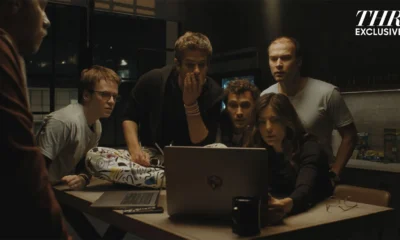
Hollywood audiences often see polished red carpets, blockbuster premieres, and effortless charisma on screen. But behind the laughs and fame, even the biggest stars carry doubts, embarrassing memories, and moments they wish they could erase. That raw honesty came alive during a fascinating comedy actors roundtable featuring Glen Powell, Harrison Ford, Riz Ahmed, Owen Wilson, Yahya Abdul-Mateen II, and Zach Braff.
The conversation quickly became one of the most refreshingly human celebrity discussions in recent memory.
Instead of carefully rehearsed answers, the actors opened up about humiliating auditions, career anxieties, and strange fan encounters that still stay with them years later. The chemistry between the group created an atmosphere that felt more like old friends swapping stories than movie stars performing for cameras.
One of the biggest highlights came when Glen Powell admitted that not every audition in his career looked glamorous. The actor, who has rapidly transformed into one of Hollywood’s most bankable leading men after films like Top Gun Maverick and Anyone But You, reflected on how desperation and ambition often collide in the entertainment industry.
ALSO READ : Sen. Elizabeth Warren Calls It a ‘Cesspool of Corruption’ — Here’s Why Senators Are Now Fighting Back Against the DOJ’s Live Nation Deal That Left Every Fan Betrayed…
Powell reportedly laughed while revisiting auditions where he felt convinced he had “absolutely nailed it,” only to never hear back from casting directors again. That emotional rollercoaster, he explained, is something nearly every actor experiences, no matter how successful they later become.
The honesty resonated deeply with fellow actors at the table.
Even legendary actor Harrison Ford, whose career includes iconic franchises like Star Wars and Indiana Jones, admitted that self-doubt never fully disappears. Despite decades of global fame, Ford acknowledged that insecurities can still creep in, especially when audiences and critics expect perfection from actors who have been in the industry for generations.
For fans, hearing Ford speak so openly about vulnerability was surprisingly emotional. Hollywood often treats veteran actors like untouchable legends, but Ford’s candid reflections reminded viewers that fame does not erase personal fears.
Meanwhile, Riz Ahmed brought a thoughtful and introspective energy to the discussion. The Emmy-winning actor, known for projects like Sound of Metal and The Night Of, discussed how comedy can sometimes become a shield for deeper emotions.
Ahmed explained that performers frequently use humor to process anxiety, uncertainty, or feelings of not fully belonging. His comments added a more emotional layer to the roundtable and highlighted why comedy actors are often some of the most emotionally aware storytellers in entertainment.
The discussion also took several hilarious turns.
Owen Wilson, famous for his laid-back personality and unforgettable comedic timing, shared bizarre fan interactions that left everyone laughing. Wilson explained that audiences sometimes blur the line between fictional characters and real personalities, leading to awkward encounters in public spaces.
At one point, the actors discussed how fans often approach celebrities expecting them to behave exactly like their on-screen personas. That disconnect between reality and audience expectations created some of the funniest stories of the night.
Zach Braff, beloved for Scrubs, reflected on how comedy actors are often underestimated within Hollywood. While dramatic performances traditionally receive more awards attention, Braff argued that making people laugh consistently requires extraordinary emotional timing and intelligence.
That perspective sparked agreement around the table, especially from actors who have spent years balancing comedic and dramatic work.

Another standout voice was Yahya Abdul-Mateen II, whose career has expanded rapidly through projects like Watchmen and Aquaman. He spoke about the pressure of navigating modern Hollywood while trying to maintain authenticity in an industry obsessed with image and perception.
What made the conversation especially compelling was how different each actor’s journey has been. Harrison Ford built his career during a completely different era of Hollywood compared to Glen Powell or Yahya Abdul-Mateen II. Yet despite the generation gap, many of their fears and struggles sounded remarkably similar.
The roundtable also reminded viewers how unpredictable success can be in entertainment.
Before becoming one of Hollywood’s fastest-rising stars, Glen Powell spent years fighting for opportunities, appearing in smaller projects, and dealing with rejection after rejection. Now, after a massive career resurgence, audiences see him as an overnight sensation — even though his journey was anything but instant.
That contrast between public perception and private reality became one of the strongest themes throughout the discussion.
For fans of modern cinema, the roundtable offered something increasingly rare in celebrity culture: authenticity. There were no overly polished answers, forced promotional moments, or viral gimmicks. Instead, audiences saw six actors speaking honestly about failure, ambition, insecurity, and survival in one of the world’s most competitive industries.
Social media users quickly reacted to clips from the conversation, with many praising the chemistry between the actors. Several fans noted that Harrison Ford’s dry humor unexpectedly stole multiple moments, while others appreciated Riz Ahmed’s emotional intelligence and Glen Powell’s willingness to laugh at his own career struggles.
The conversation also highlighted why audiences continue to connect with actors beyond the screen. People are naturally drawn to vulnerability, especially when it comes from celebrities often viewed as larger-than-life figures.
At a time when Hollywood interviews can sometimes feel repetitive or heavily scripted, this roundtable stood out because it felt genuine.
And perhaps that is why the stories hit so hard.
Behind every blockbuster success is usually an actor who once walked out of an audition convinced their career might never happen. Behind every famous smile is someone still battling insecurity. And behind every viral celebrity moment is often a human being simply trying to navigate an incredibly strange profession.
For Glen Powell, Harrison Ford, Riz Ahmed, Owen Wilson, Zach Braff, and Yahya Abdul-Mateen II, that honesty turned a simple roundtable discussion into one of the most relatable Hollywood conversations audiences have seen this year.











Entertainment
How ‘Avengers: Endgame’ Returned to Cinemas and Reclaimed Box Office Glory
Renewed ticket sales send Marvel’s 2019 finale past ‘Avatar’ to lead the all-time global chart again.
Seven years after its original release, Avengers: Endgame has unfinished business at the box office.
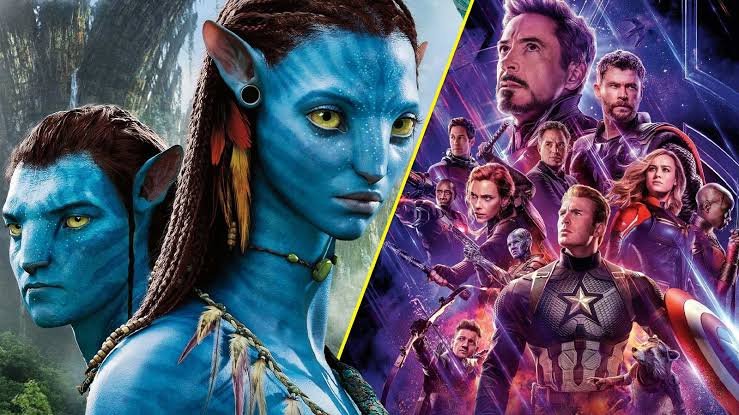
The Marvel Studios blockbuster has overtaken James Cameron’s Avatar to become the highest-grossing film worldwide once again. According to The Walt Disney Company’s October 4 announcement, Endgame now holds an estimated $2.9255 billion, narrowly ahead of Avatar’s $2.9237 billion. That puts just $1.8 million between two of cinema’s biggest hits.
The lead is small. The comeback, however, is substantial: a film released in 2019 has drawn enough fresh ticket sales to rewrite the all-time chart.
The ‘Encore’ release that tipped the balance
The latest theatrical run, titled Avengers Endgame: Encore, has earned $126 million worldwide, according to TheWrap. That includes $36.2 million in North America and $89.8 million from international markets—the extra business that pushed the film back into first place.
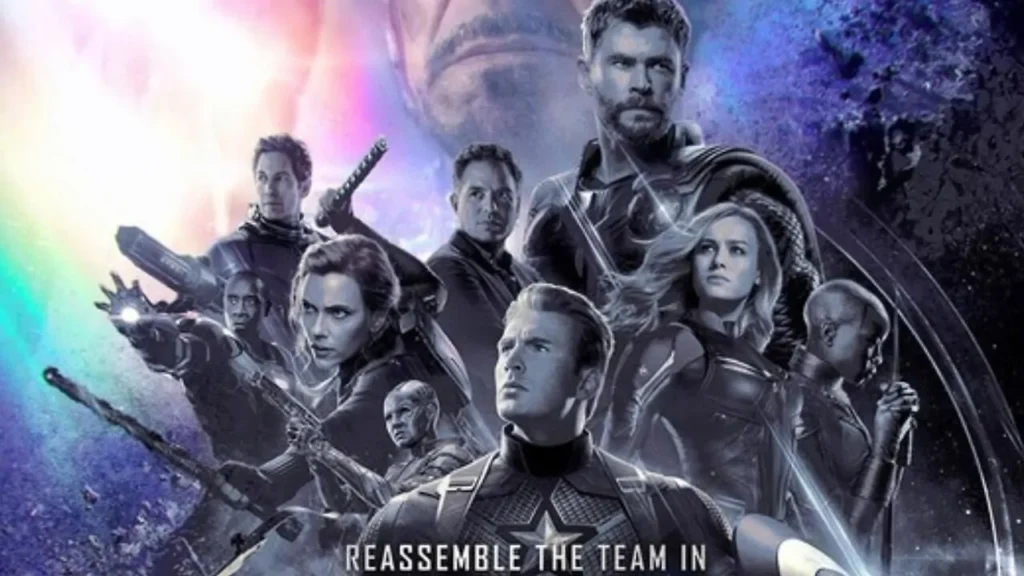
Audiences also had a reason to return beyond revisiting a familiar blockbuster. TheWrap reports that the reissue features a modified ending and three new scenes during and after the credits, connected to Avengers: Doomsday. The release therefore serves two purposes: bringing an established favourite back to cinemas and giving viewers a bridge to the next Avengers story.
ALSO READ : Emmy Nominations Announcement Gets a Star Twist… Liza Colón-Zayas & Jeff Hiller Set to Reveal 2026 TV Nominees
A rivalry with a history of reversals
This is another change of leadership in a box office contest that has lasted for years.
Endgame first displaced Avatar in 2019. Cameron’s science-fiction epic regained the crown following its Chinese re-release in 2021. Now, another theatrical return has swung the result in Marvel’s favour. Re-releases have become a decisive part of the competition, extending both films’ earning lives well beyond their original runs.
The distinction matters: this is the record for worldwide theatrical revenue without adjustment for inflation, including re-release earnings. It measures money collected rather than the number of tickets sold.
Why ‘Endgame’ matters to ‘Doomsday’
The timing gives Marvel’s comeback an added significance. Avengers: Doomsday is scheduled to reach cinemas on December 18, 2026, and Disney has positioned Endgame as an important foundation for that next chapter.
Explaining the connection, Anthony Russo said: “You really need to pick the story up from where you left it in Endgame.”
That makes this return more than a victory lap. A film remembered for closing a major chapter of Marvel’s story is now helping introduce the next one—and, along the way, has taken back Hollywood’s most closely watched box office title.
Entertainment
Tom Cruise’s ‘Digger’ Faces a Tough Opening: Could ‘Verity’ Take the Lead?
Cruise’s star power meets a fresh box office challenge as the Colleen Hoover adaptation emerges as a formidable rival.
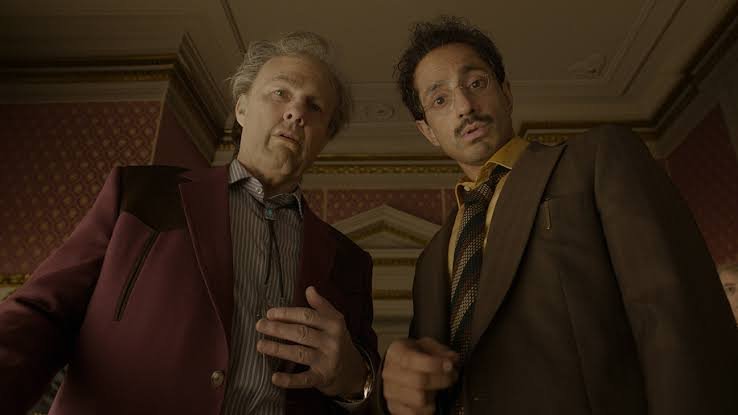
Tom Cruise has spent years persuading audiences to watch him attempt the impossible. With Digger, the challenge is different: convincing moviegoers to embrace an eccentric, darkly comic character who bears little resemblance to his familiar action heroes.
Directed by Alejandro González Iñárritu, the film arrives in US cinemas on October 2, 2026, carrying considerable expectations. Cruise plays Digger Rockwell, an oil tycoon confronting a catastrophe connected to his company’s actions. It is a conspicuous departure for an actor whose recent screen identity has been shaped by spectacular stunts and blockbuster franchises.
Yet the conversation before release has increasingly turned from Cruise’s transformation to a more uncomfortable question: how many people will buy a ticket?
ALSO READ : Emmy Nominations Announcement Gets a Star Twist… Liza Colón-Zayas & Jeff Hiller Set to Reveal 2026 TV Nominees
A costly film facing a modest opening
According to Koimoi’s September 30 report, Digger was tracking for a North American opening below $15 million, against a reported production cost of approximately $125 million. These are reported estimates, rather than confirmed earnings or a final accounting of the film’s costs.
That gap explains the concern surrounding Warner Bros.. An expensive production needs sustained attendance, and a subdued debut would place greater pressure on subsequent weekends and overseas markets.
An opening forecast cannot establish a film’s eventual profit or loss. It can, however, reveal how much work remains for the campaign.
Reviews have complicated the pitch
The critical response has been sharply divided. People reported reactions ranging from admiration for the film’s audacity and Cruise’s commitment to criticism of its scale, coherence and tone.
For potential ticket buyers, that creates an uncertain proposition. Cruise’s presence attracts attention, but attention does not automatically translate into enthusiasm for an unfamiliar kind of film.

The promotional campaign has leaned into that disagreement. The Guardian described advertising that places harsh reactions alongside praise, using the controversy itself to generate interest. Whether that approach encourages curiosity or deepens hesitation remains an open question.
Why ‘Verity’ makes the weekend more intriguing
The Hollywood Reporter expects Digger to open substantially behind Verity, the Amazon MGM Studios adaptation of Colleen Hoover’s novel. hollywoodreporter.com
Starring Anne Hathaway, Dakota Johnson and Josh Hartnett, Verity is also scheduled to open on October 2. Its psychological-thriller premise centres on a writer who discovers a disturbing manuscript while completing another author’s book series.
From a marketing perspective, an established novel and a recognisable thriller setup could offer a more immediate hook. Digger, by comparison, asks audiences to take a greater leap into unfamiliar territory.
The audience verdict is still ahead
Cruise has clearly committed to that leap. At the London premiere, Reuters reported that his transformation involved prosthetics and a padded bodysuit, alongside a demanding performance.
The commercial outcome remains unresolved. Strong audience recommendations could give Digger momentum beyond its initial forecasts. A weak response would make its financial challenge harder.
For now, the film’s biggest suspense lies beyond the screen: whether curiosity about Cruise’s unusual gamble becomes an opening-weekend ticket purchase.
Entertainment
‘Verity’ Could Outopen ‘Digger’: Why Tom Cruise Faces a Tough Contest
The competing releases raise a compelling question: which film will persuade more audiences to buy a ticket?
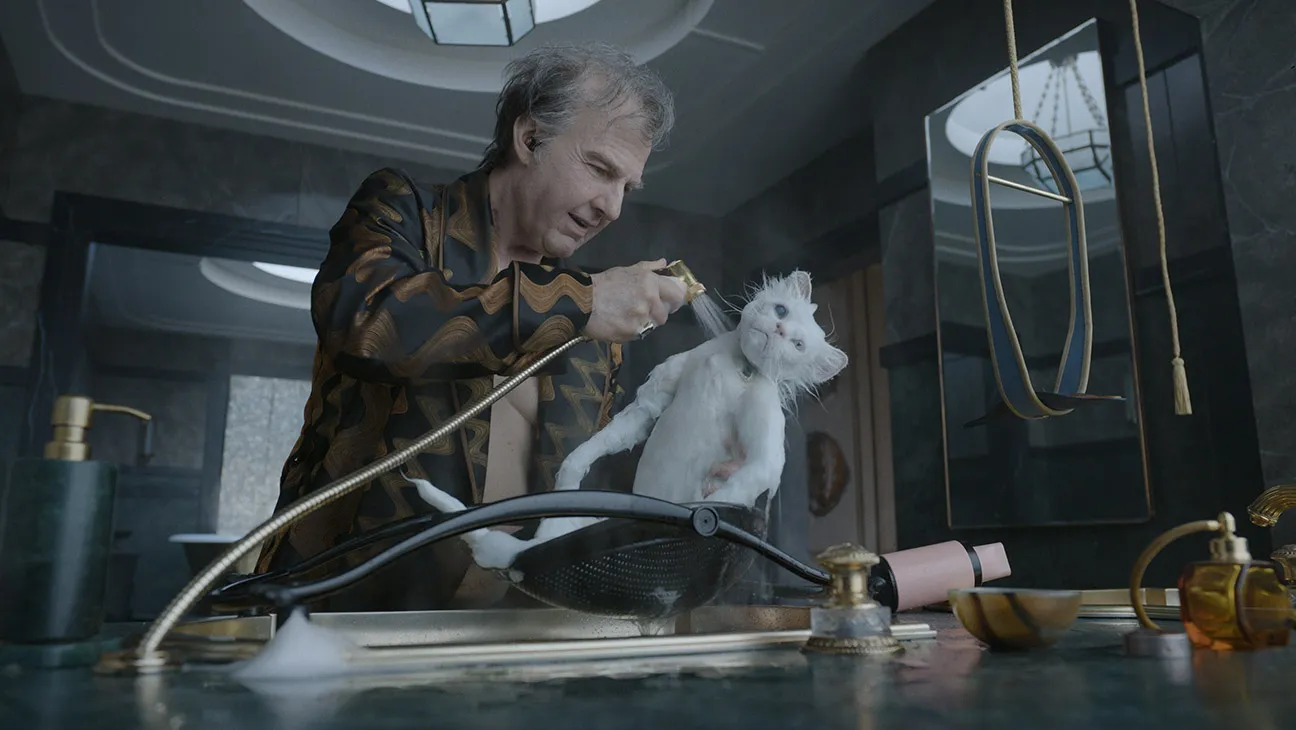
Tom Cruise has spent years persuading audiences to watch him attempt the impossible. With Digger, the challenge is different: convincing moviegoers to embrace an eccentric, darkly comic character who bears little resemblance to his familiar action heroes.
Directed by Alejandro González Iñárritu, the film arrives in US cinemas on October 2, 2026, carrying considerable expectations. Cruise plays Digger Rockwell, an oil tycoon confronting a catastrophe connected to his company’s actions. It is a conspicuous departure for an actor whose recent screen identity has been shaped by spectacular stunts and blockbuster franchises.
Yet the conversation before release has increasingly turned from Cruise’s transformation to a more uncomfortable question: how many people will buy a ticket?
ALSO READ : Emmy Nominations Announcement Gets a Star Twist… Liza Colón-Zayas & Jeff Hiller Set to Reveal 2026 TV Nominees
A costly film facing a modest opening
According to Koimoi’s September 30 report, Digger was tracking for a North American opening below $15 million, against a reported production cost of approximately $125 million. These are reported estimates, rather than confirmed earnings or a final accounting of the film’s costs.
That gap explains the concern surrounding Warner Bros.. An expensive production needs sustained attendance, and a subdued debut would place greater pressure on subsequent weekends and overseas markets.
An opening forecast cannot establish a film’s eventual profit or loss. It can, however, reveal how much work remains for the campaign.
Reviews have complicated the pitch
The critical response has been sharply divided. People reported reactions ranging from admiration for the film’s audacity and Cruise’s commitment to criticism of its scale, coherence and tone.
For potential ticket buyers, that creates an uncertain proposition. Cruise’s presence attracts attention, but attention does not automatically translate into enthusiasm for an unfamiliar kind of film.
The promotional campaign has leaned into that disagreement. The Guardian described advertising that places harsh reactions alongside praise, using the controversy itself to generate interest. Whether that approach encourages curiosity or deepens hesitation remains an open question.
Why ‘Verity’ makes the weekend more intriguing
The Hollywood Reporter expects Digger to open substantially behind Verity, the Amazon MGM Studios adaptation of Colleen Hoover’s novel. hollywoodreporter.com
Starring Anne Hathaway, Dakota Johnson and Josh Hartnett, Verity is also scheduled to open on October 2. Its psychological-thriller premise centres on a writer who discovers a disturbing manuscript while completing another author’s book series.
From a marketing perspective, an established novel and a recognisable thriller setup could offer a more immediate hook. Digger, by comparison, asks audiences to take a greater leap into unfamiliar territory.
The audience verdict is still ahead
Cruise has clearly committed to that leap. At the London premiere, Reuters reported that his transformation involved prosthetics and a padded bodysuit, alongside a demanding performance.
The commercial outcome remains unresolved. Strong audience recommendations could give Digger momentum beyond its initial forecasts. A weak response would make its financial challenge harder.
For now, the film’s biggest suspense lies beyond the screen: whether curiosity about Cruise’s unusual gamble becomes an opening-weekend ticket purchase.

How ‘Avengers: Endgame’ Returned to Cinemas and Reclaimed Box Office Glory

Tom Cruise’s ‘Digger’ Faces a Tough Opening: Could ‘Verity’ Take the Lead?

‘Verity’ Could Outopen ‘Digger’: Why Tom Cruise Faces a Tough Contest

‘Endgame’ Returns to No. 1 ‘Avatar’ Loses Its Box Office Throne

Mark Zuckerberg Faces a New Hollywood Reckoning Why Aaron Sorkin’s Film Hits Closer to Home

1-Iran Issues Dire Warning to Israel and Defies Trump on Nukes: “We’re Ready to Strike Deep Inside”

Sen. Elizabeth Warren Calls It a ‘Cesspool of Corruption’ — Here’s Why Senators Are Now Fighting Back Against the DOJ’s Live Nation Deal That Left Every Fan Betrayed…

Gucci bets on Demna to revive fading glamour as Milan fashion week opens with bold film surprise

Donald Trump’s net worth reveals the fortune behind the former US President and business mogul

“Tomás Rodríguez Net Worth 2025: Panama’s Gold Cup Goal‑Machine’s Surprising Fortune Revealed”

Miss Jamaica Suffers Terrifying Fall Off Miss Universe Stage; Rushed to Hospital on Stretcher in Viral Video

Moana Live-Action Teaser Sparks Outrage as Fans Call Disney’s Move a ‘Clear Money Grab’ — What Went Wrong?

Ryan Gosling’s Project Hail Mary Trailer Stuns Fans with a Mysterious Alien Ally and a Mission That Could Save Earth

Apple delays Jessica Chastain thriller The Savant about domestic extremism after recent US violence
