
US Politics
Elon Musk quietly abandons ‘America Party’ plan but tells allies he’ll fund JD Vance if he runs in 2028
After clashing with Donald Trump and teasing a third-party political shakeup, Elon Musk is stepping back—focusing instead on backing Vice President JD Vance and preserving Republican momentum ahead of 2026.

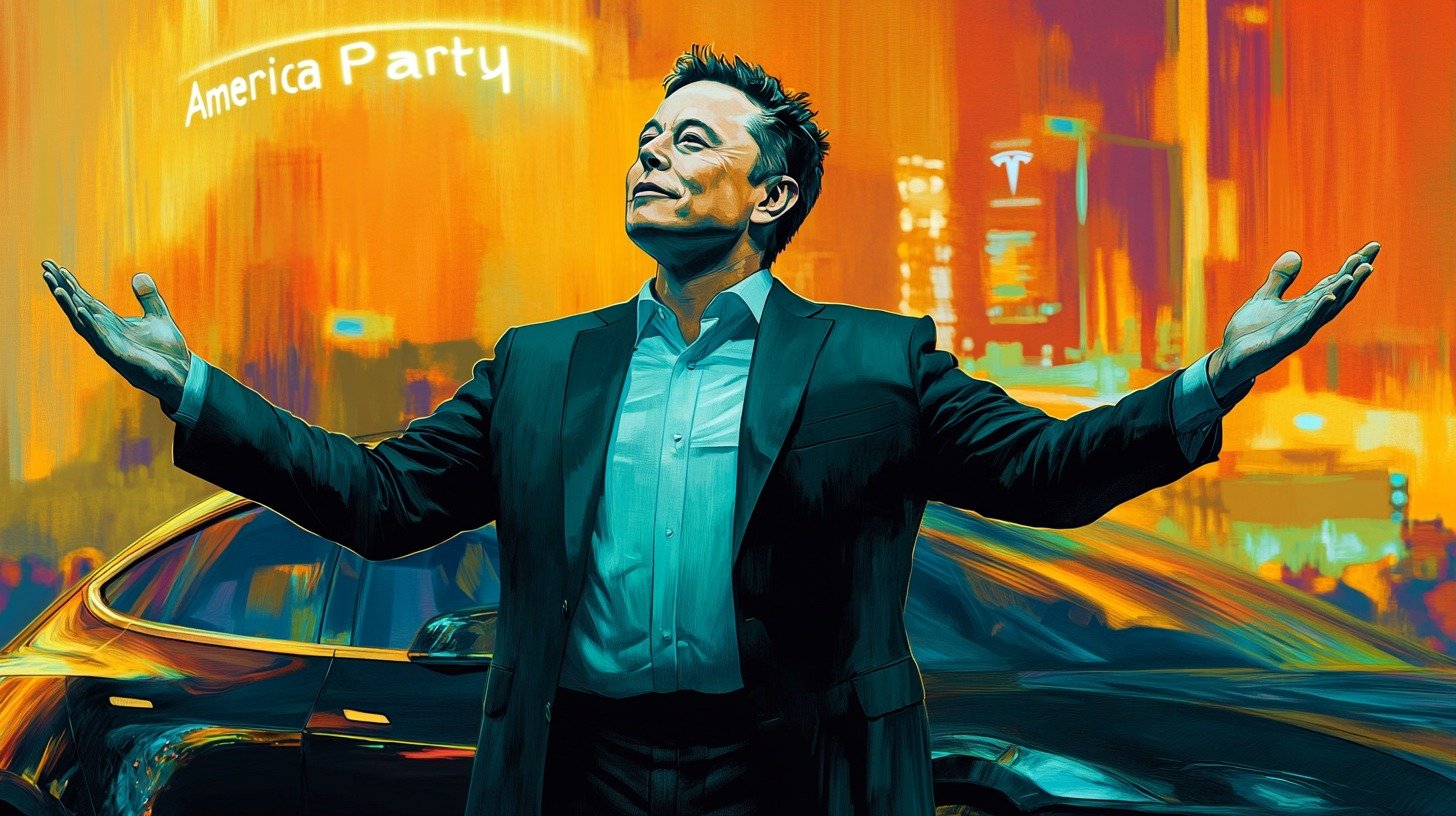
After months of speculation and a very public falling out with Donald Trump, Elon Musk has reportedly shelved his plan to launch a third political force called the “America Party.” But insiders suggest he hasn’t walked away from politics entirely—he’s just recalibrating.
ALSO READ : Only Working-Class Interns Need Apply — But Who Decides Who Counts in 2025?
According to a Wall Street Journal report, the Tesla and SpaceX CEO has shifted gears and is now quietly supporting JD Vance, the current Vice President, as a potential 2028 Republican presidential nominee. Musk has reportedly told close allies that if Vance decides to run, he would consider financially backing his campaign.
If I move forward with America Party, I risk splitting the conservative vote—and that could cost JD everything,” Musk allegedly said in private conversations, according to sources familiar with the matter.
From feud to focus
Musk’s flirtation with politics came amid a high-profile feud with Donald Trump over the controversial “One Big Beautiful Bill Act”—a massive spending initiative that Musk claimed would undo his own government efficiency work. The act, expected to increase the national debt by $3.3 trillion over the next decade, led Musk to accuse Washington of abandoning fiscal discipline.
The Trump-Musk feud soon spilled into the open. Trump mocked Musk’s third-party ambitions, saying the tech mogul had gone “off the rails.” Musk, in turn, began polling X users in June about forming his own party. The response was mixed, and so was the market reaction: Tesla stock plummeted over 20% amid fears that Musk’s political aspirations could distract him from his companies.
Elon Musk floats robots in ‘cute outfits’ while Tesla earnings miss
But with midterms approaching and tensions easing, Musk is now pulling back from center stage—at least publicly.
Why JD Vance?
Insiders say JD Vance, a former venture capitalist and author of Hillbilly Elegy, has emerged as a favorite among tech-aligned conservatives. He currently serves as Vice President and is widely viewed as a leading Republican contender for 2028, especially if Donald Trump does not run again.
According to the prediction platform Polymarket, Vance is the top pick to secure the Republican nomination for 2028 with 53% odds. His overall chance of winning the presidency sits at 28%, narrowly ahead of California Governor Gavin Newsom at 18%.
Musk sees Vance as the future of American conservatism—fiscally tough, tech-savvy, and politically agile,” one confidant told the Journal.
Republicans breathe a sigh of relief
Musk’s decision to delay or abandon his party ambitions may come as a strategic blessing for the Republican Party, especially as it braces for the 2026 midterm elections. Musk had previously hinted he would use his influence and wealth to target key GOP seats, potentially reshaping the political map by challenging incumbents he saw as fiscally irresponsible.
But that threat has seemingly been defused—at least for now.
A recent Polymarket poll shows Republicans expected to win the Senate in 2026, while Democrats are favored to take the House. Had Musk gone rogue with a third party, it could have split conservative voters and handed Democrats unexpected wins.
Will Musk re-enter politics later?
While Musk has put his “America Party” plans on ice, sources close to him say he hasn’t entirely ruled out a future political venture. One ally claimed that Musk’s “pause” is tactical, and that he could return to the idea as early as mid-2026, depending on how the political winds shift.
Interestingly, a May 2025 report revealed that Musk dialed down political donations after contributing a staggering $250 million to support Donald Trump’s 2024 presidential campaign. That kind of financial firepower could still shape elections if Musk chooses to get involved again.
For now, it appears he’s opting for influence behind the scenes rather than a full-frontal challenge to the establishment.







US Politics
“‘I Can Do Anything’: Trump’s Cuba Remark Sparks Shock… As Nationwide Blackout Hits the Island”
Amid an escalating oil blockade, Donald Trump hints at “taking” Cuba while the country plunges into darkness after grid collapse


A dramatic convergence of geopolitics and humanitarian crisis unfolded this week as Cuba was plunged into a nationwide blackout — just as Donald Trump made a striking and controversial statement about the island nation.
“I can do anything… I would have the honor of taking Cuba,” Trump reportedly said, reigniting tensions between Washington and Havana at a moment when the Caribbean country is already facing one of its worst energy crises in years.
Darkness Across the Island
The blackout, triggered by the collapse of Cuba’s fragile national power grid, left millions without electricity. Streets in Havana and other major cities were suddenly engulfed in darkness, with traffic systems failing and communication networks struggling to stay operational.
The immediate cause? A deepening fuel shortage — widely linked to the ongoing oil restrictions imposed by the United States. The blockade has severely limited Cuba’s ability to import the fuel needed to sustain its aging power infrastructure.
For ordinary citizens, the impact has been immediate and severe. Hospitals switched to backup generators, businesses shuttered early, and families were left grappling with uncertainty in sweltering conditions.
Trump’s Words Add Fuel to Fire
While the blackout itself is a humanitarian concern, Trump’s remarks have added a sharp political edge to the situation. His suggestion of “taking” Cuba — whether rhetorical or strategic — has drawn criticism from analysts who see it as an escalation in already strained relations.

The United States and Cuba have a long and complicated history, marked by decades of ideological conflict and economic sanctions. Trump’s latest comments appear to revive a more aggressive tone, reminiscent of Cold War-era rhetoric.
Though no official policy shift has been announced, the language alone has sparked global attention — and concern.
A Fragile System Under Pressure
Cuba’s energy infrastructure has long been vulnerable. Aging power plants, limited access to modern technology, and dependence on imported fuel have created a system prone to collapse under stress.
Experts say the current crisis is not just about one policy or one event — it’s the result of years of compounding challenges. However, the recent tightening of U.S. restrictions has clearly intensified the strain.
The blackout serves as a stark reminder of how geopolitical decisions can ripple down to everyday life — turning policy into power outages, and diplomacy into daily hardship.

The Human Cost Behind the Headlines
Beyond politics, the situation in Cuba is fundamentally about people. Families lighting candles in dark apartments. Doctors working under emergency conditions. Workers unable to earn a living as businesses shut down.
Moments like these rarely make headlines, but they define the lived reality of a nation in crisis.
And while leaders exchange statements and strategies, it is the public that bears the immediate burden.
What Comes Next?
The path forward remains uncertain. Cuban authorities are working to restore power, but without a steady fuel supply, stability may remain elusive.
At the same time, Trump’s remarks raise broader questions about U.S. intentions in the region. Are they symbolic, strategic, or simply political messaging?
For now, the world is watching closely — as a nation struggles to bring back the lights, and a geopolitical storm continues to gather.
For More Update- DAILY GLOBAL DIARY
US Politics
Trump’s H-1B and Student Visa Rules Slam Doors on Indian Marriages and Study Plans
Tighter US Immigration Policies Disrupt Indian Families’ Marriage Prospects and Educational Dreams

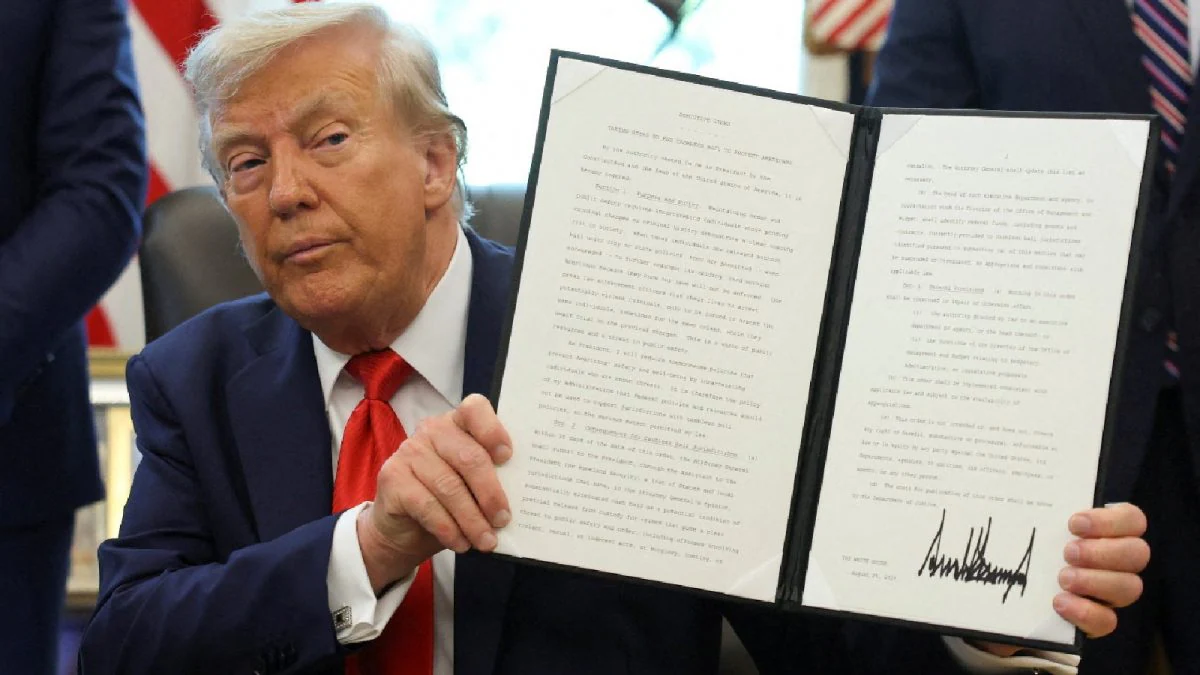
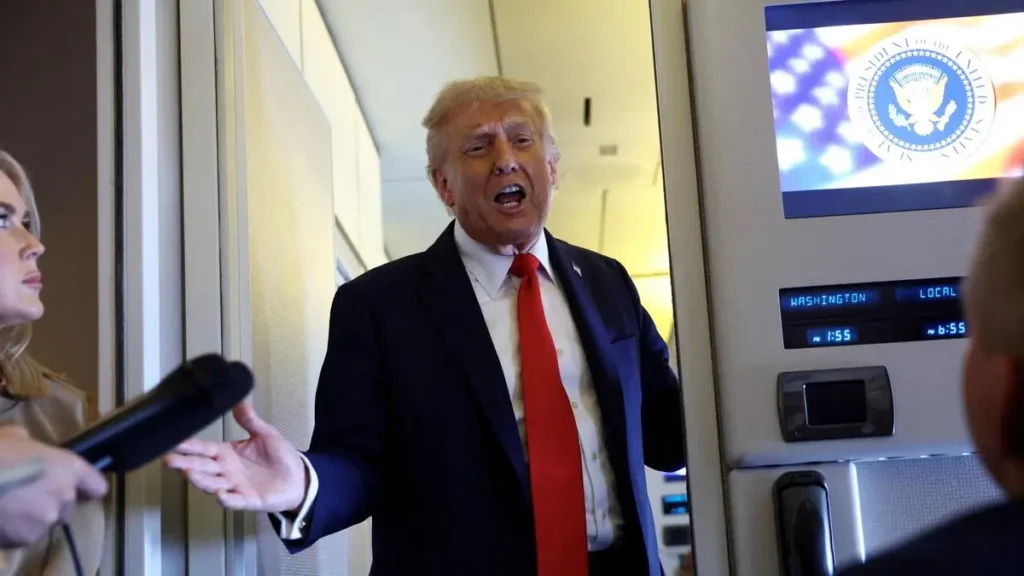
The tightening of US immigration rules under Donald Trump‘s administration is not only reshaping professional futures but also affecting personal lives, particularly in India. Families across India are now reconsidering their children’s future marriage plans, as growing visa uncertainties are making it increasingly difficult for Indians working or studying in the US to maintain stable immigration statuses.
One such individual is Sidhi Sharma, a 19-year-old medical student from Haryana. Sidhi had long dreamed of settling in the US after marriage, envisioning a life with an NRI (Non-Resident Indian) partner. However, her plans were abruptly derailed after Trump’s stricter visa policies made it clear that the future of immigration to the US was uncertain. In an interview with Reuters, Sidhi said, “Trump has shut the door for me.” This sentiment is echoed by countless others who once viewed NRI grooms as the ultimate aspiration.
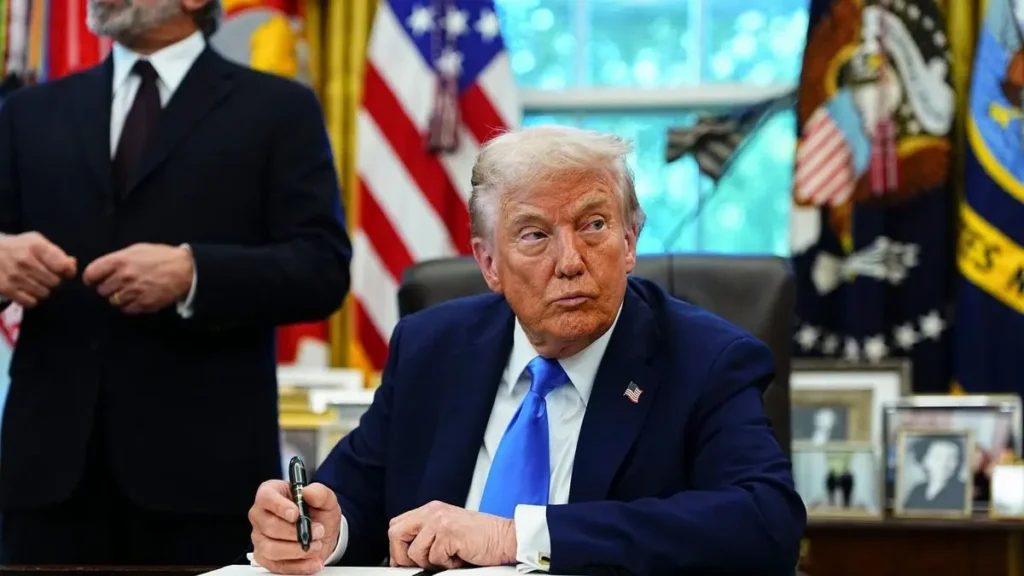
The ripple effect of these immigration policies is being felt at Indian dinner tables, where families have long discussed potential marriages to US-based Indians. Anuradha Gupta, founder of the matchmaking service Vows For Eternity, explained, “Immigration policies may be written in Washington, but their ripple effects are seen at Indian dinner tables when families discuss marriages.”
A Shift in Marriage Preferences
For decades, NRIs—especially those living in the US—were considered prized marriage prospects in India. With 2.1 million NRIs residing in the US, many families viewed marriage to a US-based citizen as a ticket to a better life. However, Trump’s H-1B overhaul has dramatically changed that perception. The H-1B visa—which has historically allowed highly skilled workers (71% of whom are Indian) to work in the US—has become more difficult to obtain. As a result, the demand for NRI grooms has significantly cooled.
Vanaja Rao, founder of Vanaja Rao Quick Marriages, noted, “For years, there was a craze for NRI grooms. That craze has faded since Trump returned to power, especially over the past six months.” This shift has led many families to delay or reconsider marriage plans altogether.
Impact on Matchmaking and Dating Platforms
Matchmaking platforms are adjusting to the changing dynamics. Knot.dating, a premium matchmaking platform, recently introduced a ‘US visa filter’ on its app to cater to the growing concerns around visa statuses. The platform, which has expanded into southern India, saw a significant increase in sign-ups from NRIs. About 60% of these users are on H-1B visas, and 40% are green card holders. According to Knot.dating’s CEO, Jasveer Singh, “Visa status has become a deal-maker or breaker.”
Students Facing Hurdles Too
The impact of Trump’s immigration policies extends beyond marriages—it is also severely affecting Indian students who wish to study in the US. Kaushik Raj, an Indian journalist accepted at Columbia University with a $100,000 scholarship, was denied a student visa after a lengthy and difficult process. Raj’s experience highlights the challenges faced by many Indian students applying for US student visas. “The US government briefly stopped issuing student visas, then there were no slots,” Raj explained. “Even after getting an appointment, my visa was refused following a social media check.”
In the wake of these restrictions, student visa arrivals from India dropped by 50% in August 2025 compared to the previous year, according to data from the International Trade Administration. The overall number of US student arrivals also saw a decline of 19%.
A Changing Reality: Alternative Destinations
As Trump’s visa squeeze continues to affect both professional and personal lives, India is seeing a shift in preferences. Families are now increasingly looking to Canada, the UK, Europe, and the Middle East as viable alternatives for both marriages and educational opportunities.
Anuradha Gupta of Vows For Eternity explained, “When families consider marriage, it’s about long-term stability, not just love or lifestyle. The US is no longer the ultimate aspiration.” This shift reflects a broader global trend as individuals look for more predictable and accessible immigration options.
World News
Trump Tariffs Declared Illegal by Appeals Court but Will Supreme Court Save Him?
A federal court strikes down Donald Trump’s sweeping trade tariffs, setting the stage for a high-stakes Supreme Court battle.

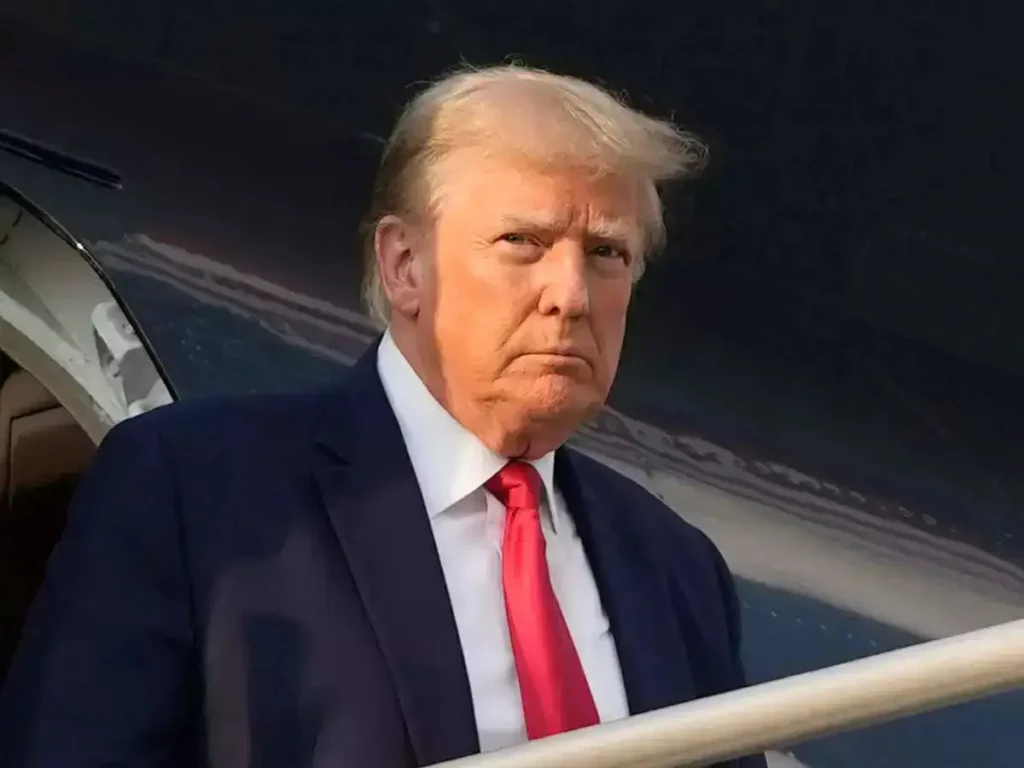
The aggressive trade policy of Donald Trump suffered a dramatic blow on Friday after a federal appeals court ruled that most of his global tariffs were unconstitutional. In a 7-4 decision, the U.S. Court of Appeals for the Federal Circuit held that the law Trump relied on — the International Emergency Economic Powers Act (IEEPA) — does not grant the president unlimited power to impose tariffs.
“The core Congressional power to impose taxes such as tariffs is vested exclusively in the legislative branch,” the court emphasized. In other words, tariffs are not a presidential weapon, but a constitutional power held by Congress.
Trump’s Furious Response
As expected, Trump lashed out on Truth Social, branding the court “highly partisan” and predicting the Supreme Court would side with him.
“If these tariffs ever went away, it would be a total disaster for the Country,” Trump wrote. “If allowed to stand, this Decision would literally destroy the United States of America.”
The White House, however, struck a more measured tone. Spokesman Kush Desai said the tariffs “remain in effect” until the matter reaches the Supreme Court, and added that the administration is “confident of ultimate victory.”
Table of Contents
The Legal Battle So Far
Friday’s ruling marks Trump’s second consecutive loss in the make-or-break case V.O.S. Selections v. Trump. The lawsuit, a consolidation of challenges from multiple states and small businesses, argued that Trump’s “Liberation Day” tariffs were unlawful under IEEPA.
Back in May, the U.S. Court of International Trade had already rejected Trump’s stance and struck down tariffs imposed on Canada, Mexico and China, which were justified by the administration as necessary to combat fentanyl trafficking. The latest appeals court ruling echoed that skepticism, noting that the tariffs were “unbounded in scope, amount, and duration.”
Voices From the Courtroom
“This decision protects American businesses and consumers from the uncertainty and harm caused by unlawful tariffs,” said attorney Jeffrey Schwab of the Liberty Justice Center, which represented small-business plaintiffs.
Co-counsel Neal Katyal praised the judgment as a “powerful reaffirmation” of constitutional checks and balances, stressing that presidents must act within the rule of law.
Still, not all judges agreed. Four dissenting justices argued the plaintiffs had not justified their request for summary judgment, leaving the door open for further debate in the nation’s highest court.

Economic and Political Stakes
The stakes are enormous. Trump’s tariffs have been a signature feature of his economic nationalism, reshaping trade relations with allies and adversaries alike. According to the Congressional Budget Office, tariffs could reduce U.S. deficits by $4 trillion over the next decade.
Commerce Secretary Howard Lutnick warned that striking them down “would cause massive and irreparable harm,” undermining foreign policy, inviting retaliation from trading partners, and threatening ongoing negotiations.

What Happens Next?
For now, the appeals court has paused its decision until October 14, allowing the Trump administration time to petition the Supreme Court. If the justices agree to hear the case, it will set the stage for one of the most consequential legal battles over presidential authority in decades.
Whether Trump emerges as a defender of American industry or sees his trade legacy dismantled will depend not on fiery speeches or viral Truth Social posts, but on the nine justices in Washington, D.C.
As one trade analyst summed it up on X: “This is not just about tariffs — it’s about the limits of presidential power.”
For more Update http://www.dailyglobaldiary.com

Mariska Hargitay Lands the 2026 Emmy Hosting Gig… and Her Historic Selection Is Already Turning Heads

‘Resident Evil’ Review: A Thrilling Reboot That Takes Its Biggest Risk Yet

California Promised to Stop Paramount-Warner Bros. Merger So Why Did It Suddenly Back Down?

Political Pressure and Legal Risks: Inside California’s Paramount–Warner Bros. Retreat

Authorities have concluded their investigation, confirming that the actress’s death resulted from accidental drug toxicity.

1-Iran Issues Dire Warning to Israel and Defies Trump on Nukes: “We’re Ready to Strike Deep Inside”

Sen. Elizabeth Warren Calls It a ‘Cesspool of Corruption’ — Here’s Why Senators Are Now Fighting Back Against the DOJ’s Live Nation Deal That Left Every Fan Betrayed…

Donald Trump’s net worth reveals the fortune behind the former US President and business mogul

“Tomás Rodríguez Net Worth 2025: Panama’s Gold Cup Goal‑Machine’s Surprising Fortune Revealed”

Gucci bets on Demna to revive fading glamour as Milan fashion week opens with bold film surprise

Miss Jamaica Suffers Terrifying Fall Off Miss Universe Stage; Rushed to Hospital on Stretcher in Viral Video

Moana Live-Action Teaser Sparks Outrage as Fans Call Disney’s Move a ‘Clear Money Grab’ — What Went Wrong?

Ryan Gosling’s Project Hail Mary Trailer Stuns Fans with a Mysterious Alien Ally and a Mission That Could Save Earth

Apple delays Jessica Chastain thriller The Savant about domestic extremism after recent US violence

Avatar 3, Fire and Ash trailer reveals Jake Sully’s family facing terrifying new Na’vi enemies with deadly fire powers
-
 Entertainment6 days ago
Cynthia Nixon’s Support Draws Attention as Christine Marinoni Secures NYC Education Post
-

 Entertainment1 week ago
ABC Pushes Back Against FCC Over ‘The View’… Says the Show Hasn’t Changed, ‘The Political Climate Has’
-

 Entertainment1 week ago
The Hollywood Reporter Dominates SoCal Journalism Awards With 44 Wins… Inside the Night It Left Competitors Behind
-

 Entertainment1 week ago
Paul Verhoeven Sounds Alarm Over Space Force’s ‘Starship Troopers’ Look
-

 Entertainment1 week ago
Nick Reiner Spared Possible Death Sentence in Parents’ Murder Case
-

 Entertainment6 days ago
Nick Reiner Will Not Face Death Penalty in Parents’ Killing Case DA Reveals Why…
-

 Entertainment1 week ago
Seven-Minute Ovation Puts ‘Possible Love’ Firmly in the Oscar Race
-

 Entertainment6 days ago
Disney’s Live-Action ‘Moana’ Wins Early Praise After Premiere: Is This the Studio’s Best Remake Yet? Fans Say ‘It Captures the Magic…’