
Startups
Sequoia Backs Crosby The AI Powered Law Firm Changing Legal Services Forever
Crosby emerges from stealth with $5.8 million to reinvent contract reviews and slash negotiation times using AI and expert lawyers under one roof.

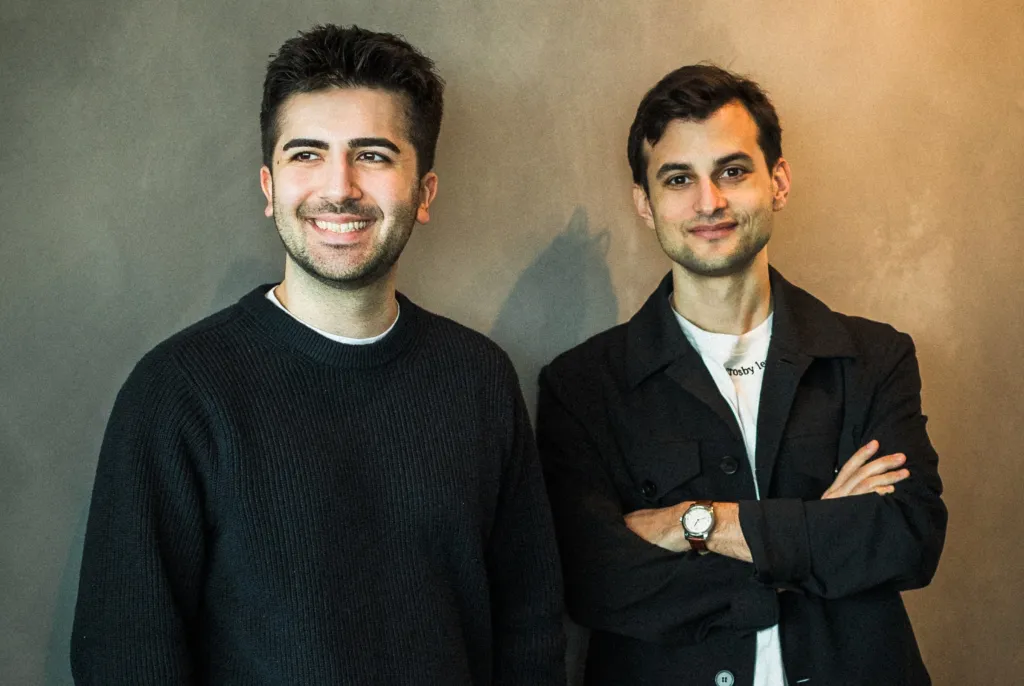
In a bold move to redefine how legal services work in the age of AI, Crosby, a new startup backed by Sequoia Capital, has officially launched with a groundbreaking twist: it’s not just selling AI software to lawyers — it is the law firm.
Fresh out of stealth mode, Crosby revealed a $5.8 million seed round led by Sequoia’s Josephine Chen and Alfred Lin, alongside Bain Capital Ventures and a roster of influential angels including Ramp co-founders Eric Glyman and Karim Atiyeh, Opendoor’s Eric Wu, Casetext’s Jake Heller, and Instacart’s Max Mullen. The startup’s mission? To deliver lightning-fast contract reviews and cut down the legal bottlenecks that have long slowed down fast-growing companies.
Co-founder and CEO Ryan Daniels, a seasoned lawyer and the son of two law professors, knows these pain points all too well. During his years as in-house counsel for startups, Daniels found that contract negotiations often choked company growth, eating up precious time that could be spent closing deals and scaling teams.
“My last company, where I was the only legal person, grew from 10 to 100 people, and contracts were the main drag on speed,” Daniels shared. Frustrated by traditional workflows, Daniels joined forces with CTO John Sarihan, an early Ramp engineer, to tackle the problem at its core.
Their solution was radical: build a law firm from scratch and power it end-to-end with Crosby’s own AI. Rather than licensing software to big firms, Crosby hires its own lawyers who work hand-in-hand with proprietary AI tools, guaranteeing contracts can be reviewed in under an hour — and they aim to push that to just minutes soon.
Since a quiet soft launch in January, Crosby’s lean team of 19 has already reviewed over 1,000 customer contracts for promising startups like Cursor, and sales tech companies Clay and UnifyGTM. The firm specializes in reviewing MSAs (master service agreements), data processing agreements, and NDAs, tackling some of the most time-consuming legal hurdles in B2B deals.
Sequoia’s Josephine Chen, who knew Sarihan from Ramp and had a trusted connection with Daniels through Sequoia’s in-house counsel Cindy Lee, quickly saw the opportunity. Legal work is a $300 billion industry ripe for AI disruption, Chen noted, adding that contract negotiations are a “bull’s-eye case for the use of LLMs” (large language models).
She explained, “When we think about seed investing, for us, it’s 70% about the team and 30% about the market. With Crosby, the stars aligned: a painful, massive market and a founding team we trusted completely.”
With Sequoia and Bain’s backing, Crosby plans to scale its hybrid legal-AI workforce, enhance its models, and bring its speed advantage to even more startups desperate to close deals faster than ever.
If successful, Crosby might not just make contract lawyers sweat — it could rewrite the blueprint for how the legal industry itself works in an AI-first era.













Tech
From Mumbai’s Middle Class to AI Startup Success: Dhravya Shah Raises $2.6 Million for Supermemory
Mumbai Teen Who Gave Up IIT Dream to Study in the US Secures $2.6 Million in Seed Funding for AI Startup Supermemory
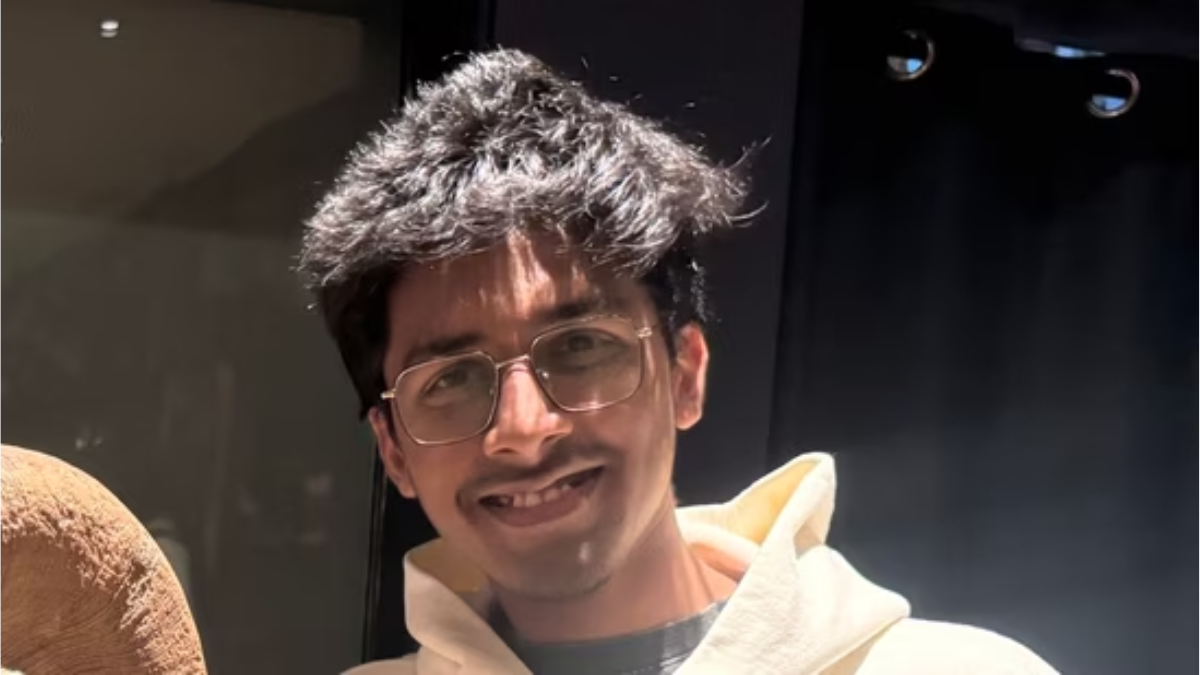
At just 19 years old, Dhravya Shah, a self-taught entrepreneur from a “middle-class” family in Mumbai, has made an impressive mark in the world of artificial intelligence. Shah has successfully raised $2.6 million in seed funding for his AI startup, Supermemory, which focuses on enhancing long-term memory capabilities in AI models.
The funding round includes prominent investors from leading tech companies, such as Google AI chief Jeff Dean, DeepMind product manager Logan Kilpatrick, and executives from OpenAI, Meta, and Google. This shows the massive potential and trust placed in Shah’s innovative AI solution, which has already captured the attention of top figures in the AI industry.

Who is Dhravya Shah?
Dhravya Shah is a prime example of a young entrepreneur who defied the traditional educational path to pursue his passion. Originally preparing for the highly competitive IIT entrance exams, Shah took a different route after selling one of his early projects—a bot that turned tweets into attractive screenshots. The bot was sold to Hypefury, a social media tool, which allowed Shah to use the proceeds to relocate to the United States and study at Arizona State University (ASU).
However, Shah eventually dropped out of ASU to follow his true calling—building his startup, Supermemory. “Being in a middle-class family in Mumbai, my parents were hesitant at first, but they eventually got me a laptop,” Shah shared in a YouTube video about his early struggles. Using that laptop, Shah taught himself to code, a skill that laid the foundation for his future success.

Currently, Shah is in the US on an O-1 visa, which allows individuals with extraordinary ability or achievement in their field to work and live in the country. This visa status reflects his growing recognition in the field of technology and artificial intelligence.
What is Supermemory?
Supermemory started as an experiment in Shah’s journey to build something new every week. During one of those weeks, he created an early version of the tool, initially called Any Context, which was a simple solution that allowed users to chat with their Twitter bookmarks. Over time, Shah refined the tool, and it evolved into Supermemory—a much more advanced AI platform designed to extract “memories” or insights from unstructured data like documents, chats, emails, and other content.
In simple terms, Supermemory enables AI applications to remember what they have learned and use that knowledge later, making interactions with AI much more human-like. This system provides a deeper understanding of context in AI apps, making it applicable for a wide range of uses—from email clients to AI-powered video editors.
As Shah explains, “Our core strength is to extract insights from any kind of unstructured data and give the apps more context about users.” This makes Supermemory particularly valuable for businesses looking to enhance user experience by offering personalized, intelligent solutions across various industries.
The Future of Supermemory
The $2.6 million seed funding round has already placed Supermemory on the radar of some of the biggest players in the tech world. Investors like Susa Ventures, Browder Capital, and SF1.vc have supported the startup’s vision, while individual investors such as Cloudflare’s Knecht, Google AI’s Jeff Dean, and DeepMind’s Logan Kilpatrick continue to back its growth.
Supermemory’s client list is already impressive, with companies like Cluely, AI-powered video editor Montra, and real estate startup Rets already benefiting from its technology. With such a strong foundation and backing from major investors, Shah’s AI startup looks poised for tremendous growth.
Startups
Stripe’s ex-growth star reveals how he’s helping Africans invest back home without losing a fortune…
Joe Kinvi’s startup Borderless wants to transform migrant remittances into startup and real estate investments Africans can actually trust.

Joe Kinvi knows all too well how easy it is to lose money sending it home.
The former Stripe growth lead and Paystack executive says he’s watched too many African families pour hard-earned euros and dollars into informal investments — only to see houses never built and promises broken.
That painful reality led him to launch Borderless, a U.K.-based platform quietly reshaping how the African diaspora puts money to work back home.
“Someone I know sent €200,000 home to build a house,” Kinvi recalls. “The house was never built.”

Instead, he wants to replace blind trust with verified deals, escrow accounts, and digital rails. Borderless does just that: it lets diaspora communities pool funds securely to back African startups and real estate — no cousins holding the cash, no shady middlemen.
Since its private beta last year, Borderless has already handled over $500,000 in transactions. More than 100 communities are on its waitlist, eager to invest in vetted property and ventures. The minimum ticket? About $1,000 for startups, $5,000 for property — big enough to matter, small enough to be accessible.
How it all started
Kinvi’s journey is a classic modern tech hustle story. In 2017, he joined Irish payments firm Touchtech Payments as finance lead — but when the startup couldn’t afford his full salary, he smartly asked for equity instead. Eighteen months later, Stripe swooped in, and that stake turned into a life-changing windfall.
After stints leading growth at Stripe and Paystack, Kinvi returned to a burning question: How can Africans abroad invest in real assets at home — minus the scams and stress?
During the pandemic, he and friends tested the idea with Hoaq, an informal investment club funding startups like LemFi, Bamboo, and Chowdeck. Hoaq ran into constant headaches: frozen accounts, bank suspicion, cross-border red tape.
So Kinvi built a tool to automate the mess — and Borderless was born.
How it works
Today, Borderless acts as the secure “backend” for investment collectives. It onboards vetted members, accepts cross-border payments, locks funds into escrow or verified accounts, and releases capital only to trusted developers or startup founders.
It runs under U.K. regulation, keeping everything squeaky clean and legally compliant. Borderless earns from transaction fees, a slice of membership dues, and FX spreads.
Kinvi says the big dream is to unlock an estimated $30 billion in idle migrant savings each year — turning one-off remittances into scalable, long-term capital for Africa’s booming startup scene and growing real estate markets.
Who’s backing it?
Kinvi hasn’t built Borderless alone. The startup’s early backers read like a who’s-who of African fintech: DFS Lab, Paystack CTO Ezra Olubi, angel investor Olumide Soyombo, plus ex-Stripe and Google execs — many of whom use the platform themselves.
Borderless has raised $500,000 in seed funding so far — a small sum compared to the problem it’s trying to solve.
What’s next?
Kinvi wants to expand beyond startups and homes to new asset classes: think film projects or diaspora bonds that tap African creativity and resilience.
But there’s a catch: scaling trust is hard. For now, Borderless leans heavily on personal relationships and known community heads to vet deals. To grow, it’ll need robust identity checks, ironclad legal structures, and airtight fraud protection — or risk the same pitfalls informal investors face today.
Still, Kinvi remains clear-eyed and hopeful. “Most Africans in the diaspora want to go back home someday,” he says. “To do that, they need a way to invest securely and confidently at scale. That’s what we’re building.”
Tech
Mach Industries Confirms 100 Million Funding to Supercharge Next Gen Weapons
The defense tech startup, founded by a teenage MIT dropout, secures fresh capital at a nearly half-billion valuation to accelerate cutting-edge missile and UAV projects.

Mach Industries, the two-year-old rising star in the defense technology world, has officially confirmed a new $100 million funding round, pushing its valuation to an impressive $470 million. TechCrunch had previously hinted at the deal last month, and now it’s official: Khosla Ventures’ Keith Rabois and Bedrock Capital’s Geoff Lewis are leading the charge, with continued support from existing heavyweight investor Sequoia Capital.
This fresh capital injection brings Mach’s total raised to a solid $185 million to date — not bad for a startup founded in 2023 by then 19-year-old Ethan Thornton, who famously dropped out of MIT to go all in on defense innovation. Despite the buzz, the new valuation signals tempered optimism: Mach’s last round valued it at $335 million, so the new deal represents only a modest bump of about $35 million over a year and a half.
Still, the startup’s breakneck rise has been remarkable. Thornton, who once built his company’s first office furniture out of Home Depot plywood, now oversees a powerhouse team that grew from 20 to 140 employees in just twelve months.
Mach Industries has developed three headline-grabbing systems so far:
- Viper, a jet-powered vertical takeoff and landing UAV that needs no runway.
- Glide, a high-altitude glider capable of striking distant targets near the edge of the atmosphere.
- Stratos, an in-air satellite designed for extreme altitudes with advanced sensors and communications tech.
The Pentagon and other defense bodies are taking notice. Earlier this year, the Army Applications Laboratory selected Mach to build a vertical takeoff precision cruise missile, and the company unveiled plans for its first large-scale production hub — a 115,000-square-foot factory in Huntington Beach, California.
Thornton admits the dizzying growth comes with high stakes. The young CEO remains acutely aware of the ethical and geopolitical implications of building next-gen weapons, especially as conflicts like Ukraine’s drone warfare reshape modern battlefields.
“We’re creating weapons with the ability to strike at very long ranges,” Thornton says. But he’s quick to note that everything happens in direct coordination with the State Department, Department of Defense, and members of Congress.
With new funding secured, Mach plans to beef up its manufacturing muscle and double down on R&D. While Thornton keeps the details close to the vest, he hints at a new type of propulsion engine currently under wraps.
For a company that started with plywood desks, Mach Industries’ explosive trajectory proves that scrappiness, ambition, and an appetite for risk can still shake up the world’s most guarded industry. And with $100 million more in its arsenal, the next chapter promises even more game-changing tech on the battlefield.

Cubs Cruise Past Diamondbacks 7-0 as Conforto and Kelly Go Back-to-Back: Gausman Delivers a Statement Start

Cal Raleigh Explodes for 3 Home Runs as Mariners Crush Phillies 9-2: ‘Hard to Fathom’ Night in Seattle

NBC4 Anchor Joseph Olmo Announces Exit After Nearly a Decade: “I’ve Got Just One More Story for You”

Taylor Swift Looks Back at Her Country Roots: “I Want to Honor Them More and More”

Target Apologizes and Pulls Halloween Costume After Backlash: “We Know We Got This Wrong”

1-Iran Issues Dire Warning to Israel and Defies Trump on Nukes: “We’re Ready to Strike Deep Inside”

Sen. Elizabeth Warren Calls It a ‘Cesspool of Corruption’ — Here’s Why Senators Are Now Fighting Back Against the DOJ’s Live Nation Deal That Left Every Fan Betrayed…

Donald Trump’s net worth reveals the fortune behind the former US President and business mogul

“Tomás Rodríguez Net Worth 2025: Panama’s Gold Cup Goal‑Machine’s Surprising Fortune Revealed”

“She Never Made It Out…” Albany House Fire Claims Woman’s Life as Family Pleads for Help to Bring Her Home

Miss Jamaica Suffers Terrifying Fall Off Miss Universe Stage; Rushed to Hospital on Stretcher in Viral Video

Moana Live-Action Teaser Sparks Outrage as Fans Call Disney’s Move a ‘Clear Money Grab’ — What Went Wrong?

Ryan Gosling’s Project Hail Mary Trailer Stuns Fans with a Mysterious Alien Ally and a Mission That Could Save Earth

Apple delays Jessica Chastain thriller The Savant about domestic extremism after recent US violence

Avatar 3, Fire and Ash trailer reveals Jake Sully’s family facing terrifying new Na’vi enemies with deadly fire powers
-

 Entertainment1 week ago
‘Reacher’ Star Alan Ritchson Sparks Debate With Bold Remarks on Epstein Files Controversy
-

 Entertainment1 week ago
Disney+ Officially Orders ‘Afterlife With Archie’ Series From ‘Riverdale’ Creators
-

 Entertainment1 week ago
Michael J. Fox Confirms ‘Shrinking’ Return, Says Acting “Prolonged My Life” Amid Parkinson’s Battle
-

 Entertainment5 days ago
Ben Folds Says Trump-Era Kennedy Center Changes Led to His Exit
-

 Entertainment1 week ago
Apple TV+ One Tony Away From Historic EGOT Achievement With Schmigadoon!
-

 Entertainment1 week ago
Locarno to Honor James Gray With Career Leopard: Why the Festival Calls Him ‘The Last Great Novelist of American Cinema’…
-

 Entertainment1 week ago
‘It’s Become a Tradition’: Kevin Feige Reveals Adam Driver Has Turned Down Multiple Marvel Roles…
-

 Entertainment5 days ago
Jennifer Aniston Joins Peter Dinklage in Olivia Wilde’s ‘Naughty’… Universal’s Unconventional Santa Movie Already Has Hollywood Talking
Pingback: Eric Glyman Net Worth 2025 Career Biography Salary and How He Built Ramp - Daily Global Diary
Pingback: Karim Atiyeh Net Worth 2025 Career Biography Salary and Ramp Success Story - Daily Global Diary
Pingback: Eric Wu Net Worth 2025 Career Biography Salary and the Opendoor Empire - Daily Global Diary
Pingback: Jake Heller Net Worth 2025 Career Biography Salary and How He Shaped Legal Tech - Daily Global Diary
Pingback: Max Mullen Net Worth 2025 Career Biography Salary and Instacart Success Story - Daily Global Diary