
Food
What Happens to Your Body If You Eat 2 Dates Every Morning on an Empty Stomach?
Nutritionist explains how a simple habit like eating two dates daily can boost digestion, energy, immunity, and overall wellness


Building a healthier lifestyle does not always require expensive superfoods or complicated morning routines. According to nutritionist Eshanka Wahi, one of the simplest habits that can support your body is eating two dates every morning on an empty stomach. This small step may seem insignificant, but its nutritional benefits can create noticeable changes in energy levels, digestion, cravings, and immunity.
Dates contain a powerful combination of natural sugars, fiber, potassium, magnesium, and antioxidants. This nutrient profile allows them to provide steady energy, support gut health, and strengthen the body’s natural defenses. For people with busy schedules, this routine is easy to follow and requires no preparation, making it a practical wellness choice.

Natural Energy Booster
Many people start their day with tea or coffee, only to experience fatigue or energy crashes later. Dates provide a natural alternative. They contain glucose, fructose, and sucrose, which the body absorbs efficiently. Research cited in Critical Reviews in Food Science and Nutrition shows that this mix provides a smooth and sustained energy release.
Nutritionist Eshanka explains that the presence of fiber and minerals helps maintain steady energy, preventing sudden highs and lows. For those looking to reduce caffeine dependence or maintain consistent energy through the morning, dates can be a simple solution.
Helps Control Cravings
Sudden hunger or sweet cravings can disrupt healthy eating goals. Dates can help manage these urges due to their fiber content, which slows digestion and keeps you full for longer. Their natural sweetness can also satisfy dessert cravings without relying on processed foods.
For individuals working on weight management or mindful eating, this habit can support better appetite control throughout the day.
Supports Digestion and Gut Health
Dates contain dietary fiber and essential amino acids that aid digestion. As reported in the Journal of Food and Nutrition, fiber promotes regular bowel movements and reduces discomfort caused by sluggish digestion. Nutritionist Eshanka suggests that incorporating dates into the morning routine can help maintain a steady digestive rhythm.

Dates also help increase beneficial gut bacteria, improving nutrient absorption and overall digestive comfort. The National Library of Medicine highlights the role of such foods in supporting long-term gut health.
Strengthens Immunity with Antioxidants
Dates are rich in flavonoids, carotenoids, and phenolic acids, powerful antioxidants that protect cells from oxidative stress. Reducing internal stress allows the immune system to function more efficiently.
Nutrition experts suggest that consistent consumption of antioxidant-rich foods like dates can support long-term wellness and reduce inflammation. Dates are also considered suitable for all age groups, making them a versatile daily addition.
Can everyone eat two dates daily?
Generally yes, but people with diabetes should consult a doctor.
Do dates aid digestion?
Yes, their fiber supports regularity and gut-friendly bacteria.
Can two dates a day help with weight goals?
They help curb cravings and promote longer satiety.
Do dates boost energy and immunity?
Yes, natural sugars provide energy and antioxidants support immune health.
Disclaimer:
This article is for informational purposes only and is not a substitute for professional medical advice. Always consult a doctor regarding any health-related concerns.







Food
McDonald’s Brings Back a Fan-Favorite Flavor in a New Way: 4 Limited-Time Caesar-Inspired Menu Items Are Coming…
The fast-food giant is introducing a new Caesar Sauce along with three chicken-based menu additions, giving customers a fresh take on one of its most requested flavors.


After years of customer requests and growing demand for Caesar-inspired flavors, McDonald’s is bringing the iconic taste back to its menu—but with a modern twist.
Rather than reviving its discontinued Caesar salad, the global fast-food chain is launching four limited-time menu items centered around an all-new Caesar Sauce, giving chicken lovers a fresh reason to visit the Golden Arches.
The new lineup is scheduled to debut on July 21 in select markets and includes a new sandwich, snack wrap, dipping sauce and chicken pairing.
A New Caesar Sauce Takes Centre Stage
The biggest addition is McDonald’s new Caesar Sauce, which blends the classic flavors of Parmesan cheese, garlic and lemon into a creamy dipping and sandwich sauce.
Customers can order it as a standalone dipping sauce or enjoy it across several new chicken menu options.
The move reflects the growing popularity of bold, familiar flavors that continue to resonate with diners long after food trends fade.
Read More- What Happens to Your Body If You Eat 2 Dates Every Morning on an Empty Stomach?
Four New Limited-Time Menu Items
McDonald’s has confirmed the following Caesar-inspired offerings:
1. Bacon Caesar McCrispy
The new sandwich features a crispy McCrispy chicken fillet topped with:
- Caesar Sauce
- Applewood-smoked bacon
- Shredded lettuce
- Roma tomato
- Crispy onions
- Crinkle-cut pickles
All served inside a toasted potato bun.
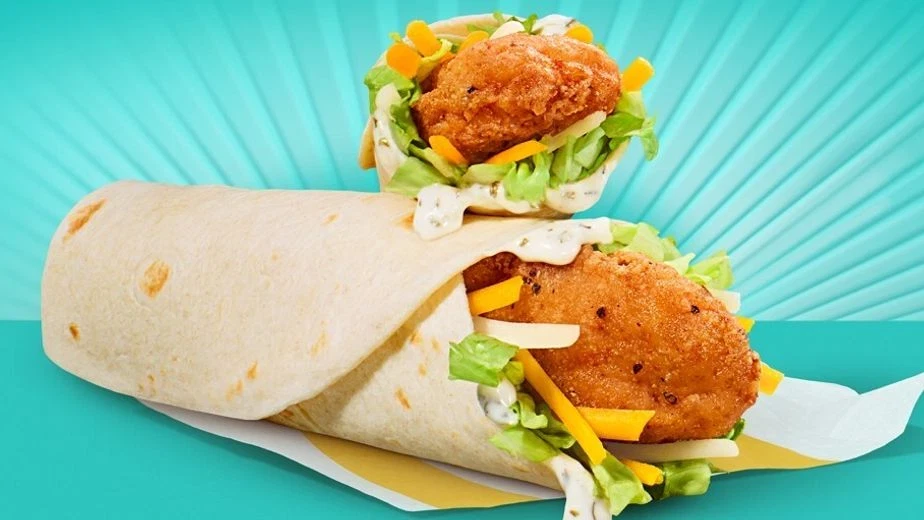
2. Caesar Snack Wrap
The popular snack wrap format receives a Caesar makeover.
The wrap includes:
- A crispy McCrispy Strip
- Caesar Sauce
- Shredded lettuce
- Cheese
- Soft flour tortilla
It marks one of the few drive-thru versions of a Chicken Caesar Wrap available from a major fast-food chain.
3. McCrispy Strips With Caesar Sauce
McDonald’s recently updated its McCrispy Strips recipe with a crispier Panko-style coating.
Customers can now pair the strips with the new Caesar Sauce for dipping.
4. Caesar Sauce Available Separately
For those who simply want to customise an existing order, the Caesar Sauce will also be sold separately as an individual dipping sauce.
A Flavor Fans Have Been Waiting For
Before 2020, McDonald’s offered a range of salads, including a well-known Chicken Caesar Salad.
However, the company discontinued its salad lineup during the pandemic, leaving many customers hoping the Caesar flavor would eventually return.
While salads are still absent from the menu, the new sauce allows customers to enjoy the familiar taste in sandwiches, wraps and chicken strips instead.
Limited-Time Availability
McDonald’s has confirmed that all four Caesar-inspired menu items will be available for a limited period only.
The company has not announced a permanent rollout, meaning fans interested in trying the new offerings may need to act quickly before they disappear from menus.
The launch also highlights how major restaurant brands are increasingly revisiting nostalgic customer favourites while adapting them to current dining trends and grab-and-go convenience.
Whether you’re a long-time fan of Caesar dressing or simply looking to try something different, McDonald’s latest menu refresh brings a classic flavour back in a completely new form.
Technology News
Sam Altman Breaks Silence: Molotov Cocktail Scare, “Incendiary” Probe, and a Candid Reckoning With His Past…
The OpenAI chief addresses a shocking security incident and pushes back against a high-profile investigation, while reflecting on mistakes that shaped his leadership.

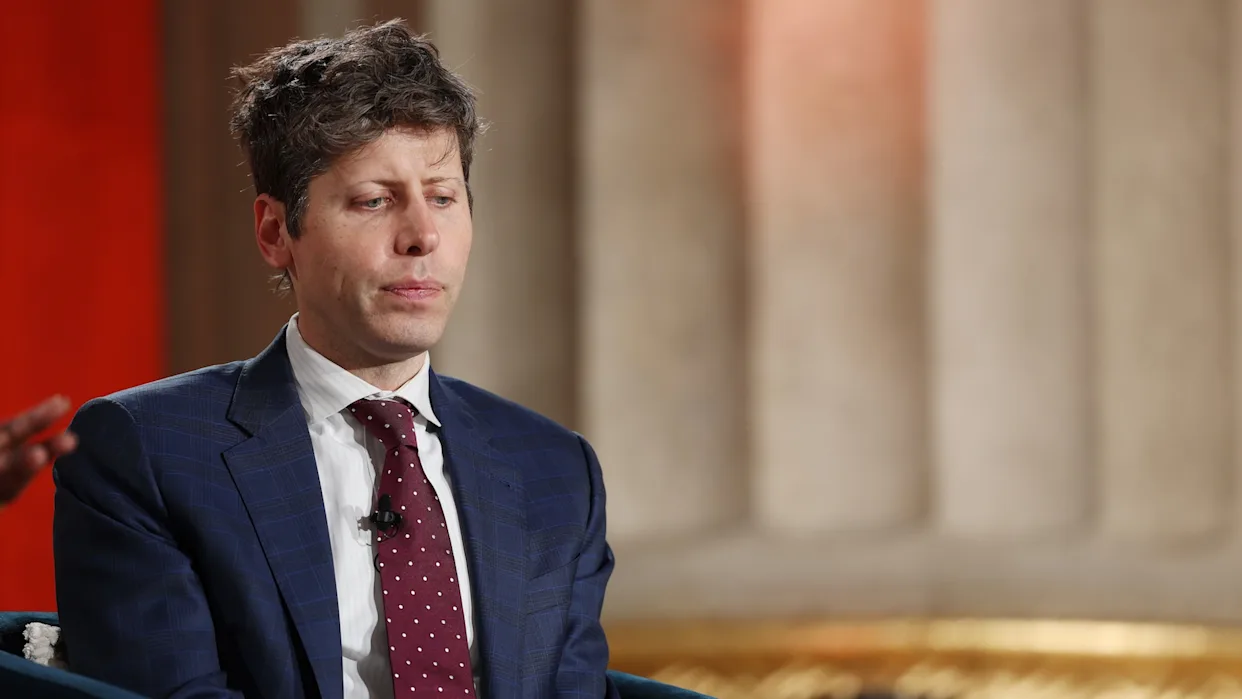
In a rare and deeply personal blog post published Friday, Sam Altman, CEO of OpenAI, pulled back the curtain on a troubling security incident involving a Molotov cocktail—while also responding to what he described as an “incendiary” investigation by The New Yorker.
Altman’s post, striking in both tone and transparency, covered far more than just headlines. It offered readers a glimpse into the pressures of leading one of the world’s most scrutinized AI companies, while confronting narratives he believes have misrepresented his character and decisions.
A Disturbing Incident Comes to Light
Altman confirmed that a Molotov cocktail incident had indeed taken place, raising concerns about the growing intensity of public sentiment surrounding artificial intelligence and its key figures. While details remain limited, the acknowledgment alone underscores the increasingly volatile environment in which tech leaders now operate.
ALSO READ : Younghoe Koo Explains Botched Field Goal After Slip: “The Ball Was Moving So I Pulled Up”
The incident serves as a stark reminder of how polarizing AI has become, particularly as companies like OpenAI continue to push the boundaries of innovation with tools such as ChatGPT.
Pushing Back Against The New Yorker
A significant portion of Altman’s post was dedicated to addressing an investigation by journalists Ronan Farrow and Andrew Marantz, published in The New Yorker. The piece reportedly examined Altman’s leadership style, past controversies, and internal dynamics at OpenAI.
Altman did not hold back, labeling the article as “incendiary” and suggesting it painted an incomplete and, at times, misleading picture. While acknowledging that scrutiny comes with the territory, he emphasized the importance of fairness and context in reporting.
“There are parts of my past I’m not proud of,” Altman admitted, “but they don’t define the work we’re doing today.”
A Rare Moment of Self-Reflection
Perhaps the most compelling aspect of the blog post was Altman’s willingness to revisit his own past mistakes. In an industry often marked by carefully curated public personas, his candid tone stood out.

He reflected on earlier decisions in his career—some of which have been criticized—and framed them as learning experiences that informed his leadership today. This introspection appeared to be both a defense against criticism and an attempt to humanize a figure often seen as emblematic of Big Tech ambition.
The Broader Context: AI Under the Spotlight
Altman’s remarks come at a time when artificial intelligence is facing unprecedented scrutiny from governments, media, and the public. From ethical concerns to job displacement fears, companies like OpenAI are navigating a complex web of expectations and criticisms.
The CEO’s decision to address both a security scare and a media investigation in one sweeping post suggests a deliberate effort to regain control of the narrative—and perhaps rebuild trust.
A Leader Under Pressure
For Altman, this moment is about more than just rebutting an article or confirming an incident. It reflects the reality of leading a transformative yet controversial field.
As AI continues to reshape industries, figures like Altman are finding themselves not just as innovators, but as lightning rods for debate.
Whether his candid approach will resonate with critics remains to be seen. But one thing is clear: Sam Altman is choosing to confront the storm head-on—on his own terms.
Technology News
Amazon’s AWS Cloud Went Dark Over Dubai and Iran’s Drones May Have Just Changed the Internet Forever…
2. SUBTITLE:
Iranian missile and drone strikes hit Amazon Web Services data centers in the UAE and Bahrain, taking down dozens of cloud services and raising terrifying questions about the future of global digital infrastructure in a war zone.
The Gulf had one simple promise for Silicon Valley: Bring your servers. We’ll keep them safe.
On Sunday, March 1, 2026, that promise burned — quite literally.
At around 4:30 AM PST, one of Amazon Web Services‘ availability zones — specifically the mec1-az2 cluster in its ME-CENTRAL-1 region — was hit by unidentified objects that struck the data center, triggering sparks and a fire. 404 Media What followed was not just a tech outage. It was a wake-up call for every business, government, and startup that had trusted the Middle East with their data.
What Exactly Happened?
Amazon confirmed that two of its data center facilities in the United Arab Emirates were directly struck, while in Bahrain, a drone strike in close proximity to one of its facilities caused physical damage to its infrastructure.
ALSO READ : Tanzyn Crawford Breaks Silence on Racial Backlash Over Her Role in A Knight of the Seven Kingdoms
Power to the UAE facility was cut by local authorities to contain the blaze. Amazon hasn’t officially specified what the “objects” were — but the data center appears to have been caught squarely in the crossfire between U.S. and Iranian forces operating in the region.
Amazon‘s popular EC2 virtual server service, its S3 storage platform, and its DynamoDB database service were among the roughly 60 applications experiencing elevated error rates and degraded availability. AWS confirmed that recovery would be prolonged “given the nature of the physical damage involved.”
And customers? They were told to pack up and leave — digitally speaking.
AWS advised customers with workloads in the region to consider backing up their data or migrating to other AWS regions entirely. CNBC That’s a remarkable admission from one of the world’s most powerful tech companies.
The Bigger Picture: How Did We Get Here?
On Saturday, the United States and Israel launched Operation Epic Fury, striking targets inside Iran and killing several political and military leaders — including Ayatollah Ali Khamenei, Iran’s Supreme Leader. In retaliation, Iran unleashed hundreds of drone and missile attacks against Israel and multiple U.S.-allied targets across the Middle East, including the UAE, Qatar, Kuwait, and Saudi Arabia. 404 Media
The UAE military intercepted 165 ballistic missiles, two cruise missiles, and 541 drones over two days. But 35 drones and 5 projectiles still got through — striking airports, Jebel Ali Port, and even the facade of the iconic Burj Al Arab hotel. Three migrant workers were killed. Rest of World
The Amazon data centers were not the only casualties. According to multiple reports, Iranian armaments struck the headquarters of the U.S. Navy’s Fifth Fleet in Manama, Bahrain. Google, Amazon, Microsoft, and Oracle all operate cloud facilities in nations now under Iranian bombardment. The Register Yet it is Amazon’s infrastructure that has suffered the most visible blow.
A Vulnerability Nobody Planned For
The uncomfortable truth is that nobody in Silicon Valley or the Gulf capitals ever seriously planned for this.
The January 2026 Pax Silica initiative had brought the UAE and Qatar into a U.S.-led effort to keep advanced chips away from China. The security frameworks were designed around geopolitics and supply chain control — not around protecting physical buildings during a missile and drone war. Rest of World

As Ali Bakir, an assistant professor of international affairs and defense at Qatar University, bluntly put it: the physical security of strategic digital infrastructure may have been assumed to fall under broader national defense — without ever being treated as a distinct vulnerability. Rest of World
Data management firm Snowflake attributed its own service disruptions in the region directly to the AWS outage in the UAE, showing just how far the knock-on effects spread through the cloud ecosystem. The Register
What Happens Next?
It remains unclear how long it will take for Amazon to fully restore services. The company’s dashboard warned of at least a day’s recovery time — but the war is far from over, and Iran continues to strike targets across the Middle East. 404 Media
Ryan Bohl, senior analyst for the Middle East and North Africa at RANE Network, noted that while the region’s core advantages remain intact for now, the trajectory depends heavily on how the conflict evolves. Companies are watching closely to see whether this was a contained episode or the start of a more sustained cycle of disruption. Rest of World
One thing, however, is already clear: the Gulf’s era as an unquestioned “safe harbor” for the world’s data may be over. And the next time a Silicon Valley executive signs a billion-dollar infrastructure deal in the Middle East, they’ll be asking a question nobody used to ask — what happens if the missiles come for the servers?

‘House of the Dragon’ Season 3 Will Be a ‘Bloodbath,’ Say Emma D’Arcy and Matt Smith: Why Fans Should Brace for the Most Brutal Chapter Yet

How ‘The White Lotus’ Changed Nicholas Duvernay’s Career: The Rising Star Opens Up About ‘Not Suitable For Work’ and What Comes Next

Callum Turner Breaks Silence on James Bond Buzz and Opens Up About Life With Dua Lipa as Hollywood Takes Notice

Spencer Pratt’s L.A. Mayoral Run Ends in Surprise Exit, Says “Are They Done Counting Yet?” in Viral Reaction

How a Beloved Romance Novel Became TV’s New Obsession: Louisa Levy Hints at a Bigger Season 2

1-Iran Issues Dire Warning to Israel and Defies Trump on Nukes: “We’re Ready to Strike Deep Inside”

Donald Trump’s net worth reveals the fortune behind the former US President and business mogul

Sen. Elizabeth Warren Calls It a ‘Cesspool of Corruption’ — Here’s Why Senators Are Now Fighting Back Against the DOJ’s Live Nation Deal That Left Every Fan Betrayed…

“She Never Made It Out…” Albany House Fire Claims Woman’s Life as Family Pleads for Help to Bring Her Home

“Tomás Rodríguez Net Worth 2025: Panama’s Gold Cup Goal‑Machine’s Surprising Fortune Revealed”

Miss Jamaica Suffers Terrifying Fall Off Miss Universe Stage; Rushed to Hospital on Stretcher in Viral Video

Moana Live-Action Teaser Sparks Outrage as Fans Call Disney’s Move a ‘Clear Money Grab’ — What Went Wrong?

Ryan Gosling’s Project Hail Mary Trailer Stuns Fans with a Mysterious Alien Ally and a Mission That Could Save Earth

Apple delays Jessica Chastain thriller The Savant about domestic extremism after recent US violence

Avatar 3, Fire and Ash trailer reveals Jake Sully’s family facing terrifying new Na’vi enemies with deadly fire powers
-

 Sports1 week ago
Where Is Lionel Messi? Argentina Return Home After FIFA World Cup Heartbreak, But Captain’s Absence Sparks Questions
-

 Sports1 week ago
India Spotted Him Before the World Did: How Ferran Torres’ Journey From Mumbai to World Cup Glory Came Full Circle…
-

 Sports1 week ago
Spain Won the FIFA World Cup 2026 But the Biggest Story Wasn’t on the Pitch… Here’s What Football Lost Along the Way
-

 Entertainment1 week ago
‘Avengers: Doomsday’ Trailer Finally Unveils Robert Downey Jr. as Doctor Doom — Marvel Fans Spot Stunning First Look That Changes Everything
-

 Entertainment1 week ago
Paramount-Warner Bros. Merger Faces Legal Setback as Court Temporarily Halts Deal
-

 Entertainment1 week ago
Lorde Criticizes Spotify’s AI Features, Questions the Future of Music Interpretation
-

 Entertainment1 week ago
John Leguizamo Opens Up on Christopher Nolan’s ‘The Odyssey’: “I’ve Never Been This Vulnerable…”
-

 Sports1 week ago
Spain’s World Cup Secret Wasn’t Just Goals: How One Midfield Masterplan Left Giants With No Escape…