
Politics
Trump Turns Up Pressure as Senate Returns: John Thune Faces Election Bill Fight, Funding Deadline and GOP Rebellion
The Senate has just eight realistic legislative days before its August recess, leaving Majority Leader John Thune with a crowded agenda—and growing pressure from President Donald Trump and conservative Republicans.

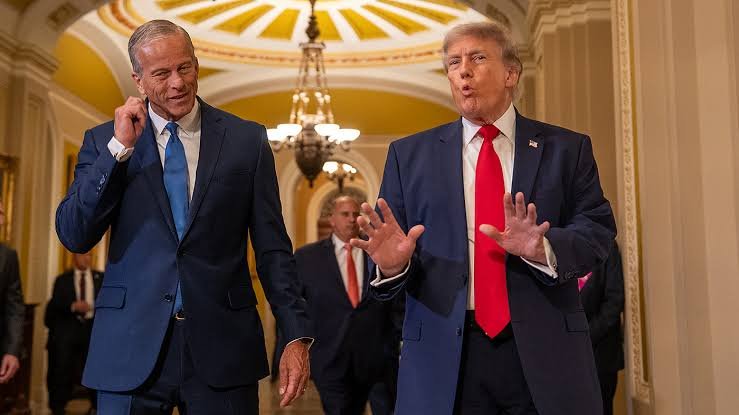
The US Senate is returning to Washington with a packed legislative agenda and very little time to clear it.
Senate Majority Leader John Thune faces a difficult balancing act as lawmakers have roughly two weeks on the calendar—but only about eight realistic legislative days—before leaving Washington for the August recess.
Waiting on the Senate floor are several major issues, including a government funding measure, a long-delayed Russia sanctions bill and a long list of presidential nominees. But the issue creating the biggest political headache may be the SAVE America Act, a Republican-backed election bill that currently lacks enough support to pass.
The pressure has intensified because US President Donald Trump has been pushing Senate Republicans to move forward with the election legislation before lawmakers leave Washington.
Trump Pushes GOP Senators, But Votes Remain Elusive
Trump has urged Senate Republicans to adopt the blueprint for a proposed $95 billion spending package that would also include election-related funding.
The problem for Thune is straightforward: Republicans do not appear to have the 50 votes needed to move the proposal forward.
While Trump has publicly backed the effort, many Republican senators reportedly do not expect the election bill to clear the Senate before the recess.
That leaves Thune caught between competing demands. He needs to advance the agenda that can realistically pass while also managing pressure from Trump and conservative members of his own party.
Mike Lee Warns Senate Leadership
The pressure increased over the weekend when Senator Mike Lee signalled that he opposed the Senate leaving Washington without passing the election legislation.
Lee has the ability to force a vote on whether the Senate should adjourn, although his previous calls for lawmakers to remain in session have not always resulted in action.
Senator Rick Scott also voiced support for Lee’s position, saying Republicans should not leave for the recess without passing the SAVE America Act.
Lee went further by warning that the election bill fight could have consequences for the upcoming Senate Republican leadership elections.
That could put Thune in an uncomfortable position.
Thune is seeking another term as Senate Republican leader and is widely considered to have strong support among his colleagues. However, questions have emerged over whether Trump could eventually turn his attention toward the Senate leadership if Republicans suffer losses in the midterm elections.
For now, Thune appears to have little choice but to navigate the dispute while keeping the Senate’s broader legislative programme moving.
Russia Sanctions Bill Could Move This Week
Despite the political tensions, the Senate may still make progress on several issues.
Lawmakers are expected to vote on Jay Clayton’s nomination to become director of national intelligence. The chamber could also move toward passing a Russia sanctions bill as early as this week if senators can agree on the procedural details.
The Judiciary Committee is also expected to face an important decision over whether to advance Trump’s choice for attorney general, Todd Blanche.
The Senate’s schedule is also being shaped by funeral arrangements following the death of Senator Lindsey Graham, adding another logistical complication to an already crowded week.
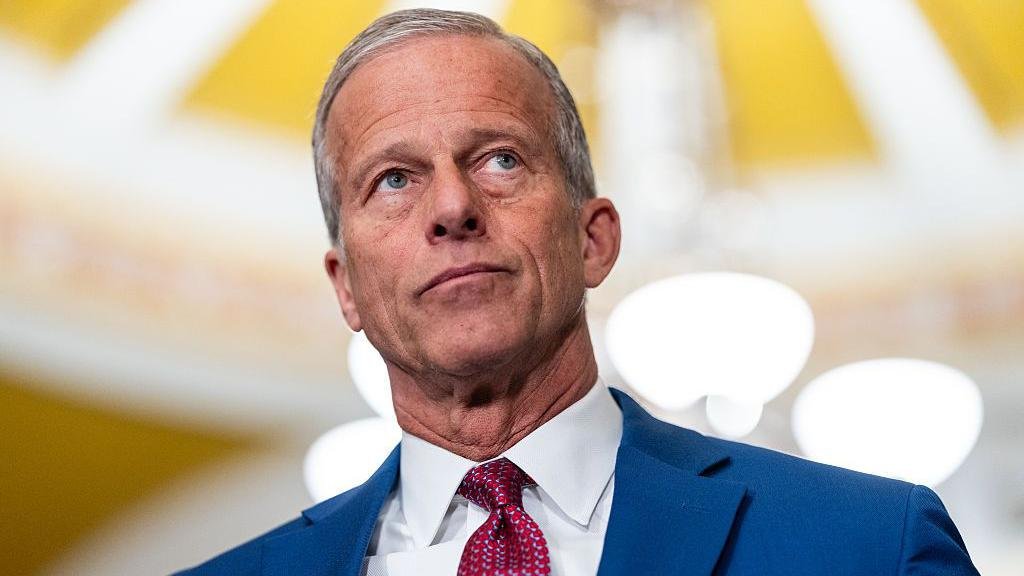
A government funding bill, meanwhile, is more likely to come up next week as bipartisan negotiations continue. The proposed measure would keep the government funded through December.
The Senate may also delay an initial vote on cryptocurrency legislation known as the Clarity Act until next week, although Democrats have not yet agreed to the plan.
Democrats Shift Focus to Affordability Ahead of Midterms
While Republicans deal with internal disagreements, Democrats are already looking ahead to the November midterm elections.
House Minority Leader Hakeem Jeffries recently appeared at an event in Pennsylvania’s politically competitive Lehigh Valley alongside Governor Josh Shapiro and House candidate Bob Brooks.
Jeffries used the appearance to make what could become a central theme of the Democratic campaign: affordability.
The message was simple and repeated—lowering costs should be a priority.
With roughly 100 days remaining before the midterm elections, Democrats are increasingly signalling that household expenses and the cost of living will be central to their argument for winning back control of Congress.
Republicans Look Beyond the Current Budget Fight
The Republican debate is also extending beyond the immediate Senate agenda.
Representative Mike Flood, who chairs the House Main Street Caucus, has indicated that Republicans could pursue another reconciliation package after the midterm elections.
The idea would be to focus on measures aimed at reducing government fraud and improving spending efficiency.
However, Republicans still face uncertainty over the current reconciliation framework, known as Recon 3.0, which was recently approved by House lawmakers but continues to face questions about its future in the Senate.
A Crucial Test for John Thune
For Thune, the coming days could prove politically important.
He must decide how much attention to give Trump’s election priorities while focusing on legislation that has a realistic chance of passing. At the same time, he has to keep Republican senators united and prevent internal disagreements from disrupting the Senate’s remaining work before the recess.
The biggest question may not be whether the Senate can clear its entire agenda—it almost certainly cannot—but which issues Thune chooses to prioritise.
With the government funding deadline approaching, the Russia sanctions bill waiting for action and the SAVE America Act dividing Republicans, the Senate’s final days before the break could reveal just how much influence Trump has over his party’s congressional agenda.
And with the midterm elections approaching, every vote—and every internal Republican disagreement—could carry consequences far beyond the August recess.








Politics
Trump Faces Fresh Iran War Rebuke as House Votes to Curb His War Powers: ‘Americans Are Sick of…’
The U.S. House voted 214-208 to advance a measure aimed at restricting President Donald Trump’s ability to continue military action against Iran without congressional approval, while a separate Senate effort failed.
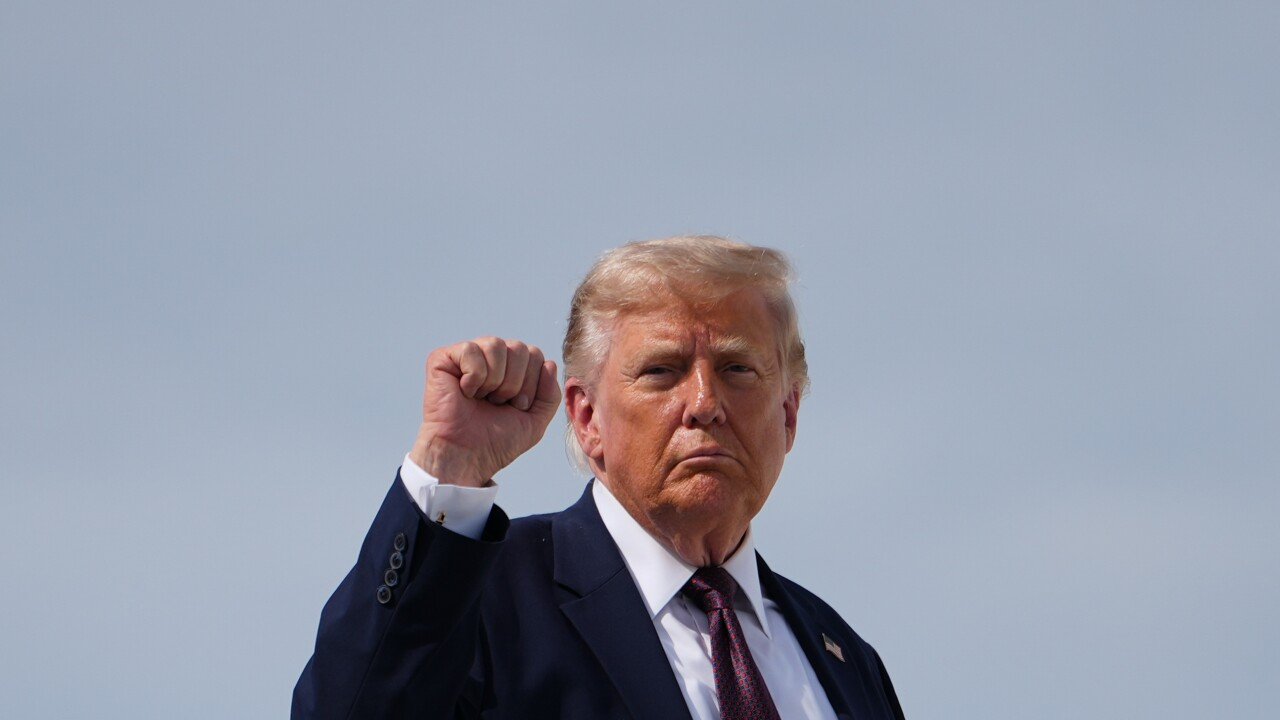
Donald Trump has faced another political setback over his handling of the Iran conflict after the U.S. House of Representatives voted to advance a measure seeking to limit his war powers.
The resolution, introduced by Democratic Representative Pramila Jayapal, passed the House by a vote of 214 to 208, with four Republicans joining Democrats in support.
The vote represents the latest challenge to Trump’s approach to the conflict and reflects growing divisions in Washington over the continued use of U.S. military power in Iran.
However, the House measure does not automatically force the administration to end military operations. Because it is a concurrent resolution, it does not go to the president for a signature or veto and does not carry the same force as legislation that becomes law.
Four Republicans break ranks
The House vote was notable because four Republican lawmakers crossed party lines to support the measure.
Representatives Thomas Massie, Brian Fitzpatrick, Tom Barrett and Warren Davidson joined Democrats in backing the resolution.
The bipartisan support came as lawmakers continue to debate whether the president should have the authority to conduct extended military operations without explicit congressional approval.
The House has now voted twice on efforts to check the president’s war powers during the Iran conflict. Thursday’s vote was particularly significant because it came after a recent ceasefire between the United States and Iran collapsed, leading to renewed tensions.
Senate effort falls short
Later on Thursday, the United States Senate considered a separate measure seeking to restrict Trump’s war powers.
That effort failed by a vote of 47 to 49.
Republican Senator Susan Collins joined Democrats in supporting the measure, while Democratic Senator John Fetterman voted with Republicans against it.
The contrasting votes in the two chambers highlighted the complicated political landscape surrounding the conflict.
Democrats intensify pressure on Trump
Democrats have repeatedly pushed for congressional action to limit the president’s military authority, arguing that the United States should not remain involved in a war without clear congressional authorisation.
Alexandria Ocasio-Cortez said the issue had become increasingly important to voters.
“I think that Americans of all backgrounds are sick of seeing the United States enter wars without justification,” Ocasio-Cortez said, arguing that the country should focus on domestic priorities rather than prolonged military engagements overseas.
Democrats have also framed the vote as an opportunity to send a political message ahead of the upcoming midterm elections.
Jayapal, who sponsored the House resolution, accused some Republicans who did not participate in the vote of avoiding a difficult political position with their constituents.
The debate comes at a particularly sensitive moment, with the conflict continuing to generate political and public concern in the United States.
American military casualties add to pressure
The political battle in Washington has also unfolded against the backdrop of American military casualties.
The remains of four U.S. service members who were killed during the Iran war were returned to the United States in flag-draped cases on Wednesday.
The deaths have added emotional weight to the debate over the country’s continued military involvement.

Supporters of the war powers resolutions argue that Congress must have a greater role in decisions that could send American troops into prolonged conflicts.
Some Democrats have also argued that concurrent resolutions remain legally meaningful when dealing with war powers, although questions remain about their enforceability and whether courts would ultimately recognise them as binding.
Trump pushes back against Republicans
Trump has previously expressed frustration with Republicans who supported efforts to restrict his military authority.
The president reportedly criticised Republican lawmakers during closed-door meetings and has also attacked them publicly on Truth Social, calling those who backed earlier measures “losers” and accusing them of making his job more difficult.
The president’s criticism highlights the growing political tension within his own party over the conflict.
While most Republicans have continued to support Trump’s approach, the increasing number of GOP lawmakers willing to break ranks suggests that the debate over military intervention is becoming harder for party leaders to contain.
What happens next?
For now, the House vote remains largely symbolic unless Congress takes further action through legislation with legal force.
The Senate’s failure to advance its own measure means Trump’s administration retains significant authority over its military policy toward Iran.
But the repeated attempts by lawmakers to rein in presidential war powers indicate that the issue is far from settled.
As the conflict continues and the midterm elections approach, pressure on Trump is likely to grow. The latest House vote may not immediately change U.S. military policy, but it sends a clear political message: a growing number of lawmakers want Congress to have a stronger say in how the Iran conflict proceeds.
Politics
Trump Revives China Election Interference Claims in Primetime Address — Here’s What the Intelligence Reports Actually Say
US President Donald Trump cited declassified intelligence to allege Chinese election interference, but previous intelligence assessments have found no evidence that Beijing altered the outcome of the 2020 presidential election.

US President Donald Trump has once again placed election security at the center of America’s political debate, using a nationally televised primetime address to argue that newly declassified intelligence points to Chinese interference in US elections.
The speech reignited one of the most contentious issues in American politics, with Trump asserting that the declassified material supports his long-standing concerns about foreign influence in the electoral process. The claims immediately drew widespread attention and renewed scrutiny from political analysts and election experts.
However, Trump’s remarks stand alongside previous assessments by the US Intelligence Community, which concluded that while foreign governments—including China, Russia, and Iran—attempted to influence public opinion through information campaigns, investigators found no evidence that China altered vote counts or changed the outcome of the 2020 US presidential election.
What Trump Claimed
During his address, Trump argued that newly released intelligence documents reveal efforts by Beijing to interfere in American elections. He described the information as significant and called for greater transparency regarding foreign influence operations.
The President has repeatedly maintained that election integrity should remain a national priority, arguing that Americans deserve complete confidence in the democratic process.
What Previous Intelligence Assessments Found
Following the 2020 US Presidential Election, multiple federal agencies conducted extensive reviews of foreign interference allegations.
The declassified intelligence assessment released after the election concluded that foreign adversaries sought to influence American voters primarily through online messaging, propaganda, and influence campaigns. However, officials stated they did not find evidence that voting systems were compromised or that China manipulated vote totals.

Those findings have been cited by election officials and intelligence agencies in response to recurring claims about foreign interference affecting the final election outcome.
Election Security Remains a Key Political Issue
Election integrity continues to be one of the defining issues in American politics. Supporters of stronger election security measures argue that foreign influence operations remain a genuine national security concern, regardless of whether they directly affect vote counting.
Meanwhile, election administrators have consistently emphasized that the United States has strengthened cybersecurity protections and monitoring systems since 2020 to guard against both cyberattacks and misinformation campaigns.
The renewed debate is expected to remain a major political issue as the country prepares for future federal elections.
Why the Debate Matters
Foreign interference has become an area of growing concern for democracies around the world. Intelligence agencies have repeatedly warned that hostile governments may attempt to influence public opinion through social media campaigns, cyber activities, and disinformation efforts.
At the same time, officials continue to distinguish between attempts to influence public opinion and successful manipulation of election results, noting that the two are not the same.
As discussions over election security continue, the latest statements from President Trump are likely to fuel renewed political and legal debate over the scope of foreign influence and the interpretation of intelligence findings.
Politics
Freedom 250 Concert Faces Questions After Donald Trump’s Blunt Statement
Trump’s candid remarks have fueled speculation about the future of the high-profile Freedom 250 celebration.


The planned Freedom 250 celebration was envisioned as a major cultural event honoring America’s upcoming 250th anniversary. But instead of excitement surrounding the lineup, the conversation has shifted toward a growing controversy over performers who reportedly chose not to participate.
Now, Donald Trump has added fuel to the debate with a blunt response that is making headlines across the political and entertainment worlds.
The former U.S. president suggested that if major artists are unwilling to take part, organizers should simply “cancel it,” a remark that instantly drew attention from supporters and critics alike.
A Celebration Overshadowed by Controversy
The Freedom 250 initiative was designed to commemorate one of the most significant milestones in American history—the 250th anniversary of the nation’s founding.
Supporters hoped the event would bring together music, culture, and patriotism on a grand stage. However, reports that several performers were reluctant to participate quickly changed the narrative.
ALSO READ : Sen. Elizabeth Warren Calls It a ‘Cesspool of Corruption’ — Here’s Why Senators Are Now Fighting Back Against the DOJ’s Live Nation Deal That Left Every Fan Betrayed…
Rather than focusing on the celebration itself, public discussion shifted toward why some artists allegedly chose to distance themselves from the event.
For many observers, the situation highlights the increasingly complicated relationship between entertainment and politics in modern America.
Trump’s Frustration Becomes Public
Speaking about the reported withdrawals, Donald Trump did not hide his frustration.
He reportedly criticized the situation and questioned the value of moving forward if organizers were struggling to secure high-profile performers.
His comments reflected a broader sentiment among some supporters who believe national celebrations should transcend political divisions.
“If nobody wants to perform,” Trump suggested in essence, “why continue with it?”
The remark quickly circulated online, triggering reactions from political commentators, music fans, and social media users.
Why Performers Are Under the Spotlight
Celebrity involvement in politically connected events has become increasingly scrutinized in recent years.
Whether it is presidential inaugurations, campaign rallies, charity concerts, or national celebrations, artists often face intense public pressure regarding where they choose to appear.
For many performers, participating in a high-profile event can bring both opportunities and criticism.
Some artists prefer to avoid events that may be perceived as politically charged, while others openly embrace causes and public platforms aligned with their beliefs.
The Freedom 250 controversy appears to be another example of that ongoing challenge.
The Growing Intersection of Politics and Entertainment
The relationship between politics and entertainment has never been stronger—or more complicated.
Figures such as Taylor Swift, Beyoncé, Bruce Springsteen, and countless other performers have found themselves at the center of political discussions over the years.
At the same time, politicians increasingly recognize the cultural influence that musicians and entertainers bring to major public events.
As a result, decisions about who performs—and who declines—often generate headlines far beyond the entertainment industry.
The Freedom 250 debate illustrates how cultural events can quickly become symbolic battlegrounds in a polarized environment.
Supporters Say the Event Is Bigger Than Politics
Many advocates of the celebration argue that the event should focus on America’s history rather than political disagreements.
They believe the nation’s 250th anniversary is a rare moment deserving broad participation regardless of ideology.
According to supporters, national milestones should unite citizens around shared heritage and achievements.

Some have expressed disappointment that performer participation has become a political talking point rather than a discussion about the historical significance of the anniversary.
For them, the goal of Freedom 250 remains unchanged: celebrating the country’s journey over two and a half centuries.
Critics See a Different Story
Others argue that artists have every right to choose where they perform and what events they support.
In today’s highly connected world, public figures are frequently expected to align their professional appearances with their personal values and public image.
Critics of Trump’s remarks suggest that performer decisions should not be interpreted as a rejection of patriotism but rather as individual choices about participation.
This perspective has found support among many commentators who believe entertainers should be free from political pressure regardless of the event involved.
Social Media Amplifies the Debate
As with most modern controversies, social media quickly transformed the discussion into a nationwide conversation.
Supporters praised Trump for speaking candidly about the situation, while opponents accused him of escalating tensions unnecessarily.
Posts discussing the Freedom 250 concert spread across platforms, turning what might have been a routine event-planning issue into a broader cultural debate.
The reaction demonstrates how quickly public opinion can form around entertainment-related controversies, especially when major political figures become involved.
What Happens Next?
The future of the Freedom 250 concert remains a topic of speculation.
Organizers still face questions about performer participation, public interest, and how the event will ultimately be presented to audiences.
Whether the concert moves forward as planned or undergoes significant changes, the controversy has already achieved one thing: it has ensured that the Freedom 250 celebration is being discussed nationwide.
For Donald Trump, the episode provided another opportunity to deliver the kind of direct, headline-grabbing comments that have long defined his public persona.
For organizers, however, the challenge remains finding a way to keep the focus on the historic anniversary itself rather than the political arguments surrounding it.
As America approaches its 250th birthday, the debate over Freedom 250 serves as a reminder that culture, entertainment, and politics are more intertwined than ever before—and that even a celebration designed to unite people can become a source of national conversation.

Trump Turns Up Pressure as Senate Returns: John Thune Faces Election Bill Fight, Funding Deadline and GOP Rebellion

Emma Roberts Marries Cody John in Intimate Idaho Wedding: ‘Scream Queens’ Star Says I Do in Front of Julia Roberts and Close Family

BMW iX1, iX2 Get a Major Price Shock in UK: Electric SUVs Now Cost Less Than Petrol Models After £3,750 Grant

Land Rover Freelander 8 EREV Interior Revealed: 6 Seats, ‘Zero-Gravity’ Captain Chairs and a Luxury Cabin That Looks Like a Private Jet…

Apple TV+ Is One Tony Away From Entertainment History Could ‘Schmigadoon!’ Complete a Record-Breaking EGOT Journey?

1-Iran Issues Dire Warning to Israel and Defies Trump on Nukes: “We’re Ready to Strike Deep Inside”

Donald Trump’s net worth reveals the fortune behind the former US President and business mogul

Sen. Elizabeth Warren Calls It a ‘Cesspool of Corruption’ — Here’s Why Senators Are Now Fighting Back Against the DOJ’s Live Nation Deal That Left Every Fan Betrayed…

“She Never Made It Out…” Albany House Fire Claims Woman’s Life as Family Pleads for Help to Bring Her Home

“Tomás Rodríguez Net Worth 2025: Panama’s Gold Cup Goal‑Machine’s Surprising Fortune Revealed”

Miss Jamaica Suffers Terrifying Fall Off Miss Universe Stage; Rushed to Hospital on Stretcher in Viral Video

Moana Live-Action Teaser Sparks Outrage as Fans Call Disney’s Move a ‘Clear Money Grab’ — What Went Wrong?

Ryan Gosling’s Project Hail Mary Trailer Stuns Fans with a Mysterious Alien Ally and a Mission That Could Save Earth

Apple delays Jessica Chastain thriller The Savant about domestic extremism after recent US violence

Avatar 3, Fire and Ash trailer reveals Jake Sully’s family facing terrifying new Na’vi enemies with deadly fire powers
-

 Sports1 week ago
Lionel Messi vs Diego Maradona: Is Argentina’s World Cup Hero Finally Above The Legend? Bhaichung Bhutia Gives His Verdict…
-

 Sports1 week ago
FIFA World Cup 2026 Final Referee Revealed: Why Slavko Vinčić Could Be Argentina’s Biggest Concern Against Spain
-

 Entertainment1 week ago
James Wright Named UTA U.K. Music Group Co-Head, Expanding Leadership Role Representing Top Artists
-

 Sports1 week ago
FIFA World Cup 2026 Closing Ceremony: IShowSpeed, Robbie Williams, Shakira & Global Stars Set To Light Up Final Night…
-

 Sports1 week ago
Argentina Under Fire After World Cup Final: Why Did Lionel Messi and Teammates Walk Away During Spain’s Trophy Celebration?
-

 Sports1 week ago
Jude Bellingham Finally Explains Viral Lionel Messi Clash After World Cup Semifinal Defeat: ‘It Was Nothing Like People Thought…’
-

 Sports1 week ago
“Same Old Story…” English Media Turns On Thomas Tuchel After England’s World Cup Dream Ends Again in Heartbreak
-

 Politics1 week ago
Trump Revives China Election Interference Claims in Primetime Address — Here’s What the Intelligence Reports Actually Say