
Rugby
College Football Playoff Expansion Is A Solution Searching For A Problem
With the 12-team format barely tested, college sports leaders are rushing toward chaos with a 16-team playoff and an expanded March Madness without clear purpose or payoff

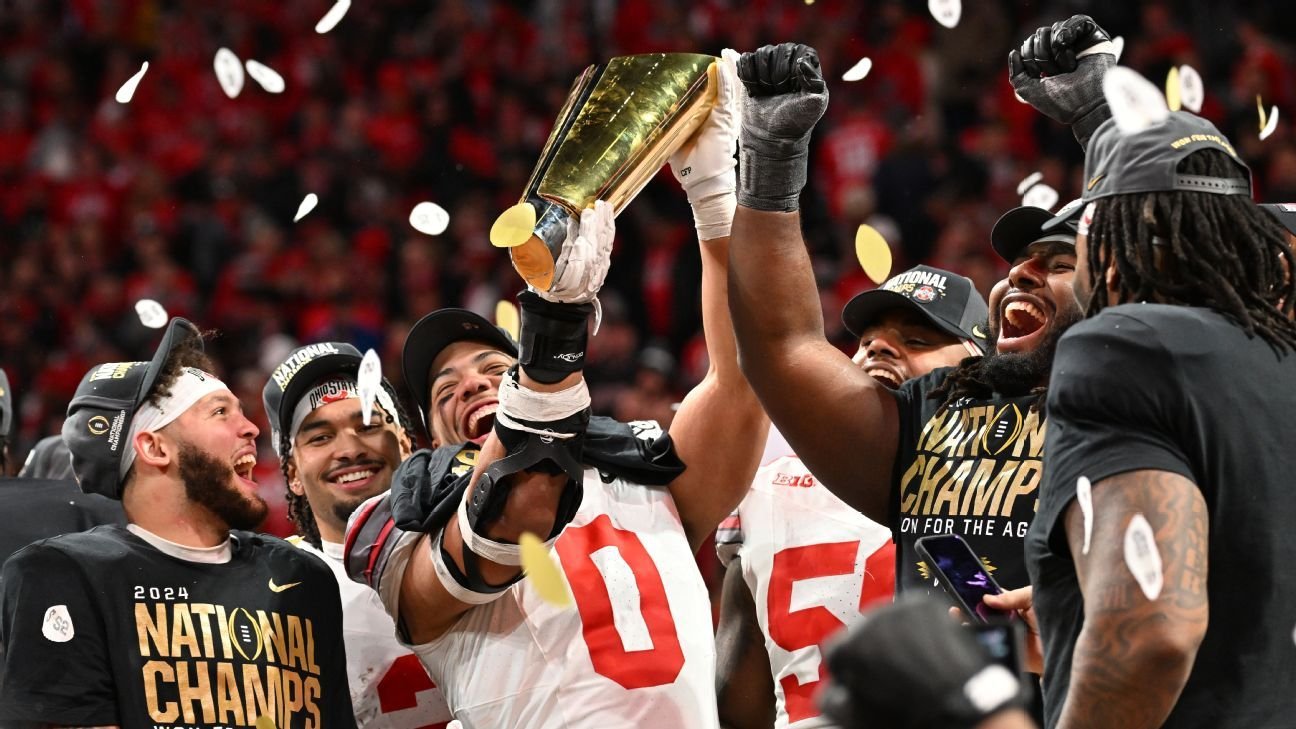
As the echoes of last season’s College Football Playoff (CFP) still ring through locker rooms and fan bars, a storm brews at the top. Power-hungry college sports executives are barreling ahead with a 16-team playoff plan — but few can explain why.
The 12-team CFP model, implemented just last season, was met with praise. It diversified the bracket, introduced on-campus playoff games, and gave deserving programs from across the country a shot at glory. Yet, even before fans could settle into the new format, SEC and Big Ten leaders started lobbying for another expansion — this time to 16 teams.
Their reasoning? That’s where things get blurry.
Unlike the NFL or NBA, which expanded their playoffs for tangible benefits like increased revenue and competitive balance, the NCAA’s logic seems rooted in self-interest and vague complaints. From SEC Commissioner Greg Sankey to NCAA President Charlie Baker, the rhetoric sounds like a boardroom echo chamber: We need change… because we need change.
At the heart of the madness is March Madness itself. Baker floated the idea of expanding the 68-team NCAA basketball tournament, citing snubs like Indiana State in 2024. But these snubs have always been part of the game — a reality accepted by all but those on the losing side of the bubble. The truth is, any expansion would likely favor large power conferences, not the overlooked mid-majors the expansion is supposedly designed to protect.
And the payoff? Hardly worth the noise. TV networks aren’t offering massive new deals for a few extra games between .500 teams. The revenue per team per round ($2 million) could even drop if diluted across more bids — potentially hurting the very schools expansion aims to uplift.
The CFP situation is even more puzzling. The 12-team format already delivers: access for all power conference champions, representation for Group of Five programs, and eye-popping matchups. But still, the SEC, bruised by only placing three teams in last year’s field, is pushing a narrative of injustice — even though their own schools underperformed in key matchups.
One anonymous administrator even mused about the SEC and Big Ten creating their own playoff, an idea that sounds more like an empty threat than a logistical plan. Such a split would invite political, legal, and operational chaos — far more than the current structure, which already hands these conferences the lion’s share of playoff revenue.
As college sports barrels toward unnecessary expansion, the actual problems remain unsolved: skyrocketing costs, NIL (Name, Image, Likeness) regulation uncertainty, and a student-athlete welfare structure still catching up to professional-level demands. But instead of addressing these, leaders are laser-focused on imaginary slights and the illusion of progress.
In essence, they are, as Francis Fukuyama might put it, “struggling for the sake of struggle.” Without a just cause, they invent one — and college football is about to pay the price.
Let’s be clear: A 16-team playoff might bring more games, but not better football. It risks watering down the regular season, devaluing bowl games, and stretching athlete schedules even thinner. All while failing to provide the financial or competitive uplift that would justify such disruption.
Expansion should be strategic, not reactionary. If last season’s 12-team playoff worked — and by most measures, it did — why not let it breathe? Why not fix what’s broken instead of tampering with what’s not?
Because in the corridors of college sports power, doing something often feels more important than doing the right thing.







Rugby
Slammin’ Sam Backo’s 7 Fierce Battles On and Off the Field That Defined a Legend
From State of Origin glory to Indigenous land rights, Sam Backo’s life was a war cry for justice, pride, and resilience

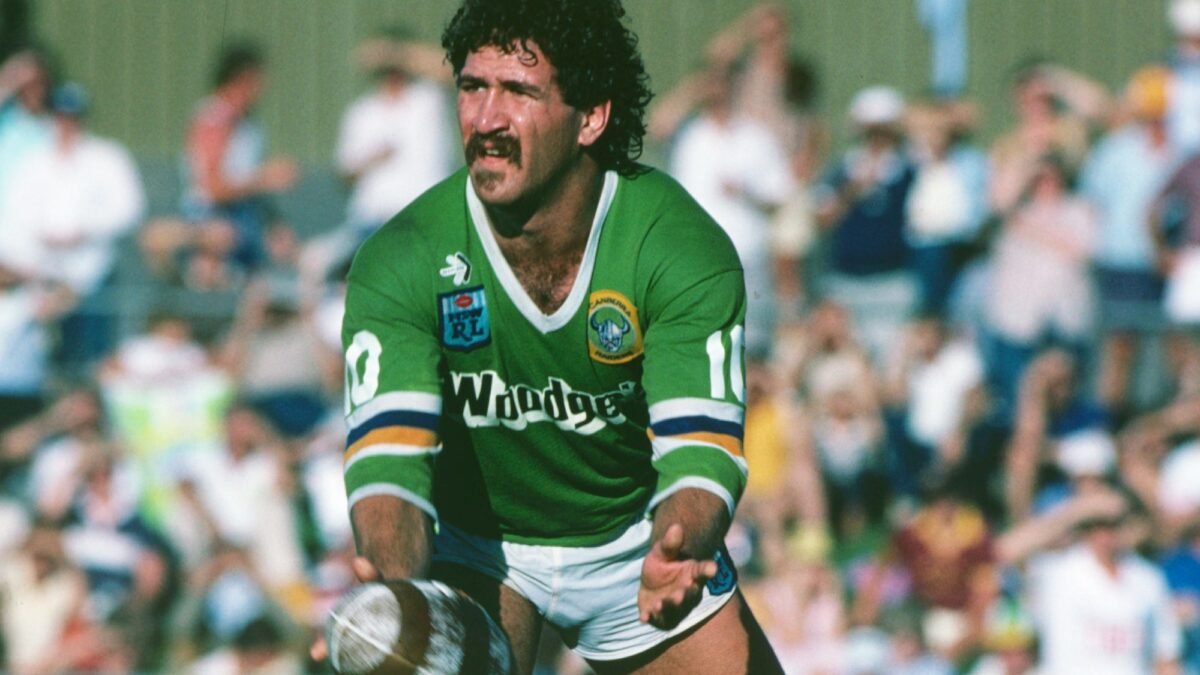
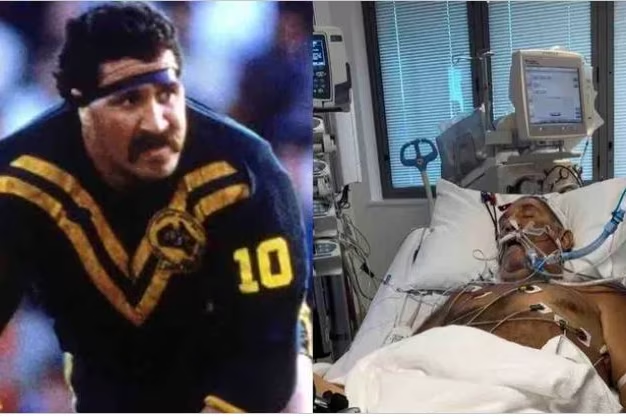
When you think of tough men in rugby league, few names roar louder than Sam Backo — or as fans called him, Slammin’ Sam. The 64-year-old Queensland legend passed away after a fierce three-month battle with melioidosis, a deadly tropical disease, and complications from ongoing heart issues. But his legacy extends far beyond tries and tackles.
Table of Contents
This is the story of a warrior who fought 7 unforgettable battles—some with a football, others with fire in his soul.
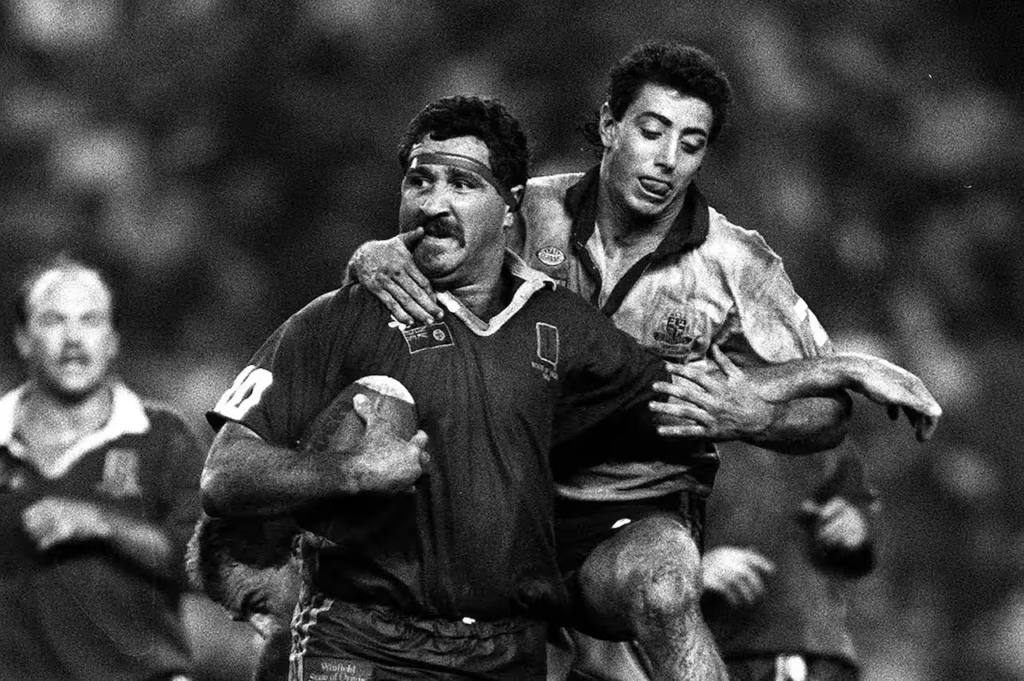
1. The Warrior of the State of Origin Battlefield
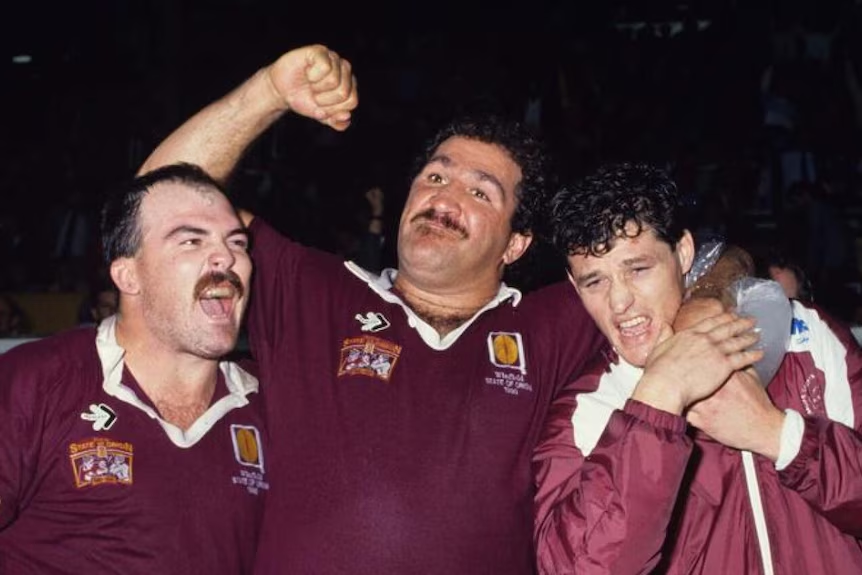
Born in Ingham, North Queensland, Backo began terrorizing opponents on the field as a 7-year-old in the Under-10s league. By the time he made his State of Origin debut in 1988 for the Queensland Maroons, he was already a force. That same year, he made history by becoming the first Australian forward to score a try in all three Ashes Tests against England—a feat that remains iconic.
Queensland Maroons – Wikipedia
State of Origin – Wikipedia
2. Carving a Legacy at the Canberra Raiders and Brisbane Broncos
After a stint with Fortitude Valley, Backo was snapped up by the Canberra Raiders in 1983, where he played 115 games, scored 15 tries, and became a linchpin. Later, he joined the Brisbane Broncos, bringing grit and power despite chronic knee issues that ended his career at 29.
Canberra Raiders – Wikipedia
Brisbane Broncos – Wikipedia
3. The Son of an Icon: Evelyn Scott’s Legacy Runs Deep
Sam’s mother, Dr. Evelyn Scott AO, was a towering figure in Australian civil rights, playing a pivotal role in the 1967 referendum that secured citizenship for Aboriginal Australians. Sam often quoted her motto: “We all belong to one race — the human race.”
Evelyn Scott – Wikipedia
1967 Australian referendum – Wikipedia
4. Melioidosis: The Final Battle of the Body
Diagnosed in April 2025, Backo believed he contracted melioidosis after cooling off in a North Queensland creek. The bacterial disease has killed 35 in Queensland this year alone. Despite antibiotics and months in intensive care, the disease proved stronger than even this titan.
5. Fighting for First Nations Rights and Native Title
Sam wasn’t just a sportsman; he was a guardian of his people, the Warrgamay and South Sea Islander communities. In 2021, he played a key role in winning native title recognition for over 185,000 hectares in Queensland. “This always was, and always will be, Aboriginal land,” he declared.
Native title in Australia – Wikipedia
6. A Complicated Voice: Uluru Statement and Referendum Skepticism
Backo was among 250 signatories to the Uluru Statement from the Heart, a foundational moment in the Indigenous constitutional recognition movement. Yet in a surprising twist, he later opposed the Voice to Parliament referendum, stating, “No man speaks for another man’s country.”
Uluru Statement from the Heart – Wikipedia
7. A Gentle Giant with a Harley and a Big Heart
Despite his intimidating presence—188 cm, broad-shouldered, moustached, riding his Harley-Davidson—Sam was soft-spoken and loving. He adored his six children and 16 grandchildren. Even from his ICU bed, he dictated a condolence message for a friend’s family. He called his nurses “angels.”
Final Words from the ICU
In his last interview, Sam said:
“I previously said, ‘When your time’s up, your time’s up’ — but I’ve had a rethink. I want to see my grandkids grow up into strong people.”
And yet, Slammin’ Sam’s greatest contribution may not be his tries, his tackles, or even his political stance—it was his relentless will to make a better world for his family, his people, and the generations that will now walk in his shadow.
for more news visit our website www.DailyGlobalDiary.com
Sports
Kalyn Ponga ‘secretly shopped’ to Europe? Bombshell leak sparks fears of immediate Knights exit
As Newcastle crumbles and coach Adam O’Brien faces the axe, superstar fullback Kalyn Ponga is reportedly weighing a $2.8M sacrifice to chase his All Blacks dream.

In a twist that has rocked the NRL world, Kalyn Ponga, the face of the Newcastle Knights, is reportedly on the verge of walking away from the club — and possibly the code — leaving fans stunned and club officials scrambling.
According to a Sydney Morning Herald investigation, the 27-year-old fullback is “seriously considering” an early release from his contract, which runs through to the end of 2027 and is worth a staggering $1.4 million per season. The reason? Ponga allegedly feels he is “wasting his prime years” in a Newcastle side that has failed to deliver on its potential.
Sources close to the club reveal that Ponga has engaged a New Zealand-based rugby union agent, raising speculation that he may switch codes — and even eye a place with the legendary All Blacks.
“There’s been a cloud over my head as to what I’m doing with my allegiance,” Ponga admitted in a past interview. “It’s who I am… the values and morals embedded in me through my uncles and my Dad.”
If true, Ponga could be willing to walk away from $2.8 million — the remaining amount on his contract — and head either to another NRL franchise or leap into rugby union altogether.
Shopping Around Europe?
On NRL 360, seasoned journalist Brent Read claimed a New Zealand agent has already begun “shopping Kalyn around Europe,” even without formal approval from his camp.
“He’s on the radar of European rugby clubs,” Read said. “His name has been mentioned by this rebel rugby competition going on right now.”
While Ponga’s management has not officially commented, the timing is curious — especially as the Knights face mounting pressure and reports suggest head coach Adam O’Brien could be sacked by year-end if the team misses the finals.
A Franchise in Crisis
The looming departure of Ponga comes at a critical moment for the Knights. The club recently secured Dylan Brown from the Parramatta Eels on a similar $1.4M per year deal starting next season. If Ponga stays, the duo would soak up a massive $2.8M chunk of the Knights’ salary cap — an unsustainable load for a side outside finals contention.
Insiders suggest that if Ponga leaves, the club may promote Fletcher Sharpe to fullback and seek a new half to partner Brown.
Meanwhile, coach O’Brien, who had a clause automatically extend his tenure to 2027 after finishing in the top 12 last season, is hanging by a thread. SMH reports that even a hefty payout might not save him if Newcastle fails to reach finals in 2025.
All Blacks Dream Still Alive?
Born in Australia but of New Zealand descent, Ponga has never hidden his desire to don the All Blacks jersey. A switch to rugby union at the end of 2025 would give him the 2026 season to adapt — just in time for the 2027 Rugby World Cup, hosted by Australia.
With former Wallabies coach Michael Cheika and other union scouts reportedly watching NRL stars closely, Ponga could become one of the highest-profile code-switchers in recent memory.
There’s also growing buzz around a potential stint in the United Rugby Championship (URC) or Top 14, Europe’s elite rugby leagues. Clubs there are known to pay top dollar for marquee signings, and Ponga’s star power makes him an enticing prospect.
A Divide Within the Knights?
Ponga’s camp insists no formal release has been requested — yet. But with insiders claiming that Newcastle powerbrokers are open to discussions, the writing may already be on the wall.
The situation mirrors past NRL walkouts — notably Sonny Bill Williams — who famously quit mid-season to join rugby union, shocking fans and leaving clubs in damage control.
If history is any guide, these rumblings don’t fade quietly.
Coaching Carousel Begins
As the Ponga drama unfolds, attention also turns to who might replace O’Brien if the axe falls. Names in the mix include:
- Blake Green (current assistant)
- Josh Hannay (Queensland assistant)
- Brad Arthur (former Eels coach)
Both Hannay and Arthur have solid coaching credentials and could be tasked with rebuilding the fractured Knights locker room from 2026 onward.
This News is by Daily Global Diary
Rugby
Why Antonio Brown Is Accused of Attempted Murder in Shocking Miami Altercation
The ex-NFL wide receiver is under intense scrutiny after being named the alleged shooter in a violent charity event clash


Former NFL superstar Antonio Brown, once admired for his explosive plays on the field, now finds himself at the center of a criminal investigation involving attempted murder. The 36-year-old has been accused in a Florida warrant of a violent act that took place during a charity boxing event on May 16 in the Little Haiti area of Miami.
While many are speculating on why Brown might have been involved in such a serious incident, the truth behind the altercation remains clouded in mystery. According to eyewitness accounts cited in the arrest warrant, Brown was allegedly seen engaged in a physical confrontation with another man moments before gunshots rang out near the venue.
What led to the confrontation?
Sources familiar with the event speculate that a heated personal dispute may have escalated into violence, although no official motive has been released by law enforcement. The warrant alleges that Brown was identified as the shooter by multiple bystanders, though no firearm was recovered on his person when he was searched by an off-duty police officer at the scene.
Instead, officers found two empty shell casings and an empty holster, suggesting a firearm had recently been used—and possibly discarded. While Brown has not publicly responded to the allegations, the situation has triggered widespread concern over his mental state and behavioral history.
This is far from Antonio Brown’s first brush with controversy. The former wide receiver, who played for the Pittsburgh Steelers, New England Patriots, and Tampa Bay Buccaneers, has faced multiple legal battles, including domestic disputes, erratic public behavior, and conflicts with teammates and coaches.
In this latest case, the charge of attempted murder with a firearm carries serious legal consequences. If found guilty, the former Super Bowl champion could face a lengthy prison sentence. The judge has ordered that Brown post a $10,000 bond and be placed under house arrest if taken into custody.
What’s next for Antonio Brown?
Law enforcement continues its efforts to locate the ex-athlete, whose whereabouts remain unknown. Legal experts believe that the motive behind the alleged shooting, once uncovered, will be key in determining the outcome of the case.
For now, fans and critics alike are left questioning how someone who once stood atop the football world has spiraled into a situation so dark and dangerous.

Summer House Cast Celebrates First Emmy Nomination, Calls It Surreal

Beyoncé Ends Two-Year Music Hiatus With ‘Morning Dew’… Fans Wonder If a Bigger Announcement Is Coming

Stephen Colbert vs Jimmy Kimmel at the Emmys 2026… Late-Night Giants Face Off in a Battle for TV’s Top Honor

Emmy Awards 2026 Predictions: First Post-Nominations Forecast Spotlights the Early Favorites

Lorde Pushes Back Against Spotify’s AI Features

1-Iran Issues Dire Warning to Israel and Defies Trump on Nukes: “We’re Ready to Strike Deep Inside”

Sen. Elizabeth Warren Calls It a ‘Cesspool of Corruption’ — Here’s Why Senators Are Now Fighting Back Against the DOJ’s Live Nation Deal That Left Every Fan Betrayed…

Donald Trump’s net worth reveals the fortune behind the former US President and business mogul

“Tomás Rodríguez Net Worth 2025: Panama’s Gold Cup Goal‑Machine’s Surprising Fortune Revealed”

“She Never Made It Out…” Albany House Fire Claims Woman’s Life as Family Pleads for Help to Bring Her Home

Miss Jamaica Suffers Terrifying Fall Off Miss Universe Stage; Rushed to Hospital on Stretcher in Viral Video

Moana Live-Action Teaser Sparks Outrage as Fans Call Disney’s Move a ‘Clear Money Grab’ — What Went Wrong?

Ryan Gosling’s Project Hail Mary Trailer Stuns Fans with a Mysterious Alien Ally and a Mission That Could Save Earth

Apple delays Jessica Chastain thriller The Savant about domestic extremism after recent US violence

Avatar 3, Fire and Ash trailer reveals Jake Sully’s family facing terrifying new Na’vi enemies with deadly fire powers
-

 Entertainment1 week ago
Chris Hansen Praises Robert Pattinson’s ‘Primetime’ Portrayal, Calls It ‘Overly Dramatic’
-

 Entertainment6 days ago
Hollywood’s New Box-Office Saviours Revealed: How Curry Barker Joined Guillermo del Toro’s Elite Circle
-

 Entertainment1 week ago
Inside Christopher Nolan’s Ambitious ‘The Odyssey’ Shoot: 20 Actors and One Giant Trojan Horse
-

 Entertainment4 days ago
Creative Arts Emmys Night Two Winners: ‘Widow’s Bay’ Dominates, but Rob Reiner’s Emotional Victory Steals the Spotlight
-

 Entertainment1 week ago
America Honors a Country Music Icon With Dolly Parton Day on September 25
-

 Entertainment1 week ago
‘The Gentlemen’ Goes Dark: Theo James Unpacks Season 2’s Shocking End
-

 Entertainment6 days ago
Why Is America Celebrating Dolly Parton Day on 9/25? The Sweet Meaning Revealed
-

 Entertainment1 week ago
Hunter Biden vs Nick Fuentes: Behind the Scenes of the Interview That Almost Turned Into a Physical Confrontation…