
Entertainment
Authorities have concluded their investigation, confirming that the actress’s death resulted from accidental drug toxicity.
Authorities have concluded their investigation, confirming that the actress’s death resulted from accidental drug toxicity.


The cause of death of Hayden Panettiere has been officially confirmed, more than a month after the actress was found unresponsive in South Carolina.
The Greenville County Coroner’s Office said Panettiere died from the toxic effects of fentanyl, 4-ANPP, alprazolam, methocarbamol and quetiapine. Her death has been classified as accidental.
The medical examiner found no signs of trauma, while the Greenville Police Department previously said its preliminary investigation had uncovered no evidence of foul play or suspicious circumstances.
Panettiere, who was 36, died on August 16, 2026, after emergency services responded to a report of cardiac arrest at a residence in Greenville, South Carolina.
ALSO READ : Cynthia Nixon’s Support Draws Attention as Christine Marinoni Secures NYC Education Post
According to the coroner’s statement, the emergency call was received at approximately 1:51 pm. First responders found the actress in cardiac arrest and attempted advanced life-support measures, but they were unable to revive her. She was pronounced dead at 2:32 pm.
A representative for Panettiere’s family has said that the wider investigation remains ongoing and described the case as complex. Authorities have not publicly provided further details from the complete autopsy report.
What did the toxicology examination find?
The official ruling lists several substances that contributed to Panettiere’s death.
Fentanyl is a powerful synthetic opioid used medically for severe pain, while 4-ANPP is a chemical associated with fentanyl. Alprazolam is commonly prescribed for anxiety and panic disorders, methocarbamol is a muscle relaxant, and quetiapine is a prescription medication used to treat certain mental-health conditions.
The ruling identifies their combined toxic effects as the cause of death. It does not establish publicly how Panettiere obtained or consumed the substances.

Her death being classified as an accident means investigators found no evidence that she intended to end her life. It is an important distinction in a case that has attracted intense public interest because of the actress’s earlier openness about addiction and mental-health challenges.
A career that began before she could understand fame
Born in New York in 1989, Panettiere entered the entertainment industry as a baby, appearing in commercials before moving into television and film.
Her early credits included the soap operas One Life to Live and Guiding Light. She later appeared in the acclaimed sports drama Remember the Titans and the family film Racing Stripes.
International recognition arrived when she played Claire Bennet in NBC’s science-fiction series Heroes. Her character, a cheerleader with extraordinary healing abilities, became one of the programme’s most recognisable figures.
Panettiere later took on one of her most celebrated roles as troubled country singer Juliette Barnes in Nashville. The performance earned her two Golden Globe Awards nominations and allowed her to demonstrate both her acting and musical abilities.
She was also known to horror audiences as Kirby Reed in Scream 4, returning to the popular role more than a decade later in Scream VI.
Panettiere spoke honestly about addiction and depression
Behind her successful career, Panettiere endured deeply personal struggles that she later discussed publicly.
The actress had spoken about experiencing postpartum depression following the birth of her daughter, Kaya, whom she shared with former professional boxer Wladimir Klitschko. She also described undergoing treatment for alcohol and substance dependency.
Rather than presenting recovery as a simple or perfect journey, Panettiere spoke about its setbacks and emotional cost. That honesty made her story meaningful to many people facing similar battles behind closed doors.
Her younger brother, actor and artist Jansen Panettiere, died unexpectedly in 2023 at the age of 28. She later described the loss as profoundly life-changing.
In her memoir, This Is Me: A Reckoning, Panettiere reflected on childhood fame, addiction, motherhood, abusive relationships and the pressure of growing up in public.
Fans remember more than the tragedy
News of the official ruling has renewed grief among those who followed Panettiere’s journey from child performer to television star.
For some viewers, she will always be the fearless cheerleader from Heroes. For others, she will be remembered as the emotionally complicated Juliette Barnes in Nashville or the sharp-witted Kirby Reed from the Scream franchise.
Her career included fame, acclaim and painful periods of absence. Yet she repeatedly attempted to rebuild her life and return to the work she loved.
The coroner’s findings answer the medical question surrounding her death, but they do not define the entirety of her life. Panettiere leaves behind a body of work spanning more than three decades—and the memory of a performer whose vulnerability off screen often proved as affecting as her performances on it.












Entertainment
Mariska Hargitay Lands the 2026 Emmy Hosting Gig… and Her Historic Selection Is Already Turning Heads
The beloved Law & Order: SVU star becomes the first non-comedy performer in nearly two decades to lead television’s biggest night, marking a notable shift for the Emmy Awards.
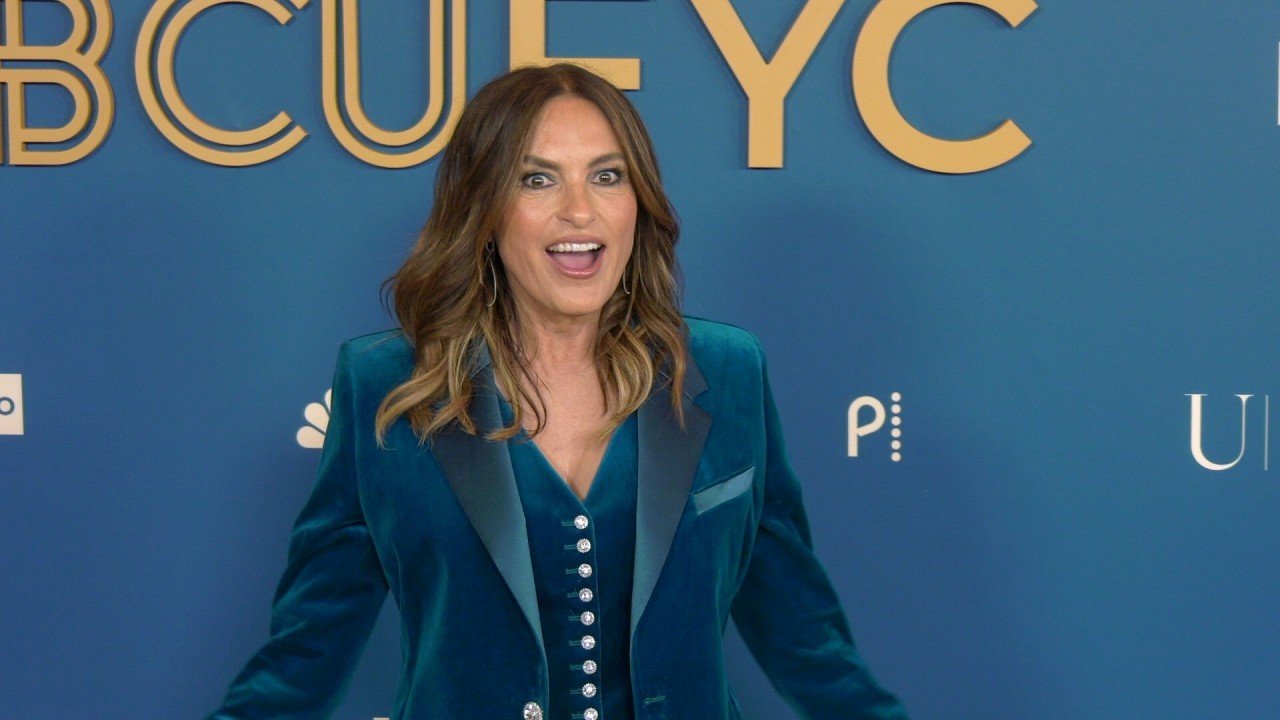
Television icon Mariska Hargitay is set to take center stage once again—this time not as Detective Olivia Benson, but as the official host of the 2026 Emmy Awards.
The announcement has generated excitement across the television industry, with fans and insiders eager to see how the longtime Law & Order: Special Victims Unit star will bring her signature warmth, charisma, and commanding presence to one of entertainment’s most prestigious evenings.
Hargitay’s selection is significant for more than just her star power. She becomes the first performer not primarily associated with comedy to host the Emmy Awards since 2008, signaling a notable departure from the ceremony’s recent tradition of relying on comedians and late-night television personalities to steer the show.
For decades, Hargitay has been one of television’s most recognizable and respected figures. Her portrayal of Olivia Benson transformed her into a household name and helped make Law & Order: Special Victims Unit one of the longest-running and most successful scripted dramas in television history.
ALSO READ : ‘This Doesn’t Have to Be Goodbye’: Fox Broadcasters Make Emotional Plea After Belgium Ends U.S. World Cup Dream
Industry observers view the decision as a strategic move by the Television Academy. With audiences increasingly seeking authenticity and emotional connection from major award shows, Hargitay’s reputation as both a respected actress and advocate could bring a fresh energy to the annual ceremony.
Beyond her acting achievements, Hargitay has earned widespread recognition for her philanthropic work. Through her Joyful Heart Foundation, she has spent years advocating for survivors of sexual assault, domestic violence, and child abuse, further solidifying her influence beyond Hollywood.
The hosting announcement arrives at a time when award shows are working to remain culturally relevant in a rapidly changing entertainment landscape. Producers will likely be hoping that Hargitay’s broad appeal resonates with both longtime television viewers and younger audiences discovering her work through streaming platforms.
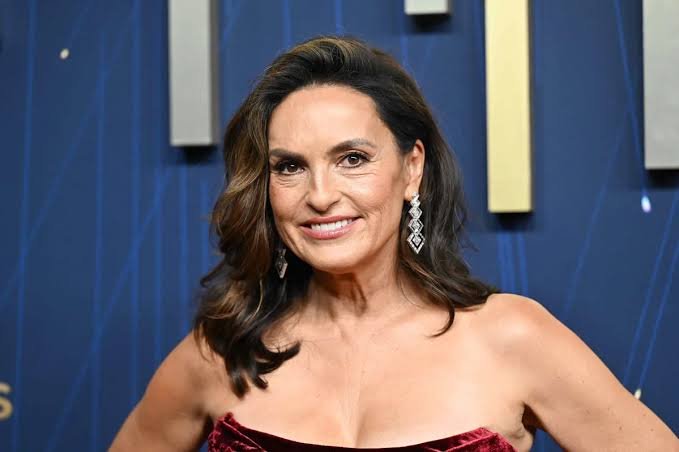
Her connection to television is difficult to match. Having spent more than two decades leading one of the medium’s most enduring dramas, Hargitay represents a generation of performers whose careers were built on network television while continuing to thrive in the streaming era.
The upcoming Emmy ceremony is expected to celebrate another year of standout television performances, breakthrough series, and industry-defining moments. While the nominations race will dominate headlines in the months ahead, the choice of Hargitay as host has already become one of the event’s biggest talking points.
Fans have also welcomed the decision on social media, with many praising the Academy for selecting a host known more for dramatic excellence than stand-up comedy. The move could offer a different tone for the broadcast—one focused on celebrating television’s storytelling achievements while still delivering memorable moments.
As anticipation builds for the 2026 Emmy Awards, all eyes will be on Hargitay to see how she handles the spotlight in a role unlike any she has taken before. If her decades-long television career is any indication, she may be exactly the kind of host the Emmys need right now.
For updates, fans can follow Mariska Hargitay and the Television Academy as preparations for television’s biggest night continue.
Entertainment
‘Resident Evil’ Review: A Thrilling Reboot That Takes Its Biggest Risk Yet
Zach Cregger delivers an intense and inventive reboot, though not every creative gamble lands perfectly.
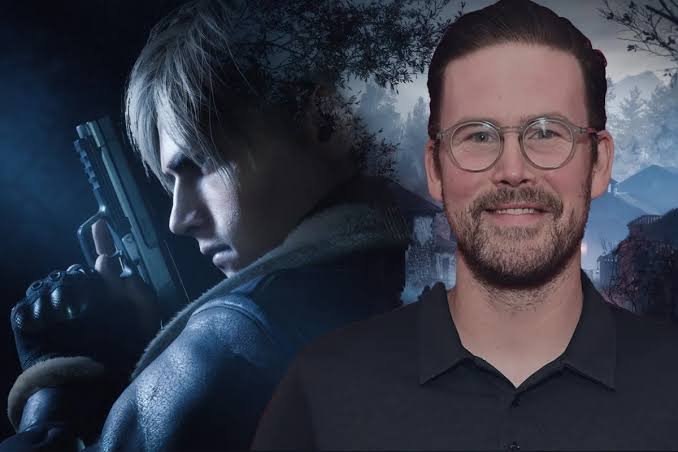
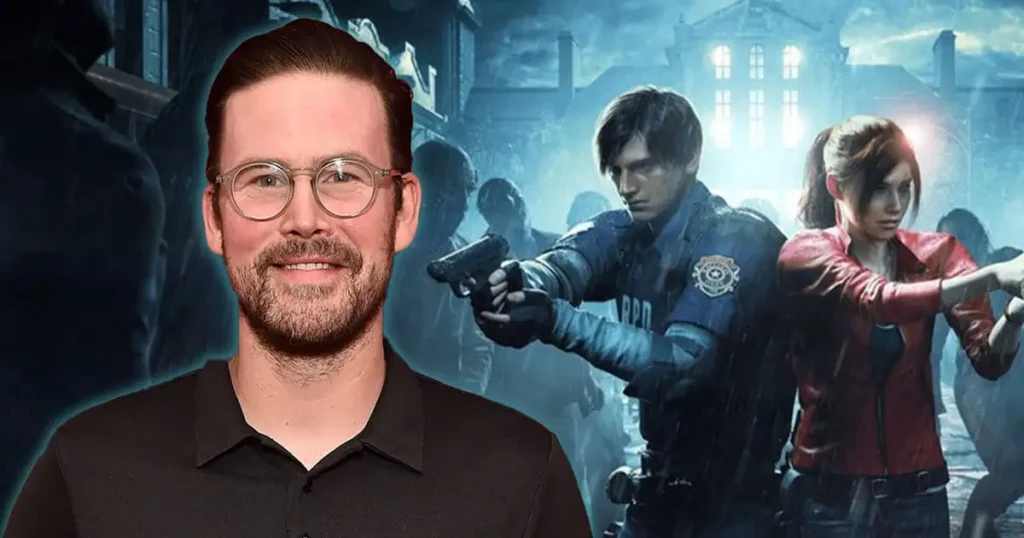
There is a moment early in Resident Evil when it becomes clear that Zach Cregger is not interested in simply dusting off another familiar horror property. His new film does not arrive burdened by a grand mythology lesson, nor does it expect viewers to memorise decades of games, movies and television adaptations.
Instead, it throws one deeply unprepared man into a terrible night and watches him scramble to stay alive.
That straightforward approach proves to be the reboot’s greatest strength. Following the inventive unease of Barbarian and the carefully controlled chaos of Weapons, Cregger gives this exhausted franchise something it has needed for years: a genuine sense of momentum.
An ordinary courier enters a very abnormal nightmare
The film follows Bryan, played with anxious, everyman charm by Austin Abrams. He is a medical courier making one final delivery through a dangerous snowstorm, tempted by the promise of extra money despite having neither the vehicle nor the confidence for such a journey.
His destination is Raccoon City.
Before Bryan can fully understand what is happening, a mysterious woman appears on the icy road and his routine assignment collapses into a desperate fight for survival. A viral outbreak linked to the sinister Umbrella Corporation is transforming people into grotesque, violent creatures, while the package Bryan is carrying may be far more important than he realises.
ALSO READ : Sen. Elizabeth Warren Calls It a ‘Cesspool of Corruption’ — Here’s Why Senators Are Now Fighting Back Against the DOJ’s Live Nation Deal That Left Every Fan Betrayed…
It is a clean, almost video-game-like setup: move from one location to another, survive increasingly dangerous enemies and somehow protect the mission-critical item.
Cregger, who co-wrote the screenplay with Shay Hatten, understands that simplicity can be an advantage. Rather than getting trapped in exposition, the film keeps moving. New threats arrive before Bryan—or the audience—has time to feel comfortable.
Austin Abrams is the reboot’s secret weapon
Bryan is not the kind of hero audiences usually encounter in a zombie blockbuster. He is not a trained soldier, fearless police officer or unstoppable action machine. He hesitates, panics, complains and makes mistakes that occasionally leave viewers wondering how he has survived for so long.
That is precisely what makes him interesting.
Abrams plays Bryan as a fundamentally decent but spectacularly ill-equipped young man. His nervous muttering and flashes of misplaced confidence bring humour to the story without completely puncturing its tension. Even when surrounded by monsters, Bryan remains worried about the smaller indignities of his increasingly disastrous night.
It would have been easy to turn him into a one-note joke. Abrams finds something more recognisably human beneath the clumsiness. Bryan keeps trying to help people even when doing so makes his situation considerably worse. He may be hopeless with a weapon, but he is not without courage.
The supporting cast—including Zach Cherry, Kali Reis and Paul Walter Hauser—adds personality to the madness. Still, this is largely Abrams’ movie, and his performance gives the relentless action a surprisingly warm centre.
Cregger turns the movie into a playable nightmare
Visually, the reboot embraces its gaming origins without feeling like a collection of empty references. Cinematographer Dariusz Wolski frequently keeps the camera close to Bryan, following his eyeline and placing viewers just behind his shoulder as he investigates dark rooms, narrow corridors and abandoned spaces.
The perspective creates the uncomfortable sensation of controlling a character who has entered a dangerous level without learning the buttons.
Cellphone lights, car headlights and dim artificial illumination cut through the darkness, revealing just enough to make every unexplored corner feel threatening. The film’s snowy opening soon gives way to bloodier, more claustrophobic environments as Bryan moves deeper into the outbreak.
Cregger also proves that the traditional jump scare is not dead. The film uses several, including at least one beautifully timed shock that feels earned rather than mechanically inserted.
This version of Resident Evil gradually moves beyond conventional zombie horror and becomes a full creature feature. The mutations grow stranger, the encounters become more elaborate and the practical-looking physical effects give the monsters a satisfyingly unpleasant presence.
The humour helps—until it begins competing with the horror
Cregger’s background in comedy remains visible throughout the movie. Bryan’s exhausted reactions often generate laughs precisely because the danger surrounding him is so extreme. For much of the film, that combination works beautifully: the humour releases tension without destroying it, allowing the next scare to land even harder.
The balance becomes less precise in the second half.
As the film grows louder and more action-heavy, Bryan’s constant commentary occasionally weakens the fear that Cregger has worked so carefully to create. Some viewers may enjoy the increasingly playful tone, while those expecting an uncompromising horror experience could find that the comedy arrives too frequently.
The finale also feels slightly abrupt. Bryan is given the outline of a meaningful personal journey, but the film stops before fully completing it. After spending so much time turning him into a character worth caring about, the story appears more interested in reaching its final set piece than examining how the night has changed him.
It is not a disastrous ending, but it prevents a thrilling movie from becoming a truly great one.
A reboot that finally understands the assignment
Based on the celebrated survival-horror games created by Capcom, Resident Evil has previously produced six films starring Milla Jovovich, the 2021 reboot Welcome to Raccoon City and a short-lived Netflix series.
Cregger wisely avoids trying to recreate any of them.
His movie tells an original story inside the recognisable Resident Evil world, using the games’ atmosphere and progression rather than merely repeating their plots. Long-time players will notice familiar imagery and ideas, but newcomers are never made to feel as though they have arrived halfway through the story.
Produced by companies including Constantin Film and PlayStation Productions, and distributed by Sony Pictures, the film is scheduled to reach theatres on September 18, 2026.
Cregger may not have delivered the deepest film of his career, but he has created one of the most enjoyable Resident Evil adaptations yet. It is lean, gruesome, energetic and anchored by an endearing lead performance from Abrams.
After years of diminishing returns, this is a franchise that finally feels dangerously alive again.
Entertainment
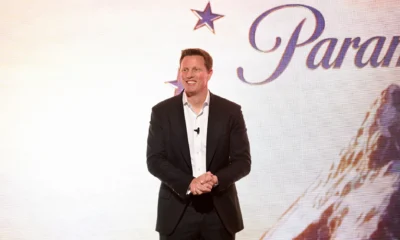
California Promised to Stop Paramount-Warner Bros. Merger So Why Did It Suddenly Back Down?
A risky antitrust trial, political pressure, divisions among the challengers and Paramount’s billion-dollar production commitments ultimately persuaded California to settle rather than continue its battle.

For months, California presented itself as the most formidable obstacle standing between Paramount Skydance and its proposed acquisition of Warner Bros. Discovery.
California Attorney General Rob Bonta, joined by attorneys general from 11 other states, filed an antitrust lawsuit in July seeking to block the deal. The coalition warned that combining two of Hollywood’s most powerful entertainment businesses could weaken competition, reduce employment opportunities and give the merged company greater control over film distribution, cable television and streaming.
Then came the reversal.
Instead of taking the case through a potentially explosive trial, California and the other participating states accepted a settlement that cleared a major legal hurdle for the merger. The Writers Guild of America also resolved its parallel challenge, even while maintaining that the combination could still damage writers and the wider entertainment industry.
So, what changed?
The courtroom outcome was never guaranteed
California had built an ambitious case, but antitrust litigation—particularly in the rapidly changing entertainment market—can be unpredictable.
The states argued that the combined company would control roughly 27% of the market for films distributed to American cinemas, about 30% of blockbuster-film distribution and approximately 27% of basic cable channels. Paramount rejected that interpretation, insisting that regulators were relying on an outdated picture of competition that did not adequately account for companies such as Netflix, Amazon and The Walt Disney Company.
ALSO READ : Cynthia Nixon’s Support Draws Attention as Christine Marinoni Secures NYC Education Post
Taking the dispute to trial would therefore have been a gamble for both sides. California could have won an order blocking the transaction—but it also risked losing the case and walking away without any enforceable protections for workers, theatres or consumers.
A settlement allowed the states to secure immediate commitments instead of betting everything on a judge’s final ruling.
Paramount’s possible California exit raised the political stakes
The legal dispute was never confined to the courtroom.
Led by chief executive David Ellison, Paramount reportedly considered moving important operations away from California as its confrontation with Bonta intensified. Tennessee was among the locations discussed, according to reports.
That possibility created a deeply uncomfortable political calculation. California officials could continue fighting a merger they believed threatened Hollywood—or risk being blamed if one of the industry’s most recognisable studios moved jobs and investment elsewhere.
Governor Gavin Newsom reportedly helped mediate between the two sides. Paramount’s potential departure would have been both an economic setback and a symbolic blow for a state already struggling to prevent film and television production from migrating to cheaper locations.
Paramount put $1.5 billion on the table
The decisive breakthrough came through a series of commitments designed to make settlement politically and economically defensible.
Paramount agreed to increase domestic film-production spending by at least $300 million annually compared with its 2025 level—a minimum additional investment of $1.5 billion over five years.
The merged company must also release at least 30 theatrical films annually during the settlement’s first two years, rising to 32 films per year during the following three years. Its yearly slate must include at least four independent films, while a minimum of 20% must qualify as major tentpole releases.
Failure to meet the annual release requirement could cost the company $30 million for every missing film, with much of that money directed towards entertainment workers, industry programmes and antitrust enforcement.
The agreement additionally requires the preservation of both companies’ physical studio lots, compliance with existing collective-bargaining agreements and annual investment in workforce training, education and community arts initiatives.
The coalition was no longer completely united
Another crucial factor was the growing tension within the alliance opposing the merger.
Not every participating state shared the same appetite for a lengthy and expensive trial. Some officials reportedly viewed enforceable production and labour commitments as a practical victory, while others preferred stronger structural remedies—such as forcing Paramount to sell channels, studios or other assets.

Outside the coalition, Iowa and Montana even sought intervention from the United States Supreme Court against the states’ challenge.
The Writers Guild faced a similar strategic problem. Once the government plaintiffs chose settlement, the union would have been required to continue an enormously expensive and complicated antitrust case largely on its own. The WGA said it still believed the merger would harm the industry, but acknowledged the financial reality of proceeding without government enforcement agencies beside it.
The settlement protects theatres and newsrooms—but only temporarily
Under the agreement, the legacy Paramount and Warner Bros. businesses must negotiate basic-cable carriage agreements independently for five years. Information barriers are also intended to prevent either side from exploiting the other company’s confidential licensing data.
Fees charged to cinema operators must remain flat for three years, providing temporary protection against sudden increases after the merger.
The company must also establish an independent editorial board covering CBS News and CNN. The board is intended to protect fact-based reporting and editorial autonomy as two major American news organisations come under the same corporate leadership.
However, critics argue that these behavioural safeguards are no substitute for maintaining competition. Most of the commitments expire after three to five years, and Paramount was not required to sell any significant studio, television network or entertainment franchise.
Bonta insists the settlement is not an endorsement
Bonta has attempted to draw a careful distinction between accepting the settlement and supporting the merger.
Calling the agreement “not a vote of support,” he acknowledged that the acquisition does not necessarily serve competition well. His defence is that the negotiated conditions deliver measurable benefits—more production, financial penalties for missed targets and additional oversight—that might have disappeared entirely if California lost at trial.
The decision still represents a dramatic retreat from the state’s original demand to block the transaction. It also delivers a major victory to Ellison, who can now bring HBO, Paramount+, CNN, CBS and two historic film studios under one corporate umbrella.
Paramount was facing another powerful deadline: it could have owed Warner Bros. Discovery shareholders approximately $7 million for every day the deal remained unfinished after September 30. That ticking financial clock encouraged the company to improve its offer—but it also intensified pressure on every party to find an agreement.
California did not suddenly conclude that the merger was harmless. It settled because the alternative involved political danger, a divided alliance, enormous litigation costs and an uncertain courtroom verdict.
The state extracted billions in production commitments and several temporary protections. Paramount, however, secured the prize that mattered most: permission to create one of the most powerful media conglomerates in Hollywood history.
Whether that bargain protects Hollywood—or merely postpones the consequences of consolidation—will become clear only after the cameras start rolling.

Mariska Hargitay Lands the 2026 Emmy Hosting Gig… and Her Historic Selection Is Already Turning Heads

‘Resident Evil’ Review: A Thrilling Reboot That Takes Its Biggest Risk Yet

California Promised to Stop Paramount-Warner Bros. Merger So Why Did It Suddenly Back Down?

Political Pressure and Legal Risks: Inside California’s Paramount–Warner Bros. Retreat

Authorities have concluded their investigation, confirming that the actress’s death resulted from accidental drug toxicity.

1-Iran Issues Dire Warning to Israel and Defies Trump on Nukes: “We’re Ready to Strike Deep Inside”

Sen. Elizabeth Warren Calls It a ‘Cesspool of Corruption’ — Here’s Why Senators Are Now Fighting Back Against the DOJ’s Live Nation Deal That Left Every Fan Betrayed…

Donald Trump’s net worth reveals the fortune behind the former US President and business mogul

“Tomás Rodríguez Net Worth 2025: Panama’s Gold Cup Goal‑Machine’s Surprising Fortune Revealed”

“She Never Made It Out…” Albany House Fire Claims Woman’s Life as Family Pleads for Help to Bring Her Home

Miss Jamaica Suffers Terrifying Fall Off Miss Universe Stage; Rushed to Hospital on Stretcher in Viral Video

Moana Live-Action Teaser Sparks Outrage as Fans Call Disney’s Move a ‘Clear Money Grab’ — What Went Wrong?

Ryan Gosling’s Project Hail Mary Trailer Stuns Fans with a Mysterious Alien Ally and a Mission That Could Save Earth

Apple delays Jessica Chastain thriller The Savant about domestic extremism after recent US violence

Avatar 3, Fire and Ash trailer reveals Jake Sully’s family facing terrifying new Na’vi enemies with deadly fire powers
-
 Entertainment4 days ago
Cynthia Nixon’s Support Draws Attention as Christine Marinoni Secures NYC Education Post
-

 Entertainment1 week ago
‘They’re Still Telling People Not to Hire Me’: Susan Sarandon Opens Up About Hollywood Backlash
-
 Entertainment1 week ago
‘Freddy the 13th’ Is Bringing Horror and Laughs Together… Dan Trachtenberg’s Animated Surprise Finally Gets a 2028 Release Window
-
 Entertainment1 week ago
Susan Sarandon Says Hollywood Is Still Shutting Her Out: ‘I’ve Had Movies Taken Away…’
-

 Entertainment1 week ago
‘Summer House’ Cast Left Speechless by Emmy Nomination… “It Feels Surreal” After a Decade of Reality TV
-

 Entertainment1 week ago
‘Obsession’ Made Her a Star… Now Inde Navarrette Reveals Why Marvel and ‘Heat 2’ Could Be Her Next Big Leap
-

 Entertainment1 week ago
Kennedy Center Fight Deepens After Court Injunction
-
 Entertainment1 week ago
Sky’s $2.1 Billion ITV Deal Could Redraw European TV… Is the ‘Get Big or Get Left Behind’ Era Finally Here?