
Food
Trump’s New Tariffs Could Spike Grocery Prices: Here’s What’s at Risk and How to Fight Back
Fresh produce, seafood, coffee, and pantry staples may get costlier as tariffs hit key trade partners. Experts advise on how consumers can minimize the impact.


As the Trump administration rolls out a sweeping set of tariffs targeting imports from Mexico, Canada, and China—under the banner of “Liberation Day”—American grocery shoppers may soon face noticeable price hikes at the checkout line.
On April 2, President Donald Trump initiated new reciprocal tariffs, including a 25% levy on Canadian and Mexican goods and 20% on Chinese imports. While the political goal is economic self-reliance, the immediate consequence may be increased food costs, particularly for products Americans consume daily.
What’s Getting More Expensive?
Fresh Produce
With Mexico and Canada accounting for over 70% of America’s fruit and vegetable imports, price jumps are almost guaranteed. Items such as strawberries, avocados, raspberries, tomatoes, and leafy greens are most vulnerable. Due to their short shelf life, even a minor delay in supply chains can result in rapid price inflation.
Seafood and Coffee
About 94% of seafood consumed in the U.S. is imported. Shrimp, salmon, canned tuna, and tilapia may all see tariff-fueled price increases. Likewise, coffee imports—mostly from Brazil—already face a 10% tariff, which could inch higher if tariffs expand, increasing daily brew costs for millions of Americans.
Pantry Staples and Packaging
Imports like jasmine and basmati rice (from Thailand and India), canned goods (due to aluminum tariffs), and sauces or oils may also spike in price. The tariffs on packaging materials like steel and aluminum are compounding costs across multiple food categories.
Why It Matters
According to the Food Industry Association, 75% of Americans are concerned about food price hikes, and more than half worry about availability. With the U.S. importing over 15% of its overall food supply, even indirect cost pressures could be passed on to shoppers.
Industry experts warn that price rises could hit as early as a few days after implementation, especially for winter produce reliant on Mexico. Even products not directly affected might see increases due to “industry price gap management”—a strategy where competitors raise prices simply because others in the sector are doing so.
1. Shop Seasonally & Locally:
Opt for U.S.-grown produce and buy what’s in season. Local farmer’s markets can offer savings and support domestic agriculture.
2. Switch to Frozen or Canned Alternatives:
Frozen vegetables and seafood often cost less and offer similar nutritional value. Warehouse clubs like Costco may provide better deals for bulk items.
3. Embrace Store Brands:
Private labels such as Walmart’s Bettergoods or Target’s Dealworthy offer budget-friendly alternatives—often priced 30% to 50% lower than national brands.
4. Change Shopping Habits:
Many consumers have already begun shifting toward discount chains and dollar stores. Coffee purchases at club stores rose by 21% last year alone.
5. Try a Home Garden:
Experts suggest we may see a return to “victory gardens” as families turn to homegrown vegetables to beat inflation.
Looking Ahead
While tariffs may bolster certain domestic industries, they risk undercutting the affordability of daily necessities. Advocacy groups are already pushing for tariff exemptions on essential imports like coffee and seafood. But until policies change, the best defense for consumers is strategic shopping and staying informed.







Food
What Happens to Your Body If You Eat 2 Dates Every Morning on an Empty Stomach?
Nutritionist explains how a simple habit like eating two dates daily can boost digestion, energy, immunity, and overall wellness


Building a healthier lifestyle does not always require expensive superfoods or complicated morning routines. According to nutritionist Eshanka Wahi, one of the simplest habits that can support your body is eating two dates every morning on an empty stomach. This small step may seem insignificant, but its nutritional benefits can create noticeable changes in energy levels, digestion, cravings, and immunity.
Dates contain a powerful combination of natural sugars, fiber, potassium, magnesium, and antioxidants. This nutrient profile allows them to provide steady energy, support gut health, and strengthen the body’s natural defenses. For people with busy schedules, this routine is easy to follow and requires no preparation, making it a practical wellness choice.

Natural Energy Booster
Many people start their day with tea or coffee, only to experience fatigue or energy crashes later. Dates provide a natural alternative. They contain glucose, fructose, and sucrose, which the body absorbs efficiently. Research cited in Critical Reviews in Food Science and Nutrition shows that this mix provides a smooth and sustained energy release.
Nutritionist Eshanka explains that the presence of fiber and minerals helps maintain steady energy, preventing sudden highs and lows. For those looking to reduce caffeine dependence or maintain consistent energy through the morning, dates can be a simple solution.
Helps Control Cravings
Sudden hunger or sweet cravings can disrupt healthy eating goals. Dates can help manage these urges due to their fiber content, which slows digestion and keeps you full for longer. Their natural sweetness can also satisfy dessert cravings without relying on processed foods.
For individuals working on weight management or mindful eating, this habit can support better appetite control throughout the day.
Supports Digestion and Gut Health
Dates contain dietary fiber and essential amino acids that aid digestion. As reported in the Journal of Food and Nutrition, fiber promotes regular bowel movements and reduces discomfort caused by sluggish digestion. Nutritionist Eshanka suggests that incorporating dates into the morning routine can help maintain a steady digestive rhythm.
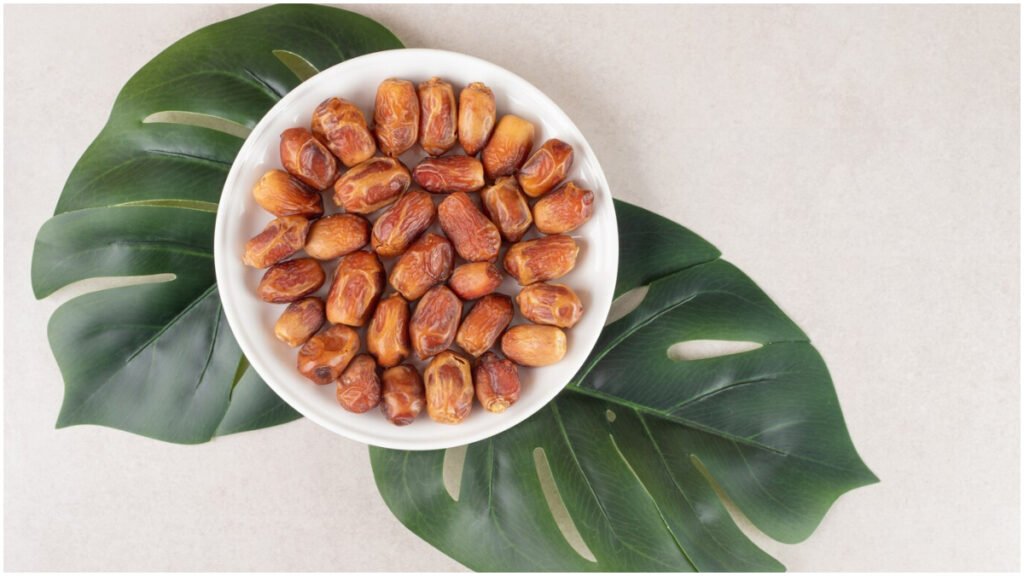
Dates also help increase beneficial gut bacteria, improving nutrient absorption and overall digestive comfort. The National Library of Medicine highlights the role of such foods in supporting long-term gut health.
Strengthens Immunity with Antioxidants
Dates are rich in flavonoids, carotenoids, and phenolic acids, powerful antioxidants that protect cells from oxidative stress. Reducing internal stress allows the immune system to function more efficiently.
Nutrition experts suggest that consistent consumption of antioxidant-rich foods like dates can support long-term wellness and reduce inflammation. Dates are also considered suitable for all age groups, making them a versatile daily addition.
Can everyone eat two dates daily?
Generally yes, but people with diabetes should consult a doctor.
Do dates aid digestion?
Yes, their fiber supports regularity and gut-friendly bacteria.
Can two dates a day help with weight goals?
They help curb cravings and promote longer satiety.
Do dates boost energy and immunity?
Yes, natural sugars provide energy and antioxidants support immune health.
Disclaimer:
This article is for informational purposes only and is not a substitute for professional medical advice. Always consult a doctor regarding any health-related concerns.
Technology News
Why Is a Giant Emoji Staring at F1 Cars in Las Vegas? Sphere’s Orbi Sparks Wild Curiosity…
The massive yellow face watching the Las Vegas Grand Prix isn’t just a gimmick — Sphere’s Orbi is tracking real Formula 1 cars live using GPS technology.

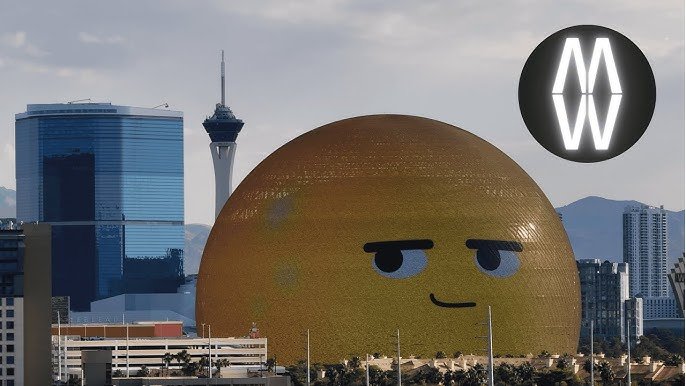
If you thought the dazzling lights of Las Vegas were already impossible to ignore, this weekend’s Las Vegas Grand Prix took spectacle to a whole new level. Standing tall over the Strip, the world-famous Sphere — a global social media magnet since its opening — decided to become an active Formula 1 spectator. And the star of the show was not a driver, but a giant yellow emoji named Orbi.
During Saturday night’s high-octane race, F1 fans noticed something unusual: Orbi’s enormous animated eyes kept following race cars — turning left, right, up, down — almost like a living spectator. Many assumed it was just clever animation. But the truth is far more surprising.
Orbi is actually tracking real F1 drivers live, in real time.
According to Sphere executives, Orbi’s movements are powered by a technological model built specifically for the race. The system receives continuous GPS data directly from Formula One race headquarters in Biggin Hill, near London — the same hub used for global race monitoring and broadcast feeds.
“We wanted Orbi to be an F1 fan with everyone else,” one Sphere spokesperson said. “His eyes aren’t just looking around — they’re synced to the position of any car on the track. He’s literally watching the race with us.”
ALSO READ : Harvard Opens New Probe Into Jeffrey Epstein Ties as Larry Summers Steps Back From Public Roles
The result? A landmark collision between sports, tech, engineering, and digital art.
A 366-Foot-Tall Emoji Becomes the World’s Newest F1 Fan
Sphere has already earned international attention for its jaw-dropping LED surface — a screen so large it can be seen from planes, freeways, hotels, and even from space. But using Orbi to visually follow speeding race cars added something deeper: personality.
At times, Orbi appeared stressed during overtakes, shocked during near collisions, and thrilled during lead changes. Fans watching from grandstands and balconies couldn’t help but laugh — or film — the giant emoji reacting like a true racing enthusiast.
And no, Orbi doesn’t pick sides.
According to the company, every driver — whether Max Verstappen, Lewis Hamilton, Charles Leclerc or a rookie — holds the same spot in Orbi’s yellow heart.
Why Did Sphere Do This?
The answer lies in branding — but also emotion.
The venue is owned by Sphere Entertainment Co., a company built on immersive audience experiences. The Las Vegas Grand Prix presented a once-in-a-generation opportunity: a global event attended by over 300,000 people, with millions more watching worldwide.
But instead of just advertising, the Sphere team wanted connection.
“Everything we do at Sphere is meant to move people emotionally,” the spokesperson said. “People love Orbi. He’s not just watching — he’s participating.”
For a city fueled by entertainment, risk and reinvention, Orbi became the digital mascot fans never knew they needed.
The Internet Reacted — Predictably
Within minutes, TikTok and X were filled with videos captioned:
- “Why is the emoji stalking Lewis Hamilton?”
- “Orbi has better race awareness than Ferrari’s strategy team”
- “I didn’t expect to feel emotionally supported by a building”
Even racing analysts couldn’t resist commenting on it during broadcast segments.
And just like that — Orbi became the most photographed spectator at the Grand Prix.
What This Means for the Future of Live Events
Tech experts say this moment could influence how major sporting events engage fans. Instead of static billboards or predictable LED ads, imagine:
- Stadiums reacting to goals in real time
- Concert venues syncing visuals to audience heart rates
- Cities turning into live data canvases
Sphere didn’t just display content — it participated in the event.
And honestly? It worked.
Las Vegas is already known for larger-than-life entertainment, but a 162,000-square-foot emoji tracking F1 cars may be the most Vegas thing ever.
Technology News
OpenAI reverses course after Hollywood backlash — Sam Altman promises “granular IP control” and potential revenue share for creators in Sora
Following criticism over the use of Hollywood characters and likenesses in its viral AI video app Sora, OpenAI CEO Sam Altman announced plans for stricter IP controls and a new revenue-sharing model for rightsholders.
The explosive rise of Sora — OpenAI’s text-to-video generation app — has captured global attention for its astonishing realism and creativity. But as users began flooding social media with AI-generated clips featuring familiar Hollywood characters, the app also ignited an intense backlash from studios, actors, and copyright holders concerned about the unauthorized use of their intellectual property.
ALSO READ : Dutch firm Amdax raises $23M to chase 1% of Bitcoin supply what it means for global markets
Now, Sam Altman, OpenAI’s CEO, is stepping in to address those concerns. In a late-night blog post on Friday, Altman announced that the company will introduce “more granular control” for rightsholders and is actively exploring a revenue-sharing program for creators whose IP appears in user-generated Sora videos.
“First, we will give rightsholders more granular control over generation of characters, similar to the opt-in model for likeness but with additional controls,” Altman wrote. “We are hearing from a lot of rightsholders who are very excited for this new kind of ‘interactive fan fiction,’ but they want the ability to specify how their characters can be used — including not at all.”
From “opt-out” to “opt-in” — a major policy shift
The move represents a notable reversal from OpenAI’s earlier “opt-out” policy, which allowed characters, brands, and other copyrighted material to appear in user-generated videos unless the owners explicitly requested removal. Under the new rules, OpenAI will adopt a “stricter opt-in model”, meaning that creators and companies must grant permission before their IP can be generated within Sora.
This shift mirrors OpenAI’s existing system for individuals, which allows users to control whether their likeness or voice can be used in generative AI content. However, the company is extending these protections to fictional characters, trademarks, and franchise IP, in response to growing pressure from entertainment giants like Disney, Warner Bros. Discovery, and Sony Pictures.
Altman’s statement also suggests that while Sora’s output policies are changing, the system may still be trained on media containing known characters or copyrighted visuals — a gray area that is likely to fuel further debate about AI training data and copyright law.
Hollywood’s reaction and the IP dilemma
The announcement comes amid rising tensions between Silicon Valley and Hollywood, as generative AI technology increasingly intersects with the entertainment industry.
Major studios and guilds — including the Screen Actors Guild-American Federation of Television and Radio Artists (SAG-AFTRA) and the Writers Guild of America (WGA) — have voiced concerns that AI tools like Sora could be used to replicate actors, writers, and creative works without consent or compensation.
Altman’s statement appears to be a direct response to those concerns. By offering an opt-in framework and potential profit-sharing system, OpenAI aims to appease rightsholders while keeping creators engaged.
“People are generating much more than we expected per user, and a lot of videos are being generated for very small audiences,” Altman wrote. “We are going to try sharing some of this revenue with rightsholders who want their characters generated by users.”
He added that the revenue model is still in development and will likely undergo “trial and error” before it becomes standardized.

A new frontier: “interactive fan fiction”
Despite the controversy, Altman’s tone suggested cautious optimism about what Sora represents for storytelling and fandom. He described a growing community of creators using AI to remix familiar universes — not for exploitation, but for creative expression.
“We’re hearing from rightsholders who see this as a new kind of interactive fan fiction,” Altman said. “They believe this kind of engagement will accrue a lot of value — if it’s done ethically.”
That perspective aligns with a larger cultural shift in online creativity. Sora’s users have produced everything from reimagined Marvel storylines to Star Wars fan films, blurring the boundary between fan art and studio IP.
But the same tools that empower fans also threaten established creative industries, raising urgent questions about ownership, consent, and monetization in the AI era.
The road ahead for OpenAI and Sora
Sora remains in its early-access phase, with select creators and developers experimenting under limited release. Still, the platform has already demonstrated how generative AI could revolutionize filmmaking — and, in the process, disrupt traditional media production models.
OpenAI’s promise of more transparent IP governance and potential revenue sharing could set a precedent for how tech companies collaborate with — rather than compete against — creative industries.
Analysts believe the company’s next major challenge will be ensuring copyright compliance across billions of generated videos while maintaining creative freedom for users.
As the entertainment industry grapples with the implications of AI, one thing is certain: tools like Sora are redefining what it means to create, share, and profit from visual storytelling.
“This is new territory for everyone,” Altman concluded. “We want to build a system that rewards creativity — both human and artificial — without crossing ethical or legal lines.”

Liverpool vs Brighton, Chelsea vs Everton and More — Live Football Action as Premier League Drama Unfolds

Bryant Haines Set to Become One of College Football’s Highest-Paid Assistants After Indiana’s Dream Season

Sherrone Moore Fired and Arrested — Why Michigan Athletics Is Facing Its Biggest Culture Crisis Yet

League of Legends 2026 Swiftplay Gets a Massive Overhaul With Faster Games and Shocking Jungle Changes

Olivia Rodrigo Leaves Her Idol ‘Mind Blown’ With Stunning A Cappella Christmas Cover

1-Iran Issues Dire Warning to Israel and Defies Trump on Nukes: “We’re Ready to Strike Deep Inside”

Donald Trump’s net worth reveals the fortune behind the former US President and business mogul

Caitlin Clark Sidelined with Quad Strain, Set to Miss Two Weeks of WNBA Action

Elon Musk Breaks Ranks with Trump Over ‘Big, Beautiful’ Tax Bill

Golden Glory: Team USA Wins First Standalone Ice Hockey World Championship in 91 Years

Miss Jamaica Suffers Terrifying Fall Off Miss Universe Stage; Rushed to Hospital on Stretcher in Viral Video

Moana Live-Action Teaser Sparks Outrage as Fans Call Disney’s Move a ‘Clear Money Grab’ — What Went Wrong?

Ryan Gosling’s Project Hail Mary Trailer Stuns Fans with a Mysterious Alien Ally and a Mission That Could Save Earth

Apple delays Jessica Chastain thriller The Savant about domestic extremism after recent US violence

Avatar 3, Fire and Ash trailer reveals Jake Sully’s family facing terrifying new Na’vi enemies with deadly fire powers
-

 US News5 days ago
“She Never Made It Out…” Albany House Fire Claims Woman’s Life as Family Pleads for Help to Bring Her Home
-

 Entertainment1 week ago
“Detective, Psychologist, Anthropologist?” — Inside the Secret World of Casting Directors Behind ‘F1,’ ‘The Smashing Machine’ and ‘Marty Supreme’
-

 Entertainment1 week ago
“It Changed My Life…” Sydney Sweeney Breaks Silence on Oscar Buzz for ‘Christy’ and Why the Film’s Dark True Story Still Haunts Her
-

 Entertainment1 week ago
“A Sentence From a Country He’s Not Even In…” Jafar Panahi Hit With New Prison Term as He Prepares to Attend Gotham Awards
-

 Entertainment4 days ago
XG Star Cocona Shares a Brave Truth at 20 — “I Was Born Female, But That Label Never Represented Who I Truly Am…”
-
 Entertainment4 days ago
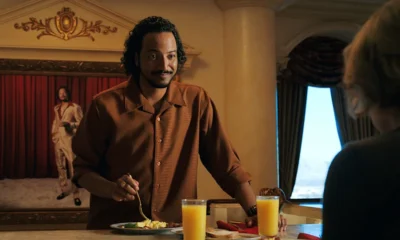
Samba Schutte Reveals the Surprise Cameo in Pluribus That “Nobody Saw Coming”… and Why John Cena Was Perfect for the Role
-

 Entertainment1 week ago
Legendary Guitarist Steve Cropper Dies at 84… Tributes Pour In for the Soul Icon Behind ‘Green Onions’ and ‘Soul Man’
-

 Entertainment1 week ago
‘One Battle After Another’ Stuns the Gotham Awards as Jafar Panahi Delivers Defiant Message Hours After Iran Sentencing