
Entertainment
“A Quiet Power Move at Lionsgate… Amanda Kozlowski Steps Into a Global Role That Could Reshape Film Marketing”
The studio behind blockbuster franchises elevates a seasoned strategist—signaling a sharper, worldwide vision for its future campaigns.


In an industry where visibility often determines success, a single leadership change can ripple across continents. That’s exactly what’s happening at Lionsgate Film Group, which has officially promoted Amanda Kozlowski to the role of Worldwide Marketing Head—a move insiders say has been “long overdue.”
While the announcement may sound like a routine corporate reshuffle, those familiar with Kozlowski’s work know it’s anything but ordinary. Over the years, she has quietly helped shape the marketing narratives behind some of the studio’s most recognizable titles, blending traditional publicity with digital-first storytelling in a way that resonates globally.
A Strategic Promotion, Not Just a Title Change
The promotion places Kozlowski at the center of Lionsgate’s global marketing machine, where she will now oversee campaigns spanning North America, Europe, Asia, and emerging markets. In an era where films succeed or fail based on worldwide reception—not just domestic performance—this role is more influential than ever.
ALSO READ : Sen. Elizabeth Warren Calls It a ‘Cesspool of Corruption’ — Here’s Why Senators Are Now Fighting Back Against the DOJ’s Live Nation Deal That Left Every Fan Betrayed…
Lionsgate, known for powerhouse franchises like The Hunger Games and John Wick, has been steadily evolving its marketing playbook. The rise of streaming platforms, changing audience behavior, and the increasing importance of social media engagement have all forced studios to rethink how they connect with viewers.
Kozlowski’s appointment suggests the company is doubling down on a unified global strategy—one voice, one vision, but tailored for diverse audiences.
Who Is Amanda Kozlowski?
Though not always in the spotlight, Kozlowski has built a reputation as one of the industry’s most effective marketing minds. Her approach is often described as “data-driven but emotionally intelligent,” combining analytics with storytelling that actually connects.
Colleagues have frequently credited her for campaigns that didn’t just promote films—but created cultural moments. From teaser rollouts to viral social media activations, her work reflects a deep understanding of how modern audiences consume entertainment.
Her LinkedIn presence (Amanda Kozlowski on LinkedIn) highlights a career rooted in strategic growth, brand positioning, and audience engagement—skills that will now be tested on a global scale.
Why This Move Matters Now
Timing, as always, is everything. Lionsgate is entering a critical phase, with several high-profile projects and franchise expansions in the pipeline. The competition isn’t just other studios anymore—it’s streaming giants like Netflix and Amazon Studios, both of which have aggressively invested in global content and marketing.
By elevating Kozlowski, Lionsgate is signaling that marketing is no longer just a support function—it’s a core driver of success.
Industry analysts believe this move could also lead to more innovative campaigns, particularly in digital spaces where younger audiences spend most of their time. Expect more interactive promotions, influencer collaborations, and cross-platform storytelling.

The Bigger Picture: Marketing in a Globalized Film Industry
The role of a marketing head has changed dramatically over the past decade. It’s no longer about posters and trailers alone—it’s about building anticipation months (or even years) in advance.
With audiences scattered across different cultures and platforms, the challenge is to create campaigns that feel both universal and local at the same time. Kozlowski’s track record suggests she’s uniquely positioned to handle that balance.
Her promotion also reflects a broader industry trend: recognizing the value of leaders who understand both creative storytelling and business strategy.
What Comes Next for Lionsgate?
While the company hasn’t revealed specific upcoming campaigns under Kozlowski’s leadership, expectations are high. Insiders hint at a more cohesive global branding approach, with stronger alignment between theatrical releases and digital distribution.
If her past work is any indication, audiences can expect marketing that doesn’t just advertise films—but makes them impossible to ignore.
And in today’s crowded entertainment landscape, that might be the difference between a hit and a miss.








Entertainment
‘Avengers: Endgame’ Overtakes ‘Avatar’ Again — How a Cinema Comeback Changed Box Office History
Marvel’s 2019 blockbuster has reclaimed the worldwide box office crown with an estimated $2.9255 billion, as its ‘Encore’ re-release builds anticipation for ‘Avengers: Doomsday’.
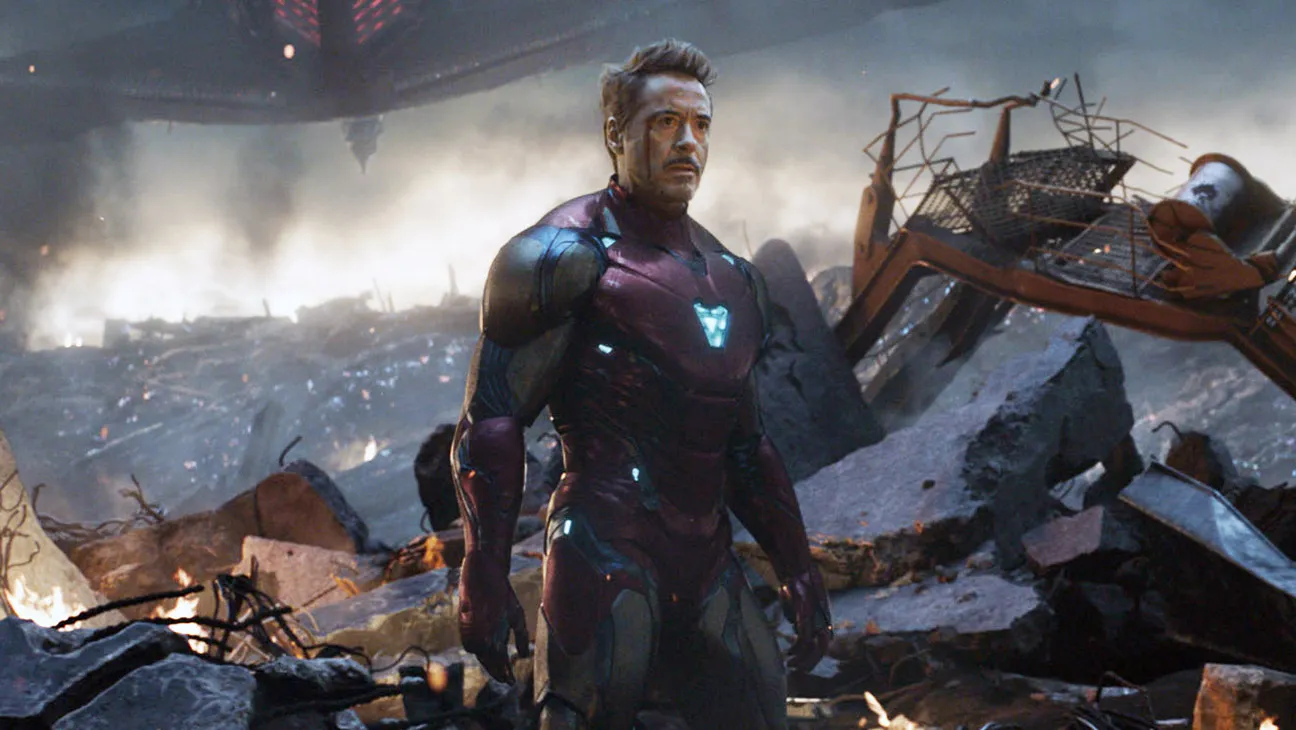
Seven years after its original release, Avengers: Endgame has unfinished business at the box office.
The Marvel Studios blockbuster has overtaken James Cameron’s Avatar to become the highest-grossing film worldwide once again. According to The Walt Disney Company’s October 4 announcement, Endgame now holds an estimated $2.9255 billion, narrowly ahead of Avatar’s $2.9237 billion. That puts just $1.8 million between two of cinema’s biggest hits.
The lead is small. The comeback, however, is substantial: a film released in 2019 has drawn enough fresh ticket sales to rewrite the all-time chart.
The ‘Encore’ release that tipped the balance
The latest theatrical run, titled Avengers Endgame: Encore, has earned $126 million worldwide, according to TheWrap. That includes $36.2 million in North America and $89.8 million from international markets—the extra business that pushed the film back into first place.
Audiences also had a reason to return beyond revisiting a familiar blockbuster. TheWrap reports that the reissue features a modified ending and three new scenes during and after the credits, connected to Avengers: Doomsday. The release therefore serves two purposes: bringing an established favourite back to cinemas and giving viewers a bridge to the next Avengers story.
ALSO READ : Emmy Nominations Announcement Gets a Star Twist… Liza Colón-Zayas & Jeff Hiller Set to Reveal 2026 TV Nominees
A rivalry with a history of reversals
This is another change of leadership in a box office contest that has lasted for years.
Endgame first displaced Avatar in 2019. Cameron’s science-fiction epic regained the crown following its Chinese re-release in 2021. Now, another theatrical return has swung the result in Marvel’s favour. Re-releases have become a decisive part of the competition, extending both films’ earning lives well beyond their original runs.
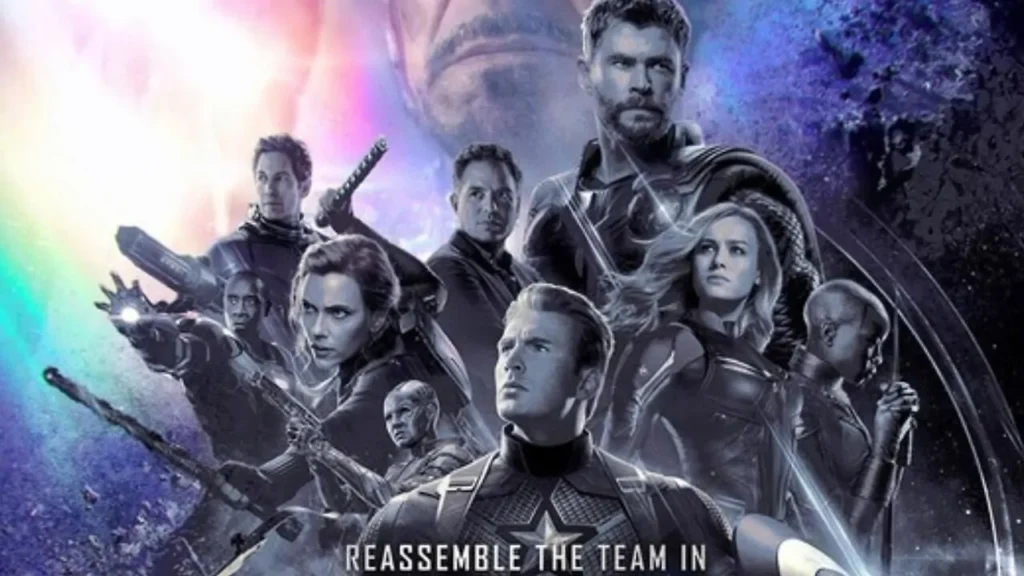
The distinction matters: this is the record for worldwide theatrical revenue without adjustment for inflation, including re-release earnings. It measures money collected rather than the number of tickets sold.
Why ‘Endgame’ matters to ‘Doomsday’
The timing gives Marvel’s comeback an added significance. Avengers: Doomsday is scheduled to reach cinemas on December 18, 2026, and Disney has positioned Endgame as an important foundation for that next chapter.
Explaining the connection, Anthony Russo said: “You really need to pick the story up from where you left it in Endgame.”
That makes this return more than a victory lap. A film remembered for closing a major chapter of Marvel’s story is now helping introduce the next one—and, along the way, has taken back Hollywood’s most closely watched box office title.
Entertainment
Why Neon Stepped In to Save Andrew Garfield’s ‘Artificial’
Andrew Garfield’s portrayal of Sam Altman anchors a daring project whose journey proved anything but straightforward.

A film about powerful technology executives became caught up in the business relationships surrounding them.
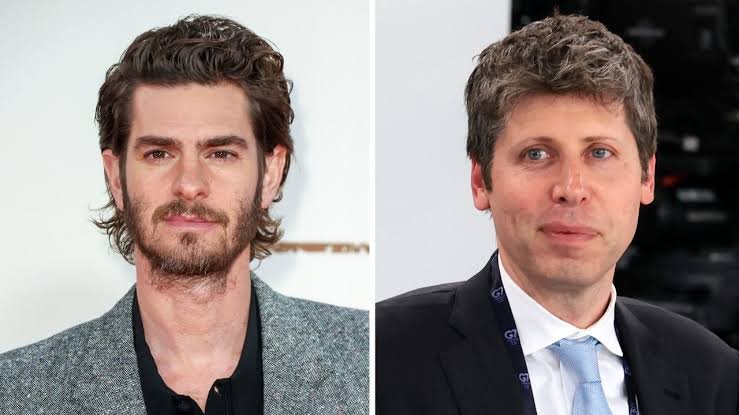
Luca Guadagnino’s Artificial, starring Andrew Garfield as Sam Altman, was developed at Amazon MGM Studios. But when the studio decided against releasing it, the filmmakers faced an uncertain future. Neon eventually acquired worldwide theatrical distribution rights, giving the project a route to audiences.
The move attracted scrutiny because of Amazon’s financial relationship with OpenAI. TheWrap reported that Amazon’s withdrawal followed a $50 billion investment in the AI company through a cloud computing partnership.
That timing prompted questions about conflicting commercial interests. It does not, however, establish the reason for the studio’s decision. Amazon’s public explanation was that the film would benefit from another distributor, while expressing support for Guadagnino and helping the production find a new home.
ALSO READ : Emmy Nominations Announcement Gets a Star Twist… Liza Colón-Zayas & Jeff Hiller Set to Reveal 2026 TV Nominees
The people behind the technology
Artificial explores the relationship between Altman and OpenAI co-founder Ilya Sutskever, played by Yura Borisov. Its dramatic territory is the collision between idealism, ambition and the consequences of building increasingly powerful technology.
According to Vulture’s account, screenwriter Simon Rich developed the project with urgency, and filming took place largely in northern Italy. The production’s emphasis on personal relationships gives its technological subject a recognisably human centre: people making decisions whose consequences extend far beyond themselves.
Garfield’s transformation went beyond appearances
In an interview with The Hollywood Reporter, Guadagnino described abandoning elaborate facial prosthetics after early tests. Garfield instead worked with Altman’s movements, posture and walk, supported by restrained makeup.
The director also chose to shoot on 35mm film, placing live performances at the centre of a story about artificial intelligence. Producer Jennifer Fox told the publication that the film’s assertions underwent extensive vetting. That remains the production’s account of its research process, rather than an independent endorsement of every dramatised scene.
A new home, and an unresolved question
Garfield welcomed the fact that Amazon allowed the film to move elsewhere. Fox, meanwhile, described the withdrawal as surprising after a collaborative production relationship.
Neon’s involvement resolved the immediate distribution problem. The wider question remains open: how freely can filmmakers examine influential companies when those companies also help finance and distribute entertainment? Artificial’s journey has made that question part of the conversation before audiences even enter the cinema.
Entertainment
With Neon on board, Guadagnino’s film moves forward as its makers speak out about the freedom to tell challenging stories.
Andrew Garfield and Luca Guadagnino discuss the ambitious Sam Altman film and its unexpected journey from Amazon to Neon.

A film about powerful technology executives became caught up in the business relationships surrounding them.
Luca Guadagnino’s Artificial, starring Andrew Garfield as Sam Altman, was developed at Amazon MGM Studios. But when the studio decided against releasing it, the filmmakers faced an uncertain future. Neon eventually acquired worldwide theatrical distribution rights, giving the project a route to audiences.
The move attracted scrutiny because of Amazon’s financial relationship with OpenAI. TheWrap reported that Amazon’s withdrawal followed a $50 billion investment in the AI company through a cloud computing partnership.
That timing prompted questions about conflicting commercial interests. It does not, however, establish the reason for the studio’s decision. Amazon’s public explanation was that the film would benefit from another distributor, while expressing support for Guadagnino and helping the production find a new home.
ALSO READ : Emmy Nominations Announcement Gets a Star Twist… Liza Colón-Zayas & Jeff Hiller Set to Reveal 2026 TV Nominees
The people behind the technology
Artificial explores the relationship between Altman and OpenAI co-founder Ilya Sutskever, played by Yura Borisov. Its dramatic territory is the collision between idealism, ambition and the consequences of building increasingly powerful technology.
According to Vulture’s account, screenwriter Simon Rich developed the project with urgency, and filming took place largely in northern Italy. The production’s emphasis on personal relationships gives its technological subject a recognisably human centre: people making decisions whose consequences extend far beyond themselves.
Garfield’s transformation went beyond appearances
In an interview with The Hollywood Reporter, Guadagnino described abandoning elaborate facial prosthetics after early tests. Garfield instead worked with Altman’s movements, posture and walk, supported by restrained makeup.
The director also chose to shoot on 35mm film, placing live performances at the centre of a story about artificial intelligence. Producer Jennifer Fox told the publication that the film’s assertions underwent extensive vetting. That remains the production’s account of its research process, rather than an independent endorsement of every dramatised scene.
A new home, and an unresolved question
Garfield welcomed the fact that Amazon allowed the film to move elsewhere. Fox, meanwhile, described the withdrawal as surprising after a collaborative production relationship.
Neon’s involvement resolved the immediate distribution problem. The wider question remains open: how freely can filmmakers examine influential companies when those companies also help finance and distribute entertainment? Artificial’s journey has made that question part of the conversation before audiences even enter the cinema.

‘Avengers: Endgame’ Overtakes ‘Avatar’ Again — How a Cinema Comeback Changed Box Office History

Why Neon Stepped In to Save Andrew Garfield’s ‘Artificial’

With Neon on board, Guadagnino’s film moves forward as its makers speak out about the freedom to tell challenging stories.

The Social Reckoning: Sorkin Takes On Mark Zuckerberg

By confronting a mogul who remains influential, Sorkin brings an unusual immediacy to his latest Hollywood portrait.

1-Iran Issues Dire Warning to Israel and Defies Trump on Nukes: “We’re Ready to Strike Deep Inside”

Sen. Elizabeth Warren Calls It a ‘Cesspool of Corruption’ — Here’s Why Senators Are Now Fighting Back Against the DOJ’s Live Nation Deal That Left Every Fan Betrayed…

Gucci bets on Demna to revive fading glamour as Milan fashion week opens with bold film surprise

Donald Trump’s net worth reveals the fortune behind the former US President and business mogul

“Tomás Rodríguez Net Worth 2025: Panama’s Gold Cup Goal‑Machine’s Surprising Fortune Revealed”

Miss Jamaica Suffers Terrifying Fall Off Miss Universe Stage; Rushed to Hospital on Stretcher in Viral Video

Moana Live-Action Teaser Sparks Outrage as Fans Call Disney’s Move a ‘Clear Money Grab’ — What Went Wrong?

Ryan Gosling’s Project Hail Mary Trailer Stuns Fans with a Mysterious Alien Ally and a Mission That Could Save Earth

Apple delays Jessica Chastain thriller The Savant about domestic extremism after recent US violence

Avatar 3, Fire and Ash trailer reveals Jake Sully’s family facing terrifying new Na’vi enemies with deadly fire powers
-

 Entertainment1 week ago
Toronto Film Festival Picks ‘Being Heumann’ as Its Opener… Is Sian Heder About to Deliver Another Awards Season Sensation?
-
 Entertainment1 week ago
Anne Schedeen, ‘ALF’ Star and Beloved TV Mom, Dies at 77… Fans Remember Her Wit and Legacy
-

 Entertainment1 week ago
One Big Win for Taylor Swift, Seven for Madonna: Inside the 2026 VMAs
-

 Entertainment1 week ago
Emmy Rossum Says Her Shameless Role Followed Her Into Real-Life Dates
-
 Entertainment1 week ago
Beyoncé Ends Two-Year Music Silence With ‘Morning Dew’ Is a New Album Next?
-
 Entertainment1 week ago
Dead by Daylight Film in the Works… Thordur Palsson to Direct Cult Horror Game Adaptation
-

 Entertainment1 week ago
‘Resident Evil’ Star Austin Abrams Opens Up About the Film’s Daring Finale
-

 Entertainment1 week ago
Rosalía Turned the Kia Forum Into a Movie Set… Inside the Stunning ‘Lux’ Tour Performance That Left Los Angeles Spellbound