
Entertainment
Andrew Gunn, Producer Behind Disney Classics ‘Freaky Friday’ and ‘Sky High,’ Dies at 58
Beloved filmmaker remembered for his creative fearlessness, mentorship, and the family-first spirit that defined his final years


Hollywood is mourning the loss of producer Andrew Gunn, the creative force behind some of the most memorable early-2000s family films, including Freaky Friday and Sky High. Gunn died at 58 following a battle with ALS, his family confirmed. He passed away at his home in Toronto.
Diagnosed in 2024, Gunn faced the illness with the same determination he brought to every film set. His passing marks the end of a career fueled by imagination, grit and a rare ability to balance studio demands with authentic storytelling.
A Disney Era Defined by Creativity
During the 2000s, Gunn worked under an exclusive first-look deal with The Walt Disney Company, a period overseen by executives Dick Cook and Nina Jacobson. Many credit him as one of the driving creative engines behind Disney’s big-budget comedies of that decade.
His most iconic triumph, Freaky Friday, nearly didn’t happen. After he pitched the remake to Jacobson—who was initially hesitant due to a recent ABC adaptation—the project went through multiple casting rounds. Early versions included Annette Bening, Michelle Trachtenberg and Tom Selleck, before fate aligned the production with Jamie Lee Curtis and rising star Lindsay Lohan.
Jacobson remembered that moment fondly, saying, “We made movies with genuine creative exuberance at that time, and Andrew never had any shortage of that.”
The film became a commercial hit, earning Curtis a Golden Globe nomination and later inspiring a 2024 sequel, Freakier Friday, which allowed Gunn to reunite with both Curtis and Lohan—and work closely with his own children on set, an experience he called “the best part of it all.”
A Career Shaped by Mentorship and Heart
Before his rise as a producer, Gunn cut his teeth working for powerhouse creatives like David Permut and later leading development at Great Oaks Entertainment under legendary filmmaker John Hughes. That era brought him into contact with hits like 101 Dalmatians, 102 Dalmatians and Flubber, starring Robin Williams.
Hughes, known for balancing humor with emotion, deeply influenced Gunn. One lesson stayed with him: earn the laughter so the tears hit harder—a philosophy that shaped Gunn’s approach to family filmmaking.
He applied that ethos again with titles like The Haunted Mansion, Bedtime Stories starring Adam Sandler, Race to Witch Mountain with Dwayne Johnson, and College Road Trip featuring Martin Lawrence and Raven-Symoné.
Championing New Talent
Gunn wasn’t just a producer—he was a cultivator of future storytellers. In 2001, he founded the Disney Writers Program, which launched careers of talents like David Berenbaum (Elf), Matt Lopez (Father of the Bride 2022), and David DiGilio (The Terminal List).
He also mentored rising executives, including industry leaders Tendo Nagenda and Erin Westerman.

Westerman described him as “a born storyteller… tough on the outside, soft as anything on the inside. No one sent better flowers.”
A Heartfelt Legacy
Director Michael Gracey—who bonded with Gunn while developing their shelved film Order of the Seven—wrote him a moving letter in 2025:
“You believed in me before any other producer… You are the example of a producer who truly backs their director.”
Gunn is survived by his children, his wife Jane Bellamy Gunn, mother Anne Gunn, and siblings Hilary Knight, Graeme Gunn and Cameron Gunn. He was predeceased by his father, Charles Gunn.
His legacy lives on in Disney history, in the filmmakers he nurtured, and in the millions who grew up watching the movies he made with laughter, love and genuine heart.




Entertainment
‘Avatar Aang: The Last Airbender’ Review: Beautifully Animated, Emotionally Inconsistent
The latest chapter in the Avatar universe captivates with its artistry, even as its storytelling misses key opportunities.


Few animated franchises have earned the enduring admiration enjoyed by Avatar: The Last Airbender. Its rich world-building, unforgettable characters and emotional storytelling made it a modern classic, setting an exceptionally high standard for every new chapter that followed.
That legacy continues with Avatar Aang: The Last Airbender, an animated feature that revisits the world fans have loved for years. While the film impresses with spectacular visuals and ambitious action sequences, its storytelling doesn’t always match the artistic brilliance on display.
From the opening moments, the movie showcases remarkable animation, bringing the Four Nations to life with vibrant colors, fluid movement and cinematic scale. The elemental bending sequences are particularly striking, combining technical precision with imaginative choreography that feels worthy of the franchise’s reputation.
ALSO READ : Sen. Elizabeth Warren Calls It a ‘Cesspool of Corruption’ — Here’s Why Senators Are Now Fighting Back Against the DOJ’s Live Nation Deal That Left Every Fan Betrayed…
Visually, the film rarely misses a beat.
However, as the story unfolds, the screenplay struggles to maintain the emotional depth that defined the original television series. Character development often feels rushed, while key emotional moments arrive without the narrative buildup needed to leave a lasting impact.
Returning voice actors, including Eric Nam and Steven Yeun, deliver committed performances that bring warmth and sincerity to their characters. They are joined by an impressive ensemble featuring Dave Bautista, Taika Waititi, Geraldine Viswanathan and Academy Award winner Ke Huy Quan, adding significant star power to the production.
Despite the talented cast, the film occasionally prioritizes spectacle over substance. Large-scale action scenes are visually captivating, but they sometimes come at the expense of quieter moments that once gave the franchise its emotional resonance.

Fans of the original series may also notice that the balance between humor, philosophy and personal growth feels less refined than before. The television series excelled at allowing its characters to evolve naturally over time, whereas the film’s faster pace leaves some relationships feeling underexplored.
Still, there is plenty for longtime followers to appreciate. Familiar locations, references to beloved characters and beautifully crafted world-building reinforce why the Avatar universe continues to captivate audiences across generations.
For newcomers, the movie offers an accessible introduction to one of animation’s most celebrated fantasy worlds. Its visual achievements alone make it a worthwhile theatrical experience, even if the narrative occasionally struggles to maintain momentum.
Ultimately, Avatar Aang: The Last Airbender is a film of contrasts. It succeeds as a technical showcase filled with breathtaking animation and memorable voice performances, yet falls short of fully capturing the emotional storytelling that made the original series legendary.
For fans, the journey remains enjoyable—but it also serves as a reminder that even the most spectacular visuals cannot entirely replace the power of a deeply compelling story.
Entertainment
‘It’s Become a Tradition’: Kevin Feige Reveals Adam Driver Has Turned Down Multiple Marvel Roles…
‘It’s Become a Tradition’: Kevin Feige Reveals Adam Driver Has Turned Down Multiple Marvel Roles…

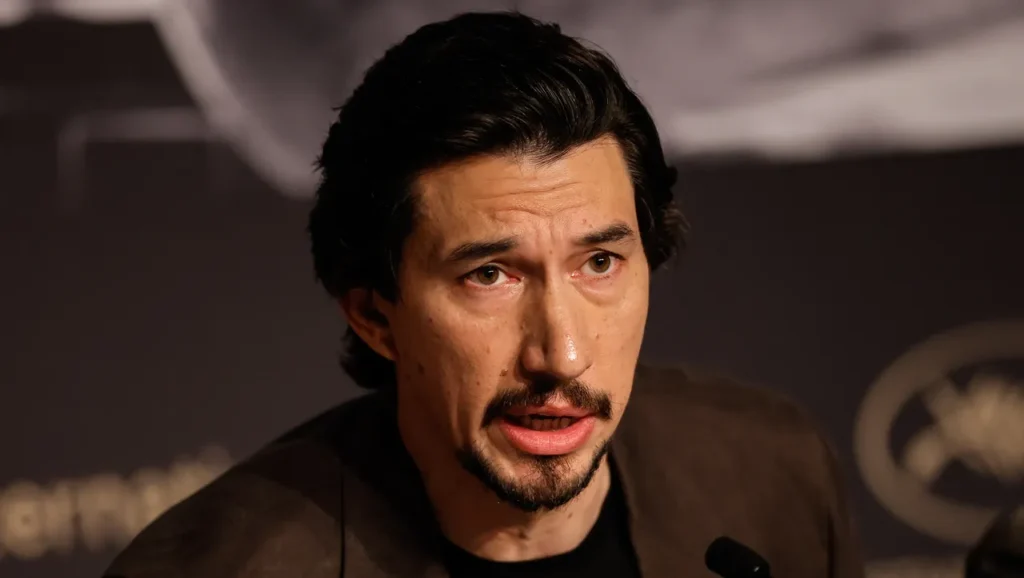
For years, fans have imagined Adam Driver stepping into the Marvel Cinematic Universe (MCU). His name has frequently surfaced in casting rumors for some of Marvel’s biggest characters, but according to Kevin Feige, those discussions have never led to a deal.
Speaking candidly about the long-running speculation, the Marvel Studios president joked that Driver’s repeated decisions to decline Marvel roles have become something of a “tradition.” The light-hearted remark highlights just how often the Oscar-nominated actor has been considered for projects within the superhero franchise.
Although Feige did not reveal which specific characters Driver was offered, the actor has long been viewed by fans as an ideal choice for several complex Marvel villains and antiheroes. His commanding screen presence and emotionally layered performances have made him a popular name in fan-casting discussions across social media.
ALSO READ : Sen. Elizabeth Warren Calls It a ‘Cesspool of Corruption’ Here’s Why Senators Are Now Fighting Back Against the DOJ’s Live Nation Deal That Left Every Fan Betrayed…
Driver, however, has consistently charted a different path.
Rather than joining another sprawling superhero universe, he has focused on filmmaker-driven projects, collaborating with some of cinema’s most respected directors. Over the years, he has worked with acclaimed names including Martin Scorsese, Ridley Scott, Noah Baumbach, Leos Carax and Michael Mann, building a filmography known more for artistic range than franchise commitments.
That doesn’t mean Driver is unfamiliar with blockbuster success.
The actor became a global star through Star Wars, where he portrayed the conflicted villain Kylo Ren in Disney’s sequel trilogy. His performance earned widespread praise and proved his ability to anchor one of the world’s biggest entertainment franchises.
Because of that experience, many believed a move to Marvel was only a matter of time. Yet Feige’s latest comments suggest Driver has remained consistent in politely passing on every opportunity that has come his way.
Marvel Studios, meanwhile, continues expanding its cinematic universe with new heroes, villains and multiverse storylines, regularly attracting some of Hollywood’s biggest names. Even so, Driver’s absence has become one of the franchise’s longest-running casting mysteries.
Whether that changes in the future remains uncertain. Feige’s humorous comments leave the door open, but for now, Driver appears content pursuing projects that align with his personal creative interests rather than joining another interconnected superhero saga.
As Marvel continues searching for the next generation of iconic characters, one question still lingers among fans: will Adam Driver eventually accept the call—or will saying “no” remain part of the tradition?
Entertainment
Locarno to Honor James Gray With Career Leopard: Why the Festival Calls Him ‘The Last Great Novelist of American Cinema’…
Acclaimed filmmaker James Gray will receive the prestigious Career Leopard award at the Locarno Film Festival, celebrating a body of work praised for its literary depth, emotional storytelling, and timeless cinematic vision.

One of contemporary cinema’s most respected storytellers is set to receive one of the industry’s highest honors. James Gray, the acclaimed American filmmaker behind a string of critically celebrated dramas, will be presented with the Career Leopard at the Locarno Film Festival in recognition of his remarkable contribution to world cinema.
The announcement places Gray among an elite group of filmmakers whose artistic achievements have left a lasting impact on international filmmaking. The Career Leopard is one of the festival’s most prestigious lifetime achievement honors, awarded to directors whose work has significantly shaped the language of cinema.
Explaining the decision, Giona A. Nazzaro, Artistic Director of the Locarno Film Festival, described Gray as “the last great novelist of American cinema.” He praised the filmmaker’s ability to weave emotionally rich narratives that draw inspiration from the Jewish diaspora, classic film noir, and literary traditions spanning Russian and North American literature.
ALSO READ : Sen. Elizabeth Warren Calls It a ‘Cesspool of Corruption’ — Here’s Why Senators Are Now Fighting Back Against the DOJ’s Live Nation Deal That Left Every Fan Betrayed…
Throughout his career, James Gray has earned widespread recognition for creating deeply personal stories centered on family, identity, ambition, loyalty, and moral conflict. His films often blend intimate character studies with sweeping emotional themes, resulting in works that resonate long after the credits roll.
Among his best-known films are The Yards, We Own the Night, Two Lovers, The Lost City of Z, and Ad Astra. Across these productions, Gray has developed a signature style that favors nuanced performances, layered storytelling, and emotionally grounded narratives over spectacle.
The Locarno Film Festival, held annually in Switzerland, is regarded as one of the world’s oldest and most influential film festivals. It has built a reputation for championing visionary filmmakers, independent cinema, and artistic innovation while honoring directors whose work continues to shape global filmmaking.
Gray’s recognition reflects not only his achievements in American cinema but also his influence on filmmakers and audiences worldwide. His work has consistently explored universal themes through deeply human stories, earning praise from critics and film enthusiasts alike.
For many in the industry, the Career Leopard acknowledges a filmmaker whose commitment to thoughtful storytelling has remained unwavering in an era increasingly dominated by franchise blockbusters and large-scale commercial productions. His films continue to demonstrate that character-driven narratives can leave an enduring cultural impact.
As James Gray prepares to receive the honor in Locarno, the award serves as both a celebration of his past achievements and recognition of a filmmaker whose influence continues to inspire new generations of directors.
Daily Global Diary will continue covering major announcements from the international film festival circuit as the awards season unfolds.

‘Avatar Aang: The Last Airbender’ Review: Beautifully Animated, Emotionally Inconsistent

‘It’s Become a Tradition’: Kevin Feige Reveals Adam Driver Has Turned Down Multiple Marvel Roles…

Locarno to Honor James Gray With Career Leopard: Why the Festival Calls Him ‘The Last Great Novelist of American Cinema’…

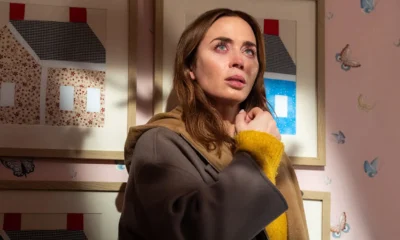
‘The Two Week Wait’ Set to Stir Hearts: Daniel Ings and Jessica Brown Findlay Join Olivia Grant’s Emotional Directorial Debut Ahead of Festival Premiere

Apple TV+ One Tony Away From Historic EGOT Achievement With Schmigadoon!

1-Iran Issues Dire Warning to Israel and Defies Trump on Nukes: “We’re Ready to Strike Deep Inside”

Sen. Elizabeth Warren Calls It a ‘Cesspool of Corruption’ — Here’s Why Senators Are Now Fighting Back Against the DOJ’s Live Nation Deal That Left Every Fan Betrayed…

Donald Trump’s net worth reveals the fortune behind the former US President and business mogul

“She Never Made It Out…” Albany House Fire Claims Woman’s Life as Family Pleads for Help to Bring Her Home

“Tomás Rodríguez Net Worth 2025: Panama’s Gold Cup Goal‑Machine’s Surprising Fortune Revealed”

Miss Jamaica Suffers Terrifying Fall Off Miss Universe Stage; Rushed to Hospital on Stretcher in Viral Video

Moana Live-Action Teaser Sparks Outrage as Fans Call Disney’s Move a ‘Clear Money Grab’ — What Went Wrong?

Ryan Gosling’s Project Hail Mary Trailer Stuns Fans with a Mysterious Alien Ally and a Mission That Could Save Earth

Apple delays Jessica Chastain thriller The Savant about domestic extremism after recent US violence

Avatar 3, Fire and Ash trailer reveals Jake Sully’s family facing terrifying new Na’vi enemies with deadly fire powers
-

 Entertainment6 days ago
How ‘Southern Hospitality’ Quietly Became Bravo’s Secret Powerhouse and Why Everyone Is Talking About Season 4 Drama
-

 Entertainment7 days ago
BFI Names Isabel Davis as New Filmmaking Fund Director: She’s Now in Charge of a £20 Million Budget… and One of UK Cinema’s Toughest Jobs
-
 Entertainment6 days ago
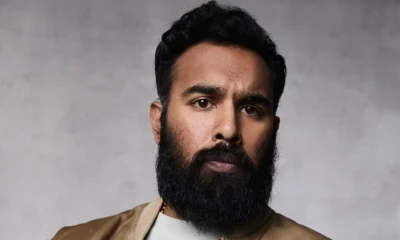
Himesh Patel’s Unexpected Journey From ‘Yesterday’ to Christopher Nolan’s Next Big Adventure
-
 Entertainment6 days ago
Is 24 Jump Street Finally Happening… Jonah Hill and Channing Tatum Set to Return as Ice Cube Talks Heat Up
-
 Entertainment7 days ago
Greta Lee Says She’s Cherishing Every Moment as Her Hollywood Career Reaches New Heights
-

 Entertainment6 days ago
From Singing Beatles Songs to Sailing With Christopher Nolan… How Himesh Patel Quietly Became One of Hollywood’s Most Fascinating Stars
-

 Entertainment7 days ago
Patrick Dempsey for U.S. Senate? Why ‘McDreamy’ Suddenly Found Himself at the Center of Maine’s Political Buzz
-

 Entertainment6 days ago
Quentin Tarantino Refused to Watch Beyond Toy Story 3… So Why Does Toy Story 5 Believe the Story Isn’t Over Yet?