
Apple
Apple Stuns Users with Liquid Glass Design Across All Devices in iOS 26 Reveal
From iPhones to MacBooks, Apple’s new Liquid Glass interface delivers elegance, fluidity, and a powerful redesign that sets the tone for the future


In a dazzling reveal at WWDC 2025, Apple has officially unveiled its most sweeping software redesign in over a decade—introducing a new interface material called Liquid Glass that stretches across all of its major platforms. With iOS 26, macOS Tahoe 26, iPadOS 26, watchOS 26, and tvOS 26, the tech giant is merging artistry with function, aiming to redefine the user experience on every device in its ecosystem. This isn’t just a facelift—it’s a recalibration of digital aesthetics.
For the first time, the company is unifying its design language across platforms in a way that feels fluid, intelligent, and deeply personal. According to Alan Dye, Apple’s vice president of Human Interface Design, Liquid Glass is “crafted to reflect the optical magic of glass with the dynamism only Apple could deliver.” And it does exactly that. This translucent material refracts light and color from its environment, morphing based on content, context, and even movement. The result? A UI that feels alive—ever adapting, ever stunning.
The iPhone’s operating system, now officially rebranded as iOS 26 to align with Apple’s broader naming strategy, gets the most attention. The update brings not just visual elegance but functional enhancements across the board. From an adaptive lock screen with stretchable, glass-text numerals to fully customizable widgets, this update is a dream for personalization enthusiasts. The “All Clear” home screen look is especially striking, replacing icons with translucent glass versions that blend elegantly with your wallpaper and overall mood.

The redesign also touches the Camera and Photos apps, which are now even more minimal, with intuitive swipes replacing cluttered buttons. The Phone app receives long-awaited functionality updates like Call Screening and Hold Assist—features that genuinely improve day-to-day usability. Messages gets dynamic backgrounds and interactive group polls, while the Safari browser and FaceTime now float key controls and content, reducing distractions and letting users focus on what matters most.
Mac users aren’t left behind either. The new macOS Tahoe 26 brings the same Liquid Glass charm to desktops, Docks, and menus. App icons now shimmer with layered depth, and widgets become adaptive panels that reflect ambient colors. The Menu Bar becomes fully transparent, giving users a greater sense of screen real estate and immersion.
And there’s more. Apple has finally embraced mobile gaming with a dedicated Games app, providing a frictionless portal into Apple Arcade. Live Translation capabilities, powered by Apple Intelligence, bring near real-time language translation into phone calls and messages, bridging communication gaps like never before. Enhanced CarPlay integration ensures Liquid Glass doesn’t stop at your phone—it’s now in your vehicle too.
Even overlooked apps like Wallet and Maps are getting smarter. With features like Digital ID for TSA checks and real-time trip alerts based on user history, Apple is turning its ecosystem into a seamless digital assistant. Developers, meanwhile, are being encouraged to use updated APIs in SwiftUI, UIKit, and AppKit to bring their apps into the Liquid Glass era.
The first developer beta is already available, with a public beta arriving in July and the final release expected this fall alongside the iPhone 17 lineup. One thing is clear: Apple isn’t just updating its software—it’s reinventing how we interact with our devices.


Tech
iPhone 17 Air Launch Shocks Fans with 10 Powerful Features and Stunning Price in USA
Apple’s thinnest smartphone ever brings a 48MP Fusion camera, A19 Pro chip, recycled titanium body, and a major focus on Apple Intelligence.
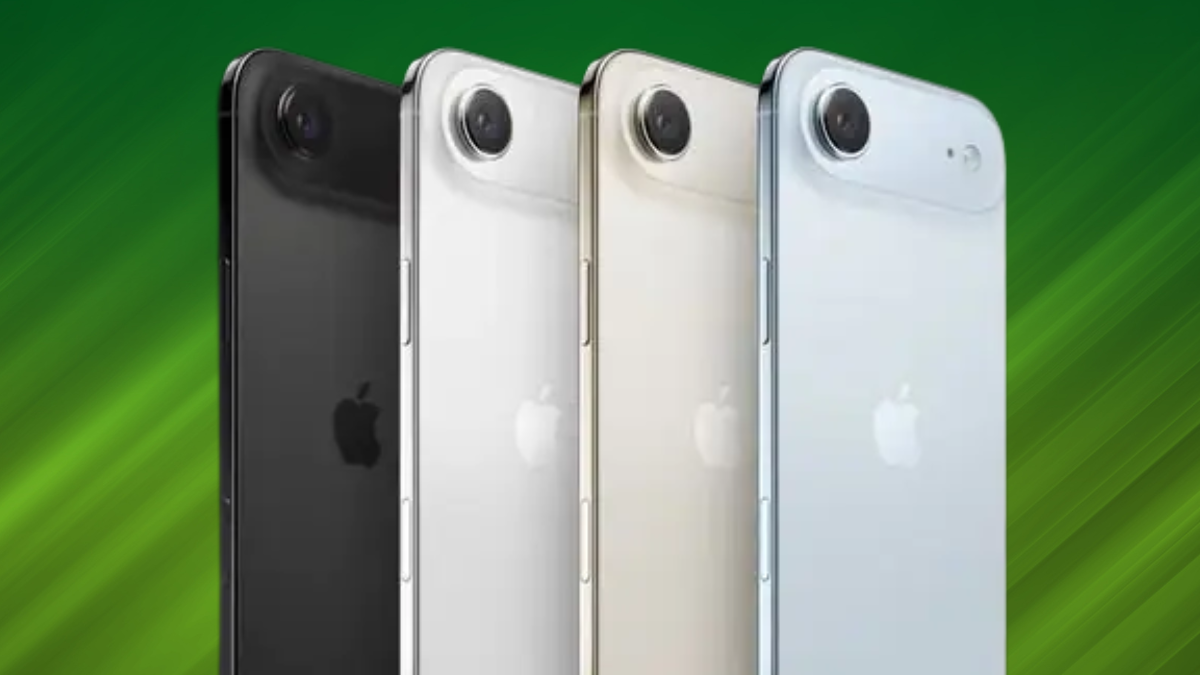
The iPhone 17 Air has finally arrived, and it is already being called one of the most stylish yet powerful smartphones ever designed by Apple. Launched as part of the 2025 lineup, this device combines ultra-slim design with groundbreaking technology, promising to redefine how users experience photography, performance, and intelligence on a phone.
With a 6.5-inch Super Retina XDR display, 48MP Fusion camera system, and the all-new A19 Pro chip, the iPhone 17 Air has been engineered for speed, durability, and creativity. Apple has also doubled down on sustainability, using 80% recycled titanium in its construction while still delivering premium aesthetics in four beautiful colors.
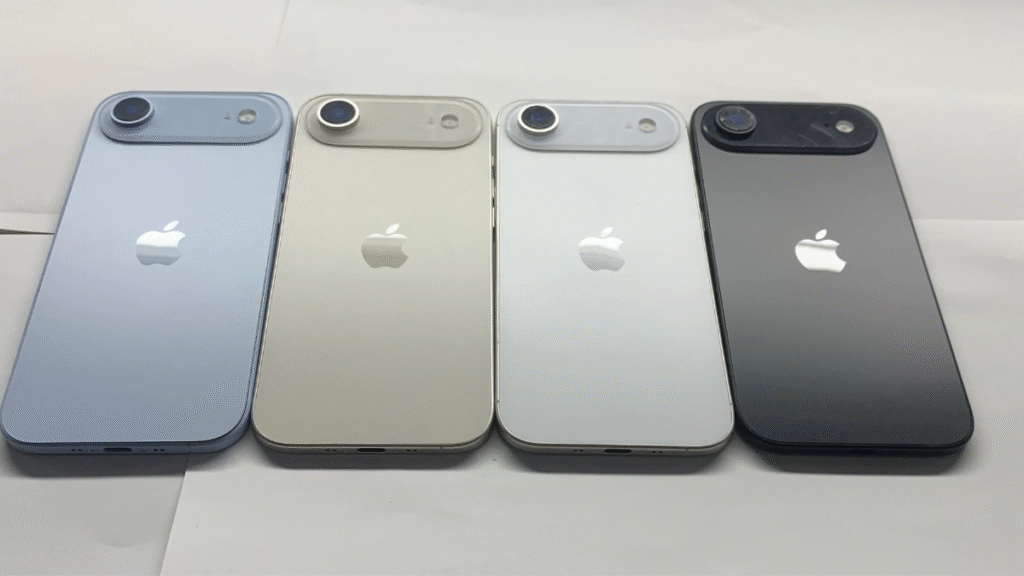
1. Camera: A True Photographer’s Dream
The iPhone 17 Air comes with a 48MP Fusion camera system, capable of shooting 24MP photos by default. Apple has packed in multiple focal lengths (26mm, 28mm, 35mm, and 52mm), effectively giving users “four lenses in their pocket.”
Other highlights include:
- 2x Telephoto zoom for professional close-ups.
- Next-generation portraits powered by Apple’s AI algorithms.
- Action Mode for sports and fast movement.
- Dolby Vision 4K60 recording with cinematic quality.
Selfie lovers aren’t left behind either—thanks to the Center Stage front camera, video calls and vlogs are smarter and more dynamic.
2. Performance: A19 Pro Chip
At the heart of the device lies the new A19 Pro chip, designed for blazing speed and efficiency. Combined with Apple Intelligence (AI), it promises smarter photography, faster multitasking, and seamless app handling.
3. Durability Redefined
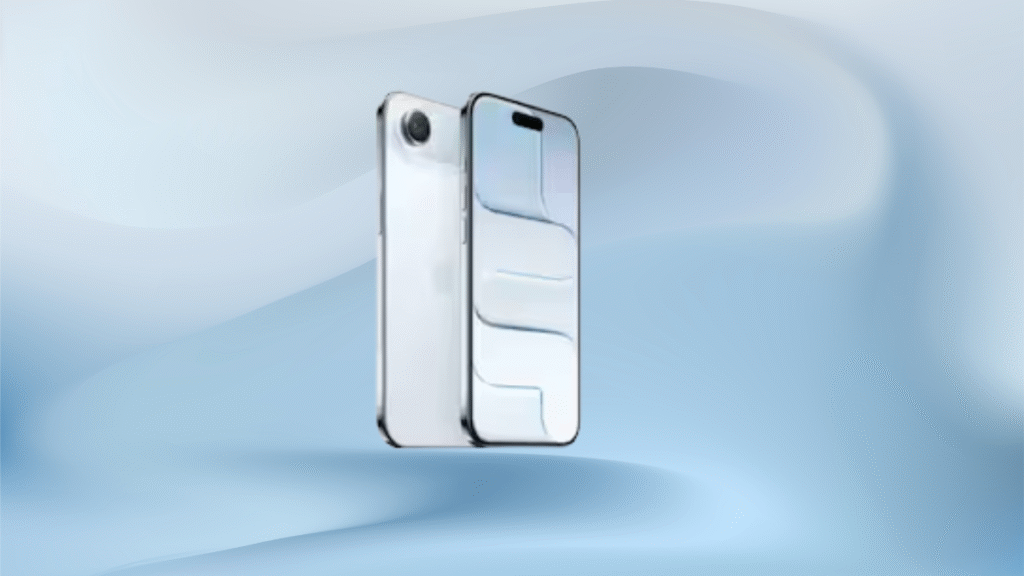
Apple claims the Ceramic Shield 2 offers 3x better scratch resistance on the front and 4x stronger crack resistance on the back compared to older iPhones. This makes the iPhone 17 Air one of the most durable premium smartphones on the market.
4. Display & Battery
The 6.5-inch Super Retina XDR display now supports ProMotion up to 120Hz, delivering smooth scrolling and vivid detail. Paired with all-day battery life, the phone ensures power users can enjoy high-performance tasks without constant charging.
5. Audio & Video Experience
The device also features Audio Mix with Spatial Audio, turning movies, music, and calls into immersive experiences. Content creators will especially appreciate dual capture recording, letting them film from front and back cameras simultaneously.
6. Sustainability with Style
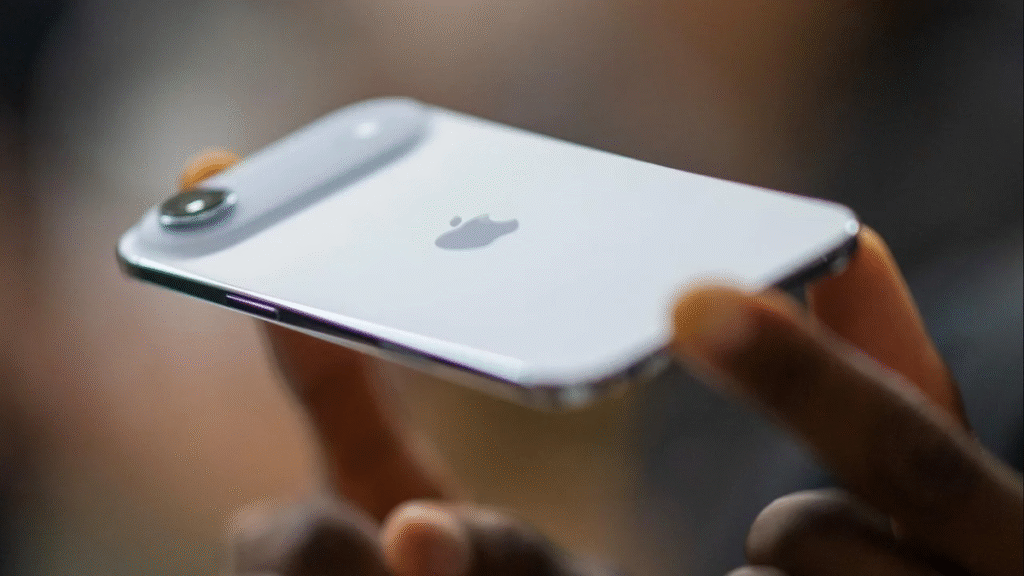
For the first time, the iPhone 17 Air uses 80% recycled titanium, aligning with Apple’s environmental goals without compromising design.
iPhone 17 Air Price in USA
The iPhone 17 Air is expected to start around $899 for the base model (128GB) and may go up to $1,199 for higher storage variants. Apple aims to position this device between the standard iPhone 17 and the iPhone 17 Pro models.
Final Verdict
The iPhone 17 Air isn’t just thinner—it’s smarter, stronger, and more creative. With the perfect balance of design, performance, and eco-friendly innovation, this phone is likely to be one of the biggest upgrades in recent iPhone history.
Apple
Apple’s Jeff Williams to Retire: The Man Who Could Have Replaced Tim Cook Passes the Torch
In a monumental shift at Apple, COO Jeff Williams—once seen as Tim Cook’s heir—announces his retirement. His successor? Longtime Apple veteran Sabih Khan, who now faces supply chain hurdles, AI disruption, and global regulation.

In a year already filled with seismic shifts for Apple Inc., the company is preparing to say goodbye to one of its most trusted hands: Jeff Williams, Apple’s Chief Operating Officer, and widely regarded as Tim Cook’s right-hand man, will retire later this year.
Williams, 62, has been with the company since 1998 and became COO in 2015, playing a central role in Apple’s global supply chain, health initiatives, and engineering teams—including those behind the Apple Watch and AppleCare services. Known for his calm demeanor and operational genius, he was once seen as Cook’s likely successor. But with only two years separating their ages, that possibility faded. Now, Apple enters a new era.
The New Guard: Sabih Khan Steps In
Replacing Williams is Sabih Khan, a 30-year Apple veteran who has quietly orchestrated many of the company’s most complex global operations. Since joining Apple’s executive team in 2019, Khan has overseen procurement, manufacturing, and supplier relationships—areas increasingly critical as Apple shifts iPhone production from China to India.
Khan is described as “methodical,” and “cut from the Tim Cook cloth,” by former colleagues. But unlike Williams, who was often on stage during Apple keynotes presenting health features and Apple Watches, Khan has kept a low public profile. That’s about to change.
“Jeff was a little more product-minded; Sabih is a brilliant operator,” said former Apple engineer Matthew Moore. “The ops team won’t miss a beat. The question is who will handle the rest of Jeff’s wide-ranging responsibilities.”
Jeff Williams: The Quiet Architect of Apple’s Machine
Before joining Apple, Williams worked at IBM in the 1980s. At Apple, he quietly helped build what many consider one of the most sophisticated global supply chains in tech history. He scaled operations to support hundreds of millions of devices per year, sourced from thousands of suppliers, and steered Apple’s health tech evolution—turning the Apple Watch into a medical-grade device.
Former colleagues paint him as a deeply respected, behind-the-scenes leader.
“Time takes its toll, and it’s almost as if the band is dissolving,” said Tony Blevins, Apple’s former VP of operations. “Jeff will be sorely missed.”
A Leadership Exodus at a Crucial Time
Williams’ exit is just the latest in a wave of retirements from Apple’s senior leadership. Luca Maestri, the company’s longtime CFO, has stepped into a smaller role ahead of his own departure. Dan Riccio, former hardware head, left in 2024. And legendary design chief Jony Ive stepped away back in 2019.
Now, all eyes are on John Ternus, Apple’s SVP of Hardware Engineering, who Bloomberg reports is the leading internal candidate to one day replace Tim Cook.
With AI competition heating up, regulatory pressure mounting, and hardware innovation slowing, Apple is entering a transformative moment—without some of its most battle-tested leaders.
What’s Next for Apple’s Operations?
Khan is stepping into the COO role amid global turmoil. Apple is:
- Facing tariffs and regulatory heat in both the U.S. and EU
- Dealing with AI leadership gaps (its top AI exec was recently poached by Meta)
- Watching new AI-first devices threaten the long-term dominance of the iPhone, Mac, and iPad
Williams’ remaining responsibilities—including Apple’s health initiatives and Watch engineering—have yet to be reassigned. But insiders expect executives like Craig Federighi and John Ternus to absorb key areas, as Apple reorganizes internally.
“Jeff’s true legacy can be seen in the amazing team he’s created,” Tim Cook said in a prepared statement. “While he’ll be greatly missed, he leaves the work of the future in incredible hands.”
Apple
Apple’s Secret AI Tags Are Quietly Changing How Your Favorite Apps Get Found
Developers get an early taste of Apple’s new AI-powered discoverability tool in iOS 26 beta, but what does it mean for your App Store search results?

Apple is once again shaking up the app ecosystem, and this time, it’s doing it quietly — with Artificial Intelligence working behind the scenes. According to recent findings, the tech giant’s much-anticipated AI-generated tags have gone live for developers testing the iOS 26 beta, though everyday App Store users won’t see them just yet.
At its recent Worldwide Developer Conference (WWDC 25), the Cupertino-based innovator confirmed what industry insiders had long speculated: Apple wants to make it easier for users to find exactly the apps they need, and AI is the secret sauce. Traditionally, an app’s name, subtitle, and keyword list were the only factors feeding the store’s search algorithm. Now, the game is changing.
App analysts from Appfigures revealed that screenshots — once just a visual aid — are now treasure troves of searchable metadata. The twist? Instead of simple Optical Character Recognition (OCR), Apple’s next-level AI scans an app’s entire metadata ecosystem — from descriptions and categories to screenshots — to pull out useful bits that define what an app truly does.
Developers, however, need not panic. According to the tech titan, this AI-driven tagging system won’t turn into a wild west of automated keywords. Instead, developers maintain the final say in which tags stay attached to their products, with human reviewers stepping in to verify accuracy before any tag goes public.
For millions of app makers worldwide, this subtle yet significant upgrade promises both opportunities and headaches. Getting discovered might soon depend less on stuffing awkward keywords into an app’s description and more on how clear and authentic an app’s visual and written assets are. In essence, Apple’s latest AI effort aims to reward quality content over cheap tricks.
For everyday users, this means smoother searches and better app recommendations — even if you never know these AI tags exist. But for developers, it’s time to brush up on what tags mean for their ranking strategy. While the feature remains confined to the developer beta, experts say it’s only a matter of time before these intelligent tags power the public App Store experience globally.
So next time you effortlessly stumble upon the perfect app, remember: a little hidden AI magic — and a lot of human review — made it possible.

‘House of the Dragon’ Season 3 Will Be a ‘Bloodbath,’ Say Emma D’Arcy and Matt Smith: Why Fans Should Brace for the Most Brutal Chapter Yet

How ‘The White Lotus’ Changed Nicholas Duvernay’s Career: The Rising Star Opens Up About ‘Not Suitable For Work’ and What Comes Next

Callum Turner Breaks Silence on James Bond Buzz and Opens Up About Life With Dua Lipa as Hollywood Takes Notice

Spencer Pratt’s L.A. Mayoral Run Ends in Surprise Exit, Says “Are They Done Counting Yet?” in Viral Reaction

How a Beloved Romance Novel Became TV’s New Obsession: Louisa Levy Hints at a Bigger Season 2

1-Iran Issues Dire Warning to Israel and Defies Trump on Nukes: “We’re Ready to Strike Deep Inside”

Donald Trump’s net worth reveals the fortune behind the former US President and business mogul

Sen. Elizabeth Warren Calls It a ‘Cesspool of Corruption’ — Here’s Why Senators Are Now Fighting Back Against the DOJ’s Live Nation Deal That Left Every Fan Betrayed…

“She Never Made It Out…” Albany House Fire Claims Woman’s Life as Family Pleads for Help to Bring Her Home

“Tomás Rodríguez Net Worth 2025: Panama’s Gold Cup Goal‑Machine’s Surprising Fortune Revealed”

Miss Jamaica Suffers Terrifying Fall Off Miss Universe Stage; Rushed to Hospital on Stretcher in Viral Video

Moana Live-Action Teaser Sparks Outrage as Fans Call Disney’s Move a ‘Clear Money Grab’ — What Went Wrong?

Ryan Gosling’s Project Hail Mary Trailer Stuns Fans with a Mysterious Alien Ally and a Mission That Could Save Earth

Apple delays Jessica Chastain thriller The Savant about domestic extremism after recent US violence

Avatar 3, Fire and Ash trailer reveals Jake Sully’s family facing terrifying new Na’vi enemies with deadly fire powers
-

 Entertainment1 week ago
Paramount-Warner Bros. Merger Faces Legal Setback as Court Temporarily Halts Deal
-

 Sports1 week ago
Lionel Messi’s Heartwarming Gift to Cape Verde Hero Vozinha’s Family After World Cup Thriller Leaves Fans Emotional
-

 Entertainment1 week ago
Moviegoers Came for Christopher Nolan’s ‘The Odyssey’ — Then This Horror Trailer Left Them Terrified…
-

 Entertainment1 week ago
Marvel Architect Kevin Feige Celebrated With Prestigious Pioneer Award
-

 Sports1 week ago
Argentina Fan Demands World Cup 2026 Final Replay The Petition’s Reason Is Dividing Football Fans
-

 Sports1 week ago
Caitlin Clark Makes WNBA History Again as NBA 2K27 Cover Reveal Adds Another Huge Milestone to Her 2026…
-

 Entertainment1 week ago
Kevin Feige Reflects on Adam Driver’s Long History of Declining Marvel Roles
-

 Entertainment1 week ago
‘Deadpool’ Is Back: Ryan Reynolds Officially Confirms Another Marvel Adventure
Pingback: Alan Dye Net Worth Revealed as Apple’s Design Genius Transforms Tech Aesthetics - Daily Global Diary