
Entertainment
Inside the BBC Meltdown… How a $1 Billion Lawsuit and Leaked Memo Brought Down Its Top Brass
A doctored clip of Donald Trump’s Jan. 6 speech, a leaked memo, and two high-level resignations have plunged BBC into one of the most damaging crises in its century-long history.


The British Broadcasting Corporation — once hailed as the world’s most trusted news organization — is facing its toughest test yet. A controversy over a doctored clip of Donald Trump’s 2021 speech, followed by a leaked internal memo, has triggered the resignation of two senior figures and a lawsuit that could cost the broadcaster $1 billion.
The Spark: A Doctored Clip of Donald Trump
The drama began when Donald Trump announced plans to file a $1 billion lawsuit against the BBC, claiming his remarks during the January 6, 2021, Capitol rally were edited to suggest he incited violence.
In the BBC’s investigative program Panorama — formally titled Panorama (TV programme) — producers spliced two separate sections of Trump’s speech, cutting out his call for supporters to demonstrate “peacefully and patriotically.” The result appeared to show him directly urging violence, sparking political outrage.
After Reuters broke the story, Trump’s legal team called it “a deliberate act of defamation.” On X (Twitter), the former U.S. President blasted the BBC for “election interference” and “fake news.”
ALSO READ : Ryan Reynolds to Revive 1970s Classic ‘Thunderbolt and Lightfoot’ for Amazon MGM… Fans Speculate if Hugh Jackman Will Join Him
The Memo That Shook the BBC
Days later, an internal memo leaked from BBC headquarters revealed growing tension inside the corporation. Written by senior adviser Michael Prescott, the document accused leadership of “systemic bias” and “editorial negligence.”
The memo — later published by The Guardian — specifically cited the Trump edit, coverage of the Israel-Gaza war, and what it described as “selective framing” of stories involving far-right movements in the U.K.
What followed was a wave of outrage — not only from British viewers but also from journalists inside the newsroom who described “a culture of silence and spin.”
The Resignations: Tim Davie and Deborah Turness Step Down
In the fallout, BBC Director-General Tim Davie and News Chief Deborah Turness resigned.
Davie, in his statement, took full responsibility:
“As Director-General, I must take ultimate responsibility for what happened. The BBC’s commitment to truth must be absolute.”
Turness, who previously led global news at NBC News, echoed his words, adding that while the error was serious, “claims of institutional bias are simply wrong.”

Meanwhile, BBC Chair Samir Shah issued a public apology, calling the situation “an error of judgment” but defending the broadcaster’s “unwavering commitment to impartial journalism.”
The Political Firestorm
The scandal immediately drew political reactions on both sides of the Atlantic.
In the U.S., Trump’s allies celebrated what they called “a victory for accountability.” Across the pond, figures like Nigel Farage and former Prime Minister Boris Johnson demanded sweeping reforms to the BBC’s funding model and oversight structure.
Farage posted on X, “The BBC’s days of hiding behind ‘impartiality’ are over. This isn’t journalism — it’s activism.”
Meanwhile, media watchdogs and independent journalists warned that the political backlash could endanger press freedom in the U.K.
A Crisis of Credibility
The BBC has been no stranger to controversy, but this may be its most serious credibility challenge in decades.
Over its 100-year history, the BBC has served as the backbone of British media — reaching 450 million viewers worldwide each week. Its mission: to inform, educate, and entertain through impartial journalism. But with trust in media already declining globally, this latest scandal has left deep cracks in its armor.
According to its annual Tapestry Research survey, the BBC still ranks as the most trusted international news source among U.K. audiences. Yet, after the Trump clip revelation, public confidence fell sharply — especially among younger viewers and conservative audiences.
What Comes Next for the BBC?
The corporation’s Royal Charter renewal in 2027 looms large. Lawmakers are already calling for greater transparency in editorial practices and more accountability for executives.
For now, Deputy Director Charlotte Moore has stepped in as interim chief while an external review — led by former Ofcom chair Sharon White — investigates the full chain of events.
Observers say the outcome could redefine the BBC’s structure — and even its future as a publicly funded entity.
A Warning for Journalism Worldwide
Beyond Britain, this saga serves as a cautionary tale for global media organizations navigating political polarization, digital misinformation, and declining trust.
In the words of one anonymous BBC producer quoted by AP News:
“It wasn’t just about one clip of Trump. It was about years of pressure, fear of backlash, and the blurring line between reporting and reputation management.”
As the storm rages, one thing is certain — the world will be watching how the BBC, once the gold standard of journalism, rebuilds its credibility in a post-truth age.







Entertainment
‘Summer House’ Cast Left Speechless by Emmy Nomination… “It Feels Surreal” After a Decade of Reality TV
Original stars Lindsay Hubbard, Kyle Cooke, and Carl Radke celebrate a milestone Emmy recognition, calling it the reward for ten years of sharing their personal journeys with viewers.
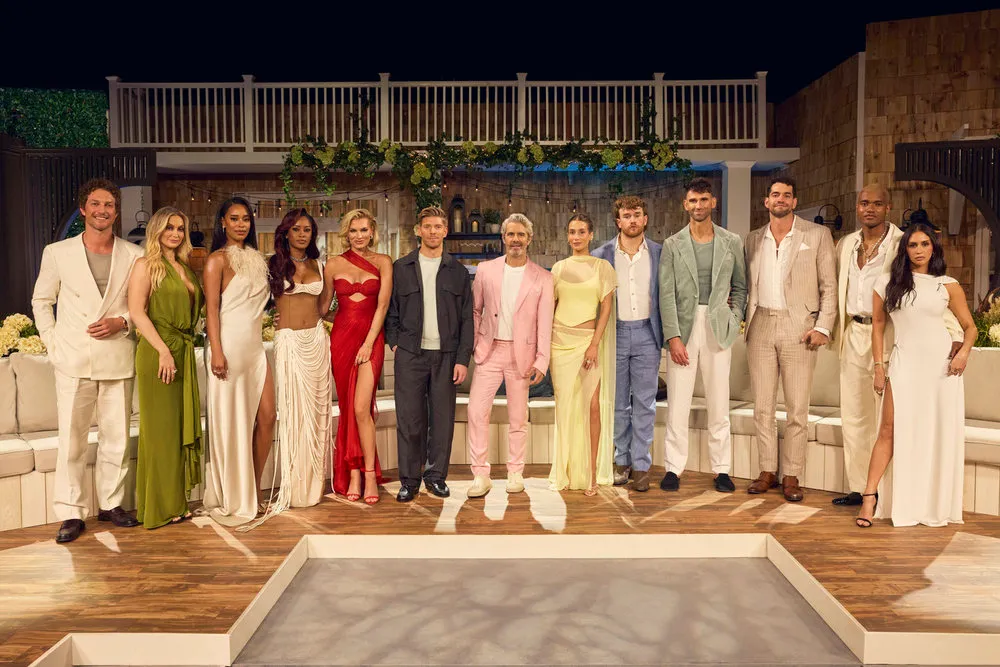
After spending nearly a decade opening their lives to television audiences, the stars of Summer House are finally celebrating one of the biggest achievements of their careers.
Original cast members Lindsay Hubbard, Kyle Cooke, and Carl Radke have reacted with excitement after the popular reality series earned an Emmy Award nomination, describing the moment as both emotional and surreal.
For a cast that has spent years sharing friendships, relationships, personal struggles, and major life milestones on camera, the recognition represents much more than another industry honor.
“It’s been 10 years of most of us just sharing our blood, sweat and tears and journeys with the world,” the cast reflected while celebrating the milestone.
A Decade of Reality Television Pays Off
Since its debut, Summer House has become one of reality television’s most recognizable franchises, offering viewers an unscripted look into the personal and professional lives of its cast.
ALSO READ : Sen. Elizabeth Warren Calls It a ‘Cesspool of Corruption’ — Here’s Why Senators Are Now Fighting Back Against the DOJ’s Live Nation Deal That Left Every Fan Betrayed…
Over the years, audiences have witnessed evolving friendships, romances, career changes, heartbreaks, and celebrations—moments that helped build a loyal fan following across multiple seasons.
The Emmy nomination now serves as recognition for the show’s longevity and its ability to remain culturally relevant in an increasingly competitive reality television landscape.
An Emotional Moment for the Original Cast
For Hubbard, Cooke, and Radke, the nomination carries added significance because they have been part of the series since its earliest seasons.
Having invested years into documenting their real-life experiences, the trio said the acknowledgment feels like validation for both the cast and the production team behind the show.
Their reactions reflected genuine appreciation for viewers who have supported Summer House throughout its journey.
Reality Television Continues to Evolve
The recognition also highlights the growing respect reality programming continues to receive within the television industry.

Shows once viewed primarily as entertainment are increasingly being recognized for their storytelling, production quality, editing, and emotional authenticity.
As audiences continue embracing unscripted programming, Emmy voters have expanded recognition for series that successfully connect with viewers through genuine human experiences.
Looking Ahead
Whether Summer House ultimately takes home an Emmy or not, the nomination itself marks a defining chapter in the series’ history.
For its original cast members, the moment symbolizes years of dedication, vulnerability, and commitment to sharing their lives with millions of viewers.
As awards season continues, Summer House now finds itself among television’s celebrated productions—an achievement that once seemed distant but has finally become reality after ten remarkable years.
Entertainment
Annette Bening Breaks Silence on ‘Yellowstone’ Finale: “Don’t Call Her the Dutton Ranch Villain…” Here’s Why Fans May Have Misjudged Her
Following the dramatic first-season finale of the latest Yellowstone sequel, Annette Bening says her character is far more complex than a traditional antagonist, revealing what drew her into the high-stakes Western universe.
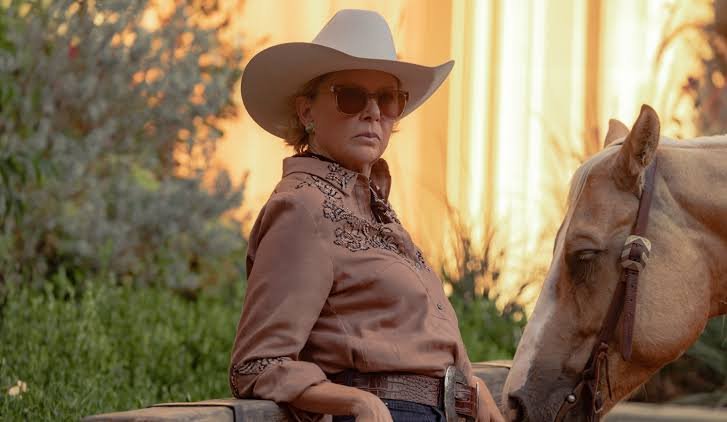
The Yellowstone universe has never been short on morally complex characters, but veteran actress Annette Bening believes audiences may be looking at her latest role too simply.
Following the explosive first-season finale of the newest Yellowstone sequel series, many viewers quickly labeled Bening’s character as the newest threat to the legendary Dutton Ranch. However, the Academy Award-nominated actress argues that the situation is far more complicated than a straightforward battle between heroes and villains.
Rather than embracing the “villain” label, Bening has emphasized that her character operates within a world where motivations are rarely black and white. In the Yellowstone franchise, difficult choices, competing loyalties, and personal ambition often blur the line between right and wrong.
That complexity is exactly what attracted Bening to the project.
The acclaimed actress has explained that she joined the expanding Yellowstone universe because she recognized an opportunity to portray a character with emotional depth, layered motivations, and meaningful dramatic stakes. Instead of playing a conventional antagonist, she saw the chance to create someone whose actions could spark debate among viewers.
ALSO READ : ‘This Doesn’t Have to Be Goodbye’: Fox Broadcasters Make Emotional Plea After Belgium Ends U.S. World Cup Dream
The decision reflects a broader trend within modern prestige television, where audiences increasingly embrace morally ambiguous characters rather than clear-cut heroes or villains.
Since its debut, the Yellowstone franchise has become one of television’s defining success stories, expanding into multiple interconnected series while building a devoted global fan base. Created by Taylor Sheridan, the franchise has consistently explored themes of family loyalty, political power, land ownership, and survival across generations.
Those themes remain central to the newest chapter, where every alliance comes with consequences and every decision carries lasting repercussions.
Bening’s arrival has introduced another powerful presence into an already star-studded universe. Throughout her celebrated career, she has built a reputation for portraying intelligent, emotionally complex women whose decisions often challenge audience expectations.
That experience appears to have translated naturally into the Yellowstone world, where layered performances have become one of the franchise’s defining characteristics.
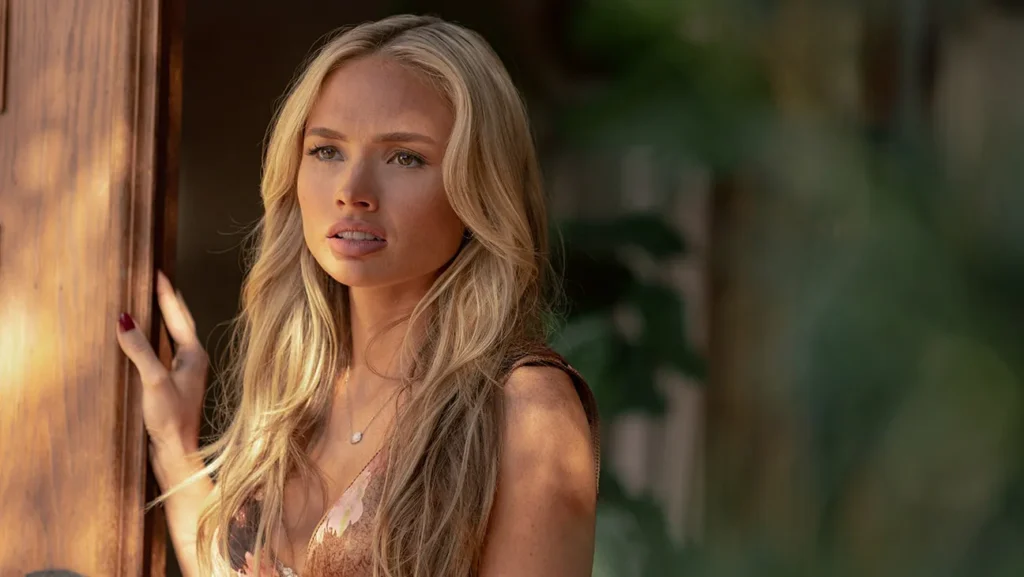
Following the season finale, fan reactions have been divided. Some viewers interpreted her character’s actions as calculated and ruthless, while others argued they reflected strategic decision-making in an environment where survival often demands difficult compromises.
It is precisely that uncertainty, according to many television critics, that makes the performance compelling.
Rather than delivering a one-dimensional antagonist, the series presents a figure whose motivations continue to evolve as the story unfolds. That ambiguity has encouraged widespread discussion online, with audiences debating whether her actions ultimately protect or threaten the future of the Dutton legacy.
As the franchise continues to expand, Bening’s role is expected to become increasingly significant in shaping future storylines. Her character’s decisions could influence not only individual relationships but also the broader power dynamics that have defined the Yellowstone universe from the very beginning.
For now, one thing appears certain: Annette Bening does not want audiences to reduce her performance to a simple label.
In a franchise built on shifting loyalties and impossible choices, she believes the most interesting characters are the ones who refuse to fit neatly into the role of either hero or villain.
Entertainment
HBO Chief Reacts to ‘Heated Rivalry’ Emmy Snub While Celebrating Network’s Major Wins
Responding to Heated Rivalry missing out on Emmy recognition, the HBO executive said they’re “just proud to have Season 2,” as the network celebrates another strong year at the Emmy nominations.
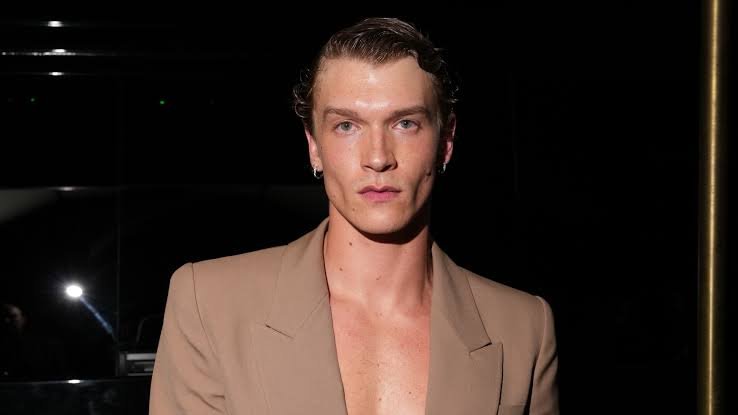
The latest Primetime Emmy Awards nominations brought plenty of reasons for celebration at HBO, but they also sparked conversations about one notable absence.
Although Heated Rivalry was unable to compete for Emmy recognition due to eligibility rules, Casey Bloys, Chairman and CEO of HBO and Max Content, made it clear that the project’s future matters more than missing out on this year’s awards.
Speaking after the Emmy nominations were announced, Bloys emphasized that his biggest satisfaction comes from the show’s continuation rather than its absence from the ballot.
“I’m just proud to have Season 2,” he said, underscoring his confidence in the series despite its ineligibility for this awards cycle.
A Strong Emmy Morning for HBO
While Heated Rivalry sat out this year’s competition, HBO still emerged as one of the day’s biggest winners.
Both The Pitt and Hacks earned significant recognition, reinforcing the network’s reputation for producing critically acclaimed programming across multiple genres.
ALSO READ : Sen. Elizabeth Warren Calls It a ‘Cesspool of Corruption’ — Here’s Why Senators Are Now Fighting Back Against the DOJ’s Live Nation Deal That Left Every Fan Betrayed…
The impressive performance reflects HBO’s continued investment in original storytelling, prestige dramas, and award-winning comedy.
Industry analysts noted that the nominations further strengthen HBO’s position in an increasingly competitive television landscape dominated by streaming platforms.
Why ‘Heated Rivalry’ Wasn’t Eligible
Awards eligibility often depends on strict submission windows established by the Television Academy.
In the case of Heated Rivalry, scheduling and release timing prevented the series from qualifying for this year’s Emmy race.
Rather than expressing disappointment, Bloys focused on the long-term success of the production, suggesting that future seasons remain the priority over immediate awards recognition.
The Conversation Around AI
Beyond the Emmy nominations, Bloys also addressed how rapidly artificial intelligence is becoming part of Hollywood’s broader discussion.
Referencing the industry’s evolving landscape and even mentioning the cult-favorite comedy The Comeback, he remarked that AI-related developments are moving at an extraordinary pace.
According to Bloys, technological breakthroughs are occurring so quickly that entirely new announcements could emerge within weeks, illustrating just how unpredictable the entertainment industry has become.

His comments reflect growing conversations across Hollywood, where studios, creators, and performers continue evaluating how AI may influence future production, writing, visual effects, and content creation.
Looking Beyond Awards
While Emmy recognition remains a prestigious milestone, HBO’s latest success demonstrates that awards are only one measure of achievement.
The network continues expanding its portfolio with ambitious dramas, acclaimed comedies, and high-profile streaming releases, maintaining its reputation as one of television’s most influential content creators.
For Casey Bloys, the focus appears firmly fixed on building long-term creative success rather than dwelling on one year’s eligibility rules.
With multiple acclaimed series already attracting critical praise and audiences worldwide, HBO heads into the remainder of the awards season with significant momentum—and plenty of reasons for optimism.

‘Summer House’ Cast Left Speechless by Emmy Nomination… “It Feels Surreal” After a Decade of Reality TV

Annette Bening Breaks Silence on ‘Yellowstone’ Finale: “Don’t Call Her the Dutton Ranch Villain…” Here’s Why Fans May Have Misjudged Her

HBO Chief Reacts to ‘Heated Rivalry’ Emmy Snub While Celebrating Network’s Major Wins

‘Supergirl’ Singer Surprised by Viral Response to Jimmy Eat World’s ‘The Middle’ Cover

Sky’s $2.1 Billion ITV Deal Could Redraw European TV… Is the ‘Get Big or Get Left Behind’ Era Finally Here?

1-Iran Issues Dire Warning to Israel and Defies Trump on Nukes: “We’re Ready to Strike Deep Inside”

Sen. Elizabeth Warren Calls It a ‘Cesspool of Corruption’ — Here’s Why Senators Are Now Fighting Back Against the DOJ’s Live Nation Deal That Left Every Fan Betrayed…

Donald Trump’s net worth reveals the fortune behind the former US President and business mogul

“Tomás Rodríguez Net Worth 2025: Panama’s Gold Cup Goal‑Machine’s Surprising Fortune Revealed”

“She Never Made It Out…” Albany House Fire Claims Woman’s Life as Family Pleads for Help to Bring Her Home

Miss Jamaica Suffers Terrifying Fall Off Miss Universe Stage; Rushed to Hospital on Stretcher in Viral Video

Moana Live-Action Teaser Sparks Outrage as Fans Call Disney’s Move a ‘Clear Money Grab’ — What Went Wrong?

Ryan Gosling’s Project Hail Mary Trailer Stuns Fans with a Mysterious Alien Ally and a Mission That Could Save Earth

Apple delays Jessica Chastain thriller The Savant about domestic extremism after recent US violence

Avatar 3, Fire and Ash trailer reveals Jake Sully’s family facing terrifying new Na’vi enemies with deadly fire powers
-

 Entertainment1 week ago
Hollywood’s New Box-Office Saviours Revealed: How Curry Barker Joined Guillermo del Toro’s Elite Circle
-

 Entertainment1 week ago
Why Is America Celebrating Dolly Parton Day on 9/25? The Sweet Meaning Revealed
-

 Entertainment4 days ago
Summer House Cast Celebrates First Emmy Nomination, Calls It Surreal
-

 Entertainment1 week ago
Creative Arts Emmys Night Two Winners: ‘Widow’s Bay’ Dominates, but Rob Reiner’s Emotional Victory Steals the Spotlight
-

 Tech6 days ago
Apple unveils iPhone 18 Pro series with a camera upgrade users have waited years for: Here’s what changed
-

 Entertainment4 days ago
‘The Gentlemen’ Season 2 Ending Explained by Theo James
-

 Entertainment4 days ago
Beyoncé Ends Two-Year Music Hiatus With ‘Morning Dew’… Fans Wonder If a Bigger Announcement Is Coming
-

 Entertainment4 days ago
Why Is America Turning 9/25 Into Dolly Parton Day? The Touching Meaning Behind the Date Revealed