
Entertainment
Bill Burr shocks fans after Riyadh comedy festival set says Saudis are just like us
Comedian Bill Burr opened up about his performance at the controversial Riyadh Comedy Festival, calling it one of the “top three experiences” of his career.

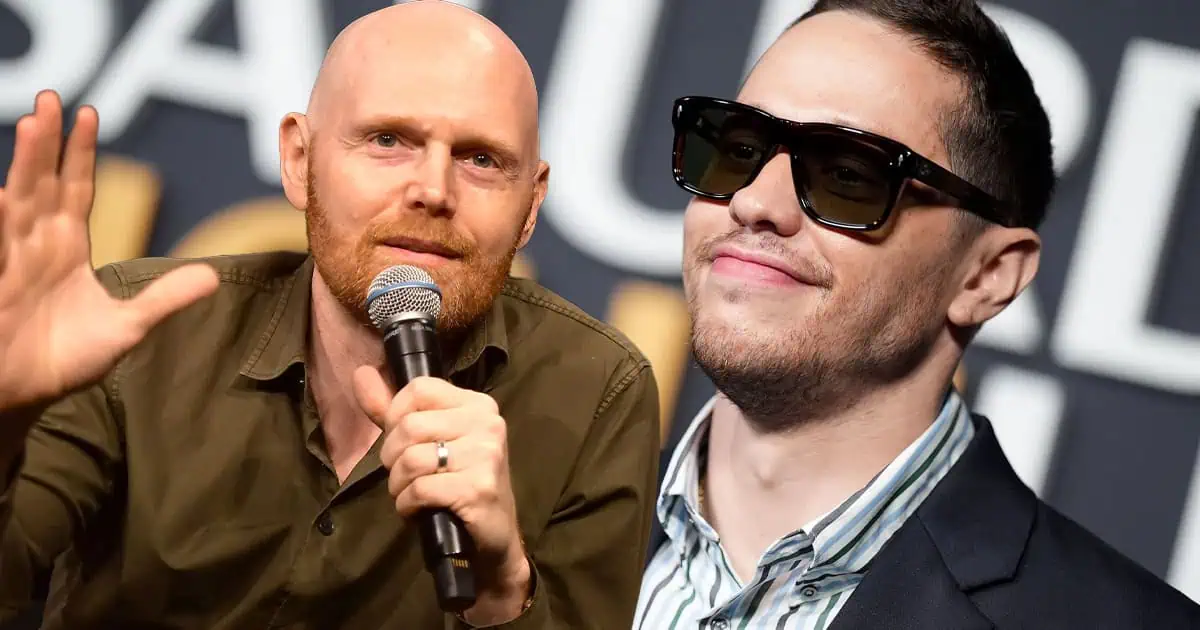
When Bill Burr took the stage at the Riyadh Comedy Festival this year, many fans back home were skeptical. Saudi Arabia’s human rights record and its strict cultural codes have long made Western performers hesitant to appear in the kingdom. Yet, Burr’s reflections on the event were anything but cautious.
Speaking after his set, the actor-comedian described the experience as “definitely one of the top three” of his entire career. “They’re just like us,” he insisted, referring to the Saudi audience. “I think it’s going to lead to a lot of positive things.”
ALSO READ : Taylor Swift says Elizabeth Taylor and Bruce Springsteen shaped her new album The Life of a Showgirl… here’s how
The remarks have sparked both praise and criticism. Supporters point out that Burr’s willingness to perform in Saudi Arabia represents an important step in cultural exchange. Critics, however, argue that comedy festivals like this one are part of the Saudi government’s broader push to “sportswash” or “culture-wash” its global image.

Burr, who has built his career on biting humor and an ability to call out hypocrisy, didn’t shy away from addressing the atmosphere. “You get on stage and realize people just want to laugh,” he said. “It doesn’t matter what language you speak or what flag you wave. The human reaction to a punchline is universal.”
The Riyadh Comedy Festival has previously hosted performers like Russell Peters and Trevor Noah, and is part of Saudi Arabia’s broader push to attract international entertainers under the Vision 2030 reforms spearheaded by Crown Prince Mohammed bin Salman.
While Burr avoided delving into politics, his words about the Saudi crowd echoed his long-standing philosophy that humor can connect people across boundaries. “When you’re in the room, you’re not thinking about geopolitics,” he explained. “You’re thinking about whether the joke lands. And they landed.”
Fans on X (formerly Twitter) were quick to respond. Some applauded his courage for going where many comics would not, writing, “Bill Burr just brought stand-up to Riyadh the way rock bands brought concerts to Moscow in the ’80s.” Others accused him of ignoring the serious realities of Saudi governance.
Regardless of the mixed reaction, Burr’s comments have reignited the debate about where entertainers should draw the line between cultural exchange and political endorsement. For Burr, though, the takeaway seemed clear: laughter transcends borders.
As he put it himself, “Comedy is meant to challenge, connect, and sometimes confuse. If I can do that in Boston, London, or Riyadh — I’m doing my job.”


Entertainment
Justin Baldoni Opens Up About Blake Lively Lawsuit: ‘The Last Two Years Have Been Incredibly Painful’
Calling the past two years “incredibly painful,” the filmmaker speaks candidly about the ongoing court battle and its effect on his family.
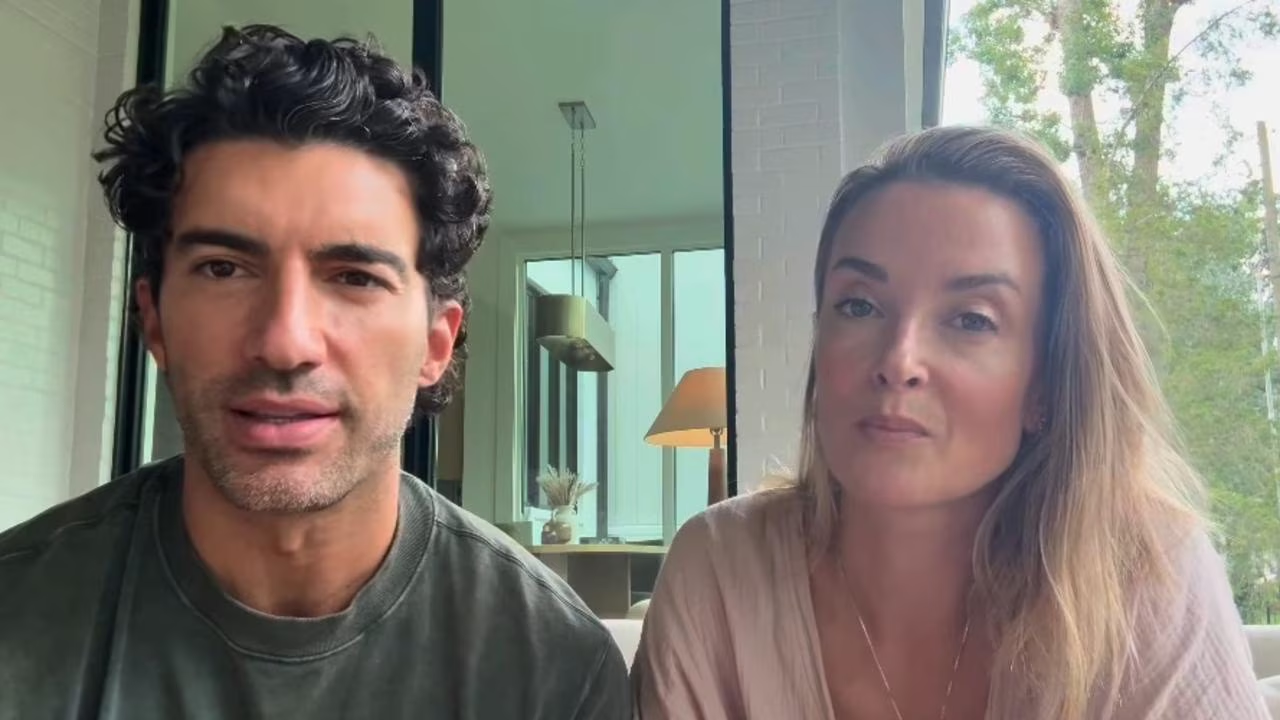
The long-running legal dispute surrounding Justin Baldoni and Blake Lively has taken another emotional turn, with the filmmaker publicly addressing the controversy for the first time in months.
Speaking candidly during a recent conversation, Baldoni reflected on the personal challenges he and his family have endured since the legal battle emerged from the production of It Ends With Us. While avoiding detailed comments on the ongoing proceedings, he admitted that the experience has been one of the most difficult periods of his life.
The actor-director acknowledged that the past two years have been filled with uncertainty, public scrutiny, and emotional strain. Rather than focusing on courtroom developments, Baldoni emphasized the importance of family, resilience, and maintaining perspective while navigating an issue that continues to attract global attention.
His wife, Emily Baldoni, also shared her thoughts, revealing how deeply the situation has affected their family. She said they have spent countless moments trying to understand how events unfolded the way they did.
ALSO READ : Sen. Elizabeth Warren Calls It a ‘Cesspool of Corruption’ — Here’s Why Senators Are Now Fighting Back Against the DOJ’s Live Nation Deal That Left Every Fan Betrayed…
“We’ve had to wrestle with so many things over the last two years. How could something like this even happen? Let alone disguised as a fight for women,” Emily said, highlighting the emotional confusion and frustration the family has experienced.
The remarks mark one of the rare occasions the Baldonis have publicly discussed the impact of the legal conflict beyond official court filings.
A Legal Battle That Continues to Draw Attention
The dispute between Justin Baldoni and Blake Lively stems from events connected to the film adaptation of It Ends With Us, based on the bestselling novel by Colleen Hoover.
Since the legal disagreement became public, it has sparked widespread debate across Hollywood and social media. Fans and industry observers have closely followed every development, while both sides have largely relied on legal filings and official statements instead of extensive public interviews.

Despite renewed media attention, neither party has indicated that the matter is nearing a resolution.
Keeping the Focus on Family
Throughout his recent comments, Baldoni avoided escalating the public narrative. Instead, he spoke about staying grounded through the support of his loved ones and remaining hopeful despite the challenges.
Emily echoed that sentiment, suggesting that the experience has tested their faith and resilience while reinforcing the importance of standing together as a family.
The couple’s remarks provide a more personal glimpse into the emotional impact of a legal dispute that has often been discussed only through headlines and court documents.
As legal proceedings continue, the case remains one of Hollywood’s most closely watched disputes, with audiences awaiting further developments while both parties continue to defend their respective positions through the legal process.
Entertainment
‘Adults’ Star Malik Elassal Breaks Down That Surprise Finale Hookup
The actor discusses Samir and Billie’s unexpected moment and the scene that required nearly 40 takes.

Some television scenes require dozens of takes because of complicated stunts or technical problems. For Malik Elassal and his Adults co-stars, the biggest obstacle was much simpler: nobody could stop laughing.
The actor and comedian, who plays Samir Rahman in the hit FX comedy, has revealed that one particularly chaotic Season 2 scene required approximately 40 takes to complete.
“I cannot convey to you how hard every single person was laughing on that day,” Elassal told The Hollywood Reporter.
The behind-the-scenes story perfectly reflects the appeal of Adults. The series may be carefully scripted, but its funniest moments often feel like five close friends struggling to maintain control while their lives collapse around them.
Season 2 ultimately gives Elassal an even larger challenge by ending with a completely unexpected development between Samir and his lifelong friend Billie.
Malik Elassal returns as the group’s lovable overthinker
Created by Ben Kronengold and Rebecca Shaw, Adults follows five twenty-somethings sharing Samir’s childhood home in Queens, New York.
ALSO READ : Sen. Elizabeth Warren Calls It a ‘Cesspool of Corruption’ — Here’s Why Senators Are Now Fighting Back Against the DOJ’s Live Nation Deal That Left Every Fan Betrayed…
The central group consists of Samir, Billie, Issa, Anton and Paul Baker—friends who are trying to become responsible adults despite rarely making responsible decisions.
Elassal’s Samir is one of the show’s most anxious and emotionally sincere characters. He can overthink an ordinary conversation until it becomes a crisis, yet his concern for the other roommates frequently gives the comedy its heart.
Elassal entered the series with a background in stand-up comedy, making him especially comfortable with awkward pauses, escalating misunderstandings and jokes that emerge from a character’s discomfort rather than a traditional punchline.
The scene that required 40 takes
Elassal described one Season 2 sequence as the most difficult scene to film because the performers repeatedly broke into laughter.
The cast reportedly had to attempt the moment around 40 times before everyone could complete it successfully. For a half-hour comedy working on a demanding production schedule, that number is extraordinary.
Yet it also reveals the genuine chemistry between Elassal and his co-stars. Their connection makes the characters’ friendship believable, but it can create problems when a scene becomes so ridiculous that remaining serious feels almost impossible.
What viewers eventually see is only the polished final version. Behind it were dozens of failed attempts, interrupted lines and actors trying desperately not to laugh at one another.
Samir and Carly face a painful decision
Much of Samir’s Season 2 storyline revolves around his relationship with Carly, played by Rachel Marsh.
For perhaps the first time, Samir discovers something he believes he is genuinely good at: being a boyfriend. That relationship gives him a new sense of confidence and emotional purpose.
However, Carly receives an opportunity to begin her dentistry residency in Seattle, forcing the couple to consider whether they can maintain a long-distance relationship.
They eventually decide to separate before distance makes the choice for them. The breakup leaves Samir vulnerable and uncertain about his place in the house, setting the emotional stage for the finale’s biggest surprise.
Billie and Samir’s secret hookup changes everything
The Season 2 finale, titled Vote for Paul Baker, appears to be building toward one major romantic conclusion.
After spending much of the season avoiding his feelings, Anton, played by Owen Thiele, finally admits that he loves Paul Baker, portrayed by Jack Innanen.
Their romantic moment feels like the finale’s natural ending—until the show reveals that another pair of roommates has crossed an unexpected boundary.
Billie, played by Lucy Freyer, and Samir emerge from a closed bedroom partially dressed. They carefully check the hallway before sharing a kiss, confirming that the lifelong friends have secretly slept together.
The scene is brief, but its consequences could reshape the entire series.
Unlike Anton and Paul’s increasingly public relationship, the Billie-Samir hookup remains known only to them and the audience. Nobody else in the house appears to know what happened.

Why did Samir and Billie choose each other?
The hookup does not arrive after a traditional romantic courtship. It happens when both characters are emotionally unsettled.
Samir is processing the end of his relationship with Carly and the loss of an identity that had begun to make him feel secure. Billie, meanwhile, is forced to confront how much she values the strange domestic life the group has created.
The possibility of Samir leaving the house makes Billie recognise that she does not necessarily want everything to change. Their night together appears impulsive, but it also grows from years of familiarity, trust and emotional dependence.
That combination makes the situation far more complicated than a casual hookup. They are not strangers who can simply avoid one another afterward—they are childhood friends living under the same roof.
Season 3 could become even messier
The finale leaves four members of the central group romantically connected: Anton with Paul Baker and Billie with Samir.
That arrangement places Issa, played by Amita Rao, in a particularly unusual position. She previously dated Paul Baker and is also closely connected to everyone involved.
Issa ends the season pursuing a possible connection of her own, but she could still have the strongest reaction when she learns what happened between Billie and Samir.
The secret also creates difficult questions for Samir. Was the hookup simply a response to his breakup, or have he and Billie been ignoring deeper feelings? Would revealing the truth bring the group closer, or threaten the living arrangement they have fought to protect?
The creators have indicated that they have numerous ideas for where these relationships could go. However, a third season had not been officially confirmed at the time of publication.
A breakout role built on genuine chemistry
Elassal’s performance works because Samir never feels like a collection of Gen Z stereotypes. Beneath the strange decisions and nervous energy is someone sincerely attempting to understand friendship, romance and adulthood.
The surprise finale allows the comedian to take that character somewhere emotionally riskier. If the series returns, Samir will have to face the consequences of becoming romantically involved with the person who arguably knows him better than anyone else.
For now, the closed bedroom door is keeping their secret. In a house occupied by five highly curious and frequently intrusive friends, it is unlikely to remain closed for long.
Adults Season 2 is available to stream on Hulu in the United States.
Entertainment
Fandango Eyes Streaming Shake-Up to Rival Tubi and Pluto TV
The entertainment platform is reportedly planning a major overhaul to strengthen its position in the free streaming market.

The battle for free streaming audiences is heating up, and one of the entertainment industry’s most recognizable brands is preparing for a dramatic reinvention.
Fandango is reportedly undergoing a significant overhaul as it seeks to compete more aggressively with leading free ad-supported streaming television (FAST) platforms such as Tubi and Pluto TV.
The move signals a broader shift in the streaming industry, where companies are increasingly investing in free, advertisement-supported content as consumers look for affordable alternatives to premium subscription services.
A New Chapter for Fandango
The upcoming revamp is expected to go far beyond a simple redesign.
According to reports, the Versant-owned media business plans to introduce a refreshed brand identity, expand its content offerings, and roll out new user-focused features designed to keep viewers engaged for longer periods.
ALSO READ : Sen. Elizabeth Warren Calls It a ‘Cesspool of Corruption’ — Here’s Why Senators Are Now Fighting Back Against the DOJ’s Live Nation Deal That Left Every Fan Betrayed…
While Fandango has long been associated with movie ticketing and digital movie services, the latest strategy suggests the company wants to become a more comprehensive entertainment destination rather than just a transactional platform.
The changes are intended to strengthen its position in an increasingly crowded streaming landscape.
Why Free Streaming Is Booming
The rise of free ad-supported streaming services has reshaped how audiences consume entertainment.
Instead of paying multiple monthly subscriptions, millions of viewers are turning to platforms that offer movies, television shows, and live channels at no cost in exchange for advertising.
Services such as Tubi, owned by Fox Corporation, and Pluto TV, operated by Paramount Global, have experienced rapid audience growth by combining extensive content libraries with an easy-to-access viewing experience.
This trend has encouraged more entertainment companies to rethink their streaming strategies.
Competition in Streaming Continues to Evolve
The streaming industry has become more competitive than ever.

While subscription platforms including Netflix, Disney+, and Max continue to dominate premium entertainment, free streaming services are steadily expanding their share of the market.
Analysts believe viewers are becoming more selective about subscription spending, creating new opportunities for ad-supported platforms that deliver quality content without monthly fees.
For companies like Fandango, adapting to these changing consumer habits may prove essential for long-term growth.
The Next Streaming Battle
As streaming habits continue to evolve, success will depend on more than simply offering a large catalog of movies and television shows.
User experience, content discovery, personalized recommendations, and exclusive programming are becoming equally important factors in attracting and retaining audiences.
Fandango’s planned transformation reflects a wider industry trend where entertainment brands are racing to reinvent themselves in response to changing viewer expectations.
Whether the overhaul will be enough to challenge established FAST leaders like Tubi and Pluto TV remains to be seen, but one thing is clear—the competition for free streaming audiences is only getting stronger.

Justin Baldoni Opens Up About Blake Lively Lawsuit: ‘The Last Two Years Have Been Incredibly Painful’

‘Adults’ Star Malik Elassal Breaks Down That Surprise Finale Hookup

Fandango Eyes Streaming Shake-Up to Rival Tubi and Pluto TV

Paul Verhoeven Criticizes Space Force’s Sci-Fi-Inspired Uniforms

Prosecutors Rule Out Death Penalty for Nick Reiner

1-Iran Issues Dire Warning to Israel and Defies Trump on Nukes: “We’re Ready to Strike Deep Inside”

Sen. Elizabeth Warren Calls It a ‘Cesspool of Corruption’ — Here’s Why Senators Are Now Fighting Back Against the DOJ’s Live Nation Deal That Left Every Fan Betrayed…

Donald Trump’s net worth reveals the fortune behind the former US President and business mogul

“Tomás Rodríguez Net Worth 2025: Panama’s Gold Cup Goal‑Machine’s Surprising Fortune Revealed”

“She Never Made It Out…” Albany House Fire Claims Woman’s Life as Family Pleads for Help to Bring Her Home

Miss Jamaica Suffers Terrifying Fall Off Miss Universe Stage; Rushed to Hospital on Stretcher in Viral Video

Moana Live-Action Teaser Sparks Outrage as Fans Call Disney’s Move a ‘Clear Money Grab’ — What Went Wrong?

Ryan Gosling’s Project Hail Mary Trailer Stuns Fans with a Mysterious Alien Ally and a Mission That Could Save Earth

Apple delays Jessica Chastain thriller The Savant about domestic extremism after recent US violence

Avatar 3, Fire and Ash trailer reveals Jake Sully’s family facing terrifying new Na’vi enemies with deadly fire powers
-

 Entertainment5 days ago
Summer House Cast Celebrates First Emmy Nomination, Calls It Surreal
-

 Entertainment1 week ago
Creative Arts Emmys Night Two Winners: ‘Widow’s Bay’ Dominates, but Rob Reiner’s Emotional Victory Steals the Spotlight
-

 Tech1 week ago
Apple unveils iPhone 18 Pro series with a camera upgrade users have waited years for: Here’s what changed
-

 Entertainment5 days ago
Beyoncé Ends Two-Year Music Hiatus With ‘Morning Dew’… Fans Wonder If a Bigger Announcement Is Coming
-

 Entertainment5 days ago
Why Is America Turning 9/25 Into Dolly Parton Day? The Touching Meaning Behind the Date Revealed
-

 Entertainment5 days ago
‘The Gentlemen’ Season 2 Ending Explained by Theo James
-

 Entertainment1 week ago
Elizabeth Holmes Opens Her Home to Cameras Before Prison in New Documentary Trailer: ‘I’m Always Being Real’…
-

 Entertainment5 days ago
Emmy Awards 2026 Predictions: First Post-Nominations Forecast Spotlights the Early Favorites