
Sports
Brian Wilson Biography The Beautifully Haunted Life of the Beach Boys Genius
From troubled genius to pop legend, the Beach Boys mastermind’s biography tells a story of brilliance, battles, and lasting impact


Brian Wilson wasn’t just the creative force behind the Beach Boys — he was the beating heart of one of America’s most iconic musical revolutions. A prodigy, a perfectionist, and a deeply sensitive soul, Wilson’s biography reads like a novel: meteoric rise, heartbreaking collapse, and a hard-fought return to grace.
Born Brian Douglas Wilson on June 20, 1942, in Inglewood, California, Wilson was the oldest of three boys raised by Audree and Murry Wilson. From a young age, he demonstrated a rare sensitivity to music — picking out harmonies by ear and quickly absorbing the styles of jazz, rock, and pop that would one day shape his sound.
It was clear early on that Brian’s musical mind was something extraordinary. Alongside his younger brothers Carl and Dennis, cousin Mike Love, and friend Al Jardine, he formed what would become The Beach Boys in 1961. Their breakout hit “Surfin’” catapulted them into stardom, and Wilson’s fingerprints were all over it — from the harmonies to the production.
By the time the band released Pet Sounds in 1966, Wilson had already cemented his place among the greatest composers in pop history. He wrote, arranged, and produced the album almost entirely on his own, crafting lush, emotional soundscapes that changed the course of music. Tracks like “Wouldn’t It Be Nice” and “God Only Knows” were more than hits — they were sonic masterpieces.

But Wilson’s genius came with deep personal costs. He was diagnosed later in life with schizoaffective disorder and bipolar disorder, conditions that contributed to decades of mental health struggles, seclusion, and substance abuse. The pressure of fame, combined with a toxic relationship with his father and later manipulation by those around him, led to long periods of withdrawal from both his family and the music scene.
Despite the turbulence, Wilson found periods of light. In the 1980s, he began a slow return to music and public life. He released a self-titled solo album in 1988, the same year the Beach Boys were inducted into the Rock and Roll Hall of Fame. More triumphs followed in the 2000s, when Wilson finally completed and released Smile — a long-lost project from the ’60s that fans had mythologized for decades.
As an elder statesman of pop, Wilson toured globally, performing Pet Sounds in its entirety to sold-out crowds. Fans of all ages got the chance to witness the man behind the music, sometimes shaky onstage but always sincere. His 2016 autobiography, I Am Brian Wilson, peeled back the curtain further, revealing the complicated layers of his soul.

Wilson was married twice and had seven children. He is survived by his children and grandchildren, many of whom were present in his later years as dementia began to dim the light of a man who had once lit up the world.
Despite it all, Wilson never lost his connection to the music — or the fans who felt like they truly knew him through it. “I just wanted to make music that made people feel happy and loved,” he once said. And that he did.
Brian Wilson wasn’t just a Beach Boy. He was the Beach Boy — the dreamer, the builder, the believer in sounds no one else could hear.












Sports
Cubs Shock MLB With Kevin Gausman Trade From Blue Jays: The Playoff Move That Could Change Everything…
Chicago lands an experienced ace-level starter ahead of the trade deadline, adding Kevin Gausman’s postseason pedigree and elite splitter to a rotation chasing October dreams.


Chicago Cubs Make Their Biggest Pitching Move Yet, Landing Kevin Gausman From Blue Jays
The Chicago Cubs have made their intentions clear—they are not waiting for the postseason race to decide their fate.
In a major trade deadline move, the Cubs have acquired veteran right-handed pitcher Kevin Gausman from the Toronto Blue Jays, adding a proven playoff performer to strengthen their starting rotation.
According to reports, Chicago sent Triple-A outfielder Brett Bateman and Class-A infielder Ty Southisene to Toronto in exchange for the 35-year-old pitcher.
The move gives the Cubs exactly what they were searching for—a reliable starter capable of handling high-pressure games when the calendar turns to October.
A Proven Arm Built for Big Moments
Gausman enters Chicago with years of experience against elite competition. While his 2026 numbers show some recent struggles, his overall body of work remains impressive.
The veteran right-hander has posted a 4.38 ERA this season with 127 strikeouts and owns a career postseason ERA of 3.83 across 14 playoff appearances.
His greatest weapon has always been his devastating splitter and powerful fastball combination. During the Statcast era, Gausman has recorded more splitter strikeouts than any other pitcher, becoming one of the most dominant users of the pitch in modern baseball.
Why the Cubs Wanted Him
Chicago’s rotation has dealt with injuries throughout the season, making additional pitching depth a priority.
Gausman joins a rotation featuring Matthew Boyd and Shota Imanaga, while recently acquired left-hander David Peterson has also provided strong performances.
The Cubs currently find themselves chasing the Milwaukee Brewers in the standings, trailing by 6.5 games ahead of the trade deadline.
Adding a pitcher with more than 1,000 career innings and extensive playoff experience signals that Chicago believes it can still make a serious postseason push.
A Contract That Delivered More Than Expected
Gausman originally signed a five-year, $110 million contract, and despite recent inconsistency, his production over that period has been among the best in baseball.
Since signing the deal, he has accumulated approximately 20.1 WAR, ranking him among the most valuable pitchers in the league during that stretch.
However, the timing of the trade comes during a difficult personal stretch for the pitcher. Gausman has recorded a 6.47 ERA over his last eight starts, including a rough outing at Wrigley Field where he allowed seven runs in only two innings.
But his final start with Toronto showed signs of improvement, as he gave up just one run over 5⅔ innings.

Blue Jays Receive Two Promising Prospects
While Chicago gains immediate pitching help, Toronto adds young talent for the future.
Brett Bateman, a 24-year-old outfielder selected in the eighth round of the 2023 draft, was hitting .312 in Triple-A before the trade.
Ty Southisene, a 21-year-old infielder drafted in the fourth round of the 2024 draft, impressed with his speed and athleticism, collecting 31 stolen bases across Class-A levels this season.
The Blue Jays now hope the two prospects can become part of their next generation of talent.
Could Gausman Be the Missing Piece for Chicago?
The Cubs have been searching for the kind of experienced postseason arm that can change the direction of a playoff series.
Kevin Gausman brings exactly that: a veteran presence, elite strikeout ability, and the confidence that comes from years of pitching against the best hitters in baseball.
The upcoming matchup between the Cubs and Blue Jays at Wrigley Field could potentially mark Gausman’s Chicago debut, adding an immediate storyline to an already important stretch of the season.
For Cubs fans, this trade represents more than just another roster addition—it is a message that October baseball remains the goal.
Sports
Lionel Messi Returns Home After Argentina’s Heartbreaking World Cup Final Defeat to Spain
The Argentina captain received an emotional welcome in his hometown as fans reflected on the team’s narrow loss in the FIFA World Cup 2026 final.

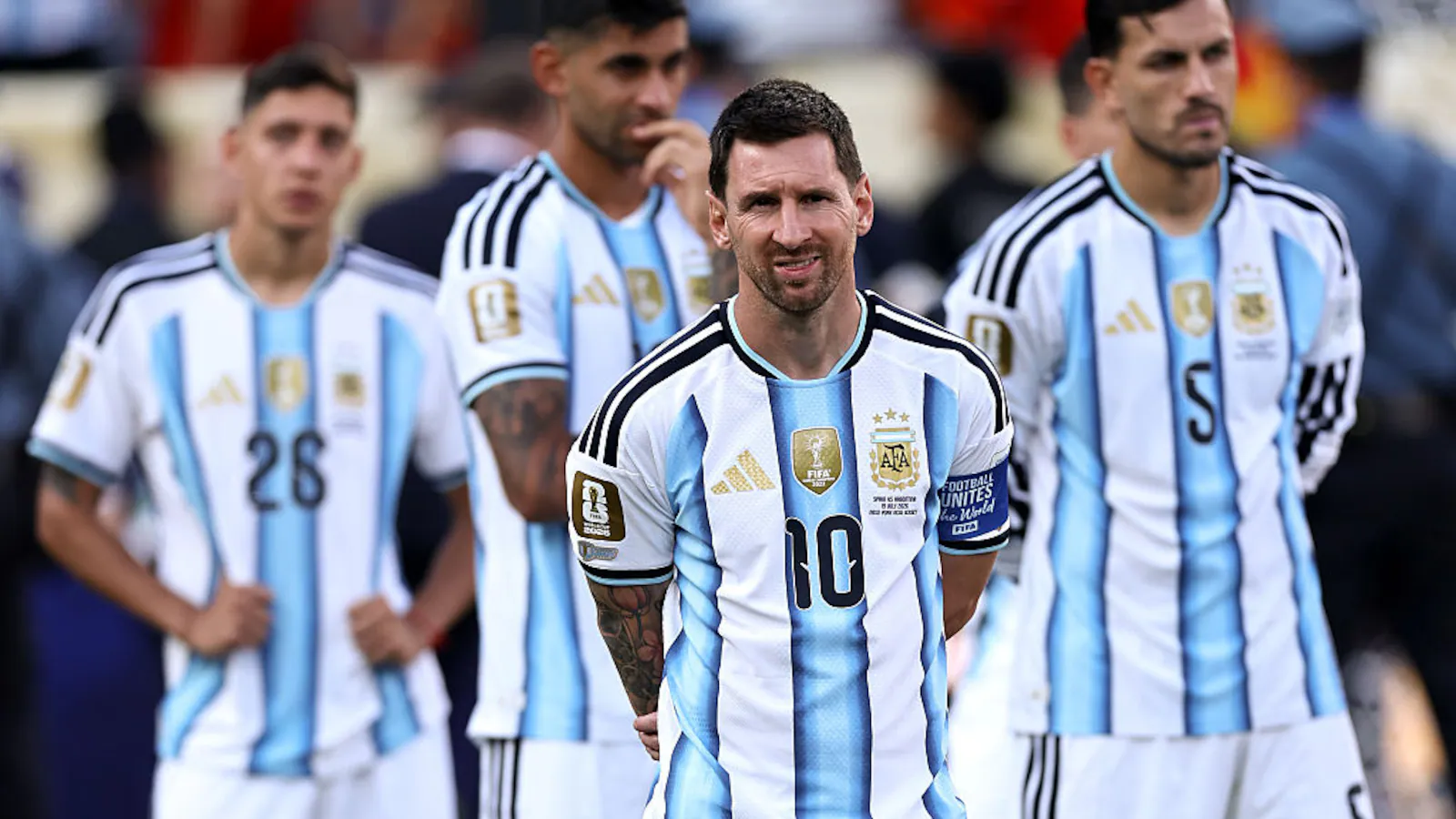
Argentina captain Lionel Messi returned to his hometown on Tuesday following one of the most emotional moments of his illustrious career. Just days after Argentina suffered a heartbreaking 1-0 extra-time defeat to Spain in the FIFA World Cup 2026 final, the football icon arrived home for a brief period of rest and recovery.
The World Cup final ended Argentina’s hopes of retaining the biggest prize in international football. While Spain celebrated a historic triumph, Messi and his teammates were left to reflect on a campaign that came agonisingly close to another world title.
A Quiet Return After a Painful Defeat
Unlike the jubilant scenes that often accompany World Cup success, Messi’s return was a low-key affair. The Argentine superstar chose to head back to his hometown to spend a few days with family after an intense and emotionally demanding tournament.
The 39-year-old carried Argentina’s expectations throughout the competition, once again proving why he remains one of football’s greatest players. Despite the disappointment of the final, his performances earned praise from fans and football experts around the world.
ALSO READ : Lionel Messi vs Diego Maradona: Is Argentina’s World Cup Hero Finally Above The Legend? Bhaichung Bhutia Gives His Verdict…
World Cup Journey Ends in Heartbreak
Argentina entered the final with hopes of adding another chapter to its rich football history. However, Spain produced a disciplined display and secured a narrow victory in extra time to lift the FIFA World Cup trophy.
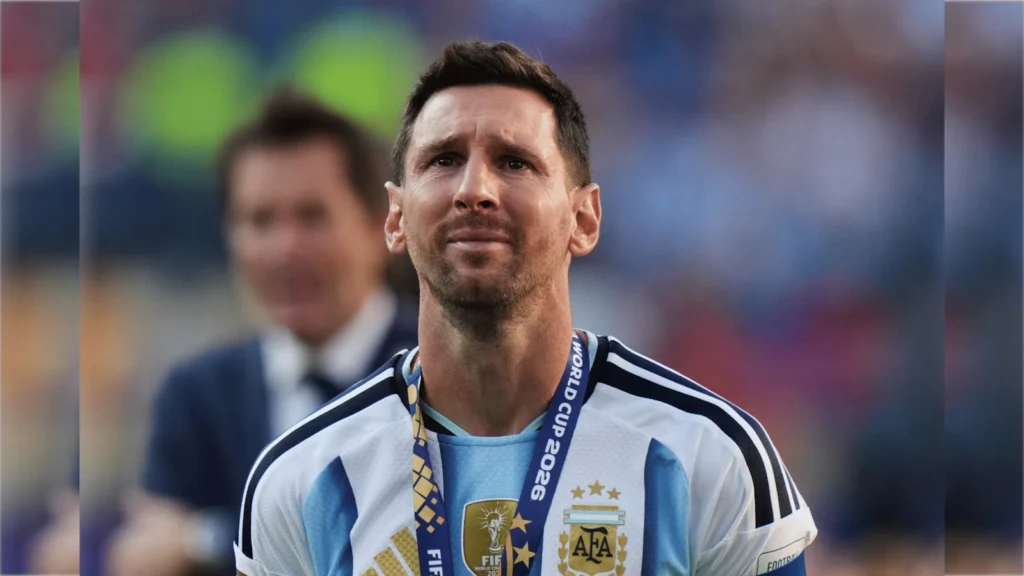
Messi battled throughout the tournament, leading from the front with his creativity, experience and leadership. Although the result did not go Argentina’s way, his contribution remained one of the defining stories of the competition.
Focus Now Shifts to Club Football
After spending a few days in Argentina, Messi is expected to return to Inter Miami CF to resume club duties.
The short break will allow him to recover from the physical and mental demands of the World Cup before rejoining his teammates. Supporters will now be eagerly waiting to see the eight-time Ballon d’Or winner back in action as Inter Miami continues its campaign.
Legacy Remains Untouched
Although the World Cup final ended in disappointment, Messi’s legacy remains firmly intact. His leadership, consistency and influence on world football continue to inspire millions across generations.
For Argentina, the defeat will be painful to accept, but for Messi, another chapter now begins as he turns his attention back to club football while reflecting on yet another memorable World Cup journey.
Sports
Vita Vea Wants Out of Tampa Bay: Two-Time Pro Bowl Star Requests Buccaneers Trade After Contract Talks Stall
The veteran defensive tackle is entering the final year of his four-year, $71 million deal, with his future in Tampa Bay now uncertain as training camp approaches.
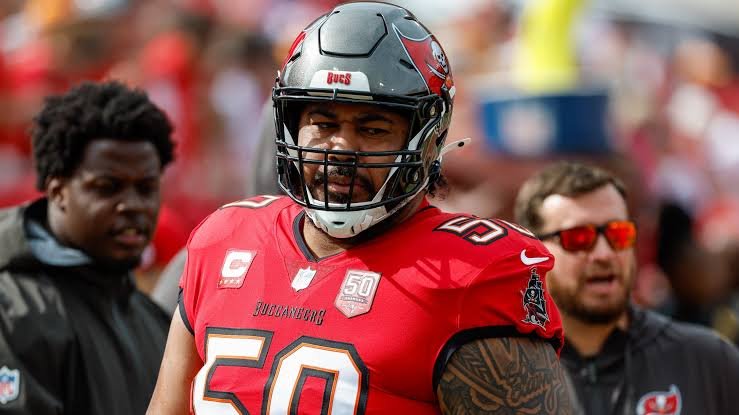
TAMPA, FLORIDA: The Tampa Bay Buccaneers could be facing a major defensive shake-up after two-time Pro Bowl defensive tackle Vita Vea requested a trade, according to his agent Collin Roberts.
The trade request comes after contract extension talks between Vea and the Buccaneers reportedly stalled, putting the future of one of Tampa Bay’s most important defensive players under the spotlight just as the team prepares to open training camp.
Vea is entering the final season of his current four-year, $71 million contract. The 31-year-old is scheduled to earn $17 million this season, although none of that money is guaranteed. His deal also includes a per-game roster bonus that can total up to $1 million.
The situation has been developing for some time.
Vea was a hold-in during the Buccaneers’ mandatory minicamp last month because of his contract situation. Unlike a traditional holdout, a hold-in involves a player reporting to team activities but not fully participating.
At the time, head coach Todd Bowles played down concerns surrounding the situation, describing it as “part of the business.”
Now, with veteran players scheduled to report for training camp, the contract dispute has taken a more serious turn.
Vita Vea Has Been a Key Part of Tampa Bay’s Defense
Since being selected by the Buccaneers with the 12th overall pick in the 2018 NFL Draft, Vea has established himself as a powerful force in the middle of Tampa Bay’s defensive line.
The 6-foot-4, 347-pound defensive tackle has played eight NFL seasons and has recorded 35 career sacks. His ability to occupy blockers and disrupt the interior of opposing offensive lines has made him a crucial part of the Buccaneers’ defensive identity.
Vea was named to the Pro Bowl in 2021 and again in 2024.
His most recent season was also one of his most durable. Vea appeared in all 17 games, finishing with 4.5 sacks, 13 quarterback hits and 34 tackles.
For Tampa Bay, losing him would create an immediate challenge.
Finding a player capable of replacing Vea’s combination of size, strength and experience would not be easy, particularly with the regular season approaching.
Contract Situation Puts Buccaneers in Difficult Position
The timing of Vea’s trade request is particularly significant because the Buccaneers have another major contract situation involving their quarterback.
Baker Mayfield, who is entering the final season of a three-year, $100 million contract, is also seeking an extension.
Mayfield participated fully in minicamp, but he acknowledged last month that negotiations were “anywhere close” to being completed. He also indicated that he would not continue contract discussions once training camp began.
That leaves Tampa Bay facing important decisions involving two of the team’s most recognizable players.
While Vea has now requested a trade, Mayfield remains with the team and is expected to lead the offense into the new season.
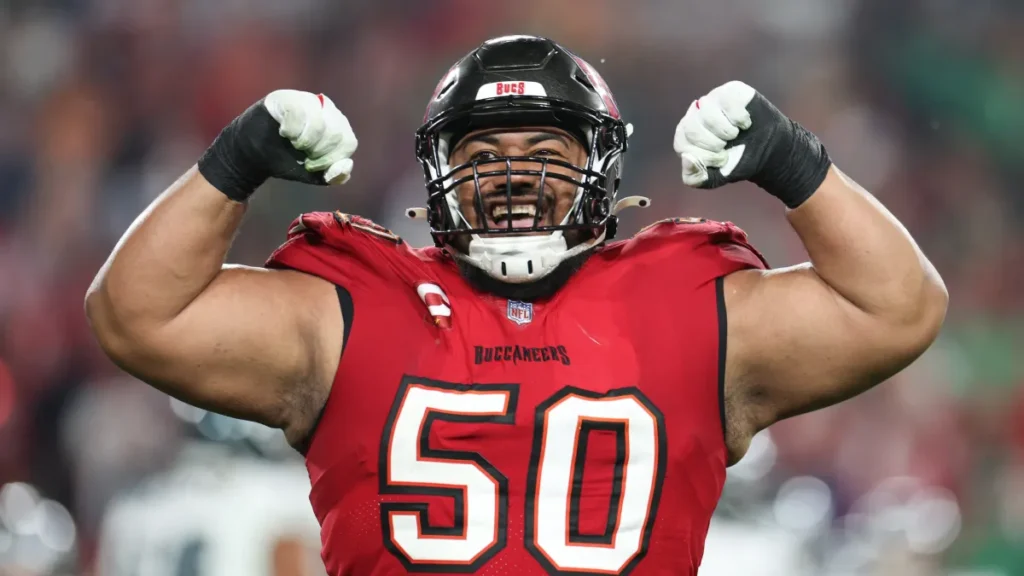
What Happens Next for Vita Vea?
The immediate question is whether the Buccaneers will attempt to repair the relationship with Vea or explore trade possibilities.
Vea’s age, contract status and recent production could all influence his market. A team acquiring him would have to consider not only the trade compensation but also the possibility of negotiating a new contract with the veteran defensive tackle.
For Tampa Bay, the decision could be even more complicated.
Trading Vea would potentially provide valuable draft compensation, but it would also remove a proven interior defender from a team that has relied heavily on his presence for years.
The Buccaneers now have to decide whether Vea remains part of their long-term plans or whether the stalled extension talks have pushed the relationship beyond repair.
With training camp arriving, the situation is likely to become one of the biggest storylines surrounding Tampa Bay.
Vea has already made his position clear.
Now, the ball is in the Buccaneers’ court.

Harry Styles Scraps São Paulo Concert Following Tour Illness

Inside Venice Film Festival’s Biggest Talking Points: Hollywood, AI and the Fight for Gender Equality

Venice Film Festival to Close With Giovanni Veronesi’s Historical Drama ‘Dio Ride’

Paramount–Warner Bros. Merger Pause Extended Amid Ongoing Legal Proceedings

Pedro Pascal’s ‘Behemoth!’ Set for Prestigious NY Film Festival Premiere… Tony Gilroy’s Mystery Drama Is Already Building Awards Buzz

1-Iran Issues Dire Warning to Israel and Defies Trump on Nukes: “We’re Ready to Strike Deep Inside”

Donald Trump’s net worth reveals the fortune behind the former US President and business mogul

Sen. Elizabeth Warren Calls It a ‘Cesspool of Corruption’ — Here’s Why Senators Are Now Fighting Back Against the DOJ’s Live Nation Deal That Left Every Fan Betrayed…

“She Never Made It Out…” Albany House Fire Claims Woman’s Life as Family Pleads for Help to Bring Her Home

“Tomás Rodríguez Net Worth 2025: Panama’s Gold Cup Goal‑Machine’s Surprising Fortune Revealed”

Miss Jamaica Suffers Terrifying Fall Off Miss Universe Stage; Rushed to Hospital on Stretcher in Viral Video

Moana Live-Action Teaser Sparks Outrage as Fans Call Disney’s Move a ‘Clear Money Grab’ — What Went Wrong?

Ryan Gosling’s Project Hail Mary Trailer Stuns Fans with a Mysterious Alien Ally and a Mission That Could Save Earth

Apple delays Jessica Chastain thriller The Savant about domestic extremism after recent US violence

Avatar 3, Fire and Ash trailer reveals Jake Sully’s family facing terrifying new Na’vi enemies with deadly fire powers
-

 Entertainment1 week ago
Himesh Patel Lands Christopher Nolan Project After Yesterday Breakthrough
-
 Entertainment1 week ago
Taylor Swift and Travis Kelce’s Rumored Madison Square Garden Wedding Has Fans Asking: ‘Could This Really Be Happening?’
-

 Entertainment1 week ago
Spencer Pratt Slams Gavin Newsom and Rob Bonta Over Paramount Lawsuit
-
 Politics5 days ago
Todd Blanche Clears Major Senate Hurdle After Scrapping $1.8 Billion Fund—Will Confirmation Finally Move Forward?
-
 Sports1 week ago
Lionel Messi Returns Home After Argentina’s Heartbreaking World Cup Final Defeat to Spain
-

 Entertainment1 week ago
“It’s a Bloodbath” Emma D’Arcy and Matt Smith Tease House of the Dragon Season 3 as Fans Brace for the Biggest War Yet
-

 Entertainment1 week ago
Nicholas Duvernay Opens Up About Life After The White Lotus
-

 Entertainment1 week ago
Jesus’ Final Path Begins as The Chosen Season 6 Teaser Sparks Fan Emotions
Pingback: Brian Wilson Net Worth Revealed The Musical Legend Who Turned Heartache into Millions - Daily Global Diary
Pingback: Brian Wilson’s Cause of Death Revealed Fans Mourn the Final Chapter of a Musical Genius - Daily Global Diary