
Entertainment
California’s Paramount–Warner Bros. Fight Ended Suddenly Here’s What Changed
California’s decision to settle followed mounting legal risks and disagreements within the coalition fighting the Hollywood mega-merger.

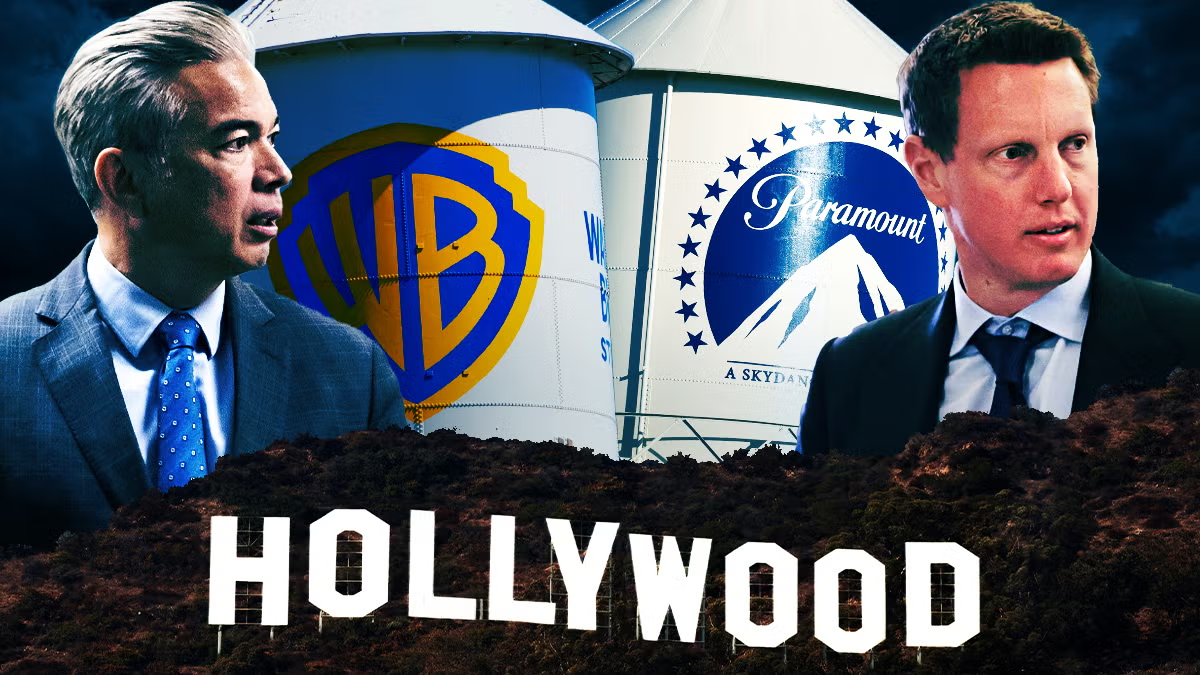
For months, California presented itself as the most formidable obstacle standing between Paramount Skydance and its proposed acquisition of Warner Bros. Discovery.
California Attorney General Rob Bonta, joined by attorneys general from 11 other states, filed an antitrust lawsuit in July seeking to block the deal. The coalition warned that combining two of Hollywood’s most powerful entertainment businesses could weaken competition, reduce employment opportunities and give the merged company greater control over film distribution, cable television and streaming.
Then came the reversal.
Instead of taking the case through a potentially explosive trial, California and the other participating states accepted a settlement that cleared a major legal hurdle for the merger. The Writers Guild of America also resolved its parallel challenge, even while maintaining that the combination could still damage writers and the wider entertainment industry.
So, what changed?
The courtroom outcome was never guaranteed
California had built an ambitious case, but antitrust litigation—particularly in the rapidly changing entertainment market—can be unpredictable.
The states argued that the combined company would control roughly 27% of the market for films distributed to American cinemas, about 30% of blockbuster-film distribution and approximately 27% of basic cable channels. Paramount rejected that interpretation, insisting that regulators were relying on an outdated picture of competition that did not adequately account for companies such as Netflix, Amazon and The Walt Disney Company.
ALSO READ : Cynthia Nixon’s Support Draws Attention as Christine Marinoni Secures NYC Education Post
Taking the dispute to trial would therefore have been a gamble for both sides. California could have won an order blocking the transaction—but it also risked losing the case and walking away without any enforceable protections for workers, theatres or consumers.
A settlement allowed the states to secure immediate commitments instead of betting everything on a judge’s final ruling.
Paramount’s possible California exit raised the political stakes
The legal dispute was never confined to the courtroom.
Led by chief executive David Ellison, Paramount reportedly considered moving important operations away from California as its confrontation with Bonta intensified. Tennessee was among the locations discussed, according to reports.
That possibility created a deeply uncomfortable political calculation. California officials could continue fighting a merger they believed threatened Hollywood—or risk being blamed if one of the industry’s most recognisable studios moved jobs and investment elsewhere.
Governor Gavin Newsom reportedly helped mediate between the two sides. Paramount’s potential departure would have been both an economic setback and a symbolic blow for a state already struggling to prevent film and television production from migrating to cheaper locations.
Paramount put $1.5 billion on the table
The decisive breakthrough came through a series of commitments designed to make settlement politically and economically defensible.
Paramount agreed to increase domestic film-production spending by at least $300 million annually compared with its 2025 level—a minimum additional investment of $1.5 billion over five years.
The merged company must also release at least 30 theatrical films annually during the settlement’s first two years, rising to 32 films per year during the following three years. Its yearly slate must include at least four independent films, while a minimum of 20% must qualify as major tentpole releases.
Failure to meet the annual release requirement could cost the company $30 million for every missing film, with much of that money directed towards entertainment workers, industry programmes and antitrust enforcement.
The agreement additionally requires the preservation of both companies’ physical studio lots, compliance with existing collective-bargaining agreements and annual investment in workforce training, education and community arts initiatives.
The coalition was no longer completely united
Another crucial factor was the growing tension within the alliance opposing the merger.
Not every participating state shared the same appetite for a lengthy and expensive trial. Some officials reportedly viewed enforceable production and labour commitments as a practical victory, while others preferred stronger structural remedies—such as forcing Paramount to sell channels, studios or other assets.

Outside the coalition, Iowa and Montana even sought intervention from the United States Supreme Court against the states’ challenge.
The Writers Guild faced a similar strategic problem. Once the government plaintiffs chose settlement, the union would have been required to continue an enormously expensive and complicated antitrust case largely on its own. The WGA said it still believed the merger would harm the industry, but acknowledged the financial reality of proceeding without government enforcement agencies beside it.
The settlement protects theatres and newsrooms—but only temporarily
Under the agreement, the legacy Paramount and Warner Bros. businesses must negotiate basic-cable carriage agreements independently for five years. Information barriers are also intended to prevent either side from exploiting the other company’s confidential licensing data.
Fees charged to cinema operators must remain flat for three years, providing temporary protection against sudden increases after the merger.
The company must also establish an independent editorial board covering CBS News and CNN. The board is intended to protect fact-based reporting and editorial autonomy as two major American news organisations come under the same corporate leadership.
However, critics argue that these behavioural safeguards are no substitute for maintaining competition. Most of the commitments expire after three to five years, and Paramount was not required to sell any significant studio, television network or entertainment franchise.
Bonta insists the settlement is not an endorsement
Bonta has attempted to draw a careful distinction between accepting the settlement and supporting the merger.
Calling the agreement “not a vote of support,” he acknowledged that the acquisition does not necessarily serve competition well. His defence is that the negotiated conditions deliver measurable benefits—more production, financial penalties for missed targets and additional oversight—that might have disappeared entirely if California lost at trial.
The decision still represents a dramatic retreat from the state’s original demand to block the transaction. It also delivers a major victory to Ellison, who can now bring HBO, Paramount+, CNN, CBS and two historic film studios under one corporate umbrella.
Paramount was facing another powerful deadline: it could have owed Warner Bros. Discovery shareholders approximately $7 million for every day the deal remained unfinished after September 30. That ticking financial clock encouraged the company to improve its offer—but it also intensified pressure on every party to find an agreement.
California did not suddenly conclude that the merger was harmless. It settled because the alternative involved political danger, a divided alliance, enormous litigation costs and an uncertain courtroom verdict.
The state extracted billions in production commitments and several temporary protections. Paramount, however, secured the prize that mattered most: permission to create one of the most powerful media conglomerates in Hollywood history.
Whether that bargain protects Hollywood—or merely postpones the consequences of consolidation—will become clear only after the cameras start rolling.






Entertainment
Jesse Eisenberg Looks to Europe for Creative Freedom as U.S. Film Landscape Shifts
The actor and filmmaker says the kinds of movies that inspire him are becoming increasingly difficult to produce in the United States, prompting him to explore new opportunities across Europe.

Award-winning actor and filmmaker Jesse Eisenberg is looking toward Europe for the next stage of his creative journey, sharing candid thoughts about filmmaking, artistic freedom, and his growing connection to Poland.
The ‘The Social Network’ star recently received a warm reception at the prestigious Karlovy Vary International Film Festival in the Czech Republic, where he was honored with the Festival President’s Award. The recognition came ahead of a special screening of Richard Ayoade’s acclaimed film ‘The Double’, in which Eisenberg delivered one of his most memorable performances.
As festival attendees welcomed him with a standing ovation, Eisenberg spoke openly about his future plans and his desire to spend more time working in Europe. Among the most notable revelations was his intention to obtain Polish citizenship, a move that reflects both personal and professional ties to the country.
The actor explained that Europe increasingly appeals to him as a place where certain kinds of stories and filmmaking approaches continue to thrive. He suggested that many of the character-driven and artistically ambitious projects he enjoys are becoming harder to produce within the current Hollywood system.
ALSO READ : Emmy Nominations Announcement Gets a Star Twist… Liza Colón-Zayas & Jeff Hiller Set to Reveal 2026 TV Nominees
According to Eisenberg, the American film industry has undergone significant changes in recent years. Large-scale franchise productions and blockbuster-driven business models have become increasingly dominant, leaving less space for the smaller, nuanced films that traditionally attracted independent filmmakers and audiences seeking unique storytelling.
His comments resonate with a broader discussion taking place across the entertainment industry. Many filmmakers and actors have expressed concerns that mid-budget dramas, experimental narratives, and unconventional stories face growing challenges in securing financing and widespread distribution.
For Eisenberg, whose career has been built on intelligent, character-focused performances, the issue is particularly relevant. Over the years, he has earned praise for roles in films such as ‘The Social Network,’ ‘Zombieland,’ ‘The Double,’ and ‘A Real Pain,’ establishing a reputation for choosing projects that prioritize storytelling over spectacle.

The actor’s interest in Polish citizenship also carries personal significance. In recent years, Eisenberg has spoken about his family’s history and heritage, which have helped strengthen his connection to Poland and inspired several creative projects.
The recognition at Karlovy Vary marked another important milestone in a career that continues to evolve beyond acting. In addition to performing, Eisenberg has increasingly focused on writing and directing, earning acclaim for his work behind the camera and demonstrating a commitment to exploring meaningful, human-centered stories.
Industry observers note that Europe has become an increasingly attractive destination for filmmakers seeking creative flexibility and diverse funding opportunities. Film festivals across the continent continue to champion independent cinema, providing a platform for voices that may struggle to find space in more commercially driven markets.
As he looks ahead, Eisenberg appears eager to embrace new opportunities while remaining true to the type of filmmaking that first inspired him. His remarks suggest that Europe may play a major role in that future.
For fans and cinephiles alike, the message was clear: while Hollywood remains a global powerhouse, artists such as Jesse Eisenberg are increasingly searching beyond traditional boundaries to tell the stories they believe matter most.
Entertainment
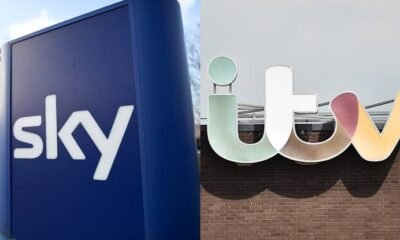
Sky’s $2.13 Billion ITV Deal: What’s Next for ITV Studios?
sky-2-13-billion-itv-deal-what-happens-to-itv-studios-next-2

The British media industry is preparing for one of its biggest transformations in recent years after Sky, the European media giant owned by Comcast, announced plans to acquire the networks and streaming businesses of ITV in a deal valued at approximately $2.13 billion.
The transaction marks a significant shift in the UK’s television and streaming market, bringing together two of the country’s most recognizable broadcasting brands under a single umbrella. While the deal includes ITV’s broadcast channels and digital streaming operations, the company’s highly successful production division, ITV Studios, will be separated and continue operating as an independent business.
Industry analysts view the move as a strategic effort by Comcast and Sky to strengthen their position in an increasingly competitive entertainment landscape dominated by global streaming platforms.
A Major Reshaping of British Broadcasting
The acquisition would give Sky greater control over premium content distribution and expand its reach across traditional television and streaming audiences. ITV has long been one of Britain’s most influential broadcasters, operating popular television networks and digital services that attract millions of viewers every week.
ALSO READ : Sen. Elizabeth Warren Calls It a ‘Cesspool of Corruption’ — Here’s Why Senators Are Now Fighting Back Against the DOJ’s Live Nation Deal That Left Every Fan Betrayed…
By bringing ITV’s media assets into the Sky ecosystem, Comcast is expected to create new opportunities for content sharing, advertising growth, and streaming expansion. The move also reflects a broader trend across the global media industry, where companies are consolidating resources to compete with streaming giants such as Netflix and Disney.
ITV Studios Set for a New Chapter
One of the most notable aspects of the deal is the future of ITV Studios, which will become a standalone company following the transaction.
ITV Studios is widely regarded as one of the world’s leading television production businesses, producing content for broadcasters and streaming platforms across multiple countries. Its portfolio includes reality shows, dramas, entertainment programs, and international productions that have achieved global recognition.

Media experts believe the separation could provide ITV Studios with greater flexibility to pursue partnerships and content opportunities worldwide without being tied directly to a broadcaster.
Strategic Benefits for Comcast and Sky
For Comcast, the acquisition represents another major investment in European media. The company has continued to expand internationally since acquiring Sky, and the addition of ITV’s broadcasting and streaming assets would further strengthen its presence in key markets.
Meanwhile, Sky gains access to ITV’s established audience base, extensive advertising relationships, and popular entertainment brands. Executives are expected to focus on combining strengths across television, digital streaming, and content distribution.
Industry observers suggest the merger could accelerate innovation in the streaming sector, where traditional broadcasters are facing growing pressure from on-demand viewing habits and changing consumer preferences.
Regulatory Attention Expected
As with any major media transaction, the proposed acquisition is likely to attract scrutiny from regulators and competition authorities. Officials will examine the impact on media plurality, market competition, and consumer choice before any final approval is granted.
Despite potential regulatory hurdles, the announcement has already generated significant discussion across the entertainment and broadcasting sectors. Investors and analysts will closely watch how the transaction progresses and what it means for the future of British television.
What Comes Next?
If completed, the deal would represent one of the most significant changes in the UK media industry in recent years. Sky would absorb ITV’s networks and streaming operations, while ITV Studios embarks on a new journey as an independent production powerhouse.
The transaction highlights the continuing evolution of the global media business, where scale, content ownership, and streaming capabilities are increasingly becoming the keys to long-term success.
For viewers, advertisers, and industry stakeholders alike, the coming months could redefine the future of British broadcasting.
Entertainment
Meg Donnelly’s Career Takes a Major Turn With New Hollywood Power Move
meg-donnelly-career-major-turn-hollywood-power-move

Rising Hollywood star Meg Donnelly has officially signed with powerhouse talent agency WME (William Morris Endeavor) in a full-scale, all-areas representation deal—signaling a significant new chapter in her rapidly evolving career.
The move comes at a pivotal moment for Donnelly, who has been steadily building momentum across acting and music while expanding her presence on stage and screen.
Fresh off her acclaimed Broadway debut in Moulin Rouge! The Musical and the release of her debut EP Dying Art, Donnelly is now positioning herself for a broader push into film, television, music, and global entertainment opportunities.
From Disney Fame to Broadway Spotlight
Meg Donnelly first rose to prominence through her work in the Disney universe, particularly the hit musical film franchise Zombies, where she became a fan favorite for her energetic performances and strong vocal presence.
Over time, she has successfully transitioned from teen star to a more versatile performer, taking on increasingly complex roles and expanding her artistic range.
Her recent Broadway appearance in Moulin Rouge! marked a defining moment in that evolution, showcasing her ability to perform live on one of theatre’s most demanding stages.
ALSO READ : Sen. Elizabeth Warren Calls It a ‘Cesspool of Corruption’ — Here’s Why Senators Are Now Fighting Back Against the DOJ’s Live Nation Deal That Left Every Fan Betrayed…
A Strategic Move With WME
The signing with WME, one of the most influential talent agencies in the entertainment industry, is widely seen as a strategic step designed to elevate Donnelly’s career to the next level.
WME represents a wide roster of global talent across film, television, music, sports, and digital media, including some of the biggest names in Hollywood.
With “all areas” representation, Donnelly will now have access to expanded opportunities spanning acting roles, music collaborations, brand partnerships, and international projects.
Industry insiders often view such deals as a sign that an artist is preparing for a major career expansion.
Music Career Gaining Momentum
Alongside her acting success, Donnelly has also been steadily building her identity as a musician.
Her EP Dying Art, released last year, offered a more personal and introspective side of her artistry, moving beyond her on-screen persona and into original musical storytelling.
The project helped establish her as more than just an actress who sings, but as a developing recording artist with a distinct creative voice.
A Growing Multi-Hyphenate Talent
In today’s entertainment landscape, versatility is key—and Meg Donnelly is quickly emerging as a true multi-hyphenate performer.

From film and television to Broadway and music, she continues to build a portfolio that reflects both range and ambition.
Her ability to move between mediums is part of what makes her signing with WME particularly significant, as agencies increasingly prioritize artists who can operate across multiple entertainment platforms.
What This Means for Her Next Chapter
With a strong agency partnership now in place, expectations are high for what comes next.
While no specific upcoming projects have been announced, industry watchers anticipate a wave of new film and television roles, potential music releases, and expanded global visibility.
Given her recent trajectory, Donnelly appears to be entering a phase where her career could scale rapidly across multiple entertainment sectors.
A Rising Star to Watch
Meg Donnelly’s journey reflects a modern Hollywood success story—one built on adaptability, talent, and consistent reinvention.
From Disney beginnings to Broadway acclaim and now a major agency signing, she continues to position herself as one of the most promising young talents in the industry.
As she begins this next chapter under WME’s representation, all eyes will be on where her career goes next—and how far her evolving artistry will take her.

Jesse Eisenberg Looks to Europe for Creative Freedom as U.S. Film Landscape Shifts

Sky’s $2.13 Billion ITV Deal: What’s Next for ITV Studios?

Meg Donnelly’s Career Takes a Major Turn With New Hollywood Power Move

The medical examiner’s findings shed new light on the combination of substances linked to the actress’s passing.

California’s Paramount–Warner Bros. Fight Ended Suddenly Here’s What Changed

1-Iran Issues Dire Warning to Israel and Defies Trump on Nukes: “We’re Ready to Strike Deep Inside”

Sen. Elizabeth Warren Calls It a ‘Cesspool of Corruption’ — Here’s Why Senators Are Now Fighting Back Against the DOJ’s Live Nation Deal That Left Every Fan Betrayed…

Donald Trump’s net worth reveals the fortune behind the former US President and business mogul

“Tomás Rodríguez Net Worth 2025: Panama’s Gold Cup Goal‑Machine’s Surprising Fortune Revealed”

“She Never Made It Out…” Albany House Fire Claims Woman’s Life as Family Pleads for Help to Bring Her Home

Miss Jamaica Suffers Terrifying Fall Off Miss Universe Stage; Rushed to Hospital on Stretcher in Viral Video

Moana Live-Action Teaser Sparks Outrage as Fans Call Disney’s Move a ‘Clear Money Grab’ — What Went Wrong?

Ryan Gosling’s Project Hail Mary Trailer Stuns Fans with a Mysterious Alien Ally and a Mission That Could Save Earth

Apple delays Jessica Chastain thriller The Savant about domestic extremism after recent US violence

Avatar 3, Fire and Ash trailer reveals Jake Sully’s family facing terrifying new Na’vi enemies with deadly fire powers
-
 Entertainment3 days ago
Cynthia Nixon’s Support Draws Attention as Christine Marinoni Secures NYC Education Post
-

 Entertainment1 week ago
‘They’re Still Telling People Not to Hire Me’: Susan Sarandon Opens Up About Hollywood Backlash
-
 Entertainment1 week ago
‘Freddy the 13th’ Is Bringing Horror and Laughs Together… Dan Trachtenberg’s Animated Surprise Finally Gets a 2028 Release Window
-
 Entertainment1 week ago
Susan Sarandon Says Hollywood Is Still Shutting Her Out: ‘I’ve Had Movies Taken Away…’
-

 Entertainment1 week ago
‘Summer House’ Cast Left Speechless by Emmy Nomination… “It Feels Surreal” After a Decade of Reality TV
-

 Entertainment7 days ago
‘Obsession’ Made Her a Star… Now Inde Navarrette Reveals Why Marvel and ‘Heat 2’ Could Be Her Next Big Leap
-
 Entertainment1 week ago
Sky’s $2.1 Billion ITV Deal Could Redraw European TV… Is the ‘Get Big or Get Left Behind’ Era Finally Here?
-
 Entertainment1 week ago
Christopher Nolan Praises ‘Obsession’ and ‘Backrooms,’ Says Young Audiences Are Moving Beyond “AI Slop”