
Entertainment
Doctor Who Supplied Matthew Perry With Ketamine Sentenced to 30 Months… Court Says He Exploited the Actor’s Vulnerability for Profit
Former Malibu physician Salvador Plasencia admitted to supplying over 20 vials of ketamine to Matthew Perry in the weeks before the Friends star’s fatal overdose.


A deeply disturbing chapter in the tragic death of Friends star Matthew Perry reached a pivotal moment this week as the doctor who illegally supplied him with ketamine was sentenced in federal court.
Salvador Plasencia, a former physician who operated an urgent care clinic in Malibu, was sentenced to 30 months in prison, followed by two years of supervised release, for distributing ketamine to Perry in the weeks leading up to his fatal overdose in October 2023.
A Shocking Breach of Trust
U.S. District Judge Sherilyn Peace Garnett delivered the sentence after Plasencia pleaded guilty to illegally distributing a controlled substance. Prosecutors accused him of knowingly taking advantage of Perry’s long, painful struggle with addiction.
In a sentencing memo, federal prosecutors wrote:
“Rather than do what was best for Mr. Perry — someone who had struggled with addiction for most of his life — defendant sought to exploit Perry’s medical vulnerability for profit.”
ALSO READ : “Treylon Burks Stuns NFL With Gravity-Defying One-Handed TD… Fans Say ‘This Is His Odell Moment’”
According to court documents, Plasencia provided more than 20 vials of ketamine over a two-week period, even traveling to Perry’s home multiple times to inject the actor himself.
At one point, he reportedly asked another associate:
“I wonder how much this moron will pay.”
Part of a Larger Criminal Network
Plasencia is the first of five individuals charged in connection with supplying the actor with ketamine. Perry’s death was ruled an accidental overdose, caused primarily by acute ketamine effects, according to reports from the Los Angeles County Medical Examiner.
Investigators say Plasencia was fully aware that Perry’s assistant — not a licensed medical professional — was regularly administering the drug without proper oversight. He also knew Perry had suffered adverse reactions to ketamine in the past.
What Prosecutors Wanted — and What He Got
Prosecutors had recommended a three-year prison sentence, emphasizing what they called “egregious breaches of trust.”
However, if the former doctor had taken the case to trial and lost, he could have faced a 40-year sentence.

Wednesday’s sentencing marks the first major step toward accountability in a complex case involving multiple defendants and months of investigation.
Matthew Perry’s Struggle and Legacy
Perry, who became a global icon for his role as Chandler Bing on Friends, had been candid for years about his lifelong battles with addiction — even chronicling it in his bestselling memoir, Friends, Lovers, and the Big Terrible Thing.
He was found unresponsive in the hot tub of his Los Angeles home in October 2023. His death shocked fans worldwide and reignited conversations about addiction, celebrity vulnerability, and the alarming rise of ketamine misuse.
A Case That Raises Bigger Questions
The sentencing of Plasencia leaves lingering questions about medical ethics, celebrity exploitation, and the alarming ease with which powerful drugs can be obtained outside proper clinical supervision.
As more defendants await sentencing, the case continues to unfold — but for Perry’s fans, friends, and loved ones, the emotional wound remains open.
One thing, however, is clear:
Matthew Perry’s legacy lives on — not just in television history, but in the ongoing fight to protect those struggling with addiction.


Entertainment
A New Godfather Book Is Officially Coming and Fans Already Think Hollywood Is Preparing Another Mafia Masterpiece
More than five decades after The Godfather changed pop culture forever, the legendary crime saga is expanding once again — and speculation about future film adaptations has already begun.
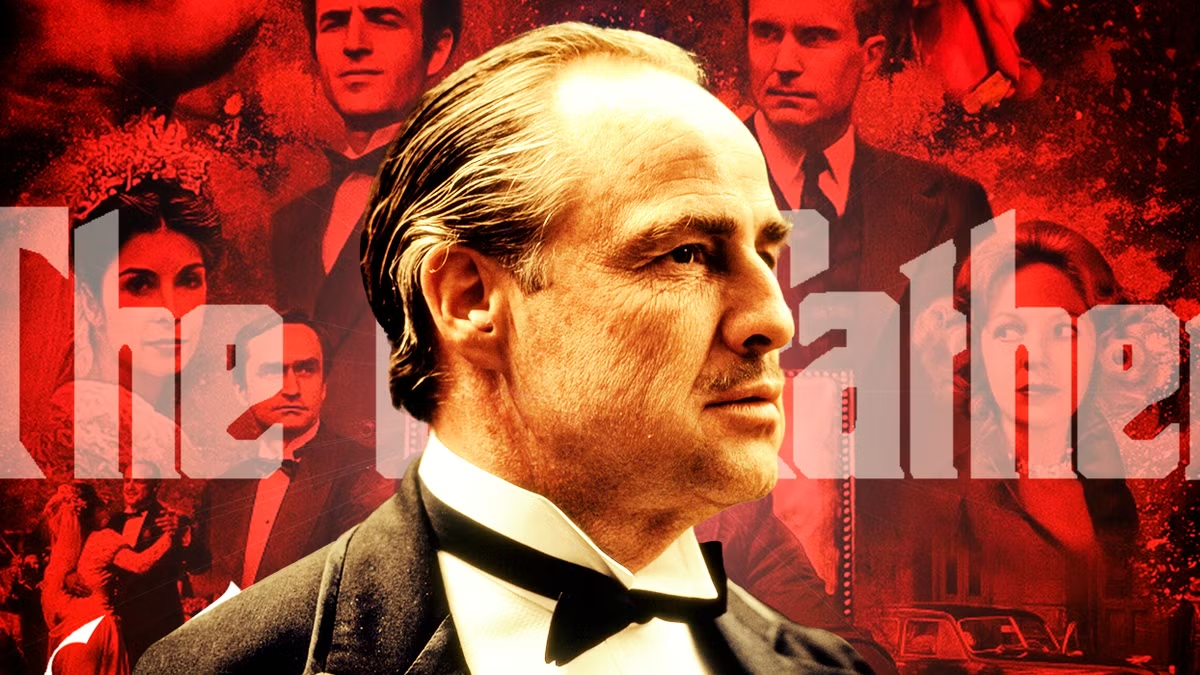
Just when audiences thought the world of the Corleone family had finally closed its doors, one of Hollywood’s most legendary crime franchises is preparing an unexpected return.
A brand-new book connected to The Godfather universe is officially on the way, reigniting excitement around one of the most influential stories ever told in modern entertainment.
And naturally, fans are already asking the same question: could another movie eventually follow?
The announcement has sent waves through both literary and film communities, especially among longtime admirers of author Mario Puzo, whose original 1969 novel became the foundation for one of cinema’s greatest achievements.
For decades, The Godfather has existed as far more than just a mafia story.
It became a cultural institution.
Directed by Francis Ford Coppola and starring icons like Marlon Brando and Al Pacino, the original film transformed Hollywood storytelling forever. Its influence can still be seen across modern television, crime dramas, and prestige cinema today.
ALSO READ : Sen. Elizabeth Warren Calls It a ‘Cesspool of Corruption’ — Here’s Why Senators Are Now Fighting Back Against the DOJ’s Live Nation Deal That Left Every Fan Betrayed…
Now, years after the Corleone family seemingly completed its cinematic journey, the franchise is finding new life through literature once again.
While early details surrounding the upcoming book remain tightly guarded, the project has already sparked intense curiosity about how the story will revisit — or potentially reinvent — the dark and complicated world audiences first entered over 50 years ago.
That secrecy may actually be increasing anticipation.
Fans online are already speculating whether the book will introduce entirely new characters, explore untold parts of the Corleone timeline, or revisit familiar figures connected to the original saga. Others believe the project could eventually become a launching point for future streaming adaptations or even another major Hollywood film.
Given the entertainment industry’s current obsession with reviving iconic intellectual properties, those theories do not sound impossible.
Hollywood has increasingly leaned on nostalgia-driven storytelling in recent years, bringing back beloved franchises across film and television. Yet The Godfather occupies a uniquely dangerous space creatively because expectations are almost impossibly high.
This is not just another franchise.
For many critics and filmmakers, The Godfather represents the gold standard of American cinema itself.
That reputation explains why every expansion of the franchise instantly attracts enormous scrutiny.
The original 1972 film remains one of the most celebrated movies ever made, regularly appearing near the top of greatest-films lists while influencing generations of directors including Martin Scorsese, Christopher Nolan, and countless others.
Even today, iconic lines from the film continue living inside pop culture.
From “I’m gonna make him an offer he can’t refuse” to “Leave the gun, take the cannoli,” The Godfather helped define how audiences viewed organized crime storytelling for decades.
That cultural legacy creates enormous pressure for any new continuation.
Still, fans seem surprisingly open to revisiting the universe — especially through a literary approach rather than an immediate reboot announcement. Many readers argue that books allow the franchise to expand organically without directly interfering with the emotional legacy of the original films.
And perhaps that slower approach is exactly why interest feels genuine rather than forced.
The renewed excitement also reflects how younger generations continue discovering The Godfather for the first time through streaming platforms and film history conversations online. Despite being released more than half a century ago, the story still feels remarkably modern in its themes of family loyalty, power, corruption, violence, and personal transformation.
That timelessness is rare.
Very few stories manage remaining culturally relevant across multiple generations without losing emotional impact. Yet The Godfather continues attracting both devoted longtime fans and entirely new audiences discovering the saga decades later.
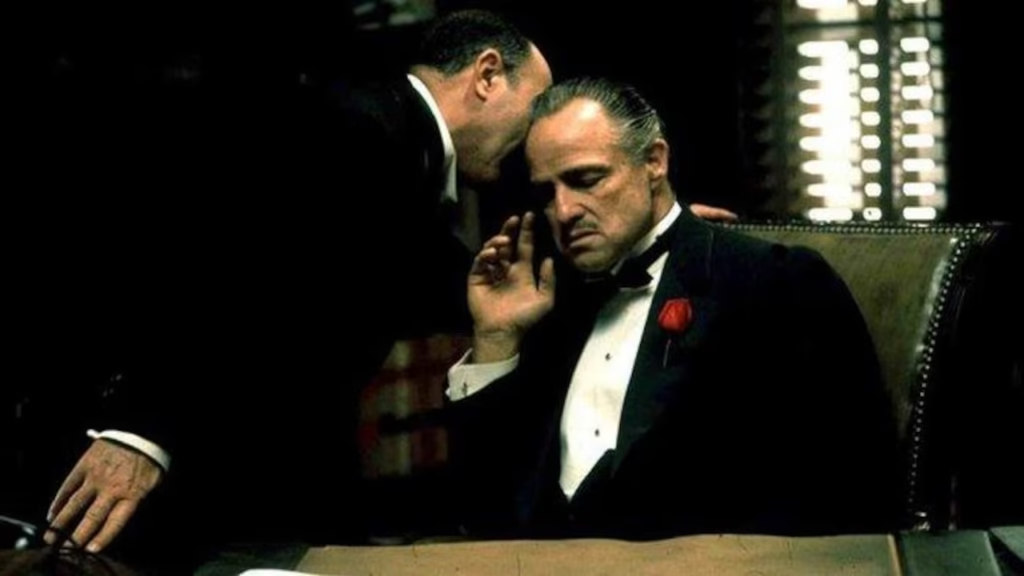
The publishing world clearly recognizes that enduring fascination.
Some entertainment insiders already believe the new book could quickly trigger interest from studios eager for prestige franchise content. Streaming services especially continue competing aggressively for recognizable intellectual property capable of generating cultural conversation.
And few names carry more cinematic prestige than The Godfather.
At the same time, there is understandable caution surrounding the franchise’s future.
Fans remain deeply protective of the original films and wary of unnecessary expansions purely designed for commercial gain. Social media reactions following the announcement reflected both excitement and nervousness, with many users praising the literary continuation while hoping Hollywood avoids turning the franchise into an overproduced content machine.
That emotional protectiveness makes sense.
For millions of viewers, The Godfather is not simply entertainment — it is cinematic history.
Even decades later, performances by Marlon Brando, Al Pacino, James Caan, and Robert Duvall remain deeply embedded within film culture. Their characters became legendary not because of flashy spectacle, but because the storytelling felt intimate, tragic, and emotionally real beneath the violence.
That emotional depth is what any new continuation must preserve.
At its best, The Godfather was never really about crime families alone. It was about ambition, legacy, betrayal, generational trauma, and the devastating cost of power.
If the new book can capture even part of that emotional complexity, audiences will almost certainly pay attention.
And if Hollywood eventually decides to step back into the Corleone universe again?
Well, fans already know the offer will probably be impossible to refuse.
Entertainment
Matthew Perry’s Wallet Is Reportedly Up for Sale for $1,650 and Fans Are Divided Over One Emotional Detail
A personal item connected to the late Friends star has surfaced online, reigniting conversations about celebrity memorabilia, fan culture, and the lasting emotional connection audiences still feel toward Matthew Perry.
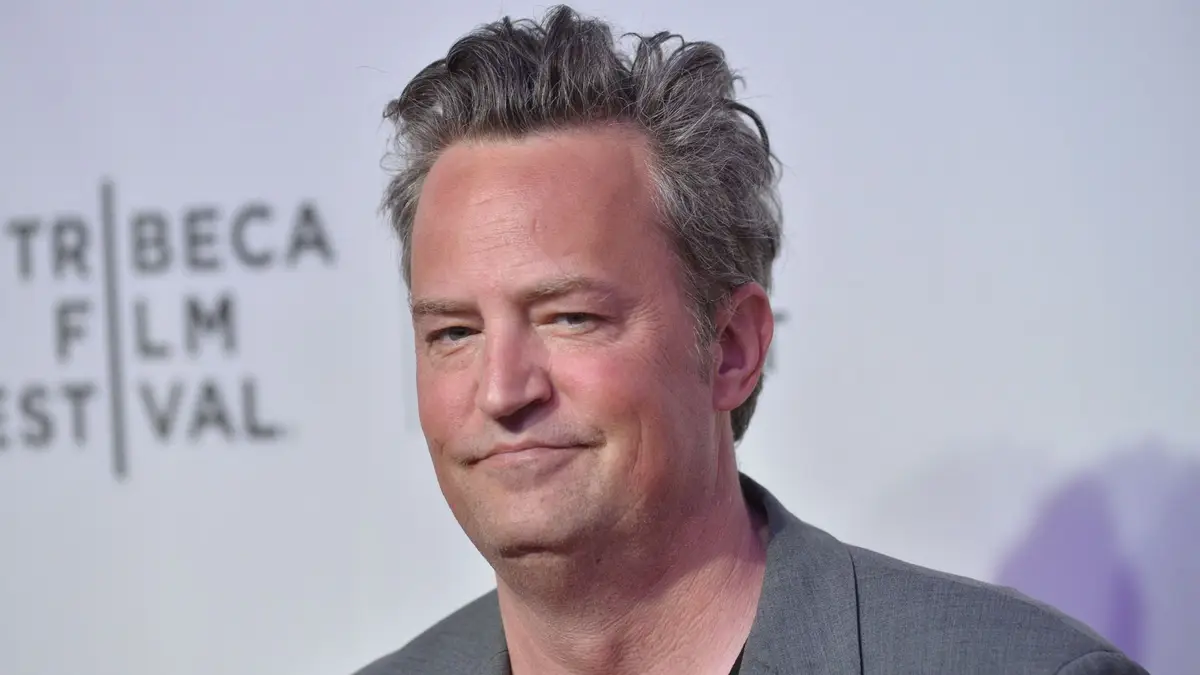
More than a year after the heartbreaking death of Matthew Perry, the beloved actor’s name continues to carry enormous emotional weight across Hollywood and among millions of fans worldwide.
Now, a surprisingly personal item linked to the late Friends star is making headlines for a completely different reason.
According to reports circulating online, a wallet believed to have belonged to Perry has surfaced for sale with an asking price of approximately $1,650 — instantly sparking debate across entertainment circles and social media platforms.
For some fans, the listing feels like a rare piece of Hollywood history.
For others, it raises uncomfortable questions about celebrity memorabilia culture and the growing market surrounding personal belongings connected to stars who are no longer alive.
Either way, people cannot stop talking about it.
Matthew Perry was never just another television actor. Through his iconic portrayal of Chandler Bing on Friends, Perry became one of the defining comedic voices of an entire generation. His sarcastic humor, emotional vulnerability, and unforgettable timing transformed Chandler into one of television’s most beloved characters.
ALSO READ : Sen. Elizabeth Warren Calls It a ‘Cesspool of Corruption’ — Here’s Why Senators Are Now Fighting Back Against the DOJ’s Live Nation Deal That Left Every Fan Betrayed…
Even decades after the sitcom first aired, Perry’s influence remained enormous.
That emotional connection only intensified following his sudden passing, which shocked fans and celebrities alike. Tributes poured in across the entertainment industry, with actors, writers, and longtime viewers reflecting on how deeply Friends shaped modern pop culture.
Now, even something as ordinary as a wallet connected to Perry is being treated almost like a cultural artifact.
The growing market for celebrity memorabilia is not new. Over the years, collectors have spent enormous amounts purchasing items once owned by stars ranging from Marilyn Monroe to Elvis Presley and Michael Jackson.
But personal belongings tied to recently deceased celebrities often create more emotional reactions than traditional Hollywood collectibles.
That appears to be happening again here.
Social media users reacted strongly after reports about the wallet sale began circulating online. Some fans expressed fascination with owning a piece connected to someone they admired for years, while others argued that deeply personal belongings should remain private rather than becoming public commodities.
The emotional divide became immediately visible online.
Several longtime Friends viewers described Perry as someone whose work helped them through difficult periods in life. Because of that emotional bond, even ordinary objects associated with the actor now carry symbolic meaning far beyond their actual value.
To many fans, the wallet represents more than leather and fabric.
It represents a tangible connection to someone who felt strangely familiar despite being a global celebrity.
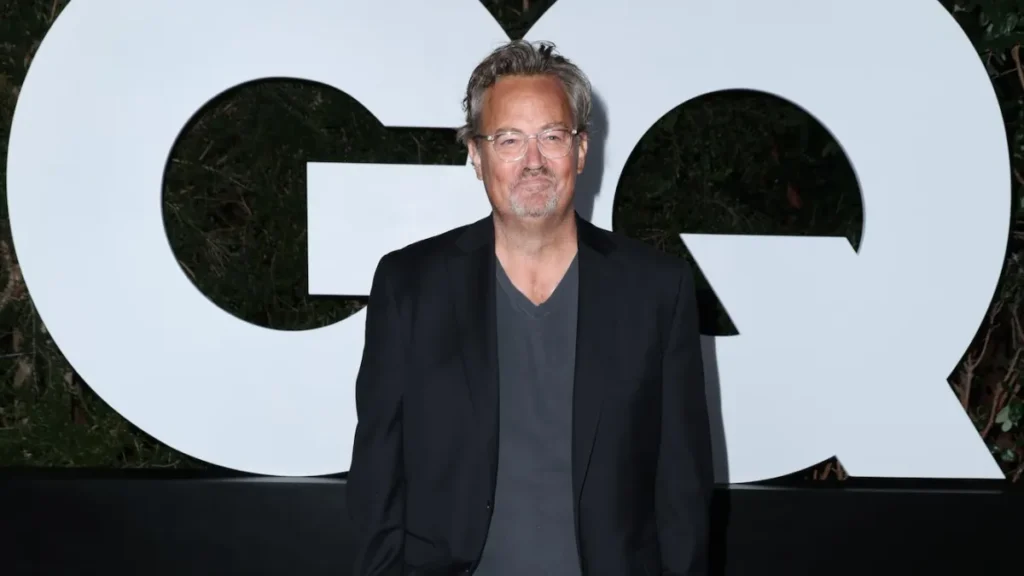
That complicated relationship between audiences and famous figures has become increasingly powerful in modern entertainment culture. Fans often form deeply personal emotional attachments to actors, musicians, athletes, and internet personalities — especially those whose work becomes tied to major life memories.
Few television stars embodied that phenomenon more strongly than Matthew Perry.
Beyond his comedy success, Perry also earned admiration for speaking openly about addiction struggles, recovery, and mental health challenges. In interviews and his memoir, he revealed painful personal experiences with unusual honesty, making audiences feel connected to him not just as an actor, but as a deeply human figure navigating enormous pressure behind the scenes.
That honesty is one reason fans continue feeling emotionally protective of his legacy.
The renewed attention surrounding Perry’s belongings also highlights the strange economics of celebrity culture in the internet era. Online marketplaces, auction platforms, and fan communities have transformed memorabilia collecting into a massive global industry where even relatively small personal items can attract enormous attention.
Sometimes, the value comes less from the object itself and more from the emotional story attached to it.
And few celebrity stories remain as emotionally charged as Matthew Perry’s.
Hollywood itself has long struggled with balancing public fascination and personal privacy after a star’s death. While some families carefully preserve archives and personal belongings for museums or charitable purposes, other items eventually find their way into private collections, auctions, or resale markets.
In Perry’s case, every new headline connected to his legacy seems to reopen public emotion surrounding his passing.
Fans continue revisiting classic Friends episodes, sharing favorite Chandler Bing moments online, and quoting his iconic one-liners across platforms like Instagram, TikTok, and X.
That ongoing affection explains why even a small personal item can suddenly dominate entertainment headlines.
Some collectors reportedly view celebrity memorabilia as historical preservation rather than exploitation. Others argue the line becomes blurry when private belongings associated with deceased stars are commercialized for profit.
The debate surrounding Perry’s wallet reflects both perspectives simultaneously.
Still, one thing remains undeniable: Matthew Perry’s impact continues extending far beyond television.
Years after Friends became a cultural phenomenon, and long after Chandler Bing became part of television history, audiences still feel emotionally connected to the actor behind the jokes.
And perhaps that is why this story resonates so strongly.
To the outside world, it may simply look like an expensive wallet listing.
But to millions of fans who grew up laughing with Chandler Bing, it feels like a small, unexpected reminder of someone they are still not quite ready to let go of.
Entertainment
NBC Finally Reclaims TV’s Biggest Crown After 22 Years and Hollywood Didn’t See This Ratings Comeback Coming
For the first time since 2002, NBC has finished the television season as the most-watched network in America, signaling a dramatic shift in the battle between traditional TV and streaming-era entertainment.
After more than two decades of fierce competition, changing viewing habits, and the streaming revolution completely reshaping entertainment, NBC has pulled off something many industry insiders once thought impossible.
The network has officially finished the television season as America’s most-watched broadcast network in total viewers for the first time since 2002.
That number alone is stunning.
For younger audiences, it is difficult to even remember a television era where NBC consistently dominated prime-time conversations. Back in the early 2000s, the network thrived with iconic shows, major sitcoms, and appointment television that pulled millions of viewers every week.
Then everything changed.
Streaming platforms exploded, cable fragmented audiences, and traditional network television slowly lost cultural control over entertainment. For years, companies like Netflix, Disney, and Amazon became the center of Hollywood’s future-focused conversations, while legacy broadcast networks fought to remain relevant in an increasingly digital media landscape.
ALSO READ : Sen. Elizabeth Warren Calls It a ‘Cesspool of Corruption’ — Here’s Why Senators Are Now Fighting Back Against the DOJ’s Live Nation Deal That Left Every Fan Betrayed…
But now, NBC has quietly staged one of the most impressive comeback stories in modern television.
Industry analysts say the network’s success came from a combination of sports dominance, live event programming, franchise stability, and strategic scheduling. In an entertainment environment flooded with endless streaming choices, NBC leaned into one thing audiences still reliably show up for: shared viewing experiences.
That strategy appears to have worked.
Massive live broadcasts, sports programming, reality competition shows, and dependable procedural dramas helped NBC steadily rebuild viewership momentum throughout the season. Unlike streaming platforms where audiences watch at different times, NBC benefited from programming that encouraged viewers to tune in together in real time.
And in today’s fractured entertainment culture, that is becoming increasingly valuable.
One major contributor to NBC’s resurgence has been sports.
The network’s strong sports portfolio continues attracting huge audiences across multiple demographics, especially during live events where viewers are less likely to delay watching or skip advertisements. In the streaming era, live sports remain one of television’s strongest weapons — and NBC has capitalized on that reality effectively.
The company’s parent organization, Comcast, has also continued investing heavily in balancing traditional broadcasting with digital expansion through streaming service Peacock.
That hybrid strategy may now be paying off.
Rather than treating broadcast television and streaming as enemies, NBCUniversal has increasingly tried positioning them as complementary experiences. Successful network shows can generate streaming audiences later, while streaming visibility helps keep NBC’s overall entertainment ecosystem relevant to younger viewers.
The ratings victory also carries enormous symbolic importance.
In 2002, television looked completely different. Social media barely existed. Streaming had not yet transformed Hollywood. Cable television still dominated entertainment discussions, and audiences consumed media in far less fragmented ways.
Now, in 2026, attention itself has become one of the entertainment industry’s most difficult battles.
Which is why NBC’s return to the top feels so significant.
The network’s success suggests traditional television may still hold more power than many analysts predicted during the peak of streaming disruption. While streaming platforms dominate headlines, broadcast television continues reaching massive audiences — especially when it comes to live events, competition shows, sports, and trusted franchises.
Hollywood executives are paying close attention to that shift.
Many media companies are now re-evaluating whether the industry moved too aggressively toward streaming exclusivity without fully appreciating the lasting value of traditional broadcast reach. Several streaming platforms have faced subscriber slowdowns, rising production costs, and growing concerns about long-term profitability.
Meanwhile, NBC just delivered a reminder that millions of Americans still turn on network television every single night.
The comeback also represents a major morale boost for the broader broadcast industry.

For years, legacy television networks have been portrayed as aging giants struggling to survive against tech-driven entertainment platforms. NBC’s performance challenges that narrative and proves that audience habits remain more complicated than simple “streaming versus television” debates.
Sometimes viewers still want familiarity.
Sometimes they want live moments everyone talks about together.
And sometimes they simply want entertainment that feels easy to access without endless scrolling through streaming menus.
Social media reactions to NBC’s ratings milestone reflected both nostalgia and surprise. Many longtime viewers celebrated the return of a major broadcast network to cultural prominence, while younger audiences expressed shock that network television still commands such massive numbers.
Some users even joked that television may finally be entering its “retro comeback era.”
The reality, however, is more complicated.
NBC’s victory does not mean streaming is disappearing. Instead, it highlights how the entertainment industry is evolving into a hybrid landscape where traditional television and streaming platforms increasingly coexist rather than replace one another completely.
That balance could shape Hollywood’s future for years to come.
For NBC executives, the ratings triumph is more than just a statistic. It represents validation after years of intense competition, shifting audience behavior, and constant questions about the future relevance of broadcast television.
And after waiting since 2002, the network is finally back on top.
In an industry obsessed with predicting the death of traditional television, NBC just delivered one very unexpected reminder: sometimes the old giants still know exactly how to win.

A New Godfather Book Is Officially Coming and Fans Already Think Hollywood Is Preparing Another Mafia Masterpiece

Matthew Perry’s Wallet Is Reportedly Up for Sale for $1,650 and Fans Are Divided Over One Emotional Detail

NBC Finally Reclaims TV’s Biggest Crown After 22 Years and Hollywood Didn’t See This Ratings Comeback Coming

Matt Damon May Team Up With Daniels for a Secret Film and the Early Story Details Are Already Raising Eyebrows

Spencer Pratt Says He Can ‘Fix Los Angeles’ as His Mayoral Dream Starts Looking Like a Reality TV Plot Twist

1-Iran Issues Dire Warning to Israel and Defies Trump on Nukes: “We’re Ready to Strike Deep Inside”

Donald Trump’s net worth reveals the fortune behind the former US President and business mogul

“She Never Made It Out…” Albany House Fire Claims Woman’s Life as Family Pleads for Help to Bring Her Home

“Tomás Rodríguez Net Worth 2025: Panama’s Gold Cup Goal‑Machine’s Surprising Fortune Revealed”

Caitlin Clark Sidelined with Quad Strain, Set to Miss Two Weeks of WNBA Action

Miss Jamaica Suffers Terrifying Fall Off Miss Universe Stage; Rushed to Hospital on Stretcher in Viral Video

Moana Live-Action Teaser Sparks Outrage as Fans Call Disney’s Move a ‘Clear Money Grab’ — What Went Wrong?

Ryan Gosling’s Project Hail Mary Trailer Stuns Fans with a Mysterious Alien Ally and a Mission That Could Save Earth

Apple delays Jessica Chastain thriller The Savant about domestic extremism after recent US violence

Avatar 3, Fire and Ash trailer reveals Jake Sully’s family facing terrifying new Na’vi enemies with deadly fire powers
-

 Entertainment6 days ago
Jennifer Aniston Suddenly Appears on ‘The Comeback’ Podcast… and Valerie Cherish’s Reaction Has Fans Talking
-

 World News5 days ago
“Pentagon, Do Better…”: Why the Latest UFO Videos Are Raising More Frustration Than Fear
-

 World News6 days ago
Cannes 2026 Faces a Political Storm: Will Gaza, Iran and Trump Overshadow the Movies Again?
-

 Entertainment5 days ago
Rossy de Palma Turns Airport Glam Into High Fashion in New Rimowa Campaign And Fashion Fans Can’t Stop Talking About It
-

 Entertainment6 days ago
After ‘Emilia Pérez’ Storm, Karla Sofía Gascón Returns as a Ruthless Villain in ‘Trinidad’… and Cannes Is Already Watching
-

 Entertainment5 days ago
Anaïs Demoustier Recalls Her First Cannes Red Carpet And Why ‘The Electric Kiss’ Feels Like a Full-Circle Moment
-

 Entertainment6 days ago
Bryan Cranston Drops a Huge Hint About Madonna’s ‘Insane’ Scene in The Studio Season 2: “People Won’t See This Coming…”
-

 Entertainment3 days ago
Dua Lipa’s $15 Million Legal Fight Against Samsung Revealed… Pop Star Says Her Image Was Used Without Consent