
Health
Ebola Outbreak in Africa 2025 Leaves 81 Infected and 28 Dead in Just Weeks
The Democratic Republic of the Congo faces its 16th Ebola epidemic as experts warn of spillover risks.

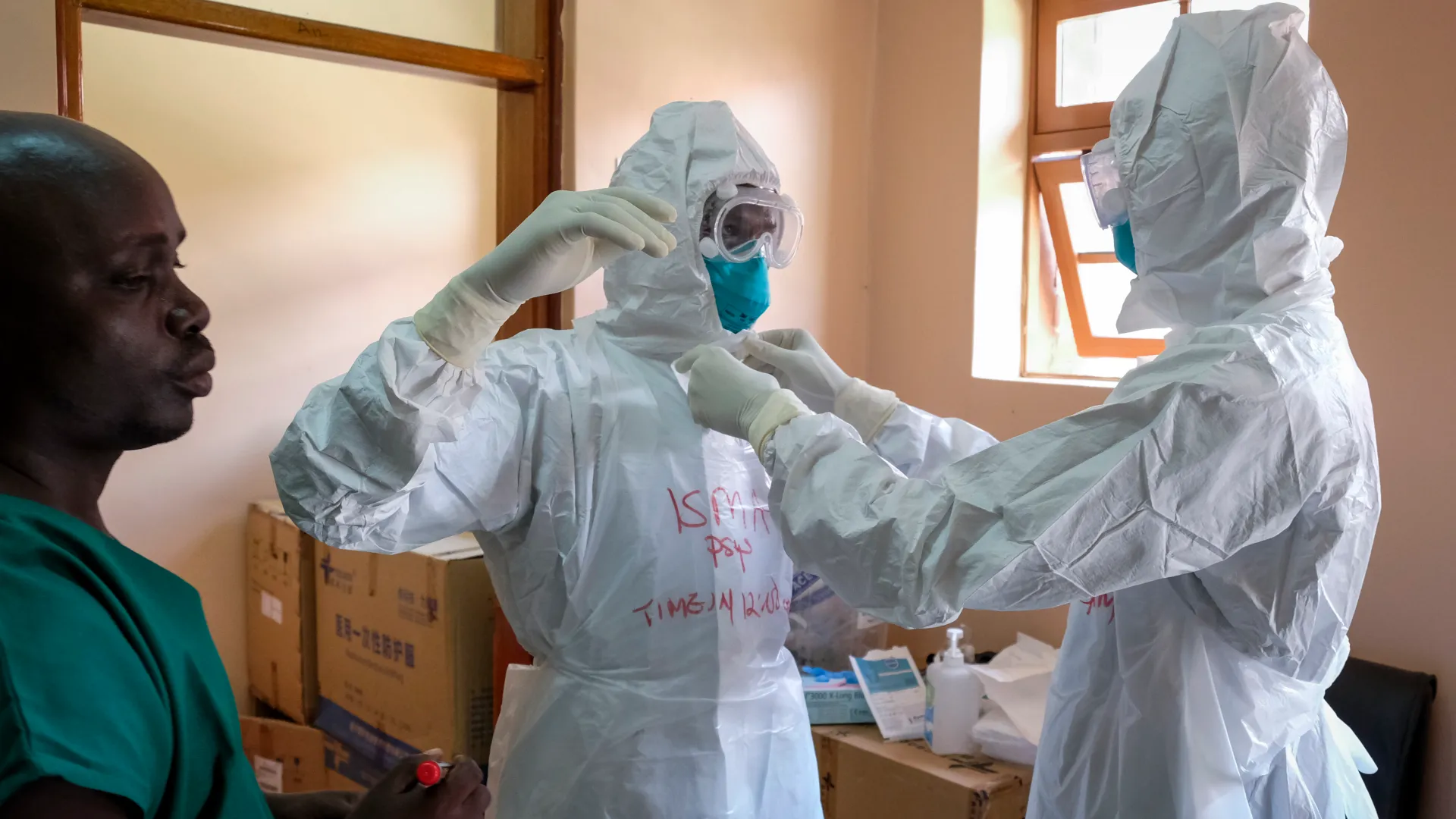
A chilling reminder of the world’s vulnerability to infectious diseases has surfaced again—this time in Kasai Province, Democratic Republic of the Congo (DRC). On September 15, 2025, health officials declared a new Ebola outbreak, caused by the deadliest strain: the Zaire ebolavirus.
It began with a 34-year-old pregnant woman admitted to hospital on August 20. Within five days, she succumbed to the illness. Two health workers who treated her also died. By mid-September, 81 confirmed cases and 28 deaths had been reported—including four frontline health workers.
This marks the 16th Ebola epidemic in the DRC, a nation that has become synonymous with the virus since it was first identified near the Ebola River in 1976.
How Ebola Spreads
The Ebola virus disease is one of the most feared infections known to humanity. Its natural host is believed to be fruit bats, but it can spill over to humans via contact with infected animals such as chimpanzees, antelope, or porcupines.
Transmission between people occurs mainly through direct contact with blood or bodily fluids of infected individuals. Once inside the body, the virus can take 2 to 21 days to trigger symptoms.
Early symptoms include:
- Fever
- Fatigue
- Muscle pain
- Sore throat
These rapidly escalate into:
- Vomiting and diarrhea
- Rash
- Bleeding
- Organ failure and shock
Without urgent care, the mortality rate can reach 50–90%, depending on available health facilities.
Why Authorities Are Alarmed
The largest Ebola epidemic in history struck West Africa in 2013, spreading from Guinea into Liberia and Sierra Leone. That outbreak infected more than 28,000 people and killed over 11,000.
Experts, including C Raina MacIntyre, Head of Biosecurity at UNSW Sydney, warn that several conditions in DRC could worsen the current outbreak:
- Simultaneous epidemics: DRC is already managing mpox, cholera, and measles outbreaks.
- Conflict zones: Armed clashes are restricting transport and healthcare access.
- Urban risk: The outbreak zone’s proximity to Tshikapa city and Angola increases the likelihood of cross-border spread.
The Role of Vaccines
This time, health authorities are not empty-handed. The Ervebo vaccine (rVSV-ZEBOV) is being deployed.
- 100% effective when given immediately after exposure in clinical trials.
- 95% effective when given within 12 days.
- 84% effective in real-world scenarios during past outbreaks in DRC.
The World Health Organization has already sent 400 doses to support “ring vaccination”—a method where close contacts of confirmed cases and frontline workers are immunized.

Containment Challenges
Despite vaccines and treatments, challenges remain:
- Cold chain storage is required for vaccines in remote regions.
- Contact tracing becomes difficult in areas with violence and weak infrastructure.
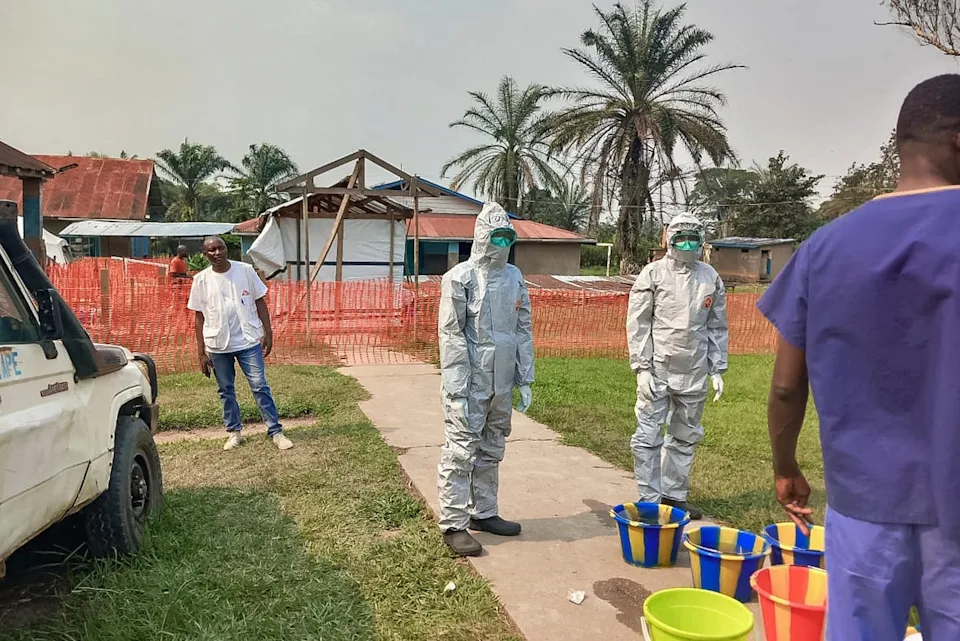
- Protective gear shortages put nurses and doctors at high risk.
During the 2014 West African outbreak, more than 800 healthcare workers were infected, and two-thirds died. Experts fear a repeat if medical supplies are not delivered quickly.
Early Warning Systems
Interestingly, the outbreak was flagged by EPIWATCH, an AI-driven epidemic intelligence platform founded by Prof. MacIntyre. It detected unusual disease activity in early September, just as cases began to rise.
Such open-source intelligence from social media, local news, and online reporting provides critical early warnings in regions where laboratory capacity is limited.
What Comes Next?
If health authorities succeed in quickly isolating cases, vaccinating contacts, and scaling up treatment centers, the outbreak may remain localized. The WHO currently assesses the risk as high for DRC, moderate for the region, and low globally.
But history has shown how quickly Ebola can spiral out of control when distrust, misinformation, and weak health systems collide. For now, the world watches closely, hoping Kasai will not become the next epicenter of global concern.
Stay updated with Daily Global Diary for continuous coverage and expert insights on this developing crisis.




Health
‘A New COVID Variant Enters the US…’ Mutated BA.3.2 Strain Detected at San Francisco Airport Raises Fresh Questions
First identified in an international traveler, the evolving variant is now spreading quietly—experts warn it may evade immunity but not necessarily cause severe illness


A new chapter in the ongoing COVID-19 story may be unfolding—quietly, but significantly.
A mutated strain of the virus, known as BA.3.2, has now been detected in the United States for the first time, after initially being identified in a traveler arriving at San Francisco International Airport.
According to findings released by the Centers for Disease Control and Prevention (CDC), this variant is not just another minor mutation—it carries genetic changes that could potentially allow it to evade parts of the immune system, even among vaccinated individuals.
How the Variant Was Discovered
The BA.3.2 variant first entered the US radar in June 2025, when a traveler from the Netherlands tested positive at San Francisco airport. The detection was part of the CDC’s global traveler-based genomic surveillance program—an effort designed to catch emerging threats before they spread widely.
Since then, the variant has been found in multiple locations. It has already been detected in 23 countries and, within the US, traces have appeared across 25 states, primarily through wastewater monitoring.
What Makes BA.3.2 Different?
Experts say the concern lies in the variant’s spike protein mutations—the part of the virus responsible for entering human cells.
“These mutations have the potential to reduce protection from previous infection or vaccination,” CDC researchers noted in their report.
In simpler terms, this means that the virus may slip past antibodies more easily—a phenomenon often referred to as “immune escape.”
However, that doesn’t automatically mean it’s more dangerous.

What Experts Are Saying
Renowned infectious disease specialist William Schaffner from Vanderbilt University Medical Center described the variant as “substantially different” from earlier strains—but urged caution rather than panic.
According to Schaffner, early lab studies suggest that BA.3.2 may not infect lung cells as efficiently as previous variants, which could mean less severe illness in many cases.
Still, he emphasized the need for vigilance:
“We will have to watch this very carefully in the real world.”
Meanwhile, Monica Gandhi of University of California San Francisco has warned of a possible “spring surge”, noting a gradual rise in positive cases during routine screenings.
Should You Be Worried?
At this stage, health experts are not sounding the alarm—but they are watching closely.
The key takeaway:
- The variant may spread more easily
- It may reduce vaccine protection against infection
- But vaccines are still expected to protect against severe illness
Gandhi explained that while antibodies might not work as effectively, the body’s deeper immune defenses—like T cells—remain strong.
The Bigger Reality: A Global Virus
One of the most striking reminders from this development is how interconnected the world remains.
“What’s over there can be over here in 24 hours,” Schaffner noted—a reality that continues to define pandemic-era public health.
Despite lower current COVID levels in regions like California, the emergence of BA.3.2 reinforces a familiar lesson: the virus is still evolving, and surveillance remains critical.

What Comes Next?
For now, health officials are doubling down on monitoring and data collection. If the variant begins to spread more widely or significantly alters disease patterns, it could influence future vaccine updates.
For individuals—especially those at higher risk—experts recommend staying updated with vaccinations and considering booster doses when advised.
Because while the world may have moved on from the peak pandemic mindset, the virus hasn’t stopped adapting.
For More Update- DAILY GLOBAL DIARY
Health
“Tragic Loss: 6-Year-Old Dies From Meningitis Within 24 Hours — Parents Demand Vaccine Access…”
Oliver Hall’s sudden death highlights the urgent need for broader MenB vaccination for children across the UK.

The UK is mourning the heartbreaking death of Oliver Hall, a 6-year-old boy from Halesworth, Suffolk, who succumbed to bacterial meningitis (MenB) within 24 hours of first showing symptoms. His parents, Georgie Hall and Bryan Hall, have given a poignant account of their son’s final day, urging authorities to make vaccines accessible to all children.
Oliver, described by his parents as a bright and loving boy, fell ill during the first day of his half-term holiday. Georgie recounted that although Oliver initially showed no symptoms, within hours he developed sensitivity to light, rashes, and breathing difficulties. Despite calling emergency services and traveling to hospital themselves, Oliver tragically passed away at 2:07 a.m. in the intensive care unit, just five hours after being admitted.
“It’s just changed our whole future. We had hopes for Oliver, for his future… He was a bright, popular lovely boy, and our whole lives have changed,” Georgie said.
Vaccine Controversy and Public Outcry
The MenB vaccine, available through the NHS for infants under 12 months since 2015, protects against meningococcal group B bacteria, the leading cause of bacterial meningitis in young children. However, children older than one year are not routinely vaccinated, a policy that has sparked outrage after tragedies like Oliver’s.
Oliver’s mother explained:
“It’s shocking… children are dying from a disease that can be prevented for as little as £12. Had we known about the private vaccine option, we would have protected both our boys.”
Private clinics and pharmacies, including Boots and Superdrug, offer the MenB vaccine for around £210 for a two-dose course. Yet, the cost barrier leaves many families without access.
Meningitis Now founder Steve Dayman emphasized the devastation caused by the disease:
“We see time and time again the impact of meningitis on families. With no changes to the vaccine programme imminent, it is crucial parents are aware of the symptoms and seek urgent medical attention.”

Symptoms Every Parent Should Know
Meningitis can escalate quickly, often proving fatal within hours. Parents are urged to monitor for:
- Blotchy rashes that don’t fade under pressure
- High fever (38°C or above)
- Headache and neck stiffness
- Nausea, vomiting, and drowsiness
- Muscle and joint aches
Mary Ramsay, Head of Immunisations at UK Health Security Agency, urged vigilance:
“Vaccinating babies at 2, 4, and 12 months helps protect them when they are most at risk. But parents must remain alert — rapid medical attention can save lives.”
Legacy and Advocacy
In honor of Oliver, the Oliver Hall Forever Fund has been established, raising over £4,000 for Meningitis Now. Georgie and Bryan hope their campaign will pressure the government to expand the vaccine programme and protect children nationwide.
“Our main goal is to help Meningitis Now get this vaccination rolled out to more children,” Georgie said, highlighting the urgent public health implications.
Oliver’s tragic story is a stark reminder that meningitis can strike suddenly and fatally, even in modern healthcare systems, and that awareness, vaccination, and swift medical response are vital to saving young lives.
For More Update- DAILY GLOBAL DIARY
Health
“Kent Meningitis Tragedy: Second Student Dies as Outbreak Sparks Hospital Emergency…”
A Year 13 pupil joins a University of Kent student in death after contracting meningitis, while authorities race to contain the outbreak.

The county of Kent is reeling from a sudden meningitis outbreak that has now claimed a second life. A Year 13 pupil from a local school has tragically died, following the death of a University of Kent student earlier this weekend.
According to Kevin Rawlinson of The Guardian, the outbreak has left 11 other people seriously ill in hospital, highlighting the urgent public health challenge facing Kent.
The Deadly Spread
Meningitis, an inflammation of the membranes surrounding the brain and spinal cord, can progress rapidly and is particularly dangerous among young adults and teenagers. Public health officials in Kent have confirmed that both fatalities were caused by bacterial meningitis, a form of the disease known for its fast onset and severe complications.
An MP from the region, who spoke on the condition of urgency, stated:
“This is a tragic time for the community. Our thoughts are with the families affected. It is crucial that everyone recognizes the symptoms early and seeks immediate medical attention.”
Symptoms of meningitis can include high fever, severe headache, stiff neck, nausea, and sensitivity to light, often escalating to more severe conditions within hours.
Students and Young Adults at Risk
The first death involved a student from the University of Kent, and the second was a Year 13 school pupil, highlighting the vulnerability of young adults in shared environments such as campuses and schools.
Health officials have already mobilized vaccination campaigns and awareness programs in local schools and universities to prevent further spread. Hospital wards have increased monitoring for suspected cases, and medical teams are urging students and parents to remain vigilant.

Public Health Response
The Kent Public Health Department has confirmed that they are actively tracing contacts of the infected individuals and providing prophylactic antibiotics to those at risk. Community health centers are also disseminating information on the early warning signs of meningitis, emphasizing rapid medical intervention as critical to survival.
Local MPs and health authorities are urging parents, teachers, and students to report unusual symptoms immediately, as prompt treatment can significantly improve outcomes.
“We are doing everything possible to contain this outbreak and protect our young people,” said a spokesperson for the Kent County Council.
Community Impact
The deaths have sent shockwaves through local communities and the University of Kent, with vigils being held to remember the victims. Authorities have stressed the importance of maintaining calm while following official health guidance.
As the situation develops, Kent residents are being reminded of the severity of meningitis and the importance of vaccination, hygiene, and early medical attention.
The tragic loss of a second young person in Kent underscores the devastating potential of meningitis outbreaks and the need for heightened awareness and immediate response in schools and universities nationwide.
For More Update- DAILY GLOBAL DIARY

New Kids on the Block Bring Vegas to Its Feet at AMAs 2026 With ‘You Got It (The Right Stuff)’… And Fans Are Calling It a Nostalgia Explosion

‘Star Wars’ Roars Back After 7 Years: The Mandalorian and Grogu Stuns Box Office With $100M Opening While Indie Thriller ‘Obsession’ Defies Hollywood Logic

‘Pinky Up Goes Global’: KATSEYE Ignite AMAs 2026 Stage With Explosive, No-Stop Dance Performance

‘No Breaks, Just Beats’: KATSEYE Set AMAs 2026 Stage on Fire With High-Energy ‘Pinky Up’ Dance Performance

‘This Is Where It All Began…’: Billy Idol’s Emotional Lifetime Honor Speech Ends AMAs 2026 With Explosive Hit Medley

1-Iran Issues Dire Warning to Israel and Defies Trump on Nukes: “We’re Ready to Strike Deep Inside”

Donald Trump’s net worth reveals the fortune behind the former US President and business mogul

“She Never Made It Out…” Albany House Fire Claims Woman’s Life as Family Pleads for Help to Bring Her Home

“Tomás Rodríguez Net Worth 2025: Panama’s Gold Cup Goal‑Machine’s Surprising Fortune Revealed”

Younghoe Koo Explains Botched Field Goal After Slip: “The Ball Was Moving So I Pulled Up”

Miss Jamaica Suffers Terrifying Fall Off Miss Universe Stage; Rushed to Hospital on Stretcher in Viral Video

Moana Live-Action Teaser Sparks Outrage as Fans Call Disney’s Move a ‘Clear Money Grab’ — What Went Wrong?

Ryan Gosling’s Project Hail Mary Trailer Stuns Fans with a Mysterious Alien Ally and a Mission That Could Save Earth

Apple delays Jessica Chastain thriller The Savant about domestic extremism after recent US violence

Avatar 3, Fire and Ash trailer reveals Jake Sully’s family facing terrifying new Na’vi enemies with deadly fire powers
-

 Entertainment1 week ago
Jennifer Aniston Suddenly Appears on ‘The Comeback’ Podcast… and Valerie Cherish’s Reaction Has Fans Talking
-

 World News1 week ago
“Pentagon, Do Better…”: Why the Latest UFO Videos Are Raising More Frustration Than Fear
-

 World News1 week ago
Cannes 2026 Faces a Political Storm: Will Gaza, Iran and Trump Overshadow the Movies Again?
-

 Entertainment4 days ago
NBC Finally Reclaims TV’s Biggest Crown After 22 Years and Hollywood Didn’t See This Ratings Comeback Coming
-

 Entertainment6 days ago
Amazon’s ‘Off Campus’ Tries to Deliver the Next Big Hockey Romance… But Fans Say One Thing Is Missing
-

 Entertainment1 week ago
After ‘Emilia Pérez’ Storm, Karla Sofía Gascón Returns as a Ruthless Villain in ‘Trinidad’… and Cannes Is Already Watching
-

 Entertainment1 week ago
Rossy de Palma Turns Airport Glam Into High Fashion in New Rimowa Campaign And Fashion Fans Can’t Stop Talking About It
-

 Entertainment2 days ago
Michael Jackson’s Upcoming Biopic Reportedly Avoids His Darkest Controversies but Netflix’s New Docuseries Refuses to Stay Silent