
World News
Fatima Bosch Breaks Silence After Miss Universe 2025 Controversy, Reveals Death Threats and Vows to “Shine Without Permission”
The newly crowned Miss Universe 2025 says she has faced intense online hatred, including death threats, following one of the most chaotic pageants in the competition’s history


The Miss Universe 2025 pageant may have ended on November 21, but the controversy surrounding it continues to escalate. Miss Mexico Fatima Bosch, who claimed the crown in what many are calling the most turbulent edition of the competition, has now publicly addressed the backlash and hostility she has faced since her win.
The lead-up to her coronation was already marked by chaos: a pageant director publicly insulting her by calling her a “dumbhead,” walkouts from fellow contestants, and the resignation of multiple judges. After the crown was placed on her head, criticism intensified, with a wave of online claims suggesting she did not deserve the title and that other contestants, particularly Miss Cote d’Ivoire, were more deserving. What should have been a moment of celebration quickly transformed into a storm of dispute, accusations, and heated debate.

“Today I want to raise my voice as a woman”
After days of silence, Fatima released a powerful statement addressing the emotional toll of the backlash, revealing that she has received death threats, insults, and hateful messages directed not only at her but also at her family.
She questioned the mentality behind such attacks, saying, “What must be in a person’s heart to wish harm upon someone they don’t even know? Thank God I have strong values and self-esteem, and this does not bring me down. But many people can be hurt by this kind of attack, and it can end up affecting their mental and emotional stability.”
Fatima emphasized that her response was not merely about defending her win, but about speaking up on behalf of women worldwide who face harassment and hatred simply for pursuing their goals. She added, “Today I want to raise my voice not as a beauty queen, but as a woman. A woman who, like millions around the world, has experienced firsthand the violence born from hate, misinformation, and the inability of some to see a woman shine without feeling threatened.”
Screenshots show disturbing threats
In her statement, Fatima shared screenshots of messages wishing harm upon her, urging her to take her own life, and threatening her family. She highlighted that these attacks stemmed from one reason alone: her winning the crown.
“In the past few days I have received insults, attacks, and even death wishes for one single reason: because I won. Because a woman with dreams, preparation, and heart decides to stand up and fight for what she loves,” she said.
Despite the cruelty, Fatima insisted the hate will not define her. “What does define me is my strength, my integrity, and the love I have for my country and for the women around the world whom I represent.”
“No attack will make me kneel”
Fatima’s message focused on the broader issue of violence against women, stressing that abuse is not limited to physical harm but also includes verbal attacks, mockery, digital harassment, and organized smear campaigns.
“But today I am here to say something with absolute clarity: no attack will make me kneel, no insult will extinguish my purpose,” she declared. “My victory is not a threat. My victory is a reminder that women are resilient, capable, and powerful.”
Her words resonated with supporters who view her win as symbolic of perseverance in the face of adversity.

Using the crown for advocacy
Fatima vowed to use her platform to support women who cannot speak for themselves. She expressed solidarity with victims of online and offline violence, promising that her reign will focus on empowerment and advocacy.
“Whoever turns their frustration into violence is not expressing an opinion. They are harming, they are perpetuating a global problem that we will no longer tolerate,” she stated. “I will not go backwards, I will not hide, and I will not ask for permission to shine.”
She ended her message with a commitment to use her crown for meaningful change, saying there is “much work to be done.”
Gratitude for support
Concluding her statement, Fatima thanked her supporters for their encouragement, saying their love has strengthened her resolve. She pledged to continue fighting for a world where women are not punished for ambition or for challenging societal expectations.
Her declaration marks a turning point in the post-pageant controversy, shifting focus from criticism to a broader conversation about online hate, misogyny, and resilience.












World News
“Trump hints America may ‘never pay income tax again’… but experts warn the math tells a very different story”
As President Donald Trump floats a dramatic plan to replace federal income taxes with tariff revenue, economists say the idea could reshape — and even destabilize — the U.S. financial system.

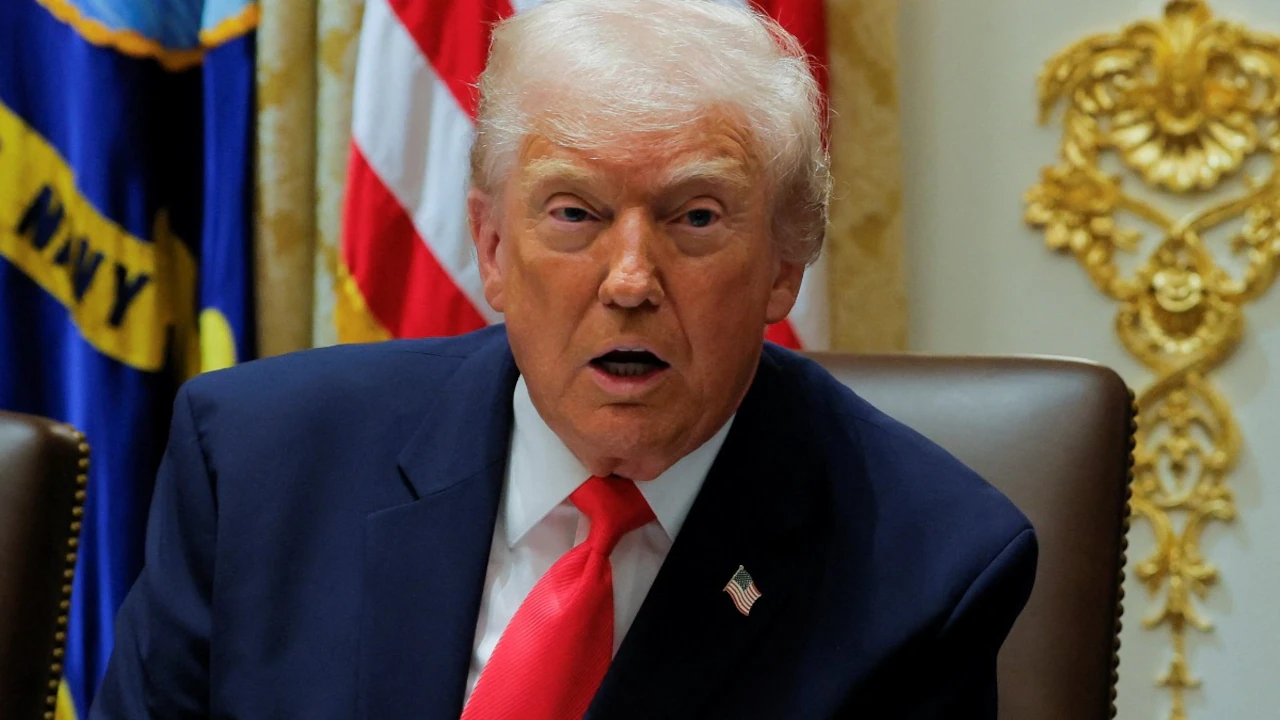
For millions of Americans struggling with rising bills, the idea sounded almost too good to be true. At a recent Cabinet meeting, President Donald Trump suggested that the country might soon reach a point where citizens “won’t even have income tax to pay”, claiming booming tariff collections could eventually replace the federal individual income tax system altogether.
The comment instantly sparked national debate — not just because of its boldness, but because it challenges one of the core pillars of the U.S. fiscal framework.
But tax experts, economists, and policy analysts tell a very different story.
Tariffs vs. Income Tax: Why Experts Say the Numbers Don’t Add Up
According to Erica York, a leading tax policy expert at the Tax Foundation , the proposal is “mechanically impossible.”
York estimates that even if the current tariff structure under the Trump administration were kept in place for the next decade, it would generate only about $2.1 trillion. In contrast, federal individual income taxes are projected to bring in more than $32 trillion over the same period.
“The U.S. simply doesn’t import enough goods to generate that kind of money,” she noted. “Replacing income tax with tariffs would not just be unrealistic — it would be economically harmful.”
Federal income taxes currently bring in $2.7 trillion annually, while tariff revenue in 2025 totaled just $195 billion, according to Treasury data.
Why Economists Say Tariffs Would Hit Working Families the Hardest
Another major concern raised by experts is who pays the real price.
Although the administration argues that foreign exporters absorb the cost, economists say the majority of tariff burdens fall on U.S. companies and consumers, who then face higher prices for everyday products — from electronics to clothing to food.
Scott Lincicome, an economist at the Cato Institute , warns that replacing income tax with tariffs would shift the burden disproportionately onto low- and middle-income households.
“Tariffs are effectively a flat consumption tax,” he explained. “Income tax is progressive. Switching systems would help high earners and hurt the working class.”
According to the Tax Foundation, the top 10% of earners currently pay 72% of all federal income taxes — meaning any switch to tariff-based funding would reduce their tax responsibility while increasing the financial load on the remaining population.
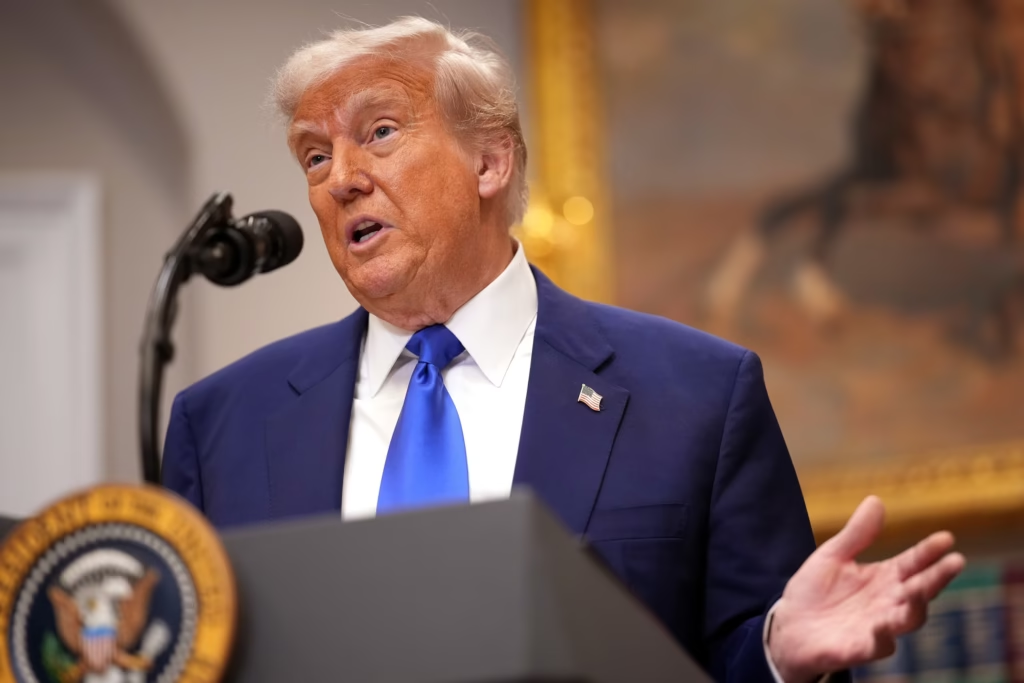
Trump’s “Tariff Dividend”: Another Expensive Promise
President Trump has also floated the idea of sending Americans a one-time $2,000 “tariff dividend” check funded by tariff revenue.
But Lincicome calls this “mathematically impossible” under current conditions.
Issuing such a check nationwide would cost between $300 billion and $600 billion, far exceeding the annual tariff revenue.
“It’s simple arithmetic,” he said. “The revenue just isn’t there.”
Congressional Reality Check
Even if the numbers worked — and experts say they don’t — the proposal faces another hurdle: Congress.
Changing the federal tax code, whether to eliminate income tax or to introduce dividend checks, requires legislative approval. And early responses from lawmakers show sharp divisions.
Sen. Ron Johnson recently dismissed the $2,000 payout idea, stating the country “can’t afford it.”
Could Tariffs Ever Generate Enough? History Says No.
A report from the Yale Budget Lab found that the current average effective tariff rate has reached 17%, the highest since 1935.
Economists warn that increasing tariffs further — to the 20–30% level needed to even approach income-tax replacement — would cause Americans to stop buying imports, collapsing tariff revenue entirely.
“There is a ceiling,” Lincicome explained. “Push tariffs too high, and revenue collapses. Push them even higher, and the economy collapses.”
A Vision or a Warning?
President Trump’s bold claim has energized supporters who see tariffs as a way to rebalance global trade and reward American workers. But experts caution that the plan could dramatically shift the economic burden toward the very households the government aims to help.
As the Supreme Court continues evaluating the constitutionality of Trump’s tariff policies, and as the 2026 fiscal debate intensifies, one thing is clear:
The idea of a tariff-funded America may be politically appealing — but economically, it is deeply complicated.
For more Update – DAILY GLOBAL DIARY
World News
Why 44 U.S. Lawmakers Just Took a Stunning Stand Against Pakistan’s Asim Munir — And What They Asked Marco Rubio Will Shock You
A rare bipartisan letter demands Global Magnitsky sanctions, raises questions about Donald Trump’s closeness with Asim Munir, and warns of a democratic breakdown in Pakistan.

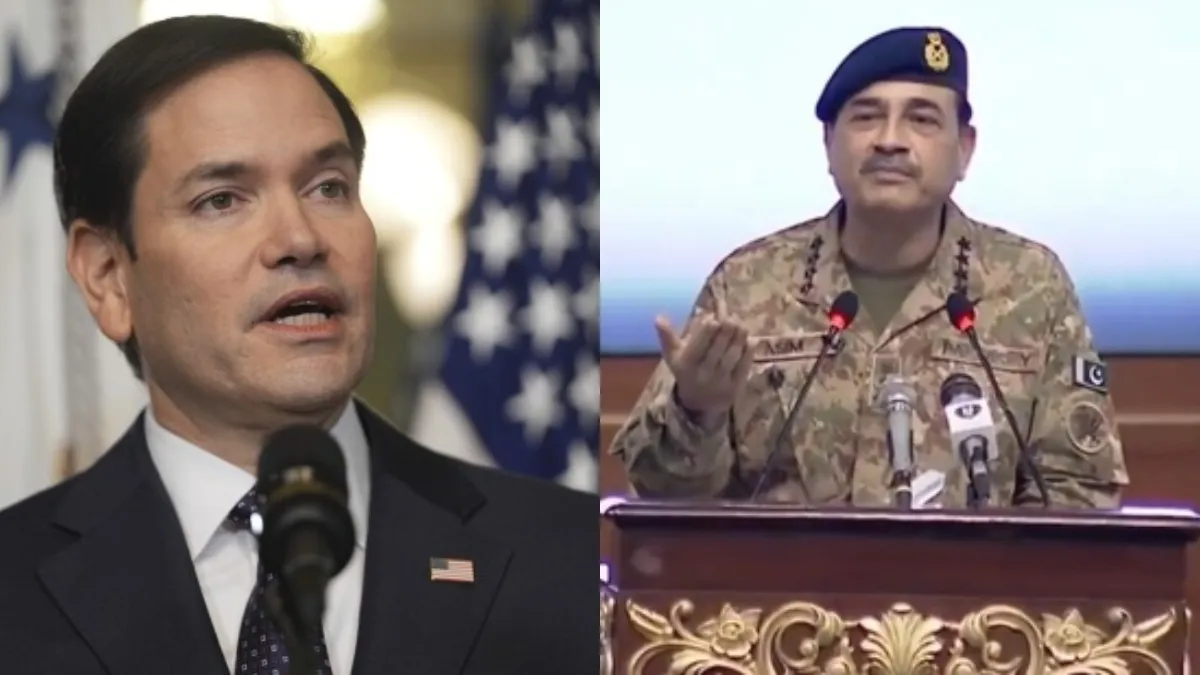
In a dramatic political moment that few in Washington saw coming, 44 members of the U.S. Congress — cutting across party lines — have demanded tough action against Pakistan’s Army Chief General Asim Munir. Led by Representative Pramila Jayapal and Representative Greg Casar, the lawmakers sent a detailed letter on December 3, 2025, urging Secretary of State Marco Rubio to impose Global Magnitsky sanctions on Munir and other senior Pakistani officials.
The tone of the letter is unusually sharp. It accuses General Munir of overseeing a sweeping campaign of transnational repression, intimidation of political opponents, and alleged human-rights violations that extend beyond Pakistan’s borders.
Allegations: From abducted brothers to threatened U.S. citizens
Members of Congress highlight shocking cases involving U.S.-based Pakistanis — including journalist Ahmed Noorani and world-renowned musician Salman Ahmad.
According to the letter:
- Noorani’s brothers were abducted and tortured in Pakistan after he published reports exposing military corruption.

- Salman Ahmad’s family allegedly faced kidnapping threats, and intervention from U.S. authorities was required to ensure their safety.
The lawmakers argue that these acts show a pattern of systematic retaliation against voices critical of Pakistan’s military leadership — even when those voices live on American soil.
They also cite:
- civilians tried in military courts,
- the suppression of anti-government protests,
- intimidation of women activists,
- harassment of ethnic minorities, including Baloch activists.
All these, they argue, form part of a “deeply worrying collapse of democratic norms” inside Pakistan.
Congress demands sanctions — and tough answers
Under the Global Magnitsky Act, the U.S. can freeze assets, ban travel, and block financial transactions of foreign officials implicated in serious human-rights abuses or corruption.

Congress has asked Marco Rubio five pointed questions, to be answered by December 17, 2025:
- Why have there been no sanctions against General Munir, despite substantial evidence?
- How has the State Department responded to threats made against U.S. citizens?
- Is the U.S. evaluating Pakistan’s reported military trials of civilians?
- What action is planned regarding the treatment of women, religious minorities, and Baloch activists?
- How did recent meetings between Donald Trump and Pakistan’s military leadership affect U.S. foreign-policy assessments?
So far — as of December 4, 2025 — no sanctions have been placed.
A spotlight on Pakistan’s controversial 2024 elections
The lawmakers revisit concerns raised after Pakistan’s 2024 national elections, which independent watchdogs described as:
- “irregular”,
- “non-transparent”, and
- heavily influenced by the military establishment.
Dozens of candidates from the Pakistan Tehreek-e-Insaf (PTI) party — founded by former Prime Minister Imran Khan — were jailed or prevented from campaigning.
Cities across Pakistan reportedly suffered internet shutdowns, allegedly timed to disrupt live vote counting. Media houses complained of censorship, intimidation, and pressure to avoid coverage critical of the Army.
The Trump–Munir equation: A new geopolitical twist
The congressional letter also raises eyebrows about the warming relationship between Donald Trump and General Asim Munir. Their June 2025 meeting was seen by many diplomats as a surprising reset in U.S.–Pakistan relations.
Trump publicly claimed credit for a “ceasefire between India and Pakistan” and praised Munir as a leader he could “work with.”
This newfound closeness has irritated India, where leaders rejected Trump’s claim of mediation and emphasized that New Delhi does not accept third-party involvement on matters related to Kashmir.
Some analysts fear this shift could push India to strengthen ties with China and Russia — countries eager to rebalance U.S. influence in South Asia.
Imran Khan’s imprisonment and the rise of Asim Munir’s power
Central to this political storm is the plight of Imran Khan, who remains behind bars after a series of convictions his supporters insist are politically motivated.
His prison sentences include:
- 3 years in the Toshakhana case,
- 14 years in the Al-Qadir Trust case,
- additional charges involving state secrets and alleged marriage-law violations.
Then came the 27th Constitutional Amendment, passed in November 2025, which dramatically expanded Munir’s control.
Under the amendment:
- Munir was elevated to Chief of Defence Forces, gaining authority over all military branches.
- The position now enjoys lifetime immunity.
- A new Federal Constitutional Court was created, limiting the power of the Supreme Court of Pakistan.
- Civilian oversight decreased significantly.
Critics say Pakistan’s democracy has entered an alarming phase — one where civilian institutions appear overshadowed by a military establishment insulated from accountability.
Why this congressional move matters globally
If imposed, Global Magnitsky sanctions on Pakistan’s top military leaders would:
- freeze U.S.-held assets,
- ban travel to the United States,
- cut access to global financial networks,
- damage Pakistan’s military-diplomatic standing.
Such action would be unprecedented in modern U.S.-Pakistan relations.
With growing bipartisan support — including the Pakistan Democracy Act currently under review — Washington is signaling that democratic regression in Pakistan may no longer be met with silence.
For now, all eyes remain on Marco Rubio and whether he will take the historic step Congress is urging.
Visit our site for more news www.DailyGlobalDiary.com
World News
7 Powerful Money Lessons Bill Gates Secretly Taught His Kids… No Billionaire Ever Admits The Last One
Why Bill Gates believes character, not cash, is the real inheritance his children should receive

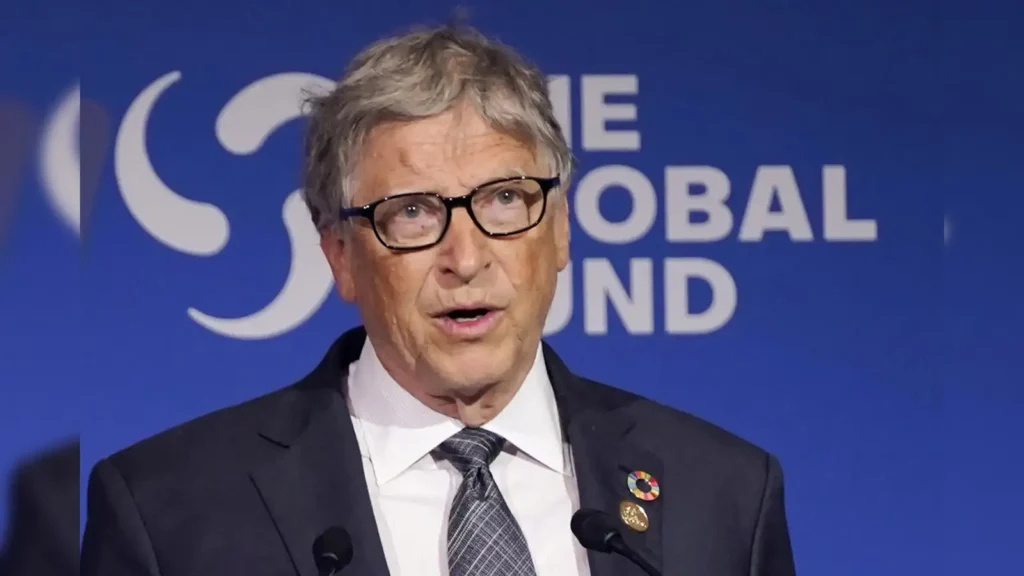
When most people hear the name Bill Gates, they think of wealth, innovation, Microsoft, and a fortune large enough to reshape the world. But behind the skyscraper-high net worth, the private jets, and the sprawling philanthropic empire, Gates sees himself first as a father — one who insists that true wealth lies in values, not valuables.
Over the years, the billionaire has quietly shaped the upbringing of his three children — Jennifer, Rory, and Phoebe Gates — using a philosophy that blends discipline, humility, and a deep sense of social duty. Far from indulging them with luxury, Gates chose to raise them in a world where hard work, curiosity, and kindness matter far more than a last name.
Here are the 7 most powerful money-and-life lessons Gates has passed on to his kids — lessons that parents around the world are now calling “the billionaire blueprint for grounded success.”

1. “Hard work matters more than inheritance” — the rule Bill Gates never breaks
Despite being one of the richest men alive, Gates has repeatedly said his children will receive only a small fraction of his wealth. Most of the fortune will go to global good through the Bill & Melinda Gates Foundation.
His reasoning? “It’s not a favor to give kids huge sums of money.”
He wants them to build meaningful lives — not inherited lifestyles.
This decision teaches his kids three powerful lessons:
- Self-reliance builds identity
- Effort creates confidence
- Real achievement can’t be bought
Gates believes that when success is earned — not gifted — it becomes part of your character, not just your bank balance.
2. “Value experiences over possessions” — the unusual rule inside the Gates household
Unlike many ultra-rich families, the Gates children didn’t grow up surrounded by sports cars, mansions, and designer bags. Instead, their father encouraged:
- Learning new skills
- Traveling to understand cultures
- Volunteering
- Taking challenging courses
- Exploring science and the arts
Gates often says experiences shape empathy and wisdom — luxuries cannot.
He believes that growth comes from stepping into the world, not stacking material objects in your home. A new book or a new place teaches far more than a new gadget.
3. “Use wealth as a tool to create change” — the lesson inspired by Gates’ global work
Having built one of the world’s most influential philanthropic organizations, Gates wanted his children to understand one thing clearly:
“Money is power — but the power to help, not dominate.”
Through the Gates Foundation, his children have seen firsthand the impact of:
- Fighting poverty
- Improving health care
- Supporting education
- Reducing inequality
He teaches them that privilege is not something to flaunt — it is something to use for others.
This mindset instills humility and a sense of responsibility rarely found in billionaire families.
4. “Never stop learning” — the famous Think Week ritual
Gates is known globally for his obsession with learning. Twice a year, he disappears for “Think Week”, a tradition where he reads, studies, and reflects without distractions — a ritual he inherited from his early days at Microsoft.
To his kids, he emphasizes:
- Read widely
- Be curious
- Question everything
- Stay updated
- Never assume you know enough
In his words, “Learning is the foundation of progress.”
His children grew up watching him devour books ranging from physics to public health to geopolitics. That example became their strongest lesson.
5. “Stay humble, no matter how successful you become” — the grounding force of Bill Gates’ personality
Despite co-founding one of the most powerful companies in history, Gates still believes in modesty. Former colleagues describe him as “a man who listens more than he speaks.”
He teaches his children:
- Success should not make you arrogant
- Treat everyone with equal respect
- Humility keeps you growing
- The smartest people are lifelong students
This is perhaps the hardest value to maintain for billionaire kids — yet one they’ve embodied publicly over the years.
6. “Balance ambition with compassion” — the emotional foundation of Gates’ parenting
Gates never discouraged ambition. In fact, he loves it. But he warns that:
“Ambition without empathy leads to empty victories.”
Whether his children choose technology, arts, business, or science, he wants them to:
- Care about people
- Think about the planet
- Support meaningful causes
- Build solutions that make life better for others
He believes the world needs leaders who feel, not just think.
7. “You define your own success — not the world”
This is perhaps the most beautiful lesson Gates has ever shared with his children.
He teaches them that:
- Success is not wealth
- Success is not fame
- Success is not winning every race
Instead, success is:
- Purpose
- Kindness
- Impact
- Integrity
For Gates, the world is full of wealthy but unhappy people. He wanted his kids to chase fulfillment, not fortune.
Why these lessons matter today
In a world obsessed with material success and social media glamour, Bill Gates’ philosophy feels refreshingly human. His approach reminds parents everywhere that values — not valuables — shape the future.
And perhaps the biggest takeaway is this:
Even a billionaire understands that character is the only inheritance that never runs out.
Visit our site for more news: www.DailyGlobalDiary.com

In Roob’s Stats Bonus Edition Eagles’ Defense Delivers One of the Most Dominant Performances in Franchise History

Patrick Mahomes Suffers ACL Tear as Chiefs Miss Playoffs, Broncos Beat Packers and Bills Ignite AFC East Race

Vikings’ JJ McCarthy Throws for Two Scores, Runs for One to Crush Cowboys’ Playoff Hopes

Hollywood Director Rob Reiner and Wife Michele Found Dead as Homicide Probe Begins

Did Rob Reiner Really Call Donald Trump “Mentally Unfit” to Be President Here’s the Full Truth

1-Iran Issues Dire Warning to Israel and Defies Trump on Nukes: “We’re Ready to Strike Deep Inside”

Donald Trump’s net worth reveals the fortune behind the former US President and business mogul

Caitlin Clark Sidelined with Quad Strain, Set to Miss Two Weeks of WNBA Action

Elon Musk Breaks Ranks with Trump Over ‘Big, Beautiful’ Tax Bill

Golden Glory: Team USA Wins First Standalone Ice Hockey World Championship in 91 Years

Miss Jamaica Suffers Terrifying Fall Off Miss Universe Stage; Rushed to Hospital on Stretcher in Viral Video

Moana Live-Action Teaser Sparks Outrage as Fans Call Disney’s Move a ‘Clear Money Grab’ — What Went Wrong?

Ryan Gosling’s Project Hail Mary Trailer Stuns Fans with a Mysterious Alien Ally and a Mission That Could Save Earth

Apple delays Jessica Chastain thriller The Savant about domestic extremism after recent US violence

Avatar 3, Fire and Ash trailer reveals Jake Sully’s family facing terrifying new Na’vi enemies with deadly fire powers
-

 US News1 week ago
“She Never Made It Out…” Albany House Fire Claims Woman’s Life as Family Pleads for Help to Bring Her Home
-

 Entertainment7 days ago
XG Star Cocona Shares a Brave Truth at 20 — “I Was Born Female, But That Label Never Represented Who I Truly Am…”
-

 Entertainment7 days ago
Samba Schutte Reveals the Surprise Cameo in Pluribus That “Nobody Saw Coming”… and Why John Cena Was Perfect for the Role
-

 Tech1 week ago
After Losing Over $70 Billion, Mark Zuckerberg Finally Admits His Biggest Bet Is “Not Working” – Meta Plans Massive Cuts to Metaverse Budget
-
 Entertainment1 week ago
Nika & Madison stuns global audiences as director Eva Thomas reveals why “resilience, not fear, drives Indigenous women on the run”
-
 World Economy1 week ago
“A Rare Split Inside the Fed… Why Top Officials Are Bracing for a Rate Cut Even as Inflation Clouds Loom”
-

 Entertainment5 days ago
Saudi Arabia’s entertainment revolution… Red Sea Film Foundation CEO Faisal Baltyuor says he ‘wears many hats’ — but one mission drives them all
-

 Sports6 days ago
Dodgers Stun MLB With Blockbuster Move, Sign Elite Closer Edwin Díaz to Three-Year, $69 Million Deal