
Beauty & Lifestyle
Inside the Fragrance Trends Dominating America’s Nine Billion Dollar Scent Market in 2025
Skin-loving formulas, personalisation and social media hype are transforming how the US leads the global fragrance industry.


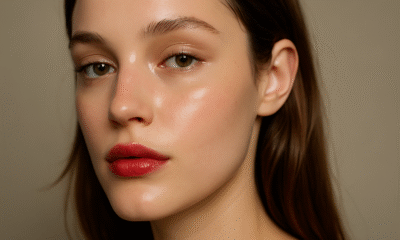
The US has long held the crown as the world’s biggest fragrance playground — and in 2025, it’s not just about smelling good, but about feeling good, living sustainably and sharing it all on social media. This year alone, the American fragrance market is forecast to rake in over $9 billion, fueling a fresh wave of trends that go far beyond a spritz from a fancy bottle.
According to Jennifer Stansbury of The Benchmarking Company, four powerful shifts are driving this scented revolution, starting with the rise of skinification. Forget harsh, alcohol-heavy sprays; today’s American shopper wants fragrances that double as skincare heroes. Think mists that hydrate, serums that brighten while leaving a subtle trail of your signature scent. Brands are stepping up with water-based formulas and ingredients that care for the skin as much as they do for the nose.
Next up: personalisation. Once a buzzword in beauty, it’s now the heartbeat of US fragrance culture. Consumers are done with one-size-fits-all scents; they crave layering kits, mix-and-match sets and mood-based blends that let them play perfumer at home. This daily ritual of creating a “custom” scent has become a self-care moment and a TikTok favorite.
Sustainability rounds out this top three must-have. From refillable bottles to minimal packaging and cleaner ingredient lists, eco-friendly beauty is no longer optional. Today’s conscious buyers are driving brands to ditch single-use plastics and innovate with greener, water-based scents that cut down on harsh chemicals.
Then there’s the undeniable impact of social media. Where perfume ads once lived on billboards, brands now ride the viral wave. Platforms like TikTok and Instagram push niche fragrances into must-haves overnight. Sol Janeiro’s unique body mists are just one success story, building an empire of loyal fans who discover scents by scrolling instead of sampling at a department store.
Beyond classic perfumes, Americans are embracing scented hair mists, body sprays and even all-over deodorants that keep them fresh from head to toe. It’s nostalgic — think ‘90s body splashes — but with a modern twist: longer-lasting scents, skin benefits and playful price points.
The Benchmarking Company’s research reveals exactly why: 88% of Americans use fragrance simply to smell good, but a whopping 99% believe it boosts their mood and stirs up emotions and memories. Feeling sexy, confident, flirty or just downright happy? There’s a scent for that — and brands are banking on it.
So, whether you’re spritzing on a floral vanilla hair mist or mixing your own bespoke blend at home, 2025 proves the US fragrance market is bigger, bolder and more personal than ever. Smell good, feel good, and post about it — that’s the American way now.




Beauty & Lifestyle
7 Times Wearing Full-Coverage Foundation Turned Into a Beauty Blunder
From ghostly flashback photos to chalky matte finishes, Gen X makeup trends prove less isn’t always more. Wearing Full-Coverage Foundation Turned Into a Beauty Blunder


There was a time when beauty was defined not by glowing, natural radiance but by how perfectly matte your face could look. Decades before the era of “glass skin” and minimal makeup routines popularized by South Korea’s beauty industry, the ’80s and ’90s were all about full-coverage foundation. To many, it felt like a badge of honor—an impenetrable mask that erased every pore, every shine, and sometimes even every hint of natural skin tone.
But as we look back, it’s clear that what seemed like perfection at the time was, in fact, one of the biggest beauty blunders. And Gen X, growing up on powder compacts and chalky liquid formulas, carried the torch for the heavy-handed foundation look.
The Matte Obsession
During the ’80s and ’90s, shine was the enemy. Many Gen X women and men recall hearing their mothers or grandmothers say, “I have to powder my nose.” This phrase wasn’t just about touch-ups—it symbolized an entire beauty philosophy. To be polished meant to be matte, even if your natural skin was already flawless.
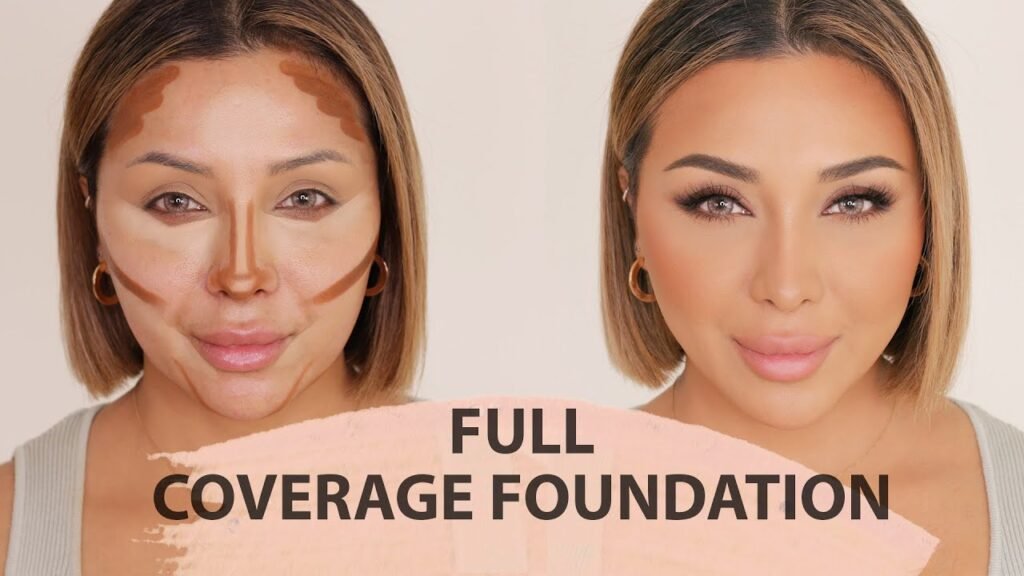
The matte obsession was so intense that people intentionally picked shades one to two tones lighter than their natural complexion. The result? A flat, mask-like finish that gave photographs a ghostly, unnatural effect. The culprit was often titanium dioxide, a common ingredient in powders and foundations of the time, which reacted harshly with camera flash. Back then, photos weren’t digital; these were film cameras, so every wedding album or high school yearbook immortalized that pale, powdery look.
Powder Foundations and the “Airbrushed” Look
The rise of powder compacts was another defining beauty moment. Brands pushed powder foundations as the ultimate shortcut to flawless skin. With promises of an “airbrushed” look, these powders covered everything—pores, freckles, even natural undertones.
However, the irony was striking. Under harsh lighting or camera flashes, the powder didn’t look seamless. Instead, it created an ashy, mask-like appearance. This was especially true in flash photography, leaving people looking almost ghostly in pictures. If you’ve ever looked at a Gen X family photo and noticed that everyone’s faces were lighter than their necks, you’ve seen this makeup mishap in action.
Foundation Matching Mistakes
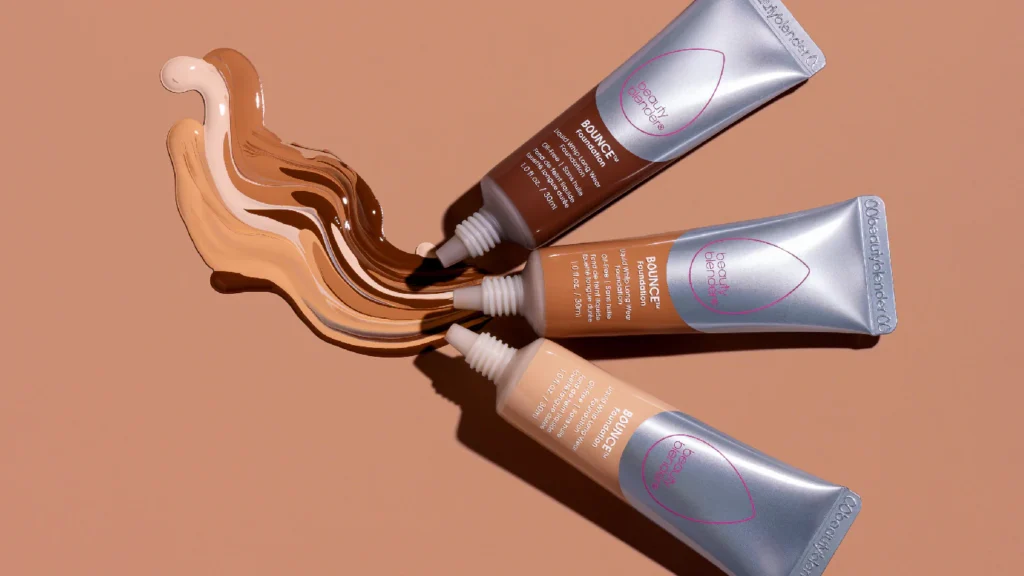
Another common blunder was ignoring the neck when choosing foundation shades. Back then, makeup matching was often about the hand or jawline—completely overlooking the fact that a mismatch would become glaring in photos. Today, beauty influencers on platforms like TikTok remind us that blending foundation into the neck is non-negotiable, but for many in the ’90s, that lesson came too late.
When Heaviness Meant Perfection
Why was piling on heavy foundation so popular? In part, it was cultural. Flawless, porcelain skin was considered the epitome of beauty, and showing natural pores or texture was frowned upon. Even if someone had great skin, they still felt compelled to cover it up. Unlike today’s minimalist trends where celebrities like Hailey Bieber and Zendaya embrace glowing, skin-like finishes, the ’90s ideal was about hiding imperfections at all costs.
Lessons Learned from Gen X
Fast forward to today, and the mistakes of Gen X serve as valuable beauty lessons. Modern formulations favor breathable coverage, skin-matching technology, and dewy finishes that highlight natural texture. Beauty gurus emphasize that less is more, and glowing, natural skin is now celebrated.
The once-popular matte-heavy style has been replaced by luminous foundations, tinted moisturizers, and products designed to enhance, not hide. While nostalgia for ’90s trends often resurfaces in fashion, this particular beauty habit has (thankfully) stayed in the past.
Pop Culture Influence
Pop icons of the ’90s like Madonna, Cindy Crawford, and even TV stars from shows like Beverly Hills, 90210 reflected these beauty standards. Watching them on VHS tapes, the matte skin look was aspirational. But in hindsight, even celebrities fell victim to mismatched shades and chalky textures.
The Rise of Skin Positivity
Today, we live in a completely different era. Glass skin, clean girl aesthetic, and skinimalism dominate the conversation. Brands are more inclusive, offering broader shade ranges and formulas that celebrate skin diversity. Social media platforms like Instagram and TikTok have democratized beauty advice, teaching younger generations what Gen X had to learn the hard way.
Conclusion
Wearing full-coverage foundation decades ago may have felt like the ultimate beauty trick, but looking back, it was a clear blunder. Chalky finishes, ghostly flashbacks, and mismatched shades left many regretting their choices when flipping through old photo albums.
Still, these beauty mistakes were stepping stones, shaping how far the industry has come. Today, the focus is on authenticity, glow, and embracing natural skin. And if there’s one thing we can all agree on, it’s that no one wants to relive the ghostly flashback era again.
For more stories that dive into beauty trends past and present, visit Daily Global Diary.
Beauty & Lifestyle
The Top Beauty Buys of 2025 Vogue Editors Share Their Must-Have Picks (And Some Are Under $20
From cult-favorite Korean serums to luxe glosses and anti-frizz saviors, Vogue’s beauty team reveals the products that truly stood out this year—trusted, transformative, and ready to shine.
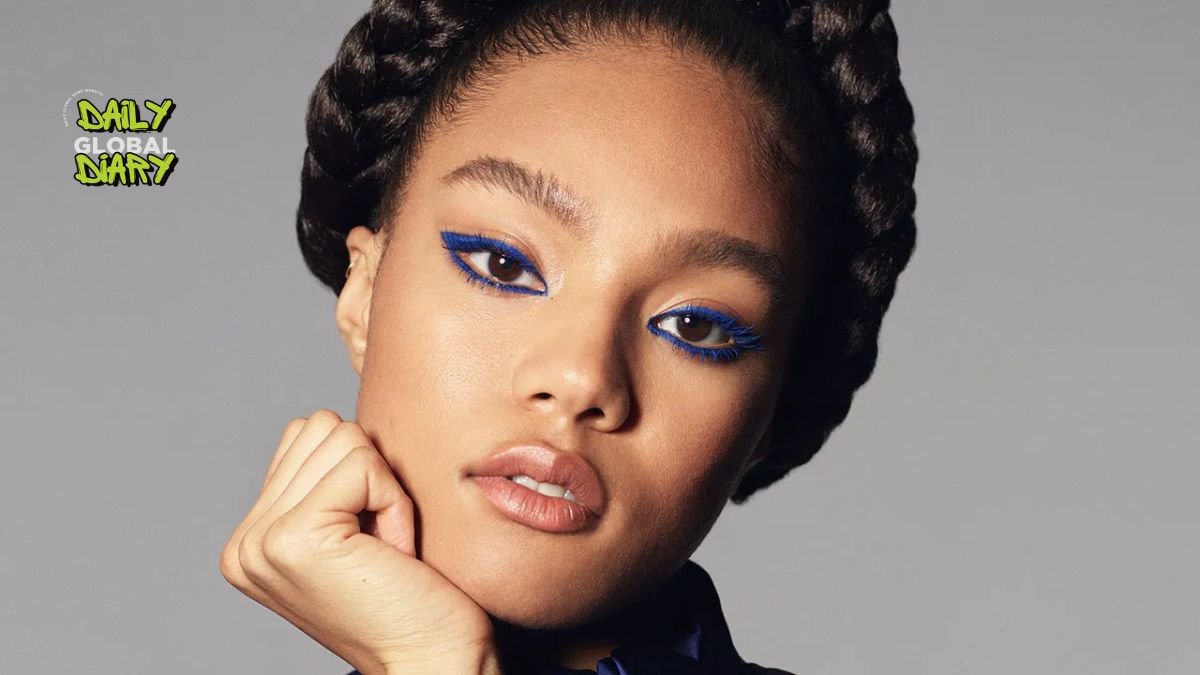
Picking this year’s top beauty products felt like choosing favorite children—impossible, but undeniably rewarding. As Vogue’s Beauty Editors reflect on 2024 and set sights on 2025, they spotlight the skin-care, hair-care, makeup, and wellness gems that made real impact—combining nostalgia, innovation, and sustainability.
Sometimes I feel bad asking my colleagues to name the best new beauty products. Choosing one can often feel like picking a favorite child,” admits a Vogue editor, and that honesty shines through every recommendation.
Below, explore the stellar picks that Vogue editors swore by this year—many of which are currently on sale during Amazon Prime Day 2025.
Best Skin-Care Products
- ($89)** — Used morning and night, this serum delivers clinically proven firmer, plumper skin within weeks, according to Jessica Diner, Vogue’s European beauty director.
- ($40)** — A luxe K‑beauty favorite that transforms into a delicate foam, praised by Kiana Murden for leaving skin soft and soothed.
- ($17)** — This propolis‑niacinamide blend became a breakout star, calming acne and brightening skin while retaining moisture.
- U Beauty The Return Eye Concentrate ($148) — Famed for firming and brightening under‑eye skin, this Japanese-inspired formula blends hyaluronic acid, peptides, beta-glucan, and marine extracts.
Top Makeup Picks
- ($26)** — Offers a fresh, dewy glow reminiscent of a healthy flush—ideal for building natural, adjustable color.
- ($48)** — Vogue editors call this cream contour stick a genius blend of sculpting and glow, performer and highlighter in one.
- ($26)** — A cult classic, delivering rich, natural lashes with every swipe.
Hair-Care & Styling Gems
- ($34)** — Adds a salon-grade shine and polish in minutes—editors call it “a quick fix for dull strands.”
- ($32)** — A powerhouse anti-frizz spray that works even in humidity, available in regular, extra strength, and curly variants.
Luxury Supplements & More
- Elysium Basis NAD⁺ Supplement ($60) — A science-backed formula designed to support cellular longevity—an emerging wellness favorite.
- Clarins Lip Comfort Oil ($30) — A rich, nourishing lip oil that delivers both color and hydration.
- Tronque Triple Active Body Milk ($120) — A luxe body lotion praised for firming and deeply moisturizing.
Editor Favorites: Real Reviews
- After a laser facial, Senior Beauty Editor Margaux Anbouba reached for Chanel’s N°1 de Chanel face cream, celebrating its powerful hydration and soothing properties.
- Wellness Editor Morgan Fargo fell hard for Allies of Skin Copper Tripeptide & Ectoin Repair Serum, which significantly reduced her dark spots and redness.
- Beauty Editor-at-Large Arden Fanning Andrews raves about Tatcha’s The Silk Sunscreen, calling it the go-to UV mineral protector with zero white residue and travel-friendly size.
Beauty & Lifestyle
What’s Really in Your Lipstick Shoppers Are Ditching Chemicals as $104 Billion Beauty Industry Embraces Clean Revolution
From botanical serums to biodegradable packaging, the beauty trends of 2025 reveal a seismic shift: consumers want nature, transparency—and they’re ready to pay for it.
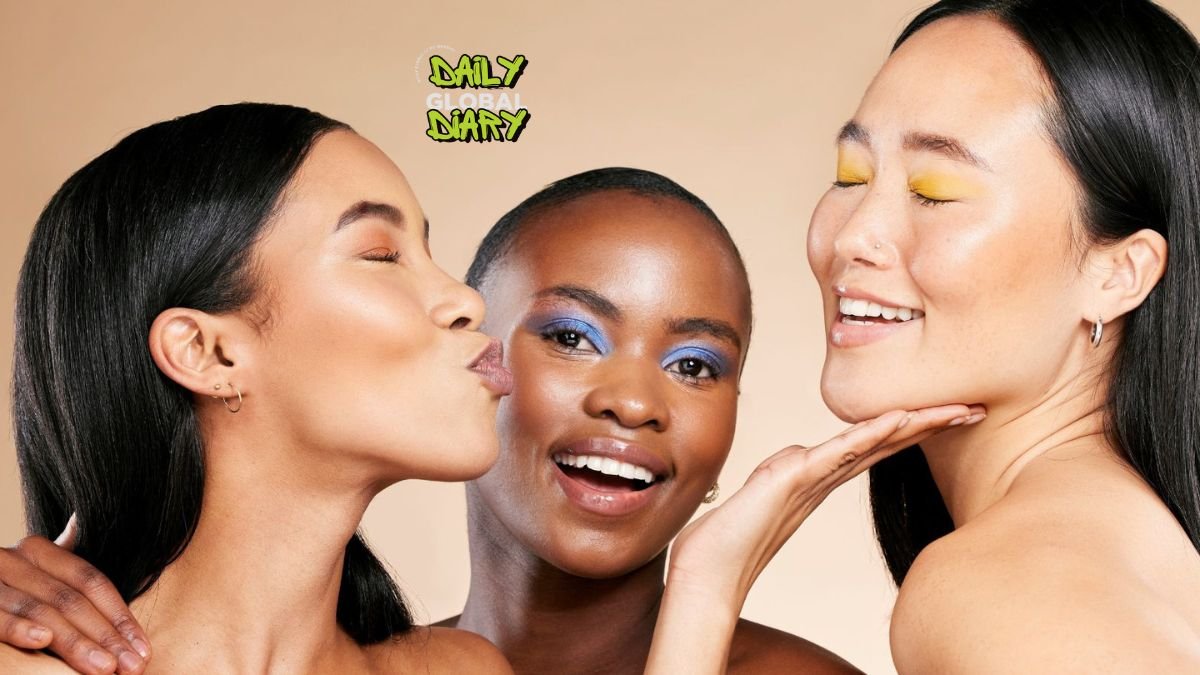
As the U.S. beauty industry races toward a projected $104.7 billion in revenue by 2025, a powerful transformation is sweeping through the world of cosmetics, skincare, and personal care. Today’s consumers are no longer just asking what works—they’re demanding to know what’s in it, where it came from, and what it does to the planet.
At the heart of this movement is a growing preference for natural, organic, and clean beauty products. With 68% of consumers now specifically looking for “clean” labels and 59% actively influenced by natural or organic claims, brands that fail to evolve risk being left behind.
Clean beauty is no longer a niche,” says an industry analyst from the Environmental Working Group.
“It’s the baseline expectation for the modern consumer.
hemicals Out, Nature In: The Rise of Conscious Beauty
The average American woman uses around 9 personal care products daily, containing a staggering 126 unique ingredients, many of which are synthetic chemicals with unknown long-term effects. For one in four women, that number rises to 15+ products a day.
This growing ingredient overload is sparking serious questions among consumers, especially younger demographics. And the industry is listening.
In response:
- Legacy brands are reformulating products with plant-based ingredients.
- Indie brands are leading with vegan, cruelty-free, and non-toxic formulations.
- And new startups are leveraging biotechnology to create sustainable, skin-loving ingredients from algae, mushrooms, and even upcycled food waste.
According to Nosto’s 2025 consumer report, sustainability isn’t just a bonus anymore—55% of shoppers are now willing to pay more for products that are eco-friendly and ethical.
The Green Gold Rush: What’s Driving the Surge?
The global market value of natural and organic beauty is expected to explode to $59 billion by 2031, a figure that reflects not just demand but a major shift in consumer psychology.
Today’s beauty buyer is:
- Label-savvy, scanning for red-flag ingredients
- Planet-conscious, choosing products with minimal packaging or biodegradable materials
- Health-aware, avoiding endocrine disruptors and artificial fragrances
- Socially active, favoring brands with fair trade, transparency, and inclusivity
This new era is blurring the lines between cosmetics and wellness, with skincare formulas now boasting adaptogens, CBD, probiotics, and marine collagen.
Brands Leading the Charge
Some of the most buzzworthy transformations include:
- L’Oréal launching fully recyclable skincare lines with paper-based tubes
- Sephora expanding its “Clean at Sephora” category to include stricter ingredient vetting
- The Ordinary offering ingredient-by-ingredient transparency down to molecular concentration
- New brands like Ilia, Herbivore, and Youth To The People gaining cult status for clean beauty without compromise
We’re in the middle of a consumer-led revolution,” says a brand director at Ulta Beauty.
Our shelves are changing faster than ever—and it’s being driven by people who read the back of the bottle.
What’s Being Left Behind?
As natural beauty surges, several long-used elements are quickly becoming industry villains, including:
- Parabens
- Phthalates
- Sulfates
- Synthetic dyes and fragrances
- Microplastics
Retailers and manufacturers alike are phasing these out to meet growing demand and preempt future regulations.
The Future of Beauty: Transparent, Tech-Driven, and Nature-Focused
Looking ahead to 2026 and beyond, technology will play a larger role in clean beauty. Expect AI-powered skin analysis apps, personalized skincare routines built around DNA profiling, and blockchain-tracked ingredients for full supply chain transparency.
One thing is clear: beauty in 2025 is no longer just about appearance—it’s about awareness.

The Hollywood Reporter Dominates SoCal Journalism Awards With 44 Wins… Inside the Night It Left Competitors Behind

Johnny Knoxville’s Summer Camp Comedy ‘Tiny Fugitives’ Locks Fall Release… Seth Rogen’s Latest Project Could Be This Season’s Surprise Hit

Christopher Nolan’s ‘The Odyssey’ Finally Sets Sail… But It Was a Giant Trojan Horse That Stole the Spotlight in London

ABC Pushes Back Against FCC Over ‘The View’… Says the Show Hasn’t Changed, ‘The Political Climate Has’

Toronto Film Festival Opens With ‘Being Heumann’—Could Sian Heder’s Latest Be the Next Awards Season Breakout?

1-Iran Issues Dire Warning to Israel and Defies Trump on Nukes: “We’re Ready to Strike Deep Inside”

Sen. Elizabeth Warren Calls It a ‘Cesspool of Corruption’ — Here’s Why Senators Are Now Fighting Back Against the DOJ’s Live Nation Deal That Left Every Fan Betrayed…

Donald Trump’s net worth reveals the fortune behind the former US President and business mogul

“Tomás Rodríguez Net Worth 2025: Panama’s Gold Cup Goal‑Machine’s Surprising Fortune Revealed”

“She Never Made It Out…” Albany House Fire Claims Woman’s Life as Family Pleads for Help to Bring Her Home

Miss Jamaica Suffers Terrifying Fall Off Miss Universe Stage; Rushed to Hospital on Stretcher in Viral Video

Moana Live-Action Teaser Sparks Outrage as Fans Call Disney’s Move a ‘Clear Money Grab’ — What Went Wrong?

Ryan Gosling’s Project Hail Mary Trailer Stuns Fans with a Mysterious Alien Ally and a Mission That Could Save Earth

Apple delays Jessica Chastain thriller The Savant about domestic extremism after recent US violence

Avatar 3, Fire and Ash trailer reveals Jake Sully’s family facing terrifying new Na’vi enemies with deadly fire powers
-

 Entertainment1 week ago
Why Is America Turning 9/25 Into Dolly Parton Day? The Touching Meaning Behind the Date Revealed
-

 Tech1 week ago
Apple unveils iPhone 18 Pro series with a camera upgrade users have waited years for: Here’s what changed
-

 Entertainment1 week ago
Summer House Cast Celebrates First Emmy Nomination, Calls It Surreal
-

 Entertainment1 week ago
Beyoncé Ends Two-Year Music Hiatus With ‘Morning Dew’… Fans Wonder If a Bigger Announcement Is Coming
-

 Entertainment1 week ago
Hollywood’s New Box-Office Saviours: Curry Barker Joins Guillermo del Toro’s Elite Circle
-

 Entertainment1 week ago
‘The Gentlemen’ Season 2 Ending Explained by Theo James
-

 Entertainment1 week ago
Emmy Awards 2026 Predictions: First Post-Nominations Forecast Spotlights the Early Favorites
-

 Entertainment5 days ago
Telluride’s Mystery Screening Revealed as Nathan Fielder’s Elizabeth Holmes Documentary