
Technology News
Google hacked in shocking cyberattack — Experts reveal the truth about stolen user data
Google confirms breach linked to ShinyHunters ransomware group — here’s what was taken and why experts say “it could happen to anyone.”

Table of Contents
In a development that has stunned the tech world, Google has officially confirmed it was the target of a successful cyberattack, resulting in the theft of user data. The breach, linked to the notorious ShinyHunters ransomware group — also known as UNC6040 — has raised urgent questions about how even one of the world’s most security-conscious companies could fall victim.
According to an August 5 statement from the Google Threat Intelligence Group (GTIG), hackers gained access to a Salesforce database containing contact information and related notes for small and medium businesses. The attackers reportedly acted swiftly, retrieving “basic and largely publicly available business information” such as company names and contact details before Google mitigated the intrusion.
While the information stolen may not be highly sensitive, the fact that this breach occurred at Google — a company renowned for its cutting-edge security — has sent shockwaves through the industry.

Who is behind the attack?
Cybersecurity experts believe the breach is the work of ShinyHunters, a hacking group infamous for targeting high-profile organizations and leaking stolen data online. Known for their use of voice phishing and social engineering, the group often demands bitcoin ransom payments within 72 hours of compromise.
A Google spokesperson confirmed that while the company is aware of ShinyHunters’ usual tactics, it has not yet confirmed whether a ransom demand was made in this case. The actual breach reportedly took place in June 2025, meaning hackers may have had weeks to exploit the data before the public disclosure.

Experts react: ‘No one is immune’
The news has triggered strong responses from cybersecurity leaders. William Wright, CEO of Closed Door Security, warned:
“It doesn’t matter if you are a small business or one of the world’s leading technology firms, all organizations are vulnerable.”
Jamie Akhtar, CEO of CyberSmart, echoed the sentiment, noting that the breach highlights the human element in cyber defense:
“Given what we know about ransomware, it’s very possible this breach stemmed from social engineering or human error. Even the best defenses can’t protect against someone clicking a malicious link or being tricked by a convincing call.”
The hidden danger — Third-party vulnerabilities
Security experts like Dray Agha of Huntress emphasize that the breach underscores the risks of third-party platforms. Because the compromised database was a Salesforce instance, it highlights how integrated tools can become an unexpected attack vector.
“Even tech giants aren’t immune. Businesses must rigorously vet and monitor all vendors with access to their data,” Agha said.
This is a critical reminder that security is only as strong as the weakest link in the supply chain.

Could it have been prevented?
Some in the industry believe the breach was avoidable. Federico Simonetti, CTO of Xiid, argues that credential-less authentication could have stopped the attack in its tracks:
“Today, credential-less authentication isn’t just a nice-to-have. It’s essential. If a hacker calls a help desk trying to reset a password, they can’t succeed if no password exists in the first place.”
Should Google users be worried?
For now, Google maintains that there is “no indication” the stolen data is sensitive enough to place customers in real peril. Since the compromised information is largely public business data, the risk of identity theft or direct financial harm appears low.
However, cybersecurity analysts caution that even publicly available data can be weaponized for targeted phishing or impersonation campaigns — a tactic ShinyHunters has employed in the past.
What businesses should do now
If your organization uses Google services or Salesforce integrations, experts recommend:
- Reviewing access permissions and revoking unnecessary third-party connections.
- Conducting staff training to recognize phishing and social engineering attempts.
- Implementing multi-layered security including MFA, restricted admin accounts, and advanced threat detection.
- Considering credential-less authentication for high-value accounts.
The bigger lesson
This breach serves as a sobering reminder: even the most secure companies can be hacked. For small businesses, the lesson is not to assume obscurity is protection. For enterprises, it’s a call to re-examine every link in their supply chain security.
As Jamie Akhtar sums it up:
“While any breach at Google is shocking, it’s also a reminder that cybersecurity is a shared responsibility. Don’t panic, but don’t be complacent.”
for more news visit www.DailyGlobalDiary.com










Technology News
Why Is a Giant Emoji Staring at F1 Cars in Las Vegas? Sphere’s Orbi Sparks Wild Curiosity…
The massive yellow face watching the Las Vegas Grand Prix isn’t just a gimmick — Sphere’s Orbi is tracking real Formula 1 cars live using GPS technology.


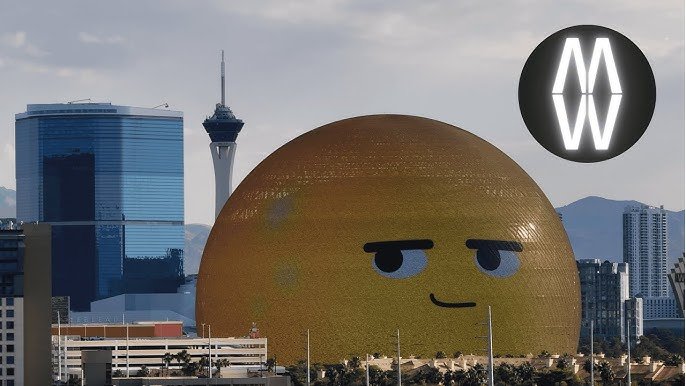
If you thought the dazzling lights of Las Vegas were already impossible to ignore, this weekend’s Las Vegas Grand Prix took spectacle to a whole new level. Standing tall over the Strip, the world-famous Sphere — a global social media magnet since its opening — decided to become an active Formula 1 spectator. And the star of the show was not a driver, but a giant yellow emoji named Orbi.
During Saturday night’s high-octane race, F1 fans noticed something unusual: Orbi’s enormous animated eyes kept following race cars — turning left, right, up, down — almost like a living spectator. Many assumed it was just clever animation. But the truth is far more surprising.
Orbi is actually tracking real F1 drivers live, in real time.
According to Sphere executives, Orbi’s movements are powered by a technological model built specifically for the race. The system receives continuous GPS data directly from Formula One race headquarters in Biggin Hill, near London — the same hub used for global race monitoring and broadcast feeds.
“We wanted Orbi to be an F1 fan with everyone else,” one Sphere spokesperson said. “His eyes aren’t just looking around — they’re synced to the position of any car on the track. He’s literally watching the race with us.”
ALSO READ : Harvard Opens New Probe Into Jeffrey Epstein Ties as Larry Summers Steps Back From Public Roles
The result? A landmark collision between sports, tech, engineering, and digital art.
A 366-Foot-Tall Emoji Becomes the World’s Newest F1 Fan
Sphere has already earned international attention for its jaw-dropping LED surface — a screen so large it can be seen from planes, freeways, hotels, and even from space. But using Orbi to visually follow speeding race cars added something deeper: personality.
At times, Orbi appeared stressed during overtakes, shocked during near collisions, and thrilled during lead changes. Fans watching from grandstands and balconies couldn’t help but laugh — or film — the giant emoji reacting like a true racing enthusiast.
And no, Orbi doesn’t pick sides.
According to the company, every driver — whether Max Verstappen, Lewis Hamilton, Charles Leclerc or a rookie — holds the same spot in Orbi’s yellow heart.
Why Did Sphere Do This?
The answer lies in branding — but also emotion.
The venue is owned by Sphere Entertainment Co., a company built on immersive audience experiences. The Las Vegas Grand Prix presented a once-in-a-generation opportunity: a global event attended by over 300,000 people, with millions more watching worldwide.
But instead of just advertising, the Sphere team wanted connection.
“Everything we do at Sphere is meant to move people emotionally,” the spokesperson said. “People love Orbi. He’s not just watching — he’s participating.”
For a city fueled by entertainment, risk and reinvention, Orbi became the digital mascot fans never knew they needed.
The Internet Reacted — Predictably
Within minutes, TikTok and X were filled with videos captioned:
- “Why is the emoji stalking Lewis Hamilton?”
- “Orbi has better race awareness than Ferrari’s strategy team”
- “I didn’t expect to feel emotionally supported by a building”
Even racing analysts couldn’t resist commenting on it during broadcast segments.
And just like that — Orbi became the most photographed spectator at the Grand Prix.
What This Means for the Future of Live Events
Tech experts say this moment could influence how major sporting events engage fans. Instead of static billboards or predictable LED ads, imagine:
- Stadiums reacting to goals in real time
- Concert venues syncing visuals to audience heart rates
- Cities turning into live data canvases
Sphere didn’t just display content — it participated in the event.
And honestly? It worked.
Las Vegas is already known for larger-than-life entertainment, but a 162,000-square-foot emoji tracking F1 cars may be the most Vegas thing ever.
Technology News
OpenAI reverses course after Hollywood backlash — Sam Altman promises “granular IP control” and potential revenue share for creators in Sora
Following criticism over the use of Hollywood characters and likenesses in its viral AI video app Sora, OpenAI CEO Sam Altman announced plans for stricter IP controls and a new revenue-sharing model for rightsholders.
The explosive rise of Sora — OpenAI’s text-to-video generation app — has captured global attention for its astonishing realism and creativity. But as users began flooding social media with AI-generated clips featuring familiar Hollywood characters, the app also ignited an intense backlash from studios, actors, and copyright holders concerned about the unauthorized use of their intellectual property.
ALSO READ : Dutch firm Amdax raises $23M to chase 1% of Bitcoin supply what it means for global markets
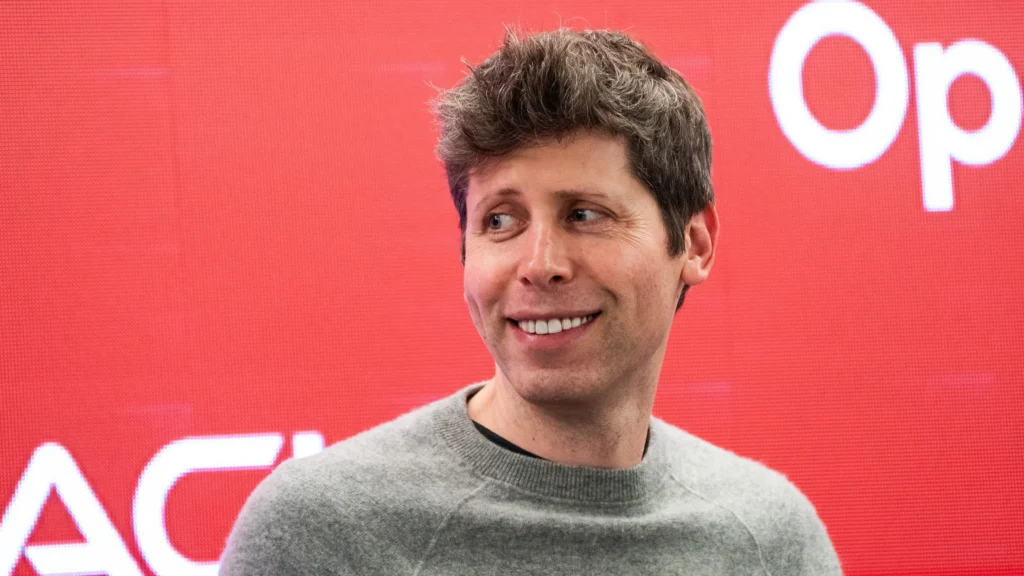
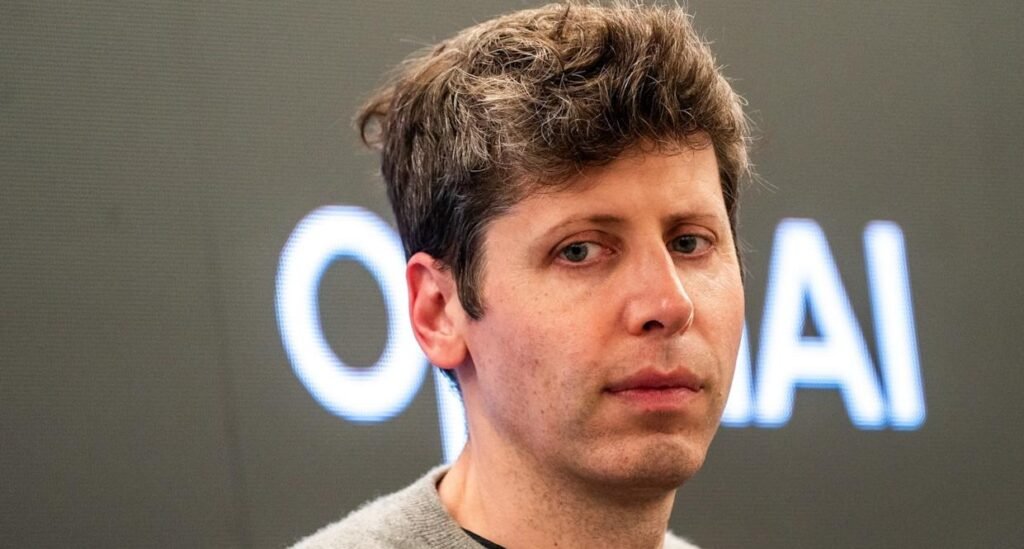
Now, Sam Altman, OpenAI’s CEO, is stepping in to address those concerns. In a late-night blog post on Friday, Altman announced that the company will introduce “more granular control” for rightsholders and is actively exploring a revenue-sharing program for creators whose IP appears in user-generated Sora videos.
“First, we will give rightsholders more granular control over generation of characters, similar to the opt-in model for likeness but with additional controls,” Altman wrote. “We are hearing from a lot of rightsholders who are very excited for this new kind of ‘interactive fan fiction,’ but they want the ability to specify how their characters can be used — including not at all.”
From “opt-out” to “opt-in” — a major policy shift
The move represents a notable reversal from OpenAI’s earlier “opt-out” policy, which allowed characters, brands, and other copyrighted material to appear in user-generated videos unless the owners explicitly requested removal. Under the new rules, OpenAI will adopt a “stricter opt-in model”, meaning that creators and companies must grant permission before their IP can be generated within Sora.
This shift mirrors OpenAI’s existing system for individuals, which allows users to control whether their likeness or voice can be used in generative AI content. However, the company is extending these protections to fictional characters, trademarks, and franchise IP, in response to growing pressure from entertainment giants like Disney, Warner Bros. Discovery, and Sony Pictures.
Altman’s statement also suggests that while Sora’s output policies are changing, the system may still be trained on media containing known characters or copyrighted visuals — a gray area that is likely to fuel further debate about AI training data and copyright law.
Hollywood’s reaction and the IP dilemma
The announcement comes amid rising tensions between Silicon Valley and Hollywood, as generative AI technology increasingly intersects with the entertainment industry.
Major studios and guilds — including the Screen Actors Guild-American Federation of Television and Radio Artists (SAG-AFTRA) and the Writers Guild of America (WGA) — have voiced concerns that AI tools like Sora could be used to replicate actors, writers, and creative works without consent or compensation.
Altman’s statement appears to be a direct response to those concerns. By offering an opt-in framework and potential profit-sharing system, OpenAI aims to appease rightsholders while keeping creators engaged.
“People are generating much more than we expected per user, and a lot of videos are being generated for very small audiences,” Altman wrote. “We are going to try sharing some of this revenue with rightsholders who want their characters generated by users.”
He added that the revenue model is still in development and will likely undergo “trial and error” before it becomes standardized.
A new frontier: “interactive fan fiction”
Despite the controversy, Altman’s tone suggested cautious optimism about what Sora represents for storytelling and fandom. He described a growing community of creators using AI to remix familiar universes — not for exploitation, but for creative expression.
“We’re hearing from rightsholders who see this as a new kind of interactive fan fiction,” Altman said. “They believe this kind of engagement will accrue a lot of value — if it’s done ethically.”
That perspective aligns with a larger cultural shift in online creativity. Sora’s users have produced everything from reimagined Marvel storylines to Star Wars fan films, blurring the boundary between fan art and studio IP.
But the same tools that empower fans also threaten established creative industries, raising urgent questions about ownership, consent, and monetization in the AI era.
The road ahead for OpenAI and Sora
Sora remains in its early-access phase, with select creators and developers experimenting under limited release. Still, the platform has already demonstrated how generative AI could revolutionize filmmaking — and, in the process, disrupt traditional media production models.
OpenAI’s promise of more transparent IP governance and potential revenue sharing could set a precedent for how tech companies collaborate with — rather than compete against — creative industries.
Analysts believe the company’s next major challenge will be ensuring copyright compliance across billions of generated videos while maintaining creative freedom for users.
As the entertainment industry grapples with the implications of AI, one thing is certain: tools like Sora are redefining what it means to create, share, and profit from visual storytelling.
“This is new territory for everyone,” Altman concluded. “We want to build a system that rewards creativity — both human and artificial — without crossing ethical or legal lines.”
Technology News
OpenAI launches Sora app with shocking TikTok twist as Sora 2 model brings “physics to AI videos”
From basketball rebounds to personal cameos, OpenAI’s new Sora app is changing how we see AI-generated video and social media.
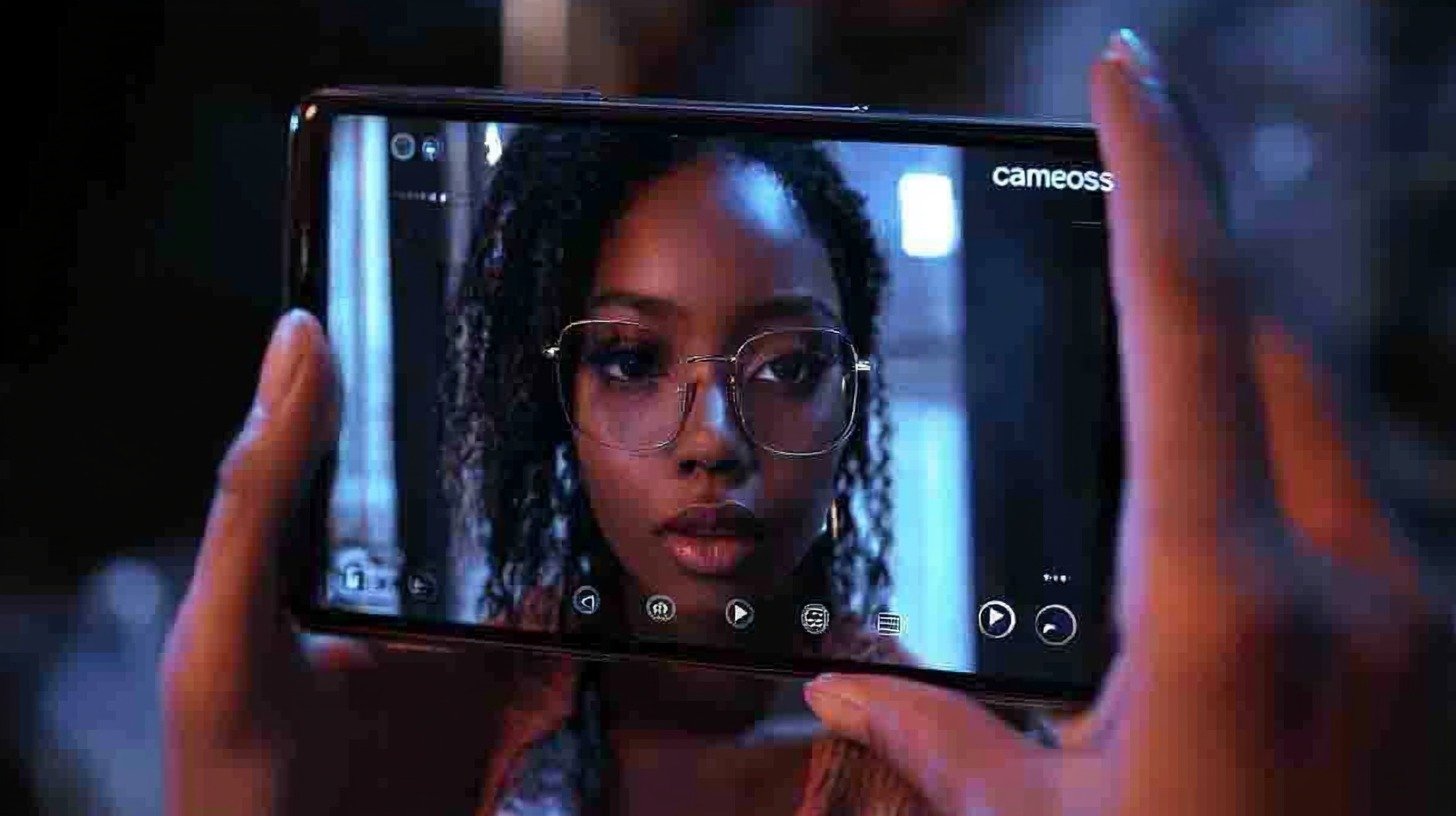
OpenAI is taking a bold step beyond chatbots and text models with the launch of its brand-new Sora app, a short-form video platform positioned as a direct rival to TikTok and Instagram Reels. The release came alongside Sora 2, the next generation of OpenAI’s video and audio generator, which promises to make AI-generated clips look far more realistic than before.
ALSO READ : BNB Chain’s official X account hacked CZ warns followers “Do NOT connect your wallet”
The announcement, made on Tuesday, has already generated waves across the tech and creator communities. In an official blog post, OpenAI claimed that Sora 2 fixes one of the biggest problems of earlier models — their inability to follow the laws of physics.
“Prior video models are overoptimistic — they will morph objects and deform reality to successfully execute upon a text prompt,” OpenAI explained. “For example, if a basketball player misses a shot, the ball may spontaneously teleport to the hoop. In Sora 2, if a basketball player misses a shot, it will rebound off the backboard.”
The public demonstrations from OpenAI featured highly realistic scenes — from beach volleyball matches to skateboard tricks, gymnastics routines, and even dramatic cannonball dives into swimming pools.
The “cameos” feature: Upload yourself into AI videos
Perhaps the most surprising part of the launch is the Sora app’s “cameos” feature, which allows users to literally drop themselves into AI-generated clips. By uploading a one-time video and audio file to verify their likeness, people can generate videos where they — or their friends — appear in AI-crafted scenarios.
Even more striking, users can share their “cameos” with friends, granting them permission to include their likeness in generated videos. That means multiple people can appear together in a surreal AI-crafted scene.

OpenAI described the idea simply: “We think a social app built around this ‘cameos’ feature is the best way to experience the magic of Sora 2.”
Sora app vs TikTok and Meta
The new Sora app functions like a hybrid between TikTok and Meta’s Instagram Reels. Videos appear on an algorithmic feed that learns from user activity, location, and even past ChatGPT conversations — though the latter can be switched off.
This launch comes just days after Meta revealed its own video feed called Vibes inside the Meta AI app, signaling that the short-form video battle is entering a new chapter where AI-generated content takes center stage.
Safety, parental controls, and ethical concerns
While the technology is impressive, it brings serious safety concerns. Non-consensual use of likenesses has already been a persistent issue with AI video tools, and OpenAI’s new app could make such misuse easier.
To counter this, the company has introduced parental controls integrated with ChatGPT, allowing guardians to restrict infinite scroll, disable algorithmic personalization, or block direct messages for children. Users can also revoke access to their likeness at any time. Still, experts warn that misuse remains a real risk, since trusted friends could still generate deceptive or harmful videos.
Free at launch, monetization later
For now, the Sora iOS app is free to download in the U.S. and Canada, with plans to expand internationally. OpenAI has clarified that monetization will initially be limited to charging users for generating extra videos during periods of high demand.
Interestingly, ChatGPT Pro subscribers will gain access to the Sora 2 Pro model, even without an invite to the app itself. This move could give OpenAI’s premium users a powerful edge in experimenting with advanced video generation.
What it means for the future of social media
The Sora launch isn’t just another app drop — it signals a broader shift in how AI will integrate with entertainment and communication. By blending personal identity, AI creativity, and social sharing, OpenAI is positioning itself at the very heart of the short-form video revolution.
But whether the platform can compete with giants like TikTok and Meta will depend not just on its technology, but on how it handles trust, safety, and community culture.
For now, Sora is invite-only, but the buzz surrounding it suggests that when the doors open wider, millions of users will be eager to test just how magical — or dangerous — AI-powered social video can be.

Liverpool vs Brighton, Chelsea vs Everton and More — Live Football Action as Premier League Drama Unfolds

Bryant Haines Set to Become One of College Football’s Highest-Paid Assistants After Indiana’s Dream Season

Sherrone Moore Fired and Arrested — Why Michigan Athletics Is Facing Its Biggest Culture Crisis Yet

League of Legends 2026 Swiftplay Gets a Massive Overhaul With Faster Games and Shocking Jungle Changes

Olivia Rodrigo Leaves Her Idol ‘Mind Blown’ With Stunning A Cappella Christmas Cover

1-Iran Issues Dire Warning to Israel and Defies Trump on Nukes: “We’re Ready to Strike Deep Inside”

Donald Trump’s net worth reveals the fortune behind the former US President and business mogul

Caitlin Clark Sidelined with Quad Strain, Set to Miss Two Weeks of WNBA Action

Elon Musk Breaks Ranks with Trump Over ‘Big, Beautiful’ Tax Bill

Golden Glory: Team USA Wins First Standalone Ice Hockey World Championship in 91 Years

Miss Jamaica Suffers Terrifying Fall Off Miss Universe Stage; Rushed to Hospital on Stretcher in Viral Video

Moana Live-Action Teaser Sparks Outrage as Fans Call Disney’s Move a ‘Clear Money Grab’ — What Went Wrong?

Ryan Gosling’s Project Hail Mary Trailer Stuns Fans with a Mysterious Alien Ally and a Mission That Could Save Earth

Apple delays Jessica Chastain thriller The Savant about domestic extremism after recent US violence

Avatar 3, Fire and Ash trailer reveals Jake Sully’s family facing terrifying new Na’vi enemies with deadly fire powers
-

 US News7 days ago
“She Never Made It Out…” Albany House Fire Claims Woman’s Life as Family Pleads for Help to Bring Her Home
-

 Entertainment1 week ago
“Detective, Psychologist, Anthropologist?” — Inside the Secret World of Casting Directors Behind ‘F1,’ ‘The Smashing Machine’ and ‘Marty Supreme’
-

 Entertainment6 days ago
XG Star Cocona Shares a Brave Truth at 20 — “I Was Born Female, But That Label Never Represented Who I Truly Am…”
-
 Entertainment6 days ago
Samba Schutte Reveals the Surprise Cameo in Pluribus That “Nobody Saw Coming”… and Why John Cena Was Perfect for the Role
-

 Entertainment1 week ago
Legendary Guitarist Steve Cropper Dies at 84… Tributes Pour In for the Soul Icon Behind ‘Green Onions’ and ‘Soul Man’
-
 Entertainment7 days ago
Nika & Madison stuns global audiences as director Eva Thomas reveals why “resilience, not fear, drives Indigenous women on the run”
-

 Politics5 days ago
“Billions and Billions Have Watched Them…” Trump Makes History Hosting Kennedy Center Honors and Praising Stallone, Kiss, and More
-
 Sports1 week ago
Cowboys refuse to fold after tough loss to Lions, say setback will fuel stronger playoff push