
World News
Donald Trump’s Gaza Peace Plan Moves Forward as Israel Approves Hostage Deal: ‘All Hostages Will Be Released Very Soon
Israel’s Cabinet gives the green light to the first phase of Donald Trump’s Gaza peace plan, marking a breakthrough deal that includes the release of Hamas-held hostages in exchange for Palestinian prisoners.

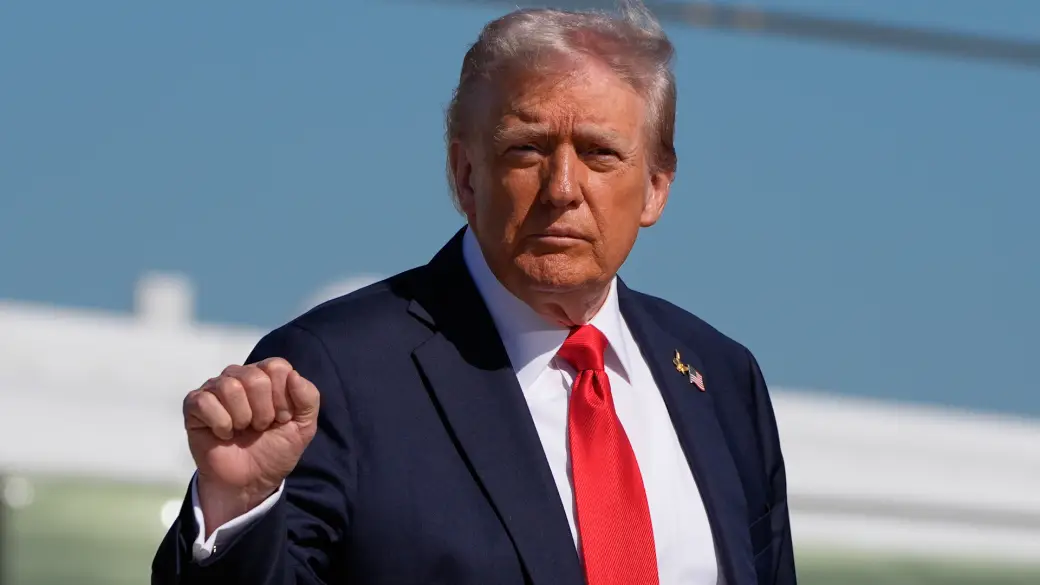
In what could mark a turning point in one of the world’s most complex conflicts, the Israeli government has officially approved the first phase of former U.S. President Donald Trump’s proposed Gaza peace plan — a move that will see the release of hostages held by Hamas in exchange for Palestinian prisoners.
The decision was made following a lengthy Cabinet session led by Prime Minister Benjamin Netanyahu on October 9, where Trump’s advisers Jared Kushner and Steve Witkoff presented the framework. The plan, according to Israeli officials, represents “a framework for the release of all of the hostages – both living and deceased.”
ALSO READ : Shocking Gaza Footage: Israeli Tanks Fire Near Civilians Hours After Ceasefire Deal With Hamas — Here’s What Happened
“This approval brings us one crucial step closer to peace,” an Israeli government spokesperson said after the Cabinet vote. “The Prime Minister’s Office has confirmed that all necessary measures for the exchange are now being implemented.”
The announcement comes just one day after Trump declared on Truth Social that Israel and Hamas had agreed to his proposed peace framework. “This means that ALL of the Hostages will be released very soon, and Israel will withdraw their Troops to an agreed upon line as the first steps toward a Strong, Durable, and Everlasting Peace,” Trump wrote, sparking intense international reactions.
A Deal Two Years in the Making
The conflict in Gaza, which has stretched for more than two years, has witnessed devastating losses on both sides. According to reports from the Israeli Defense Forces (IDF), dozens of hostages remain in Hamas custody, many of whom were captured during earlier stages of the conflict.
Trump’s peace initiative — sometimes referred to by insiders as “The Abraham Legacy Plan” — seeks to end hostilities through phased exchanges, gradual troop withdrawals, and the creation of new administrative zones in Gaza under international supervision.
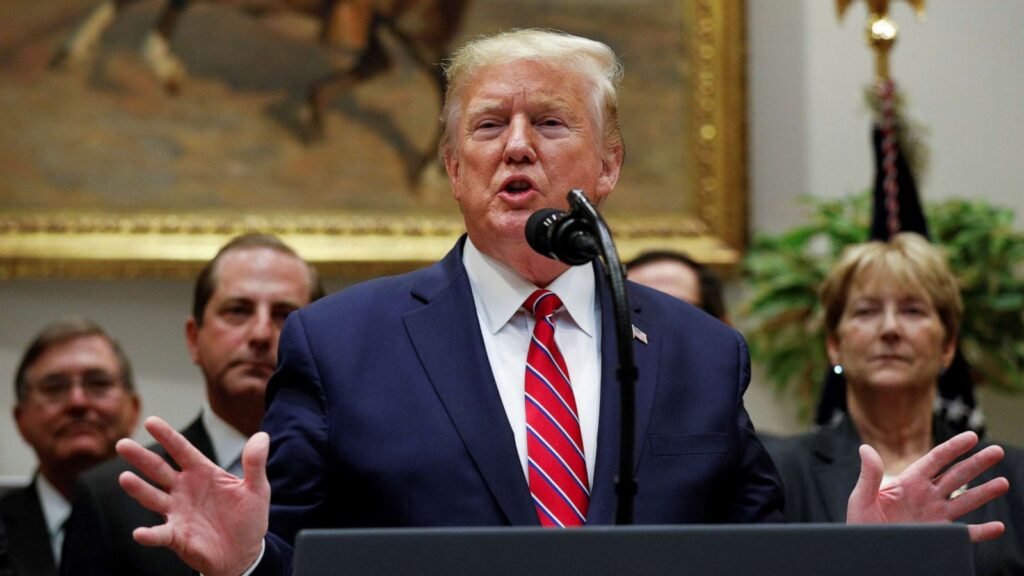
Sources close to the discussions told Daily Global Diary that this first phase focuses on humanitarian outcomes, including prisoner exchanges and the safe return of displaced civilians. The broader plan aims to stabilize the region through “sustained diplomacy and security guarantees.”
Behind Closed Doors: Netanyahu’s Balancing Act
The approval wasn’t unanimous. Several Israeli ministers reportedly expressed skepticism about the timeline and the trustworthiness of Hamas in upholding their end of the bargain. However, Netanyahu—who has faced mounting domestic pressure—emphasized that this framework was “Israel’s best opportunity to bring every hostage home.”
Political analysts note that Netanyahu’s decision was likely influenced by both domestic sentiment and international pressure. “Israel’s leadership has reached a point where political calculus meets humanitarian urgency,” said one Jerusalem-based policy expert.
Trump’s personal involvement, meanwhile, has reignited debates about U.S. influence in Middle East peacebuilding. While critics call the move a political maneuver ahead of the 2028 U.S. elections, supporters argue that Trump’s direct diplomacy has achieved what others could not.
Global Reaction: Hope and Hesitation
World leaders have cautiously welcomed the announcement. The United Nations, European Union, and United States State Department issued joint statements acknowledging the “potential significance” of the deal while stressing the importance of its full implementation.
Humanitarian organizations, including the Red Cross, are now preparing to facilitate the exchange process. “This marks a rare moment of consensus,” said a Red Cross official in Geneva. “If carried out effectively, it could save countless lives.”
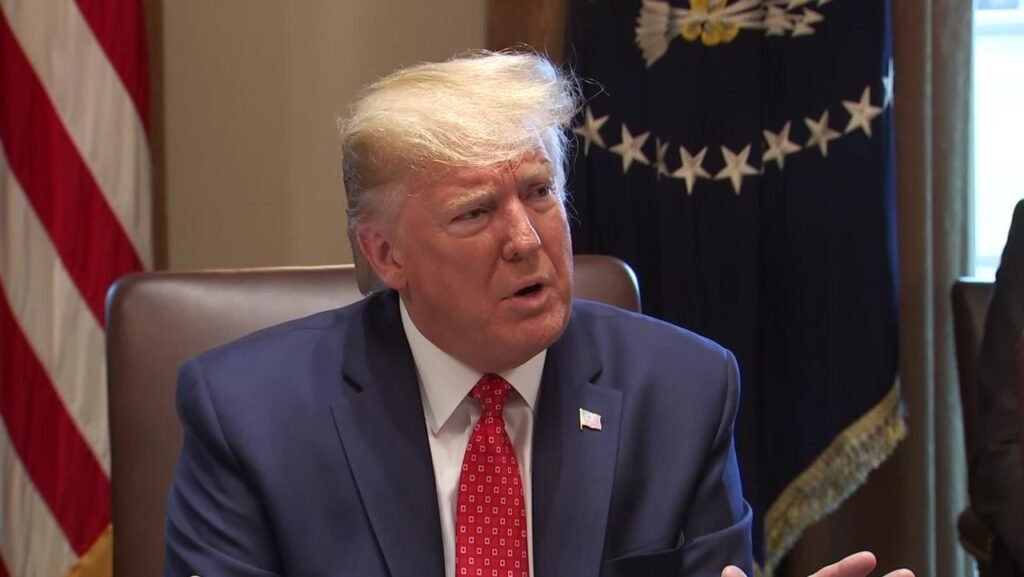
Yet, concerns persist. Skeptics warn that without structural guarantees, this could devolve into yet another fragile truce. “Peace is not a paper—it’s practice,” said a Palestinian analyst from Ramallah. “We’ve seen many plans collapse because the trust deficit is just too deep.”
Trump’s Comeback Moment
For Donald Trump, this peace plan could be a defining moment in his post-presidency political narrative. The former President’s return to the diplomatic spotlight has been marked by self-assurance and a signature blend of optimism and controversy.
“This is what leadership looks like,” Trump said in a brief interview outside his Mar-a-Lago residence. “Peace through strength, through courage, and through fairness. The world is tired of endless wars—and so am I.”
His close adviser Jared Kushner, architect of the Abraham Accords, echoed the sentiment. “This isn’t just about politics—it’s about humanity,” Kushner said.
The Road Ahead
As Israel prepares for the logistical phases of the exchange, expectations are high but tempered by experience. The deal’s success will likely hinge on trust, verification, and the role of mediating nations like Egypt and Qatar.
The Israeli Defense Forces (IDF) are expected to oversee the secure transfer of hostages, while international observers monitor compliance on both sides. If successful, the next phase could include talks on border demilitarization and reconstruction efforts in Gaza.
While it’s far too early to declare victory, the approval of this plan signals a potential new chapter in Middle Eastern diplomacy — one where long-standing hostility might give way to cautious hope.
As one senior Israeli official put it: “History has seen many false dawns. But maybe, just maybe, this is the one that breaks the cycle.”





World News
Orbs Launching Orbs and a Strange Moon Landing Sighting? Pentagon UFO Files Spark Fresh Alien Debate
Newly discussed Pentagon UFO records and unexplained aerial encounters are reigniting public curiosity, with reports mentioning mysterious “orbs,” strange lunar observations, and military witness testimonies that continue to puzzle experts.

For decades, unidentified flying objects have remained one of the world’s most fascinating mysteries. But now, fresh discussions surrounding previously released Pentagon-related UFO records are once again sending the internet into overdrive. Reports involving glowing “orbs launching orbs,” unexplained sightings near military zones, and even unusual observations linked to the Moon landing era are fueling new debates about whether humanity is truly alone.
The renewed attention comes as the and U.S. defense agencies continue facing pressure from lawmakers and the public to reveal more about unexplained aerial phenomena, commonly referred to as UAPs.
In one of the most talked-about claims circulating online, military-linked witnesses allegedly described glowing spheres behaving in ways that defy known aviation technology. One account reportedly referenced “orbs launching orbs,” a phrase that has become viral across social media platforms and conspiracy forums alike.
The unusual wording immediately grabbed attention because the sightings allegedly involved objects maneuvering without visible propulsion systems, moving at impossible speeds, and changing direction mid-air without any observable aerodynamic limitations.
ALSO READ : Younghoe Koo Explains Botched Field Goal After Slip: “The Ball Was Moving So I Pulled Up”
UFO Curiosity Returns to the Mainstream
Interest in UFOs has dramatically increased in recent years, especially after the UAP investigations and congressional hearings in the United States. Former military officials and intelligence officers have publicly stated that some sightings remain unexplained despite extensive analysis.
The mystery deepened after videos captured by U.S. Navy pilots surfaced online years ago, showing fast-moving objects that appeared difficult to identify using conventional explanations. Those videos, often linked to the famous “Tic Tac” encounters, pushed UFO conversations from fringe communities directly into mainstream political and scientific discussions.
Now, the resurfacing of claims tied to Pentagon files has once again ignited speculation.
According to online discussions surrounding the files, one bizarre account allegedly referenced an observation connected to the Moon landing era. While no definitive evidence of extraterrestrial life has emerged, the mention alone was enough to spark theories across social media.
Supporters of disclosure argue that governments may know more than they publicly admit. Skeptics, however, believe many sightings can eventually be explained through classified military technology, optical illusions, sensor errors, or atmospheric phenomena.
The “Orbs” Description Has Internet Users Hooked
Among all the recent claims, the phrase “orbs launching orbs” has become the biggest talking point online. UFO enthusiasts say the wording sounds unlike any conventional aircraft behavior ever documented publicly.
Videos and clips discussing the reports quickly spread across platforms like, formerly Twitter, where users debated whether the sightings point toward advanced secret technology or something far more mysterious.
Some researchers believe glowing orb sightings are among the most consistently reported UFO encounters worldwide. These objects are often described as silent, spherical, and capable of movements that appear impossible for modern aircraft.
Still, experts warn against jumping to conclusions.
Scientists have repeatedly emphasized that extraordinary claims require extraordinary evidence. Without verifiable physical proof, radar data, or independently confirmed footage, many of the more sensational theories remain speculative.
Why the Pentagon’s UFO Discussions Matter
The reason Pentagon-linked UFO discussions attract so much global attention is simple: credibility.
Unlike random internet rumors, many recent UAP conversations involve military pilots, radar operators, or defense personnel. That alone has shifted the tone of the debate.
In recent years, the U.S. government established dedicated offices to analyze unexplained aerial phenomena. Congressional lawmakers have also demanded greater transparency from intelligence agencies regarding unidentified objects detected near sensitive military installations.
The issue is no longer treated purely as science fiction.
Even officials who reject alien theories admit that unexplained objects entering restricted airspace could represent potential national security concerns. That possibility has pushed governments to take reports more seriously than in previous decades.

Moon Landing References Add Another Layer of Mystery
One reason the latest reports are spreading so quickly is the connection being made to the historic Moon landing discussions.
Ever since astronauts first stepped on the Moon in 1969, conspiracy theories surrounding hidden lunar discoveries have existed online and in pop culture. Claims involving strange lights, mysterious structures, or secret communications have repeatedly surfaced over the years — though none have ever been conclusively proven.
The renewed references inside recent UFO discussions have therefore reopened old debates.
Supporters of disclosure believe governments possess classified information tied to space missions. Skeptics counter that decades of speculation have yet to produce concrete proof capable of withstanding scientific scrutiny.
Still, the fascination remains impossible to ignore.
Public Fascination With Alien Life Isn’t Going Away
Movies, documentaries, podcasts, and streaming series have helped turn UFO culture into a global obsession. From classics to modern investigative documentaries, the idea of extraterrestrial life continues capturing human imagination.
At the same time, scientific exploration is advancing rapidly. Telescopes operated by organizations like are actively searching for potentially habitable planets beyond our solar system.
While no confirmed alien contact has ever been announced, astronomers increasingly believe that microbial or intelligent life elsewhere in the universe is statistically possible.
That scientific backdrop helps explain why Pentagon UFO stories continue dominating headlines whenever new information emerges.
Skeptics Continue Asking Tough Questions
Despite the excitement, many analysts remain cautious.
Experts note that military sensors can occasionally misinterpret data, while human perception during high-speed aerial encounters is far from perfect. In several previously famous UFO incidents, later investigations suggested that at least some sightings may have had ordinary explanations.
Defense analysts also point out that advanced drone technology and classified military projects can easily be mistaken for something extraterrestrial.
Without independently verified evidence, most scientists say it remains impossible to conclude that alien spacecraft are visiting Earth.
Still, unanswered questions continue fueling curiosity worldwide.
And as more Pentagon discussions and witness accounts emerge, public fascination with UFOs appears stronger than ever.
Whether the truth eventually turns out to be advanced technology, misunderstood science, or something humanity has never encountered before, one thing is certain: mysterious objects in the sky continue capturing global attention like few other stories can.
World News
Banda Turns Into a Ghost Town After 10 AM as Temperature Crosses 48°C… India’s Hottest District Faces a Dangerous New Reality
Once known for its farming communities and bustling markets, Banda is now making headlines for a terrifying reason — extreme heatwaves that are pushing life indoors before noon.

The streets of Banda begin buzzing before sunrise. Shopkeepers lift shutters early, vegetable carts roll through narrow lanes, and workers rush to finish daily errands before the sun turns brutal. But by 10 in the morning, the city nearly stops breathing.
This summer, Banda has emerged as one of India’s most dangerously hot districts, recording a scorching 48.2 degrees Celsius — the highest temperature in the country this week. The relentless heat has transformed daily life into a race against the clock, forcing businesses to shut down and residents to remain indoors for survival.
For many locals, the heat is no longer just uncomfortable. It is becoming unlivable.
Jeweller Lakhan Gupta, who runs a small shop in Attara town, now starts his day at dawn. By the time most cities are waking up, he has already completed most of his work and returned home.
“After 10am, the roads are empty,” he says. “People only step outside when absolutely necessary.”
ALSO READ : Sen. Elizabeth Warren Calls It a ‘Cesspool of Corruption’ — Here’s Why Senators Are Now Fighting Back Against the DOJ’s Live Nation Deal That Left Every Fan Betrayed…
The silence in Banda during daytime hours has become one of the clearest signs of how severe the climate situation has become in northern India.
Banda Breaks Heat Records Again
According to weather data, Banda touched 47.6°C on April 27, the highest April temperature the district had recorded since 1951. That figure itself was shocking, surpassing previous records set in 2022 and earlier this year.
But the situation worsened this week when the mercury climbed further to 48.2°C, placing Banda above many traditionally hotter regions of Rajasthan.
For decades, places like Churu and Jaisalmer were seen as India’s ultimate heat zones. Now, Banda’s name is entering the same conversation — something climate experts say reflects deeper environmental damage and changing weather patterns across the country.
Scientists believe the rise in extreme temperatures is linked not only to global climate change but also to local ecological decline. Reduced green cover, shrinking water bodies, deforestation, and rapid land degradation have weakened the region’s natural cooling systems over the years.
A Climate Crisis That Feels Personal
For residents, the crisis is visible everywhere.
Roads that once remained crowded through the afternoon now appear abandoned. Markets operate only during early morning and late evening hours. Construction workers struggle to continue shifts under the intense sun. Even schools and outdoor activities have been disrupted.
Doctors in the region are also warning about rising cases of dehydration, heat exhaustion, and heatstroke. Elderly citizens, children, and outdoor labourers remain among the most vulnerable.
Experts from the India Meteorological Department have repeatedly warned that heatwaves across India are becoming longer, stronger, and more frequent. The trend has accelerated over the last decade, especially in northern and central regions.
Environmental researchers say districts like Banda are now becoming examples of how climate change can reshape local economies and lifestyles. When temperatures remain close to or above 48°C for multiple days, normal human activity becomes difficult for long hours.

Daily Life Now Revolves Around Heat
The impact is visible not only in public health but also in business.
Small traders say sales have collapsed because customers avoid stepping out during daytime. Tea stalls remain empty in the afternoon. Transport workers limit operations. Farmers begin work before sunrise and stop soon after.
Many residents describe the afternoons as “silent hours” where entire neighbourhoods disappear indoors behind closed doors and running coolers.
Electricity demand has also surged as families depend heavily on fans, air conditioners, and water pumps to survive the heat. But frequent power cuts in some areas only worsen the crisis.
Climate experts warn that such conditions may no longer be rare events. Instead, they could become a recurring part of summer in several Indian districts unless stronger environmental measures are adopted.
Why Banda’s Situation Matters to the Entire Country
The story of Banda is not just about one district in India. It is becoming a warning sign for the future.
Across the world, cities are recording unprecedented temperatures due to the growing climate emergency. In India, the combination of dense population, water stress, and rapid urbanisation makes the challenge even more dangerous.
Researchers believe restoring green cover, protecting water bodies, improving urban planning, and investing in heat-resilient infrastructure will become essential in the coming years.
For now, however, Banda continues to endure days where stepping outside after breakfast can feel impossible.
And as temperatures keep rising, the district that once lived through long bustling afternoons is now learning to survive in the shadows of extreme heat.
World News
“‘May the 4th’ Gets Political… White House Drops Trump as Mandalorian Image, Leaving Disney Fans Stunned”
A viral Star Wars Day post featuring Donald Trump in Mandalorian armor sparks debate over pop culture, politics, and digital messaging.

What was meant to be a celebration of one of pop culture’s most beloved days quickly turned into a political talking point. On May 4—universally recognized as Star Wars Day—the White House surprised social media users with an unexpected post: an image depicting Donald Trump styled as the iconic Mandalorian warrior.
The internet, as expected, didn’t stay quiet.
When Politics Meets Pop Culture
Star Wars Day—coined from the pun “May the Fourth be with you”—has long been celebrated by fans and studios alike, especially by The Walt Disney Company, which owns the franchise after acquiring Lucasfilm.
But this year, the narrative shifted.
The White House’s post featured Trump clad in armor reminiscent of The Mandalorian, a character made globally popular through the Disney+ series The Mandalorian. The imagery, stylized and clearly designed for virality, instantly blurred the line between fandom and political branding.
Some viewers found it humorous. Others called it tone-deaf.
ALSO READ : Sen. Elizabeth Warren Calls It a ‘Cesspool of Corruption’ — Here’s Why Senators Are Now Fighting Back Against the DOJ’s Live Nation Deal That Left Every Fan Betrayed…
Social Media Reacts—Loudly
Within minutes, platforms like X were flooded with reactions. Memes, criticism, and praise all poured in simultaneously—highlighting how deeply intertwined entertainment and politics have become.
For many Star Wars fans, the issue wasn’t the image itself, but the context. Star Wars, after all, has always carried political undertones—but those narratives were fictional, not directly tied to real-world leaders.
Critics argued that using a globally recognized character to project a political figure risks diluting both the message and the legacy of the franchise. Supporters, on the other hand, saw it as a clever use of modern digital engagement.
Disney Stays Silent… For Now
Interestingly, The Walt Disney Company has not issued any official statement regarding the post. Given Disney’s tight control over its intellectual property, the silence has only fueled further speculation.
Was this an authorized use? A parody? Or simply a case of political messaging borrowing from cultural icons?

White House Trump Mandalorian Star Wars Day Post Sparks Viral Debate
Industry observers note that while parody laws often allow such usage, the involvement of official government channels adds a layer of complexity that could invite scrutiny.
A New Era of Digital Messaging
The incident reflects a broader shift in how institutions communicate in the digital age. Governments, like brands, are increasingly adopting meme culture and pop references to connect with younger audiences.
But this strategy comes with risks.
When executed well, it can humanize institutions and boost engagement. When misjudged, it can spark controversy and overshadow the intended message—exactly what appears to have happened here.
The Bigger Picture
This isn’t the first time Donald Trump has been portrayed in pop culture crossovers, but the use of an official White House platform makes this moment particularly significant.
It raises questions about the boundaries between governance and entertainment, and whether such blending enhances communication—or undermines it.
As Star Wars fans continue to celebrate their favorite galaxy far, far away, one thing is clear: this year’s “May the 4th” will be remembered not just for lightsabers and nostalgia—but for a viral image that sparked a global conversation.

‘Euphoria’ Without Labrinth? Fans Think HBO Almost Lost the Soul of the Show… and the Internet Agrees

Why Kevin Hart’s Roast Turned Into Netflix’s Wildest Night Yet… From Katt Williams Peace Talks to Brutal Height Jokes

Why Is ‘Wuthering Heights’ Bringing Back VistaVision? DP Linus Sandgren Hints at an IMAX Future That Could Change Cinema Again…

Why Is ‘Wuthering Heights’ Bringing Back VistaVision? DP Linus Sandgren Hints at an IMAX Future That Could Change Cinema Again…

Why Is Renée Zellweger Returning With ‘A Woman in the Sun’? The Cast Behind the Mystery Has Hollywood Talking…

1-Iran Issues Dire Warning to Israel and Defies Trump on Nukes: “We’re Ready to Strike Deep Inside”

Donald Trump’s net worth reveals the fortune behind the former US President and business mogul

“She Never Made It Out…” Albany House Fire Claims Woman’s Life as Family Pleads for Help to Bring Her Home

“Tomás Rodríguez Net Worth 2025: Panama’s Gold Cup Goal‑Machine’s Surprising Fortune Revealed”

Caitlin Clark Sidelined with Quad Strain, Set to Miss Two Weeks of WNBA Action

Miss Jamaica Suffers Terrifying Fall Off Miss Universe Stage; Rushed to Hospital on Stretcher in Viral Video

Moana Live-Action Teaser Sparks Outrage as Fans Call Disney’s Move a ‘Clear Money Grab’ — What Went Wrong?

Ryan Gosling’s Project Hail Mary Trailer Stuns Fans with a Mysterious Alien Ally and a Mission That Could Save Earth

Apple delays Jessica Chastain thriller The Savant about domestic extremism after recent US violence

Avatar 3, Fire and Ash trailer reveals Jake Sully’s family facing terrifying new Na’vi enemies with deadly fire powers
-

 Entertainment1 week ago
Failure’s ‘Location Lost’ Might Be Their Last “Are the ’90s Alt-Rock Pioneers Saying Goodbye…?”
-

 World News1 week ago
Orbs Launching Orbs and a Strange Moon Landing Sighting? Pentagon UFO Files Spark Fresh Alien Debate
-

 Entertainment5 days ago
Why Are Theaters Backing Nate Bargatze’s “Cheap Tickets” Idea for ‘The Breadwinner’? The Answer Could Change Hollywood…
-
 Entertainment4 days ago
‘Euphoria’ Without Labrinth? Fans Think HBO Almost Lost the Soul of the Show… and the Internet Agrees
-

 Entertainment6 days ago
Vegas Was Fading… Then Backstreet Boys Changed Everything Overnight
-

 Entertainment1 week ago
Justin Bieber’s ‘Swag Era’ Takes Over Coachella… Surprise Guests Turn Headlining Set Into a Global Moment
-

 Entertainment1 week ago
Zac Brown Band to Headline Historic UFC Night in Washington D.C… Music Meets Fight Game Ahead of White House Showdown
-

 Entertainment1 week ago
Spotify’s New AI Remix Tool Could Change Music Forever… But Only If Artists Say Yes