
Entertainment
“These Films Are Saving Hollywood…” Jason Blum and James Wan Reveal Why ‘Obsession’ and ‘Backrooms’ Could Change Horror Forever
As horror continues to outperform expectations at the box office, industry giants Jason Blum and James Wan believe a new era has begun—one that could transform their studios into the “Disney of Horror.”


For years, Hollywood executives have searched for the formula that could consistently bring audiences back to theaters. While superhero fatigue, streaming competition, and rising production costs have challenged the industry, one genre continues to prove remarkably resilient: horror.
Now, two of the most influential figures in modern horror filmmaking—Jason Blum and James Wan—believe recent hits like Backrooms and Obsession are demonstrating exactly why the genre remains one of cinema’s most powerful forces.
Their message is simple but striking: horror isn’t just surviving. It may be helping save the movie business itself.
A New Horror Boom Is Taking Shape
Few producers have had a greater impact on modern horror than Jason Blum and James Wan.
Through Blumhouse Productions and Atomic Monster, the pair have spent years building franchises that consistently attract audiences while maintaining relatively modest budgets.
ALSO READ : Sen. Elizabeth Warren Calls It a ‘Cesspool of Corruption’ — Here’s Why Senators Are Now Fighting Back Against the DOJ’s Live Nation Deal That Left Every Fan Betrayed…
That strategy has created some of the most profitable films in recent memory.
From The Conjuring universe to Insidious, horror has repeatedly demonstrated an ability to generate massive returns without requiring blockbuster-level spending.
The success of Backrooms and Obsession appears to reinforce that trend.
Both projects have generated significant industry attention, with executives viewing them as examples of how original ideas can still break through in a crowded entertainment landscape.
Why ‘Backrooms’ Has Hollywood Talking
Few recent films have generated as much curiosity as Backrooms.
What began as an internet phenomenon evolved into one of the most anticipated horror adaptations in recent memory. The project tapped into online culture, viral storytelling, and a generation of audiences raised on digital myths and internet lore.
Its strong commercial performance has impressed industry insiders because it demonstrates how unconventional concepts can still become mainstream hits.
The film’s success also highlights the growing influence of creators who built audiences outside traditional Hollywood channels.
For studios searching for fresh intellectual property, Backrooms represents a blueprint that combines internet culture with theatrical storytelling.
That combination could become increasingly important as studios compete for younger audiences.
‘Obsession’ Proves Original Horror Still Works
If Backrooms showcased the power of digital-age storytelling, Obsession offered another valuable lesson.
The film reminded Hollywood that audiences continue to embrace suspenseful, emotionally driven horror experiences when executed effectively.
For years, studios relied heavily on sequels, reboots, and established franchises. While those projects remain important, the success of newer horror concepts suggests viewers still crave original stories.
That reality is especially significant in an era where many genres struggle to attract consistent theatrical attendance.
Horror, by contrast, continues to generate excitement because audiences often view it as a communal experience best enjoyed on the big screen.
The Vision of a “Disney of Horror”
Perhaps the most intriguing aspect of Blum and Wan’s recent comments is their long-term ambition.
The pair have increasingly discussed building a horror ecosystem that extends beyond individual movies.
Following the merger of Blumhouse and Atomic Monster, industry observers began comparing the partnership to a specialized entertainment powerhouse dedicated entirely to horror.
Some have described the vision as creating a “Disney of Horror”—a company capable of producing films, television series, games, merchandise, and immersive experiences under one creative umbrella.
While the comparison may sound ambitious, the foundation is already in place.
Between their combined libraries, Blumhouse and Atomic Monster control some of the most recognizable horror properties in modern entertainment.
A Genre Built on Smart Economics
Part of horror’s appeal to studios comes from its unique financial model.
Unlike action films that often require budgets exceeding hundreds of millions of dollars, horror projects can succeed with significantly smaller investments.

When audiences connect with the concept, profitability can be extraordinary.
This approach has made Blumhouse one of Hollywood’s most studied success stories.
Films produced for relatively modest budgets have frequently delivered returns that rival or exceed those of much larger productions.
That efficiency becomes especially valuable during periods of industry uncertainty.
As studios face pressure to control spending, horror’s risk-to-reward ratio remains difficult to ignore.
The Rise of Creator-Driven Storytelling
Another reason executives are paying attention to projects like Backrooms is their connection to creator-driven content.
The entertainment industry increasingly recognizes that audiences discover stories through platforms beyond traditional film and television.
YouTube creators, online communities, independent artists, and digital storytellers now play a major role in shaping cultural trends.
This shift has opened new pathways for studios seeking original ideas.
Instead of relying solely on established franchises, companies can identify concepts that have already demonstrated audience engagement online.
The success of Backrooms serves as a powerful example of this evolving model.
Why Horror Keeps Winning
While many genres experience cycles of popularity, horror has maintained remarkable consistency.
Part of that success stems from the universal emotions at the heart of the genre. Fear, suspense, curiosity, and survival are themes that resonate across generations and cultures.
Additionally, horror often adapts quickly to changing social and technological realities.
Whether exploring supernatural legends, psychological fears, digital anxieties, or cultural concerns, the genre continually reinvents itself.
That flexibility has helped it remain relevant even as audience tastes evolve.
For Blum and Wan, the recent success of Obsession and Backrooms represents more than strong box-office numbers.
It signals a future where innovative horror storytelling continues to lead the industry forward.
The Future Looks Frighteningly Bright
Hollywood is constantly searching for signs of what comes next.
According to Jason Blum and James Wan, the answer may already be visible.
The remarkable performance of films like Obsession and Backrooms suggests audiences still crave original theatrical experiences that surprise, challenge, and excite them.
For the architects behind some of modern horror’s biggest successes, these projects are proof that creativity remains the industry’s most valuable asset.
And if their vision for a horror empire continues to grow, the dream of building the entertainment world’s version of a “Disney of Horror” may no longer seem far-fetched.











Entertainment
How ‘Avengers: Endgame’ Returned to Cinemas and Reclaimed Box Office Glory
Renewed ticket sales send Marvel’s 2019 finale past ‘Avatar’ to lead the all-time global chart again.
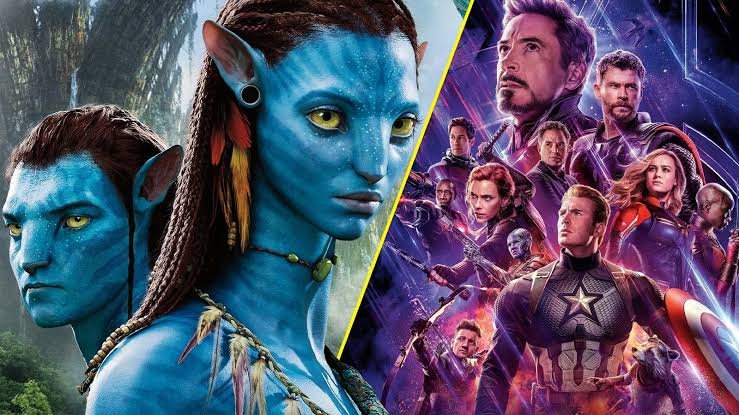
Seven years after its original release, Avengers: Endgame has unfinished business at the box office.
The Marvel Studios blockbuster has overtaken James Cameron’s Avatar to become the highest-grossing film worldwide once again. According to The Walt Disney Company’s October 4 announcement, Endgame now holds an estimated $2.9255 billion, narrowly ahead of Avatar’s $2.9237 billion. That puts just $1.8 million between two of cinema’s biggest hits.
The lead is small. The comeback, however, is substantial: a film released in 2019 has drawn enough fresh ticket sales to rewrite the all-time chart.
The ‘Encore’ release that tipped the balance
The latest theatrical run, titled Avengers Endgame: Encore, has earned $126 million worldwide, according to TheWrap. That includes $36.2 million in North America and $89.8 million from international markets—the extra business that pushed the film back into first place.
Audiences also had a reason to return beyond revisiting a familiar blockbuster. TheWrap reports that the reissue features a modified ending and three new scenes during and after the credits, connected to Avengers: Doomsday. The release therefore serves two purposes: bringing an established favourite back to cinemas and giving viewers a bridge to the next Avengers story.
ALSO READ : Emmy Nominations Announcement Gets a Star Twist… Liza Colón-Zayas & Jeff Hiller Set to Reveal 2026 TV Nominees
A rivalry with a history of reversals
This is another change of leadership in a box office contest that has lasted for years.
Endgame first displaced Avatar in 2019. Cameron’s science-fiction epic regained the crown following its Chinese re-release in 2021. Now, another theatrical return has swung the result in Marvel’s favour. Re-releases have become a decisive part of the competition, extending both films’ earning lives well beyond their original runs.
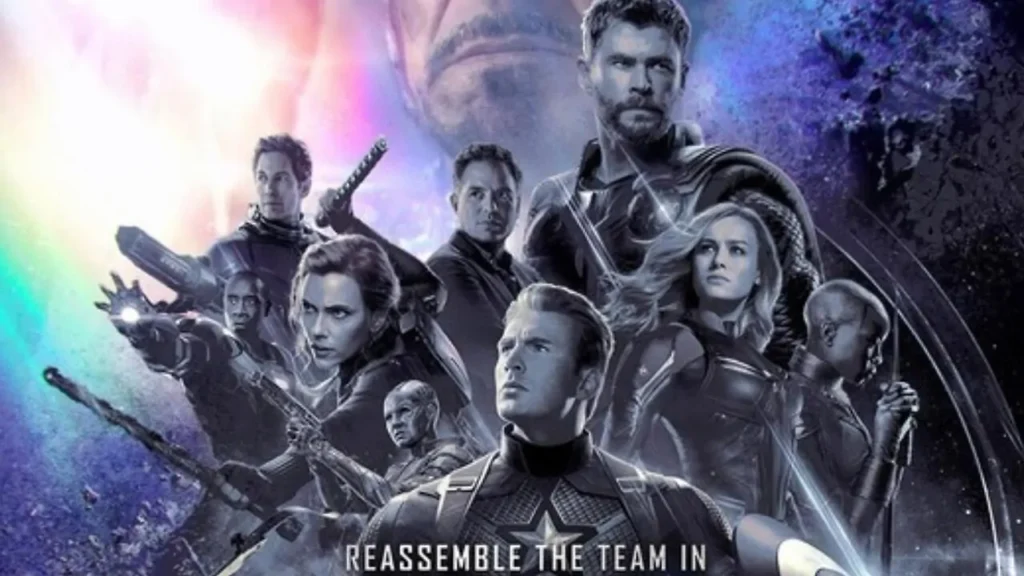
The distinction matters: this is the record for worldwide theatrical revenue without adjustment for inflation, including re-release earnings. It measures money collected rather than the number of tickets sold.
Why ‘Endgame’ matters to ‘Doomsday’
The timing gives Marvel’s comeback an added significance. Avengers: Doomsday is scheduled to reach cinemas on December 18, 2026, and Disney has positioned Endgame as an important foundation for that next chapter.
Explaining the connection, Anthony Russo said: “You really need to pick the story up from where you left it in Endgame.”
That makes this return more than a victory lap. A film remembered for closing a major chapter of Marvel’s story is now helping introduce the next one—and, along the way, has taken back Hollywood’s most closely watched box office title.
Entertainment
Tom Cruise’s ‘Digger’ Faces a Tough Opening: Could ‘Verity’ Take the Lead?
Cruise’s star power meets a fresh box office challenge as the Colleen Hoover adaptation emerges as a formidable rival.
Tom Cruise has spent years persuading audiences to watch him attempt the impossible. With Digger, the challenge is different: convincing moviegoers to embrace an eccentric, darkly comic character who bears little resemblance to his familiar action heroes.
Directed by Alejandro González Iñárritu, the film arrives in US cinemas on October 2, 2026, carrying considerable expectations. Cruise plays Digger Rockwell, an oil tycoon confronting a catastrophe connected to his company’s actions. It is a conspicuous departure for an actor whose recent screen identity has been shaped by spectacular stunts and blockbuster franchises.
Yet the conversation before release has increasingly turned from Cruise’s transformation to a more uncomfortable question: how many people will buy a ticket?
ALSO READ : Emmy Nominations Announcement Gets a Star Twist… Liza Colón-Zayas & Jeff Hiller Set to Reveal 2026 TV Nominees
A costly film facing a modest opening
According to Koimoi’s September 30 report, Digger was tracking for a North American opening below $15 million, against a reported production cost of approximately $125 million. These are reported estimates, rather than confirmed earnings or a final accounting of the film’s costs.
That gap explains the concern surrounding Warner Bros.. An expensive production needs sustained attendance, and a subdued debut would place greater pressure on subsequent weekends and overseas markets.
An opening forecast cannot establish a film’s eventual profit or loss. It can, however, reveal how much work remains for the campaign.
Reviews have complicated the pitch
The critical response has been sharply divided. People reported reactions ranging from admiration for the film’s audacity and Cruise’s commitment to criticism of its scale, coherence and tone.
For potential ticket buyers, that creates an uncertain proposition. Cruise’s presence attracts attention, but attention does not automatically translate into enthusiasm for an unfamiliar kind of film.

The promotional campaign has leaned into that disagreement. The Guardian described advertising that places harsh reactions alongside praise, using the controversy itself to generate interest. Whether that approach encourages curiosity or deepens hesitation remains an open question.
Why ‘Verity’ makes the weekend more intriguing
The Hollywood Reporter expects Digger to open substantially behind Verity, the Amazon MGM Studios adaptation of Colleen Hoover’s novel. hollywoodreporter.com
Starring Anne Hathaway, Dakota Johnson and Josh Hartnett, Verity is also scheduled to open on October 2. Its psychological-thriller premise centres on a writer who discovers a disturbing manuscript while completing another author’s book series.
From a marketing perspective, an established novel and a recognisable thriller setup could offer a more immediate hook. Digger, by comparison, asks audiences to take a greater leap into unfamiliar territory.
The audience verdict is still ahead
Cruise has clearly committed to that leap. At the London premiere, Reuters reported that his transformation involved prosthetics and a padded bodysuit, alongside a demanding performance.
The commercial outcome remains unresolved. Strong audience recommendations could give Digger momentum beyond its initial forecasts. A weak response would make its financial challenge harder.
For now, the film’s biggest suspense lies beyond the screen: whether curiosity about Cruise’s unusual gamble becomes an opening-weekend ticket purchase.
Entertainment
‘Verity’ Could Outopen ‘Digger’: Why Tom Cruise Faces a Tough Contest
The competing releases raise a compelling question: which film will persuade more audiences to buy a ticket?

Tom Cruise has spent years persuading audiences to watch him attempt the impossible. With Digger, the challenge is different: convincing moviegoers to embrace an eccentric, darkly comic character who bears little resemblance to his familiar action heroes.
Directed by Alejandro González Iñárritu, the film arrives in US cinemas on October 2, 2026, carrying considerable expectations. Cruise plays Digger Rockwell, an oil tycoon confronting a catastrophe connected to his company’s actions. It is a conspicuous departure for an actor whose recent screen identity has been shaped by spectacular stunts and blockbuster franchises.
Yet the conversation before release has increasingly turned from Cruise’s transformation to a more uncomfortable question: how many people will buy a ticket?
ALSO READ : Emmy Nominations Announcement Gets a Star Twist… Liza Colón-Zayas & Jeff Hiller Set to Reveal 2026 TV Nominees
A costly film facing a modest opening
According to Koimoi’s September 30 report, Digger was tracking for a North American opening below $15 million, against a reported production cost of approximately $125 million. These are reported estimates, rather than confirmed earnings or a final accounting of the film’s costs.
That gap explains the concern surrounding Warner Bros.. An expensive production needs sustained attendance, and a subdued debut would place greater pressure on subsequent weekends and overseas markets.
An opening forecast cannot establish a film’s eventual profit or loss. It can, however, reveal how much work remains for the campaign.
Reviews have complicated the pitch
The critical response has been sharply divided. People reported reactions ranging from admiration for the film’s audacity and Cruise’s commitment to criticism of its scale, coherence and tone.
For potential ticket buyers, that creates an uncertain proposition. Cruise’s presence attracts attention, but attention does not automatically translate into enthusiasm for an unfamiliar kind of film.
The promotional campaign has leaned into that disagreement. The Guardian described advertising that places harsh reactions alongside praise, using the controversy itself to generate interest. Whether that approach encourages curiosity or deepens hesitation remains an open question.
Why ‘Verity’ makes the weekend more intriguing
The Hollywood Reporter expects Digger to open substantially behind Verity, the Amazon MGM Studios adaptation of Colleen Hoover’s novel. hollywoodreporter.com
Starring Anne Hathaway, Dakota Johnson and Josh Hartnett, Verity is also scheduled to open on October 2. Its psychological-thriller premise centres on a writer who discovers a disturbing manuscript while completing another author’s book series.
From a marketing perspective, an established novel and a recognisable thriller setup could offer a more immediate hook. Digger, by comparison, asks audiences to take a greater leap into unfamiliar territory.
The audience verdict is still ahead
Cruise has clearly committed to that leap. At the London premiere, Reuters reported that his transformation involved prosthetics and a padded bodysuit, alongside a demanding performance.
The commercial outcome remains unresolved. Strong audience recommendations could give Digger momentum beyond its initial forecasts. A weak response would make its financial challenge harder.
For now, the film’s biggest suspense lies beyond the screen: whether curiosity about Cruise’s unusual gamble becomes an opening-weekend ticket purchase.

How ‘Avengers: Endgame’ Returned to Cinemas and Reclaimed Box Office Glory

Tom Cruise’s ‘Digger’ Faces a Tough Opening: Could ‘Verity’ Take the Lead?

‘Verity’ Could Outopen ‘Digger’: Why Tom Cruise Faces a Tough Contest

‘Endgame’ Returns to No. 1 ‘Avatar’ Loses Its Box Office Throne

Mark Zuckerberg Faces a New Hollywood Reckoning Why Aaron Sorkin’s Film Hits Closer to Home

1-Iran Issues Dire Warning to Israel and Defies Trump on Nukes: “We’re Ready to Strike Deep Inside”

Sen. Elizabeth Warren Calls It a ‘Cesspool of Corruption’ — Here’s Why Senators Are Now Fighting Back Against the DOJ’s Live Nation Deal That Left Every Fan Betrayed…

Gucci bets on Demna to revive fading glamour as Milan fashion week opens with bold film surprise

Donald Trump’s net worth reveals the fortune behind the former US President and business mogul

“Tomás Rodríguez Net Worth 2025: Panama’s Gold Cup Goal‑Machine’s Surprising Fortune Revealed”

Miss Jamaica Suffers Terrifying Fall Off Miss Universe Stage; Rushed to Hospital on Stretcher in Viral Video

Moana Live-Action Teaser Sparks Outrage as Fans Call Disney’s Move a ‘Clear Money Grab’ — What Went Wrong?

Ryan Gosling’s Project Hail Mary Trailer Stuns Fans with a Mysterious Alien Ally and a Mission That Could Save Earth

Apple delays Jessica Chastain thriller The Savant about domestic extremism after recent US violence

Avatar 3, Fire and Ash trailer reveals Jake Sully’s family facing terrifying new Na’vi enemies with deadly fire powers
-
 Entertainment1 week ago
Mark Zuckerberg Faces a New Hollywood Reckoning Why Aaron Sorkin’s Film Hits Closer to Home
-
 Entertainment1 week ago
How ‘Avengers: Endgame’ Returned to Cinemas and Reclaimed Box Office Glory
-

 Entertainment1 week ago
‘Avengers: Endgame’ Makes Box Office History Again With Cinema Comeback
-

 Entertainment1 week ago
The Unexpected Dating Challenge Emmy Rossum Faced During Shameless
-

 Entertainment1 week ago
Sorkin’s return to the subject connects a familiar Hollywood story with the continuing debate over technology’s influence.
-

 Entertainment1 week ago
From Amazon to Neon: The Fight to Bring ‘Artificial’ to Audiences
-

 Entertainment1 week ago
Mike Flanagan’s ‘Carrie’ Takes on a Classic: Is Bigger Really Better?
-
 Entertainment1 week ago
‘Verity’ Could Outopen ‘Digger’: Why Tom Cruise Faces a Tough Contest