
Entertainment
Monster Season 3 flops on Rotten Tomatoes critics call it “a jumbled, sensational mess”
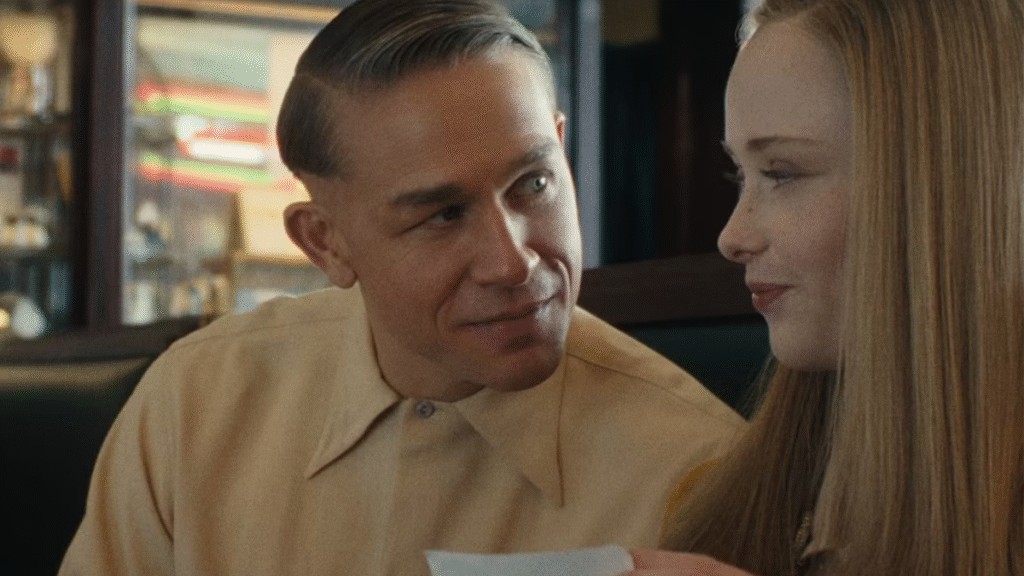
Netflix’s Monster: The Ed Gein Story becomes the lowest-rated season in Ryan Murphy’s anthology, scoring just 29% on Rotten Tomatoes despite praise for Charlie Hunnam’s performance.


Netflix’s latest true-crime series Monster: The Ed Gein Story is facing a harsh reality check from critics. The highly anticipated third installment in Ryan Murphy’s anthology has debuted to largely negative reviews, earning the lowest Rotten Tomatoes score of the entire Monster franchise.
The series, which revisits the horrifying crimes of Ed Gein, the infamous Wisconsin killer who inspired films like Psycho and The Texas Chainsaw Massacre, was expected to build on the success of Monster: The Jeffrey Dahmer Story and The Lyle and Erik Menendez Story. Instead, it has become the franchise’s biggest critical disappointment.

Critics bash Monster: The Ed Gein Story
Early reviews from major outlets have been brutal. Variety’s Aramide Tinubu wrote that the show “makes Ed Gein mythical again, and in turn strips away the texture and grit that was desperately needed to make the series work.”
James Jackson from The Times (UK) called it “a dive into psychosexual murk almost drowning in its own ambitions and depravities,” while Brian Tallerico of RogerEbert.com labeled it “one of the most unfocused of Ryan Murphy’s productions.”
Meanwhile, The Guardian’s Lucy Mangan dismissed it as “nothing but voyeuristic pandering to the basest instincts of viewers.”
Other critics echoed similar sentiments. Screen Rant’s Greg MacArthur gave the season a mere 2/10 rating, saying it “elicits unpleasantries — boredom, frustration, confusion, disgust.” Collider’s Therese Lacson described the show as “pulpy and sloppy… a product of sensationalism, rage bait, and misinformation.”
Reviewers from But Why Tho? and Fish Jelly Films criticized the series for “humanizing the killer while trivializing his victims,” calling it “tone-deaf” and “exploitative.”
A few bright spots amid the backlash
Not all the feedback was negative. Outlets such as Hindustan Times and Heaven of Horror praised Charlie Hunnam’s intense portrayal of Ed Gein and the show’s haunting production design. However, even those reviews admitted that strong performances couldn’t save a story weighed down by inconsistency and poor pacing.

“It’s visually striking and well-acted,” one review noted, “but narratively hollow — a disturbing story without a soul.”
Rotten Tomatoes score confirms fan divide
As of this week, Monster: The Ed Gein Story holds a 29% critic score on Rotten Tomatoes based on 17 reviews, and an audience score of 53% from more than 500 viewers.
In comparison:
- Monster: The Jeffrey Dahmer Story — 57% critic score
- Monster: The Lyle and Erik Menendez Story — 45% critic score
That makes The Ed Gein Story the lowest-rated entry in the Monster series to date — a worrying drop for Netflix and Ryan Murphy, who previously turned Monster into one of the platform’s biggest true-crime hits.
Fans react to the downfall
While critics panned the show for its direction and tone, some fans on social media have defended it, praising Hunnam’s acting and the series’ dark, unsettling atmosphere.
One user wrote on X (formerly Twitter):
“Charlie Hunnam carried this entire show. The writing was shaky, but he made Ed Gein terrifying.”
Another commented,
“Not everything Ryan Murphy makes can be a masterpiece. This one tried too hard to shock and forgot to tell a story.”
Still, the general consensus among both critics and audiences is that Monster: The Ed Gein Story fails to live up to the gripping psychological tension and cultural commentary of its predecessors.
Can Ryan Murphy bounce back?
With Monster now viewed as a declining series, attention turns to whether Ryan Murphy and Netflix can revive its reputation. The anthology once redefined modern true-crime television with its bold storytelling and stylized approach, but the latest installment has left even loyal fans questioning its creative direction.
Given Murphy’s track record — from American Horror Story to The People v. O.J. Simpson — it’s unlikely this stumble will slow him down for long. But for now, Monster: The Ed Gein Story stands as a reminder that not every true-crime story can find beauty in the macabre.


Entertainment
One Tony Award Away: How Apple TV+ Could Make Streaming History Through ‘Schmigadoon!’
The streaming giant’s unexpected Broadway success has positioned it on the verge of an extraordinary milestone, potentially making Apple TV+ the fastest streamer ever to achieve EGOT status.


In the highly competitive streaming era, platforms are constantly searching for new ways to distinguish themselves. Some focus on blockbuster films. Others invest heavily in prestige television. But Apple TV+ may be on the verge of accomplishing something far more remarkable—securing a place in entertainment history through one of the industry’s most prestigious achievements.
As the Tony Awards approach, Apple’s involvement with the Broadway adaptation of Schmigadoon! has positioned the company for a potential milestone that few media organizations have ever achieved: EGOT status.
If the stars align on Broadway’s biggest night, Apple TV+ could become the fastest streaming platform ever associated with winning an Emmy, Grammy, Oscar, and Tony—the four awards that collectively form the legendary EGOT.
From Streaming Series to Broadway Stage
When “Schmigadoon!” debuted on Apple TV+, it quickly attracted attention for its clever blend of comedy, romance, and musical theater satire.
Created by Cinco Paul and featuring a cast packed with musical talent, the series paid tribute to classic Broadway productions while simultaneously poking fun at the conventions that define them.
ALSO READ : Sen. Elizabeth Warren Calls It a ‘Cesspool of Corruption’ — Here’s Why Senators Are Now Fighting Back Against the DOJ’s Live Nation Deal That Left Every Fan Betrayed…
The show’s unique concept resonated with audiences and critics alike, earning praise for its writing, performances, and original songs.
What few expected, however, was that the project would eventually expand beyond streaming and find new life on the Broadway stage.
That transition highlights the growing connection between digital entertainment platforms and traditional performing arts institutions.
Understanding the Prestige of EGOT
The term EGOT refers to winning all four of the entertainment industry’s most coveted awards:
- Emmy Award (television)
- Grammy Award (music)
- Oscar or Academy Award (film)
- Tony Award (theater)
Only a small group of individuals and organizations have achieved the distinction.
For decades, the achievement has been viewed as the ultimate symbol of creative excellence across multiple entertainment disciplines.
While individual performers often spend entire careers pursuing the honor, Apple’s rapid rise across television, film, music, and theater has been particularly striking.
Apple’s Unconventional Entertainment Strategy
Unlike many streaming competitors that initially focused on building massive content libraries, Apple TV+ pursued a different path.
The platform emphasized quality over quantity, investing in prestige projects capable of generating critical acclaim and industry recognition.
That strategy quickly produced results.
Apple became the first streaming service to win the Academy Award for Best Picture through CODA, a landmark moment that demonstrated the platform’s growing influence in Hollywood.
Its original programming has also secured multiple Emmy Awards, while music-related projects have contributed to Grammy recognition.
Now, the company finds itself within reach of completing the final stage of the EGOT puzzle.
Why ‘Schmigadoon!’ Matters Beyond Awards
The success of “Schmigadoon!” represents more than a single production’s achievements.
It reflects a broader transformation occurring throughout the entertainment industry.
Streaming services are increasingly investing in live events, theater productions, concerts, and immersive experiences. The boundaries that once separated television, film, music, and stage productions are becoming increasingly blurred.

Apple’s support for a project that successfully transitioned from streaming screens to theatrical stages demonstrates how intellectual property can evolve across multiple platforms.
This model may become increasingly common as entertainment companies seek new ways to maximize audience engagement.
Broadway and Streaming Continue to Converge
For years, Broadway and Hollywood maintained distinct identities.
Today, however, collaborations between theater creators and streaming platforms are becoming more frequent.
Services such as Netflix, Disney+, and Apple TV+ have shown growing interest in musical storytelling, live-performance content, and stage-inspired productions.
The relationship benefits both sides.
Streaming platforms gain prestige and creative diversity, while theater productions receive broader exposure and access to global audiences.
“Schmigadoon!” has become one of the clearest examples of this evolving partnership.
A Potentially Historic Night at the Tonys
As anticipation builds ahead of the Tony Awards ceremony, industry observers are watching closely to see whether Apple can complete its remarkable awards journey.
A Tony win would not simply add another trophy to the company’s collection. It would symbolize the success of a long-term strategy centered on creative excellence and cross-platform storytelling.
For Apple TV+, the moment would further validate its position as one of the entertainment industry’s most influential players despite being one of the younger entrants in the streaming landscape.
Whether or not the company secures the final piece of the EGOT puzzle this year, its rapid ascent has already rewritten expectations for what a streaming platform can achieve.
And if “Schmigadoon!” helps deliver that final honor, it could become one of the most significant success stories in modern entertainment history.
Entertainment
Emilia Clarke’s ‘Next Life’ Asks a Fascinating Question About Love and Destiny—But Does It Have the Answers?
Director Drake Doremus returns with an ambitious romantic drama starring Emilia Clarke, blending emotional storytelling and philosophical ideas in a film that is likely to divide audiences.

In an era dominated by sequels, superhero franchises, and high-concept blockbusters, films that attempt to explore human emotions through philosophical storytelling have become increasingly rare. That makes “Next Life,” the latest project from filmmaker Drake Doremus, an intriguing addition to the cinematic landscape.
Led by Emilia Clarke, the romantic drama arrives with a premise designed to spark conversation. Exploring themes of love, fate, memory, and the possibility of connection beyond a single lifetime, the film aims for emotional depth while asking audiences to consider some of life’s biggest questions.
Yet while “Next Life” succeeds in creating an atmosphere filled with mystery and introspection, it may leave some viewers wishing its ideas had been explored with greater depth and clarity.
Emilia Clarke Brings Emotional Weight to the Story
One of the film’s greatest strengths is undoubtedly Emilia Clarke.
Best known globally for her iconic portrayal of Daenerys Targaryen in Game of Thrones, Clarke has spent recent years expanding her range through a variety of dramatic and romantic roles.
ALSO READ : Sen. Elizabeth Warren Calls It a ‘Cesspool of Corruption’ — Here’s Why Senators Are Now Fighting Back Against the DOJ’s Live Nation Deal That Left Every Fan Betrayed…
In “Next Life,” she delivers a performance grounded in vulnerability and sincerity. Even when the narrative becomes abstract, Clarke’s emotional commitment helps maintain audience investment.
Her ability to communicate longing, uncertainty, and hope often elevates scenes that might otherwise struggle under the weight of the film’s more ambitious philosophical concepts.
The performance serves as another reminder of why Clarke remains one of the most respected actresses of her generation.
Drake Doremus Returns to Familiar Territory
For fans of Drake Doremus, “Next Life” feels immediately recognizable.
Throughout his career, the filmmaker has demonstrated a fascination with intimacy, relationships, and emotional complexity. Films such as Like Crazy and Equals explored similar territory, often prioritizing mood and emotional atmosphere over traditional storytelling structures.
“Next Life” continues that creative approach.
The film focuses less on concrete explanations and more on emotional experiences. Rather than presenting clear answers, Doremus invites viewers to interpret the story through their own perspectives.
For some audiences, that ambiguity may prove compelling.
Others may find themselves searching for stronger narrative development and more fully realized world-building.
Big Ideas, Limited Exploration
The central concept behind “Next Life” is undeniably intriguing.
The film raises questions about whether love can transcend time, whether destiny truly exists, and whether human connections are shaped by forces beyond our understanding.
These themes have fueled countless works of literature, philosophy, and cinema throughout history.
However, the challenge with ambitious concepts is that they require sufficient development to feel meaningful.
At times, “Next Life” introduces fascinating ideas only to move past them before they can be fully explored. The result is a film that occasionally feels more interested in posing questions than investigating their implications.
That doesn’t make the experience unsuccessful, but it may leave some viewers feeling that the story’s emotional and intellectual potential remains partially untapped.
A Visually Elegant Experience
Even critics who find fault with the screenplay are likely to appreciate the film’s visual presentation.
Doremus has always displayed a strong sense of aesthetic style, and “Next Life” continues that tradition. Soft lighting, dreamlike cinematography, and carefully composed imagery create a mood that aligns perfectly with the film’s themes.

The visuals contribute significantly to the movie’s emotional atmosphere, helping audiences connect with its sense of wonder and uncertainty.
Combined with a subtle score, the film often feels more like a meditation on love and memory than a conventional romantic drama.
Why Films Like ‘Next Life’ Still Matter
Regardless of whether audiences embrace its execution, “Next Life” represents something increasingly valuable in modern filmmaking: risk-taking.
Many studios prioritize familiar formulas because they offer predictable results. Films like “Next Life,” by contrast, attempt to engage audiences through ideas rather than spectacle.
That willingness to explore abstract concepts deserves recognition.
Not every ambitious film succeeds completely, but cinema continues to evolve because filmmakers are willing to experiment with storytelling approaches that challenge expectations.
The Final Verdict
“Next Life” is a film filled with intriguing possibilities.
Emilia Clarke delivers a compelling performance that anchors the story emotionally, while Drake Doremus once again demonstrates his talent for creating intimate and visually captivating worlds.
Yet the film’s biggest strength—its ambitious philosophical premise—also becomes its greatest challenge. The ideas are fascinating, but they sometimes feel underdeveloped, preventing the story from reaching the emotional heights it appears to be chasing.
For viewers who enjoy reflective, atmospheric dramas that prioritize questions over answers, “Next Life” offers plenty to consider.
For those seeking a more fully realized narrative, the experience may feel like a beautiful thought experiment that never quite achieves its full potential.
Either way, the film ensures one thing: audiences will leave the theater talking about it, and perhaps pondering their own beliefs about fate, love, and second chances.
Entertainment
‘Next Life’ Review: Emilia Clarke Leads a Romantic Mystery That’s Beautiful, Ambitious and Surprisingly Elusive
Director Drake Doremus returns with an ambitious romantic drama starring Emilia Clarke, blending emotional storytelling and philosophical ideas in a film that is likely to divide audiences.
In an era dominated by sequels, superhero franchises, and high-concept blockbusters, films that attempt to explore human emotions through philosophical storytelling have become increasingly rare. That makes “Next Life,” the latest project from filmmaker Drake Doremus, an intriguing addition to the cinematic landscape.
Led by Emilia Clarke, the romantic drama arrives with a premise designed to spark conversation. Exploring themes of love, fate, memory, and the possibility of connection beyond a single lifetime, the film aims for emotional depth while asking audiences to consider some of life’s biggest questions.
Yet while “Next Life” succeeds in creating an atmosphere filled with mystery and introspection, it may leave some viewers wishing its ideas had been explored with greater depth and clarity.
Emilia Clarke Brings Emotional Weight to the Story
One of the film’s greatest strengths is undoubtedly Emilia Clarke.
Best known globally for her iconic portrayal of Daenerys Targaryen in Game of Thrones, Clarke has spent recent years expanding her range through a variety of dramatic and romantic roles.
ALSO READ : Sen. Elizabeth Warren Calls It a ‘Cesspool of Corruption’ — Here’s Why Senators Are Now Fighting Back Against the DOJ’s Live Nation Deal That Left Every Fan Betrayed…
In “Next Life,” she delivers a performance grounded in vulnerability and sincerity. Even when the narrative becomes abstract, Clarke’s emotional commitment helps maintain audience investment.
Her ability to communicate longing, uncertainty, and hope often elevates scenes that might otherwise struggle under the weight of the film’s more ambitious philosophical concepts.
The performance serves as another reminder of why Clarke remains one of the most respected actresses of her generation.
Drake Doremus Returns to Familiar Territory
For fans of Drake Doremus, “Next Life” feels immediately recognizable.
Throughout his career, the filmmaker has demonstrated a fascination with intimacy, relationships, and emotional complexity. Films such as Like Crazy and Equals explored similar territory, often prioritizing mood and emotional atmosphere over traditional storytelling structures.
“Next Life” continues that creative approach.
The film focuses less on concrete explanations and more on emotional experiences. Rather than presenting clear answers, Doremus invites viewers to interpret the story through their own perspectives.
For some audiences, that ambiguity may prove compelling.
Others may find themselves searching for stronger narrative development and more fully realized world-building.
Big Ideas, Limited Exploration
The central concept behind “Next Life” is undeniably intriguing.
The film raises questions about whether love can transcend time, whether destiny truly exists, and whether human connections are shaped by forces beyond our understanding.
These themes have fueled countless works of literature, philosophy, and cinema throughout history.
However, the challenge with ambitious concepts is that they require sufficient development to feel meaningful.
At times, “Next Life” introduces fascinating ideas only to move past them before they can be fully explored. The result is a film that occasionally feels more interested in posing questions than investigating their implications.
That doesn’t make the experience unsuccessful, but it may leave some viewers feeling that the story’s emotional and intellectual potential remains partially untapped.
A Visually Elegant Experience
Even critics who find fault with the screenplay are likely to appreciate the film’s visual presentation.
Doremus has always displayed a strong sense of aesthetic style, and “Next Life” continues that tradition. Soft lighting, dreamlike cinematography, and carefully composed imagery create a mood that aligns perfectly with the film’s themes.
The visuals contribute significantly to the movie’s emotional atmosphere, helping audiences connect with its sense of wonder and uncertainty.
Combined with a subtle score, the film often feels more like a meditation on love and memory than a conventional romantic drama.
Why Films Like ‘Next Life’ Still Matter
Regardless of whether audiences embrace its execution, “Next Life” represents something increasingly valuable in modern filmmaking: risk-taking.
Many studios prioritize familiar formulas because they offer predictable results. Films like “Next Life,” by contrast, attempt to engage audiences through ideas rather than spectacle.
That willingness to explore abstract concepts deserves recognition.
Not every ambitious film succeeds completely, but cinema continues to evolve because filmmakers are willing to experiment with storytelling approaches that challenge expectations.
The Final Verdict
“Next Life” is a film filled with intriguing possibilities.
Emilia Clarke delivers a compelling performance that anchors the story emotionally, while Drake Doremus once again demonstrates his talent for creating intimate and visually captivating worlds.
Yet the film’s biggest strength—its ambitious philosophical premise—also becomes its greatest challenge. The ideas are fascinating, but they sometimes feel underdeveloped, preventing the story from reaching the emotional heights it appears to be chasing.
For viewers who enjoy reflective, atmospheric dramas that prioritize questions over answers, “Next Life” offers plenty to consider.
For those seeking a more fully realized narrative, the experience may feel like a beautiful thought experiment that never quite achieves its full potential.
Either way, the film ensures one thing: audiences will leave the theater talking about it, and perhaps pondering their own beliefs about fate, love, and second chances.

One Tony Award Away: How Apple TV+ Could Make Streaming History Through ‘Schmigadoon!’

Emilia Clarke’s ‘Next Life’ Asks a Fascinating Question About Love and Destiny—But Does It Have the Answers?
‘Next Life’ Review: Emilia Clarke Leads a Romantic Mystery That’s Beautiful, Ambitious and Surprisingly Elusive

Michael B. Jordan Weighs In on David Jonsson’s Black Panther 3 Role, Igniting Fan Speculation

Jennifer Aniston and Peter Dinklage Team Up for Olivia Wilde’s Bold Holiday Comedy Naughty

1-Iran Issues Dire Warning to Israel and Defies Trump on Nukes: “We’re Ready to Strike Deep Inside”

Donald Trump’s net worth reveals the fortune behind the former US President and business mogul

Sen. Elizabeth Warren Calls It a ‘Cesspool of Corruption’ — Here’s Why Senators Are Now Fighting Back Against the DOJ’s Live Nation Deal That Left Every Fan Betrayed…

“She Never Made It Out…” Albany House Fire Claims Woman’s Life as Family Pleads for Help to Bring Her Home

“Tomás Rodríguez Net Worth 2025: Panama’s Gold Cup Goal‑Machine’s Surprising Fortune Revealed”

Miss Jamaica Suffers Terrifying Fall Off Miss Universe Stage; Rushed to Hospital on Stretcher in Viral Video

Moana Live-Action Teaser Sparks Outrage as Fans Call Disney’s Move a ‘Clear Money Grab’ — What Went Wrong?

Ryan Gosling’s Project Hail Mary Trailer Stuns Fans with a Mysterious Alien Ally and a Mission That Could Save Earth

Apple delays Jessica Chastain thriller The Savant about domestic extremism after recent US violence

Avatar 3, Fire and Ash trailer reveals Jake Sully’s family facing terrifying new Na’vi enemies with deadly fire powers
-

 Entertainment1 week ago
‘Avengers: Doomsday’ Trailer Finally Unveils Robert Downey Jr. as Doctor Doom — Marvel Fans Spot Stunning First Look That Changes Everything
-

 Sports1 week ago
Lionel Messi’s Last Dance? 2026 World Cup Final Could Rewrite Football History With These Records…
-

 Sports1 week ago
Where Is Lionel Messi? Argentina Return Home After FIFA World Cup Heartbreak, But Captain’s Absence Sparks Questions
-

 Sports1 week ago
India Spotted Him Before the World Did: How Ferran Torres’ Journey From Mumbai to World Cup Glory Came Full Circle…
-

 Sports1 week ago
Spain Won the FIFA World Cup 2026 But the Biggest Story Wasn’t on the Pitch… Here’s What Football Lost Along the Way
-

 Entertainment1 week ago
Will This End Sky-High Concert Ticket Prices? Massachusetts Introduces Noah Kahan-Backed Anti-Scalping Legislation
-

 Entertainment1 week ago
Lorde Criticizes Spotify’s AI Features, Questions the Future of Music Interpretation
-

 Entertainment1 week ago
‘Avengers: Doomsday’ Trailer Reveals Robert Downey Jr.’s First Look as Doctor Doom