
Entertainment
Why Are Theaters Backing Nate Bargatze’s “Cheap Tickets” Idea for ‘The Breadwinner’? The Answer Could Change Hollywood…
As rising movie ticket prices push families away from cinemas, comedian Nate Bargatze’s upcoming film The Breadwinner is sparking a fresh conversation about affordability, accessibility, and the future of theatrical releases.


For years, moviegoers have complained about one thing more than spoilers or long runtimes — ticket prices. A simple family outing to the cinema today can easily cost more than a dinner at a restaurant once popcorn, drinks, parking, and premium seating are added to the bill. But now, one unexpected voice is trying to challenge that culture: Nate Bargatze.
The stand-up comedian, known for his clean humor and relatable storytelling, is earning attention across the entertainment industry after encouraging theaters to make tickets for his upcoming movie The Breadwinner more affordable for everyday audiences. And surprisingly, many theater chains appear willing to listen.
In an era where streaming platforms dominate living rooms and blockbuster budgets continue to explode, Bargatze’s approach feels refreshingly simple — make movies financially accessible again.
Industry insiders believe the conversation could become one of the most important theatrical business discussions of the year.
A Different Kind of Hollywood Strategy
Unlike many modern comedy releases that rely heavily on celebrity spectacle or giant marketing campaigns, The Breadwinner is being positioned as a people-first theatrical experience. According to reports surrounding the film’s release strategy, Bargatze has strongly advocated for lower ticket prices so families can enjoy the movie together without feeling financially pressured.
ALSO READ : Younghoe Koo Explains Botched Field Goal After Slip: “The Ball Was Moving So I Pulled Up”
That message has resonated with both fans and exhibitors.
Several theater operators reportedly see affordable pricing as an opportunity to bring casual audiences back to cinemas — especially middle-class families who now think twice before purchasing multiple tickets for a weekend show.
The timing also matters.
After years of disruption caused by streaming competition, pandemic-era shutdowns, and changing viewing habits, theaters are still searching for ways to rebuild consistent foot traffic. Affordable comedy films could become a surprisingly effective solution.
Why Families Stopped Going to Theaters
The issue isn’t necessarily that audiences stopped loving movies. It’s that the overall experience became expensive.
In many cities, two movie tickets plus snacks can cross $50 or even $70 depending on format upgrades like IMAX or luxury recliners. Families with children often face much larger totals.
That has made streaming services feel like a safer option financially.
Companies like Netflix, Disney, and Amazon MGM Studios have benefited from audiences preferring convenience over costly theater outings. But Bargatze’s argument is simple: if theaters reduce pricing barriers, people may happily return for community-driven entertainment experiences.
And comedy could be the perfect genre to test that theory.
Unlike superhero franchises or visual-effects spectacles, comedies thrive on shared audience reactions. Laughter feels bigger in packed auditoriums. The communal experience becomes part of the entertainment itself.
That emotional factor is exactly what many theater executives believe has been missing from modern moviegoing.
Nate Bargatze’s “Everyday Audience” Appeal
Part of what makes Bargatze’s influence unique is his audience demographic.
Unlike comedians who lean heavily into controversy or internet culture, Bargatze built his popularity through observational humor centered around normal life experiences, parenting, family dynamics, and awkward everyday situations. His content appeals to viewers across generations.
That broad reach helped him become one of America’s fastest-growing stand-up acts.
Appearances on Saturday Night Live, sold-out arena tours, and successful streaming specials turned Bargatze into a mainstream entertainment figure without relying on scandal-driven publicity.
Now, with The Breadwinner, he appears ready to bring that same grounded philosophy into movie theaters.
Entertainment analysts believe this strategy could especially attract older audiences and families who have largely abandoned theatrical comedies in recent years.
Could Lower Ticket Prices Actually Work?
The idea sounds idealistic at first glance. After all, theater operators already face rising operational costs, staffing expenses, and competition from at-home entertainment systems.
But some experts argue lower ticket pricing may actually increase overall attendance and concession sales.
The logic is straightforward:
More affordable tickets = larger audiences.
Larger audiences = higher concession revenue.
And for theaters, popcorn and drinks often generate bigger profit margins than tickets themselves.
This isn’t entirely new in the entertainment world either. Discount Tuesdays, subscription passes, and value screenings have already shown that audiences respond positively to affordability.
Bargatze’s proposal simply pushes that concept into mainstream movie releases instead of treating discounts like occasional promotions.
Hollywood’s Comedy Problem
There’s another reason The Breadwinner is attracting industry attention: Hollywood has struggled badly with theatrical comedy in recent years.

Many mid-budget comedy films now bypass theaters entirely and head directly to streaming services. Studios often view theatrical comedy as financially risky compared to superhero franchises or established intellectual property.
But that shift created a strange cultural gap.
Classic theatrical comedies once became huge cultural moments because audiences experienced them together. Films generated word-of-mouth naturally through shared laughter and repeat viewings.
Streaming changed that pattern.
People still watch comedies, but fewer comedy movies feel like “events.”
That’s why some insiders think Bargatze’s film could become a larger experiment for the industry. If affordable pricing helps generate strong attendance numbers, studios may rethink how they distribute future comedy projects.
Theaters Need More Than Blockbusters
Another major issue facing exhibitors is overreliance on giant franchise films.
Studios increasingly focus on expensive tentpole releases connected to superheroes, sequels, or cinematic universes. While those movies can generate enormous revenue, they also create dangerous gaps between major releases.
Smaller, audience-friendly films help keep theaters active year-round.
Comedy, family entertainment, and relatable storytelling once formed the backbone of regular theatrical attendance. Bringing those genres back — at prices audiences feel comfortable paying — could stabilize the business long-term.
That’s one reason many exhibitors reportedly welcomed Bargatze’s comments instead of dismissing them.
A Rare “Goodwill” Conversation in Hollywood
Perhaps the most interesting aspect of this story is how positive the reaction has been.
Hollywood conversations often revolve around budgets, salaries, streaming wars, or box office disappointments. But Bargatze’s affordability push feels unusually audience-focused.
Fans online have praised the idea for recognizing economic realities many families face today.
Social media discussions surrounding the movie have increasingly shifted away from traditional marketing and toward accessibility. That kind of goodwill is difficult to manufacture with advertising alone.
It also aligns with Bargatze’s public image as a relatable entertainer rather than an untouchable celebrity.
What Happens Next?
Whether The Breadwinner ultimately becomes a massive box office hit remains to be seen. But the conversation it has started may matter even more.
If theaters discover that affordable pricing drives attendance, especially for comedy and family-oriented releases, the industry could experiment with entirely new distribution strategies moving forward.
For audiences, that possibility feels exciting.
For theater owners, it could become necessary.
And for Nate Bargatze, it may position him as something few comedians ever become in Hollywood — a genuine business disruptor.
At a time when many people feel priced out of simple entertainment experiences, The Breadwinner may be asking a surprisingly powerful question:
What if going to the movies felt affordable again?










Entertainment
How ‘Avengers: Endgame’ Returned to Cinemas and Reclaimed Box Office Glory
Renewed ticket sales send Marvel’s 2019 finale past ‘Avatar’ to lead the all-time global chart again.

Seven years after its original release, Avengers: Endgame has unfinished business at the box office.
The Marvel Studios blockbuster has overtaken James Cameron’s Avatar to become the highest-grossing film worldwide once again. According to The Walt Disney Company’s October 4 announcement, Endgame now holds an estimated $2.9255 billion, narrowly ahead of Avatar’s $2.9237 billion. That puts just $1.8 million between two of cinema’s biggest hits.
The lead is small. The comeback, however, is substantial: a film released in 2019 has drawn enough fresh ticket sales to rewrite the all-time chart.
The ‘Encore’ release that tipped the balance
The latest theatrical run, titled Avengers Endgame: Encore, has earned $126 million worldwide, according to TheWrap. That includes $36.2 million in North America and $89.8 million from international markets—the extra business that pushed the film back into first place.
Audiences also had a reason to return beyond revisiting a familiar blockbuster. TheWrap reports that the reissue features a modified ending and three new scenes during and after the credits, connected to Avengers: Doomsday. The release therefore serves two purposes: bringing an established favourite back to cinemas and giving viewers a bridge to the next Avengers story.
ALSO READ : Emmy Nominations Announcement Gets a Star Twist… Liza Colón-Zayas & Jeff Hiller Set to Reveal 2026 TV Nominees
A rivalry with a history of reversals
This is another change of leadership in a box office contest that has lasted for years.
Endgame first displaced Avatar in 2019. Cameron’s science-fiction epic regained the crown following its Chinese re-release in 2021. Now, another theatrical return has swung the result in Marvel’s favour. Re-releases have become a decisive part of the competition, extending both films’ earning lives well beyond their original runs.
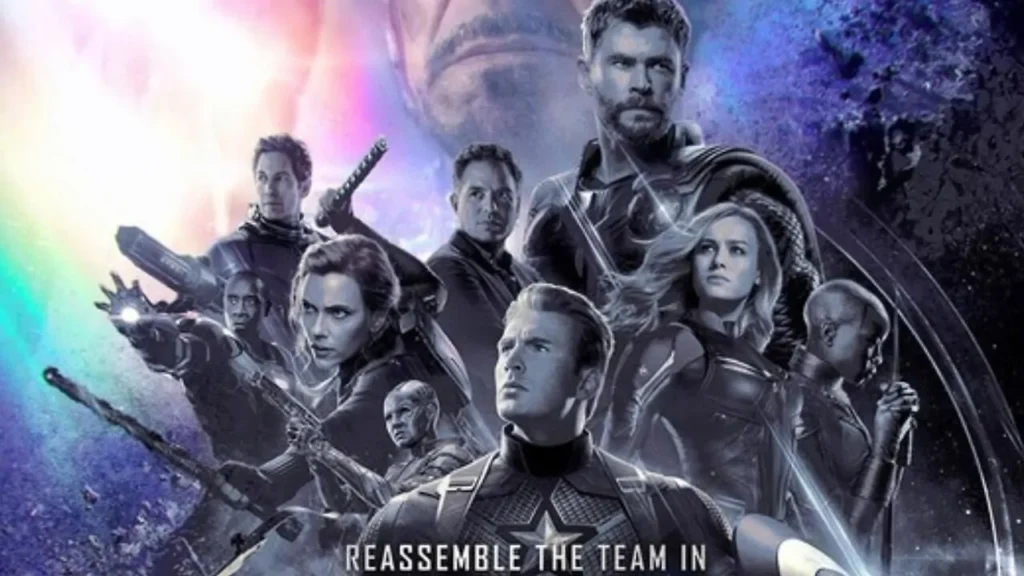
The distinction matters: this is the record for worldwide theatrical revenue without adjustment for inflation, including re-release earnings. It measures money collected rather than the number of tickets sold.
Why ‘Endgame’ matters to ‘Doomsday’
The timing gives Marvel’s comeback an added significance. Avengers: Doomsday is scheduled to reach cinemas on December 18, 2026, and Disney has positioned Endgame as an important foundation for that next chapter.
Explaining the connection, Anthony Russo said: “You really need to pick the story up from where you left it in Endgame.”
That makes this return more than a victory lap. A film remembered for closing a major chapter of Marvel’s story is now helping introduce the next one—and, along the way, has taken back Hollywood’s most closely watched box office title.
Entertainment
Tom Cruise’s ‘Digger’ Faces a Tough Opening: Could ‘Verity’ Take the Lead?
Cruise’s star power meets a fresh box office challenge as the Colleen Hoover adaptation emerges as a formidable rival.
Tom Cruise has spent years persuading audiences to watch him attempt the impossible. With Digger, the challenge is different: convincing moviegoers to embrace an eccentric, darkly comic character who bears little resemblance to his familiar action heroes.
Directed by Alejandro González Iñárritu, the film arrives in US cinemas on October 2, 2026, carrying considerable expectations. Cruise plays Digger Rockwell, an oil tycoon confronting a catastrophe connected to his company’s actions. It is a conspicuous departure for an actor whose recent screen identity has been shaped by spectacular stunts and blockbuster franchises.
Yet the conversation before release has increasingly turned from Cruise’s transformation to a more uncomfortable question: how many people will buy a ticket?
ALSO READ : Emmy Nominations Announcement Gets a Star Twist… Liza Colón-Zayas & Jeff Hiller Set to Reveal 2026 TV Nominees
A costly film facing a modest opening
According to Koimoi’s September 30 report, Digger was tracking for a North American opening below $15 million, against a reported production cost of approximately $125 million. These are reported estimates, rather than confirmed earnings or a final accounting of the film’s costs.
That gap explains the concern surrounding Warner Bros.. An expensive production needs sustained attendance, and a subdued debut would place greater pressure on subsequent weekends and overseas markets.
An opening forecast cannot establish a film’s eventual profit or loss. It can, however, reveal how much work remains for the campaign.
Reviews have complicated the pitch
The critical response has been sharply divided. People reported reactions ranging from admiration for the film’s audacity and Cruise’s commitment to criticism of its scale, coherence and tone.
For potential ticket buyers, that creates an uncertain proposition. Cruise’s presence attracts attention, but attention does not automatically translate into enthusiasm for an unfamiliar kind of film.

The promotional campaign has leaned into that disagreement. The Guardian described advertising that places harsh reactions alongside praise, using the controversy itself to generate interest. Whether that approach encourages curiosity or deepens hesitation remains an open question.
Why ‘Verity’ makes the weekend more intriguing
The Hollywood Reporter expects Digger to open substantially behind Verity, the Amazon MGM Studios adaptation of Colleen Hoover’s novel. hollywoodreporter.com
Starring Anne Hathaway, Dakota Johnson and Josh Hartnett, Verity is also scheduled to open on October 2. Its psychological-thriller premise centres on a writer who discovers a disturbing manuscript while completing another author’s book series.
From a marketing perspective, an established novel and a recognisable thriller setup could offer a more immediate hook. Digger, by comparison, asks audiences to take a greater leap into unfamiliar territory.
The audience verdict is still ahead
Cruise has clearly committed to that leap. At the London premiere, Reuters reported that his transformation involved prosthetics and a padded bodysuit, alongside a demanding performance.
The commercial outcome remains unresolved. Strong audience recommendations could give Digger momentum beyond its initial forecasts. A weak response would make its financial challenge harder.
For now, the film’s biggest suspense lies beyond the screen: whether curiosity about Cruise’s unusual gamble becomes an opening-weekend ticket purchase.
Entertainment
‘Verity’ Could Outopen ‘Digger’: Why Tom Cruise Faces a Tough Contest
The competing releases raise a compelling question: which film will persuade more audiences to buy a ticket?

Tom Cruise has spent years persuading audiences to watch him attempt the impossible. With Digger, the challenge is different: convincing moviegoers to embrace an eccentric, darkly comic character who bears little resemblance to his familiar action heroes.
Directed by Alejandro González Iñárritu, the film arrives in US cinemas on October 2, 2026, carrying considerable expectations. Cruise plays Digger Rockwell, an oil tycoon confronting a catastrophe connected to his company’s actions. It is a conspicuous departure for an actor whose recent screen identity has been shaped by spectacular stunts and blockbuster franchises.
Yet the conversation before release has increasingly turned from Cruise’s transformation to a more uncomfortable question: how many people will buy a ticket?
ALSO READ : Emmy Nominations Announcement Gets a Star Twist… Liza Colón-Zayas & Jeff Hiller Set to Reveal 2026 TV Nominees
A costly film facing a modest opening
According to Koimoi’s September 30 report, Digger was tracking for a North American opening below $15 million, against a reported production cost of approximately $125 million. These are reported estimates, rather than confirmed earnings or a final accounting of the film’s costs.
That gap explains the concern surrounding Warner Bros.. An expensive production needs sustained attendance, and a subdued debut would place greater pressure on subsequent weekends and overseas markets.
An opening forecast cannot establish a film’s eventual profit or loss. It can, however, reveal how much work remains for the campaign.
Reviews have complicated the pitch
The critical response has been sharply divided. People reported reactions ranging from admiration for the film’s audacity and Cruise’s commitment to criticism of its scale, coherence and tone.
For potential ticket buyers, that creates an uncertain proposition. Cruise’s presence attracts attention, but attention does not automatically translate into enthusiasm for an unfamiliar kind of film.
The promotional campaign has leaned into that disagreement. The Guardian described advertising that places harsh reactions alongside praise, using the controversy itself to generate interest. Whether that approach encourages curiosity or deepens hesitation remains an open question.
Why ‘Verity’ makes the weekend more intriguing
The Hollywood Reporter expects Digger to open substantially behind Verity, the Amazon MGM Studios adaptation of Colleen Hoover’s novel. hollywoodreporter.com
Starring Anne Hathaway, Dakota Johnson and Josh Hartnett, Verity is also scheduled to open on October 2. Its psychological-thriller premise centres on a writer who discovers a disturbing manuscript while completing another author’s book series.
From a marketing perspective, an established novel and a recognisable thriller setup could offer a more immediate hook. Digger, by comparison, asks audiences to take a greater leap into unfamiliar territory.
The audience verdict is still ahead
Cruise has clearly committed to that leap. At the London premiere, Reuters reported that his transformation involved prosthetics and a padded bodysuit, alongside a demanding performance.
The commercial outcome remains unresolved. Strong audience recommendations could give Digger momentum beyond its initial forecasts. A weak response would make its financial challenge harder.
For now, the film’s biggest suspense lies beyond the screen: whether curiosity about Cruise’s unusual gamble becomes an opening-weekend ticket purchase.

How ‘Avengers: Endgame’ Returned to Cinemas and Reclaimed Box Office Glory

Tom Cruise’s ‘Digger’ Faces a Tough Opening: Could ‘Verity’ Take the Lead?

‘Verity’ Could Outopen ‘Digger’: Why Tom Cruise Faces a Tough Contest

‘Endgame’ Returns to No. 1 ‘Avatar’ Loses Its Box Office Throne

Mark Zuckerberg Faces a New Hollywood Reckoning Why Aaron Sorkin’s Film Hits Closer to Home

1-Iran Issues Dire Warning to Israel and Defies Trump on Nukes: “We’re Ready to Strike Deep Inside”

Sen. Elizabeth Warren Calls It a ‘Cesspool of Corruption’ — Here’s Why Senators Are Now Fighting Back Against the DOJ’s Live Nation Deal That Left Every Fan Betrayed…

Gucci bets on Demna to revive fading glamour as Milan fashion week opens with bold film surprise

Donald Trump’s net worth reveals the fortune behind the former US President and business mogul

“Tomás Rodríguez Net Worth 2025: Panama’s Gold Cup Goal‑Machine’s Surprising Fortune Revealed”

Miss Jamaica Suffers Terrifying Fall Off Miss Universe Stage; Rushed to Hospital on Stretcher in Viral Video

Moana Live-Action Teaser Sparks Outrage as Fans Call Disney’s Move a ‘Clear Money Grab’ — What Went Wrong?

Ryan Gosling’s Project Hail Mary Trailer Stuns Fans with a Mysterious Alien Ally and a Mission That Could Save Earth

Apple delays Jessica Chastain thriller The Savant about domestic extremism after recent US violence
