
Entertainment
“After ‘Backrooms’ Shocked Hollywood… These YouTubers Could Be the Next Box Office Goldmine”
As studios race to discover the next digital-age filmmaker, industry insiders are betting that several YouTube creators could soon follow the path from viral videos to major theatrical releases.


The line between internet fame and Hollywood success is disappearing faster than ever.
For years, YouTube was viewed as a platform for content creators chasing views, subscribers, and sponsorship deals. Today, however, it has become something far more significant—a proving ground for the next generation of filmmakers.
Recent successes have forced major studios to rethink where creative talent comes from. Independent creators who once worked with limited budgets, basic equipment, and small teams are now attracting attention from executives searching for fresh voices capable of reaching younger audiences.
The conversation intensified after projects inspired by online creators demonstrated that internet-born storytelling can translate into real-world commercial success. Hollywood insiders are increasingly convinced that the next blockbuster director may not emerge from film school or traditional television—but from a YouTube channel with millions of subscribers.
The New Hollywood Talent Pipeline
For decades, aspiring filmmakers followed a familiar route: film school, short films, festivals, agency representation, and eventually a studio opportunity.
ALSO READ : Sen. Elizabeth Warren Calls It a ‘Cesspool of Corruption’ — Here’s Why Senators Are Now Fighting Back Against the DOJ’s Live Nation Deal That Left Every Fan Betrayed…
That formula is changing.
Today’s creators often build audiences before they ever enter a studio meeting. They understand viewer engagement, audience retention, storytelling analytics, and community-building in ways that many traditional filmmakers never had to learn.
Executives across major entertainment companies are watching YouTube more closely than ever, searching for creators who combine visual creativity with audience loyalty.
Platforms such as YouTube have effectively become talent incubators, allowing filmmakers to experiment, fail, improve, and grow in front of millions of viewers.
Industry observers note that studios are increasingly attracted to creators who already possess a dedicated fan base. In an era where marketing costs continue to rise, built-in audiences offer a significant advantage.
Why YouTube Creators Are Winning Attention
The appeal is simple.
Most successful YouTubers have spent years learning how to keep viewers engaged. They understand pacing, suspense, emotional payoff, and audience expectations.
Unlike many traditional productions, creators receive immediate feedback from viewers. Every upload becomes a lesson in storytelling.
That direct relationship with audiences helps explain why some of the most innovative concepts now emerge online first.
Hollywood executives are particularly interested in creators who demonstrate:
- Strong visual storytelling
- Original world-building
- Consistent audience engagement
- Innovative use of limited budgets
- Ability to develop unique intellectual property
These qualities increasingly matter more than traditional credentials.
The Creators Generating Industry Buzz
Several YouTube personalities are now being discussed as potential breakout filmmakers capable of making the leap to theatrical cinema.
One frequently mentioned name is Kane Parsons, whose viral horror storytelling demonstrated how internet-native content can evolve into larger cinematic opportunities.
His success has encouraged studios to examine other creators working in science fiction, horror, thriller, and fantasy genres.
Industry watchers are also keeping an eye on creators known for ambitious short films, cinematic world-building, and narrative experimentation. These filmmakers often operate with budgets far below Hollywood standards while producing visuals that rival traditional studio productions.
The ability to create compelling stories with limited resources is increasingly viewed as a valuable skill in an industry facing rising production costs.
Why Horror and Science Fiction Lead the Way
Interestingly, many of the creators attracting Hollywood interest work primarily in horror and science fiction.
There are practical reasons for this trend.
Both genres reward imagination over scale. A compelling concept can often outperform an expensive production if the execution is strong.
This mirrors the success stories of filmmakers such as James Wan, whose early horror projects eventually helped build billion-dollar franchises.
Likewise, directors such as Neill Blomkamp first gained attention through short-form science-fiction storytelling before transitioning into major feature films.
YouTube creators are now following a similar path, using online platforms to showcase their creative vision before seeking larger opportunities.
The Business Case for Digital Creators
Hollywood’s growing interest is not solely about creativity.
It is also about economics.
Studios increasingly face challenges when launching original projects. Established franchises still dominate the box office, while entirely new properties often struggle to gain visibility.
Creators arriving from YouTube offer something valuable: an existing audience.
Millions of subscribers can translate into instant awareness for a film project. In some cases, creators possess communities that rival the reach of traditional marketing campaigns.
Executives believe this could help reduce risk when introducing original stories.
The model has already proven successful in other areas of entertainment, including music, podcasting, and streaming content.

Now film studios hope it can work for theatrical releases as well.
A Generation Raised on Creator Culture
Another factor driving this trend is changing audience behavior.
Younger viewers often spend more time watching creators than traditional television programming.
For many members of Generation Z and Generation Alpha, internet personalities are as recognizable as movie stars.
This shift has altered how entertainment companies evaluate talent.
A creator with a loyal global audience may have greater cultural influence than an emerging actor or director working within traditional industry structures.
As a result, studios are becoming increasingly comfortable partnering with internet-native talent.
Challenges Remain
Despite the excitement, transitioning from YouTube to Hollywood is not always easy.
Short-form content and feature-length storytelling require different skills.
Creators must adapt to larger teams, studio expectations, production schedules, and commercial pressures.
Some internet stars struggle when moving into traditional entertainment because creative freedom becomes more limited.
Others discover that maintaining the authenticity that made them successful online can be difficult within a studio system.
Still, industry executives believe the potential rewards outweigh the risks.
The Future of Hollywood May Already Be Online
The entertainment industry has always evolved alongside technology.
Film gave way to television. Television adapted to streaming. Now streaming platforms coexist with creator-driven ecosystems.
The next major Hollywood filmmaker could be uploading videos today from a bedroom studio, experimenting with concepts that millions of viewers discover before executives ever notice.
What once seemed impossible is becoming increasingly common.
As studios continue searching for fresh voices and original ideas, YouTube creators are no longer outsiders knocking on Hollywood’s door.
They are rapidly becoming part of the industry’s future.
And if recent successes are any indication, the next box office phenomenon may already be hiding in someone’s subscription feed.









Entertainment
‘Minions & Monsters’ Faces Unexpected Box Office Reality… Why Is the Beloved Franchise Opening Slower Than Expected?
Despite strong brand recognition and family appeal, ‘Minions & Monsters’ is projected to earn around $64.5 million during its five-day opening period—significantly below the blockbuster debut achieved by ‘Despicable Me 4’ just two years ago.
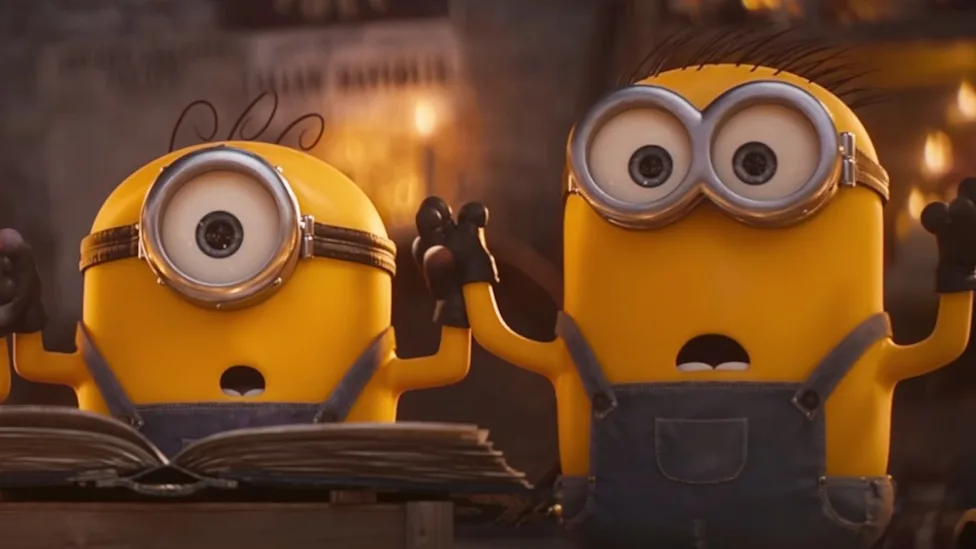
The latest chapter in the hugely successful Minions universe is off to a slower start than many industry analysts anticipated.
According to early box office estimates, ‘Minions & Monsters’ is expected to collect approximately $64.5 million during its five-day opening run in North America. While the figure remains impressive by most standards, it falls well short of the expectations typically associated with one of animation’s most reliable franchises.
The comparison becomes even more striking when measured against ‘Despicable Me 4’, which debuted to an impressive $122 million opening just two years ago. That release demonstrated the remarkable popularity of the franchise and reinforced the drawing power of its lovable yellow characters.
Industry experts suggest several factors may have contributed to the softer-than-expected performance. Increased competition in the family entertainment market, changing audience habits, and a crowded release calendar have all been cited as possible reasons behind the slower opening.
ALSO READ : Emmy Nominations Announcement Gets a Star Twist… Liza Colón-Zayas & Jeff Hiller Set to Reveal 2026 TV Nominees
Even so, analysts caution against viewing the film as a disappointment. Animated movies often enjoy strong legs at the box office, particularly during school holidays and family-focused weekends. Positive word-of-mouth can significantly boost ticket sales in the weeks following release.
The Minions franchise remains one of the most successful animated properties in modern cinema. Since their introduction in the original ‘Despicable Me’, the mischievous characters have evolved into global pop-culture icons, generating billions of dollars through films, merchandise, and theme park attractions.
For Universal Pictures and Illumination Entertainment, the latest release still represents a major commercial opportunity. Studio executives will likely be watching closely to see whether family audiences continue to embrace the film throughout its theatrical run.

Audience reactions have generally been positive, with many viewers praising the movie’s humor, colorful animation, and family-friendly storytelling. The challenge now will be translating those reactions into sustained box office momentum.
The broader movie industry is also paying attention. Recent years have shown that even established franchises are not guaranteed record-breaking openings, as consumer preferences continue to evolve in an increasingly competitive entertainment landscape.
While ‘Minions & Monsters’ may not be matching the explosive debut of ‘Despicable Me 4’, it still has the potential to become a significant success over the coming weeks. Family films often perform strongly over extended periods, particularly when younger audiences drive repeat viewings.
For now, the biggest question remains whether the beloved yellow troublemakers can regain their box office magic and close the gap between expectations and reality.
Entertainment
AMC CEO’s Deleted Post Reveals Surprise Details About Taylor Swift’s Wedding… Fans Rush to See What Was Said
A social media post by AMC Entertainment CEO Adam Aron briefly offered an insider glimpse into Taylor Swift and Travis Kelce’s reported wedding celebration before it was swiftly removed, sparking widespread online speculation.
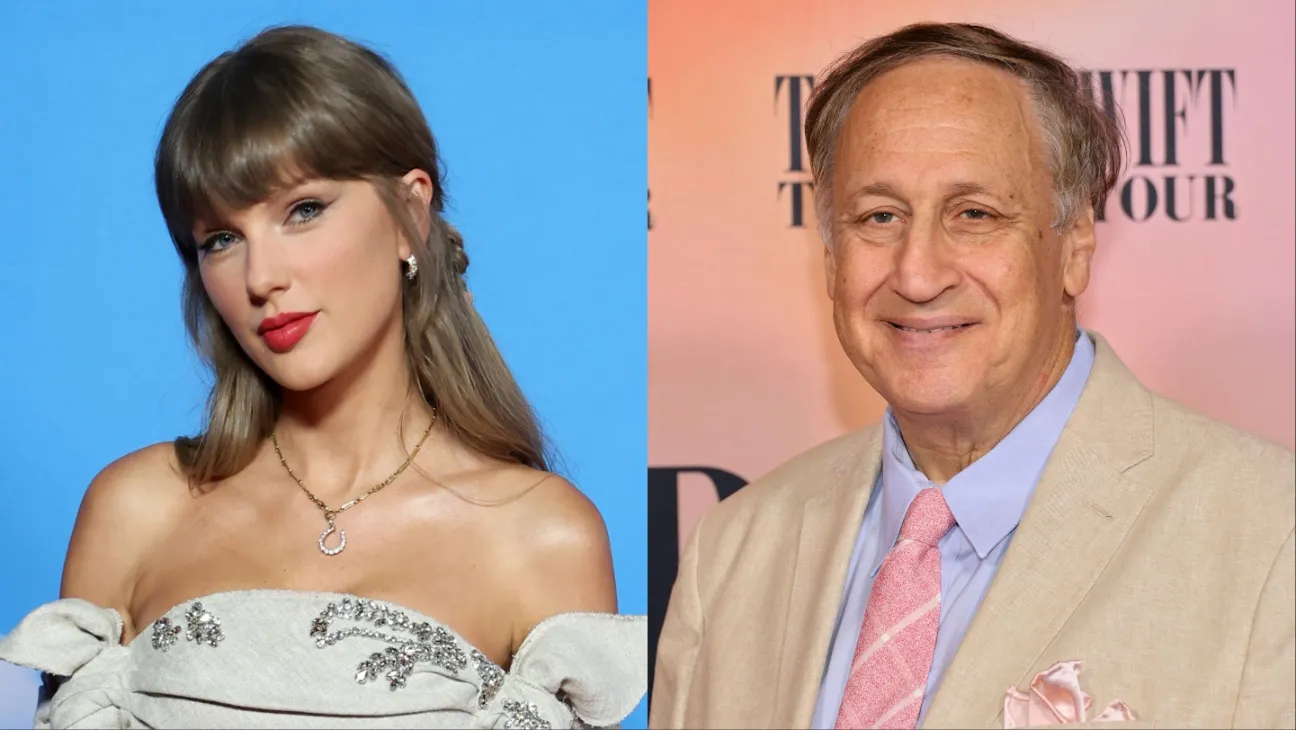
A now-deleted social media post from Adam Aron, the CEO of AMC Entertainment, has become the latest talking point among fans of Taylor Swift and Travis Kelce.
The post, which reportedly appeared on Aron’s X account before being removed, contained what many described as unusually detailed observations about the highly anticipated Swift-Kelce wedding celebration. Although the message did not remain online for long, screenshots and discussions quickly spread across social media platforms, fueling curiosity among fans eager for information about one of the world’s most closely watched celebrity couples.
A Post That Didn’t Stay Up for Long
According to reports circulating online, Aron shared a lengthy account that appeared to describe elements of the wedding event and the atmosphere surrounding the ceremony.
The post quickly gained attention due to Aron’s unique position as a business executive who has maintained a visible relationship with Taylor Swift’s fan community since the groundbreaking success of Taylor Swift: The Eras Tour concert film, which became a major box-office success for AMC Theatres.
However, the post was later deleted, prompting questions about why it was removed and whether the information had been intended for public release.
ALSO READ : Sen. Elizabeth Warren Calls It a ‘Cesspool of Corruption’ — Here’s Why Senators Are Now Fighting Back Against the DOJ’s Live Nation Deal That Left Every Fan Betrayed…
Why Fans Are Talking About It
Taylor Swift has long maintained a careful balance between public visibility and personal privacy. While she regularly shares professional milestones with fans, details about her private life are often closely guarded.
As a result, any unexpected disclosure—especially from a high-profile executive with industry connections—immediately attracts attention.
The deleted post became a trending topic among Swift’s global fan base, with many users debating whether the information should have been shared publicly at all. Others simply viewed it as another example of the intense public fascination surrounding Swift and Kelce.
The Swift-Kelce Phenomenon Continues
The relationship between Taylor Swift and Travis Kelce has become one of the biggest celebrity stories of recent years.
Since first being linked romantically, the pair have generated enormous media coverage, blending the worlds of entertainment and professional sports. Swift’s appearances at Kansas City Chiefs games and Kelce’s presence at major entertainment events have consistently dominated headlines.
The couple’s popularity extends far beyond their respective industries, making nearly every development in their relationship a major news event.

AMC’s Connection to Taylor Swift
AMC Entertainment’s association with Taylor Swift grew significantly through the theatrical release of her Eras Tour concert film.
The movie shattered expectations and became one of the highest-grossing concert films in history, providing a major boost to theater attendance and demonstrating the commercial power of Swift’s fan base.
Adam Aron frequently praised the partnership, describing it as a groundbreaking moment for both the music and cinema industries. Because of that relationship, his comments regarding Swift often attract significant public interest.
Privacy in the Social Media Age
The incident has also reignited discussions about celebrity privacy and the speed at which information spreads online.
Even though the original post was deleted, screenshots and reposts ensured that the content continued circulating long after it disappeared from public view. The episode serves as another reminder that in today’s digital landscape, a message shared for only a few minutes can quickly become a global topic of conversation.
For celebrities like Taylor Swift and Travis Kelce, maintaining personal boundaries can be increasingly difficult as public curiosity grows alongside their fame.
The Bigger Picture
Whether the deleted post was an innocent observation or an unintended disclosure, it has once again highlighted the extraordinary level of attention surrounding Taylor Swift’s life.
From record-breaking tours and chart-topping albums to high-profile relationships, Swift remains one of the most influential public figures in the world. Meanwhile, Travis Kelce continues to be one of the most recognizable names in professional football.
Together, they represent a celebrity pairing capable of generating headlines from even the briefest social media moment — as AMC’s CEO recently discovered.
Entertainment
Cara Delevingne’s Shocking Claim About Amber Heard and Johnny Depp Era… “He Was Driven Crazy by Jealousy,” She Says
In a candid conversation with Louis Theroux, Cara Delevingne revisits a controversial period involving Amber Heard, Johnny Depp, and Elon Musk—adding fresh fuel to one of Hollywood’s most talked-about relationship timelines.

A fresh wave of Hollywood controversy has emerged after British model and actress Cara Delevingne made new claims about her past relationship history involving Amber Heard during a turbulent period surrounding Heard’s highly publicized divorce from Johnny Depp.
Speaking on broadcaster Louis Theroux’s latest podcast episode, Delevingne reflected on a complex and emotionally charged period that has long been the subject of global media attention.
Her comments have once again brought renewed focus to one of Hollywood’s most heavily scrutinized personal sagas.
“He Was Driven Crazy by Jealousy”
During the interview, Delevingne suggested that the emotional dynamics surrounding the relationship were intense, stating that Depp was “driven crazy by jealousy” amid the unfolding situation.
The remark has reignited discussions about the public and private pressures faced by high-profile relationships, especially when multiple celebrity figures are involved.
Delevingne’s comments were not framed as a full chronological account but rather as personal reflections on what she described as a complicated emotional environment during that time.
ALSO READ : Sen. Elizabeth Warren Calls It a ‘Cesspool of Corruption’ — Here’s Why Senators Are Now Fighting Back Against the DOJ’s Live Nation Deal That Left Every Fan Betrayed…
Amber Heard and a Complex Timeline
Amber Heard, known for her roles in films such as Aquaman, has remained a central figure in one of Hollywood’s most closely followed legal and personal disputes in recent years.
Delevingne also suggested that Heard was “entangled with other people” during that period, a comment that immediately drew attention online.
When Louis Theroux responded by referencing Elon Musk, CEO of Tesla and SpaceX, the conversation shifted toward Heard’s widely reported associations during her divorce proceedings.
However, none of the individuals mentioned have issued responses regarding Delevingne’s latest remarks.
Revisiting a Highly Public Chapter
The Depp-Heard legal battle became one of the most widely discussed celebrity court cases of the decade, dominating news cycles across entertainment media, social platforms, and courtroom livestreams.
The case not only involved legal disputes but also sparked global debates around privacy, media influence, and the role of public opinion in personal relationships.
Delevingne’s comments now add another layer to a timeline that has already been dissected extensively by journalists, documentaries, and online commentators.
Louis Theroux’s Role in the Conversation
British documentarian Louis Theroux, known for his in-depth interviews and observational storytelling style, guided the discussion during the podcast episode.
His conversational approach often leads guests to reflect on sensitive or complex topics, and this episode was no exception.

The mention of multiple high-profile figures added further intrigue to an already closely followed discussion.
Social Media Reaction and Public Debate
As expected, excerpts from the interview quickly circulated across social media platforms, where users debated the implications of Delevingne’s statements.
Some viewers interpreted her comments as personal insight into a complicated social circle involving Hollywood’s elite. Others cautioned against drawing conclusions from retrospective recollections of private relationships.
The discussion reflects a broader pattern in modern celebrity culture, where past relationships, legal disputes, and personal narratives are continuously re-examined through interviews and media appearances.
A Reminder of Hollywood’s Interconnected World
The conversation highlights how deeply interconnected Hollywood relationships can become, particularly among actors, musicians, and entrepreneurs operating within the same elite social circles.
Figures like Johnny Depp, Amber Heard, Elon Musk, and Cara Delevingne have all, at various points, been part of overlapping public narratives that continue to attract attention years later.
What Happens Next?
So far, there has been no official response from the individuals referenced in Delevingne’s remarks. However, given the global interest in the personalities involved, the comments are likely to continue circulating across entertainment media.
Whether viewed as a candid reflection or a controversial recollection, the interview has once again placed one of Hollywood’s most discussed periods back in the spotlight.
And as history shows, when names like Johnny Depp, Amber Heard, and Elon Musk enter the conversation together, public attention is never far behind.

‘Minions & Monsters’ Faces Unexpected Box Office Reality… Why Is the Beloved Franchise Opening Slower Than Expected?

AMC CEO’s Deleted Post Reveals Surprise Details About Taylor Swift’s Wedding… Fans Rush to See What Was Said

Cara Delevingne’s Shocking Claim About Amber Heard and Johnny Depp Era… “He Was Driven Crazy by Jealousy,” She Says

The Hollywood Reporter Sweeps SoCal Journalism Awards With 44 Wins

Sarajevo Film Festival Unveils Prix Cineplexx Award to Boost Theatrical Distribution

1-Iran Issues Dire Warning to Israel and Defies Trump on Nukes: “We’re Ready to Strike Deep Inside”

Sen. Elizabeth Warren Calls It a ‘Cesspool of Corruption’ — Here’s Why Senators Are Now Fighting Back Against the DOJ’s Live Nation Deal That Left Every Fan Betrayed…

Donald Trump’s net worth reveals the fortune behind the former US President and business mogul

“Tomás Rodríguez Net Worth 2025: Panama’s Gold Cup Goal‑Machine’s Surprising Fortune Revealed”

“She Never Made It Out…” Albany House Fire Claims Woman’s Life as Family Pleads for Help to Bring Her Home

Miss Jamaica Suffers Terrifying Fall Off Miss Universe Stage; Rushed to Hospital on Stretcher in Viral Video

Moana Live-Action Teaser Sparks Outrage as Fans Call Disney’s Move a ‘Clear Money Grab’ — What Went Wrong?

Ryan Gosling’s Project Hail Mary Trailer Stuns Fans with a Mysterious Alien Ally and a Mission That Could Save Earth

Apple delays Jessica Chastain thriller The Savant about domestic extremism after recent US violence

Avatar 3, Fire and Ash trailer reveals Jake Sully’s family facing terrifying new Na’vi enemies with deadly fire powers
-

 Entertainment1 week ago
Why Is America Turning 9/25 Into Dolly Parton Day? The Touching Meaning Behind the Date Revealed
-

 Entertainment1 week ago
Summer House Cast Celebrates First Emmy Nomination, Calls It Surreal
-

 Entertainment1 week ago
Beyoncé Ends Two-Year Music Hiatus With ‘Morning Dew’… Fans Wonder If a Bigger Announcement Is Coming
-
 Entertainment1 week ago
Hollywood’s New Box-Office Saviours: Curry Barker Joins Guillermo del Toro’s Elite Circle
-

 Entertainment1 week ago
‘The Gentlemen’ Season 2 Ending Explained by Theo James
-
 Entertainment7 days ago
Telluride’s Mystery Screening Revealed as Nathan Fielder’s Elizabeth Holmes Documentary
-

 Entertainment1 week ago
Emmy Awards 2026 Predictions: First Post-Nominations Forecast Spotlights the Early Favorites
-

 Entertainment1 week ago
Stephen Colbert vs Jimmy Kimmel at the Emmys 2026… Late-Night Giants Face Off in a Battle for TV’s Top Honor