
Sports
‘Why Didn’t He Pass?’ Norway’s Costliest FIFA World Cup 2026 Mistake Leaves Erling Haaland Heartbroken as England Complete Stunning Comeback
Alexander Sørloth’s decision to ignore an unmarked Erling Haaland in a crucial counter-attack has become one of the defining moments of the FIFA World Cup 2026, with Norway crashing out against England.


Football is often decided by moments, and Norway experienced that painful reality in their FIFA World Cup 2026 quarter-final defeat to England. A single decision made just before half-time has quickly become one of the tournament’s biggest talking points, with many fans and pundits calling it the defining mistake that ended Norway’s dream of reaching the semi-finals.
Norway entered the knockout clash full of confidence and even took a deserved 1-0 lead against England. With the first half nearing its end, they found themselves in an ideal counter-attacking situation that could have doubled their advantage.
The move saw Alexander Sørloth break forward alongside Erling Haaland, while John Stones was the only England defender standing between the Norwegian attackers and goalkeeper Jordan Pickford. It was a classic two-on-one opportunity, leaving Haaland in space for what appeared to be a simple tap-in.
Instead of making the obvious pass, Sørloth chose to keep possession and attempt to finish the move himself. His hesitation allowed England’s recovering defenders to race back, turning a clear scoring opportunity into a missed chance. Within seconds, Norway’s attack had completely broken down.
ALSO READ : ‘This Doesn’t Have to Be Goodbye’: Fox Broadcasters Make Emotional Plea After Belgium Ends U.S. World Cup Dream
The moment immediately drew strong reactions from football fans across social media, many describing it as one of the biggest tactical errors of the FIFA World Cup 2026. Supporters questioned why one of the world’s most prolific goalscorers, Haaland, was denied such a clear opportunity in one of the tournament’s biggest matches.
England capitalised on the missed opportunity after the break. Regaining momentum, the Three Lions overturned the deficit with two second-half goals to secure a dramatic 2-1 victory and book their place in the FIFA World Cup semi-finals.
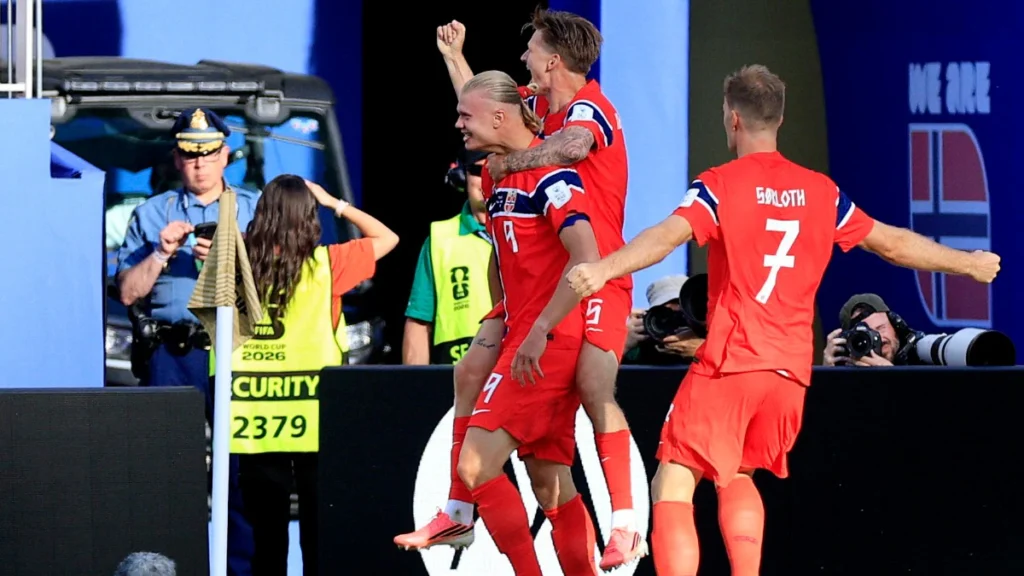
For Norway, the defeat was especially heartbreaking because the missed chance could have changed the entire complexion of the contest. A two-goal advantage before half-time would have placed enormous pressure on England and significantly strengthened Norway’s hopes of progressing.
While Sørloth’s decision will undoubtedly be analysed for years, it also highlighted football’s unforgiving nature. At the highest level, even a split-second choice can determine whether a nation celebrates history or suffers heartbreak.
England, led by captain Harry Kane, now move into the semi-finals with renewed confidence, while Norway leave the tournament wondering what might have been had Haaland received that decisive pass.
The incident has already become one of the defining moments of FIFA World Cup 2026 and serves as another reminder that teamwork and decision-making often matter just as much as individual brilliance on football’s biggest stage.





Sports
Argentina’s World Cup Win Sparks Red Card Fury: How Did Lautaro Martinez Stay On the Pitch Despite Second Yellow Card Claims?
Defending champions Argentina reached the FIFA World Cup 2026 semi-finals after a dramatic extra-time victory over Switzerland, but refereeing decisions involving Lautaro Martinez have overshadowed the thrilling contest.

Argentina booked their place in the FIFA World Cup 2026 semi-finals with a dramatic 3-1 extra-time victory over Switzerland in Kansas City, but the post-match conversation has shifted away from footballing brilliance and toward a controversial refereeing decision involving striker Lautaro Martinez.
The defending champions faced a stern challenge from Switzerland in a fiercely contested quarter-final that remained locked deep into extra time. Despite Switzerland playing with 10 men for nearly 50 minutes, they continued to frustrate Argentina before the South American giants finally found their breakthrough in the closing stages.
The decisive moment arrived in the 112th minute when Julian Alvarez unleashed a stunning long-range strike that broke the deadlock and changed the complexion of the match. As Switzerland pushed forward in search of an equaliser, Argentina exploited the spaces left behind. In stoppage time of extra time, Lautaro Martinez added another goal to seal a memorable victory and send Argentine supporters into celebration.
ALSO READ : ‘This Doesn’t Have to Be Goodbye’: Fox Broadcasters Make Emotional Plea After Belgium Ends U.S. World Cup Dream
However, the biggest talking point emerged from an incident involving Martinez before his goal. The Argentine forward had already been shown a yellow card in the 98th minute, and many viewers believed he committed another bookable offence later in the match. Replays quickly circulated across social media, with fans questioning why the striker was not shown a second yellow card, which would have resulted in his dismissal.
The referee allowed play to continue, and Martinez remained on the pitch to score Argentina’s final goal. The decision immediately divided opinion, with supporters and pundits debating whether Argentina had benefited from a major officiating call at a crucial stage of the tournament.

For Switzerland, the defeat was particularly painful. Even with a numerical disadvantage, they displayed remarkable discipline and resilience for much of extra time before conceding twice in the closing minutes. Their determined performance earned widespread praise despite the disappointing result.
Argentina, meanwhile, will now shift their focus to the World Cup semi-finals, where tougher challenges await. Manager Lionel Scaloni will be encouraged by his team’s fighting spirit but may also hope that future matches are remembered more for football than officiating controversies.
With emotions running high and debate continuing across the football world, this quarter-final has become one of the most talked-about matches of the tournament. While Argentina celebrated another step toward defending their world title, the controversy surrounding Lautaro Martinez’s escape from a potential red card is likely to remain a major talking point long after the final whistle.
Sports
Why Breel Embolo Was Sent Off for ‘Diving’ Against Argentina: The Little-Known FIFA Rule That Changed the World Cup Quarter-Final
Switzerland’s controversial defeat to Argentina sparked fresh debate over refereeing, but Breel Embolo’s red card was the result of a recently amended FIFA ‘mistaken identity’ law rather than an on-field judgment alone.
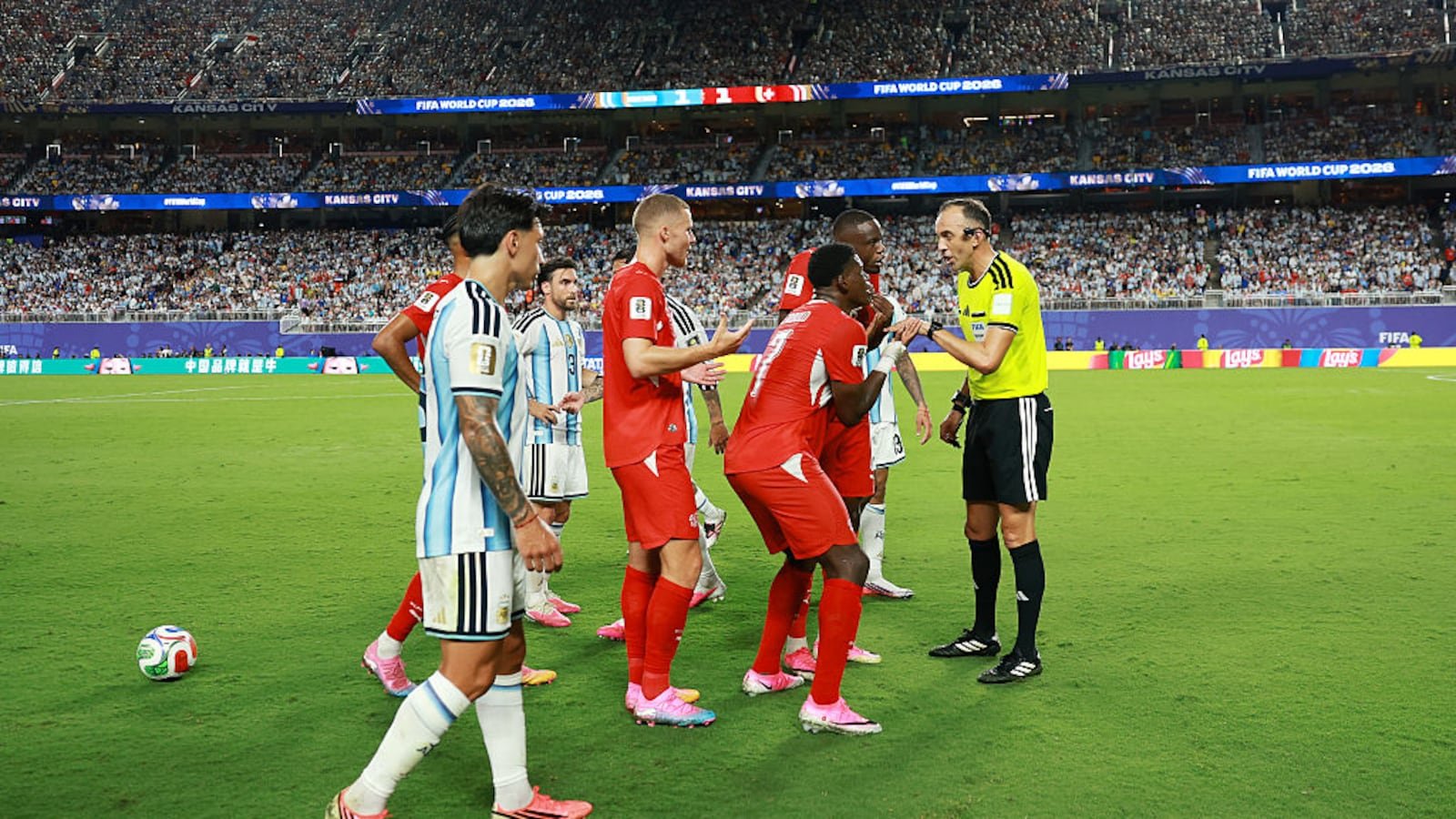
Argentina’s dramatic 3-1 extra-time victory over Switzerland in the FIFA World Cup 2026 quarter-final has once again ignited widespread discussion about refereeing decisions, VAR interventions, and the interpretation of football’s laws.
While much of the spotlight remained on Lionel Messi, another major talking point emerged when Switzerland striker Breel Embolo received a second yellow card and was sent off after being penalised for simulation inside the penalty area.
The dismissal immediately sparked outrage among Swiss players, coaching staff and supporters, many of whom believed the decision significantly altered the course of the match. However, according to FIFA’s updated Laws of the Game, the referee’s hands were effectively tied.
The controversy centred around what has become known as the “mistaken identity” rule, a regulation amended shortly before the start of the FIFA World Cup 2026.
ALSO READ : ‘This Doesn’t Have to Be Goodbye’: Fox Broadcasters Make Emotional Plea After Belgium Ends U.S. World Cup Dream
During the decisive moment, Embolo went down inside Argentina’s penalty area under pressure from a defender. After consulting with the Video Assistant Referee (VAR), the referee determined that there had been no foul and instead ruled the incident as simulation.
Under previous interpretations of the laws, referees occasionally had flexibility when VAR intervened on incidents involving mistaken disciplinary decisions. However, the recently updated regulation requires officials to issue the appropriate disciplinary sanction if a review concludes that a player deliberately attempted to deceive the referee.
Because Embolo had already been booked earlier in the match, the second caution automatically resulted in a red card, despite the unusual nature of a player being dismissed for two yellow cards involving simulation.
The decision has fuelled fresh debate across the football world. Many Swiss supporters argue the punishment was disproportionate in a knockout World Cup match, while others believe the referee simply enforced the laws exactly as written.

Argentina, meanwhile, capitalised on their numerical advantage during extra time, scoring three goals to book their place in the semi-finals and keep their World Cup title defence alive.
The incident also highlights FIFA’s continued push to reduce gamesmanship and improve consistency in officiating through stricter use of VAR and revised disciplinary regulations. Tournament officials have repeatedly emphasised that referees are expected to apply the laws uniformly, regardless of the stage of the competition or the stature of the teams involved.
For Switzerland, however, the defeat will likely be remembered as much for the controversial dismissal as for the result itself. Questions over whether the law itself is too harsh—or simply misunderstood—are expected to remain a major talking point long after the final whistle.
As Argentina prepare for the semi-finals, the debate surrounding Embolo’s red card serves as another reminder that modern football is increasingly shaped not only by players on the pitch but also by the evolving interpretation of the game’s laws.
Sports
FIFA World Cup 2026 Semi-Finals Are Set: Messi, Mbappe, Kane and Spain Chase History… But Who Will Reach the Final?
France, Spain, England and Argentina have survived the fierce knockout battles to book their places in the last four as the race for football’s biggest prize enters its defining stage.

The road to football’s biggest prize has reached its most exciting phase as the FIFA World Cup 2026 enters the semi-finals. After weeks of thrilling contests featuring a record 48 participating nations, only four teams remain in contention for the coveted trophy.
The quarter-finals delivered drama, high-quality football and memorable individual performances, with France, Spain, England, and Argentina emerging as the tournament’s final four contenders.
The first quarter-final saw France, inspired by captain Kylian Mbappé, secure a professional 2-0 victory over Morocco. Les Bleus controlled key moments of the game and once again demonstrated why they remain among the favourites to lift the World Cup.
Spain followed with another composed display, edging past Belgium 2-1 in a tightly contested encounter. Once again, substitute Mikel Merino proved to be Spain’s game-changer, scoring the decisive goal and continuing his remarkable impact from the bench.
ALSO READ : ‘This Doesn’t Have to Be Goodbye’: Fox Broadcasters Make Emotional Plea After Belgium Ends U.S. World Cup Dream
England also kept their title dream alive after overcoming Norway 2-1 in one of the most anticipated quarter-finals. Captain Harry Kane delivered another influential performance as the Three Lions ended Erling Haaland’s hopes of guiding Norway to a historic FIFA World Cup triumph.
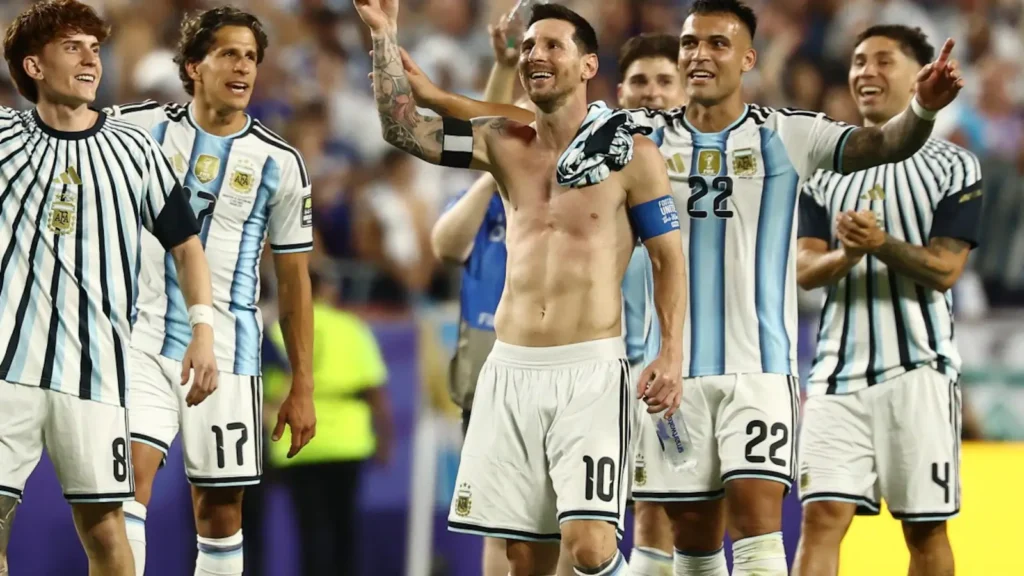
The final quarter-final belonged to defending champions Argentina. Led by the experience of Lionel Messi, La Albiceleste defeated Switzerland 3-1 after extra time in a match that was filled with controversy, intensity and attacking brilliance. The victory sends Argentina into their second consecutive FIFA World Cup semi-final and keeps alive their dream of successfully defending the title.
FIFA World Cup 2026 Semi-Finalists
The four teams still competing for the championship are:
- France
- Spain
- England
- Argentina
With four of world football’s traditional powerhouses remaining, fans can expect two blockbuster semi-finals featuring some of the biggest stars in the sport.
FIFA World Cup 2026 Semi-Final Schedule (IST)
Semi-final 1
France vs Spain
Date: July 15, 2026
Time: 12:30 AM IST
Semi-final 2
England vs Argentina
Date: July 16, 2026
Time: 12:30 AM IST
(Match timings are in Indian Standard Time.)
Where to Watch Live
Football fans in India can watch the FIFA World Cup 2026 semi-finals through the tournament’s official broadcast and digital streaming partners available in the country. Live coverage will also include pre-match analysis, expert commentary and post-match discussions.
With world-class players such as Lionel Messi, Kylian Mbappé, Harry Kane, and Spain’s emerging stars set to battle for a place in the final, anticipation is building across the football world.
The semi-finals also promise intriguing tactical contests. France’s explosive attack will face Spain’s possession-based approach, while England’s disciplined structure will be tested by Argentina’s experience and attacking creativity.
As the tournament approaches its climax, every mistake could prove costly, and every moment could become part of FIFA World Cup history. With only two matches separating these teams from the final, the battle for global football supremacy is set to reach another unforgettable chapter.

Argentina’s World Cup Win Sparks Red Card Fury: How Did Lautaro Martinez Stay On the Pitch Despite Second Yellow Card Claims?

Why Breel Embolo Was Sent Off for ‘Diving’ Against Argentina: The Little-Known FIFA Rule That Changed the World Cup Quarter-Final

FIFA World Cup 2026 Semi-Finals Are Set: Messi, Mbappe, Kane and Spain Chase History… But Who Will Reach the Final?

‘Why Didn’t He Pass?’ Norway’s Costliest FIFA World Cup 2026 Mistake Leaves Erling Haaland Heartbroken as England Complete Stunning Comeback

“Need to Breathe”: Tearful Ståle Solbakken Breaks Silence After Norway’s Heartbreaking World Cup Exit… His Emotional Words Say It All

1-Iran Issues Dire Warning to Israel and Defies Trump on Nukes: “We’re Ready to Strike Deep Inside”

Donald Trump’s net worth reveals the fortune behind the former US President and business mogul

“She Never Made It Out…” Albany House Fire Claims Woman’s Life as Family Pleads for Help to Bring Her Home

“Tomás Rodríguez Net Worth 2025: Panama’s Gold Cup Goal‑Machine’s Surprising Fortune Revealed”

Younghoe Koo Explains Botched Field Goal After Slip: “The Ball Was Moving So I Pulled Up”

Miss Jamaica Suffers Terrifying Fall Off Miss Universe Stage; Rushed to Hospital on Stretcher in Viral Video

Moana Live-Action Teaser Sparks Outrage as Fans Call Disney’s Move a ‘Clear Money Grab’ — What Went Wrong?

Ryan Gosling’s Project Hail Mary Trailer Stuns Fans with a Mysterious Alien Ally and a Mission That Could Save Earth

Apple delays Jessica Chastain thriller The Savant about domestic extremism after recent US violence

Avatar 3, Fire and Ash trailer reveals Jake Sully’s family facing terrifying new Na’vi enemies with deadly fire powers
-

 Sports7 days ago
‘This Doesn’t Have to Be Goodbye’: Fox Broadcasters Make Emotional Plea After Belgium Ends U.S. World Cup Dream
-

 Entertainment1 week ago
Shocking Viral Clip: ‘Vanderpump Rules’ Star Tom Sandoval ‘Pushes Ex-Girlfriend’s Father Into Fire Pit’… Disturbing Video Sparks Outrage
-

 Entertainment1 week ago
Locarno’s Bold New Move… Why Children Will Help Decide the Winners at This Major Film Festival
-

 Sports7 days ago
Donald Trump’s Reported FIFA Push Couldn’t Save USA… Belgium Crushes Hosts 4-1 and Marches Into World Cup Quarterfinals
-

 Entertainment1 week ago
Taylor Swift and Travis Kelce’s Stunning $26 Million Gift Before Wedding: Why Their Massive Charity Move Is Winning Hearts
-

 Entertainment1 week ago
Can Malta Become Hollywood’s Next Blockbuster Capital? Johann Grech Unveils a Bold ‘Land Sea Super Stage’ Vision
-

 Entertainment5 days ago
Robert Pattinson Reveals the Surprising ‘Twilight’ Connection Behind His Villain Role in Christopher Nolan’s ‘The Odyssey’
-

 Entertainment1 week ago
‘I Speak to Him Every Day’: Nader Saeivar Opens Up About Premiering ‘Hijamat’ Without Jafar Panahi… and the Ancient Ritual Behind the Film