
Entertainment
Only Murders in the Building Season 5 Review 7 Signs the Show May Finally Be Cracking
The beloved Disney+ comedy still charms with Steve Martin, Martin Short, and Selena Gomez — but too many missteps and overblown cameos raise the question: is it time to call curtains?

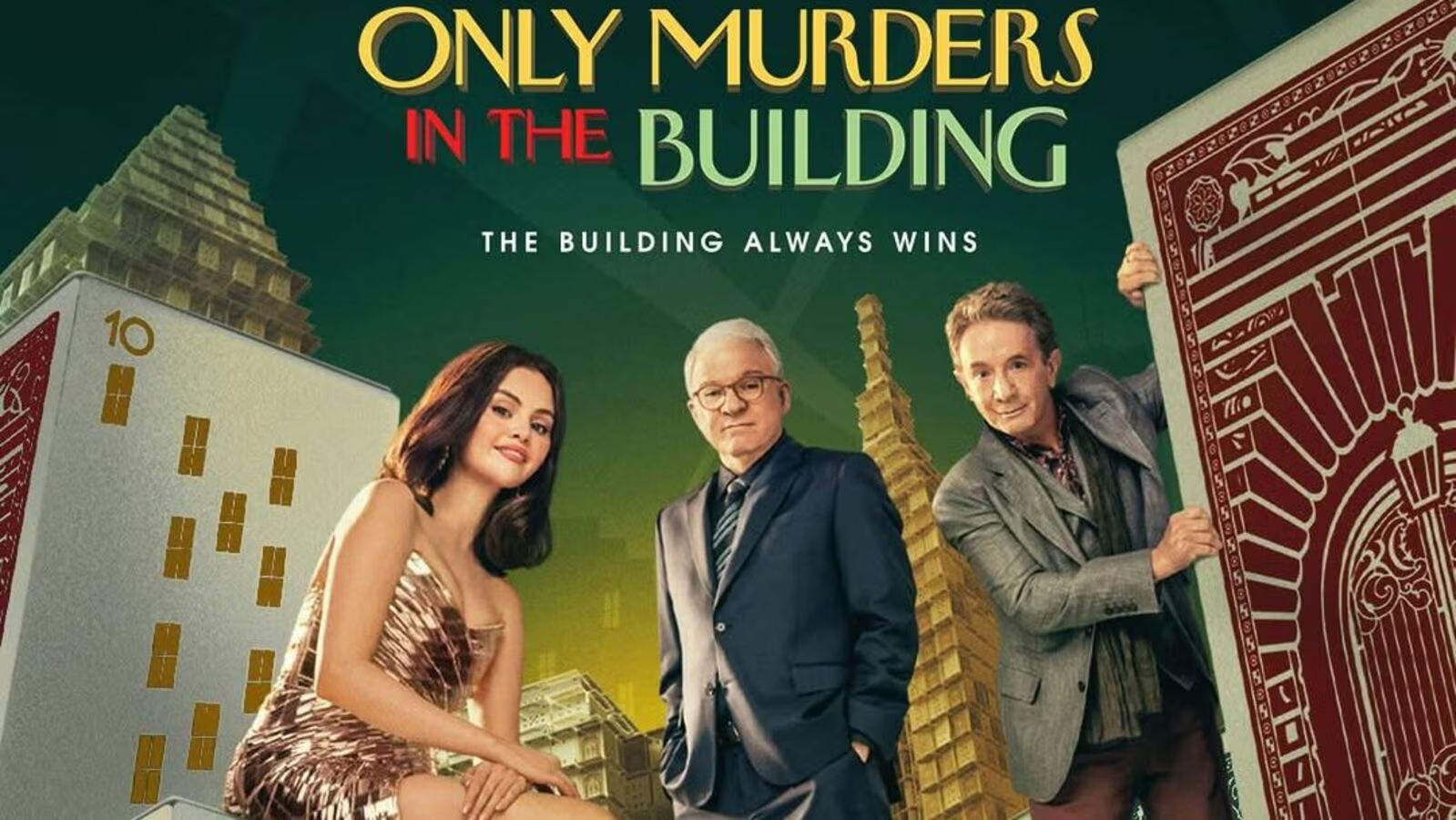
When Only Murders in the Building first premiered in 2021 on Disney+, it felt like a rare gem in the crowded world of streaming television. The murder-mystery comedy blended the timeless charm of Steve Martin (Wikipedia), the theatrical wit of Martin Short (Wikipedia), and the deadpan modernity of Selena Gomez (Wikipedia). Together, their chemistry built a cult following, turning the fictional Arconia apartment building into a cultural landmark.
Now, five seasons later, the cracks are starting to show. Season 5, currently streaming, offers the familiar blend of eccentric suspects, absurd clues, and witty one-liners — yet it also reveals a troubling question: how much longer can this whodunnit comedy stay fresh?
The Heart of OMITB Still Beats
What has always separated OMITB from countless other shows is its emotional undercurrent. Beneath the gags and true-crime podcast satire lies a story about unlikely friendships. Watching Charles Haden-Savage (Martin), Oliver Putnam (Short), and Mabel Mora (Gomez) stumble through life and crime scenes gave fans comfort during darker times.
This warmth hasn’t completely vanished. There are still moments of brilliance: a cleverly staged chase in the Arconia’s elevators, the return of running jokes about Oliver’s chaotic directing career, and tender exchanges between Charles and Mabel. Christoph Waltz (Wikipedia) guest-stars as one of the new billionaires, delivering the kind of eccentric energy that once made cameos by Sting (Wikipedia) or Amy Schumer (Wikipedia) so delightful.

Yet for every sharp scene, there are clunky misfires.
The Streep and Zellweger Problem
One of the show’s most controversial choices has been doubling down on celebrity casting. While Season 1 used cameos sparingly, Season 5 leans heavily on Meryl Streep (Wikipedia), reprising her role as Loretta, now Oliver’s wife. Streep is, of course, a legend, but her exaggerated mannerisms seem misplaced in OMITB’s quirky but grounded comedy. What once felt like a delightful surprise now feels like a distraction.
Similarly, Renée Zellweger (Wikipedia) appears as one of the billionaires tied to Lester the doorman’s murder. Instead of delivering layered comedy, her performance feels like — as critics noted — “a collection of mannerisms.” It’s a reminder that the show works best when guest stars enhance the trio’s dynamic rather than overshadow it.
A Case of Too Many Red Herrings
At the center of Season 5 is the murder of Lester the doorman (played by Teddy Coluca). Clues include a missing finger, a mafia connection, and even an elevator crank. Suspects range from Téa Leoni (Wikipedia) as an Italian widow to Dianne Wiest (Wikipedia) as Lorraine, Lester’s grieving wife.
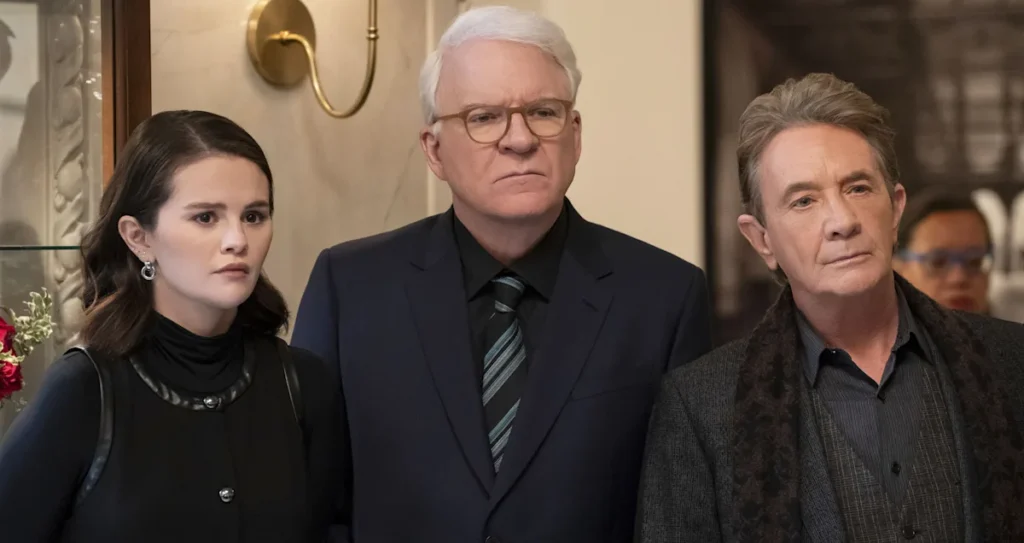
But the narrative feels scattered. The podcast that once anchored the show is pushed aside, the trio is often separated, and the action drifts outside the Arconia. The tightly woven magic of earlier seasons is replaced with sprawling storylines that lack cohesion. Even Oliver’s infamous snort — a gag wisely dropped in earlier seasons — has returned, testing patience.
Why Fans Still Won’t Let Go
Despite its flaws, OMITB remains addictive. Watching Martin, Short, and Gomez together is still worth the subscription. Their chemistry is rare, their timing impeccable, and their affection for one another palpable. As one fan wrote on X (formerly Twitter), “Even when the murder plots drag, I’d happily watch these three eat breakfast together for an hour.”
The show’s atmosphere — the art-deco halls of the Arconia, the blend of comedy and melancholy, the gentle reminder that friendship can bloom in unexpected places — continues to resonate. Ending the series now would feel premature. A thoughtful course correction in Season 6 could revive the energy that made OMITB a phenomenon.
Verdict: Cracks Are Showing, But Don’t Call It Dead
Is Only Murders in the Building past its prime? Maybe. Season 5 is uneven, weighed down by indulgent guest arcs and scattered storytelling. But its heart, its humor, and its cast still shine. Television history is full of shows that stumbled mid-run only to recover spectacularly.
If OMITB can strip back the gimmicks and return to its roots — tight mysteries, sharp cameos, and the golden trio at the center — it might just regain its crown. For now, fans will keep tuning in, hoping the Arconia hasn’t closed its doors for good.
Visit our site for more news www.DailyGlobalDiary.com






Entertainment
Jane Fonda Warns First Amendment Is Being ‘Undermined… by Cowardly Corporations’ at Star-Studded NYC Event
At a high-profile cultural concert in New York, Hollywood veteran Jane Fonda raises sharp concerns over alleged suppression of artistic freedom and growing corporate influence over speech

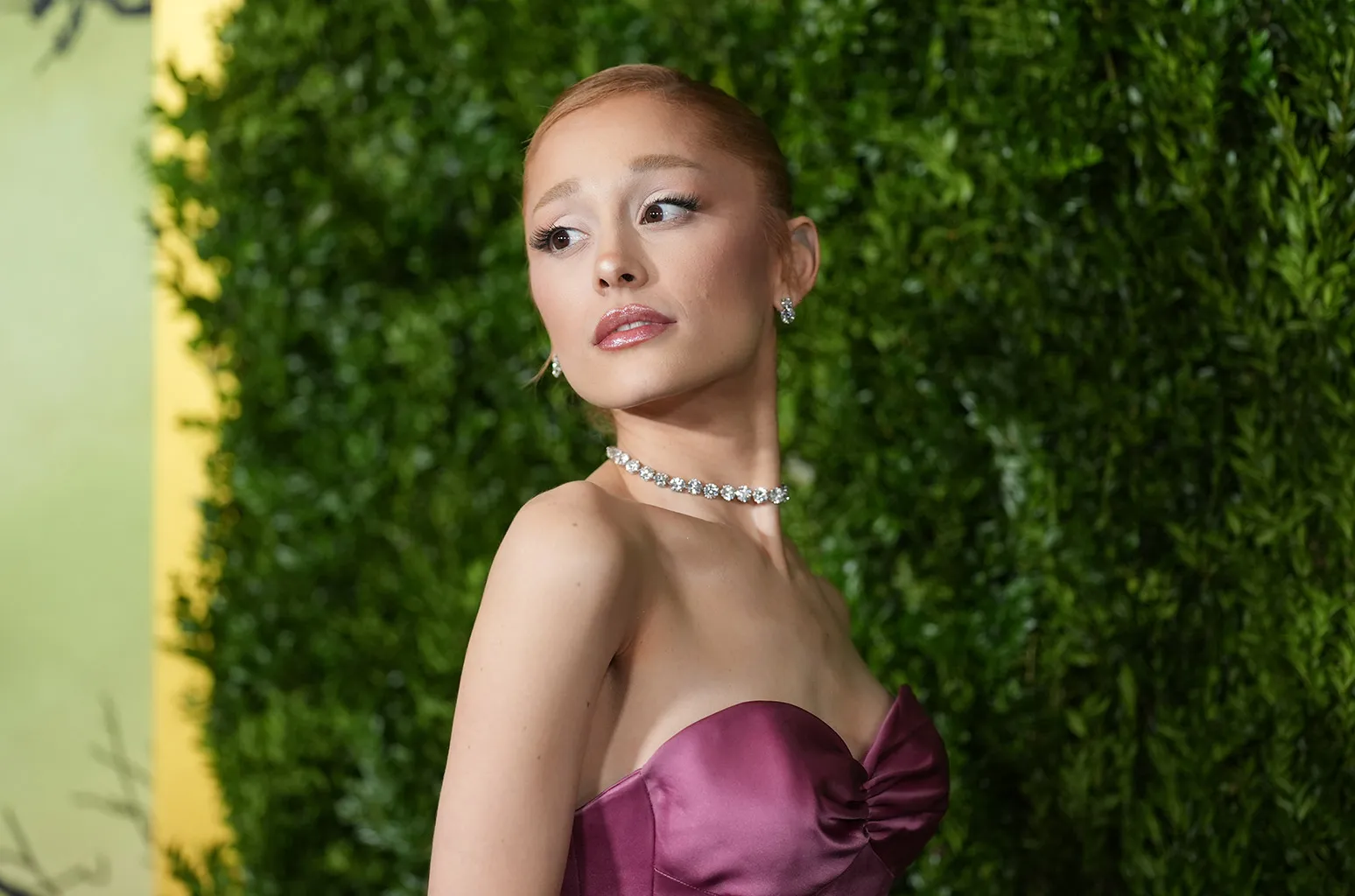
At a time when debates over free speech and media influence continue to intensify across the United States, veteran Hollywood actor and activist Jane Fonda has once again stepped into the center of a major cultural conversation.
Speaking at the star-studded event Rise Up, Sing Out: A Concert for the First Amendment in New York, Fonda delivered a pointed critique of what she described as growing threats to artistic freedom in America. Her remarks quickly drew attention from both supporters and critics, reigniting discussions around the limits and protections of free expression.
According to Fonda, the First Amendment is being weakened not only through political pressure but also through what she called the enabling role of powerful private institutions. She stated that violations of free expression are “being allowed by cowardly corporations,” a comment that sparked strong reactions across social media and entertainment circles.
ALSO READ : Sen. Elizabeth Warren Calls It a ‘Cesspool of Corruption’ — Here’s Why Senators Are Now Fighting Back Against the DOJ’s Live Nation Deal That Left Every Fan Betrayed…
The event itself brought together musicians, writers, and cultural figures in a collective effort to highlight concerns about censorship, self-censorship, and the growing influence of corporate decision-making on creative industries. The concert’s theme focused on defending constitutional freedoms, especially in an era where digital platforms and media companies play a dominant role in shaping public discourse.
Fonda, whose career spans decades in both film and activism, has long been associated with political and social causes. As the daughter of legendary actor Henry Fonda, she has built her own legacy not just in Hollywood but also as a persistent voice in public debates on civil liberties, climate action, and equality.
During her remarks, she emphasized that artists are increasingly facing pressure—direct or indirect—to avoid controversial topics. While she did not name specific organizations, her criticism pointed toward what she sees as a broader system where corporate interests can influence what is said, published, or performed.
The First Amendment of the United States Constitution guarantees freedom of speech, religion, press, assembly, and petition. However, in today’s complex media environment, where streaming platforms, production houses, and social media companies hold significant control over distribution, questions about how free expression operates in practice have become more prominent.
The concert also served as a platform for artists and speakers to reflect on their own experiences within the entertainment industry. Many discussed the growing tension between creative independence and commercial viability, especially in politically sensitive times.
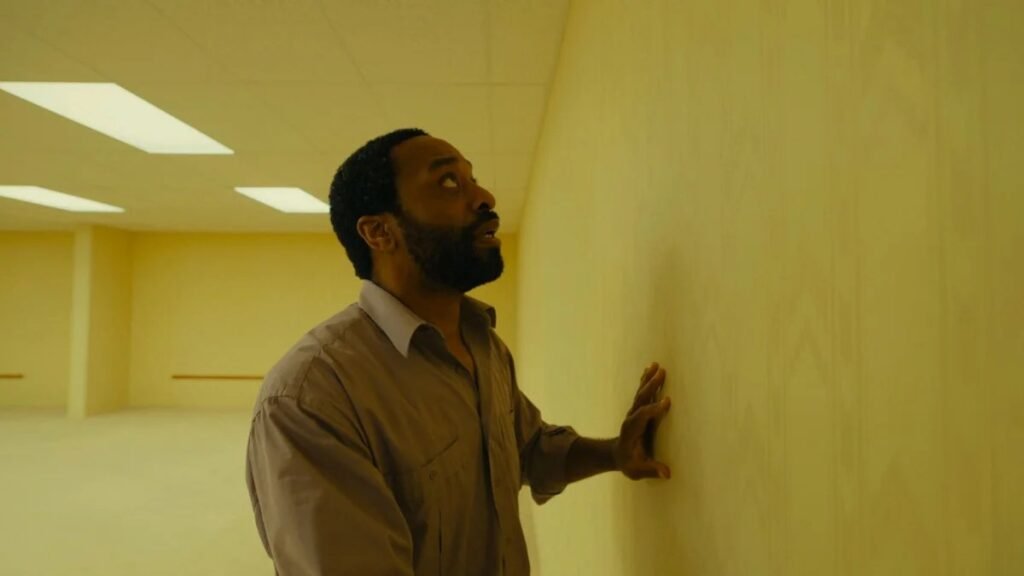
Fonda’s comments quickly gained traction online, with some praising her for speaking out boldly, while others argued that the issue is more nuanced than a simple conflict between corporations and free speech. Critics of her remarks suggested that moderation policies and corporate guidelines are often designed to manage misinformation and legal risks rather than suppress expression.
Still, the broader message from the evening remained focused on safeguarding artistic voices. Organizers of Rise Up, Sing Out described the event as a reminder that freedom of expression requires constant protection—not only from government interference but also from shifting cultural and economic pressures.
As conversations around media freedom continue to evolve, voices like Jane Fonda remain central to the debate, particularly in how society defines the balance between responsibility, regulation, and unrestricted expression.
More about her background and career can be explored here: Jane Fonda –
Entertainment
TCA Awards Shock Nomination List: ‘Widow’s Bay,’ ‘Heated Rivalry’ and ‘Industry’ Dominate 2026 Race as Critics Split Over TV Powerhouses
The Television Critics Association (TCA) Awards nominations spark industry buzz as breakout dramas and established hits like The Pitt, The Late Show, and Pluribus secure multiple nods.
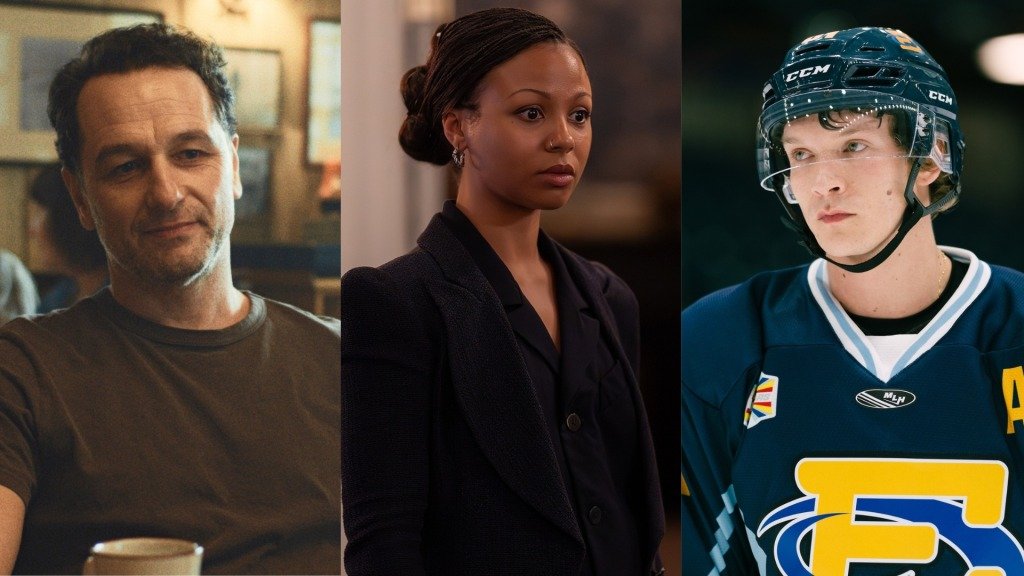
The television industry’s award season momentum is officially underway, and this year’s Television Critics Association (TCA) Awards nominations have already ignited conversation across Hollywood.
Leading the pack are new and returning favorites including Widow’s Bay, Heated Rivalry, and Industry, all of which have secured top nominations in multiple categories — signaling strong critical backing ahead of the upcoming awards season.
The annual TCA Awards, presented by the Television Critics Association, are widely regarded as one of the most respected barometers of quality television, often highlighting shows that go on to dominate later industry awards.
A Strong Year for Prestige Television
This year’s nominations reflect a particularly competitive landscape for scripted television, with streaming platforms and traditional networks battling for critical recognition.
The breakout success of Widow’s Bay has been one of the most surprising developments of the season. The series has been praised for its atmospheric storytelling and layered character arcs, quickly transforming from a quiet debut into a major awards contender.
ALSO READ : Sen. Elizabeth Warren Calls It a ‘Cesspool of Corruption’ — Here’s Why Senators Are Now Fighting Back Against the DOJ’s Live Nation Deal That Left Every Fan Betrayed…
Meanwhile, Heated Rivalry continues to gain attention for its intense character dynamics and emotionally driven narrative, while Industry, the finance-world drama created by Mickey Down and Konrad Kay, has solidified its reputation as one of the most gripping modern workplace series on television.
Multiple Nods for Returning Favorites
Beyond the frontrunners, several established series also received multiple nominations, further highlighting the depth of this year’s competition.
The hospital drama The Pitt earned recognition for its ensemble storytelling and realistic portrayal of emergency medicine. Critics have praised its grounded approach, distinguishing it from more stylised medical dramas.
Late-night television staple The Late Show, hosted by Stephen Colbert, also secured multiple nods, underscoring its continued cultural relevance in an increasingly fragmented media landscape.
Additionally, Pluribus emerged as another strong contender, adding further diversity to a nomination list that spans genres, platforms, and storytelling styles.
Critics Highlight a Changing TV Landscape
Industry analysts note that this year’s TCA nominations reflect a broader shift in television consumption. With audiences now spread across streaming platforms, cable networks, and digital-first content, critical recognition has become more distributed than ever before.

The presence of both emerging titles and long-running programs suggests that audiences are no longer tied to a single dominant platform — instead, quality storytelling is being recognised wherever it appears.
Why the TCA Awards Still Matter
Unlike many industry awards driven by guilds or voting academies, the TCA Awards are shaped by television critics who evaluate shows based on storytelling quality, cultural relevance, and artistic execution.
This gives the nominations a unique credibility, often positioning them as early indicators of shows that may dominate later award ceremonies such as the Emmys.
The Bigger Picture Ahead of Awards Season
As anticipation builds, the strong showing by Widow’s Bay, Heated Rivalry, and Industry suggests a competitive awards season ahead, with no clear frontrunner emerging yet.
With critics divided and audiences increasingly fragmented, this year’s race reflects a television landscape that is more dynamic — and unpredictable — than ever before.
One thing is certain: the conversation around quality TV is only just beginning.
Entertainment
Ben Stiller’s Viral Knicks Mania Videos Hide a Bigger Secret… “There’s a Project in the Works,” Actor Teases Amid NBA Finals Chaos
Hollywood star Ben Stiller fuels speculation after his courtside Knicks reactions go viral again — while quietly hinting at an unannounced project during a historic NBA Finals night.
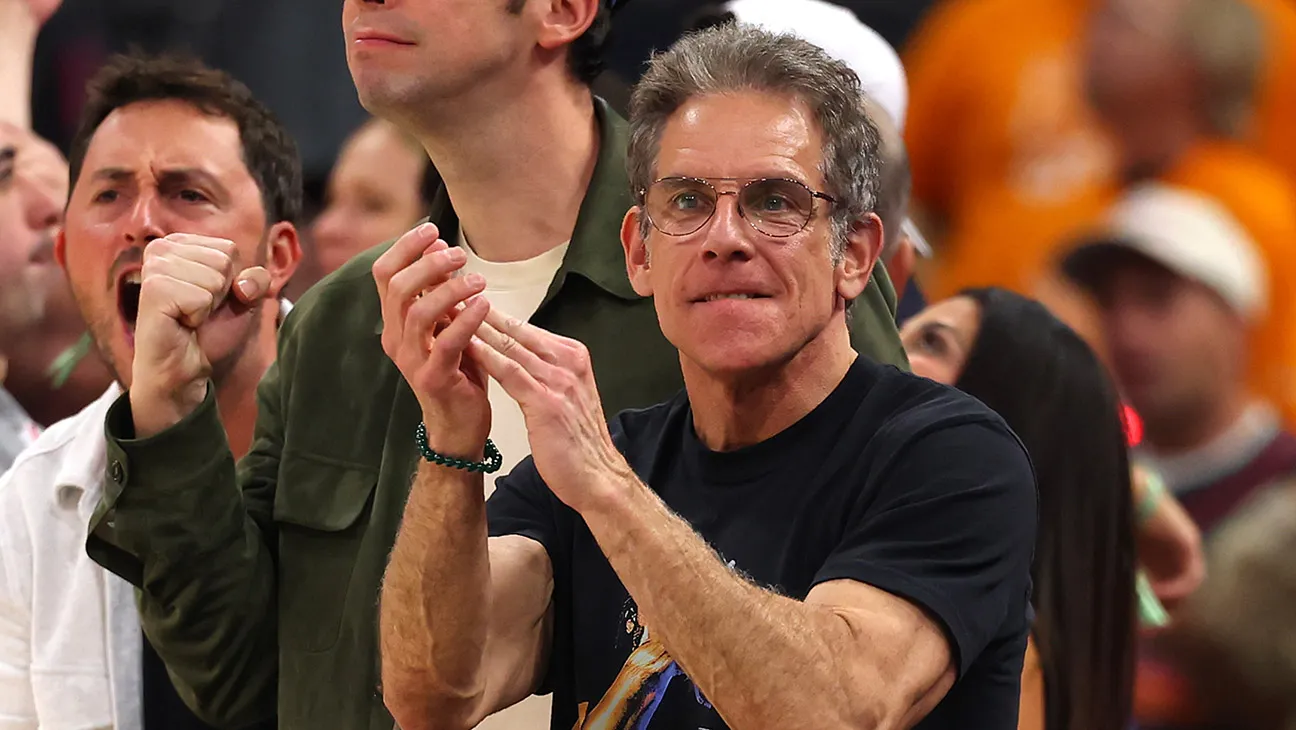
Hollywood actor and filmmaker Ben Stiller has once again found himself at the center of sports and entertainment crossover culture — not for a new movie release, but for a series of viral courtside videos reacting to the New York Knicks that fans can’t stop replaying.
What started as passionate fandom has now turned into something much bigger: speculation, internet buzz, and even hints of a secret project in development.
Knicks Fever Goes Viral Again
Stiller, a lifelong supporter of the New York Knicks, has become a familiar face at Madison Square Garden. His animated reactions during games often go viral within minutes, turning him into an unofficial courtside ambassador for the franchise.
From intense fist pumps to disbelief at missed shots, his expressions have become meme material across social media platforms — especially during high-stakes playoff moments.
But this time, the timing of his viral presence added an unexpected twist.
ALSO READ : Sen. Elizabeth Warren Calls It a ‘Cesspool of Corruption’ — Here’s Why Senators Are Now Fighting Back Against the DOJ’s Live Nation Deal That Left Every Fan Betrayed…
The Night of NBA Finals History
During what is being described as one of the most dramatic nights in NBA Finals history, fans were not only watching the game — they were also watching Stiller watch the game.
The Knicks-related clips spread rapidly online, with fans joking that Stiller’s reactions were competing with the game itself for attention.
It was amid this chaos that Stiller reportedly acknowledged something far more intriguing than his fandom.
“A Project in the Works” — What Did He Mean?
In a brief interview moment that quickly circulated online, Stiller hinted at an unannounced development, referring to a “project in the works.”
While he did not reveal details, the timing of the comment immediately triggered speculation across Hollywood and sports media circles.
Could it be a documentary? A Knicks-related series? Or something entirely unrelated that simply happens to involve his growing public connection to the team?
So far, there is no confirmation — but the ambiguity has only fueled curiosity.
A Career That Blends Comedy, Direction, and Culture
Stiller is no stranger to multi-layered creative work. Known for films such as Zoolander and Tropic Thunder, he has also expanded into serious directing with projects like Severance, which earned critical acclaim for its unique storytelling and visual style.
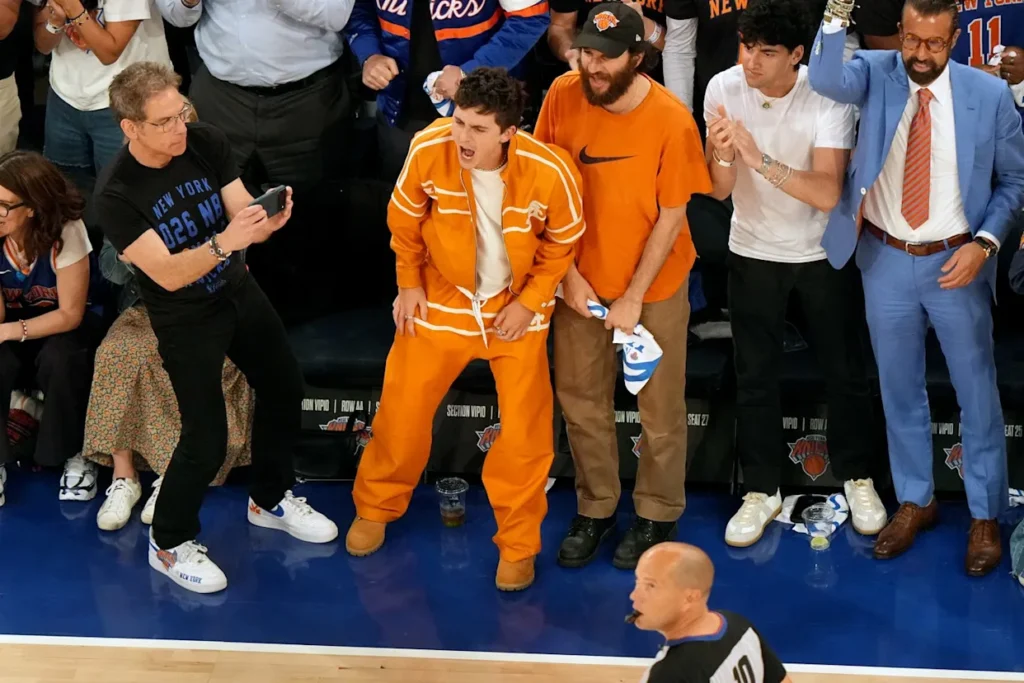
This history of blending genres and experimenting with format has led many fans to believe his “project” could be more than just a traditional film — possibly something rooted in sports culture or documentary storytelling.
Why the Internet Can’t Stop Watching Him
Part of the fascination comes from how naturally Stiller fits into the sports narrative. Unlike staged celebrity appearances, his Knicks fandom feels authentic — and that authenticity translates well in the age of viral content.
Social media users often point out that his reactions mirror the emotional rollercoaster of every Knicks fan: hope, frustration, disbelief, and occasional joy.
In many ways, he has become part of the Knicks’ modern identity — even without stepping onto the court.
The Bigger Crossover Between Hollywood and Sports
Stiller’s viral presence highlights a growing trend where entertainment and sports increasingly overlap. Courtside celebrity culture has become a global spectacle, with actors, musicians, and influencers often becoming part of the game-day experience.
But few manage to capture attention quite like Stiller, whose expressions often become headlines themselves.
What Happens Next?
For now, Stiller has not elaborated on his teased project, and fans are left piecing together clues from interviews and viral clips.
Whether it becomes a Knicks-inspired documentary, a behind-the-scenes sports project, or something entirely unexpected, one thing is certain — the internet will be watching closely.
And if his courtside reactions are any indication, so will everyone else.

Jane Fonda Warns First Amendment Is Being ‘Undermined… by Cowardly Corporations’ at Star-Studded NYC Event

TCA Awards Shock Nomination List: ‘Widow’s Bay,’ ‘Heated Rivalry’ and ‘Industry’ Dominate 2026 Race as Critics Split Over TV Powerhouses

Ben Stiller’s Viral Knicks Mania Videos Hide a Bigger Secret… “There’s a Project in the Works,” Actor Teases Amid NBA Finals Chaos

‘Minions & Monsters’ Off to a Slower Start at the Box Office Despite Franchise Popularity

‘I Don’t Want to Be Associated With Him’… Jesse Eisenberg Speaks Candidly About Mark Zuckerberg and Social Media

1-Iran Issues Dire Warning to Israel and Defies Trump on Nukes: “We’re Ready to Strike Deep Inside”

Sen. Elizabeth Warren Calls It a ‘Cesspool of Corruption’ — Here’s Why Senators Are Now Fighting Back Against the DOJ’s Live Nation Deal That Left Every Fan Betrayed…

Donald Trump’s net worth reveals the fortune behind the former US President and business mogul

Gucci bets on Demna to revive fading glamour as Milan fashion week opens with bold film surprise

“Tomás Rodríguez Net Worth 2025: Panama’s Gold Cup Goal‑Machine’s Surprising Fortune Revealed”

Miss Jamaica Suffers Terrifying Fall Off Miss Universe Stage; Rushed to Hospital on Stretcher in Viral Video

Moana Live-Action Teaser Sparks Outrage as Fans Call Disney’s Move a ‘Clear Money Grab’ — What Went Wrong?

Ryan Gosling’s Project Hail Mary Trailer Stuns Fans with a Mysterious Alien Ally and a Mission That Could Save Earth

Apple delays Jessica Chastain thriller The Savant about domestic extremism after recent US violence

Avatar 3, Fire and Ash trailer reveals Jake Sully’s family facing terrifying new Na’vi enemies with deadly fire powers
-
 Entertainment1 week ago
Cynthia Nixon’s Support Draws Attention as Christine Marinoni Secures NYC Education Post
-

 Entertainment1 week ago
Disney’s Live-Action ‘Moana’ Wins Early Praise After Premiere: Is This the Studio’s Best Remake Yet? Fans Say ‘It Captures the Magic…’
-
 Entertainment1 week ago
‘Spider-Man: Brand New Day’ Swings to No. 1 at the Domestic Box Office
-
 Entertainment1 week ago
The star discusses the bold choices behind the film’s closing moments and what they mean for his character’s journey.
-

 Entertainment1 week ago
Nick Reiner Will Not Face Death Penalty in Parents’ Killing Case DA Reveals Why…
-

 Entertainment1 week ago
Venice Falls for ‘Possible Love’ as Lee Chang-dong Makes a Powerful Comeback
-

 Entertainment1 week ago
TIFF Debut of ‘Musk’ Comes With a Defiant Message
-

 Entertainment1 week ago
Can Disney’s Live-Action Moana Win Over Audiences? Dwayne Johnson Returns as Maui