
Entertainment
Oscars Shake Things Up: Academy Tightens Grip on AI While Opening Doors to Global Talent… What This Means for Hollywood
As artificial intelligence sparks debate across the film industry, the Academy introduces new rules while expanding opportunities in international and acting categories.


In a move that could redefine the future of cinema’s most prestigious awards, the Academy of Motion Picture Arts and Sciences—the body behind the Academy Awards—has announced a significant update to its rules.
At the center of these changes lies a delicate balancing act: embracing global storytelling and evolving talent, while drawing a firm line on how artificial intelligence is used in filmmaking.
It’s a decision that reflects not just policy—but a deeper anxiety and excitement about where Hollywood is heading next.
AI in Hollywood: Innovation Meets Resistance
Artificial intelligence has been quietly transforming the way films are made—from editing and visual effects to voice replication and script assistance. But with that rise comes concern.
The Academy’s latest guidelines aim to regulate the use of AI in eligible films, ensuring that human creativity remains at the heart of storytelling.
ALSO READ : Younghoe Koo Explains Botched Field Goal After Slip: “The Ball Was Moving So I Pulled Up”
While the organization has not outright banned AI, it has made it clear: films overly reliant on AI-generated content may face stricter scrutiny during the awards process.
This comes amid growing debates across the industry, including discussions led by guilds like the Writers Guild of America, which has previously raised concerns about AI replacing creative professionals.
Even acclaimed filmmakers such as Christopher Nolan have voiced skepticism about overdependence on technology, emphasizing that storytelling must remain a deeply human craft.
A Bigger Stage for Global Cinema
While the Academy is tightening its stance on AI, it is simultaneously expanding its embrace of international cinema.
The international feature category is expected to see broader inclusion, reflecting the growing influence of global storytelling. Films from countries outside traditional Hollywood powerhouses are increasingly capturing attention—not just from audiences, but from critics and award bodies.
Streaming platforms like Netflix have played a key role in this shift, making international content more accessible than ever before.
From Korean dramas to European arthouse films, audiences are no longer confined by geography—and the Academy is clearly taking note.
Acting Categories Under the Spotlight
Another significant development is the Academy’s renewed focus on acting categories.
Discussions around inclusivity, diversity, and fair representation have pushed the organization to rethink how performances are evaluated and recognized.
While details continue to evolve, insiders suggest that these changes aim to create a more level playing field—one that acknowledges a wider range of performances across genres, languages, and cultural contexts.
It’s a move that could reshape career trajectories for actors worldwide, offering opportunities that were once limited to a narrow segment of the industry.
The Industry Reacts
Reactions to the Academy’s announcement have been mixed—but deeply engaged.
Some see the AI crackdown as necessary, a way to preserve the integrity of filmmaking. Others worry it could slow innovation or create ambiguity around what qualifies as “acceptable” use of technology.
At the same time, the expansion of international and acting categories has been widely welcomed. Many believe it signals a long-overdue recognition of the global nature of cinema.
Major studios, including Disney, are likely to adapt quickly, recalibrating their strategies to align with the new rules.
A Turning Point for the Oscars
For decades, the Academy Awards have been both a reflection of the industry and a force that shapes it.
This latest move suggests the Academy is trying to do both—protect the essence of filmmaking while acknowledging the inevitability of change.
It’s not an easy task.
Technology is evolving faster than ever, and audiences are demanding more diverse, inclusive, and innovative content. Navigating these expectations requires more than just rule changes—it requires vision.
What Happens Next?
The real impact of these changes will only become clear in the coming awards seasons.
Will filmmakers scale back their use of AI to stay within the Academy’s guidelines?
Will international films gain even greater recognition on the global stage?
And will new voices finally get the spotlight they deserve?
For now, one thing is certain: the Oscars are no longer just about celebrating the past—they are actively shaping the future.
And as Hollywood stands at this crossroads, the decisions made today could define what cinema looks like for decades to come.







Entertainment
Harry Styles Scraps São Paulo Concert Following Tour Illness
Organizers confirmed the cancellation and announced refund options for affected ticket holders.

Fans of Harry Styles in Brazil were left disappointed after the global pop star announced the cancellation of his scheduled concert in São Paulo due to what was described as a “tour illness.”
The performance, originally set for Tuesday, was called off after Styles was advised to prioritise his health while continuing his international tour. Organisers confirmed that the decision was made out of caution to ensure the singer has sufficient time to recover before returning to the stage.
Health Comes First
In a statement shared with fans, organisers explained that Harry Styles was unable to perform because of illness linked to the demands of touring.
While no further medical details were disclosed, the cancellation highlights the physical challenges artists often face during long international tours that involve frequent travel, rehearsals and back-to-back live performances.
ALSO READ : Sen. Elizabeth Warren Calls It a ‘Cesspool of Corruption’ — Here’s Why Senators Are Now Fighting Back Against the DOJ’s Live Nation Deal That Left Every Fan Betrayed…
Supporters across social media responded with messages of encouragement, wishing the singer a speedy recovery and expressing hope that he will be able to resume performances soon.
Refunds and Exclusive Ticket Offer
To minimise inconvenience, organisers announced that all ticket holders for the cancelled Tuesday concert will receive full refunds.
In addition, affected fans will also be offered an exclusive discount to purchase tickets for the Friday show in São Paulo, subject to availability.
The gesture has been welcomed by many fans, providing another opportunity to attend the concert once Styles is fit to return.

One of Pop Music’s Biggest Global Stars
Harry Styles has built a reputation as one of the world’s most successful touring artists, attracting sold-out crowds across Europe, North America, Asia and Latin America.
The former One Direction member has earned widespread acclaim for his solo career, blending pop, rock and contemporary influences while delivering energetic live performances.
His concerts are known for their vibrant atmosphere, audience interaction and elaborate stage productions, making every cancellation a significant disappointment for thousands of fans.
Looking Ahead to Friday’s Performance
At present, organisers remain optimistic that Harry Styles will be able to perform at the scheduled Friday concert, provided his recovery continues as expected.
Fans are encouraged to monitor official event channels for any updates regarding ticketing, health announcements or schedule changes.
For now, supporters are hoping the brief pause will allow the Grammy-winning artist to fully recover before returning to the stage.
Entertainment
Inside Venice Film Festival’s Biggest Talking Points: Hollywood, AI and the Fight for Gender Equality
The festival’s artistic director shares his perspective on the evolving film industry, from Hollywood’s changing presence to AI’s growing influence and the need for greater diversity behind the camera.

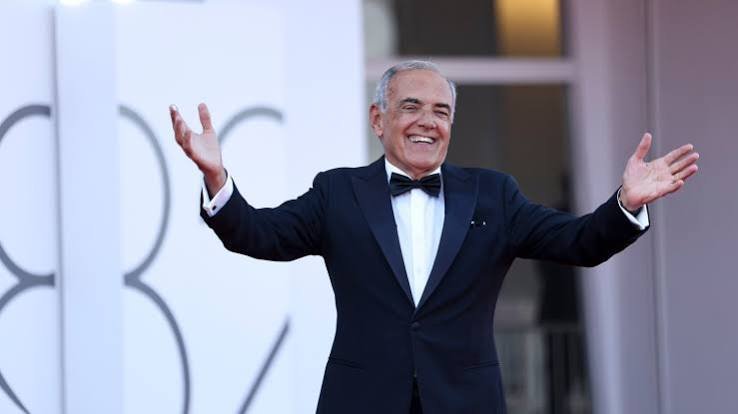
As anticipation builds for the 83rd Venice Film Festival, festival director **Alberto Barbera has offered a candid assessment of the current state of global cinema, touching on Hollywood’s reduced presence, the industry’s evolving conversation around artificial intelligence, and the disappointing decline in gender representation among filmmakers.
Speaking ahead of this year’s prestigious event, Barbera acknowledged that while the festival continues to attract internationally acclaimed filmmakers and stars, the lineup reflects a noticeable shift in Hollywood’s participation.
Hollywood Takes a Step Back
Unlike previous editions that featured a heavy concentration of major U.S. studio premieres, this year’s festival includes fewer large-scale Hollywood productions. According to Barbera, the change is driven less by a lack of interest and more by shifting release strategies, production schedules, and evolving priorities within the American film industry.
Despite the lighter studio presence, Barbera emphasized that the festival remains committed to showcasing exceptional storytelling from across the globe, regardless of where a film originates.
ALSO READ : Sen. Elizabeth Warren Calls It a ‘Cesspool of Corruption’ — Here’s Why Senators Are Now Fighting Back Against the DOJ’s Live Nation Deal That Left Every Fan Betrayed…
The Venice Film Festival has long served as a launchpad for awards-season contenders, and organizers believe that independent productions and international cinema will continue to define this year’s edition.
Why Luca Guadagnino’s Artificial Is Missing
One of the biggest talking points surrounding the lineup has been the absence of ****Luca Guadagnino**’s upcoming film Artificial.
Barbera clarified that the project was simply not ready in time for inclusion. Rather than suggesting any controversy, he indicated that production timelines prevented the film from joining this year’s official selection.
The explanation puts to rest speculation that the decision was related to programming preferences or creative disagreements.
AI Is a Tool—Not a Replacement
Artificial intelligence continues to spark debate throughout the entertainment industry, and Barbera believes filmmakers should approach the technology thoughtfully.
He suggested that AI can become a valuable creative resource when used responsibly, but stressed that it should never replace the imagination, artistic vision, and emotional depth that human filmmakers bring to cinema.
As studios and creators increasingly experiment with AI-assisted production, festivals like Venice are expected to remain important spaces for discussions about ethics, originality, and the future of filmmaking.
Gender Representation Remains a Concern
Perhaps Barbera’s strongest comments focused on the lack of female directors represented in this year’s main competition.
Describing the situation as “desperate,” he acknowledged that the number of films directed by women has declined compared to previous years. However, he insisted that festival selections are ultimately based on the quality and readiness of submitted films rather than attempts to meet numerical targets.
His remarks have reignited broader industry discussions about whether more structural changes are needed to ensure women filmmakers receive equal opportunities at the highest levels of international cinema.
Looking Ahead to the 83rd Edition
Even with fewer Hollywood blockbusters, the Venice Film Festival remains one of the world’s most influential celebrations of cinema. The event is expected to welcome award-winning directors, rising talents, and global stars while continuing its tradition of introducing films that later dominate the international awards circuit.
As the festival prepares to open its doors, Barbera’s comments underline the challenges—and opportunities—facing modern filmmaking. From AI innovation to diversity and Hollywood’s changing priorities, this year’s Venice gathering promises to be about much more than red carpets and premieres.
Entertainment
Venice Film Festival to Close With Giovanni Veronesi’s Historical Drama ‘Dio Ride’
The acclaimed Italian director’s latest historical feature has been selected as the official closing film for this year’s Venice Film Festival.
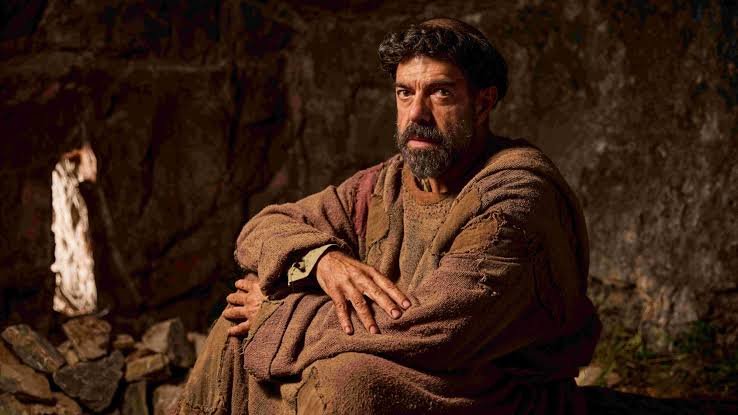
The Venice International Film Festival has officially chosen Giovanni Veronesi’s upcoming historical drama Dio Ride as its closing film, giving the Italian filmmaker the honour of concluding one of the world’s most prestigious film festivals.
The announcement adds another highly anticipated title to this year’s festival lineup, which continues to attract acclaimed directors, award-winning actors, and global cinema enthusiasts.
Inspired by events believed to have taken place during the mid-1600s, Dio Ride tells the story of Fra Leopoldo, a religious figure who chooses to communicate the teachings of the Gospel in a way ordinary people can understand. While the Church continues to preach in Latin, Fra Leopoldo embraces a more accessible and joyful approach, connecting with communities through warmth, simplicity, and compassion.
ALSO READ : Sen. Elizabeth Warren Calls It a ‘Cesspool of Corruption’ — Here’s Why Senators Are Now Fighting Back Against the DOJ’s Live Nation Deal That Left Every Fan Betrayed…
According to the film’s official synopsis, the story explores faith, communication, and humanity during a period when religious traditions shaped nearly every aspect of daily life. Rather than focusing solely on historical events, the film examines the emotional and personal struggles of individuals living within that era.
Giovanni Veronesi is widely recognised as one of Italy’s respected filmmakers, known for blending emotional storytelling with strong character development. His latest project is expected to continue that tradition while offering audiences a visually rich journey into 17th-century Europe.
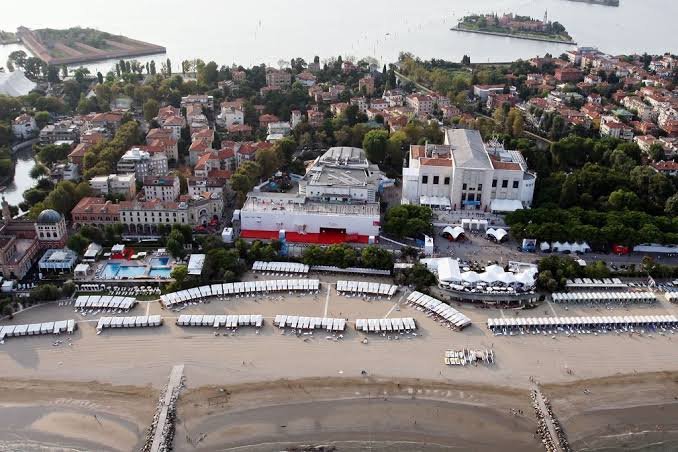
The Venice Film Festival has long served as one of the most influential launchpads for international cinema. Over the years, many films that premiered at Venice have gone on to receive critical acclaim and major awards during the global awards season.
Being selected as the festival’s closing film is considered a significant honour, highlighting the organisers’ confidence in the movie’s artistic and emotional impact. The closing night traditionally celebrates not only the festival’s achievements but also the enduring power of cinema to tell meaningful stories.
Historical dramas have enjoyed renewed popularity in recent years, with audiences increasingly drawn to films that combine authentic period settings with compelling human narratives. Dio Ride appears to follow that path by placing personal faith, hope, and resilience at the centre of its story.
As anticipation builds, film lovers will be watching closely to see how Veronesi’s latest work is received by critics and festival audiences. A successful premiere at Venice could position Dio Ride as one of the standout international films of the year.
With its blend of historical inspiration, spiritual themes, and acclaimed creative leadership, Dio Ride is set to bring this year’s Venice Film Festival to a memorable conclusion.

Harry Styles Scraps São Paulo Concert Following Tour Illness

Inside Venice Film Festival’s Biggest Talking Points: Hollywood, AI and the Fight for Gender Equality

Venice Film Festival to Close With Giovanni Veronesi’s Historical Drama ‘Dio Ride’

Paramount–Warner Bros. Merger Pause Extended Amid Ongoing Legal Proceedings

Pedro Pascal’s ‘Behemoth!’ Set for Prestigious NY Film Festival Premiere… Tony Gilroy’s Mystery Drama Is Already Building Awards Buzz

1-Iran Issues Dire Warning to Israel and Defies Trump on Nukes: “We’re Ready to Strike Deep Inside”

Donald Trump’s net worth reveals the fortune behind the former US President and business mogul

Sen. Elizabeth Warren Calls It a ‘Cesspool of Corruption’ — Here’s Why Senators Are Now Fighting Back Against the DOJ’s Live Nation Deal That Left Every Fan Betrayed…

“She Never Made It Out…” Albany House Fire Claims Woman’s Life as Family Pleads for Help to Bring Her Home

“Tomás Rodríguez Net Worth 2025: Panama’s Gold Cup Goal‑Machine’s Surprising Fortune Revealed”

Miss Jamaica Suffers Terrifying Fall Off Miss Universe Stage; Rushed to Hospital on Stretcher in Viral Video

Moana Live-Action Teaser Sparks Outrage as Fans Call Disney’s Move a ‘Clear Money Grab’ — What Went Wrong?

Ryan Gosling’s Project Hail Mary Trailer Stuns Fans with a Mysterious Alien Ally and a Mission That Could Save Earth

Apple delays Jessica Chastain thriller The Savant about domestic extremism after recent US violence

Avatar 3, Fire and Ash trailer reveals Jake Sully’s family facing terrifying new Na’vi enemies with deadly fire powers
-
 Politics7 days ago
Todd Blanche Clears Major Senate Hurdle After Scrapping $1.8 Billion Fund—Will Confirmation Finally Move Forward?
-
 Entertainment1 week ago
Dexter: Resurrection Season 2 Teases a Bold New Direction for Michael C. Hall’s Serial Killer
-

 Entertainment1 week ago
Josh Hartnett’s Below Makes a Chilling First Impression With Eerie Netflix Teaser
-
 Entertainment1 week ago
Dylan Mulvaney Responds After Trump’s White House Dinner Remarks
-

 Entertainment1 week ago
Jennifer Garner Reveals the ‘Totally Ludicrous’ Paparazzi Experience That Put Her Family in Danger… ‘It Was a Threat’
-

 Entertainment1 week ago
Following its world premiere, Spider-Man: Brand New Day has earned enthusiastic first reviews, with Tom Holland’s return as the beloved superhero winning widespread praise.
-

 Entertainment1 week ago
Paramount-Warner Bros. Merger Clears Major EU Hurdle Global Media Giant Inches Closer to Reality as More Regulators Give Green Light
-

 Entertainment1 week ago
Black Panther 3 Gains Momentum as Michael B. Jordan Responds to David Jonsson Casting Reports