
Uncategorized
Portland Trail Blazers’ $3.65 Billion Valuation in 2025: A Legacy on the Brink of Change
An in-depth look at the Portland Trail Blazers’ financial journey, ownership transitions, and the future of this iconic NBA franchise.

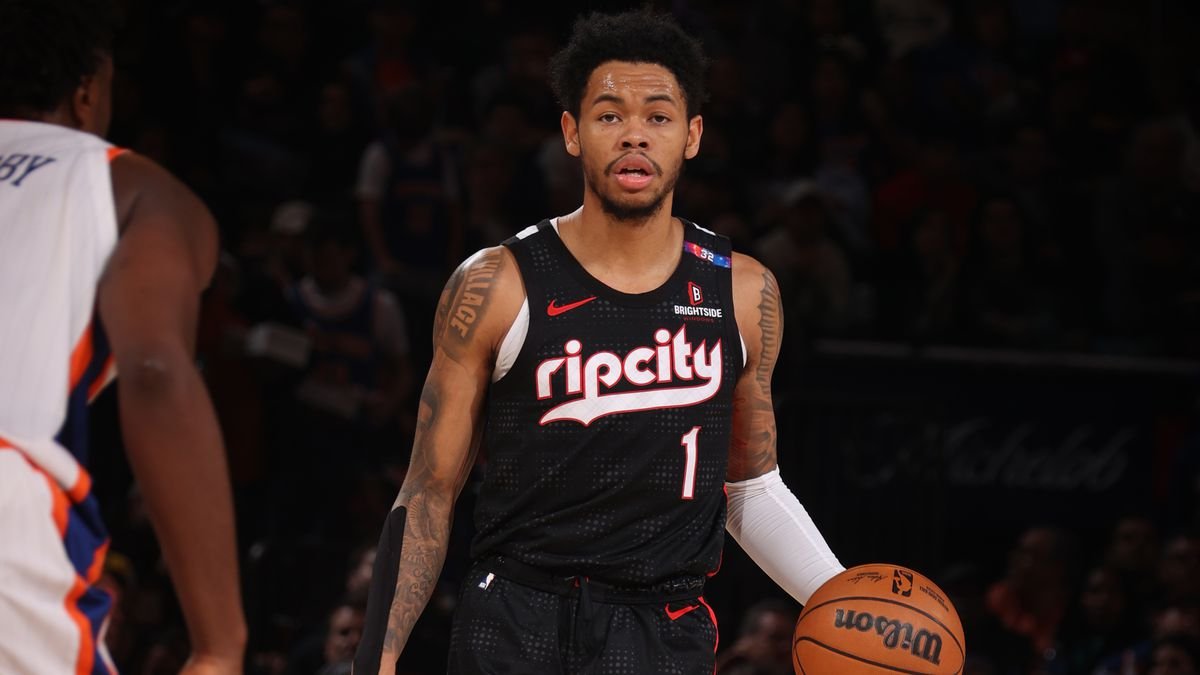
The Portland Trail Blazers, a cornerstone of the NBA since 1970, have been a symbol of resilience and community spirit. As of 2025, the franchise boasts an estimated valuation of $3.65 billion, reflecting its rich history, dedicated fan base, and strategic business operations. The recent announcement of the team’s impending sale has reignited discussions about its legacy and future direction.
Early History and Ownership
Founded in 1970, the Trail Blazers quickly established themselves as a formidable presence in the NBA. The team’s pinnacle came in 1977 when they clinched their first and only NBA Championship. In 1988, Microsoft co-founder Paul Allen acquired the franchise for $70 million, ushering in a new era of innovation and commitment to excellence. Following Allen’s passing in 2018, ownership transitioned to his sister, Jody Allen, who has overseen the team’s operations through the Paul G. Allen Trust.
Recent Developments and Sale Announcement
In alignment with Paul Allen’s directive to allocate his estate’s proceeds to philanthropic endeavors, the Paul G. Allen Trust announced in May 2025 the commencement of the Trail Blazers’ sale process. The sale is being managed by investment bank Allen & Company and law firm Hogan Lovells, with expectations to finalize the transaction by the 2025-26 NBA season. Notably, the estate’s holdings in the Seattle Seahawks and Seattle Sounders FC remain unaffected by this sale.
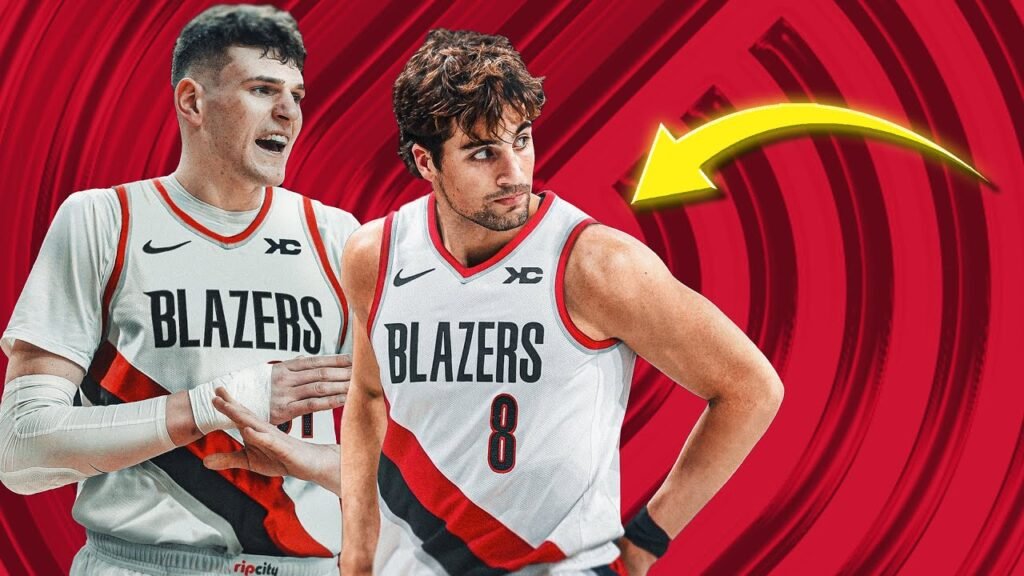
Financial Performance and Valuation
The Trail Blazers’ financial metrics underscore their robust market position:
- Valuation: Estimated at $3.65 billion, placing them 22nd among NBA franchises.
- Revenue: Reported $339 million in revenue for the 2023-24 season.
- Operating Income: Achieved an EBITDA of $71 million during the same period.
These figures reflect the team’s consistent performance and strategic business operations.\
Potential Buyers and Future Prospects
The announcement of the sale has attracted interest from several high-profile individuals:
- Phil Knight: The 87-year-old Nike co-founder, previously interested in acquiring the team, has officially withdrawn his candidacy, citing age as a primary factor.
- Jeff Bezos: The Amazon founder, with a net worth exceeding $200 billion, has been linked to potential ownership, though no official statements have been made.
- MacKenzie Scott: Philanthropist and ex-wife of Jeff Bezos, Scott has been speculated as a potential buyer, aligning with her philanthropic endeavors.
The sale’s outcome will significantly influence the franchise’s direction, with fans advocating for ownership that preserves the team’s Portland roots.
Assets and Infrastructure
- Arena: The team plays at the Moda Center, a state-of-the-art facility with a seating capacity of 19,980.
- Media Rights: The NBA’s new media rights deal, valued at $76 billion over 11 years, is expected to enhance the Trail Blazers’ revenue streams.
- Merchandising and Sponsorships: The team’s branding and partnerships contribute significantly to its financial stability.
Is the Portland Trail Blazers’ sale finalized?
Will the team relocate post-sale?
While relocation concerns exist, the team’s strong Portland identity and fan base make such a move unlikely.


Uncategorized
Ford Recalls Nearly 290,000 Explorer SUVs After Roof Rail Covers Raise Crash Risk — Here’s Why Owners Should Pay Attention
Affected 2016-2019 Ford Explorer models could experience roof rail covers loosening and detaching while driving, prompting a fresh safety recall by the automaker.

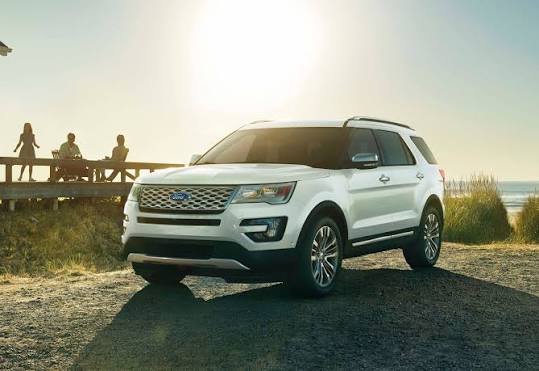
Ford Motor Company has announced another major vehicle safety recall in the United States, affecting 288,314 Ford Explorer SUVs after discovering that roof rail covers may loosen, detach while driving, and pose a potential road hazard for other motorists.
According to the National Highway Traffic Safety Administration (NHTSA), the recall covers certain 2016-2019 Ford Explorer models equipped with plated roof rail covers, including some vehicles that had previously undergone repairs during a 2021 recall. Despite earlier fixes, Ford determined that some of those repairs may not have adequately secured the roof rail covers, requiring another inspection and repair campaign.
The issue isn’t merely cosmetic. If a roof rail cover separates from the vehicle at highway speeds, it can become airborne debris, increasing the risk of collisions for nearby drivers.
Owners may notice several warning signs before the part comes loose. These include increased wind noise, rattling or squeaking sounds from the roof area, or even a visible gap between the roof rail cover and the vehicle’s roofline. If any of these symptoms appear, drivers are advised to have the vehicle inspected as soon as possible.
The automaker has confirmed that it is aware of one crash linked to a detached roof rail cover. The incident involved a vehicle that had previously been repaired using epoxy during the earlier recall campaign. Fortunately, no injuries have been reported in connection with the defect so far.

To address the issue, Ford dealerships will inspect the affected roof rail covers at no cost to owners. Technicians will replace damaged clips or roof rail covers where necessary and reinforce the installation using additional plastic push pins designed to prevent future separation.
The recall process will begin with interim notification letters scheduled to reach owners between August 24 and August 28. A second round of letters is expected to be mailed between September 21 and September 25, once replacement parts and the permanent repair procedure become widely available.
This latest action adds to a challenging year for Ford, which has already issued 57 recalls in 2026, impacting more than 12.4 million vehicles, according to data released by the NHTSA. The growing number of recalls highlights the increasing focus on vehicle safety and quality control across the automotive industry.
Vehicle owners who believe their SUV may be affected should monitor official recall notifications or use their Vehicle Identification Number (VIN) on the NHTSA recall lookup service to confirm whether their vehicle is included in the campaign.
For affected owners, responding promptly to the recall can help prevent potential safety risks and ensure the vehicle remains compliant with manufacturer safety standards.
Uncategorized
Trump’s Primetime Election Speech Sparks Fresh Debate: ‘Broken System’ Warning Raises Questions Ahead of 2026 Midterms
President Donald Trump unveiled declassified intelligence on election security, renewed calls for the SAVE America Act, and reignited a national debate over voter confidence months before the 2026 midterm elections.

Less than four months before Americans head to the polls for the 2026 midterm elections, Donald Trump returned to the national spotlight with a rare primetime address from the White House that focused almost entirely on election security.
While the speech did not contain major new revelations, political observers say it may prove significant for what it signals about the former president’s messaging strategy ahead of a crucial election season.
During the address, Trump argued that newly declassified intelligence documents exposed vulnerabilities in the U.S. election system and urged Congress to pass the SAVE America Act, legislation he says is necessary to strengthen election integrity.
However, early reviews of the released material suggest that many of the concerns raised were already known to intelligence officials and had previously appeared in government assessments.
Official White House
Donald Trump
Declassified Documents Offer Few New Revelations
The centerpiece of Trump’s speech was the release of declassified intelligence documents that he claimed had been hidden from both his administration and the American public.
According to Trump, the documents reveal an election system that is “catastrophically short” of acceptable security standards.
However, analysts reviewing the material noted that much of it reflects concerns already documented in a 2021 U.S. Intelligence Community assessment, including cyber vulnerabilities and foreign efforts to collect information about American voters.
One example highlighted during the speech involved China, with Trump pointing to intelligence suggesting Beijing had gathered extensive information on U.S. voter data.
Yet intelligence assessments released years earlier had already concluded that China sought information to better understand American politics—not that it successfully altered election results.
Importantly, no new evidence presented during the speech demonstrated that foreign governments changed vote totals in the 2020, 2022, or 2024 elections.

Attention Turns Toward the 2026 Midterm Elections
While the documents themselves generated limited headlines, political analysts believe Trump’s broader message may have greater long-term significance.
Throughout his remarks, Trump repeatedly described the American election system as deeply vulnerable and argued that stronger safeguards are urgently needed before the next national vote.
He also emphasized that the federal government would work with individual states to improve election security and protect voter data.
Critics, however, interpreted the speech differently, suggesting it could lay the groundwork for future challenges to election outcomes should Republicans perform poorly in the upcoming midterms.
SAVE America Act Takes Center Stage
One of Trump’s strongest appeals during the address was for lawmakers to approve the SAVE America Act, legislation backed by many Republicans that aims to strengthen voter registration requirements and election security measures.
Trump argued that opposition to the bill raises questions about election transparency.
“The only reason you wouldn’t support it is because you want to cheat,” he claimed during the nationally televised speech.
Despite Trump’s push, the legislation currently faces uncertain prospects in Congress, where it lacks broad bipartisan support.
Democratic Governors Push Back
Shortly after the address concluded, all 24 Democratic governors released a joint statement criticizing Trump’s remarks.
They argued that repeated claims questioning election integrity risk weakening public confidence in democratic institutions.
The governors stated that American elections have consistently been reviewed and verified through audits, recounts, and court proceedings, adding that conspiracy theories should not replace evidence-based discussions about election administration.
Little Focus on Revisiting the 2020 Election
Although many observers expected Trump to revisit his long-standing claims about the 2020 presidential election, the speech devoted relatively little time to relitigating that contest.
Instead, Trump focused more broadly on election vulnerabilities, foreign cyber threats, and voter data security.
He briefly referenced allegations involving voter registration irregularities in Michigan, suggesting the matter deserved renewed attention from FBI Director Kash Patel.
However, previous investigations by federal agencies, state officials, and numerous courts found no evidence of widespread fraud capable of changing the outcome of the 2020 election.
Former Attorney General William Barr, who served during Trump’s first administration, has also publicly stated that investigations uncovered no evidence supporting claims of widespread election fraud.
Broadcasters Faced a Difficult Decision
Trump’s address also reignited discussion about media coverage of presidential speeches.
Several television networks chose not to broadcast the speech live, citing uncertainty over its content and concerns about airing claims that have previously been disputed.
Following the broadcast decisions, White House Communications Director Steven Cheung criticized networks that declined live coverage, accusing them of preventing viewers from hearing the administration’s message.
Public Opinion Remains Divided
Recent polling suggests Americans remain divided over election-related issues.
While a significant majority of respondents continue to believe the 2020 election was conducted fairly, concerns about election security and voter fraud remain politically influential among portions of the electorate.
Trump and many Republican leaders continue to argue that stricter election safeguards are necessary, while Democrats maintain that existing election systems are secure and that repeated claims of widespread fraud lack supporting evidence.
As campaigning intensifies ahead of November’s midterm elections, election security is expected to remain one of the defining political issues in the United States.
Uncategorized
Trump “Calls Tiger Woods From Rehab” as Melania’s ‘Epstein’ Statement on SNL Sparks Political Media Storm… What Really Happened?
A swirl of unverified claims linking Donald Trump, Tiger Woods, and Melania Trump has ignited online debate, blending politics, celebrity culture, and late-night television controversy.

A wave of viral online chatter has placed former U.S. President Donald Trump back at the center of media attention after reports surfaced claiming he made a phone call to golf legend Tiger Woods while allegedly “in rehab.” At the same time, renewed attention around comments attributed to former First Lady Melania Trump during a sketch on Saturday Night Live has added fuel to an already heated online discourse.
However, much of the narrative circulating on social platforms remains unverified, blending speculation, satire, and fragmented commentary into a single viral storyline.
A viral claim that spread rapidly online
The most discussed element of the trend is the alleged phone call between Donald Trump and Tiger Woods, which social media users claim happened during a supposed “rehab stay.” At this stage, no official confirmation has been provided regarding such a call or the context surrounding it.
ALSO READ : Sen. Elizabeth Warren Calls It a ‘Cesspool of Corruption’ — Here’s Why Senators Are Now Fighting Back Against the DOJ’s Live Nation Deal That Left Every Fan Betrayed…
Tiger Woods, one of the most recognized athletes in the world and a major figure in golf history, has previously spoken openly about recovery periods and personal challenges throughout his career. His name often becomes central in viral narratives due to his global fame and public visibility.
Melania Trump and the SNL controversy
At the same time, attention has turned toward Melania Trump following references circulating online about an alleged “Epstein statement” tied to a comedic segment on Saturday Night Live.
The long-running show is known for political satire, often blending real-world figures with exaggerated fictional scenarios. However, in this case, social media discussions have blurred the line between scripted satire and real-world statements, leading to confusion among audiences.
Politics, celebrity, and misinformation collide
The involvement of Donald Trump in trending narratives is not unusual, as his public profile has long been a focal point of political and entertainment media alike. However, experts note that the combination of celebrity culture and political identity often creates fertile ground for misinformation to spread rapidly.

Similarly, references to Tiger Woods amplify engagement due to his status as one of the most influential sports figures globally.
The role of social media amplification
Platforms like X (formerly Twitter) and other social networks have played a major role in accelerating the spread of these claims. Without clear sourcing, fragmented posts often evolve into full-blown narratives that appear credible at first glance.
In the absence of verified statements from official representatives of Donald Trump or Tiger Woods, the situation remains largely speculative.
A reminder in the age of viral politics
The overlapping of political figures, sports icons, and entertainment platforms such as Saturday Night Live highlights a growing challenge in the digital era—distinguishing fact from viral fiction.
As narratives continue to evolve online, readers are urged to rely on verified statements and credible reporting rather than fragmented social media interpretations.
For now, the alleged phone call and the surrounding claims remain unconfirmed, but the viral impact of the story once again demonstrates how quickly modern media cycles can blur the boundaries between reality and speculation.

Sean ‘Diddy’ Combs Gets Another Earlier Release Date as Legal Battle Over Conviction Intensifies

Australia held Brazil to a draw after Nestory Irankunda’s stunning free kick — then Rayan struck at the very end…

Packers booed at Lambeau after Falcons blowout: Green Bay’s home opener turns into a nightmare…

Jesse Eisenberg Looks to Europe for Creative Freedom as U.S. Film Landscape Shifts

Sky’s $2.13 Billion ITV Deal: What’s Next for ITV Studios?

1-Iran Issues Dire Warning to Israel and Defies Trump on Nukes: “We’re Ready to Strike Deep Inside”

Sen. Elizabeth Warren Calls It a ‘Cesspool of Corruption’ — Here’s Why Senators Are Now Fighting Back Against the DOJ’s Live Nation Deal That Left Every Fan Betrayed…

Donald Trump’s net worth reveals the fortune behind the former US President and business mogul

“Tomás Rodríguez Net Worth 2025: Panama’s Gold Cup Goal‑Machine’s Surprising Fortune Revealed”

“She Never Made It Out…” Albany House Fire Claims Woman’s Life as Family Pleads for Help to Bring Her Home

Miss Jamaica Suffers Terrifying Fall Off Miss Universe Stage; Rushed to Hospital on Stretcher in Viral Video

Moana Live-Action Teaser Sparks Outrage as Fans Call Disney’s Move a ‘Clear Money Grab’ — What Went Wrong?

Ryan Gosling’s Project Hail Mary Trailer Stuns Fans with a Mysterious Alien Ally and a Mission That Could Save Earth

Apple delays Jessica Chastain thriller The Savant about domestic extremism after recent US violence

Avatar 3, Fire and Ash trailer reveals Jake Sully’s family facing terrifying new Na’vi enemies with deadly fire powers
-
 Entertainment4 days ago
Cynthia Nixon’s Support Draws Attention as Christine Marinoni Secures NYC Education Post
-

 Entertainment1 week ago
‘They’re Still Telling People Not to Hire Me’: Susan Sarandon Opens Up About Hollywood Backlash
-
 Entertainment1 week ago
‘Freddy the 13th’ Is Bringing Horror and Laughs Together… Dan Trachtenberg’s Animated Surprise Finally Gets a 2028 Release Window
-

 Entertainment1 week ago
Susan Sarandon Says Hollywood Is Still Shutting Her Out: ‘I’ve Had Movies Taken Away…’
-

 Entertainment1 week ago
‘Summer House’ Cast Left Speechless by Emmy Nomination… “It Feels Surreal” After a Decade of Reality TV
-
 Entertainment1 week ago
Sky’s $2.1 Billion ITV Deal Could Redraw European TV… Is the ‘Get Big or Get Left Behind’ Era Finally Here?
-

 Entertainment1 week ago
‘Obsession’ Made Her a Star… Now Inde Navarrette Reveals Why Marvel and ‘Heat 2’ Could Be Her Next Big Leap
-

 Entertainment1 week ago
Christopher Nolan Praises ‘Obsession’ and ‘Backrooms,’ Says Young Audiences Are Moving Beyond “AI Slop”