
Entertainment
Samara Weaving Survived the Wedding From Hell — Now She’s Back and Someone Forgot to Tell Her the Sequel Rules Have Changed…
Ready or Not 2: Here I Come picks up minutes after the bloody 2019 original, bringing back Samara Weaving alongside Sarah Michelle Gellar, Elijah Wood, and Kathryn Newton — but the dark magic that made the first film so wickedly good is proving harder to conjure a second time.


There is an unwritten rule in Hollywood horror that nobody talks about at parties but everybody knows: surviving the first film is often the worst thing that can happen to a final girl. Because survival means a sequel. And sequels, more often than not, mean diminishing returns dressed up in the same costume.
Ready or Not 2: Here I Come knows this. It might even be self-aware enough to wink at it. But knowing the trap and avoiding it are two very different things, and this follow-up to the genuinely brilliant 2019 original finds itself caught somewhere between a loving tribute to what came before and a film that hasn’t quite figured out why the first one worked so well in the first place.
Where We Left Grace — And Where She Ends Up
When Ready or Not ended in 2019, Samara Weaving‘s Grace had done the impossible. She had survived a wedding night that turned into a blood-soaked hunt, outlasted an entire murderous aristocratic family, and emerged from the wreckage — wedding dress destroyed, dignity intact, cigarette in hand — as one of the most electrifying horror heroines in recent memory. It was a perfect ending. Cathartic, darkly funny, earned.
ALSO READ : Younghoe Koo Explains Botched Field Goal After Slip: “The Ball Was Moving So I Pulled Up”
Ready or Not 2: Here I Come picks up almost literally in that same moment. Grace barely gets a drag of her cigarette before the universe decides she has not suffered nearly enough, and throws her headfirst into yet another most dangerous game. The film’s cheeky decision to resume with essentially no breathing room is both its most audacious choice and, arguably, part of its problem. There is something narratively exhausting about denying your protagonist — and your audience — even a moment of peace before the carnage resumes.
But exhausting can also be exhilarating, and for stretches of Ready or Not 2, it genuinely is.
The New Blood: Gellar, Wood, Newton and More
The film’s biggest swing is its cast expansion, and on paper it reads like a genre fan’s wish list come true. Sarah Michelle Gellar — forever and permanently Buffy Summers to anyone who grew up in the late nineties, and one of the most naturally charismatic screen presences in horror-adjacent entertainment — joins the cast in a role that the film wisely leans into. Gellar has spent decades proving she can do this kind of material in her sleep, and her presence here is an immediate energy injection every time she appears on screen.
Elijah Wood, who built an entire second career in genre film and television after Frodo Baggins put him on the map, brings his particular brand of wide-eyed intensity to a supporting role that the film uses with reasonable intelligence. He is not wasted here, which is more than can be said for some sequel supporting casts.
Kathryn Newton, fresh off establishing herself as a genuine franchise player through the Marvel universe and Freaky, adds another horror credit to a filmography that suggests she is quietly becoming one of her generation’s most reliable genre performers. And Shawn Hatosy, best known to television audiences from Animal Kingdom, rounds out a supporting ensemble that genuinely has no weak links in terms of performance.

The problem is not the cast. The problem is what the film does — and doesn’t do — with them.
More of Everything, Less of Something
The original Ready or Not worked because it was precise. It had a single, contained premise — one woman, one house, one night, one family — and it executed that premise with the confidence of a film that knew exactly what it was. The horror was funny. The comedy was horrifying. The class commentary was sharp without being preachy. And Weaving at the centre of it was a revelation — physically committed, emotionally raw, and wickedly entertaining in equal measure.
Ready or Not 2 doubles down on everything. More action. More characters. More set pieces. More escalation. And in the doubling down, something gets diluted. The action-horror-comedy balance that the first film held so beautifully tips slightly too far toward action this time, and some of the darkly intimate tension that made the original so unnerving gets lost in the larger scale.
Weaving remains magnificent. That is not up for debate. She throws herself into Grace’s continued ordeal with the same total physical commitment she brought in 2019, and there are moments — particularly in her scenes alongside Gellar — where the film fully earns its existence as a sequel. These two women sharing a frame in a horror-comedy context is, frankly, a gift that the genre did not know it needed, and when the film lets them simply bounce off each other, it crackles.
But those moments are punctuated by sequences that feel obligatory rather than inspired — the kind of escalation that sequels feel compelled to include because they believe bigger equals better. It rarely does.
The Verdict: Good Enough, But You’ll Miss the Original
Ready or Not 2: Here I Come is, by any reasonable measure, a good time. It is well-made, well-acted, occasionally very funny, and never boring. For fans of the first film, it delivers enough of what they loved to justify the watch. For newcomers — and it is hard to imagine anyone coming to this sequel without having seen the original — it will likely land as a perfectly enjoyable genre film with a stellar cast doing solid work.
But “good enough” is a long way from what the first Ready or Not was, which was genuinely great. Sequels are, as we noted at the top, a particular kind of curse. And Here I Come is proof that even the most talented people, working with the best intentions and an excellent cast, cannot always outrun the shadow of something that was near-perfect the first time around.
Grace survived the original. The magic of the original, though, is a little harder to bring back from the dead.







Entertainment
Cynthia Nixon’s Support Draws Attention as Christine Marinoni Secures NYC Education Post
cynthia-nixon-support-christine-marinoni-nyc-education-role-2
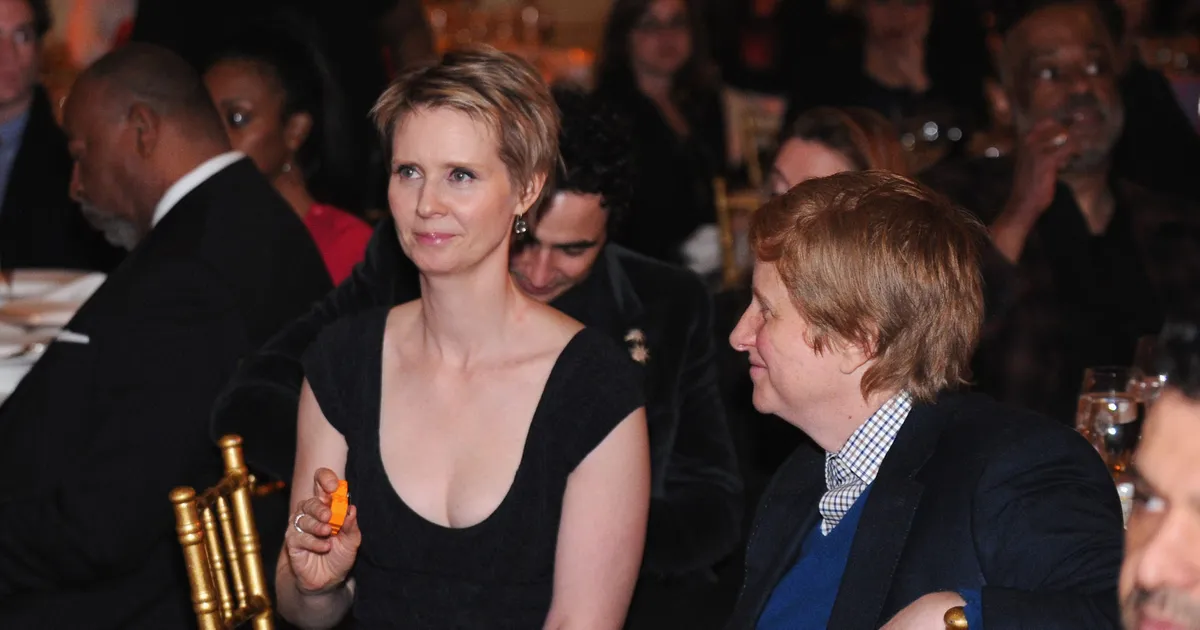
A new appointment within New York City’s education system is generating headlines, not only because of the role itself but also because of the high-profile connections surrounding it.
According to reports, Christine Marinoni, the wife of actress and political activist Cynthia Nixon, has taken on a leadership position within the New York City Department of Education. Marinoni is reportedly serving as the Chief of Mass Engagement for the Family and Community Empowerment division, a role focused on strengthening relationships between schools, families, and local communities.
The development has attracted public interest as Nixon, best known for her portrayal of Miranda Hobbes in the hit television series Sex and the City, remains an active voice in New York politics and progressive causes.
A Role Focused on Community Engagement
Marinoni’s reported position centers on outreach initiatives designed to improve communication between parents, educators, and school administrators across New York City’s vast public education network.
The Family and Community Empowerment division plays a critical role in helping families navigate educational resources, participate in school-related decisions, and build stronger partnerships with local schools.
ALSO READ : Sen. Elizabeth Warren Calls It a ‘Cesspool of Corruption’ — Here’s Why Senators Are Now Fighting Back Against the DOJ’s Live Nation Deal That Left Every Fan Betrayed…
Supporters of the appointment point to Marinoni’s longstanding involvement in education advocacy. Before entering public service roles, she was known for her work on education-related issues and community organizing efforts in New York.
Cynthia Nixon Remains a Prominent Political Voice
While the appointment concerns Marinoni, much of the public discussion has inevitably centered on Cynthia Nixon.
The Emmy Award-winning actress transitioned into political activism years ago and gained national attention during her campaign for Governor of New York in 2018. Since then, Nixon has continued advocating for progressive policies involving education, housing, public transportation, and social justice.
More recently, Nixon has publicly supported progressive political figures, including Zohran Mamdani, whose growing profile in New York politics has attracted both supporters and critics.
Because of Nixon’s political visibility, Marinoni’s role has become a topic of broader discussion regarding public service appointments and political affiliations.
Public Debate Follows the Appointment
As often happens when public positions intersect with high-profile personalities, reactions have been mixed.

Some observers argue that Marinoni’s experience in education advocacy makes her well-suited for a role focused on family engagement and community outreach. Others have questioned whether connections to influential political figures or public personalities can intensify scrutiny surrounding government appointments.
There has been no indication of wrongdoing related to the appointment, but the public conversation reflects the heightened attention often given to individuals connected to prominent political and entertainment figures.
Education Remains at the Center
Despite the headlines, the position itself carries significant responsibilities.
The New York City Department of Education, one of the largest public school systems in the world, serves hundreds of thousands of students and families across the city’s five boroughs. Strengthening family participation and community engagement remains a major priority for education leaders seeking to improve student outcomes and build trust within local communities.
For Marinoni, the focus will likely remain on expanding communication channels between schools and families while addressing challenges facing New York City’s education system.
Why the Story Is Drawing Attention
The story has gained traction because it sits at the intersection of politics, entertainment, and public service.
Cynthia Nixon’s continued influence in political discussions, combined with Marinoni’s new role in one of the country’s most closely watched public education systems, has created a narrative that extends beyond a routine personnel announcement.
Whether viewed through the lens of education policy, political influence, or celebrity connections, the appointment highlights how public interest can quickly grow when government roles involve individuals linked to well-known public figures.
As New York’s education leaders continue their work, attention is likely to remain focused on how community engagement initiatives develop and what impact they have on families throughout the city.
Entertainment
Mark Hamill Congratulates Taylor Swift and Travis Kelce, Hilariously Jokes About Missing Their Wedding
The beloved actor shared a playful message for the newlyweds, and his lighthearted reaction to not receiving a wedding invitation quickly delighted fans online.

As excitement surrounding the reported wedding celebration of Taylor Swift and Travis Kelce continues to dominate entertainment headlines, another major celebrity has joined the conversation—and in typical fashion, he did it with humor.
Mark Hamill, the beloved actor best known for portraying Luke Skywalker in the Star Wars franchise, recently shared a lighthearted message congratulating the newly married couple.
The post quickly gained traction online, not only because of Hamill’s star power but also because of the playful joke he included about not attending the wedding.
A Simple Congratulations That Went Viral
Hamill posted a photo of Taylor Swift and Travis Kelce, accompanied by a straightforward message:
“Congratulations to the newlyweds!”
While the sentiment itself was warm and celebratory, fans were equally entertained by his humorous explanation regarding why he was not present at the ceremony.
The actor’s trademark wit has long made him a favorite among social media users, and the latest post was no exception. Within hours, fans were sharing and commenting on the message, praising Hamill for bringing humor to one of the entertainment world’s biggest stories.
ALSO READ : Sen. Elizabeth Warren Calls It a ‘Cesspool of Corruption’ — Here’s Why Senators Are Now Fighting Back Against the DOJ’s Live Nation Deal That Left Every Fan Betrayed…
A Celebrity Wedding That Captivated Millions
Few celebrity couples have generated as much public interest over the past few years as Taylor Swift and Travis Kelce.
The relationship between the global pop superstar and the NFL champion has captured attention far beyond the worlds of music and sports. Their appearances together at concerts, football games and public events transformed them into one of the most discussed couples in popular culture.
As reports about their wedding celebration emerged, social media platforms quickly filled with reactions from fans, celebrities and media personalities eager to congratulate the pair.
Mark Hamill’s Enduring Connection With Fans
For decades, Mark Hamill has maintained a unique relationship with audiences around the world.
While his portrayal of Luke Skywalker made him a cultural icon, his active and often humorous social media presence has helped him connect with younger generations who appreciate his quick wit and self-aware sense of humor.
Unlike many celebrities who keep their online interactions limited, Hamill frequently engages with trending topics, pop culture events and fan discussions, often adding a playful perspective that resonates widely.
That ability to blend sincerity with humor is one reason why his reaction to the Swift-Kelce wedding quickly became a headline of its own.

Social Media Reacts
Fans immediately embraced Hamill’s post, with many joking that the wedding guest list must have been incomplete without a Jedi Knight in attendance.
Others imagined humorous crossover moments involving Star Wars, Swift’s music career and Kelce’s football success.
The reaction highlighted Hamill’s enduring popularity and the remarkable cultural reach of the Swift-Kelce relationship, which continues to generate conversation across entertainment, sports and social media communities.
A Celebration That Keeps Making Headlines
Although details about the wedding have remained relatively private, every new reaction from celebrities seems to add another chapter to the story.
From heartfelt congratulations to humorous observations, public figures continue to share their thoughts on what has become one of the year’s most talked-about celebrity events.
For Mark Hamill, the occasion offered an opportunity to do what he does best—celebrate a happy moment while making fans smile along the way.
And judging by the response online, his playful take may have been one of the most memorable celebrity reactions yet.
Entertainment
Jennifer Garner’s ‘The Five-Star Weekend’ Looks Like the Perfect Summer Escape… So Why Does Something Feel Missing?
The Peacock drama brings together Jennifer Garner, Regina Hall, Chloë Sevigny, and Timothy Olyphant for a heartfelt Nantucket reunion, but its emotional recipe may be sweeter than it is sharp.

Summer streaming season has found a new contender in The Five-Star Weekend, the latest drama adaptation inspired by the bestselling novel from Elin Hilderbrand.
Led by Jennifer Garner, the series arrives on Peacock with all the ingredients of a binge-worthy vacation drama: breathtaking coastal scenery, lifelong friendships, unresolved tensions, and personal healing. Yet while the show offers comfort and charm in abundance, some viewers may find themselves wishing for a little more emotional bite beneath its glossy surface.
A Story Rooted in Friendship and Loss
At the center of the story is a woman navigating profound grief after the loss of her husband. Seeking comfort and clarity, she organizes a special gathering in Nantucket, inviting four women from different stages of her life to spend a transformative weekend together.
What begins as a reunion soon evolves into something deeper, as long-held secrets emerge and relationships are tested. The series explores themes of friendship, forgiveness, identity, and the complicated paths people take toward healing.
ALSO READ : Emmy Nominations Announcement Gets a Star Twist… Liza Colón-Zayas & Jeff Hiller Set to Reveal 2026 TV Nominees
For audiences looking for an emotionally driven ensemble drama, The Five-Star Weekend offers plenty of relatable moments and heartfelt conversations.
Jennifer Garner Anchors the Series
The emotional weight of the show rests largely on the shoulders of Jennifer Garner, who delivers a grounded and sincere performance as a woman attempting to rebuild her life after tragedy.
Garner has long been known for balancing warmth and vulnerability in projects ranging from Alias to 13 Going on 30, and those qualities remain on full display here.
Her portrayal gives the series its emotional center, helping viewers connect with a protagonist who is struggling to move forward while holding onto the memories of her past.
A Strong Ensemble Elevates the Drama
Beyond Garner, the series benefits from an accomplished supporting cast.
Regina Hall brings depth and charisma to her role, while Chloë Sevigny adds complexity to the group dynamic with a performance that feels both layered and authentic.
Meanwhile, Timothy Olyphant provides some of the show’s most compelling moments, reminding audiences why he remains one of television’s most dependable performers.

Together, the ensemble creates believable chemistry that keeps viewers invested even when the narrative occasionally drifts into familiar territory.
Beautiful to Watch, But Sometimes Too Comfortable
Visually, the series is undeniably appealing. The picturesque backdrop of Nantucket becomes a character in its own right, offering sweeping ocean views, elegant homes, and the kind of coastal atmosphere that practically defines summer television.
However, the show’s biggest strength may also be its greatest weakness.
Rather than fully embracing the messiness and unpredictability of its emotional conflicts, The Five-Star Weekend often chooses comfort over confrontation. The result is a drama that feels polished and pleasant but occasionally lacks the sharper edge needed to make its biggest moments truly unforgettable.
There is plenty of sweetness, but some viewers may leave wishing for more tension, complexity, and surprise.
A Relaxing Summer Watch for the Right Audience
Despite its shortcomings, The Five-Star Weekend remains an easy recommendation for viewers who enjoy character-driven stories centered on friendship, family, and personal growth.
Fans of Elin Hilderbrand’s novels will likely appreciate seeing her beloved characters brought to life, while audiences searching for a relaxing summer binge may find exactly what they are looking for.
It may not deliver the emotional intensity of television’s most acclaimed dramas, but it succeeds as a comforting escape filled with strong performances and scenic charm.
For Peacock, the series represents another effort to expand its lineup of prestige dramas. Whether it becomes a breakout hit remains to be seen, but it certainly offers enough warmth and star power to attract viewers looking for an end-of-summer streaming companion.

Freedom 250 Celebration Marred by Heatwave as Multiple Fairgoers Are Hospitalized

Cynthia Nixon’s Support Draws Attention as Christine Marinoni Secures NYC Education Post

Mark Hamill Congratulates Taylor Swift and Travis Kelce, Hilariously Jokes About Missing Their Wedding

Jennifer Garner’s ‘The Five-Star Weekend’ Looks Like the Perfect Summer Escape… So Why Does Something Feel Missing?

Disney’s Live-Action ‘Moana’ Wins Early Praise After Premiere: Is This the Studio’s Best Remake Yet? Fans Say ‘It Captures the Magic…’

1-Iran Issues Dire Warning to Israel and Defies Trump on Nukes: “We’re Ready to Strike Deep Inside”

Sen. Elizabeth Warren Calls It a ‘Cesspool of Corruption’ — Here’s Why Senators Are Now Fighting Back Against the DOJ’s Live Nation Deal That Left Every Fan Betrayed…

Donald Trump’s net worth reveals the fortune behind the former US President and business mogul

“Tomás Rodríguez Net Worth 2025: Panama’s Gold Cup Goal‑Machine’s Surprising Fortune Revealed”

“She Never Made It Out…” Albany House Fire Claims Woman’s Life as Family Pleads for Help to Bring Her Home

Miss Jamaica Suffers Terrifying Fall Off Miss Universe Stage; Rushed to Hospital on Stretcher in Viral Video

Moana Live-Action Teaser Sparks Outrage as Fans Call Disney’s Move a ‘Clear Money Grab’ — What Went Wrong?

Ryan Gosling’s Project Hail Mary Trailer Stuns Fans with a Mysterious Alien Ally and a Mission That Could Save Earth

Apple delays Jessica Chastain thriller The Savant about domestic extremism after recent US violence

Avatar 3, Fire and Ash trailer reveals Jake Sully’s family facing terrifying new Na’vi enemies with deadly fire powers
-

 Entertainment1 week ago
Telluride’s Mystery Screening Revealed as Nathan Fielder’s Elizabeth Holmes Documentary
-
 Entertainment1 week ago
Netflix Q2 Earnings: Can Advertising Save the Streaming Giant, or Is a Bigger Challenge About to Surface…?
-

 Entertainment7 days ago
‘They’re Still Telling People Not to Hire Me’: Susan Sarandon Opens Up About Hollywood Backlash
-

 Entertainment1 week ago
Telluride Surprise: Nathan Fielder Unveils Secret Elizabeth Holmes Documentary
-

 Entertainment1 week ago
‘Love Island USA’ Continues Streaming Dominance as Week Two Viewership Soars
-
 Entertainment7 days ago
‘Freddy the 13th’ Is Bringing Horror and Laughs Together… Dan Trachtenberg’s Animated Surprise Finally Gets a 2028 Release Window
-

 Entertainment1 week ago
Jon Bernthal Opens Up About Hollywood Struggles and His Spider-Man Return
-

 Entertainment7 days ago
Susan Sarandon Says Hollywood Is Still Shutting Her Out: ‘I’ve Had Movies Taken Away…’