
Entertainment
‘Resident Evil’ Star Austin Abrams Opens Up About the Film’s Daring Finale
Abrams shares his reaction to the ending and praises Cregger for refusing to deliver a predictable conclusion.

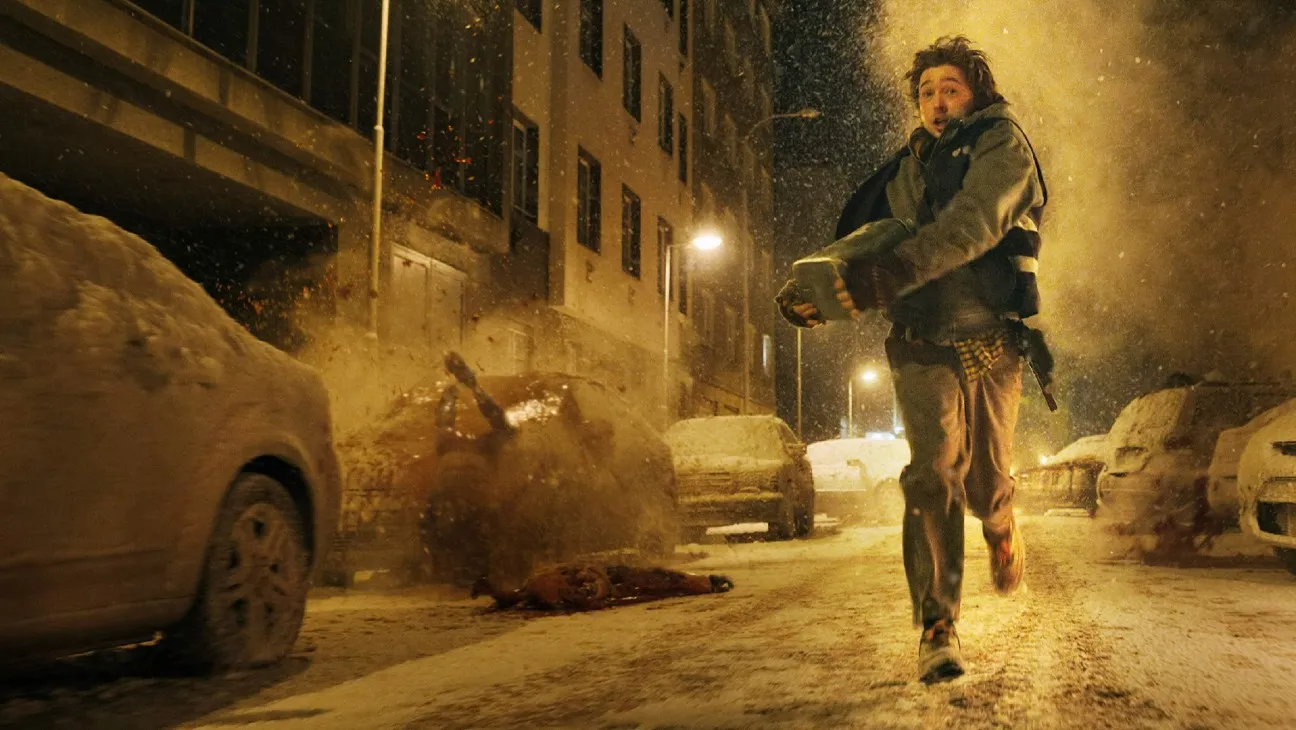
After spending an entire night outrunning zombies, mutated creatures and almost certain death, Bryan appears to have finally completed the impossible.
Then Resident Evil pulls the floor out from beneath him.
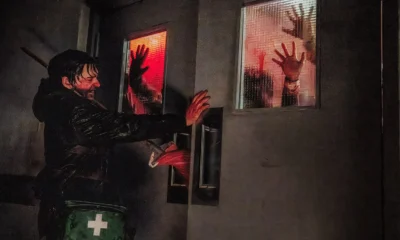
The medical courier played by Austin Abrams reaches Raccoon City General Hospital with the substance needed to create a potential cure. But before doctors can save him, his infection takes control, transforming the film’s unlikely hero into the very kind of monster he has spent the story trying to escape.
For Abrams, the ending was shocking when he first encountered it in the script—but it was also precisely the kind of creative gamble he expected from writer-director Zach Cregger.
“I was surprised by it,” the actor said, while praising Cregger for taking such a bold chance with a character audiences had followed and supported throughout the movie.
What happens to Bryan in the final moments?
Bryan begins the film as an ordinary medical courier rather than a trained soldier or experienced action hero. His routine assignment becomes a nightmare when he is instructed to carry a mysterious medical package to Raccoon City.
The package is later revealed to contain material required to synthesise a cure for the rapidly spreading outbreak caused by the Umbrella Corporation.
ALSO READ : Cynthia Nixon’s Support Draws Attention as Christine Marinoni Secures NYC Education Post
During his journey, Bryan encounters an infected child inside a camper van. He attempts to help her, but she mutates and bites his arm, passing the infection to him.
By the time Bryan reaches the hospital, the damage has visibly spread through his body. He still manages to deliver the package, allowing scientists to produce the cure, but his transformation accelerates before they can administer it.
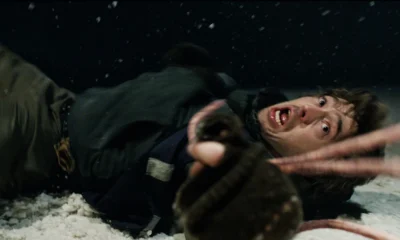
Tentacles burst from his body as he becomes a grotesque amalgamation and attacks the scientists. During the chaos, the newly created cure falls from a hospital skybridge. The movie never reveals whether it survives the plunge.
The ending also reframes the entire film as an origin story. Bryan is not the conventional protagonist who survives the outbreak and returns home. Instead, he becomes one of the monsters that players might encounter and eliminate without ever knowing the human being it once was.
Austin Abrams calls the ending a major creative risk
Abrams understood that viewers would spend the movie rooting for Bryan precisely because he was so unprepared.
He is frightened, makes mistakes and reacts more like an ordinary person than a polished action hero. Even his screams were deliberately designed to separate him from the fearless protagonists normally found in blockbuster survival stories.
That human vulnerability makes the conclusion considerably more painful.
Abrams described the decision to follow Bryan for the entire film only to deny him salvation as “risky and gutsy.” He believes many contemporary productions are reluctant to kill a popular central character without offering audiences some form of emotional relief.
Cregger does the opposite. Bryan does not receive a miraculous cure, a heroic final victory or even the comfort of knowing that his last message reached the person he loved.
Abrams admired the filmmaker’s willingness to let the tragedy hurt rather than cushioning it with a reassuring final revelation.
Michelle may never learn that Bryan changed
The emotional centre of the ending is not the failed cure or even Bryan’s transformation. It is the voice message he records for his partner, Michelle.
Earlier in the story, Bryan responds poorly after learning that she is pregnant. Fear and uncertainty cause him to make her believe he does not want to build a family with her.
His horrific journey through Raccoon City gradually changes that perspective.
At the hospital, believing he may not survive, Bryan records a deeply personal message. He finally admits that he loves Michelle, wants the baby and is ready to face parenthood alongside her.
However, the film never confirms that the message was successfully transmitted.
Abrams considers that uncertainty an essential part of the tragedy. Michelle may continue believing that Bryan rejected their future together, never knowing that he overcame his fear and chose her before his death.
“He changed and got better, but no one will ever know about it,” Abrams explained.
That unresolved emotional thread makes Bryan’s fate more than a standard horror-film death. His internal transformation towards maturity arrives just moments before the physical infection destroys what remains of him.
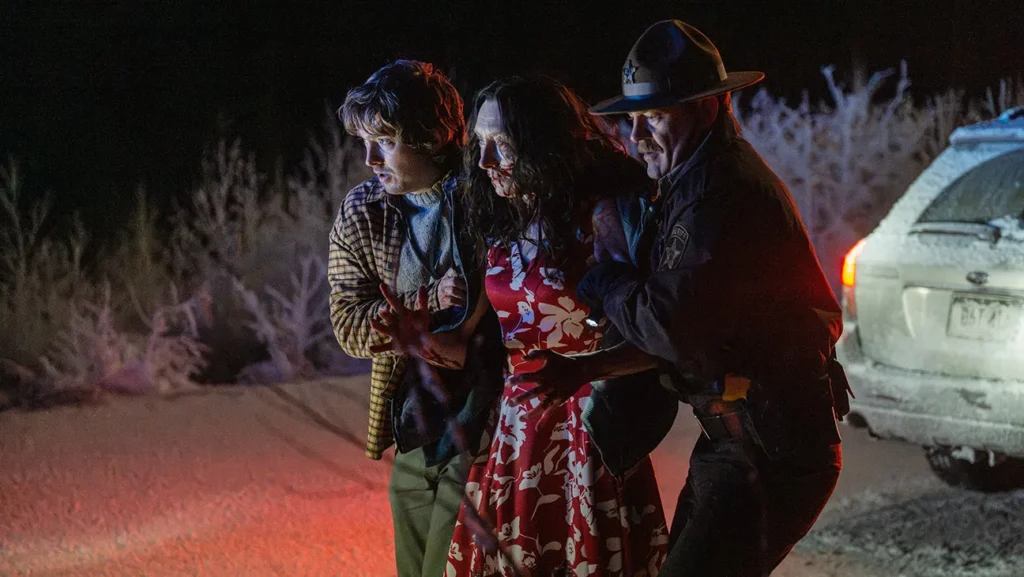
Bryan’s fate is not presented as punishment
Some viewers may interpret the ending as karmic punishment for Bryan’s initial response to Michelle’s pregnancy. Abrams, however, does not believe his character deserves what happens to him.
Throughout the film, Bryan repeatedly attempts to help other people. He responds to an injured police officer, tries to rescue the infected child and refuses to abandon the medical package even as his own condition deteriorates.
His actions are imperfect, but they reveal an ordinary man gradually discovering courage under impossible circumstances.
The outbreak does not reward that growth. It consumes him anyway.
That cruelty reflects the wider world of Resident Evil, where infection is indiscriminate and good intentions offer no protection. Bryan does not become a monster because he failed a moral test; he becomes one because he was unlucky enough to be bitten.
Cregger wanted an inexperienced, believable survivor
Cregger designed Bryan as a contrast to skilled game characters such as Leon S. Kennedy.
Rather than possessing tactical training and remarkable combat abilities, Bryan functions as an avatar for the average person suddenly dropped into a survival-horror game. He is reasonably capable but frequently overwhelmed, confused and terrified.
Cregger said the character was intended to reflect how a normal person might authentically react when confronted by a mutated dog, an infected child or a city collapsing into violence.
Abrams embraced that approach and deliberately avoided making Bryan appear traditionally heroic. The actor wanted every frightened reaction, panicked decision and awkward attempt at survival to feel grounded.
The movie even allows Bryan’s familiarity with video games to help him. When he finally fires an accurate shot during a crucial moment, he triumphantly credits gaming—briefly turning a long-standing criticism of video games into one of the film’s biggest jokes.
A physically punishing production
Bryan’s ordeal was demanding for Abrams both emotionally and physically.
The production required extensive running, complex timing and multiple night shoots. One of its most dangerous sequences involved a body-sized blood bag weighing approximately 150 pounds dropping close to the actor as he raced through the streets.
Cregger later admitted that the prop came dangerously near Abrams. The actor said he did not fully appreciate how close it had been during filming because he was concentrating on completing the shot.
The intense production continued Abrams’ run of physically challenging films after Weapons and Whalefall. Yet the actor’s existing trust in Cregger proved important.
Their collaboration began with Weapons, when Abrams remained attached to the project despite strike-related scheduling complications. That loyalty ultimately led to their reunion on Resident Evil.
Will the ending lead to another film?
The conclusion leaves several possibilities open.
The cure’s condition remains unknown, the outbreak has not been contained and Bryan’s mutated form could theoretically return as a creature in a future story. However, no direct sequel has been officially confirmed.
Cregger has acknowledged having ideas about where the story could go next, but the film avoids an obvious post-credits tease. For now, Bryan’s journey stands as a bleak, self-contained tragedy.
That refusal to provide easy reassurance is exactly what Abrams respects about the ending. Bryan completes his mission, confronts his fear of becoming a father and discovers genuine courage—but he still does not escape.
In a franchise built around survival, Cregger’s most surprising decision was reminding audiences that sometimes courage is real, redemption is meaningful—and neither is enough to keep someone alive.









Entertainment
Tom Cruise’s ‘Digger’ Faces a Box Office Test: Why ‘Verity’ Could Steal Its Opening Weekend
A major star, an Oscar-winning director and an ambitious production have made ‘Digger’ a talking point—but divided reviews and modest opening forecasts raise questions about its commercial appeal.


Tom Cruise has spent years persuading audiences to watch him attempt the impossible. With Digger, the challenge is different: convincing moviegoers to embrace an eccentric, darkly comic character who bears little resemblance to his familiar action heroes.
Directed by Alejandro González Iñárritu, the film arrives in US cinemas on October 2, 2026, carrying considerable expectations. Cruise plays Digger Rockwell, an oil tycoon confronting a catastrophe connected to his company’s actions. It is a conspicuous departure for an actor whose recent screen identity has been shaped by spectacular stunts and blockbuster franchises.
Yet the conversation before release has increasingly turned from Cruise’s transformation to a more uncomfortable question: how many people will buy a ticket?
ALSO READ : Emmy Nominations Announcement Gets a Star Twist… Liza Colón-Zayas & Jeff Hiller Set to Reveal 2026 TV Nominees
A costly film facing a modest opening
According to Koimoi’s September 30 report, Digger was tracking for a North American opening below $15 million, against a reported production cost of approximately $125 million. These are reported estimates, rather than confirmed earnings or a final accounting of the film’s costs.
That gap explains the concern surrounding Warner Bros.. An expensive production needs sustained attendance, and a subdued debut would place greater pressure on subsequent weekends and overseas markets.
An opening forecast cannot establish a film’s eventual profit or loss. It can, however, reveal how much work remains for the campaign.
Reviews have complicated the pitch
The critical response has been sharply divided. People reported reactions ranging from admiration for the film’s audacity and Cruise’s commitment to criticism of its scale, coherence and tone.
For potential ticket buyers, that creates an uncertain proposition. Cruise’s presence attracts attention, but attention does not automatically translate into enthusiasm for an unfamiliar kind of film.

The promotional campaign has leaned into that disagreement. The Guardian described advertising that places harsh reactions alongside praise, using the controversy itself to generate interest. Whether that approach encourages curiosity or deepens hesitation remains an open question.
Why ‘Verity’ makes the weekend more intriguing
The Hollywood Reporter expects Digger to open substantially behind Verity, the Amazon MGM Studios adaptation of Colleen Hoover’s novel. hollywoodreporter.com
Starring Anne Hathaway, Dakota Johnson and Josh Hartnett, Verity is also scheduled to open on October 2. Its psychological-thriller premise centres on a writer who discovers a disturbing manuscript while completing another author’s book series.
From a marketing perspective, an established novel and a recognisable thriller setup could offer a more immediate hook. Digger, by comparison, asks audiences to take a greater leap into unfamiliar territory.
The audience verdict is still ahead
Cruise has clearly committed to that leap. At the London premiere, Reuters reported that his transformation involved prosthetics and a padded bodysuit, alongside a demanding performance.
The commercial outcome remains unresolved. Strong audience recommendations could give Digger momentum beyond its initial forecasts. A weak response would make its financial challenge harder.
For now, the film’s biggest suspense lies beyond the screen: whether curiosity about Cruise’s unusual gamble becomes an opening-weekend ticket purchase.
Entertainment
Dead by Daylight Film in the Works… Thordur Palsson to Direct Cult Horror Game Adaptation
The hit survival horror game from Behaviour Interactive is heading to the big screen, with rising filmmaker Thordur Palsson set to bring its deadly universe to life

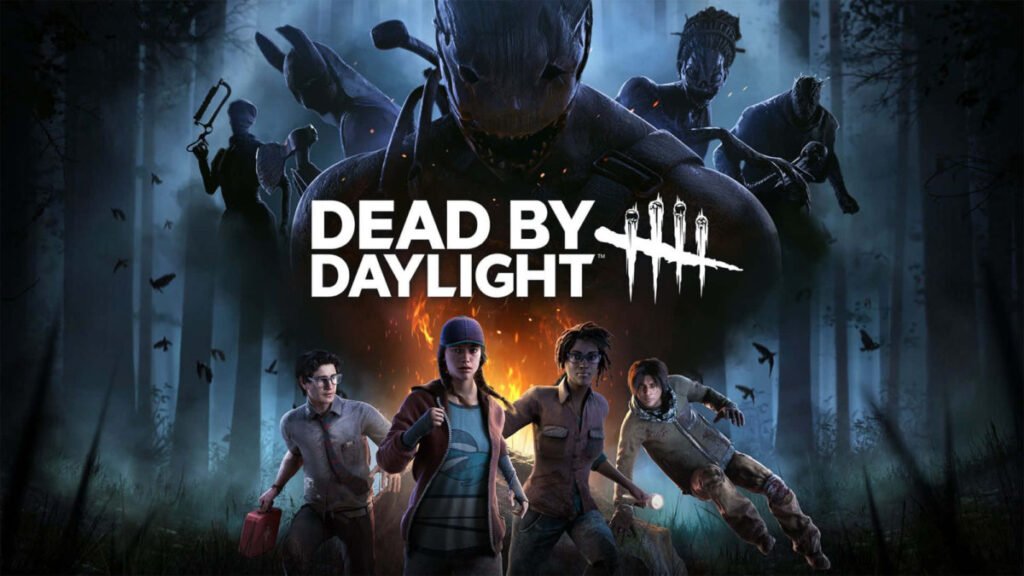
The cult horror gaming universe is officially heading to Hollywood. A film adaptation of Dead by Daylight is moving forward with Icelandic filmmaker Thordur Palsson tapped to direct the project, marking a major step in bringing one of gaming’s most intense survival experiences to the big screen.
The adaptation is based on the globally popular multiplayer horror game developed by Behaviour Interactive, which has built a massive fanbase since its release through its unique asymmetrical gameplay—where one killer hunts multiple survivors in a constantly shifting nightmare environment.
The game’s premise, centered around survival, fear, and psychological tension, has long been considered ideal material for a cinematic adaptation. Now, with Thordur Palsson attached as director, expectations are rising that the film could aim for a grounded yet atmospheric horror approach rather than a typical action-heavy video game adaptation.
Palsson, known for his work in dark, character-driven storytelling, is expected to bring a more cinematic horror sensibility to the franchise. While official plot details remain tightly under wraps, industry observers suggest the film may explore original characters trapped in the game’s brutal “Entity” universe, where survival is never guaranteed.
ALSO READ : Sen. Elizabeth Warren Calls It a ‘Cesspool of Corruption’ — Here’s Why Senators Are Now Fighting Back Against the DOJ’s Live Nation Deal That Left Every Fan Betrayed…
The popularity of Dead by Daylight has already expanded beyond gaming, featuring crossovers with iconic horror franchises such as Halloween, The Texas Chainsaw Massacre, and Stranger Things. This built-in horror legacy gives the upcoming film a rich foundation to draw from, blending original lore with familiar horror mythology.
For Behaviour Interactive, the adaptation represents another major milestone in the game’s evolution from cult multiplayer title to mainstream entertainment brand. The studio has steadily expanded the game’s universe through seasonal updates, character additions, and narrative expansions that deepen its eerie lore.
Fans of the franchise are particularly eager to see how the film translates the game’s signature tension—where every decision can mean life or death—into a cinematic format. The challenge for Palsson will be preserving the unpredictable horror mechanics that define the game while delivering a coherent narrative for a broader audience.
Hollywood’s growing interest in video game adaptations has already seen mixed results in recent years, but projects rooted in strong atmospheric storytelling, like Dead by Daylight, are often viewed as having stronger cinematic potential due to their built-in tension and visual identity.
As development moves forward, more casting and production details are expected to be revealed in the coming months. For now, the announcement alone has already sparked excitement among both horror fans and gamers who have long imagined how the terrifying world of Dead by Daylight might look on the big screen.
More about the game’s background can be found here:
Entertainment
Anne Schedeen, ‘ALF’ Star and Beloved TV Mom, Dies at 77… Fans Remember Her Wit and Legacy
The beloved television star remembered for her role in the hit sitcom ALF leaves behind a colorful legacy filled with humor, activism, and deep family devotion
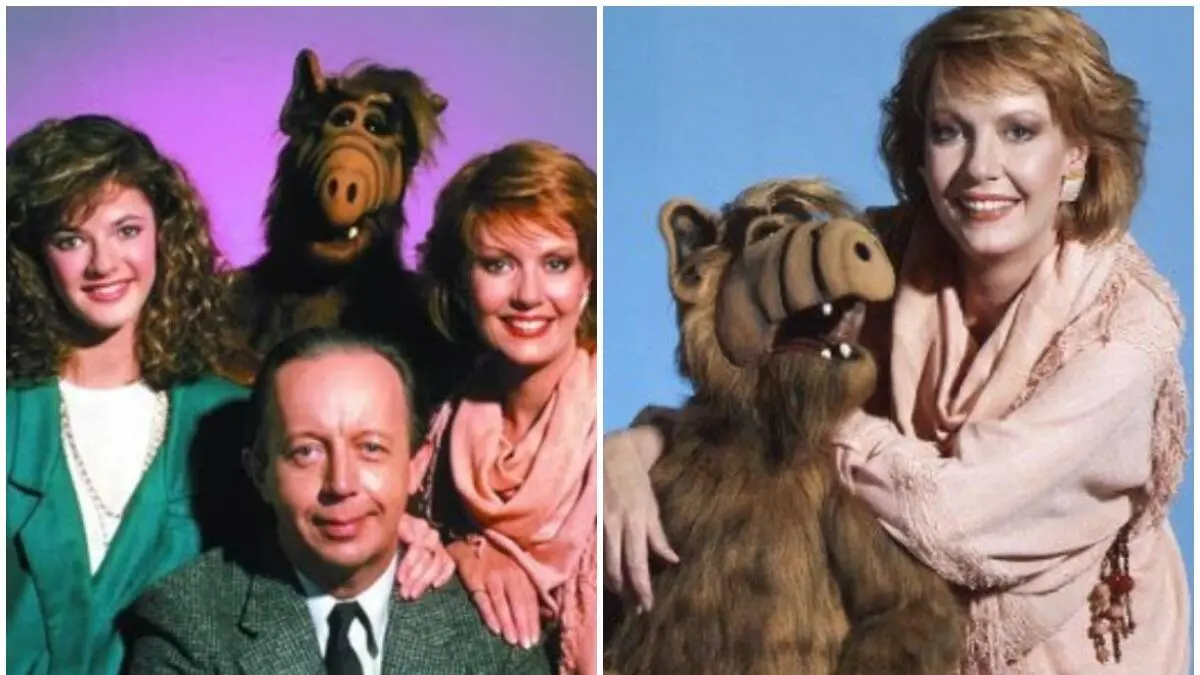
Veteran American actress Anne Schedeen, widely remembered for her role as Kate Tanner in the iconic sitcom ALF, has died at the age of 77, according to a family statement shared on social media.
The announcement described her as someone who lived a vibrant and expressive life, leaving behind what was called an “extraordinary legacy of creative energy, whip-smart humor, delight in her family, adoration for little dogs, passion for second-hand thrifting, and love for a good story.”
The tribute also included a personal and politically charged detail that quickly drew attention online, mentioning her “burning hatred for Trump,” reflecting her outspoken personality and willingness to share strong opinions beyond her acting career.
Best known for her role in the 1980s sitcom ALF, Anne Schedeen became a familiar face in American households during the peak of the show’s popularity. The series followed the Tanner family and their unusual extraterrestrial guest, ALF, and became a cultural phenomenon of its time.
ALSO READ : Sen. Elizabeth Warren Calls It a ‘Cesspool of Corruption’ — Here’s Why Senators Are Now Fighting Back Against the DOJ’s Live Nation Deal That Left Every Fan Betrayed…
The show ALF remains one of the most recognizable sitcoms of the late 20th century, largely due to its unique blend of comedy and science fiction. Schedeen’s performance as the grounded and often exasperated family matriarch helped balance the show’s absurd humor with emotional realism.
Beyond her most famous role, Schedeen built a steady career in television, appearing in multiple series and TV films throughout the 1970s and 1980s. Her work showcased a range that extended well beyond comedy, earning her respect among peers in the entertainment industry.
Born and raised in the United States, Anne Schedeen pursued acting with a passion that eventually led her to Hollywood, where she became part of a generation of television actors who defined an era of family-centered sitcoms.

Her passing has prompted tributes from fans who grew up watching ALF, many of whom expressed nostalgia for the warmth and humor of the show. Social media platforms have been filled with clips, memories, and personal stories about how the series shaped childhoods during the 1980s and early 1990s.
While her career is primarily remembered for television success, those close to her describe her as someone who valued creativity, storytelling, and authenticity in both her professional and personal life.
The family statement highlighted her love for simple joys, including thrift shopping and caring for animals, painting a picture of someone deeply connected to everyday experiences despite her fame.
As the entertainment world reflects on her legacy, Anne Schedeen is being remembered not only as a sitcom star but as a personality who embraced life with humor, honesty, and individuality.
Her role in ALF continues to live on through reruns and streaming platforms, introducing her work to new generations of viewers who may be discovering the series for the first time.

Tom Cruise’s ‘Digger’ Faces a Box Office Test: Why ‘Verity’ Could Steal Its Opening Weekend

Dead by Daylight Film in the Works… Thordur Palsson to Direct Cult Horror Game Adaptation

Anne Schedeen, ‘ALF’ Star and Beloved TV Mom, Dies at 77… Fans Remember Her Wit and Legacy

Harvey Keitel Chokes Up Mid-Speech… Then Honors Cinematography Icon Robert Richardson With a Moving Tribute

Ocean’s Eleven Prequel Adds Vicky Krieps, George MacKay and Omar Sy to Star-Studded Cast

1-Iran Issues Dire Warning to Israel and Defies Trump on Nukes: “We’re Ready to Strike Deep Inside”

Sen. Elizabeth Warren Calls It a ‘Cesspool of Corruption’ — Here’s Why Senators Are Now Fighting Back Against the DOJ’s Live Nation Deal That Left Every Fan Betrayed…

Donald Trump’s net worth reveals the fortune behind the former US President and business mogul

Gucci bets on Demna to revive fading glamour as Milan fashion week opens with bold film surprise

“Tomás Rodríguez Net Worth 2025: Panama’s Gold Cup Goal‑Machine’s Surprising Fortune Revealed”

Miss Jamaica Suffers Terrifying Fall Off Miss Universe Stage; Rushed to Hospital on Stretcher in Viral Video

Moana Live-Action Teaser Sparks Outrage as Fans Call Disney’s Move a ‘Clear Money Grab’ — What Went Wrong?

Ryan Gosling’s Project Hail Mary Trailer Stuns Fans with a Mysterious Alien Ally and a Mission That Could Save Earth

Apple delays Jessica Chastain thriller The Savant about domestic extremism after recent US violence

Avatar 3, Fire and Ash trailer reveals Jake Sully’s family facing terrifying new Na’vi enemies with deadly fire powers
-

 Sports1 week ago
Australia held Brazil to a draw after Nestory Irankunda’s stunning free kick — then Rayan struck at the very end…
-

 Entertainment1 week ago
Mariska Hargitay Lands the 2026 Emmy Hosting Gig… and Her Historic Selection Is Already Turning Heads
-

 Entertainment1 week ago
Kennedy Center Closure Sparks Fresh Legal Battle
-

 Entertainment1 week ago
Jesse Eisenberg Looks to Europe for Creative Freedom as U.S. Film Landscape Shifts
-

 Entertainment1 week ago
Jamie Muscato’s Broadway Moment Has Arrived: Will the West End Favorite Shine on the Biggest Stage?
-

 Entertainment1 week ago
‘Musk’ Lands at TIFF as Alex Gibney Calls for Resistance
-

 Entertainment1 week ago
Authorities have concluded their investigation, confirming that the actress’s death resulted from accidental drug toxicity.
-

 Entertainment1 week ago
Meg Donnelly’s Career Takes a Major Turn With New Hollywood Power Move