
Entertainment
Stranger Things Finale Explained: After Nine Years, This Is Really How Netflix’s Biggest Phenomenon Ends…
The two-hour goodbye brings monsters, memories, sacrifices and sentiment — but does the end of Stranger Things live up to its legacy, or quietly admit the show outgrew itself?


After nearly a decade of Demogorgons, dice rolls and ’80s nostalgia, Stranger Things has finally come to an end. The series finale, titled “The Rightside Up,” arrives not as a neat bow but as an emotional, overstuffed farewell — one that feels both grateful for the journey and uncertain about how to stop.
Streaming on Netflix, the final episode stretches close to two hours, blurring the line between television and cinema. It throws everything it has at viewers: apocalyptic stakes, tearful reunions, heroic sacrifices, and enough callbacks to remind us just how far Hawkins — and the show — has come since 2016.
A finale that tries to be everything
The episode resumes mid-crisis, with Vecna’s world-ending plan unfolding across the Upside Down and Hawkins alike. Longtime fans will recognize the familiar rhythm: the group splits, plans unravel, and heartfelt conversations interrupt the chaos. It’s classic Stranger Things — sometimes thrilling, sometimes indulgent.
Creators Duffer Brothers clearly wanted symmetry. Radio towers echo earlier seasons, friendships are tested one last time, and emotional monologues arrive exactly when danger peaks. At times, it works beautifully. At others, it strains credibility. The sense that the show has become too large for its own mythology is hard to ignore.
Eleven, Vecna, and the cost of saving the world
At the heart of the finale is Eleven’s reckoning — played once again with raw intensity by Millie Bobby Brown. Her final confrontation with Vecna is less about spectacle and more about choice: power versus sacrifice, survival versus love.
The twist revealing a larger evil behind Vecna reframes much of the series, but not everyone will embrace it. What once felt personal — a human villain shaped by trauma — becomes cosmic and abstract again. The battle is visually massive, emotionally loud, and deliberately final.
And yet, it’s the quiet moments that linger more than the explosions.

The long goodbye
After the dust settles, Stranger Things devotes an unusually long stretch to aftermath. Time jumps forward. Graduations happen. Lives move on. Friendships soften into memory. Some characters find happiness; others are left holding grief they may never fully name.
The show’s message is unmistakable: childhood ends whether you’re ready or not. The basement where it all began becomes a symbol — not of escape, but of closure. Dice are put away. Stories conclude. The torch passes to a new generation.
It’s sentimental, even excessive, but also sincere.
Was it worth the wait?
As finales go, Stranger Things avoids outright disaster. It’s not a cultural shock like The Sopranos, nor a cautionary tale like Game of Thrones. Instead, it lands somewhere in between — imperfect, emotional, and undeniably self-aware.
There are unanswered questions, logical leaps, and moments where nostalgia overwhelms storytelling. But there’s also gratitude — for characters who grew up alongside their audience, and for a show that reshaped modern pop culture.
Stranger Things may not end flawlessly. But it ends honestly — acknowledging that what once felt small and magical eventually became too big to contain.
And maybe that’s the most human ending possible.
For more Update- DAILY GLOBAL DIARY





Entertainment
‘Avengers: Endgame’ Overtakes ‘Avatar’ Again — How a Cinema Comeback Changed Box Office History
Marvel’s 2019 blockbuster has reclaimed the worldwide box office crown with an estimated $2.9255 billion, as its ‘Encore’ re-release builds anticipation for ‘Avengers: Doomsday’.

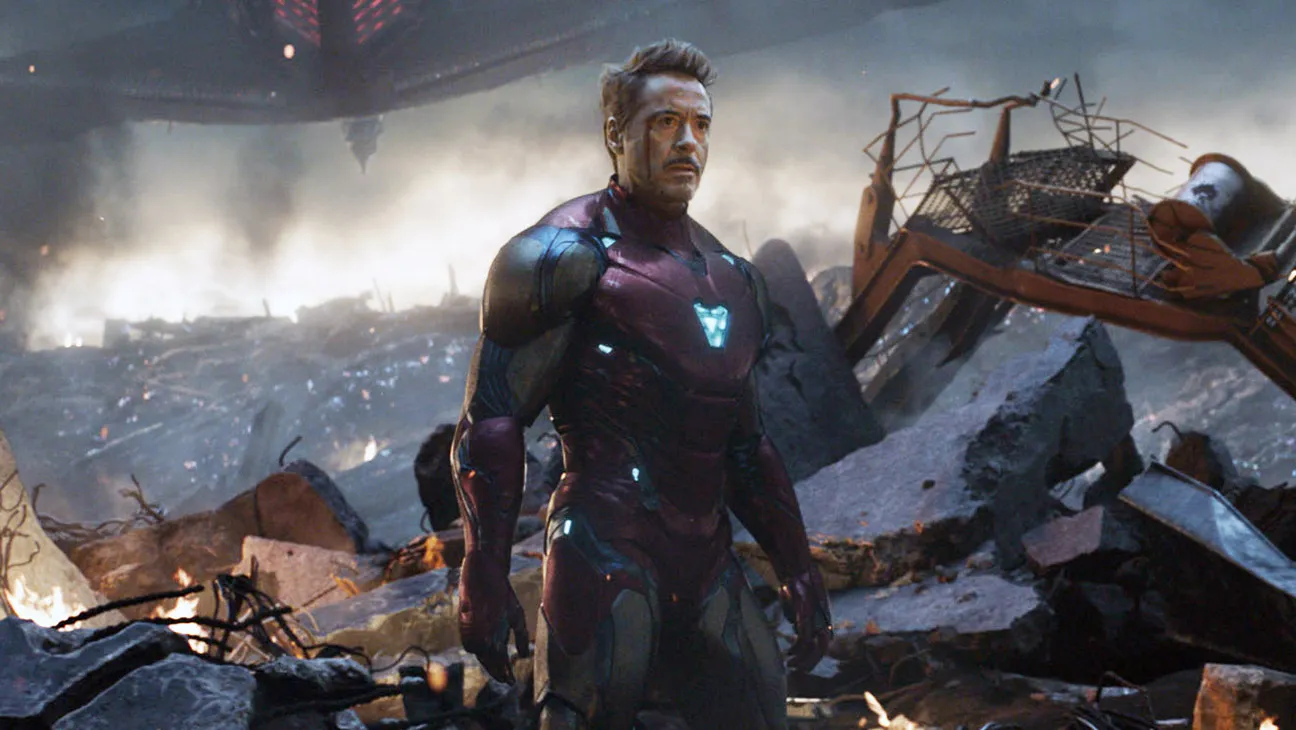
Seven years after its original release, Avengers: Endgame has unfinished business at the box office.
The Marvel Studios blockbuster has overtaken James Cameron’s Avatar to become the highest-grossing film worldwide once again. According to The Walt Disney Company’s October 4 announcement, Endgame now holds an estimated $2.9255 billion, narrowly ahead of Avatar’s $2.9237 billion. That puts just $1.8 million between two of cinema’s biggest hits.
The lead is small. The comeback, however, is substantial: a film released in 2019 has drawn enough fresh ticket sales to rewrite the all-time chart.
The ‘Encore’ release that tipped the balance
The latest theatrical run, titled Avengers Endgame: Encore, has earned $126 million worldwide, according to TheWrap. That includes $36.2 million in North America and $89.8 million from international markets—the extra business that pushed the film back into first place.
Audiences also had a reason to return beyond revisiting a familiar blockbuster. TheWrap reports that the reissue features a modified ending and three new scenes during and after the credits, connected to Avengers: Doomsday. The release therefore serves two purposes: bringing an established favourite back to cinemas and giving viewers a bridge to the next Avengers story.
ALSO READ : Emmy Nominations Announcement Gets a Star Twist… Liza Colón-Zayas & Jeff Hiller Set to Reveal 2026 TV Nominees
A rivalry with a history of reversals
This is another change of leadership in a box office contest that has lasted for years.
Endgame first displaced Avatar in 2019. Cameron’s science-fiction epic regained the crown following its Chinese re-release in 2021. Now, another theatrical return has swung the result in Marvel’s favour. Re-releases have become a decisive part of the competition, extending both films’ earning lives well beyond their original runs.
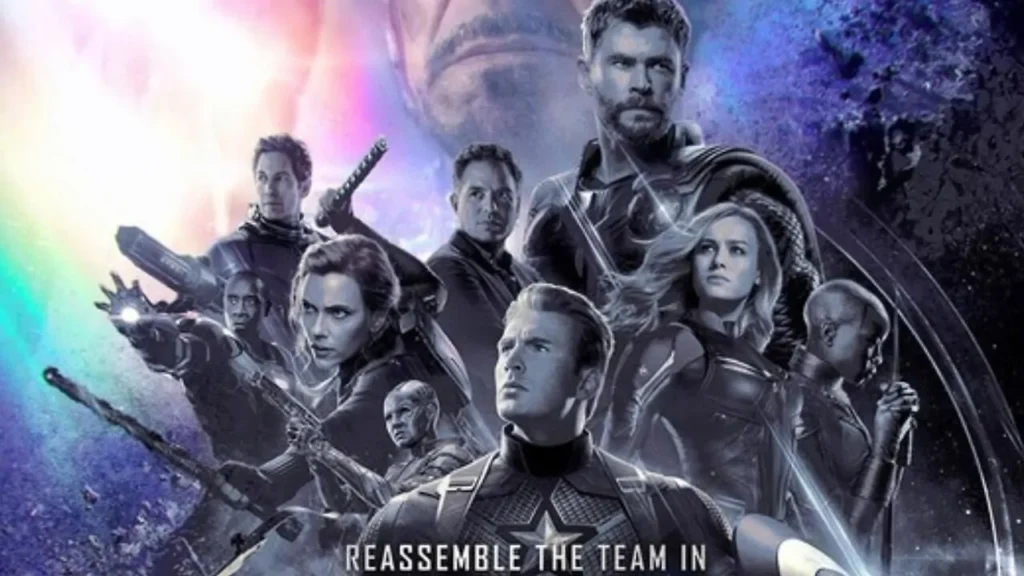
The distinction matters: this is the record for worldwide theatrical revenue without adjustment for inflation, including re-release earnings. It measures money collected rather than the number of tickets sold.
Why ‘Endgame’ matters to ‘Doomsday’
The timing gives Marvel’s comeback an added significance. Avengers: Doomsday is scheduled to reach cinemas on December 18, 2026, and Disney has positioned Endgame as an important foundation for that next chapter.
Explaining the connection, Anthony Russo said: “You really need to pick the story up from where you left it in Endgame.”
That makes this return more than a victory lap. A film remembered for closing a major chapter of Marvel’s story is now helping introduce the next one—and, along the way, has taken back Hollywood’s most closely watched box office title.
Entertainment
Why Neon Stepped In to Save Andrew Garfield’s ‘Artificial’
Andrew Garfield’s portrayal of Sam Altman anchors a daring project whose journey proved anything but straightforward.

A film about powerful technology executives became caught up in the business relationships surrounding them.
Luca Guadagnino’s Artificial, starring Andrew Garfield as Sam Altman, was developed at Amazon MGM Studios. But when the studio decided against releasing it, the filmmakers faced an uncertain future. Neon eventually acquired worldwide theatrical distribution rights, giving the project a route to audiences.
The move attracted scrutiny because of Amazon’s financial relationship with OpenAI. TheWrap reported that Amazon’s withdrawal followed a $50 billion investment in the AI company through a cloud computing partnership.
That timing prompted questions about conflicting commercial interests. It does not, however, establish the reason for the studio’s decision. Amazon’s public explanation was that the film would benefit from another distributor, while expressing support for Guadagnino and helping the production find a new home.
ALSO READ : Emmy Nominations Announcement Gets a Star Twist… Liza Colón-Zayas & Jeff Hiller Set to Reveal 2026 TV Nominees
The people behind the technology
Artificial explores the relationship between Altman and OpenAI co-founder Ilya Sutskever, played by Yura Borisov. Its dramatic territory is the collision between idealism, ambition and the consequences of building increasingly powerful technology.
According to Vulture’s account, screenwriter Simon Rich developed the project with urgency, and filming took place largely in northern Italy. The production’s emphasis on personal relationships gives its technological subject a recognisably human centre: people making decisions whose consequences extend far beyond themselves.
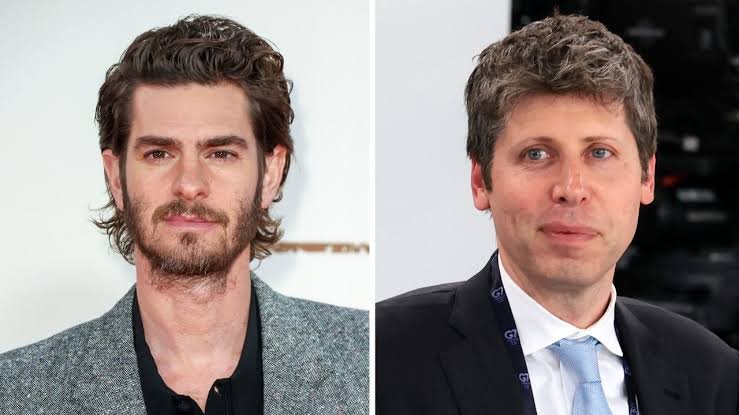
Garfield’s transformation went beyond appearances
In an interview with The Hollywood Reporter, Guadagnino described abandoning elaborate facial prosthetics after early tests. Garfield instead worked with Altman’s movements, posture and walk, supported by restrained makeup.
The director also chose to shoot on 35mm film, placing live performances at the centre of a story about artificial intelligence. Producer Jennifer Fox told the publication that the film’s assertions underwent extensive vetting. That remains the production’s account of its research process, rather than an independent endorsement of every dramatised scene.
A new home, and an unresolved question
Garfield welcomed the fact that Amazon allowed the film to move elsewhere. Fox, meanwhile, described the withdrawal as surprising after a collaborative production relationship.
Neon’s involvement resolved the immediate distribution problem. The wider question remains open: how freely can filmmakers examine influential companies when those companies also help finance and distribute entertainment? Artificial’s journey has made that question part of the conversation before audiences even enter the cinema.
Entertainment
With Neon on board, Guadagnino’s film moves forward as its makers speak out about the freedom to tell challenging stories.
Andrew Garfield and Luca Guadagnino discuss the ambitious Sam Altman film and its unexpected journey from Amazon to Neon.

A film about powerful technology executives became caught up in the business relationships surrounding them.
Luca Guadagnino’s Artificial, starring Andrew Garfield as Sam Altman, was developed at Amazon MGM Studios. But when the studio decided against releasing it, the filmmakers faced an uncertain future. Neon eventually acquired worldwide theatrical distribution rights, giving the project a route to audiences.
The move attracted scrutiny because of Amazon’s financial relationship with OpenAI. TheWrap reported that Amazon’s withdrawal followed a $50 billion investment in the AI company through a cloud computing partnership.
That timing prompted questions about conflicting commercial interests. It does not, however, establish the reason for the studio’s decision. Amazon’s public explanation was that the film would benefit from another distributor, while expressing support for Guadagnino and helping the production find a new home.
ALSO READ : Emmy Nominations Announcement Gets a Star Twist… Liza Colón-Zayas & Jeff Hiller Set to Reveal 2026 TV Nominees
The people behind the technology
Artificial explores the relationship between Altman and OpenAI co-founder Ilya Sutskever, played by Yura Borisov. Its dramatic territory is the collision between idealism, ambition and the consequences of building increasingly powerful technology.
According to Vulture’s account, screenwriter Simon Rich developed the project with urgency, and filming took place largely in northern Italy. The production’s emphasis on personal relationships gives its technological subject a recognisably human centre: people making decisions whose consequences extend far beyond themselves.
Garfield’s transformation went beyond appearances
In an interview with The Hollywood Reporter, Guadagnino described abandoning elaborate facial prosthetics after early tests. Garfield instead worked with Altman’s movements, posture and walk, supported by restrained makeup.
The director also chose to shoot on 35mm film, placing live performances at the centre of a story about artificial intelligence. Producer Jennifer Fox told the publication that the film’s assertions underwent extensive vetting. That remains the production’s account of its research process, rather than an independent endorsement of every dramatised scene.
A new home, and an unresolved question
Garfield welcomed the fact that Amazon allowed the film to move elsewhere. Fox, meanwhile, described the withdrawal as surprising after a collaborative production relationship.
Neon’s involvement resolved the immediate distribution problem. The wider question remains open: how freely can filmmakers examine influential companies when those companies also help finance and distribute entertainment? Artificial’s journey has made that question part of the conversation before audiences even enter the cinema.

‘Avengers: Endgame’ Overtakes ‘Avatar’ Again — How a Cinema Comeback Changed Box Office History

Why Neon Stepped In to Save Andrew Garfield’s ‘Artificial’

With Neon on board, Guadagnino’s film moves forward as its makers speak out about the freedom to tell challenging stories.

The Social Reckoning: Sorkin Takes On Mark Zuckerberg

By confronting a mogul who remains influential, Sorkin brings an unusual immediacy to his latest Hollywood portrait.

1-Iran Issues Dire Warning to Israel and Defies Trump on Nukes: “We’re Ready to Strike Deep Inside”

Sen. Elizabeth Warren Calls It a ‘Cesspool of Corruption’ — Here’s Why Senators Are Now Fighting Back Against the DOJ’s Live Nation Deal That Left Every Fan Betrayed…

Gucci bets on Demna to revive fading glamour as Milan fashion week opens with bold film surprise

Donald Trump’s net worth reveals the fortune behind the former US President and business mogul

“Tomás Rodríguez Net Worth 2025: Panama’s Gold Cup Goal‑Machine’s Surprising Fortune Revealed”

Miss Jamaica Suffers Terrifying Fall Off Miss Universe Stage; Rushed to Hospital on Stretcher in Viral Video

Moana Live-Action Teaser Sparks Outrage as Fans Call Disney’s Move a ‘Clear Money Grab’ — What Went Wrong?

Ryan Gosling’s Project Hail Mary Trailer Stuns Fans with a Mysterious Alien Ally and a Mission That Could Save Earth

Apple delays Jessica Chastain thriller The Savant about domestic extremism after recent US violence

Avatar 3, Fire and Ash trailer reveals Jake Sully’s family facing terrifying new Na’vi enemies with deadly fire powers
-

 Entertainment1 week ago
Toronto Film Festival Picks ‘Being Heumann’ as Its Opener… Is Sian Heder About to Deliver Another Awards Season Sensation?
-
 Entertainment1 week ago
Anne Schedeen, ‘ALF’ Star and Beloved TV Mom, Dies at 77… Fans Remember Her Wit and Legacy
-

 Entertainment1 week ago
One Big Win for Taylor Swift, Seven for Madonna: Inside the 2026 VMAs
-

 Entertainment1 week ago
Emmy Rossum Says Her Shameless Role Followed Her Into Real-Life Dates
-
 Entertainment1 week ago
Dead by Daylight Film in the Works… Thordur Palsson to Direct Cult Horror Game Adaptation
-

 Entertainment1 week ago
‘Resident Evil’ Star Austin Abrams Opens Up About the Film’s Daring Finale
-
 Entertainment1 week ago
Beyoncé Ends Two-Year Music Silence With ‘Morning Dew’ Is a New Album Next?
-

 Entertainment1 week ago
Rosalía Turned the Kia Forum Into a Movie Set… Inside the Stunning ‘Lux’ Tour Performance That Left Los Angeles Spellbound