
Uncategorized
Tesla’s $71K Model Y Shocks India as Elon Musk Bets Big on a Risky New Market
With slumping global sales and rising EV competition, Tesla opens its first showroom in India—but its high pricing, tariff hurdles, and Elon Musk’s political baggage may derail the electric dream before it begins.


In a move that could redefine the electric vehicle landscape in Asia, Tesla has officially launched its first showroom in India, opening the doors in Mumbai on Tuesday. But for a company struggling with global sales decline, rising competition from Chinese EV makers, and internal turbulence, the timing—and price tag—of this bold move has left both analysts and buyers puzzled.
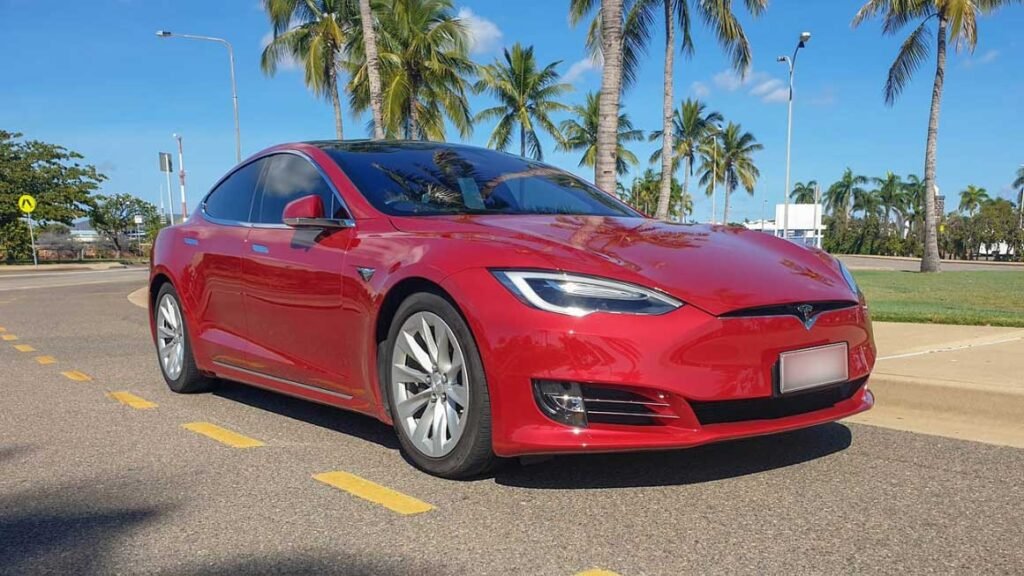
The Tesla Model Y, the brand’s best-selling compact SUV, is now available in India at a staggering price of ₹61,07,190, or roughly $71,000. Compare that to the U.S. price tag of about $45,000, which can drop to $37,500 with applicable federal EV tax credits set to expire in September 2025. The question on everyone’s mind: Who exactly is Tesla targeting in India with this strategy?
“We’ve been working on getting into India. India is a very hot market,” said Tesla CFO Vaibhav Taneja during an April investor call, emphasizing India’s “big middle class” as a key attraction.
Yet for now, the pricing seems out of reach for that very demographic.
India: The Market Tesla Can’t Afford to Ignore
India, the world’s most populous country, has rapidly become the third-largest auto market, trailing only China and the United States. Despite this, Tesla has been conspicuously absent—until now. That absence may have cost it dearly. As legacy automakers and Chinese EV giants like BYD ramp up their global presence, Tesla has lost market share and brand perception, especially in the face of CEO Elon Musk’s controversial political footprint.
Nearly 50% of Tesla’s revenue still stems from the U.S., with over 20% from China. That leaves the rest of the world to contribute just 30%—a number that Tesla hopes India can help change.
But there’s a catch—import tariffs.

The Tariff Trap
India’s notoriously high tariffs on imported vehicles, sometimes exceeding 100%, have long been a thorn in Tesla’s side. According to the World Trade Organization, these tariffs can double the cost of a car, creating a “tension” that Tesla executives are still “trying to work around.”
Despite ongoing U.S.-India trade talks, any tangible progress on tariff relief remains elusive. While former President Donald Trump claimed in May that India had agreed to eliminate certain tariffs on U.S. goods, Indian officials quickly denied any formal deal was in place.
“The tariffs create a little bit of tension, which we’re trying to work around,” Taneja admitted, signaling that Tesla is aware of the pricing dilemma.
Until these issues are resolved, the dream of mass-market EV adoption in India remains aspirational at best.
Table of Contents
A Company in Flux
Tesla’s Indian launch comes at a time of internal and external pressure. Sales are falling. Competition is rising. And even Tesla’s top leadership is changing.
This week, the Wall Street Journal reported that Troy Jones, the company’s Vice President of Sales and Service, has quietly exited. The report, citing anonymous insiders, highlights a growing list of top-level exits that raise questions about the company’s long-term direction.
Meanwhile, Tesla’s planned expansion efforts—including a potential manufacturing plant in India and another factory in Mexico—are on hold. Why? Oversupply. Tesla’s existing facilities in the U.S., China, and Germany already produce more cars than demand can absorb.
In simpler terms, Tesla doesn’t just have a sales problem—it has a demand problem.

The BYD Factor
Adding salt to the wound, Chinese automaker BYD is closing in on Tesla’s crown as the world’s largest EV maker. Even though BYD cannot currently sell in the United States, its dominance in other global markets—especially across Asia, Africa, and Latin America—is becoming increasingly hard to ignore.
Unlike Tesla, BYD’s models are often significantly cheaper, thanks to vertical supply chains and localized manufacturing strategies.
India could have been Tesla’s secret weapon. But without affordable pricing or tariff concessions, Tesla might be handing that market to its Chinese rival on a silver platter.

The Verdict: A Risky Gamble
Elon Musk’s India debut has been years in the making, and for good reason. With its rapidly growing middle class, infrastructure development, and global aspirations, India represents a once-in-a-generation opportunity for any automaker—EV or otherwise.
But launching a product priced nearly double its U.S. counterpart, in a market where affordability is king, could backfire. In its current form, Tesla’s India entry feels more like a PR experiment than a scalable business strategy.
“India deserves a locally manufactured, affordably priced EV—not a rebadged import at luxury prices,” tweeted Indian auto expert Rajiv Rajan.
Until Tesla addresses the core issues—pricing, production, tariffs, and public sentiment—it risks turning one of its most ambitious moves into one of its most disappointing.http://www.dailyglobaldiary.com





Uncategorized
Ford Recalls Nearly 290,000 Explorer SUVs After Roof Rail Covers Raise Crash Risk — Here’s Why Owners Should Pay Attention
Affected 2016-2019 Ford Explorer models could experience roof rail covers loosening and detaching while driving, prompting a fresh safety recall by the automaker.

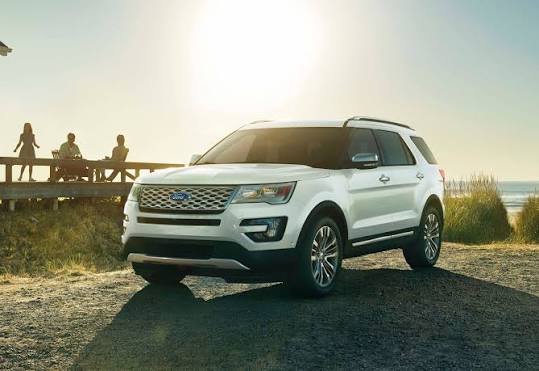
Ford Motor Company has announced another major vehicle safety recall in the United States, affecting 288,314 Ford Explorer SUVs after discovering that roof rail covers may loosen, detach while driving, and pose a potential road hazard for other motorists.
According to the National Highway Traffic Safety Administration (NHTSA), the recall covers certain 2016-2019 Ford Explorer models equipped with plated roof rail covers, including some vehicles that had previously undergone repairs during a 2021 recall. Despite earlier fixes, Ford determined that some of those repairs may not have adequately secured the roof rail covers, requiring another inspection and repair campaign.
The issue isn’t merely cosmetic. If a roof rail cover separates from the vehicle at highway speeds, it can become airborne debris, increasing the risk of collisions for nearby drivers.
Owners may notice several warning signs before the part comes loose. These include increased wind noise, rattling or squeaking sounds from the roof area, or even a visible gap between the roof rail cover and the vehicle’s roofline. If any of these symptoms appear, drivers are advised to have the vehicle inspected as soon as possible.
The automaker has confirmed that it is aware of one crash linked to a detached roof rail cover. The incident involved a vehicle that had previously been repaired using epoxy during the earlier recall campaign. Fortunately, no injuries have been reported in connection with the defect so far.

To address the issue, Ford dealerships will inspect the affected roof rail covers at no cost to owners. Technicians will replace damaged clips or roof rail covers where necessary and reinforce the installation using additional plastic push pins designed to prevent future separation.
The recall process will begin with interim notification letters scheduled to reach owners between August 24 and August 28. A second round of letters is expected to be mailed between September 21 and September 25, once replacement parts and the permanent repair procedure become widely available.
This latest action adds to a challenging year for Ford, which has already issued 57 recalls in 2026, impacting more than 12.4 million vehicles, according to data released by the NHTSA. The growing number of recalls highlights the increasing focus on vehicle safety and quality control across the automotive industry.
Vehicle owners who believe their SUV may be affected should monitor official recall notifications or use their Vehicle Identification Number (VIN) on the NHTSA recall lookup service to confirm whether their vehicle is included in the campaign.
For affected owners, responding promptly to the recall can help prevent potential safety risks and ensure the vehicle remains compliant with manufacturer safety standards.
Uncategorized
Trump’s Primetime Election Speech Sparks Fresh Debate: ‘Broken System’ Warning Raises Questions Ahead of 2026 Midterms
President Donald Trump unveiled declassified intelligence on election security, renewed calls for the SAVE America Act, and reignited a national debate over voter confidence months before the 2026 midterm elections.

Less than four months before Americans head to the polls for the 2026 midterm elections, Donald Trump returned to the national spotlight with a rare primetime address from the White House that focused almost entirely on election security.
While the speech did not contain major new revelations, political observers say it may prove significant for what it signals about the former president’s messaging strategy ahead of a crucial election season.
During the address, Trump argued that newly declassified intelligence documents exposed vulnerabilities in the U.S. election system and urged Congress to pass the SAVE America Act, legislation he says is necessary to strengthen election integrity.
However, early reviews of the released material suggest that many of the concerns raised were already known to intelligence officials and had previously appeared in government assessments.
Official White House
Donald Trump
Declassified Documents Offer Few New Revelations
The centerpiece of Trump’s speech was the release of declassified intelligence documents that he claimed had been hidden from both his administration and the American public.
According to Trump, the documents reveal an election system that is “catastrophically short” of acceptable security standards.
However, analysts reviewing the material noted that much of it reflects concerns already documented in a 2021 U.S. Intelligence Community assessment, including cyber vulnerabilities and foreign efforts to collect information about American voters.
One example highlighted during the speech involved China, with Trump pointing to intelligence suggesting Beijing had gathered extensive information on U.S. voter data.
Yet intelligence assessments released years earlier had already concluded that China sought information to better understand American politics—not that it successfully altered election results.
Importantly, no new evidence presented during the speech demonstrated that foreign governments changed vote totals in the 2020, 2022, or 2024 elections.

Attention Turns Toward the 2026 Midterm Elections
While the documents themselves generated limited headlines, political analysts believe Trump’s broader message may have greater long-term significance.
Throughout his remarks, Trump repeatedly described the American election system as deeply vulnerable and argued that stronger safeguards are urgently needed before the next national vote.
He also emphasized that the federal government would work with individual states to improve election security and protect voter data.
Critics, however, interpreted the speech differently, suggesting it could lay the groundwork for future challenges to election outcomes should Republicans perform poorly in the upcoming midterms.
SAVE America Act Takes Center Stage
One of Trump’s strongest appeals during the address was for lawmakers to approve the SAVE America Act, legislation backed by many Republicans that aims to strengthen voter registration requirements and election security measures.
Trump argued that opposition to the bill raises questions about election transparency.
“The only reason you wouldn’t support it is because you want to cheat,” he claimed during the nationally televised speech.
Despite Trump’s push, the legislation currently faces uncertain prospects in Congress, where it lacks broad bipartisan support.
Democratic Governors Push Back
Shortly after the address concluded, all 24 Democratic governors released a joint statement criticizing Trump’s remarks.
They argued that repeated claims questioning election integrity risk weakening public confidence in democratic institutions.
The governors stated that American elections have consistently been reviewed and verified through audits, recounts, and court proceedings, adding that conspiracy theories should not replace evidence-based discussions about election administration.
Little Focus on Revisiting the 2020 Election
Although many observers expected Trump to revisit his long-standing claims about the 2020 presidential election, the speech devoted relatively little time to relitigating that contest.
Instead, Trump focused more broadly on election vulnerabilities, foreign cyber threats, and voter data security.
He briefly referenced allegations involving voter registration irregularities in Michigan, suggesting the matter deserved renewed attention from FBI Director Kash Patel.
However, previous investigations by federal agencies, state officials, and numerous courts found no evidence of widespread fraud capable of changing the outcome of the 2020 election.
Former Attorney General William Barr, who served during Trump’s first administration, has also publicly stated that investigations uncovered no evidence supporting claims of widespread election fraud.
Broadcasters Faced a Difficult Decision
Trump’s address also reignited discussion about media coverage of presidential speeches.
Several television networks chose not to broadcast the speech live, citing uncertainty over its content and concerns about airing claims that have previously been disputed.
Following the broadcast decisions, White House Communications Director Steven Cheung criticized networks that declined live coverage, accusing them of preventing viewers from hearing the administration’s message.
Public Opinion Remains Divided
Recent polling suggests Americans remain divided over election-related issues.
While a significant majority of respondents continue to believe the 2020 election was conducted fairly, concerns about election security and voter fraud remain politically influential among portions of the electorate.
Trump and many Republican leaders continue to argue that stricter election safeguards are necessary, while Democrats maintain that existing election systems are secure and that repeated claims of widespread fraud lack supporting evidence.
As campaigning intensifies ahead of November’s midterm elections, election security is expected to remain one of the defining political issues in the United States.
Uncategorized
Trump “Calls Tiger Woods From Rehab” as Melania’s ‘Epstein’ Statement on SNL Sparks Political Media Storm… What Really Happened?
A swirl of unverified claims linking Donald Trump, Tiger Woods, and Melania Trump has ignited online debate, blending politics, celebrity culture, and late-night television controversy.


A wave of viral online chatter has placed former U.S. President Donald Trump back at the center of media attention after reports surfaced claiming he made a phone call to golf legend Tiger Woods while allegedly “in rehab.” At the same time, renewed attention around comments attributed to former First Lady Melania Trump during a sketch on Saturday Night Live has added fuel to an already heated online discourse.
However, much of the narrative circulating on social platforms remains unverified, blending speculation, satire, and fragmented commentary into a single viral storyline.
A viral claim that spread rapidly online
The most discussed element of the trend is the alleged phone call between Donald Trump and Tiger Woods, which social media users claim happened during a supposed “rehab stay.” At this stage, no official confirmation has been provided regarding such a call or the context surrounding it.
ALSO READ : Sen. Elizabeth Warren Calls It a ‘Cesspool of Corruption’ — Here’s Why Senators Are Now Fighting Back Against the DOJ’s Live Nation Deal That Left Every Fan Betrayed…
Tiger Woods, one of the most recognized athletes in the world and a major figure in golf history, has previously spoken openly about recovery periods and personal challenges throughout his career. His name often becomes central in viral narratives due to his global fame and public visibility.
Melania Trump and the SNL controversy
At the same time, attention has turned toward Melania Trump following references circulating online about an alleged “Epstein statement” tied to a comedic segment on Saturday Night Live.
The long-running show is known for political satire, often blending real-world figures with exaggerated fictional scenarios. However, in this case, social media discussions have blurred the line between scripted satire and real-world statements, leading to confusion among audiences.
Politics, celebrity, and misinformation collide
The involvement of Donald Trump in trending narratives is not unusual, as his public profile has long been a focal point of political and entertainment media alike. However, experts note that the combination of celebrity culture and political identity often creates fertile ground for misinformation to spread rapidly.

Similarly, references to Tiger Woods amplify engagement due to his status as one of the most influential sports figures globally.
The role of social media amplification
Platforms like X (formerly Twitter) and other social networks have played a major role in accelerating the spread of these claims. Without clear sourcing, fragmented posts often evolve into full-blown narratives that appear credible at first glance.
In the absence of verified statements from official representatives of Donald Trump or Tiger Woods, the situation remains largely speculative.
A reminder in the age of viral politics
The overlapping of political figures, sports icons, and entertainment platforms such as Saturday Night Live highlights a growing challenge in the digital era—distinguishing fact from viral fiction.
As narratives continue to evolve online, readers are urged to rely on verified statements and credible reporting rather than fragmented social media interpretations.
For now, the alleged phone call and the surrounding claims remain unconfirmed, but the viral impact of the story once again demonstrates how quickly modern media cycles can blur the boundaries between reality and speculation.

‘Summer House’ Cast Left Speechless by Emmy Nomination… “It Feels Surreal” After a Decade of Reality TV

Annette Bening Breaks Silence on ‘Yellowstone’ Finale: “Don’t Call Her the Dutton Ranch Villain…” Here’s Why Fans May Have Misjudged Her

HBO Chief Reacts to ‘Heated Rivalry’ Emmy Snub While Celebrating Network’s Major Wins

‘Supergirl’ Singer Surprised by Viral Response to Jimmy Eat World’s ‘The Middle’ Cover

Sky’s $2.1 Billion ITV Deal Could Redraw European TV… Is the ‘Get Big or Get Left Behind’ Era Finally Here?

1-Iran Issues Dire Warning to Israel and Defies Trump on Nukes: “We’re Ready to Strike Deep Inside”

Sen. Elizabeth Warren Calls It a ‘Cesspool of Corruption’ — Here’s Why Senators Are Now Fighting Back Against the DOJ’s Live Nation Deal That Left Every Fan Betrayed…

Donald Trump’s net worth reveals the fortune behind the former US President and business mogul

“Tomás Rodríguez Net Worth 2025: Panama’s Gold Cup Goal‑Machine’s Surprising Fortune Revealed”

“She Never Made It Out…” Albany House Fire Claims Woman’s Life as Family Pleads for Help to Bring Her Home

Miss Jamaica Suffers Terrifying Fall Off Miss Universe Stage; Rushed to Hospital on Stretcher in Viral Video

Moana Live-Action Teaser Sparks Outrage as Fans Call Disney’s Move a ‘Clear Money Grab’ — What Went Wrong?

Ryan Gosling’s Project Hail Mary Trailer Stuns Fans with a Mysterious Alien Ally and a Mission That Could Save Earth

Apple delays Jessica Chastain thriller The Savant about domestic extremism after recent US violence

Avatar 3, Fire and Ash trailer reveals Jake Sully’s family facing terrifying new Na’vi enemies with deadly fire powers
-

 Entertainment1 week ago
Hollywood’s New Box-Office Saviours Revealed: How Curry Barker Joined Guillermo del Toro’s Elite Circle
-

 Entertainment1 week ago
Why Is America Celebrating Dolly Parton Day on 9/25? The Sweet Meaning Revealed
-

 Entertainment5 days ago
Summer House Cast Celebrates First Emmy Nomination, Calls It Surreal
-

 Entertainment1 week ago
Creative Arts Emmys Night Two Winners: ‘Widow’s Bay’ Dominates, but Rob Reiner’s Emotional Victory Steals the Spotlight
-

 Tech7 days ago
Apple unveils iPhone 18 Pro series with a camera upgrade users have waited years for: Here’s what changed
-

 Entertainment5 days ago
‘The Gentlemen’ Season 2 Ending Explained by Theo James
-

 Entertainment5 days ago
Beyoncé Ends Two-Year Music Hiatus With ‘Morning Dew’… Fans Wonder If a Bigger Announcement Is Coming
-

 Entertainment5 days ago
Why Is America Turning 9/25 Into Dolly Parton Day? The Touching Meaning Behind the Date Revealed