
Entertainment
From Red Carpets to Rally Shots: How Timothée Chalamet Became a Table Tennis Athlete for ‘Marty Supreme’… and Why Hollywood Is Watching Closely
As Chalamet’s intense preparation for Marty Supreme makes headlines, the film’s ping-pong consultant says this role could finally give table tennis the global spotlight it deserves.

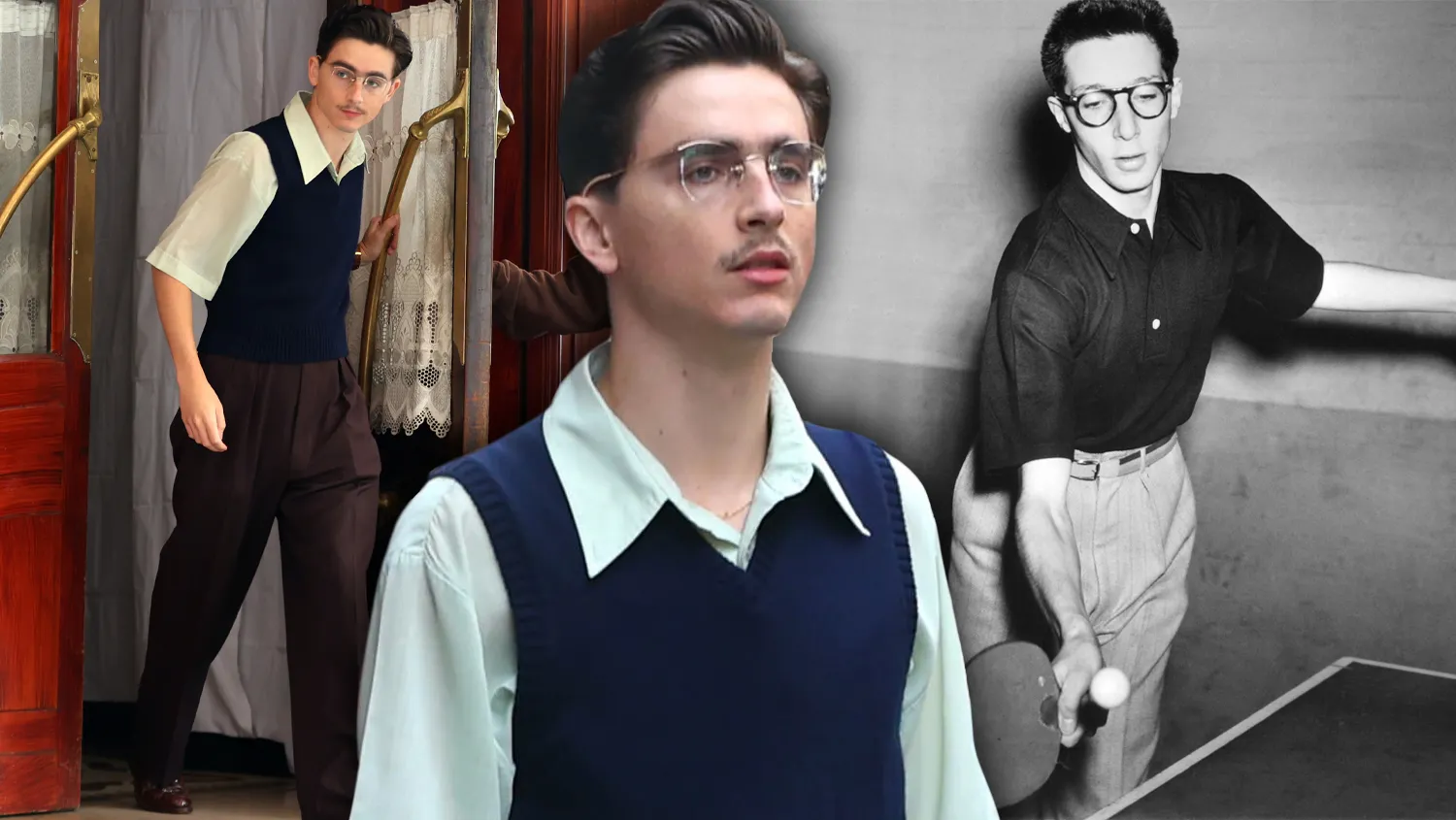
When audiences think of Timothée Chalamet, they usually picture couture suits, poetic monologues, and emotionally raw performances. Few would expect him to be sweating through hours of table tennis drills, refining footwork and spin control like a professional athlete. Yet that is exactly what happened behind the scenes of Marty Supreme.
In a revealing conversation with The Hollywood Reporter, the film’s table tennis consultant Diego Schaaf opened up about the transformation that surprised even seasoned sports professionals. According to Schaaf, Chalamet didn’t just learn how to look convincing—he committed to the sport in a way rarely seen from actors.
Training That Went Beyond Acting
Unlike many sports films where camera tricks do the heavy lifting, Marty Supreme demanded authenticity. Schaaf explained that Chalamet trained as if he were preparing for real competition, not a movie shoot. Hours were spent perfecting stance, reaction timing, and the subtle wrist movements that separate amateurs from elite players.
ALSO READ : Trailer Drops for Melania, Offering a Rare Look at the First Lady Ahead of President Trump’s Second Inauguration
“He wanted to understand the sport,” Schaaf noted, adding that Chalamet was fascinated by how much mental discipline table tennis requires. The actor reportedly studied match footage, practiced with advanced players, and learned to anticipate rallies rather than react to them.
This wasn’t choreography. It was conditioning.
A Sport Hollywood Has Long Ignored
Table tennis—often dismissed as a casual pastime—has struggled for mainstream recognition, especially in Western pop culture. Schaaf believes Marty Supreme could change that. He hopes Chalamet’s high-profile involvement and energetic press appearances will introduce a new generation to the sport’s intensity.
In Schaaf’s words, Chalamet’s “wild press run” might finally give table tennis “the breakthrough it’s deserved.” That optimism reflects a larger trend in Hollywood, where sports once considered niche are finding new life through character-driven storytelling.
Why Chalamet Was the Right Choice
Part of what makes this transformation compelling is Chalamet’s reputation for immersion. From historical epics to contemporary dramas, he has built a career on disappearing into roles rather than performing them.
For Marty Supreme, that philosophy extended to physical mastery. Those close to production say Chalamet insisted on earning credibility—not just with audiences, but with real players who know the sport inside out.

This approach aligns with a broader movement in modern cinema, where authenticity has become a selling point rather than a risk.
The Bigger Impact Beyond the Film
If Schaaf’s prediction proves true, Marty Supreme could do more than showcase Chalamet’s range. It could shift how table tennis is perceived globally, especially among younger audiences who follow film stars more closely than sports federations.
Streaming platforms and studios have already noticed how athlete-focused storytelling boosts participation and interest. Companies like Netflix have previously seen spikes in sports engagement following documentary and biopic releases. A star-driven fictional film could push that impact even further.
A Role That Redefines the Actor-Athlete Line
What makes Chalamet’s journey stand out isn’t just the physical training—it’s the respect shown to the sport. In an era where celebrity involvement can sometimes feel performative, this transformation feels earned.
As Marty Supreme prepares to meet audiences, one thing is clear: this isn’t just another role on Chalamet’s résumé. It’s a reminder that great performances often begin far from the camera—on practice floors, in repetition, and in the quiet discipline of learning something completely new.
And if table tennis suddenly finds itself trending alongside Hollywood blockbusters, Schaaf may well be proven right.






Entertainment
Harvey Keitel Chokes Up Mid-Speech… Then Honors Cinematography Icon Robert Richardson With a Moving Tribute
The veteran actor became emotional on stage before delivering heartfelt praise for the acclaimed filmmaker whose work has shaped generations of cinema.
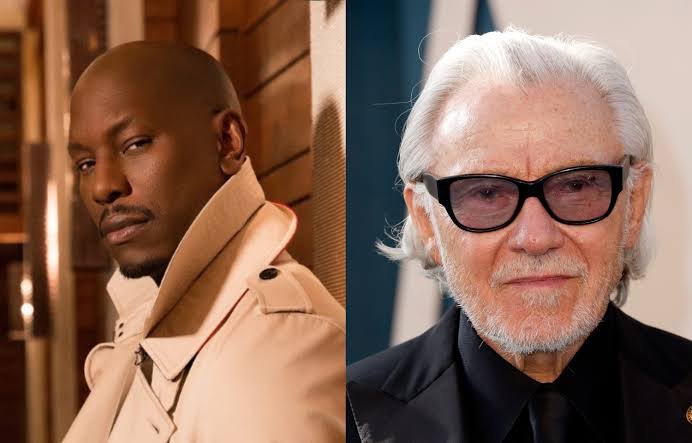
The Karlovy Vary International Film Festival witnessed one of its most heartfelt moments this year when veteran actor Harvey Keitel took the stage to honor legendary cinematographer Robert Richardson.
What began as a formal tribute quickly turned into an unforgettable scene. In a spontaneous and emotional gesture, Keitel reportedly ripped up his prepared notes before delivering a passionate speech from the heart, celebrating Richardson’s extraordinary contribution to cinema.
The audience responded with enthusiasm as Keitel praised the cinematographer as “one of the world’s greatest,” highlighting a career that has helped shape some of the most iconic films of the modern era.
For movie lovers, Richardson’s name is synonymous with visual excellence. Over several decades, he has crafted unforgettable imagery for some of Hollywood’s most influential filmmakers, including Martin Scorsese, Quentin Tarantino, and Oliver Stone.
ALSO READ : Emmy Nominations Announcement Gets a Star Twist… Liza Colón-Zayas & Jeff Hiller Set to Reveal 2026 TV Nominees
His signature style—marked by dramatic lighting, bold compositions, and striking visual storytelling—has earned him widespread acclaim and multiple industry honors. Richardson’s work has become instantly recognizable to cinephiles, helping elevate films from compelling stories into unforgettable cinematic experiences.
The tribute at Karlovy Vary came during celebrations surrounding “The White Devil”, which drew significant attention at the prestigious festival. While the event showcased notable films and performances, Richardson’s recognition became one of its defining highlights.
Throughout his career, Richardson has collaborated on acclaimed productions such as JFK, The Aviator, Inglourious Basterds, and Once Upon a Time in Hollywood. His ability to create atmosphere through imagery has earned him a reputation as one of the most respected cinematographers in the industry.
Keitel’s tribute carried particular significance because both men have spent decades helping define modern cinema. Their careers have crossed paths with many of the same legendary filmmakers, and both are regarded as influential figures whose work continues to inspire younger generations of artists.
Festival attendees described the moment as deeply personal, with Keitel opting to speak candidly rather than rely on a prepared script. The gesture reflected the respect and admiration he holds for Richardson’s achievements and artistic legacy.

In an industry often focused on actors and directors, the tribute also served as a reminder of the crucial role cinematographers play in bringing stories to life. While audiences may remember memorable characters and dialogue, the visual language of film often shapes how those stories are experienced and remembered.
As the Karlovy Vary International Film Festival continues celebrating global cinema, Richardson’s honor stands as recognition not only of a remarkable individual career but also of the artistry behind the camera.
For many in attendance, the emotional exchange between Keitel and Richardson was a fitting reminder that great filmmaking is built on collaboration, creativity, and a shared passion for storytelling.
And judging by the standing ovation that followed, the audience agreed that few have contributed more to that craft than Robert Richardson.
Entertainment
Ocean’s Eleven Prequel Adds Vicky Krieps, George MacKay and Omar Sy to Star-Studded Cast
The highly anticipated prequel expands its ensemble, with Vicky Krieps, George MacKay and Omar Sy joining Margot Robbie and Bradley Cooper in the next chapter of the iconic heist franchise.
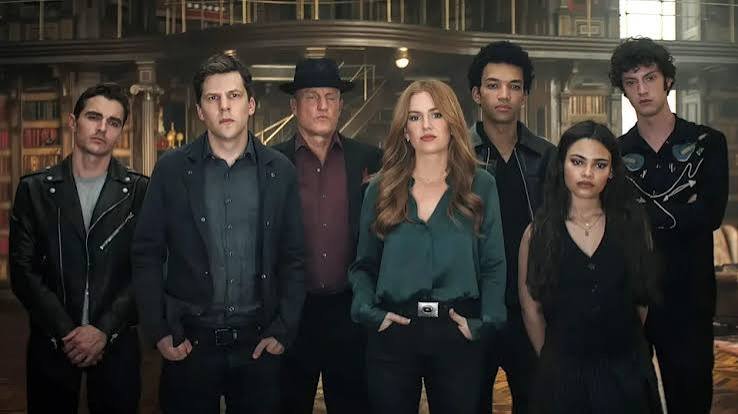
The world of high-stakes heists is preparing for a glamorous return.
Warner Bros. is reportedly moving ahead with its much-awaited Ocean’s Eleven prequel, and the latest casting additions have only heightened excitement around the project. Acclaimed actors Vicky Krieps, George MacKay and Omar Sy are set to join Margot Robbie in the upcoming film, according to industry reports.
Adding even more intrigue, Bradley Cooper is attached not only as a leading cast member but also as the film’s director, marking one of the most ambitious projects of his career.
A New Chapter for an Iconic Franchise
The Ocean’s franchise remains one of Hollywood’s most beloved series, combining stylish storytelling, charismatic characters and elaborate heist plots. The original franchise gained global popularity with stars such as George Clooney, Brad Pitt and Matt Damon leading a memorable ensemble cast.
Now, the prequel aims to take audiences back in time, exploring an earlier chapter of the universe that captivated moviegoers for decades.
ALSO READ : Sen. Elizabeth Warren Calls It a ‘Cesspool of Corruption’ — Here’s Why Senators Are Now Fighting Back Against the DOJ’s Live Nation Deal That Left Every Fan Betrayed…
While plot details remain tightly guarded, insiders suggest the film will feature a mix of glamour, suspense and the sophisticated charm that has become synonymous with the Ocean’s brand.
Margot Robbie Leads Another Major Studio Project
Fresh off a series of high-profile successes, Margot Robbie continues to cement her status as one of Hollywood’s most influential stars.
The actress has become known for balancing blockbuster appeal with critically acclaimed performances, making her a natural choice to headline a major franchise revival. Her involvement has already generated significant buzz among fans eager to see how the new film reimagines the world of Ocean’s Eleven.
International Talent Strengthens the Cast
The addition of Vicky Krieps, known for her acclaimed dramatic performances, brings a strong artistic presence to the project.
Meanwhile, George MacKay, widely recognized for his breakthrough work in 1917, adds youthful energy and versatility to the ensemble.
French star Omar Sy, whose global profile soared after the success of Lupin, is expected to bring charisma and international appeal to the production.
Together, the trio significantly expands the film’s star power and reinforces Warner Bros.’ ambition to make the prequel a major cinematic event.
Bradley Cooper’s Vision Under the Spotlight
Perhaps the most intriguing aspect of the project is the involvement of Bradley Cooper behind the camera.

After earning widespread praise for directing A Star Is Born and Maestro, Cooper has established himself as a filmmaker capable of blending emotional storytelling with visual sophistication.
Industry observers are now eager to see how he interprets the stylish, fast-paced world of the Ocean’s franchise while also stepping in front of the camera as an actor.
Warner Bros. Bets on a Franchise Revival
For Warner Bros., the project represents another major effort to revive and expand one of its most recognizable film properties.
The combination of an iconic franchise, an award-winning director, and an internationally recognized cast has positioned the prequel as one of the industry’s most closely watched developments.
Although fans may have to wait for more details regarding characters, storyline and release plans, the growing cast list suggests that Warner Bros. is assembling a formidable team for the next chapter of the Ocean’s legacy.
For now, one question remains at the center of Hollywood speculation: what exactly does Bradley Cooper have planned for this return to the world of master thieves and impossible heists?
If the latest casting news is any indication, audiences are in for something far bigger than a simple prequel.
Entertainment
Toronto Film Festival Picks ‘Being Heumann’ as Its Opener… Is Sian Heder About to Deliver Another Awards Season Sensation?
After the success of CODA, director Sian Heder returns with Being Heumann, leading a star-studded Toronto International Film Festival lineup that also includes Prima Facie and The Assassin(s).

The Toronto International Film Festival (TIFF) has unveiled a major highlight of its 2026 lineup, selecting Sian Heder’s highly anticipated drama Being Heumann as the festival’s opening-night film.
The announcement immediately places the project among the most closely watched titles of the upcoming awards season, especially given Heder’s remarkable track record following the success of CODA, the groundbreaking film that won the Academy Award for Best Picture.
Backed by Apple Studios, Being Heumann tells the inspiring story of disability rights activist Judy Heumann, whose advocacy transformed accessibility and civil rights policies in the United States. The film is expected to shine a spotlight on one of the most influential activists of the modern era, bringing her legacy to a wider global audience.
A Major Vote of Confidence from TIFF
Opening the Toronto Film Festival is often viewed as a significant honor and can serve as an early indicator of awards-season momentum. TIFF has long been regarded as one of the most influential stops on the film festival calendar, with previous opening-night selections frequently becoming major contenders during Hollywood’s biggest awards races.
ALSO READ : ‘This Doesn’t Have to Be Goodbye’: Fox Broadcasters Make Emotional Plea After Belgium Ends U.S. World Cup Dream
For Heder, the selection marks another milestone in a career that has rapidly gained international recognition. Since CODA captured the industry’s attention, expectations have remained high regarding what the filmmaker would tackle next.
Festival organizers appear confident that Being Heumann possesses both the emotional depth and inspirational storytelling that audiences have come to associate with Heder’s work.
Star-Studded Premieres Join the Festival Lineup
While Being Heumann will officially launch the festival, it won’t be the only high-profile world premiere drawing attention.
Among the most anticipated entries is Prima Facie, directed by Susanna White and starring Cynthia Erivo. The legal drama is based on the acclaimed stage production that earned widespread praise for its powerful exploration of justice, power, and gender.
Also making its world premiere is The Assassin(s) from acclaimed South Korean filmmaker Hur Jin-ho. The project is expected to add international prestige to an already impressive lineup, reflecting TIFF’s continued commitment to showcasing global cinema.

Apple Studios Eyes Another Prestige Hit
For Apple Studios, the selection represents another opportunity to strengthen its growing reputation as a major force in prestige filmmaking.
The company has steadily expanded its presence in the entertainment industry, earning critical acclaim through a mix of original films and streaming content. With Being Heumann opening one of the world’s most influential film festivals, Apple once again finds itself at the center of an important cinematic conversation.
Industry analysts will be closely watching audience reactions, critical reviews, and potential awards buzz once the film premieres.
Why ‘Being Heumann’ Could Be One of 2026’s Most Important Films
Beyond its awards potential, Being Heumann arrives with a story that carries significant cultural relevance. Judy Heumann’s lifelong fight for disability rights helped reshape public policy and perceptions of accessibility, making her one of the most impactful activists of her generation.
If Heder succeeds in translating that journey to the screen with the same emotional resonance she brought to CODA, the film could emerge as both a critical darling and a meaningful contribution to conversations around inclusion and representation.
As TIFF prepares to welcome filmmakers, actors, and industry leaders from around the world, Being Heumann has already secured one distinction: it will be the film that sets the tone for the festival’s 2026 edition.
And if history is any guide, opening night in Toronto could be only the beginning of a much larger journey.

Harvey Keitel Chokes Up Mid-Speech… Then Honors Cinematography Icon Robert Richardson With a Moving Tribute

Ocean’s Eleven Prequel Adds Vicky Krieps, George MacKay and Omar Sy to Star-Studded Cast

Toronto Film Festival Picks ‘Being Heumann’ as Its Opener… Is Sian Heder About to Deliver Another Awards Season Sensation?

‘Resident Evil’ Star Austin Abrams Opens Up About the Film’s Daring Finale

Why California Abandoned Its Battle Against the Paramount–Warner Bros. Merger

1-Iran Issues Dire Warning to Israel and Defies Trump on Nukes: “We’re Ready to Strike Deep Inside”

Sen. Elizabeth Warren Calls It a ‘Cesspool of Corruption’ — Here’s Why Senators Are Now Fighting Back Against the DOJ’s Live Nation Deal That Left Every Fan Betrayed…

Donald Trump’s net worth reveals the fortune behind the former US President and business mogul

Gucci bets on Demna to revive fading glamour as Milan fashion week opens with bold film surprise

“Tomás Rodríguez Net Worth 2025: Panama’s Gold Cup Goal‑Machine’s Surprising Fortune Revealed”

Miss Jamaica Suffers Terrifying Fall Off Miss Universe Stage; Rushed to Hospital on Stretcher in Viral Video

Moana Live-Action Teaser Sparks Outrage as Fans Call Disney’s Move a ‘Clear Money Grab’ — What Went Wrong?

Ryan Gosling’s Project Hail Mary Trailer Stuns Fans with a Mysterious Alien Ally and a Mission That Could Save Earth

Apple delays Jessica Chastain thriller The Savant about domestic extremism after recent US violence

Avatar 3, Fire and Ash trailer reveals Jake Sully’s family facing terrifying new Na’vi enemies with deadly fire powers
-

 Entertainment1 week ago
‘Spider-Man: Brand New Day’ Swings to No. 1 at the Domestic Box Office
-

 Entertainment1 week ago
TIFF Debut of ‘Musk’ Comes With a Defiant Message
-

 Entertainment1 week ago
Mariska Hargitay Lands the 2026 Emmy Hosting Gig… and Her Historic Selection Is Already Turning Heads
-

 Entertainment1 week ago
Harvey Weinstein Gets 15 Years in Prison After New York Retrial
-

 Entertainment1 week ago
Harvey Weinstein Sentenced in Miriam Haley Sexual Assault Case
-

 Entertainment1 week ago
Kennedy Center Closure Sparks Fresh Legal Battle
-

 Entertainment1 week ago
California Vowed to Stop the Paramount–Warner Bros. Merger—Why Did It Back Down?
-

 Entertainment1 week ago
Jesse Eisenberg Looks to Europe for Creative Freedom as U.S. Film Landscape Shifts