
Politics
Trump and RFK Jr say Tylenol raises autism risk doctors respond with sharp warnings
Donald Trump and Robert F Kennedy Jr linked autism to Tylenol use in pregnancy but doctors insist the science is unsettled and warn against fearmongering

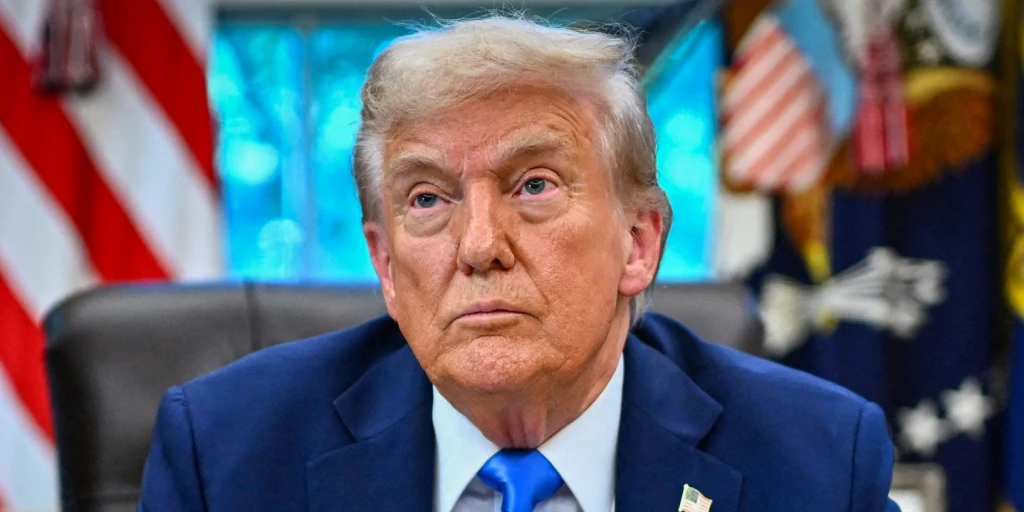
In a striking press event that has already drawn widespread criticism from the medical community, Donald Trump and Robert F. Kennedy Jr. claimed that the popular painkiller Tylenol (acetaminophen) may raise the risk of autism in children when taken during pregnancy. The remarks — delivered with both caution and controversy — have triggered heated responses from psychiatrists, federal health experts, and the drug’s manufacturer.
ALSO READ : Jake Paul and Tank Davis Press Conference Delivers Comedy Instead of Boxing Strategy
Trump’s sweeping claims reignite vaccine myths
Standing before cameras, President Trump repeated debunked myths linking autism to vaccines — particularly the measles, mumps, and rubella (MMR) shot. He suggested children should receive vaccines separately and over longer intervals, a claim long dismissed by scientists since the Andrew Wakefield paper that fueled the controversy was retracted in 2010.
Trump even questioned the Hepatitis B vaccine for newborns, arguing the virus is “sexually transmitted,” and unnecessary at birth. Doctors quickly pointed out that Hepatitis B can spread in multiple ways, including from mother to child, and carries lifelong health consequences if untreated.
His additional call to remove mercury and aluminum from vaccines contradicted repeated findings by the Centers for Disease Control and Prevention and other agencies, which confirm the compounds used in vaccines are safe at recommended levels.
Linking Tylenol to autism
The most headline-grabbing statement came when Trump and Kennedy urged pregnant women to avoid Tylenol unless absolutely necessary. “If you can tough it out, tough it out,” Trump said. Kennedy echoed the warning, acknowledging that there are few safe alternatives to acetaminophen but stressing the “lowest dose for the shortest time” should be the standard.
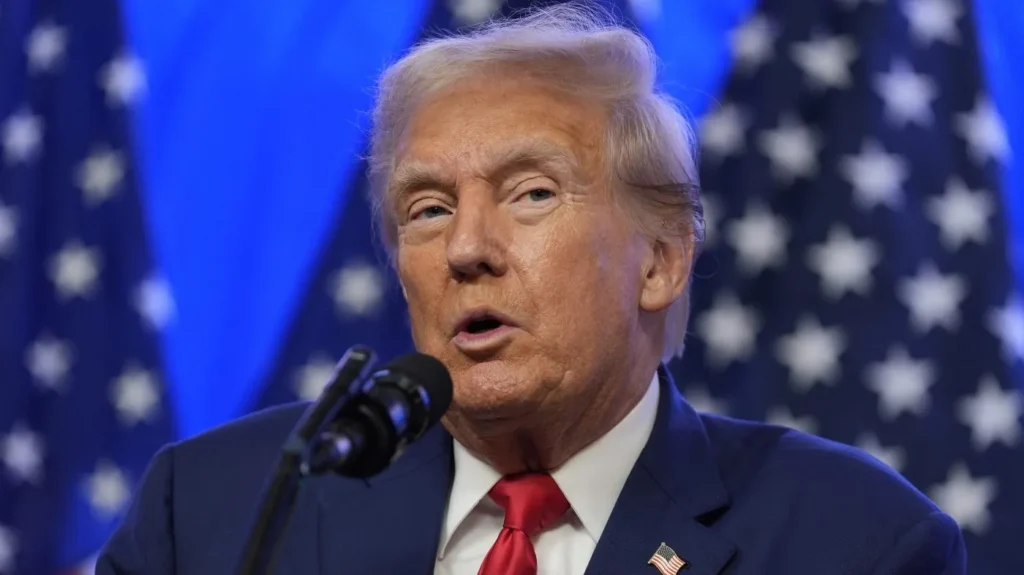
This advice stems from more than two dozen studies that suggest a possible link between acetaminophen use in pregnancy and higher rates of autism or ADHD. However, other studies have rejected the correlation, and no medical body has declared a proven causal relationship.
To reinforce the concern, Dr. Martin Makary of the Food and Drug Administration announced a new pregnancy warning label for acetaminophen.
Medicaid and a controversial treatment
Adding to the swirl of news, Dr. Mehmet Oz, head of the Centers for Medicare and Medicaid Services, revealed Medicaid will now cover the use of leucovorin, a folinic acid typically prescribed for chemotherapy and anemia, as a potential treatment for autism.
While a small study in India suggested benefits, autism researchers remain unconvinced. Alycia Halladay of the Autism Science Foundation said leucovorin “is not considered a treatment for autism” and called for more years of research before recommending it broadly.
Pushback from psychiatrists and Tylenol’s maker
Pharmaceutical company Kenvue, which makes Tylenol, issued a firm statement:
Independent, sound science clearly shows that taking acetaminophen does not cause autism. We strongly disagree with any suggestion otherwise and are deeply concerned about the risks of discouraging its use for pregnant women.
The American Psychiatric Association also weighed in:
Vaccines do not cause autism. Autism is a complex disorder with multiple genetic and environmental factors. Acetaminophen, when used as directed, is safe during pregnancy. Any treatment decisions should be made between a patient and their doctor.
Searching for the real causes of autism
Despite the controversies, one announcement drew broad support: new National Institutes of Health grants to study the root causes of autism. Kennedy criticized past efforts for focusing too heavily on genetics:
That would be like studying the genetic causes of lung cancer without looking at cigarettes,” he said.
The truth remains that autism’s causes are not singular. Genetics, prenatal environment, and other yet-unknown factors likely interact in complex ways. For now, scientists caution that fueling panic over Tylenol may do more harm than good, especially since alternatives like ibuprofen and aspirin are considered riskier during pregnancy.
Key takeaway
While Trump and Kennedy’s comments captured headlines, doctors stress there is no single scientifically confirmed cause of autism. The debate underscores how fragile the line can be between public health guidance and political messaging. For expecting mothers, the safest path forward remains consulting trusted physicians rather than political podiums.









Entertainment
Dylan Mulvaney Responds After Trump’s White House Dinner Remarks
Mulvaney’s response reflects a broader trend among public figures who use social media to directly address criticism and shape their own narratives instead of relying only on traditional media coverage.
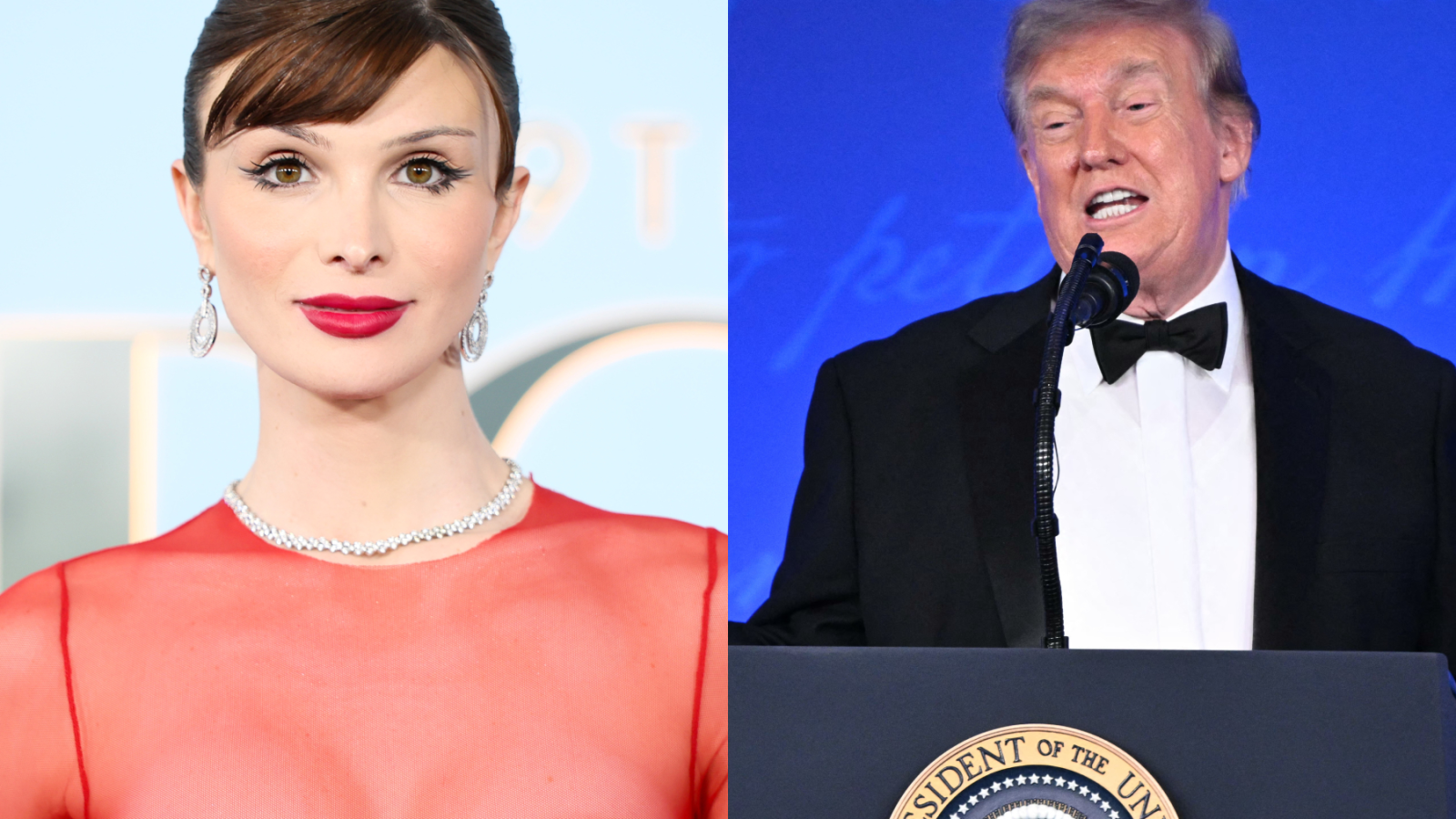
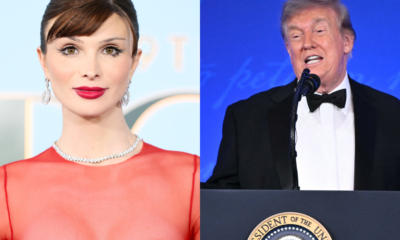
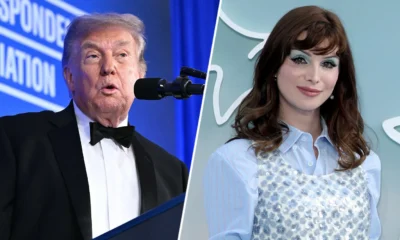
Dylan Mulvaney has responded after becoming the target of jokes made by Donald Trump during the White House Correspondents’ Dinner, turning a widely discussed moment into a message of resilience and empowerment.
The social media personality and transgender advocate addressed the comments in a video shared online, where she thanked the president for bringing attention to her work and influence.
“Thank you for reminding me that I am more powerful than I even knew,” Mulvaney said while reacting to the remarks.
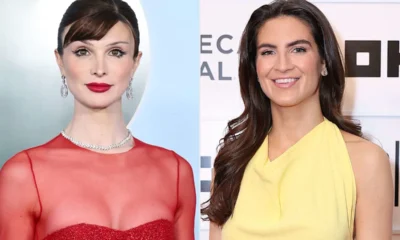
The comments came after Trump, the former and current U.S. president, made jokes during the annual media event, where political figures traditionally use humor to comment on public figures and current events. His remarks also included references to CNN journalist Kaitlan Collins, drawing attention across social media platforms.
ALSO READ : Sen. Elizabeth Warren Calls It a ‘Cesspool of Corruption’ — Here’s Why Senators Are Now Fighting Back Against the DOJ’s Live Nation Deal That Left Every Fan Betrayed…
Mulvaney, who has built a large following through her online presence and advocacy work, said the attention highlighted the importance of continuing conversations around identity, representation, and public discourse.
The controversy quickly spread online, with supporters praising Mulvaney’s response while critics debated the tone and impact of political humor at major public events.
Kaitlan Collins, a prominent journalist at CNN, has become one of the most recognized political reporters in Washington. Her coverage of major political events has frequently placed her at the center of national conversations.
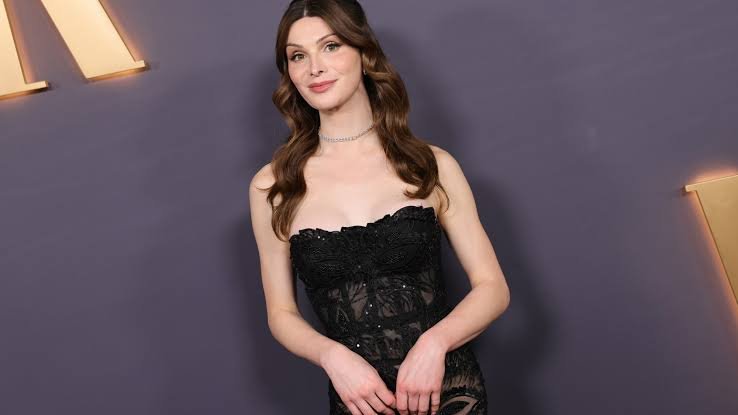
The White House Correspondents’ Dinner, an annual gathering of journalists, politicians, and public figures, has historically been known for a mix of political comedy and serious discussions about press freedom.
Mulvaney’s response reflects a broader trend among public figures who use social media to directly address criticism and shape their own narratives instead of relying only on traditional media coverage.
While the incident sparked debate, Mulvaney’s message focused on turning criticism into motivation, telling followers that public attention can also become an opportunity to continue important conversations.
The exchange has once again highlighted the growing role of online personalities in political and cultural discussions, where a single comment can quickly become a national talking point.
Entertainment
“You Reminded Me I’m More Powerful”: Dylan Mulvaney Hits Back After Trump’s White House Dinner Joke…
Dylan Mulvaney responds after Donald Trump’s remarks targeting her and CNN’s Kaitlan Collins at the White House Correspondents’ Dinner, saying the moment only strengthened her resolve.

Dylan Mulvaney has responded after becoming the target of jokes made by Donald Trump during the White House Correspondents’ Dinner, turning a widely discussed moment into a message of resilience and empowerment.
The social media personality and transgender advocate addressed the comments in a video shared online, where she thanked the president for bringing attention to her work and influence.
“Thank you for reminding me that I am more powerful than I even knew,” Mulvaney said while reacting to the remarks.
The comments came after Trump, the former and current U.S. president, made jokes during the annual media event, where political figures traditionally use humor to comment on public figures and current events. His remarks also included references to CNN journalist Kaitlan Collins, drawing attention across social media platforms.
ALSO READ : Sen. Elizabeth Warren Calls It a ‘Cesspool of Corruption’ — Here’s Why Senators Are Now Fighting Back Against the DOJ’s Live Nation Deal That Left Every Fan Betrayed…
Mulvaney, who has built a large following through her online presence and advocacy work, said the attention highlighted the importance of continuing conversations around identity, representation, and public discourse.
The controversy quickly spread online, with supporters praising Mulvaney’s response while critics debated the tone and impact of political humor at major public events.
Kaitlan Collins, a prominent journalist at CNN, has become one of the most recognized political reporters in Washington. Her coverage of major political events has frequently placed her at the center of national conversations.
The White House Correspondents’ Dinner, an annual gathering of journalists, politicians, and public figures, has historically been known for a mix of political comedy and serious discussions about press freedom.
Mulvaney’s response reflects a broader trend among public figures who use social media to directly address criticism and shape their own narratives instead of relying only on traditional media coverage.
While the incident sparked debate, Mulvaney’s message focused on turning criticism into motivation, telling followers that public attention can also become an opportunity to continue important conversations.
The exchange has once again highlighted the growing role of online personalities in political and cultural discussions, where a single comment can quickly become a national talking point.
Entertainment
Dylan Mulvaney Breaks Silence After Trump’s White House Dinner Comments
The social media personality responds to remarks made during a White House dinner, sparking fresh discussion online and across the public sphere.
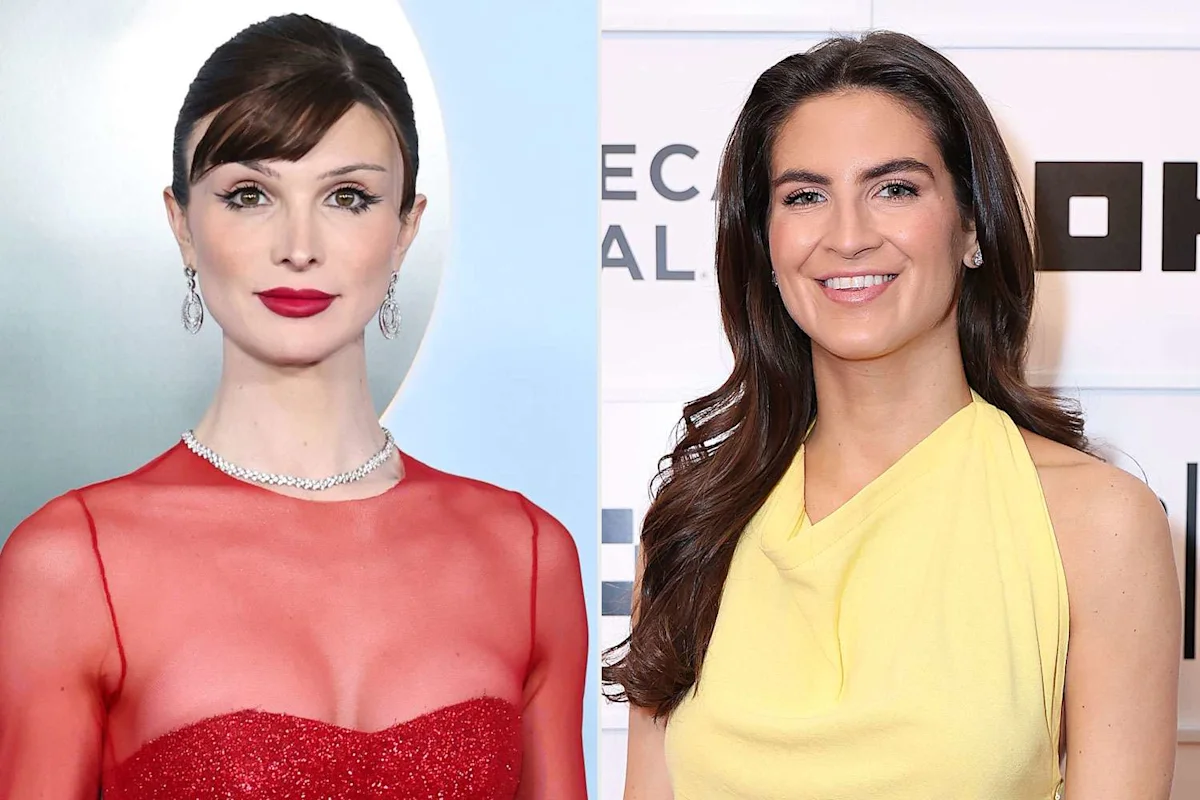
Dylan Mulvaney has responded after becoming the target of jokes made by Donald Trump during the White House Correspondents’ Dinner, turning a widely discussed moment into a message of resilience and empowerment.
The social media personality and transgender advocate addressed the comments in a video shared online, where she thanked the president for bringing attention to her work and influence.
“Thank you for reminding me that I am more powerful than I even knew,” Mulvaney said while reacting to the remarks.
The comments came after Trump, the former and current U.S. president, made jokes during the annual media event, where political figures traditionally use humor to comment on public figures and current events. His remarks also included references to CNN journalist Kaitlan Collins, drawing attention across social media platforms.
ALSO READ : Sen. Elizabeth Warren Calls It a ‘Cesspool of Corruption’ — Here’s Why Senators Are Now Fighting Back Against the DOJ’s Live Nation Deal That Left Every Fan Betrayed…
Mulvaney, who has built a large following through her online presence and advocacy work, said the attention highlighted the importance of continuing conversations around identity, representation, and public discourse.
The controversy quickly spread online, with supporters praising Mulvaney’s response while critics debated the tone and impact of political humor at major public events.
Kaitlan Collins, a prominent journalist at CNN, has become one of the most recognized political reporters in Washington. Her coverage of major political events has frequently placed her at the center of national conversations.
The White House Correspondents’ Dinner, an annual gathering of journalists, politicians, and public figures, has historically been known for a mix of political comedy and serious discussions about press freedom.
Mulvaney’s response reflects a broader trend among public figures who use social media to directly address criticism and shape their own narratives instead of relying only on traditional media coverage.
While the incident sparked debate, Mulvaney’s message focused on turning criticism into motivation, telling followers that public attention can also become an opportunity to continue important conversations.
The exchange has once again highlighted the growing role of online personalities in political and cultural discussions, where a single comment can quickly become a national talking point.

Jon Stewart Applauds Christopher Nolan’s ‘The Odyssey’ Following Early Screening

Hunter Doohan’s Horror Breakthrough: From Netflix’s ‘Wednesday’ to ‘Evil Dead Burn’ Stardom

‘Scrubs’ Season 2 Brings Major Cast Changes With Ava Bunn’s Promotion and Two Exits

Maitreyi Ramakrishnan Hints ‘Elle’ Season 2 Will Showcase a New Side of Her Acting

New ‘Onwards and Sideways’ Images Tease Laura Linney and Rhys Ifans’ Emotional TIFF Debut

1-Iran Issues Dire Warning to Israel and Defies Trump on Nukes: “We’re Ready to Strike Deep Inside”

Donald Trump’s net worth reveals the fortune behind the former US President and business mogul

Sen. Elizabeth Warren Calls It a ‘Cesspool of Corruption’ — Here’s Why Senators Are Now Fighting Back Against the DOJ’s Live Nation Deal That Left Every Fan Betrayed…

“She Never Made It Out…” Albany House Fire Claims Woman’s Life as Family Pleads for Help to Bring Her Home

“Tomás Rodríguez Net Worth 2025: Panama’s Gold Cup Goal‑Machine’s Surprising Fortune Revealed”

Miss Jamaica Suffers Terrifying Fall Off Miss Universe Stage; Rushed to Hospital on Stretcher in Viral Video

Moana Live-Action Teaser Sparks Outrage as Fans Call Disney’s Move a ‘Clear Money Grab’ — What Went Wrong?

Ryan Gosling’s Project Hail Mary Trailer Stuns Fans with a Mysterious Alien Ally and a Mission That Could Save Earth

Apple delays Jessica Chastain thriller The Savant about domestic extremism after recent US violence

Avatar 3, Fire and Ash trailer reveals Jake Sully’s family facing terrifying new Na’vi enemies with deadly fire powers
-
 Entertainment1 week ago
Apple TV+ Is One Tony Away From Entertainment History Could ‘Schmigadoon!’ Complete a Record-Breaking EGOT Journey?
-

 Automobile1 week ago
Ford Says Goodbye to Boring Cars? Custom Garage Lets Owners Turn Mustang, F-150, Maverick and Bronco Into Something Wild…
-

 Entertainment1 week ago
Paramount-Warner Bros. Merger Hits Major Roadblock… Studios Agree to Wait as Antitrust Battle Decides Hollywood’s Future
-

 Automobile7 days ago
BMW iX1, iX2 Get a Major Price Shock in UK: Electric SUVs Now Cost Less Than Petrol Models After £3,750 Grant
-
 Entertainment7 days ago
Emma Roberts Marries Cody John in Intimate Idaho Wedding: ‘Scream Queens’ Star Says I Do in Front of Julia Roberts and Close Family
-
 Entertainment1 week ago
Ron Howard’s Cannes Yacht Party Took an Unexpected Turn: ‘I’m Still Trying to Figure It Out’
-

 Entertainment1 week ago
Zegna Turned Malibu Pier Into a Luxury Fashion Oasis—And the Star-Studded Guest List Had Everyone Talking
-

 Entertainment1 week ago
Paramount–Warner Bros. Merger Remains on Hold as Legal Battle Delays Landmark Deal
Pingback: Autistic voices push back as Donald Trump and RFK Jr. spark outrage with “false cures” and pregnancy claims - Daily Global Diary - Authentic Global News