
Cryptocurrency / Finance
UAE shocks crypto world with new global tax deal set to change everything by 2028
United Arab Emirates signs onto the OECD Crypto-Asset Reporting Framework, joining 50 nations in a historic step toward transparency in crypto taxes and global compliance.


The United Arab Emirates (UAE) has just signed a groundbreaking deal that could reshape the future of digital assets and taxation worldwide. On Saturday, the country’s Ministry of Finance announced its commitment to the Multilateral Competent Authority Agreement on the Automatic Exchange of Information under the Crypto-Asset Reporting Framework (CARF), a system backed by the Organisation for Economic Co-operation and Development (OECD).
ALSO READ : Trump family linked American Bitcoin seals Nasdaq debut after merger with Gryphon shareholders say yes
This move means that by 2027, the UAE will roll out CARF across its financial infrastructure, with the first automatic exchange of crypto-related tax data scheduled for 2028.
What is CARF and why does it matter?
CARF creates a framework for participating countries to automatically share tax-related data about crypto-asset activities. This includes transactions on exchanges, custodial wallets, and other platforms that could otherwise be used to hide assets from regulators.
By signing the agreement, the UAE is aligning itself with a global push for transparency, ensuring that digital asset investors cannot evade taxes by moving money across borders.
UAE joins a powerful crypto tax alliance
With this agreement, the UAE joins more than 50 jurisdictions committed to adopting CARF. These include financial powerhouses such as Switzerland, Australia, New Zealand, and the Netherlands.

On June 6, Switzerland went a step further by approving legislation to share crypto-tax data with 74 countries, including nearly all G20 members. This sets a precedent for global collaboration that the UAE is now preparing to follow.
South Korea’s bold crackdown
The UAE is not alone in this journey. Earlier this month, South Korea finalized its CARF agreement and confirmed plans to share crypto-tax data. According to reports from Nate, the country’s National Tax Service will work with local crypto exchanges to ensure compliance.
South Korea has also taken a hardline stance against tax evasion. In Jeju City, authorities recently froze and seized digital assets belonging to individuals accused of dodging taxes—sending a clear message that crypto is no longer beyond the reach of regulators.
What does this mean for the UAE’s crypto industry?
The UAE has long been viewed as a crypto-friendly hub, attracting global investors and entrepreneurs. Platforms like Binance, led by Changpeng Zhao (CZ), have expanded operations in Dubai thanks to supportive policies.
But this new agreement shows that while the UAE welcomes innovation, it also wants to meet international standards. To prepare, the Ministry of Finance has launched a public consultation (open until November 8) to gather feedback from exchanges, custodians, and advisory firms.
Experts believe that compliance with CARF could boost investor confidence, making the UAE not just a crypto haven but also a responsible global financial player.
Global ripple effects
The signing of CARF is more than just a tax move. It represents a turning point in how countries treat crypto: not as a loophole, but as a regulated asset class. With major players like the UAE, Switzerland, and South Korea on board, smaller nations may soon follow suit.
As one analyst put it: “This is the end of the Wild West era for crypto taxes. Governments want their cut, and they’re finally getting organized.”
The countdown has begun. By 2028, investors in the UAE and beyond could find their crypto holdings reported automatically across borders—a dramatic shift in an industry once built on anonymity.


Cryptocurrency / Finance
Pakistan shocks crypto world by inviting global firms for licenses under strict new PVARA rules
“Pakistan’s new regulatory body PVARA opens its doors to crypto giants, but only firms licensed by top regulators like the SEC and FCA can qualify”
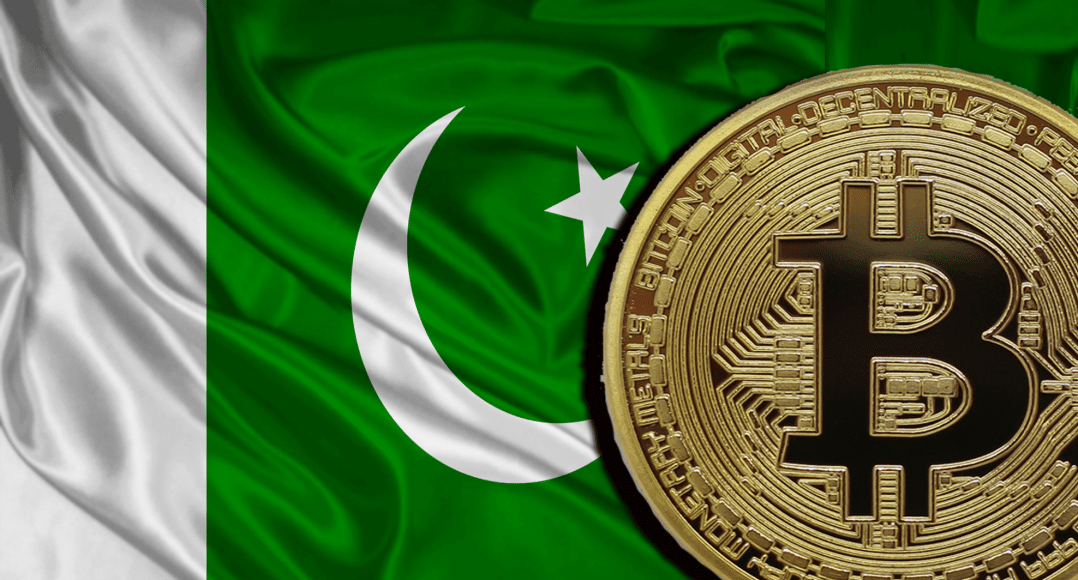
Pakistan has taken a bold step into the digital finance era, formally inviting international crypto companies to apply for licenses under its newly established Pakistan Virtual Asset Regulatory Authority (PVARA). The move signals the country’s clearest commitment yet to becoming a major hub for blockchain innovation.
ALSO READ : Trump family linked American Bitcoin seals Nasdaq debut after merger with Gryphon shareholders say yes
A call to global players
On Saturday, PVARA released an official notice encouraging leading crypto exchanges and virtual asset service providers (VASPs) to submit Expressions of Interest (EoIs) to operate in Pakistan.
“This EoI is our invitation to the world’s leading VASPs to partner in building a transparent and inclusive digital financial future for Pakistan,” said Bilal bin Saqib, Minister of State for Crypto and Blockchain, and chair of PVARA.
Eligibility criteria are stringent. Only companies already licensed by respected international regulators—including the U.S. Securities and Exchange Commission (SEC), the UK Financial Conduct Authority (FCA), the EU’s VASP framework, the UAE Virtual Assets Regulatory Authority, and the Monetary Authority of Singapore—will be considered.
Strict compliance and Shariah-linked opportunities
PVARA has set out a comprehensive submission process requiring applicants to detail their licenses, services, compliance records, technology infrastructure, and Pakistan-specific business models.

The authority emphasized that its framework is designed to prevent illicit finance while encouraging innovation in fintech, remittances, tokenization, and even Shariah-compliant financial products through regulatory sandboxes.
Set up under the Virtual Assets Ordinance 2025, PVARA will license and supervise VASPs in line with standards established by the Financial Action Task Force (FATF), International Monetary Fund (IMF), and the World Bank.
Crypto adoption surges in Pakistan
Pakistan’s move comes at a time when its population is embracing crypto faster than most countries. According to Chainalysis, Pakistan ranks third in the 2025 Global Crypto Adoption Index, making it one of the fastest-growing markets worldwide.
Earlier this year, the government announced the creation of a Bitcoin Strategic Reserve, unveiled at the Bitcoin 2025 conference in Las Vegas. Speaking at the event, Bilal bin Saqib described it as part of Pakistan’s “pro-crypto regulatory approach.”
Mining and energy concerns
Pakistan has also allocated 2,000 megawatts of surplus electricity to support Bitcoin mining and AI centers, a plan backed by the Pakistan Crypto Council and the Ministry of Finance.
However, the IMF raised concerns in July, rejecting Pakistan’s proposal to offer subsidized power to energy-intensive industries like crypto mining. The global lender argued that such subsidies could destabilize the country’s already fragile energy market.
What this means for investors
For crypto investors and businesses, Pakistan’s licensing framework represents both a challenge and an opportunity. While strict entry rules may deter smaller players, global heavyweights like Binance, Coinbase, and Kraken could see this as a chance to expand into a market of 240 million people eager for digital finance solutions.
If successful, Pakistan’s initiative may set a precedent for how emerging economies can regulate crypto while fostering innovation and protecting financial stability.
Cryptocurrency / Finance
Gemini gets Malta’s MiCA license after Nasdaq move Winklevoss twins call it a milestone
The crypto exchange Gemini, owned by Cameron Winklevoss
In a major breakthrough for its European ambitions, Gemini, the cryptocurrency exchange founded by billionaire twins Cameron Winklevoss and Tyler Winklevoss, has officially secured a Markets in Crypto-Assets Regulation (MiCA) license in Malta. The approval, granted by the Malta Financial Services Authority (MFSA), positions Gemini as one of the few exchanges fully compliant under Europe’s new crypto regime.
ALSO READ : Crypto giants secretly unite to launch Beacon Network that can freeze stolen funds in minutes
The announcement comes just a week after Gemini filed to list its Class A common stock on the Nasdaq Global Select Market under the ticker symbol GEMI. For the Winklevoss twins, this double milestone signals a bold strategy: grow in Europe while also deepening roots in the United States through traditional markets.
Receiving this approval marks a critical milestone in our regulated European expansion,” Gemini said in a statement. “It will allow us to expand secure and reliable crypto products for customers in over 30 European countries.
Why MiCA matters for Gemini
The European Union’s MiCA framework, hailed as the world’s first comprehensive crypto law, is designed to protect investors while giving legitimacy to digital assets. Gemini stressed that “clear regulation of the industry is the foundation of global crypto adoption,” applauding Europe for its leadership.
The company has long emphasized compliance as its competitive edge, often branding itself as a “trust-first” exchange in a sector frequently criticized for regulatory clashes. By securing Malta’s MiCA license, Gemini joins the likes of Bitpanda, Crypto.com, OKX and ZBX, all of whom have been granted similar approvals.
Building on earlier European wins
Gemini already holds a Markets in Financial Instruments Directive (MiFID II) license, secured in May, which allows it to offer derivatives across the EU. Expanding beyond standard crypto trading, Gemini recently launched tokenized stocks on the Arbitrum blockchain, enabling 24/7 trading of tokenized shares like Michael Saylor’s MicroStrategy (MSTR).
This offering directly competes with Kraken, which rolled out tokenized equities on Solana in June, and Robinhood, which also launched an Arbitrum-based platform for European customers.
Tokenized stocks, regulated under MiFID II, represent a growing financial trend where blockchain technology meets traditional equity markets, blurring the line between Wall Street and Web3.
Malta’s regulatory spotlight
According to MFSA records, Gemini is only the fifth crypto asset service provider to receive a MiCA license in Malta. Earlier this summer, the European Securities and Markets Authority (ESMA) flagged some shortcomings in Malta’s authorization process for an unnamed provider. However, MFSA clarified that none of the MiCA licenses already issued — including Gemini’s — were at risk, reaffirming its cooperation with EU authorities.
This endorsement provides a critical layer of stability for Gemini, which has faced regulatory hurdles in the U.S. amid increased scrutiny from agencies like the SEC.
What’s next for Gemini
Industry watchers suggest Gemini’s dual push — securing a MiCA license while filing for a Nasdaq listing — could make it a bridge between mainstream finance and the crypto economy. By holding licenses that allow derivatives, tokenized stocks, and broad retail offerings, the company is positioning itself as a long-term player in Europe’s rapidly evolving digital asset ecosystem.
For the Winklevoss twins, who first rose to prominence through their legal battle with Mark Zuckerberg over the origins of Facebook, this marks yet another chapter in their quest to build a financial empire around crypto.
As Gemini put it in its statement:
Today’s announcement cements our long-standing dedication to upholding the highest standards of regulatory compliance as we scale in the region.
With rivals expanding aggressively and European regulators setting the pace for global adoption, Gemini’s Malta license could be the key that unlocks its next decade of growth.

Trump Gives Iran 5 More Days — But Tehran Says There Were Never Any Talks to Begin With, as the World Braces for What Comes Next…

Colombian Military Plane With 110 Soldiers Crashes on Takeoff — As Another Airport Tragedy Strikes New York the Same Day…

Broadway Shake-Up: Samira Wiley Steps Away From ‘Proof’… Kara Young Steps In at the Last Moment

Broadway Surprise: Samira Wiley Drops Out of ‘Proof’… Kara Young Takes Center Stage

‘Dune 3’ Will Be a “Thriller”… Denis Villeneuve Drops a Big Hint as Zendaya & Robert Pattinson Join the Spotlight

1-Iran Issues Dire Warning to Israel and Defies Trump on Nukes: “We’re Ready to Strike Deep Inside”

Donald Trump’s net worth reveals the fortune behind the former US President and business mogul

“She Never Made It Out…” Albany House Fire Claims Woman’s Life as Family Pleads for Help to Bring Her Home

Caitlin Clark Sidelined with Quad Strain, Set to Miss Two Weeks of WNBA Action

“Tomás Rodríguez Net Worth 2025: Panama’s Gold Cup Goal‑Machine’s Surprising Fortune Revealed”

Miss Jamaica Suffers Terrifying Fall Off Miss Universe Stage; Rushed to Hospital on Stretcher in Viral Video

Moana Live-Action Teaser Sparks Outrage as Fans Call Disney’s Move a ‘Clear Money Grab’ — What Went Wrong?

Ryan Gosling’s Project Hail Mary Trailer Stuns Fans with a Mysterious Alien Ally and a Mission That Could Save Earth

Apple delays Jessica Chastain thriller The Savant about domestic extremism after recent US violence

Avatar 3, Fire and Ash trailer reveals Jake Sully’s family facing terrifying new Na’vi enemies with deadly fire powers
-

 Entertainment5 days ago
Cannes 2026 Hasn’t Announced a Single Film Yet — But the Whisper Network Is Already Pointing to These Names and It’s Exciting…
-

 Entertainment7 days ago
Oscars 2026 Red Carpet Shockers: Zendaya’s Late Arrival, Jessie Buckley’s Grace Kelly Tribute… and Chase Infiniti Owning the Night
-

 Entertainment6 days ago
Amy Poehler and Sterlin Harjo Are Getting One of Television’s Highest Honours — and the Reason Why Says Everything About Where Storytelling Is Headed…
-

 Politics1 week ago
“Trump Reveals ‘Early Stage Breast Cancer’ Diagnosis of Susie Wiles… But Says Her ‘Strength Says Everything’”
-

 Entertainment5 days ago
Almodóvar, Lars von Trier, Joel Coen and More — The Films That Could Own Cannes 2026 Are Already Generating Serious Buzz and the List Is…
-

 Entertainment1 week ago
The Oscars Are Already Being Called Before They Happen and Scott’s Final Feinberg Forecast Reveals a Shocking Front-Runner That Nobody Saw Coming…
-

 Entertainment5 days ago
Lollapalooza 2026 Just Dropped Its Most Surprising Lineup Yet — and the One Historic Thing Nobody Is Talking About Is the Real Story…
-

 Health1 week ago
“Kent Meningitis Tragedy: Second Student Dies as Outbreak Sparks Hospital Emergency…”
Pingback: Donald Trump’s crypto retirement order shakes Washington as lawmakers press SEC for urgent action - Daily Global Diary - Authentic Global News