
Automobile
Ferrari Unveils Its First Electric Car ‘Elettrica’ — But Pulls Back on Full EV Ambitions
The iconic Italian automaker says petrol and hybrid engines will still power most of its lineup through 2030, even as it reveals the groundbreaking Elettrica.

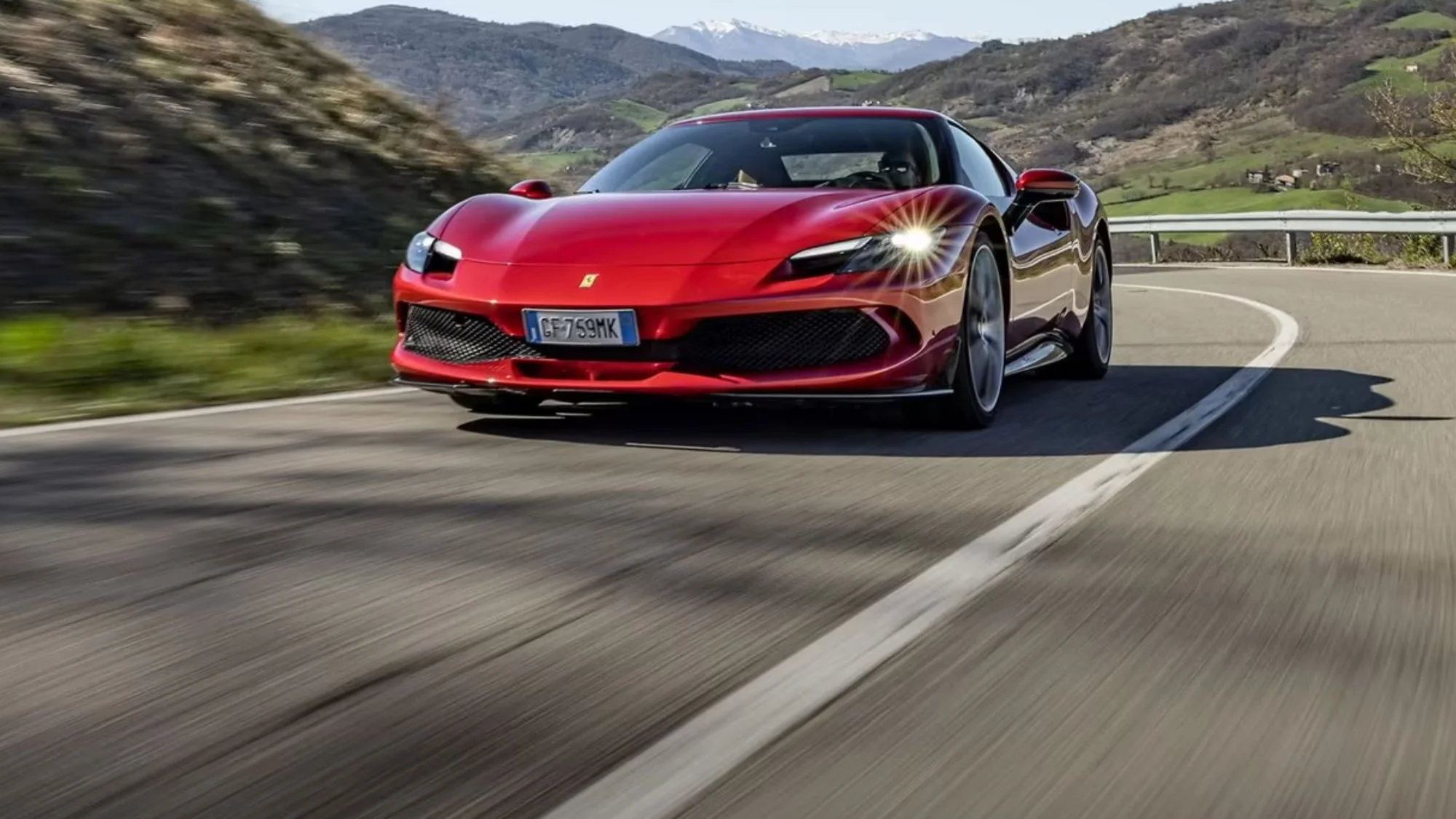
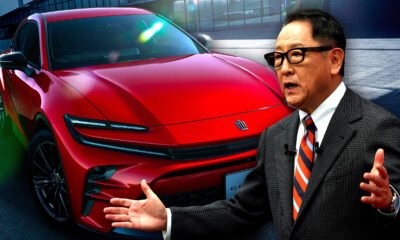
In a move that blends heritage with modern innovation, Ferrari has officially revealed the technology behind its first-ever electric car, named Elettrica, while subtly dialing down its aggressive plans for complete electrification.
During a presentation at its Maranello headquarters in northern Italy, the luxury carmaker showcased the Elettrica’s production-ready chassis — a bare frame housing the battery pack and electric motors, though without wheels or body panels. The stripped-down reveal offered enthusiasts and investors a glimpse into Ferrari’s engineering prowess while signaling the brand’s measured approach to entering the EV era.
However, Ferrari also confirmed it’s revising its 2030 electrification targets. The new plan envisions a lineup made up of 40% internal combustion engine (ICE) models, 40% hybrids, and only 20% fully electric cars. This marks a notable shift from its 2022 roadmap, which had projected the opposite — 40% EVs and 20% ICE models by 2030.
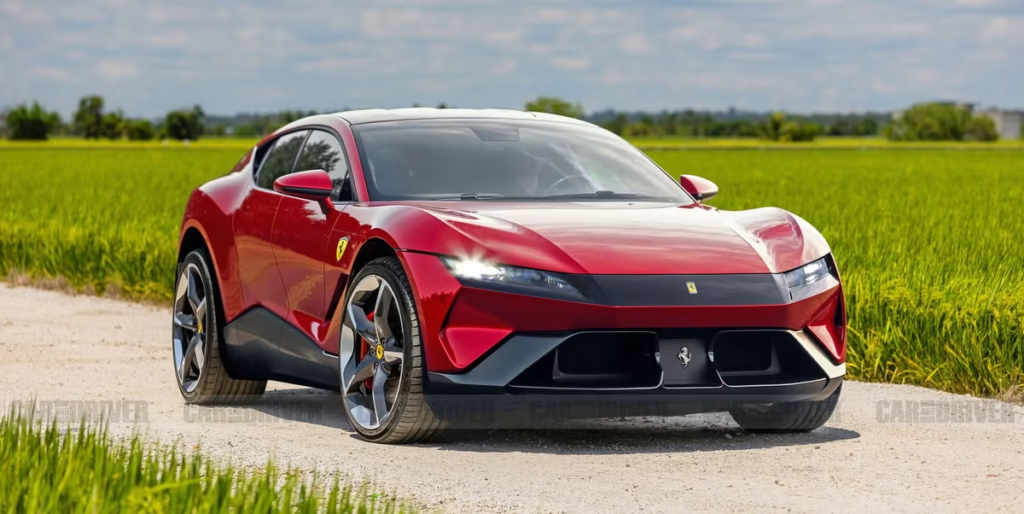
Speaking at the event, John Elkann, Chairman of Ferrari, said:
“With the new Ferrari Elettrica, we once again affirm our will to progress by uniting the discipline of technology, the creativity of design, and the craft of manufacturing.”
The Elettrica, which will officially go on sale next year, is being developed entirely in-house. All its key electric components — including high-voltage battery packs, e-axles, and inverters — are being designed and manufactured within Ferrari’s state-of-the-art “E-Building” facility in Maranello.
Despite this technological milestone, Ferrari isn’t rushing into the electric future. Sources familiar with the company told Reuters that Ferrari doesn’t plan to release a second EV until after 2028, citing the slow demand for ultra-high-performance electric luxury cars.
Meanwhile, Ferrari remains focused on what it does best — precision engineering and customer exclusivity. Between 2026 and 2030, the automaker plans to launch an average of four new models each year, continuing the product cadence that keeps its elite clientele constantly engaged.
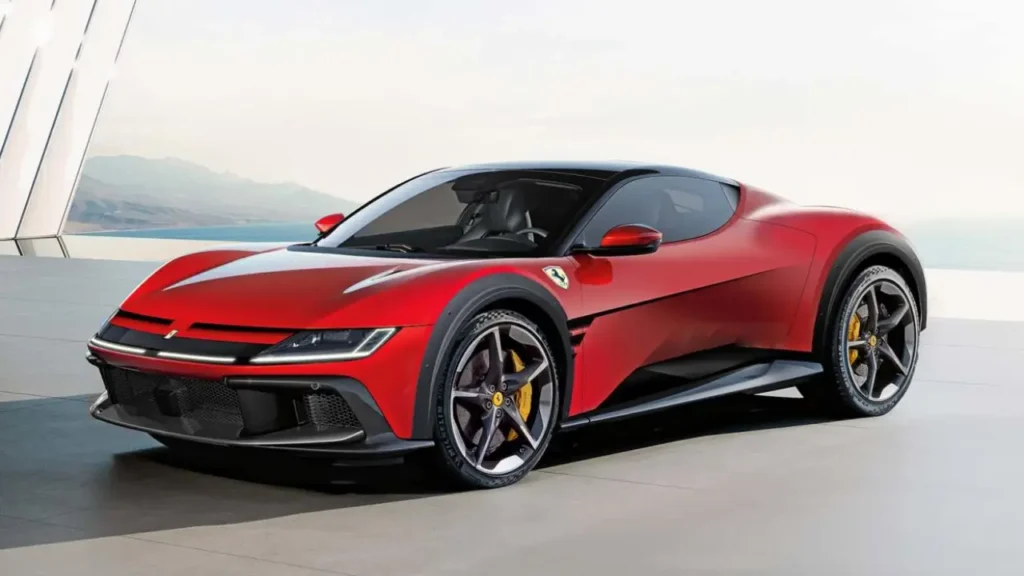
Beyond cars, Ferrari is expanding its lifestyle and luxury ecosystem. The brand’s active client base has grown nearly 20% since 2022, now reaching around 90,000 owners globally. To enhance customer experience, Ferrari will open new Tailor Made Centers in Tokyo and Los Angeles by 2027 — allowing clients to personalize their supercars to an unparalleled level.
In addition, Ferrari is doubling down on its luxury lifestyle presence with new flagship stores in London and New York set to open in 2026. The company is also planning to expand its portfolio of premium merchandise, fashion lines, and experiential events to connect with fans beyond the track.
As the global auto industry accelerates toward electric mobility, Ferrari’s approach stands out — a slow but deliberate drive into the future without abandoning the emotional power of its roaring combustion engines. For Ferrari enthusiasts, that may be the perfect balance between innovation and tradition.
For more Update http://www.dailyglobaldiary.com




Automobile
Toyota BZ7 Shock Launch: 3000 Orders in 60 Minutes as Roof LiDAR EV Takes on Zeekr in China
Toyota’s new electric sedan BZ7 is making a powerful entry into China’s EV market with rapid bookings, advanced LiDAR tech, and growing investor attention on its challenge to premium rivals like Zeekr.

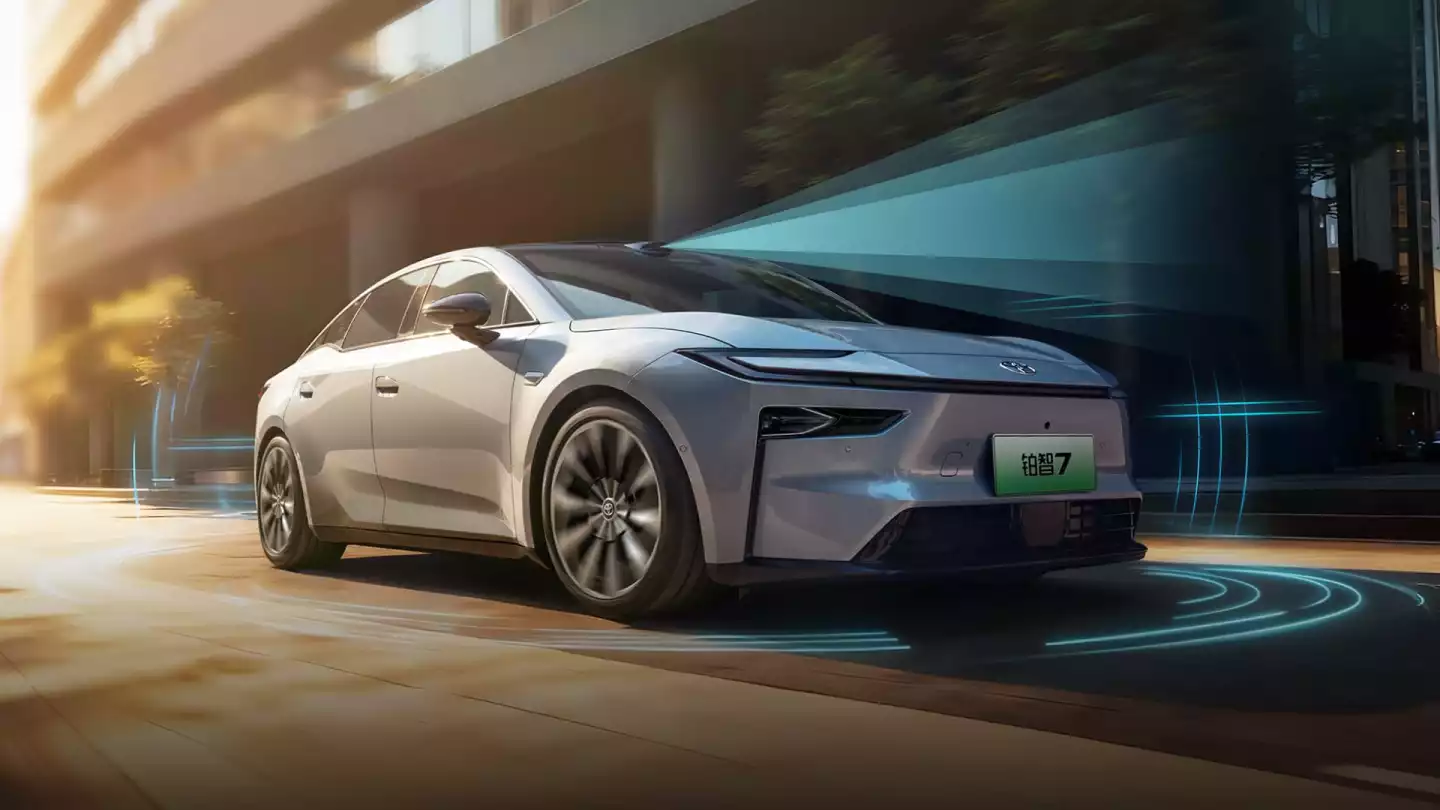
Toyota’s latest electric sedan, the Toyota BZ7, has made a striking debut in China’s fast-moving EV market, securing more than 3,000 orders within just one hour of launch. The surge has instantly put the model in the spotlight, especially as it directly competes with rising premium EV brands like Zeekr.
The early demand reflects a clear shift in consumer interest—where traditional automakers are no longer seen as slow movers in electric mobility, but as serious contenders bringing scale, reliability, and advanced technology into the segment.
Strong start for Toyota in China’s EV race
The rapid booking momentum for the BZ7 signals growing confidence in Toyota as it expands its electric vehicle strategy in one of the world’s most competitive auto markets.
Analysts suggest that if this pace continues, Toyota could potentially scale annual sales in China significantly by 2026, strengthening its position in the global EV transition.
Unlike earlier perceptions of legacy automakers lagging behind EV startups, the BZ7 launch suggests a more aggressive and technology-driven approach from Toyota.
Roof LiDAR becomes the headline feature
One of the most talked-about innovations in the BZ7 is its roof-mounted LiDAR system, designed to improve real-time object detection and enhance advanced driver-assistance capabilities.
This technology is especially important in dense urban environments, where traffic complexity demands faster and more accurate decision-making systems.
Along with LiDAR, the vehicle is expected to feature:
- AI-powered driving assistance systems
- Smart connected cockpit interface
- Fast charging capability (up to 80% in under 30 minutes)
- Estimated 600 km driving range per charge
These features position the BZ7 as a direct competitor in China’s high-tech EV segment.
Why demand is rising so quickly
Industry observers point to three major reasons behind the sudden spike in demand:
First is brand trust. Toyota has decades of global manufacturing experience, which continues to attract buyers looking for reliability in a rapidly evolving EV market.
Second is technology adaptation. The BZ7 integrates AI-driven systems and smart mobility features that match local consumer expectations in China’s digital-first auto ecosystem.
Third is competitive pricing strategy, which positions the vehicle between mainstream and premium EV segments, making it attractive for urban buyers seeking value and technology together.
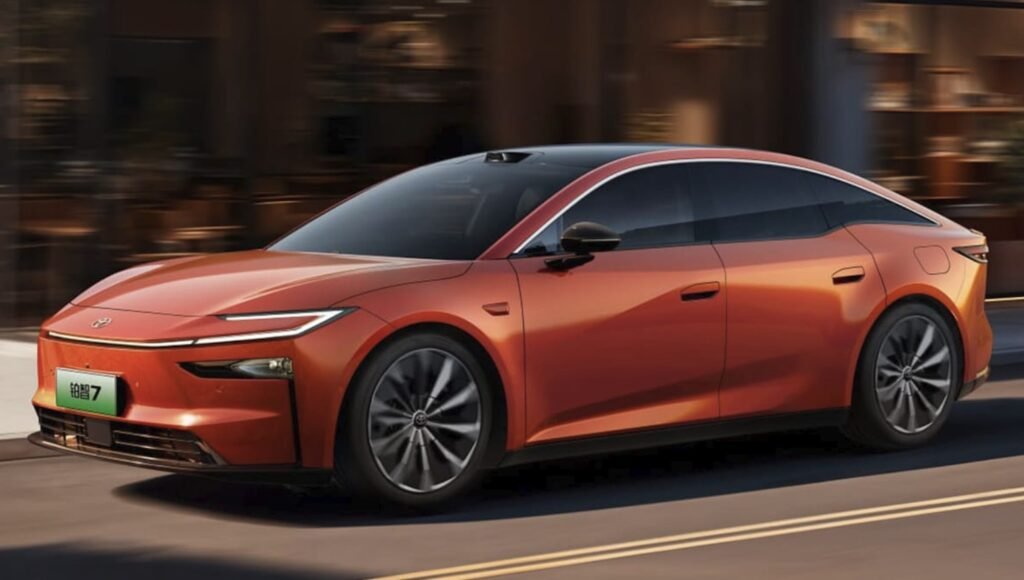
Competing directly with Zeekr and other EV leaders
The arrival of the BZ7 puts Toyota in direct competition with Zeekr, a fast-growing premium EV brand known for its performance-focused electric cars.
While Zeekr has built its reputation around luxury design and driving dynamics, Toyota is positioning the BZ7 around safety, durability, and scalable global manufacturing strength.
Key competitive differences include:
- Zeekr: Performance-driven, premium design focus
- Toyota BZ7: Safety-first, reliability-focused EV with advanced driver assistance
Analysts also highlight Toyota’s global supply chain advantage, which could help it scale production faster than newer EV startups relying primarily on domestic ecosystems.
Market and investor attention grows
The strong launch has also attracted attention from investors tracking the global EV transition. The combination of AI integration, LiDAR technology, and strong early demand is being seen as a sign that legacy automakers can still compete in the smart mobility era.
China remains the world’s largest EV market, and even a small increase in Toyota’s market share could translate into substantial revenue growth over time.
What this launch really signals
The Toyota BZ7 launch is more than just a new model release—it represents a broader strategic shift. Legacy automakers are no longer relying solely on hybrid success or brand loyalty; they are actively building EV ecosystems that can compete with startups on innovation and scale.
With strong early bookings, advanced driver technology, and a competitive pricing model, the BZ7 could become a key player in reshaping how global automakers compete in China’s EV landscape.
Automobile
“Open the Strait or Face Hell”: Donald Trump Issues Explosive Ultimatum to Iran… Why the World Is Watching Closely
Rising oil prices, global shipping fears, and a narrow waterway—why the Strait of Hormuz has become the center of a high-stakes geopolitical storm
The world’s attention has once again shifted to a narrow stretch of water in the Middle East—but this time, the stakes feel higher than ever.
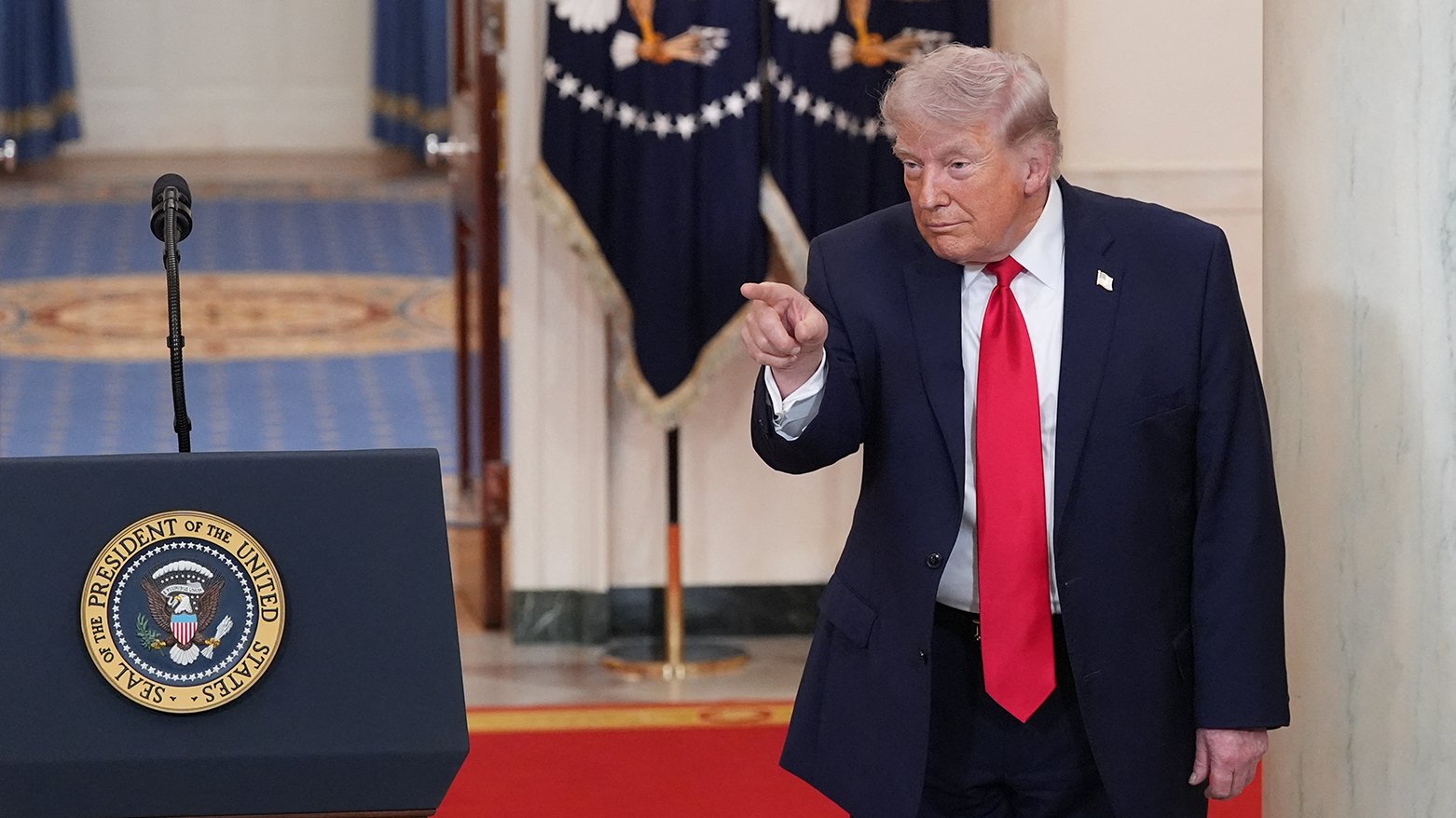
In a dramatic escalation, Donald Trump has issued a blunt and controversial ultimatum to Iran, demanding that it allow unrestricted passage through the Strait of Hormuz or face potential military strikes on key infrastructure.
His warning, delivered through a fiery social media post, has sent shockwaves through global markets—and raised a pressing question: Why does this narrow waterway matter so much to the entire world?
A Tiny Passage With Massive Power
At its narrowest point, the Strait of Hormuz is just about 21 miles wide. But don’t let its size fool you—this is arguably the most important oil transit chokepoint on the planet.
Every single day, nearly 20 million barrels of oil pass through this corridor, connecting the Persian Gulf to the Gulf of Oman. That’s roughly one-fifth of the world’s total oil supply.
In addition to crude oil, the region also handles a significant share of global liquefied natural gas (LNG) and refined fuels like jet fuel. In simple terms:
If the Strait slows down, the world feels it almost instantly.
Trump’s Warning and Rising Tensions
Trump’s ultimatum—reportedly giving Iran a deadline to reopen unrestricted access—has intensified fears of a broader conflict in the region.
His message, laced with urgency and aggression, hinted at possible strikes targeting Iran’s infrastructure if demands are not met. A press conference with military officials has also been announced, signaling that this may not be mere rhetoric.
While diplomatic channels remain active, the tone of the warning suggests a scenario where geopolitics could quickly spill into real-world disruption.
Fuel Prices Already Feeling the Heat
Even before any concrete action, global energy markets have begun reacting.
Fuel prices have surged sharply across regions:
- Gasoline prices in the U.S. have climbed above $4 per gallon in several states
- Diesel has crossed $5, with some cities seeing record highs
- Jet fuel prices have more than doubled within weeks
This isn’t just about numbers—it’s about everyday impact. Rising diesel costs directly affect freight, public transport, and food prices, while higher jet fuel costs could soon mean expensive flights and possible cancellations.
In cities like San Francisco, diesel prices have reportedly crossed historic levels, highlighting how quickly a regional tension can ripple across continents.
Why Airlines and Supply Chains Are Nervous
Airlines are among the first to feel the pressure when fuel costs spike. With jet fuel being one of their largest expenses, even a slight disruption in supply can trigger major operational challenges.
Industry experts warn that fuel inventories could run dangerously low within weeks if tensions escalate further. That could lead to:
- Higher ticket prices
- Reduced flight frequencies
- Even temporary route suspensions
Global supply chains, already strained in recent years, could face another wave of uncertainty.
A Strategic Chessboard in the Middle East
The Strait of Hormuz isn’t just about oil—it’s about power, control, and influence.
Bordered by Oman, the United Arab Emirates, and Iran, the waterway has long been a geopolitical flashpoint.
Any disruption here doesn’t just affect regional players—it pulls in global powers, energy markets, and international security frameworks.
That’s why even the hint of a blockade or restriction can send shockwaves through stock markets, currencies, and commodities worldwide.
What Happens Next?
As the deadline set by Trump approaches, the world is watching closely.
Will diplomacy prevail?
Or are we on the brink of another major geopolitical escalation?
For now, one thing is clear:
The fate of a 21-mile-wide waterway could determine the economic stability of nations thousands of miles away.
For More Update- DAILY GLOBAL DIARY
Automobile
“Can This Old-School Beast Outsmart Rivian R2?” Toyota 4Runner Throws a Bold Challenge to the Electric Future
As Rivian bets big on the futuristic R2, the rugged Toyota 4Runner quietly proves why experience still matters
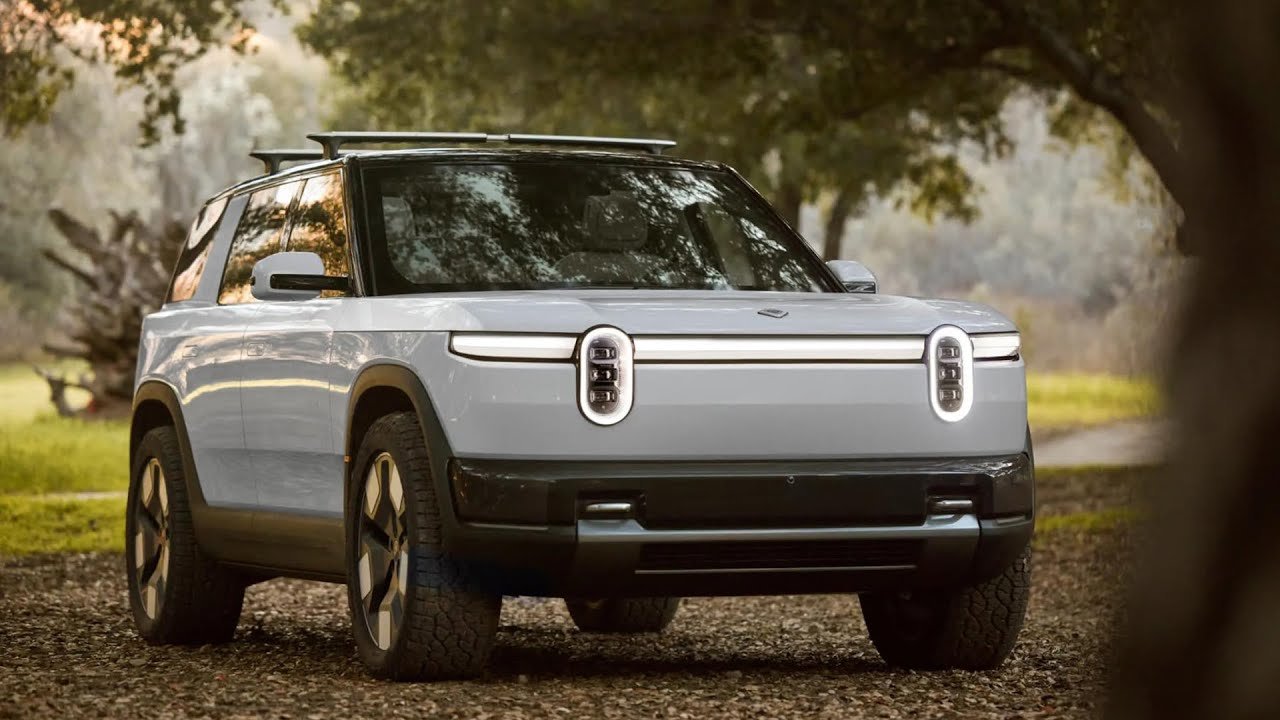
The SUV market has never been more competitive. From electric innovation to rugged off-road dominance, automakers are pushing boundaries like never before. But amid all the buzz around new-age EVs, one question continues to linger—can old-school reliability still outshine futuristic ambition?
That question comes alive in the face-off between the all-new Rivian R2 and the battle-tested Toyota 4Runner.
A Tale of Two Philosophies
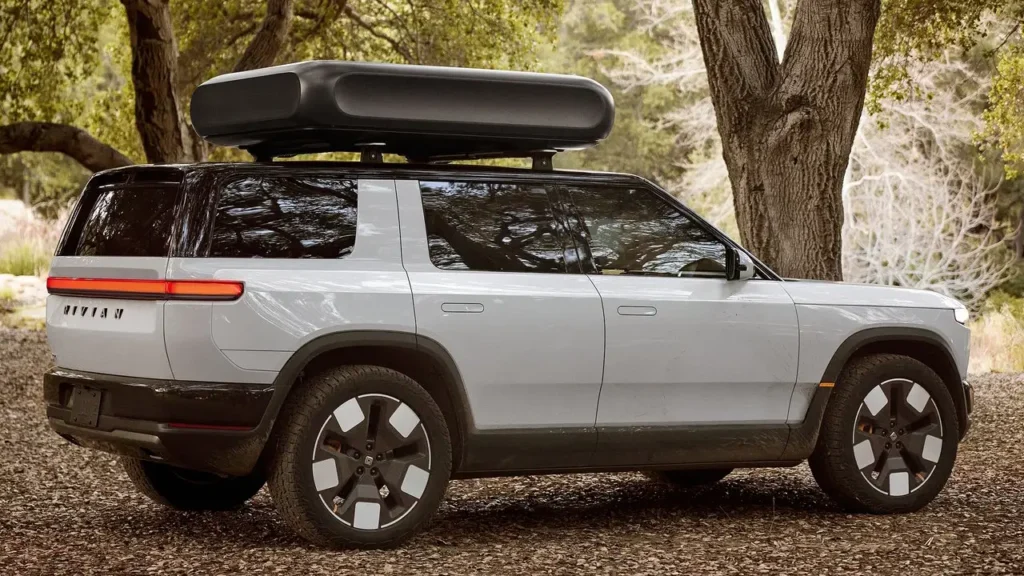
On one side, you have Rivian—a brand that represents the future of mobility. Its R2 model carries a clean, modern design, signature vertical headlights, and a minimalist interior that screams innovation.
On the other, there’s Toyota’s 4Runner—a name that has built its reputation over decades. It’s not flashy, but it’s dependable. It doesn’t chase trends; it defines durability.
This isn’t just a comparison of two SUVs—it’s a clash of eras.
Powertrain: Electric Speed vs Proven Muscle
The Rivian R2 comes with multiple electric configurations, producing between 350 hp to a staggering 656 hp. Its top variant accelerates from 0–60 mph in just 3.6 seconds, putting it in the league of performance EVs like the Tesla Model Y.
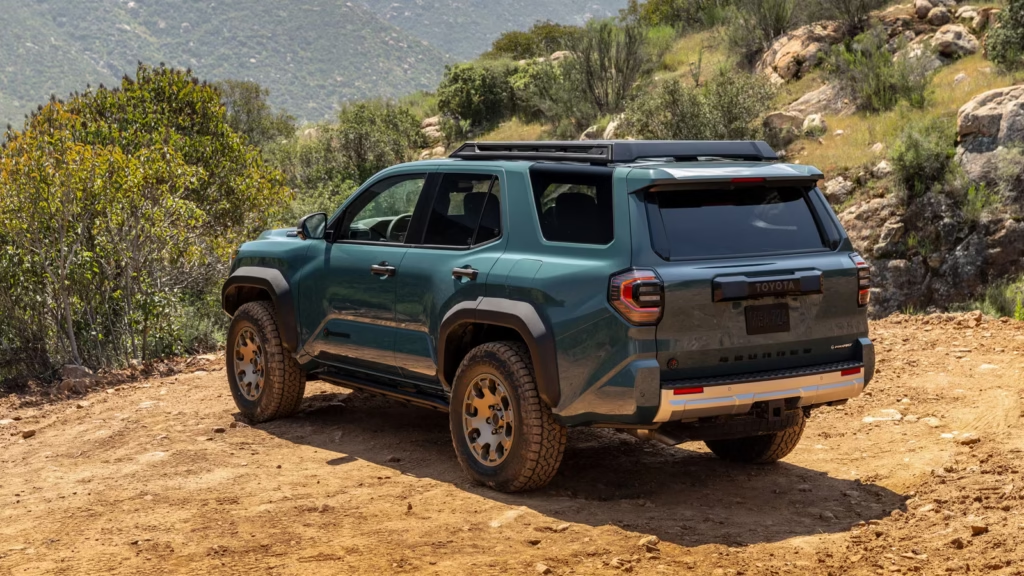
In contrast, the Toyota 4Runner sticks to its roots with a 2.4-liter turbocharged engine and an optional hybrid setup. While it may not match the R2 in outright speed, it brings something equally valuable—consistency and off-road strength.
For those who want instant torque and silence, the R2 feels like the future. But for those who trust mechanical grit, the 4Runner still holds its ground.
Off-Roading: Where the 4Runner Strikes Back
Here’s where the story takes a turn.
While the Rivian R2 is designed more for urban and suburban driving, the 4Runner is built for the wild. With features like Crawl Control, all-terrain tires, and specialized trims like Trailhunter, it thrives where roads disappear.
Simply put, the R2 is comfortable in the city—but the 4Runner feels at home in the wilderness.
Tech & Interior: Minimalism vs Practicality
Inside the cabin, the Rivian R2 offers a futuristic experience—large touchscreen controls, AI-powered voice assistant, and innovative Haptic Halo wheels.
However, the absence of Apple CarPlay and Android Auto might be a dealbreaker for some users.
The Toyota 4Runner, meanwhile, plays it safe but smart. It offers familiar tech, physical controls, and even a 7-seat configuration—making it a practical choice for families.
Sometimes, simplicity wins where complexity overwhelms.
Range, Efficiency & Everyday Use
The Rivian R2 is expected to deliver around 300+ miles of range and supports fast charging, even integrating with Tesla’s Supercharger network.
The 4Runner, though less efficient, offers reliability without the need to plan charging stops—something that still matters for long-distance travelers.
Price & Value: New vs Proven
The Rivian R2 starts at around $48,000, positioning itself as a premium electric crossover.
The Toyota 4Runner starts lower but stretches into higher trims, offering flexibility depending on your needs.
But here’s the real difference:
The R2 is promising.
The 4Runner is proven.
Final Verdict: Future vs Trust
The Rivian R2 is undoubtedly exciting. It’s fast, stylish, and built for the next generation of drivers.
But the Toyota 4Runner brings something equally powerful—trust built over time.
For city dwellers and tech enthusiasts, the R2 might feel like the perfect fit. But for adventurers and those who value reliability above all, the 4Runner still refuses to fade into the background.
In a world rushing toward the future, this old-school off-roader is quietly reminding everyone—experience still counts.
For More Update- DAILY GLOBAL DIARY

Key Prosecutor Removed from John Brennan Probe… Doubts Over Case Strength Raise Big Questions

Sue Bird and Megan Rapinoe Break Up After 10 Years… Power Couple Ends Relationship but Leaves Fans With One Last Surprise

Natalie Portman Confirms Pregnancy with French Musician Boyfriend… Who Is Tanguy Destable aka ‘Tepr’?

Cher Moves to Control Son Elijah Allman’s Finances Again… ‘His Life Is Spiraling,’ Court Filing Claims

“Angels Icon Garret Anderson Dies at 53… The Silent Hero Behind 2002 World Series Glory Gone Too Soon”

1-Iran Issues Dire Warning to Israel and Defies Trump on Nukes: “We’re Ready to Strike Deep Inside”

Donald Trump’s net worth reveals the fortune behind the former US President and business mogul

“She Never Made It Out…” Albany House Fire Claims Woman’s Life as Family Pleads for Help to Bring Her Home

“Tomás Rodríguez Net Worth 2025: Panama’s Gold Cup Goal‑Machine’s Surprising Fortune Revealed”

Caitlin Clark Sidelined with Quad Strain, Set to Miss Two Weeks of WNBA Action

Miss Jamaica Suffers Terrifying Fall Off Miss Universe Stage; Rushed to Hospital on Stretcher in Viral Video

Moana Live-Action Teaser Sparks Outrage as Fans Call Disney’s Move a ‘Clear Money Grab’ — What Went Wrong?

Ryan Gosling’s Project Hail Mary Trailer Stuns Fans with a Mysterious Alien Ally and a Mission That Could Save Earth

Apple delays Jessica Chastain thriller The Savant about domestic extremism after recent US violence

Avatar 3, Fire and Ash trailer reveals Jake Sully’s family facing terrifying new Na’vi enemies with deadly fire powers
-

 Entertainment1 week ago
Nick Cannon Just Called the Democratic Party ‘the Party of the KKK’ on Camera and What He Said About Trump Next Made It Even More Controversial…
-

 Entertainment5 days ago
Dark Winds Season 4 Finale Just Solved the Big Case Then Dropped a Murder Bombshell in the Final Seconds That No One Saw Coming…
-

 Entertainment1 week ago
Noah Wyle Breaks Silence on The Pitt ICE Episode Edits… What HBO Changed and Why It Matters
-

 Entertainment5 days ago
Dan Levy Breaks Down in Tears Revealing He Was ‘Thinking About’ a Schitt’s Creek Sequel Until Catherine O’Hara’s Death Changed Everything…
-

 Entertainment1 week ago
The Oscar Ballot Nobody Was Meant to See Has Leaked And One Voter’s Confession About ‘Sentimental Value’ Is Turning Heads…
-

 Entertainment1 week ago
Hollywood Just Revealed Where the World Is Vacationing Next and the List Will Shock You…
-

 Entertainment1 week ago
Kanye West Literally Fell Asleep in Court While Testifying — And His Only Answer to Questions Was…
-

 Entertainment1 week ago
‘Project Hail Mary’ Author Andy Weir Says Paramount Rejected His ‘Star Trek’ Pitch — Then He Said Their ‘Shows Are Sh’…**