
Breaking New
Former US Vice President Dick Cheney Dies at 84, Leaving Behind a Legacy of Power and Controversy
Cheney served under George W. Bush, becoming one of the most influential and divisive figures in modern American politics.

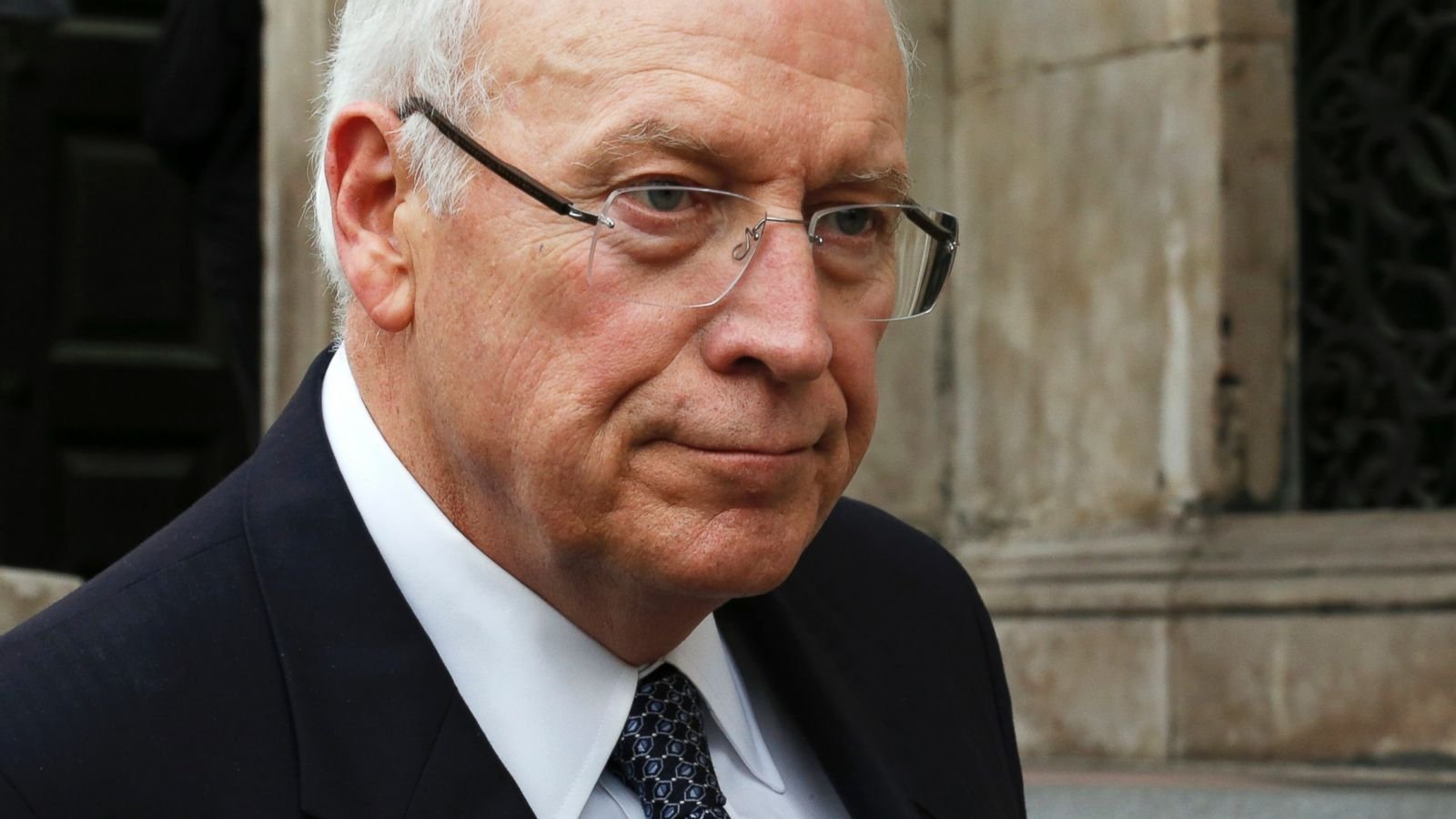
Dick Cheney, the 46th Vice President of the United States, has passed away at the age of 84. Cheney, who served under President George W. Bush from 2001 to 2009, died on Monday night due to complications from pneumonia, along with cardiac and vascular disease, according to a statement from his family. His death marks the end of a long, highly impactful, and often controversial career in American politics.
A Legacy of Power and Influence
Cheney’s political journey spanned several decades, making him one of the most powerful and polarizing figures in U.S. history. Before becoming Vice President, he held various significant positions, including White House Chief of Staff, Wyoming Congressman, and Secretary of Defense under President George H.W. Bush.
As Secretary of Defense, Cheney played a crucial role during the Persian Gulf War, shaping American military strategy. His most significant political legacy, however, came as Vice President during his tenure with President George W. Bush, where he was widely regarded as the most powerful Vice President in modern history. His influence over military, foreign policy, and national security decisions was unparalleled, particularly during the Iraq War, a conflict that remains central to his legacy.
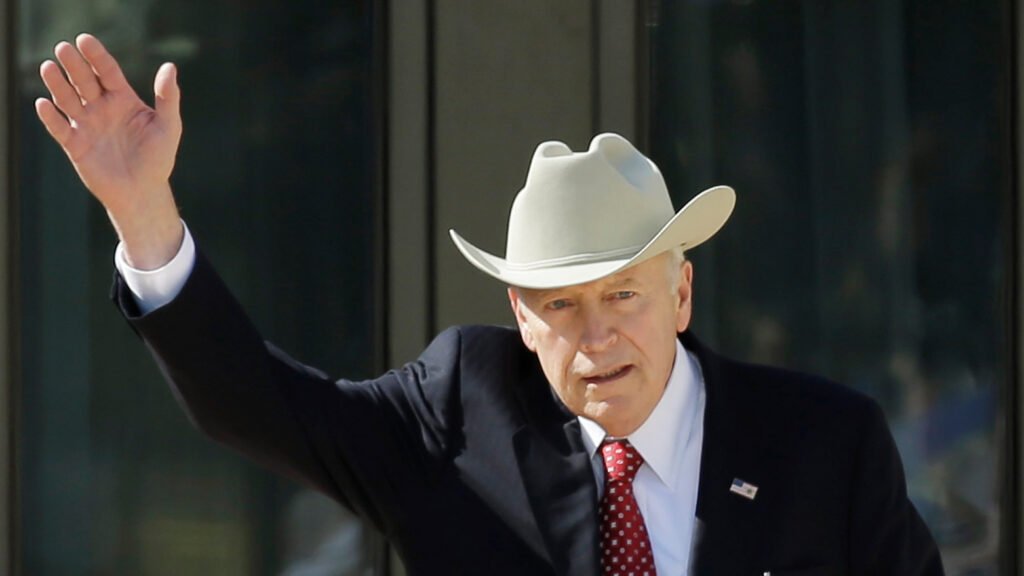
Cheney’s Later Years and Political Criticism
While Cheney retired from public office in 2009, his influence didn’t wane, and he remained a critical voice in American politics. He became an outspoken critic of Donald Trump in the years following his retirement, particularly after Trump’s 2020 election defeat and his controversial actions surrounding the January 6th Capitol riot. Cheney’s daughter, Liz Cheney, became a prominent figure in the Republican opposition to Trump, which further elevated the elder Cheney’s criticisms.
In one of his most memorable comments, Cheney labeled Trump as the “greatest threat to our republic,” accusing him of attempting to subvert the will of the American people using lies and violence. Cheney’s strong stance against Trump surprised many, as he had long been seen as a stalwart of the Republican establishment.
A Family Statement of Love and Gratitude
In a heartfelt tribute, Cheney’s family described him as a man who “taught his children and grandchildren to love our country and live lives of courage, honor, love, kindness, and fly fishing.” The family emphasized his commitment to public service and the values he instilled in those closest to him. They expressed their deep gratitude for his life and legacy, calling him a “noble giant of a man.”
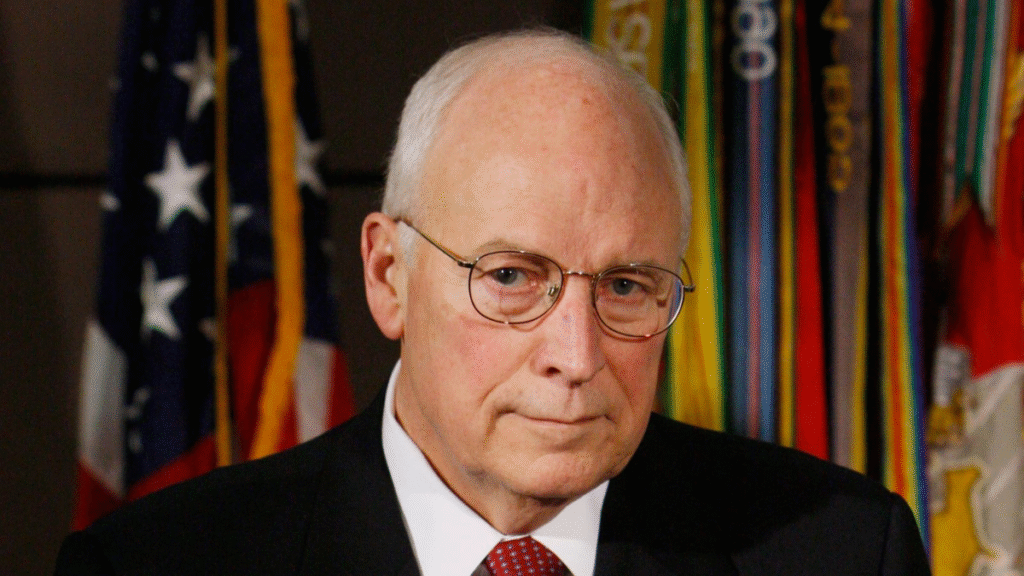
A Controversial Figure in Modern American Politics
Cheney’s tenure as Vice President and his role in the Bush administration made him a controversial figure in American politics, especially due to his involvement in the Iraq War, his advocacy for the use of enhanced interrogation techniques (widely regarded as torture), and his influence over military actions post-9/11. His policies have been widely debated, with some hailing him as a strong leader in times of crisis, while others criticize him for the decisions that led to a prolonged and costly war in Iraq.
His death marks the end of an era for the Republican Party, and while his legacy is undoubtedly complex, it is impossible to ignore the significant role he played in shaping the U.S. political landscape over the past few decades.







Breaking New
Why X’s New Location Feature Has Sparked a Major Political Storm in India
BJP targets Congress after Elon Musk’s platform reveals several political accounts operating from abroad, raising questions about digital influence and misinformation

A new transparency update on X, the social media platform owned by Elon Musk, has triggered a major political controversy in India. The feature, which publicly displays the location of user accounts, has exposed that several politically active handles—especially those critical of the Indian government—are operating from outside the country.
The situation escalated when multiple accounts believed to represent Congress supporters were shown as being based in countries such as Pakistan, Bangladesh, Ireland and the United States. For instance, the official account of Congress spokesperson Pawan Khera appeared as “based in the United States”, while the Maharashtra Congress handle showed “based in Ireland”, according to an India Today review. Several anti-government voices displayed their origin as “South Asia” without specifying a country.
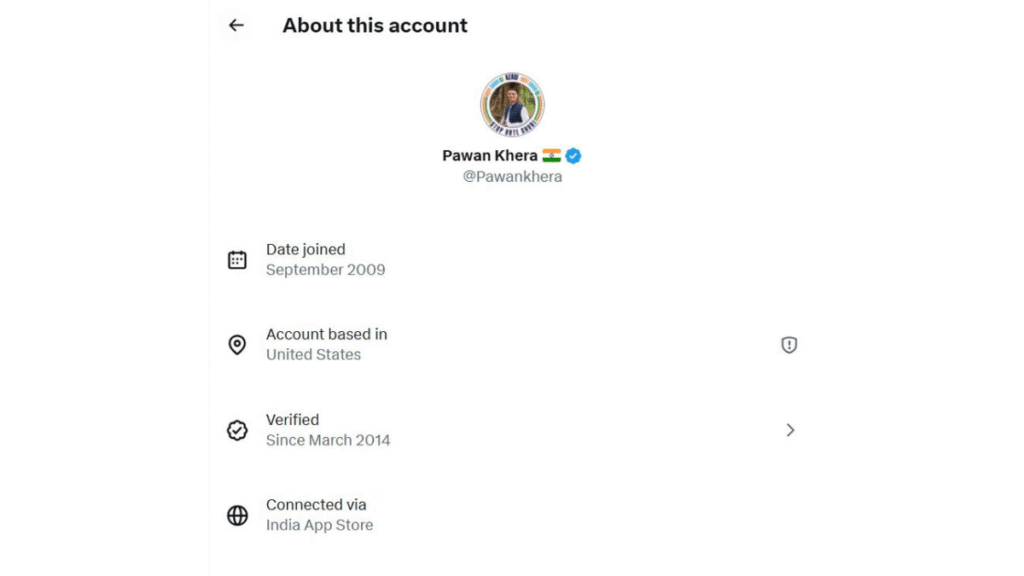
However, India Today also clarified that it could not independently verify the accuracy of X’s location data for every account.
BJP Uses Feature as Political Leverage
The development has provided significant ammunition to the Bharatiya Janata Party (BJP), which has accused the Congress ecosystem of operating a coordinated global network to influence public opinion in India.
BJP IT Cell chief Amit Malviya claimed that many pro-Congress and anti-Hindu accounts were being controlled from Pakistan, Bangladesh and other foreign territories.
According to Malviya:
“A large number of pro-Congress, anti-Hindu, and divisive caste-based handles are not even operating from India. Many are being run from Pakistan, Bangladesh, and other parts of Asia and the world.”
He further described the pattern as a “coordinated global operation” designed to manipulate India’s social discourse and deepen internal divisions.
How the Feature Works
X introduced the feature as part of its effort to increase transparency on a platform frequently accused of hosting misinformation and anonymous propaganda networks. Users can now see:
- the country where an account is based
- how many times the username has been changed
- the location from where the X app was downloaded
The feature appears in the “About This Account” section and is visible to all users.
BJP leaders argue that the data reinforces their long-standing claims that several social media campaigns—such as those against the Citizenship Amendment Act (CAA) and the now-repealed farm laws—were amplified by accounts operated from abroad.
Political Analysts Respond
Political commentator and BJP leader Priti Gandhi compared the current revelations to earlier protest movements, alleging that many handles involved in spreading communal narratives and edited videos during the anti-CAA protests, the farmers’ agitation, and the 2020 Delhi riots were also foreign-based.
She questioned:

“When party-verified accounts themselves start showing foreign login footprints, it raises a far bigger question. Who exactly is shaping Congress’s digital messaging?”
Suspicious Accounts: The Case of ‘Diya’ and ‘Yashita’
One of the most discussed examples involves the accounts named ‘Diya Sharma’ and ‘Yashita Nagpal’, both reportedly showing locations in Pakistan. Their posts frequently criticized the ruling party and government policies.
While the ‘Diya Sharma’ account has since been suspended, ‘Yashita Nagpal’, who claims to be a journalist, admitted in a post that she had worked for multiple political parties in India.
“I was hired not just by Congress, but other political parties in India as well to be apart of their campaign,” she wrote, adding that she changed the location settings in time.
Amit Malviya later alleged that many newly popular Congress-supporting accounts were actually operated from Pakistan or Bangladesh, describing them as either ISI-linked groups or individuals pushing anti-India narratives.
Global Impact: U.S. Faces Similar Outrage
The feature has not only affected Indian politics. In the United States, several influential pro-Donald Trump accounts were discovered to be operating from outside U.S. territory.
For example:
‘MAGA NATION’, with nearly 400,000 followers, was found to be based in Eastern Europe- ‘TRUMP_ARMY’, previously cited by the U.S. President, was identified as operating from India
According to a BBC report, the account has now rebranded itself as “an Indian who loves America, President Trump, Musk”.
Multiple accounts supporting political narratives in the U.S. have similarly been traced to Africa, Nigeria, India, Pakistan and Bangladesh.
Accuracy Concerns and VPN Issues
Following widespread scrutiny, many users questioned whether the location information was reliable. In response, X’s head of product Nikita Bier stated that the data was “99% accurate”.
However, he acknowledged that the use of VPNs and temporary travel could affect the displayed location. X has since added a disclaimer noting that location data “may not be accurate” and can change periodically.
Bigger Questions Ahead
The controversy has raised several key concerns:
- Are foreign actors influencing India’s political conversations?
- How reliable is X’s location detection?
- Could this feature be weaponized for political attacks?
What remains undeniable is that the feature has added a new dimension to India’s already heated digital political landscape, and debates over authenticity, influence operations, and online propaganda are likely to intensify.
Breaking New
MacKenzie Scott donates $80 million to Howard University, marking one of its largest gifts ever
The billionaire philanthropist and novelist continues her legacy of generosity with a historic $80 million donation to the prestigious historically Black university in Washington, D.C.
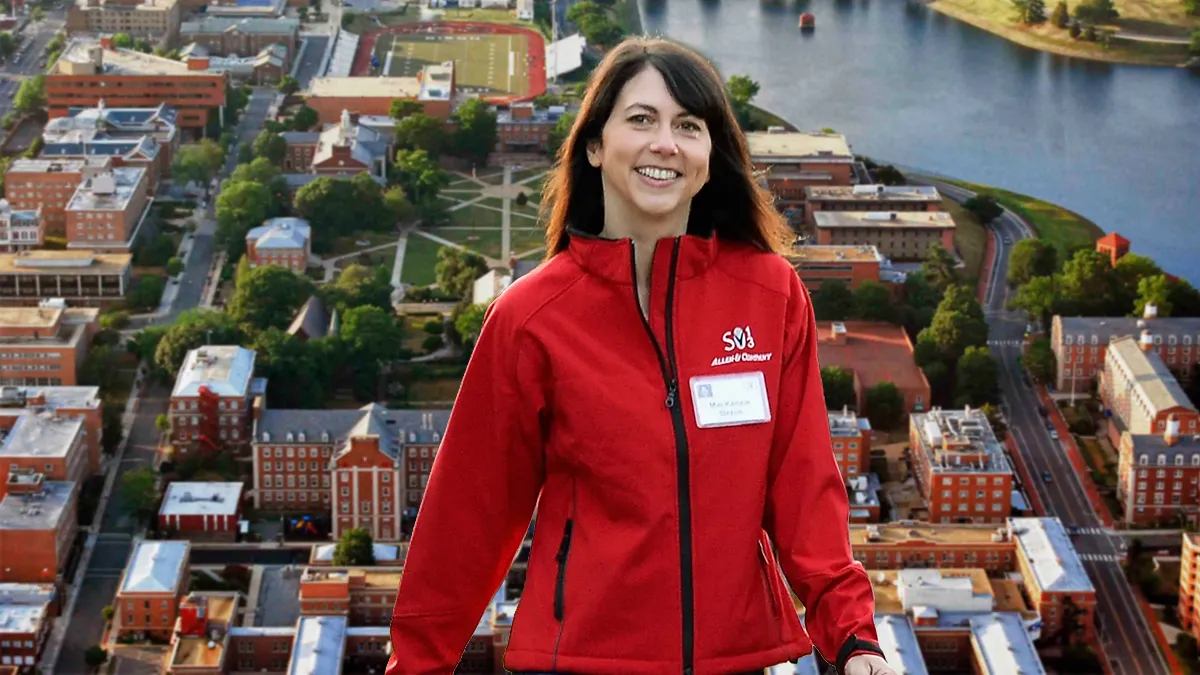
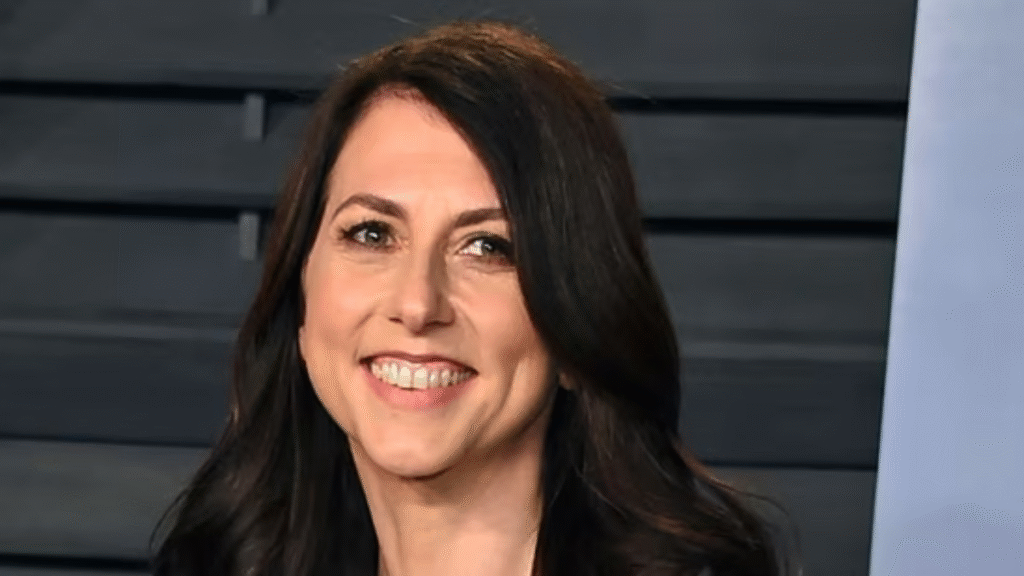
Philanthropist and novelist MacKenzie Scott, ex-wife of Jeff Bezos, has once again made headlines with a monumental act of giving. On November 3, 2025, Scott donated $80 million to Howard University, one of the United States’ most prestigious historically Black colleges and universities (HBCUs).
Howard University confirmed the gift on X (formerly Twitter), calling it “one of the single largest contributions in the university’s history.” The institution expressed deep gratitude, adding that this historic investment would “strengthen student aid, support infrastructure improvements, advance research and health sciences, and sustain our mission of truth and service for generations to come.”
Howard University’s plans for the donation
According to USA Today, a significant portion of the $80 million will go to the Howard College of Medicine, including $17 million earmarked for the construction of a new academic medical center. The remainder of the funds will bolster student financial aid, campus renovations, and the creation of a reserve fund to safeguard the university against future financial challenges.
University officials said the gift comes at a crucial time, as recent federal funding adjustments have made it more difficult for many students to afford higher education. “This donation ensures that talented, financially challenged students continue to have access to Howard’s world-class education,” the university noted.
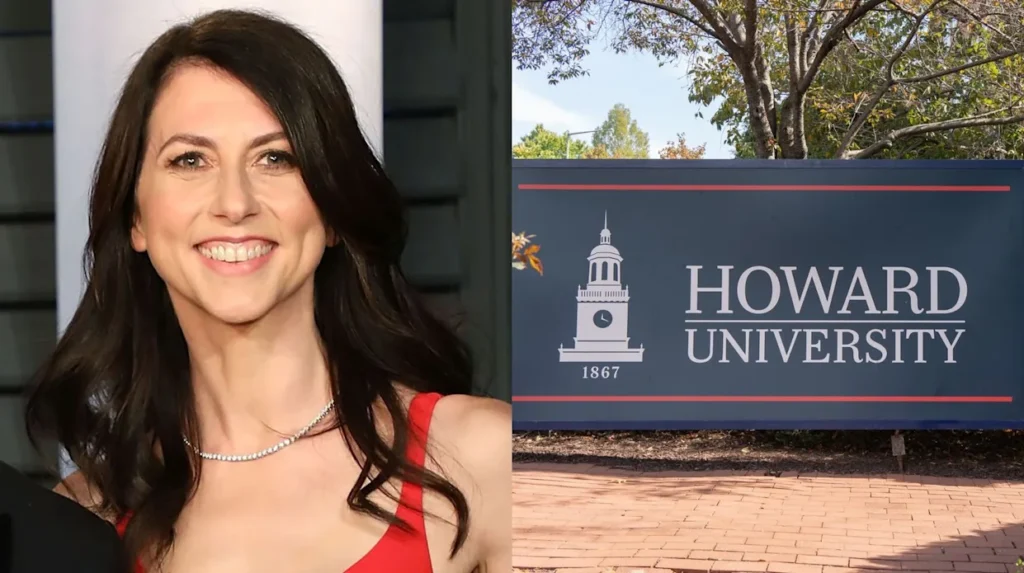
MacKenzie Scott’s philanthropic journey
Since her 2019 divorce from Jeff Bezos, MacKenzie Scott has emerged as one of the world’s most generous philanthropists. Through her firm Yield Giving, she has distributed billions to charitable causes, focusing on education, racial equity, and community development.
Scott has now donated over $132 million to Howard University since 2020 alone, according to The Dig, the university’s official news platform. Her earlier gift in 2020 of $40 million also set records at the time.
Beyond Howard, Scott’s donations have transformed numerous educational institutions and nonprofits across the United States, often providing unrestricted grants that empower organizations to decide how best to use the funds.
About Howard University
Founded in 1867, Howard University has long stood as a beacon of Black excellence in higher education. Recognized by Forbes as the nation’s top HBCU and by U.S. News & World Report for its stellar programs in business, computer science, law, and medicine, Howard continues to shape generations of leaders.
With Scott’s latest contribution, the university aims to expand its impact even further — strengthening its infrastructure, advancing health sciences research, and ensuring its students continue to thrive.
Breaking New
Venezuela’s María Corina Machado Wins Nobel Peace Prize 2025 — A Beacon Amid Crisis
From clandestine activism to global recognition: how María Corina Machado’s struggle for Venezuela’s democracy earned her the 2025 Nobel Peace Prize.
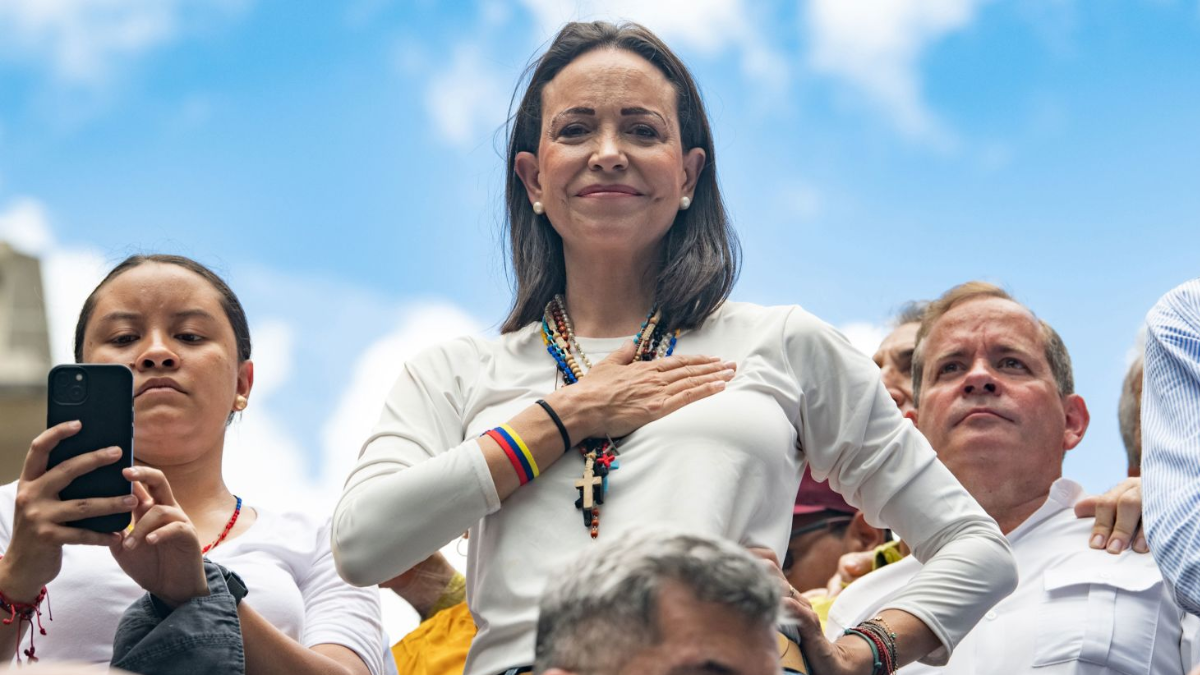
On October 10, 2025, the Norwegian Nobel Committee announced that María Corina Machado of Venezuela is the recipient of the 2025 Nobel Peace Prize “for her tireless work promoting democratic rights for the people of Venezuela and for her struggle to achieve a just and peaceful transition from dictatorship to democracy.”
Jørgen Watne Frydnes, chair of the Committee, praised her courage under duress:
“In the past year, Ms Machado has been forced to live in hiding. Despite serious threats against her life she has remained in the country … She has brought her country’s opposition together … She has been steadfast in her support for a peaceful transition to democracy.”
Who Is María Corina Machado?
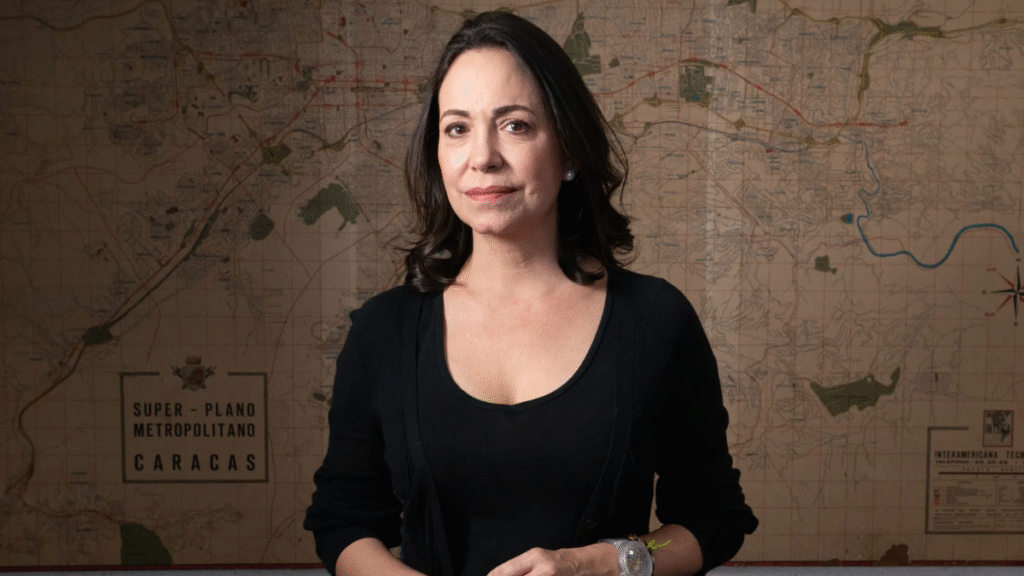
Born on October 7, 1967, in Caracas, Venezuela, María Corina Machado Parisca is an engineer-turned politician and a leading figure in Venezuela’s opposition movement. She co-founded the electoral watchdog organization Súmate and later became a prominent voice in the Unitary Platform and Vente Venezuela parties.
From 2011 to 2014, Machado served as a member of the National Assembly, representing Miranda state. Over the years, she has been disqualified from holding office by governmental bodies but continued her activism outside formal political roles.
Her activism has already been internationally recognized: she shared the Sakharov Prize (2024) and the Václav Havel Human Rights Prize (2024) before being awarded the Nobel Peace Prize.
Why She Was Chosen This Year
The Nobel Committee’s citation highlights Morales Machado’s ability to unify fragmented opposition forces in Venezuela, maintain resilience under serious personal threat, and consistently advocate for a nonviolent transition in a highly militarised society.
Her decision to remain within Venezuela despite threats and official attempts to silence her served as a powerful symbol to Venezuelans and observers worldwide.
The 2025 prize also comes in the context of 338 nominations (244 individuals, 94 organizations) — a record-high pool reflecting growing global attention to peace and democracy struggles.
Global Reactions & Rival Ambitions
News of Machado’s win swiftly resonated across media outlets. The Associated Press underscored that her award represented acknowledgment of the Venezuelan opposition’s courage under suppression. The Guardian described her as “a brave and committed champion of peace.”
Notably, this year’s decision also overshadowed the high-profile efforts by Donald J. Trump to campaign for the Prize. Despite Trump publicly promoting his peace deals and claiming that he “solved eight wars,” the Nobel Committee stuck with Machado’s candidacy — dashing Trump’s ambitions for the award.
Nobel Prize Process & Legacy
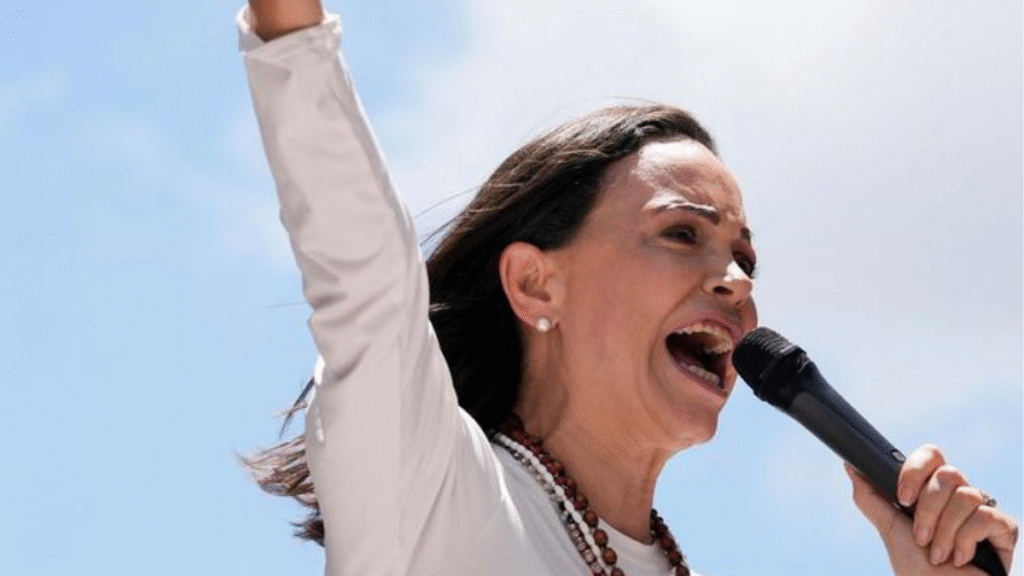
The Nobel Peace Prize remains the only Nobel awarded in Oslo, Norway, overseen by a five-member Norwegian Nobel Committee. Decisions are reached by striving for consensus, or if needed, by majority vote.
The award comes with a cash prize of 11 million Swedish kronor and will be formally presented on December 10, 2025 in Oslo.
Alfred Nobel’s 1895 will established that his estate be used to honour individuals who had “conferred the greatest benefit on mankind,” with a special emphasis on peace, disarmament, and international cooperation.
What This Means for Venezuela and Beyond
Machado’s Nobel is far more than a personal honor — it is a beacon of hope for Venezuelans enduring political, economic, and humanitarian crisis. It draws international focus to Venezuela’s ongoing struggle under Nicolás Maduro’s authoritarian regime, which has cracked down harshly on opposition, curtailed elections, and suppressed dissent.
By recognizing a domestic opposition leader who refused exile or silence, the Nobel Committee sends a strong message globally: that democracy, even in dark times, deserves protection and endorsement.

Liverpool vs Brighton, Chelsea vs Everton and More — Live Football Action as Premier League Drama Unfolds

Bryant Haines Set to Become One of College Football’s Highest-Paid Assistants After Indiana’s Dream Season

Sherrone Moore Fired and Arrested — Why Michigan Athletics Is Facing Its Biggest Culture Crisis Yet

League of Legends 2026 Swiftplay Gets a Massive Overhaul With Faster Games and Shocking Jungle Changes

Olivia Rodrigo Leaves Her Idol ‘Mind Blown’ With Stunning A Cappella Christmas Cover

1-Iran Issues Dire Warning to Israel and Defies Trump on Nukes: “We’re Ready to Strike Deep Inside”

Donald Trump’s net worth reveals the fortune behind the former US President and business mogul

Caitlin Clark Sidelined with Quad Strain, Set to Miss Two Weeks of WNBA Action

Elon Musk Breaks Ranks with Trump Over ‘Big, Beautiful’ Tax Bill

Golden Glory: Team USA Wins First Standalone Ice Hockey World Championship in 91 Years

Miss Jamaica Suffers Terrifying Fall Off Miss Universe Stage; Rushed to Hospital on Stretcher in Viral Video

Moana Live-Action Teaser Sparks Outrage as Fans Call Disney’s Move a ‘Clear Money Grab’ — What Went Wrong?

Ryan Gosling’s Project Hail Mary Trailer Stuns Fans with a Mysterious Alien Ally and a Mission That Could Save Earth

Apple delays Jessica Chastain thriller The Savant about domestic extremism after recent US violence

Avatar 3, Fire and Ash trailer reveals Jake Sully’s family facing terrifying new Na’vi enemies with deadly fire powers
-

 US News1 week ago
“She Never Made It Out…” Albany House Fire Claims Woman’s Life as Family Pleads for Help to Bring Her Home
-

 Entertainment6 days ago
XG Star Cocona Shares a Brave Truth at 20 — “I Was Born Female, But That Label Never Represented Who I Truly Am…”
-
 Entertainment6 days ago
Samba Schutte Reveals the Surprise Cameo in Pluribus That “Nobody Saw Coming”… and Why John Cena Was Perfect for the Role
-
 Entertainment1 week ago
Nika & Madison stuns global audiences as director Eva Thomas reveals why “resilience, not fear, drives Indigenous women on the run”
-

 Tech1 week ago
After Losing Over $70 Billion, Mark Zuckerberg Finally Admits His Biggest Bet Is “Not Working” – Meta Plans Massive Cuts to Metaverse Budget
-

 Sports5 days ago
Dodgers Stun MLB With Blockbuster Move, Sign Elite Closer Edwin Díaz to Three-Year, $69 Million Deal
-

 Entertainment4 days ago
Teyana Taylor wakes up to a Golden Globe call at 5 a.m.… ‘Am I dreaming right now?’ — and why she’s already begging Paul Thomas Anderson for more
-

 Politics5 days ago
“Billions and Billions Have Watched Them…” Trump Makes History Hosting Kennedy Center Honors and Praising Stallone, Kiss, and More