
Politics
Eric Adams shocks New York with exit from re-election race insiders reveal why he suddenly quit…
New York City Mayor Eric Adams has ended his bid for a second term, leaving political observers stunned and sparking speculation about what comes next.

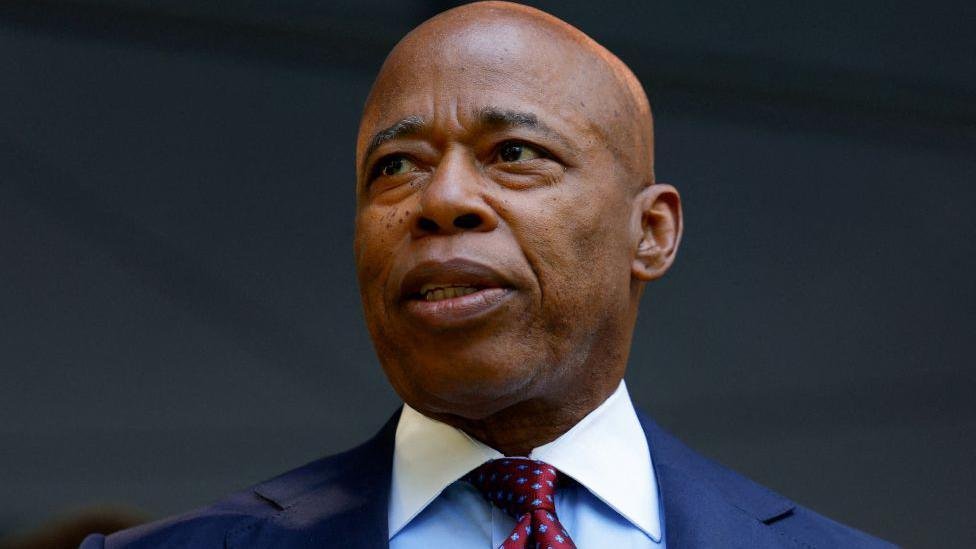
In a move that has left New York City’s political landscape reeling, Mayor Eric Adams announced that he will not seek re-election for a second term. The 64-year-old former police captain, who took office in January 2022, confirmed the decision on Thursday, ending weeks of speculation about his political future.
ALSO READ : Harry Kane Shines Again as Bayern Munich Set Historic Bundesliga Record After Just Five Matches
Adams, who once positioned himself as a bridge between the city’s working-class communities and Wall Street donors, had faced growing challenges during his tenure. From the city’s ongoing struggles with rising housing costs and public safety concerns to his controversial handling of the migrant crisis, his administration had become the subject of increasing scrutiny.
Why did Adams step aside?
According to reports, the mayor’s re-election campaign had been branded a “long-shot” bid by political analysts. Insiders suggest that dwindling support among key Democratic leaders and mounting criticism over policy missteps played a pivotal role in his decision.
Political commentator Chris Cillizza described the exit as “an extraordinary moment in New York politics,” while others noted that Adams’ departure clears the path for new Democratic contenders eager to shape the city’s future.
Reaction from allies and rivals
The announcement sent shockwaves through both City Hall and Albany. Kathy Hochul, Governor of New York, said in a statement that she “respects Mayor Adams’ service” and emphasized the need for stability as the city heads into an uncertain electoral season.

Meanwhile, progressive leaders like Alexandria Ocasio-Cortez are already being mentioned as potential kingmakers in the upcoming race. Political insiders believe the mayor’s departure may embolden new voices within the Democratic Party, potentially shifting the city’s power balance.
Adams’ legacy in office
Despite criticism, Adams leaves behind a mixed legacy. Supporters highlight his efforts to increase police presence in subway systems, his vocal push for healthier food initiatives in public schools, and his attempts to modernize city infrastructure. However, detractors point to persistent crime concerns, the lack of affordable housing progress, and his perceived closeness to corporate donors.
Adams, who once served as a New York Police Department captain and later as Brooklyn Borough President, often described his journey as one of resilience and determination. His mayoral tenure, however, proved far more turbulent than many had expected.
What’s next for New York?
With Adams stepping aside, the race for City Hall is expected to become one of the most closely watched contests in the nation. Early speculation names Andrew Yang, Jumaane Williams, and even former mayor Bill de Blasio as possible contenders.
As for Adams himself, he has yet to reveal his future plans. In a brief message to supporters, he said:
These past years have been the honor of my life. But I believe now is the right time to step aside and let others continue the work.
His words, simple yet telling, suggest that while his time as mayor is ending, his influence in New York politics may not disappear entirely.
The bigger picture
Political observers say Adams’ decision reflects a broader shift within urban Democratic politics, where voters are demanding fresh leadership and bolder solutions. The exit of a sitting mayor after just one term is rare in New York’s history and underscores the volatile state of big-city governance in 2025.
For now, the city waits. And as one chapter closes with Eric Adams’ surprise withdrawal, another — filled with uncertainty, ambition, and high stakes — begins.


Entertainment
Dylan Mulvaney Responds After Trump’s White House Dinner Remarks
Mulvaney’s response reflects a broader trend among public figures who use social media to directly address criticism and shape their own narratives instead of relying only on traditional media coverage.
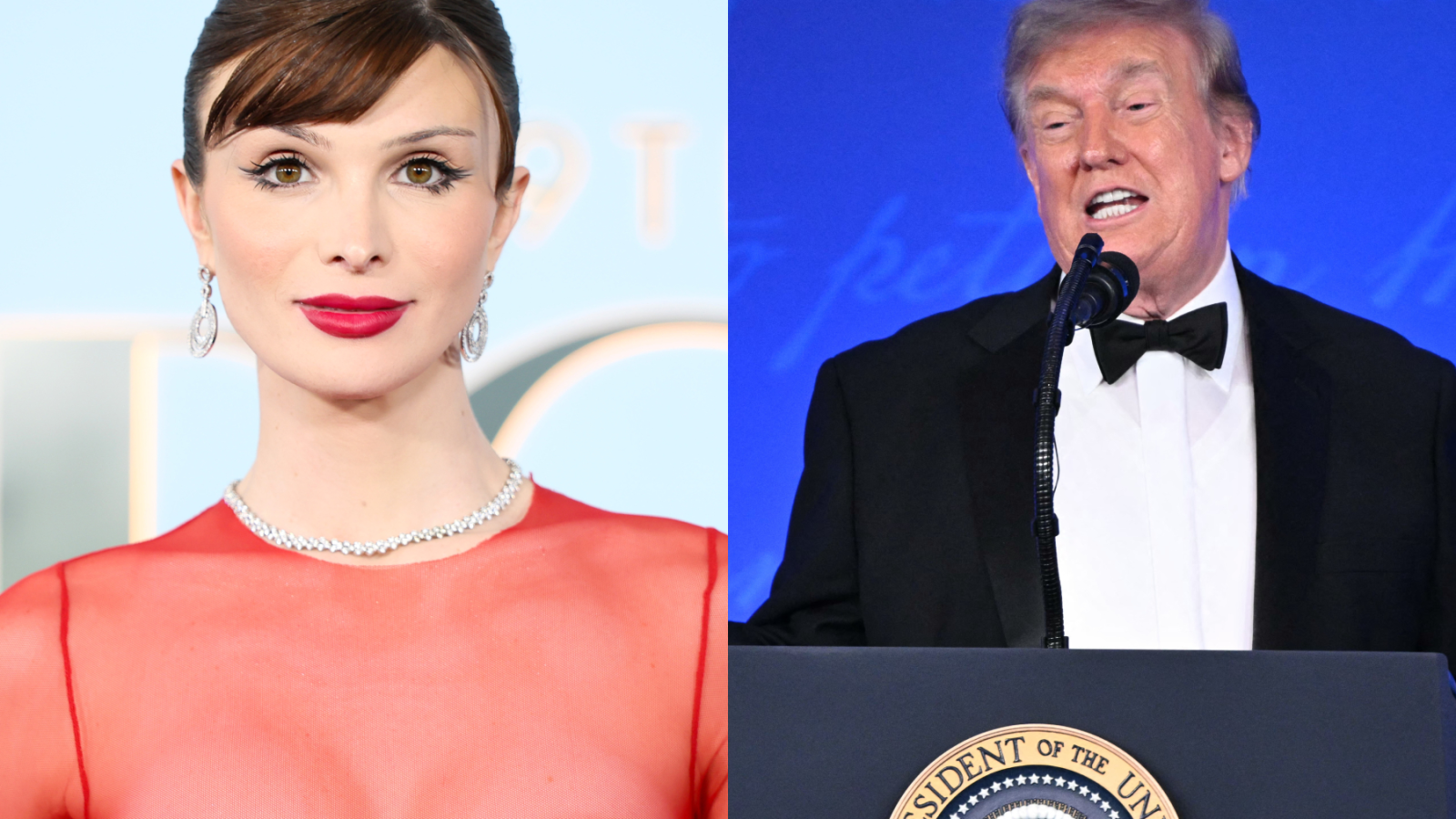
Dylan Mulvaney has responded after becoming the target of jokes made by Donald Trump during the White House Correspondents’ Dinner, turning a widely discussed moment into a message of resilience and empowerment.
The social media personality and transgender advocate addressed the comments in a video shared online, where she thanked the president for bringing attention to her work and influence.
“Thank you for reminding me that I am more powerful than I even knew,” Mulvaney said while reacting to the remarks.
The comments came after Trump, the former and current U.S. president, made jokes during the annual media event, where political figures traditionally use humor to comment on public figures and current events. His remarks also included references to CNN journalist Kaitlan Collins, drawing attention across social media platforms.
ALSO READ : Sen. Elizabeth Warren Calls It a ‘Cesspool of Corruption’ — Here’s Why Senators Are Now Fighting Back Against the DOJ’s Live Nation Deal That Left Every Fan Betrayed…
Mulvaney, who has built a large following through her online presence and advocacy work, said the attention highlighted the importance of continuing conversations around identity, representation, and public discourse.
The controversy quickly spread online, with supporters praising Mulvaney’s response while critics debated the tone and impact of political humor at major public events.
Kaitlan Collins, a prominent journalist at CNN, has become one of the most recognized political reporters in Washington. Her coverage of major political events has frequently placed her at the center of national conversations.

The White House Correspondents’ Dinner, an annual gathering of journalists, politicians, and public figures, has historically been known for a mix of political comedy and serious discussions about press freedom.
Mulvaney’s response reflects a broader trend among public figures who use social media to directly address criticism and shape their own narratives instead of relying only on traditional media coverage.
While the incident sparked debate, Mulvaney’s message focused on turning criticism into motivation, telling followers that public attention can also become an opportunity to continue important conversations.
The exchange has once again highlighted the growing role of online personalities in political and cultural discussions, where a single comment can quickly become a national talking point.
Entertainment
“You Reminded Me I’m More Powerful”: Dylan Mulvaney Hits Back After Trump’s White House Dinner Joke…
Dylan Mulvaney responds after Donald Trump’s remarks targeting her and CNN’s Kaitlan Collins at the White House Correspondents’ Dinner, saying the moment only strengthened her resolve.

Dylan Mulvaney has responded after becoming the target of jokes made by Donald Trump during the White House Correspondents’ Dinner, turning a widely discussed moment into a message of resilience and empowerment.
The social media personality and transgender advocate addressed the comments in a video shared online, where she thanked the president for bringing attention to her work and influence.
“Thank you for reminding me that I am more powerful than I even knew,” Mulvaney said while reacting to the remarks.
The comments came after Trump, the former and current U.S. president, made jokes during the annual media event, where political figures traditionally use humor to comment on public figures and current events. His remarks also included references to CNN journalist Kaitlan Collins, drawing attention across social media platforms.
ALSO READ : Sen. Elizabeth Warren Calls It a ‘Cesspool of Corruption’ — Here’s Why Senators Are Now Fighting Back Against the DOJ’s Live Nation Deal That Left Every Fan Betrayed…
Mulvaney, who has built a large following through her online presence and advocacy work, said the attention highlighted the importance of continuing conversations around identity, representation, and public discourse.
The controversy quickly spread online, with supporters praising Mulvaney’s response while critics debated the tone and impact of political humor at major public events.
Kaitlan Collins, a prominent journalist at CNN, has become one of the most recognized political reporters in Washington. Her coverage of major political events has frequently placed her at the center of national conversations.
The White House Correspondents’ Dinner, an annual gathering of journalists, politicians, and public figures, has historically been known for a mix of political comedy and serious discussions about press freedom.
Mulvaney’s response reflects a broader trend among public figures who use social media to directly address criticism and shape their own narratives instead of relying only on traditional media coverage.
While the incident sparked debate, Mulvaney’s message focused on turning criticism into motivation, telling followers that public attention can also become an opportunity to continue important conversations.
The exchange has once again highlighted the growing role of online personalities in political and cultural discussions, where a single comment can quickly become a national talking point.
Entertainment
Dylan Mulvaney Breaks Silence After Trump’s White House Dinner Comments
The social media personality responds to remarks made during a White House dinner, sparking fresh discussion online and across the public sphere.

Dylan Mulvaney has responded after becoming the target of jokes made by Donald Trump during the White House Correspondents’ Dinner, turning a widely discussed moment into a message of resilience and empowerment.
The social media personality and transgender advocate addressed the comments in a video shared online, where she thanked the president for bringing attention to her work and influence.
“Thank you for reminding me that I am more powerful than I even knew,” Mulvaney said while reacting to the remarks.
The comments came after Trump, the former and current U.S. president, made jokes during the annual media event, where political figures traditionally use humor to comment on public figures and current events. His remarks also included references to CNN journalist Kaitlan Collins, drawing attention across social media platforms.
ALSO READ : Sen. Elizabeth Warren Calls It a ‘Cesspool of Corruption’ — Here’s Why Senators Are Now Fighting Back Against the DOJ’s Live Nation Deal That Left Every Fan Betrayed…
Mulvaney, who has built a large following through her online presence and advocacy work, said the attention highlighted the importance of continuing conversations around identity, representation, and public discourse.
The controversy quickly spread online, with supporters praising Mulvaney’s response while critics debated the tone and impact of political humor at major public events.
Kaitlan Collins, a prominent journalist at CNN, has become one of the most recognized political reporters in Washington. Her coverage of major political events has frequently placed her at the center of national conversations.
The White House Correspondents’ Dinner, an annual gathering of journalists, politicians, and public figures, has historically been known for a mix of political comedy and serious discussions about press freedom.
Mulvaney’s response reflects a broader trend among public figures who use social media to directly address criticism and shape their own narratives instead of relying only on traditional media coverage.
While the incident sparked debate, Mulvaney’s message focused on turning criticism into motivation, telling followers that public attention can also become an opportunity to continue important conversations.
The exchange has once again highlighted the growing role of online personalities in political and cultural discussions, where a single comment can quickly become a national talking point.

Jon Stewart Applauds Christopher Nolan’s ‘The Odyssey’ Following Early Screening

Hunter Doohan’s Horror Breakthrough: From Netflix’s ‘Wednesday’ to ‘Evil Dead Burn’ Stardom

‘Scrubs’ Season 2 Brings Major Cast Changes With Ava Bunn’s Promotion and Two Exits

Maitreyi Ramakrishnan Hints ‘Elle’ Season 2 Will Showcase a New Side of Her Acting

New ‘Onwards and Sideways’ Images Tease Laura Linney and Rhys Ifans’ Emotional TIFF Debut

1-Iran Issues Dire Warning to Israel and Defies Trump on Nukes: “We’re Ready to Strike Deep Inside”

Donald Trump’s net worth reveals the fortune behind the former US President and business mogul

Sen. Elizabeth Warren Calls It a ‘Cesspool of Corruption’ — Here’s Why Senators Are Now Fighting Back Against the DOJ’s Live Nation Deal That Left Every Fan Betrayed…

“She Never Made It Out…” Albany House Fire Claims Woman’s Life as Family Pleads for Help to Bring Her Home

“Tomás Rodríguez Net Worth 2025: Panama’s Gold Cup Goal‑Machine’s Surprising Fortune Revealed”

Miss Jamaica Suffers Terrifying Fall Off Miss Universe Stage; Rushed to Hospital on Stretcher in Viral Video

Moana Live-Action Teaser Sparks Outrage as Fans Call Disney’s Move a ‘Clear Money Grab’ — What Went Wrong?

Ryan Gosling’s Project Hail Mary Trailer Stuns Fans with a Mysterious Alien Ally and a Mission That Could Save Earth

Apple delays Jessica Chastain thriller The Savant about domestic extremism after recent US violence

Avatar 3, Fire and Ash trailer reveals Jake Sully’s family facing terrifying new Na’vi enemies with deadly fire powers
-

 Entertainment1 week ago
Paramount-Warner Bros. Merger Faces Legal Setback as Court Temporarily Halts Deal
-

 Sports1 week ago
Lionel Messi’s Heartwarming Gift to Cape Verde Hero Vozinha’s Family After World Cup Thriller Leaves Fans Emotional
-

 Entertainment1 week ago
Marvel Architect Kevin Feige Celebrated With Prestigious Pioneer Award
-

 Sports1 week ago
Argentina Fan Demands World Cup 2026 Final Replay The Petition’s Reason Is Dividing Football Fans
-

 Sports1 week ago
Caitlin Clark Makes WNBA History Again as NBA 2K27 Cover Reveal Adds Another Huge Milestone to Her 2026…
-

 Business1 week ago
Alphabet’s Earnings Looked Strong… So Why Did Google’s Parent Company Shock Investors?
-

 Sports1 week ago
FBI’s $300 Million Probe Rocks Argentina’s 2026 World Cup Campaign: Why Was AFA Chief Claudio Tapia Questioned?
-

 Entertainment1 week ago
Sigurjón “Joni” Sighvatsson Honored for His Lasting Impact on Hollywood and Global Cinema