
Entertainment
Protest erupts at FCC meeting after Jimmy Kimmel suspension activists chant fire Brendan Carr censorship czar
Activists from Our Revolution, the PAC founded by Bernie Sanders, disrupted the FCC’s first open meeting since the suspension of Jimmy Kimmel Live!

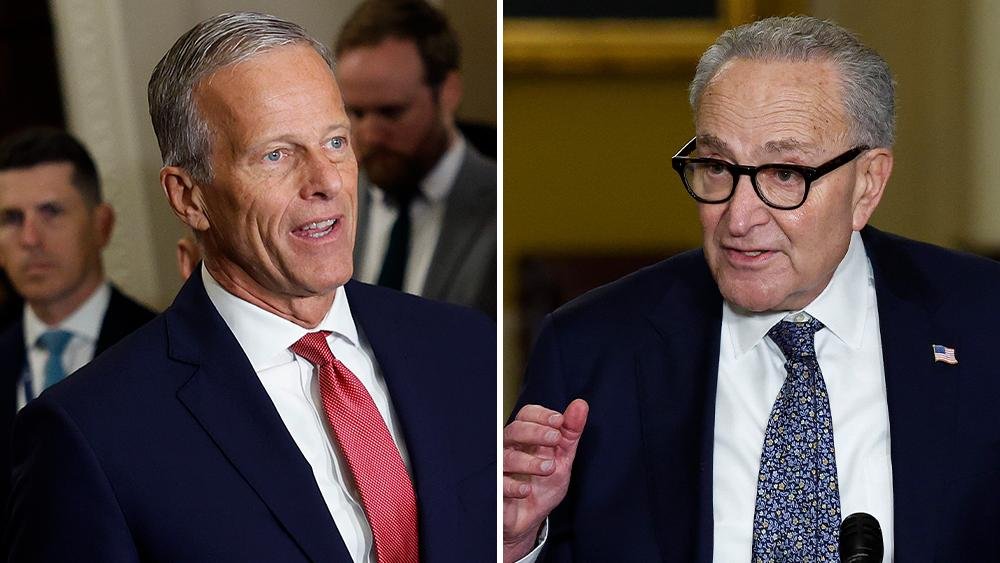
Washington, D.C. — Tensions flared at the Federal Communications Commission on Tuesday as protesters loudly confronted Commissioner Brendan Carr during the agency’s first open meeting since the controversial suspension of Jimmy Kimmel Live! earlier this month.
The protest was led by Our Revolution, the progressive political action committee launched by Senator Bernie Sanders in 2016. Activists accused Carr of pushing affiliates to drop the late-night show, an act they labeled as censorship and political interference.
ALSO READ : Prosecutors demand 11 years for Diddy after shocking trial says Cassie’s testimony revealed dark truth
Carrying signs and chanting “Fire Carr, the censorship czar!”, protesters demanded his resignation, linking his actions to broader concerns about media consolidation and political suppression. Security quickly escorted two demonstrators, including Our Revolution political director Paco Fabian, out of the meeting.
“Carr has sided with corporate power brokers like the Ellisons and Murdochs, working to create media monopolies that silence independent voices and undermine free speech,” an email from the group stated ahead of the action. It also accused Carr of serving the interests of “billionaire oligarchs” while greenlighting mergers that activists say endanger democracy.
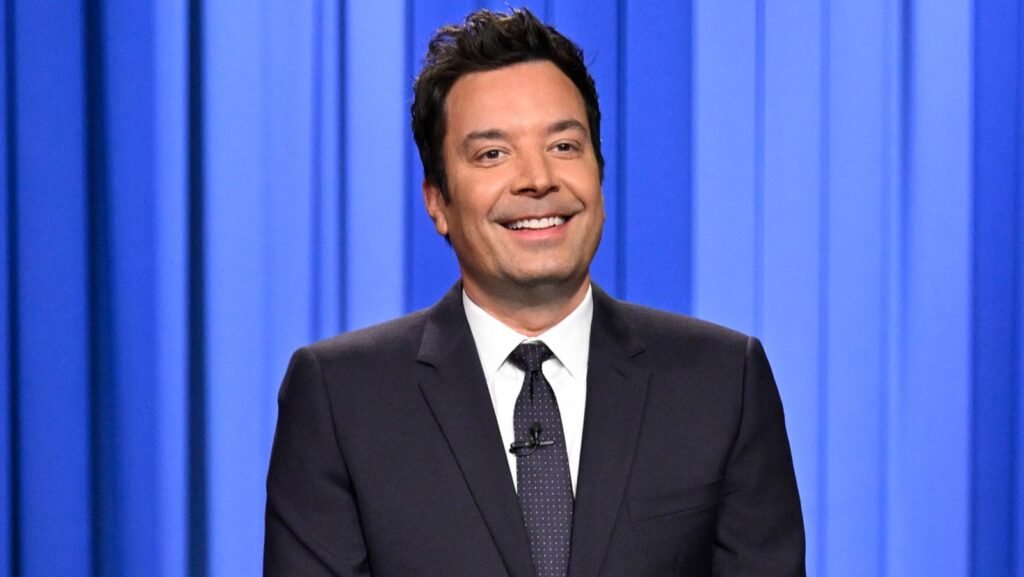
The suspension of Jimmy Kimmel’s show earlier in September has sparked a heated national debate about censorship, politics, and the role of federal regulators in broadcast media. Kimmel himself revealed in a recent appearance on Stephen Colbert’s Late Show that ABC executives canceled his taping just 90 minutes before airtime, a decision he described as an “emotional roller coaster.”
Our Revolution, which claims more than 8 million members nationwide, said Tuesday’s turnout was smaller due to the early call time and simultaneous protests tied to the ongoing government shutdown. Still, Fabian emphasized that the symbolic action was vital:
“We wanted to put Carr on notice,” Fabian told reporters after being escorted out. “He cannot enable censorship, erode democracy, and silence independent voices without being held accountable.”
The protest also received backing from allied groups like Public Citizen and Free Press, who joined in condemning Carr’s role.
Carr, a Republican commissioner appointed during the Trump administration, has been criticized for consistently aligning with corporate media interests and deregulation. His critics say the Kimmel suspension has now become the most public flashpoint in a long-running battle over media power in America.
While the FCC meeting eventually resumed, the chants of “Fire Carr!” echoed long after protesters were removed, underscoring a growing divide between regulators and activists who argue that free expression is under threat.
For Kimmel fans and free speech advocates alike, the showdown at the FCC marks just the latest chapter in an escalating clash over who controls America’s airwaves — and whose voices are heard.






Entertainment
Juliette Binoche Reflects on Her Oscar Surprise and the Ambition She’s Ready to Pursue
The acclaimed French actress opens up about her unexpected Academy Award win, her upcoming international project, and the creative dream she’s determined to bring to life next.

For more than four decades, Juliette Binoche has remained one of international cinema’s most admired performers, earning praise for her fearless choices and emotionally layered performances. Now, as she prepares to receive the prestigious Crystal Globe for Outstanding Artistic Contribution at the Karlovy Vary International Film Festival (KVIFF), the Oscar-winning actress is taking a rare look back at one of the most surprising moments of her career—and looking ahead to an exciting new challenge.
Speaking ahead of the festival honour, Binoche revisited the unforgettable night of the 1997 Academy Awards, where she won the Best Supporting Actress Oscar for her performance in The English Patient. While many awards pundits had predicted different outcomes, the French actress says she never entered the ceremony expecting to leave with Hollywood’s biggest prize.
Instead of focusing on competition, Binoche described the experience as overwhelming and deeply emotional, recalling how unexpected the recognition felt. Nearly three decades later, she says the award became less about validation and more about the opportunities it opened throughout her career.
ALSO READ : Sen. Elizabeth Warren Calls It a ‘Cesspool of Corruption’ — Here’s Why Senators Are Now Fighting Back Against the DOJ’s Live Nation Deal That Left Every Fan Betrayed…
Since then, Binoche has continued to build one of the most respected filmographies in world cinema. From acclaimed European dramas to international productions, she has consistently embraced complex characters rather than predictable commercial roles. Her collaborations with celebrated filmmakers have helped establish her reputation as one of France’s defining cinematic voices.
The next chapter of her career could be just as ambitious.
Binoche confirmed she is attached to a new Turkish-French co-production, a project she describes as both culturally rich and emotionally resonant. While plot details remain under wraps, the collaboration reflects her long-standing interest in stories that bridge different cultures and perspectives.
Perhaps the biggest revelation, however, is that Binoche is seriously considering stepping behind the camera.

For years, the actress has spoken about her desire to direct a fiction feature. That ambition, once a distant dream, now appears closer than ever. She revealed that she has been developing ideas and hopes to eventually bring her own storytelling vision to audiences, marking a significant evolution in her already remarkable career.
The announcement has generated excitement among film enthusiasts, many of whom have long believed Binoche’s artistic instincts could translate naturally into filmmaking.
Her upcoming recognition at KVIFF celebrates not only her past achievements but also her enduring influence on global cinema. The Crystal Globe is reserved for artists whose work has made a lasting contribution to the film industry, placing Binoche among an elite group of internationally recognised performers.
Beyond awards and accolades, Binoche’s career continues to be defined by curiosity and reinvention. Whether collaborating across borders or preparing for an entirely new creative role as a director, she shows little interest in slowing down.
As audiences celebrate her remarkable legacy, many will also be watching closely to see whether her long-awaited directorial debut finally becomes a reality.
Entertainment
Jake Shears Takes on a Powerful New Role… ‘Tinderbox’ Will Bring a Tragic 1973 LGBTQ Story to the Big Screen
The Scissor Sisters frontman is stepping behind the scenes as a producer on Tinderbox, a film adaptation of Robert Fieseler’s acclaimed nonfiction book that revisits one of the deadliest attacks on the LGBTQ community in U.S. history.
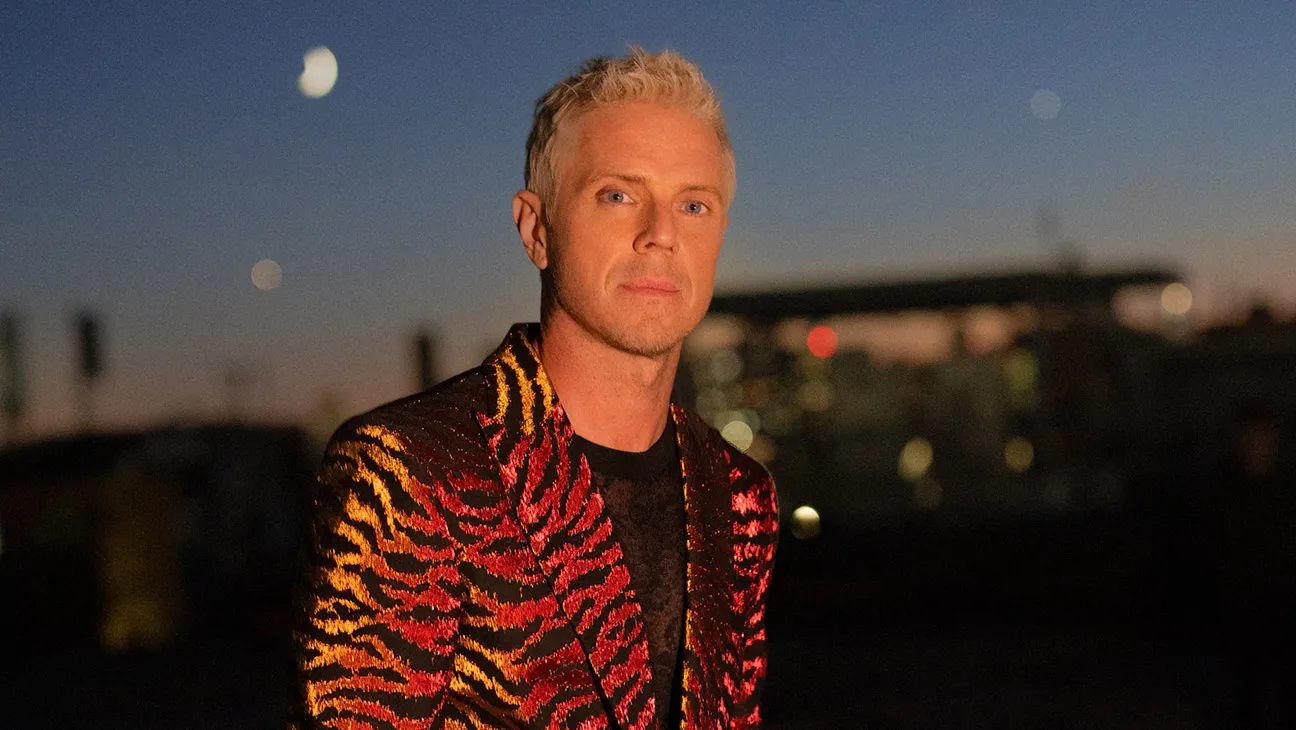
Music and history are set to come together in an emotionally powerful new film project.
Jake Shears, best known as the lead vocalist of Scissor Sisters, is expanding his creative career by joining the production team behind Tinderbox, an upcoming feature film inspired by Robert Fieseler‘s acclaimed nonfiction book.
The project will revisit the tragic 1973 UpStairs Lounge fire in New Orleans, one of the deadliest attacks on the LGBTQ community in American history. The devastating blaze claimed the lives of 32 people and remains a significant, though often overlooked, chapter in the history of LGBTQ rights and public awareness.
Rather than presenting the story solely as a historical reconstruction, Tinderbox aims to explore the lives, resilience and humanity of those affected while examining the broader social climate of the era.
ALSO READ : Sen. Elizabeth Warren Calls It a ‘Cesspool of Corruption’ — Here’s Why Senators Are Now Fighting Back Against the DOJ’s Live Nation Deal That Left Every Fan Betrayed…
The adaptation is being developed by filmmakers Colby Holt and Sam Probst, who are bringing Fieseler’s extensively researched work to the screen. Their goal is to create a film that not only honors the victims but also introduces a wider audience to an event that shaped conversations around equality, discrimination and remembrance.
Jake Shears’ involvement extends beyond producing. Music from his solo albums, Jake Shears and B-Sides, will also be incorporated into the film, adding a deeply personal artistic dimension to the storytelling. His contribution is expected to help shape the emotional atmosphere of the project while connecting contemporary audiences with the historical narrative.

For Shears, the film represents another opportunity to use music and storytelling to preserve important moments from LGBTQ history. Throughout his career, he has been recognized not only for his success in music but also for supporting projects that celebrate identity, inclusion and cultural heritage.
Hollywood has increasingly embraced films based on real historical events, particularly stories that have remained underrepresented for decades. Tinderbox joins a growing list of productions seeking to highlight overlooked chapters of history through character-driven storytelling rather than sensationalism.
While casting and a release timeline have yet to be announced, the project has already attracted attention because of its meaningful subject matter and the creative team assembled behind it.
As development moves forward, Tinderbox has the potential to become more than a historical drama. By combining factual storytelling, emotional performances and Jake Shears’ musical contributions, the film aims to ensure that the lives lost in the 1973 tragedy are remembered by a new generation.
Entertainment
Casey Wasserman Nears Deal as Providence Equity Partners Eyes Buyout of Wasserman
Casey Wasserman’s ownership plans have taken an unexpected turn, with the team’s existing financial backer emerging as the leading candidate to acquire the franchise, potentially reshaping the organization’s future.

The future ownership of Wasserman, one of the world’s leading sports, media, and entertainment agencies, may be heading toward an unexpected outcome.
According to reports, company founder Casey Wasserman is nearing an agreement that would see existing investor Providence Equity Partners acquire the business in a deal that could effectively end the ongoing auction process.
If completed, the transaction would mean the agency’s next owner is already one of its most significant financial backers.
A Sale Process Nearing Its End
The company has been exploring strategic options in recent months, attracting attention from investors interested in acquiring one of the industry’s most influential talent and sports management firms.
However, instead of a competitive sale to a new buyer, negotiations now appear to be centered on Providence Equity Partners, potentially simplifying the ownership transition.
While financial terms have not been publicly disclosed, reports suggest the discussions are progressing toward a conclusion.
ALSO READ : Sen. Elizabeth Warren Calls It a ‘Cesspool of Corruption’ — Here’s Why Senators Are Now Fighting Back Against the DOJ’s Live Nation Deal That Left Every Fan Betrayed…
A Major Player in Sports and Entertainment
Founded by Casey Wasserman, the agency has grown into a global business representing athletes, entertainers, broadcasters, brands, and media properties.
Its operations span talent management, sports marketing, sponsorship consulting, live events, and media rights, making it one of the most recognizable names in the sports and entertainment business.
Over the years, Wasserman has expanded through acquisitions and international partnerships, strengthening its position in an increasingly competitive market.
Why Providence Equity Matters
Providence Equity Partners is no stranger to the company.
As an existing investor, the private equity firm already has deep knowledge of Wasserman’s business model, leadership structure, and long-term strategy. That familiarity could make the transition smoother than a traditional acquisition involving an outside bidder.
Industry analysts often view transactions involving existing investors as less disruptive, particularly when the buyer is already involved in shaping the company’s direction.
What Happens Next?
Although neither side has announced a finalized agreement, the reported negotiations suggest the ownership process may soon reach its final stage.
If the deal moves forward, it would mark a significant milestone for Casey Wasserman, who has spent decades building the agency into a global force across sports, entertainment, and media.
For clients, employees, and industry partners, the focus will now shift to whether the ownership change brings strategic expansion while maintaining the company’s established leadership in talent representation and sports marketing.
With the reported buyout potentially bringing the auction to an early close, the deal could become one of the most closely watched transactions in the business of sports and entertainment this year.

Juliette Binoche Reflects on Her Oscar Surprise and the Ambition She’s Ready to Pursue

Jake Shears Takes on a Powerful New Role… ‘Tinderbox’ Will Bring a Tragic 1973 LGBTQ Story to the Big Screen

Casey Wasserman Nears Deal as Providence Equity Partners Eyes Buyout of Wasserman

The gripping series has climbed to No. 1 as its suspenseful storyline keeps viewers hooked.

Jon Bernthal Opens Up About Hollywood Struggles and His Spider-Man Return

1-Iran Issues Dire Warning to Israel and Defies Trump on Nukes: “We’re Ready to Strike Deep Inside”

Sen. Elizabeth Warren Calls It a ‘Cesspool of Corruption’ — Here’s Why Senators Are Now Fighting Back Against the DOJ’s Live Nation Deal That Left Every Fan Betrayed…

Donald Trump’s net worth reveals the fortune behind the former US President and business mogul

“Tomás Rodríguez Net Worth 2025: Panama’s Gold Cup Goal‑Machine’s Surprising Fortune Revealed”

“She Never Made It Out…” Albany House Fire Claims Woman’s Life as Family Pleads for Help to Bring Her Home

Miss Jamaica Suffers Terrifying Fall Off Miss Universe Stage; Rushed to Hospital on Stretcher in Viral Video

Moana Live-Action Teaser Sparks Outrage as Fans Call Disney’s Move a ‘Clear Money Grab’ — What Went Wrong?

Ryan Gosling’s Project Hail Mary Trailer Stuns Fans with a Mysterious Alien Ally and a Mission That Could Save Earth

Apple delays Jessica Chastain thriller The Savant about domestic extremism after recent US violence

Avatar 3, Fire and Ash trailer reveals Jake Sully’s family facing terrifying new Na’vi enemies with deadly fire powers
-

 Entertainment1 week ago
Chris Hansen Praises Robert Pattinson’s ‘Primetime’ Portrayal, Calls It ‘Overly Dramatic’
-

 Entertainment1 week ago
Hollywood’s New Box-Office Saviours Revealed: How Curry Barker Joined Guillermo del Toro’s Elite Circle
-

 Entertainment1 week ago
Inside Christopher Nolan’s Ambitious ‘The Odyssey’ Shoot: 20 Actors and One Giant Trojan Horse
-

 Entertainment5 days ago
Creative Arts Emmys Night Two Winners: ‘Widow’s Bay’ Dominates, but Rob Reiner’s Emotional Victory Steals the Spotlight
-

 Entertainment1 week ago
‘The Gentlemen’ Goes Dark: Theo James Unpacks Season 2’s Shocking End
-

 Entertainment1 week ago
America Honors a Country Music Icon With Dolly Parton Day on September 25
-

 Entertainment1 week ago
Why Is America Celebrating Dolly Parton Day on 9/25? The Sweet Meaning Revealed
-

 Entertainment1 week ago
Hunter Biden vs Nick Fuentes: Behind the Scenes of the Interview That Almost Turned Into a Physical Confrontation…