
Entertainment
Shock in East London: Ghetts Appears in Court After Fatal Hit-and-Run… Fans Left Stunned
The British grime legend and Supacell star faces serious charges after a tragic collision in East London that left a young man dead.

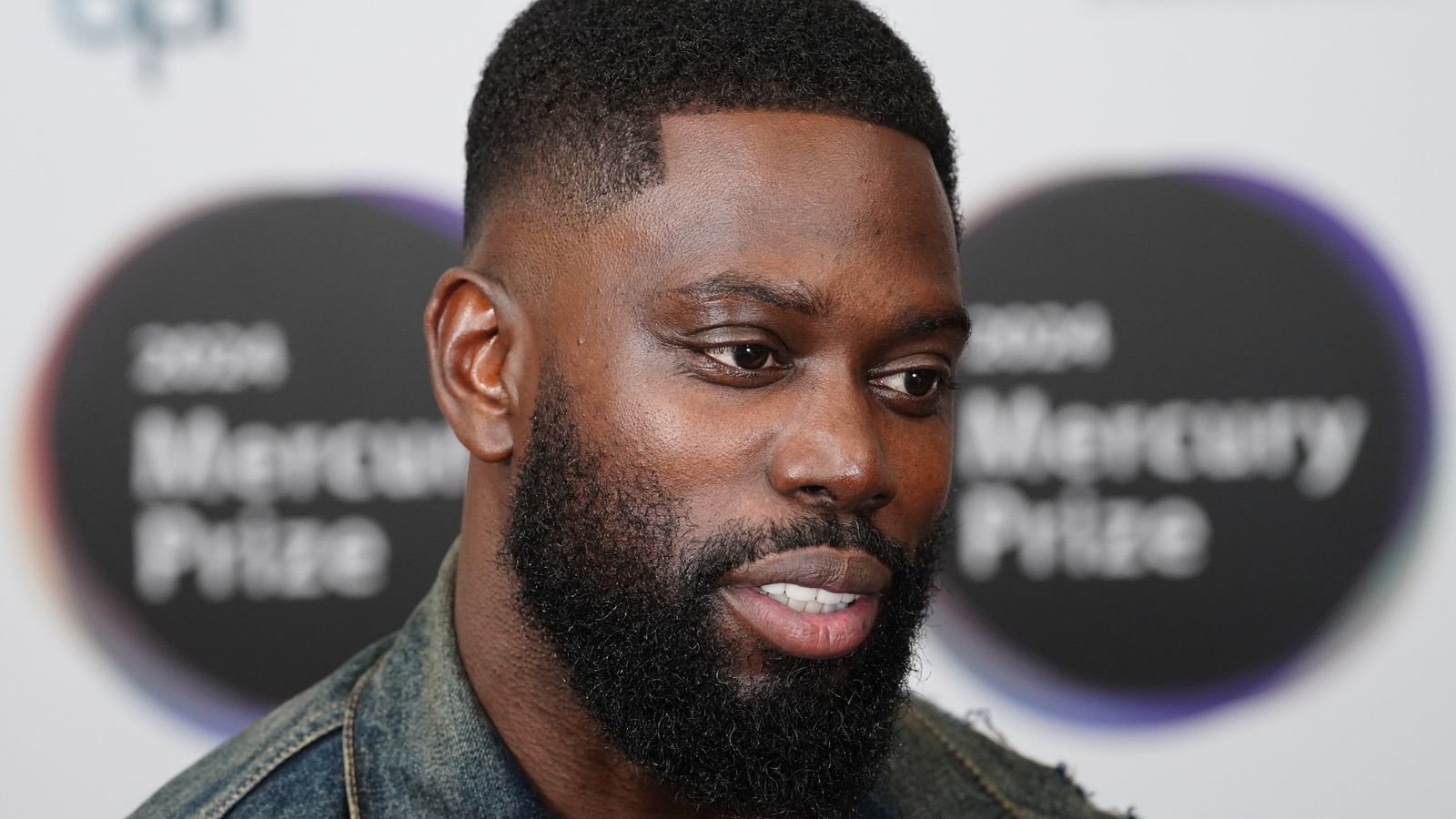
British rapper and actor Ghetts — best known for his electrifying performances and his role in Netflix’s superhero series Supacell — has appeared in a London court after being charged in connection with a fatal hit-and-run that shook East London earlier this month.
According to BBC News and court reports, Ghetts — whose real name is Justin Clarke-Samuel — is charged with causing death by dangerous driving after allegedly hitting 20-year-old Yubin Tamang in Ilford, East London, on October 18 and failing to stop at the scene.
On Monday, the 41-year-old musician appeared briefly at Barkingside Magistrates’ Court to confirm his identity and address before being remanded in custody. He is due to appear at The Old Bailey — London’s main criminal court — on November 24 for further proceedings.
ALSO READ : Rockets Guard Fred VanVleet Tears ACL and Likely to Miss 2025-26 Season
A Sudden Turn for a Rising Star
Ghetts, who began his career in the UK grime scene nearly two decades ago, has long been hailed as one of the genre’s most articulate and creative voices. Over the years, he has collaborated with icons like Ed Sheeran and Stormzy, earning critical respect for his lyrical complexity and social awareness.
In 2021, he won Best Male Act at the MOBO Awards and was later honoured with the MOBO Pioneer Award for his outstanding contribution to British Black culture. He has also been nominated for the Mercury Prize and BET Awards, further cementing his reputation as a boundary-breaking artist who helped bring grime to the mainstream.
But the latest charge marks a shocking chapter in his career — one that threatens to overshadow decades of hard work and cultural influence.
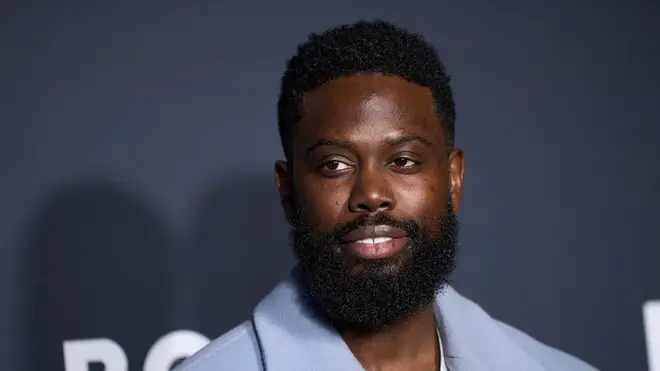
Supacell Fame and International Spotlight
In 2024, Ghetts reached a global audience through his breakout performance as the icy villain “Krazy” in Supacell, the hit sci-fi drama created by Rapman and produced by Netflix.
The show, which stars Tosin Cole, Adelayo Adedayo, Eric Kofi-Abrefa, Calvin Demba, Josh Tedeku, Nadine Mills, and Eddie Marsan, became a global success.
Within weeks of release, Supacell topped streaming charts and logged over 179 million hours watched between June and December 2024 — a record for any UK-produced show on Netflix.
Season 2 was officially confirmed earlier this year, and Ghetts’ character had been expected to return in a pivotal storyline. However, after the recent charges, both Netflix and Rapman have remained silent on whether his involvement will continue.
Community and Cultural Reactions
The case has sparked intense discussion on social media, particularly on X (formerly Twitter), where fans expressed disbelief. “Ghetts is one of the most respected voices in grime… this feels unreal,” wrote one user.
Others highlighted the tragic loss of Yubin Tamang, calling for empathy for the victim’s family and due legal process for the artist. The Metropolitan Police have not yet released additional details pending ongoing investigations, but CCTV footage and witness statements are believed to be under review.
The Legal Stakes
Under UK law, causing death by dangerous driving carries a potential maximum sentence of 14 years imprisonment and an unlimited fine. Legal experts told The Guardian that the severity of sentencing will depend on evidence showing driving behaviour, speed, and intent to flee the scene.
Criminal barrister Mark Stephens, in a BBC interview, noted:
“Cases like this often hinge on immediate reaction — whether the driver stopped to help, called authorities, or left. The moral weight is often as heavy as the legal one.”
The Bigger Picture
Beyond the courtroom, Ghetts’ arrest has reignited debate about accountability within the entertainment industry. As one of grime’s pioneers, he has inspired artists like Dave and Little Simz — both of whom cite him as a lyrical influence.
The tragedy also comes at a time when the UK music scene is facing increasing scrutiny over fame, pressure, and personal conduct. “When role models falter,” wrote journalist Ben Beaumont-Thomas, “the entire cultural ecosystem feels it.”
What Happens Next
Ghetts’ legal team is expected to enter a plea at his next court appearance on November 24.
- Police have appealed for witnesses and dash-cam footage from the Ilford area.
- The victim’s family is reportedly receiving support from local community services.
- Supacell Season 2 production status remains unclear amid ongoing legal developments.
Until the court delivers its verdict, fans and critics alike are left in uneasy suspense — torn between admiration for an artist who helped define UK grime and the moral gravity of the accusations he faces.
Closing Thought
For Ghetts, whose lyrics often explore redemption, resilience, and the struggle for self-control, this real-life narrative may become his most defining one. Whether it ends in redemption or ruin, his story serves as a sobering reminder: fame cannot outrun accountability.










Entertainment
How ‘Avengers: Endgame’ Returned to Cinemas and Reclaimed Box Office Glory
Renewed ticket sales send Marvel’s 2019 finale past ‘Avatar’ to lead the all-time global chart again.
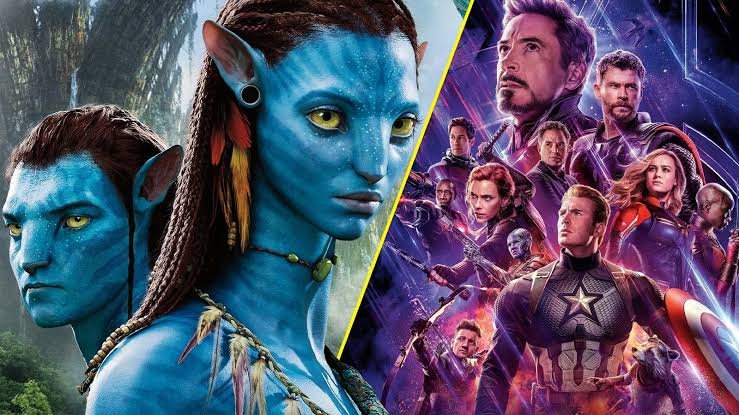
Seven years after its original release, Avengers: Endgame has unfinished business at the box office.
The Marvel Studios blockbuster has overtaken James Cameron’s Avatar to become the highest-grossing film worldwide once again. According to The Walt Disney Company’s October 4 announcement, Endgame now holds an estimated $2.9255 billion, narrowly ahead of Avatar’s $2.9237 billion. That puts just $1.8 million between two of cinema’s biggest hits.
The lead is small. The comeback, however, is substantial: a film released in 2019 has drawn enough fresh ticket sales to rewrite the all-time chart.
The ‘Encore’ release that tipped the balance
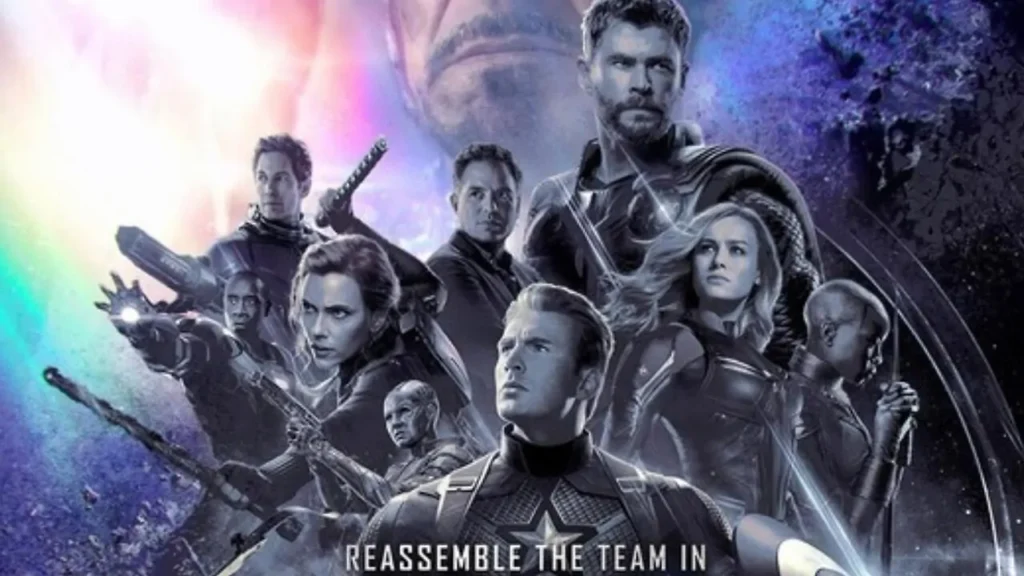
The latest theatrical run, titled Avengers Endgame: Encore, has earned $126 million worldwide, according to TheWrap. That includes $36.2 million in North America and $89.8 million from international markets—the extra business that pushed the film back into first place.
Audiences also had a reason to return beyond revisiting a familiar blockbuster. TheWrap reports that the reissue features a modified ending and three new scenes during and after the credits, connected to Avengers: Doomsday. The release therefore serves two purposes: bringing an established favourite back to cinemas and giving viewers a bridge to the next Avengers story.
ALSO READ : Emmy Nominations Announcement Gets a Star Twist… Liza Colón-Zayas & Jeff Hiller Set to Reveal 2026 TV Nominees
A rivalry with a history of reversals
This is another change of leadership in a box office contest that has lasted for years.
Endgame first displaced Avatar in 2019. Cameron’s science-fiction epic regained the crown following its Chinese re-release in 2021. Now, another theatrical return has swung the result in Marvel’s favour. Re-releases have become a decisive part of the competition, extending both films’ earning lives well beyond their original runs.
The distinction matters: this is the record for worldwide theatrical revenue without adjustment for inflation, including re-release earnings. It measures money collected rather than the number of tickets sold.
Why ‘Endgame’ matters to ‘Doomsday’
The timing gives Marvel’s comeback an added significance. Avengers: Doomsday is scheduled to reach cinemas on December 18, 2026, and Disney has positioned Endgame as an important foundation for that next chapter.
Explaining the connection, Anthony Russo said: “You really need to pick the story up from where you left it in Endgame.”
That makes this return more than a victory lap. A film remembered for closing a major chapter of Marvel’s story is now helping introduce the next one—and, along the way, has taken back Hollywood’s most closely watched box office title.
Entertainment
Tom Cruise’s ‘Digger’ Faces a Tough Opening: Could ‘Verity’ Take the Lead?
Cruise’s star power meets a fresh box office challenge as the Colleen Hoover adaptation emerges as a formidable rival.
Tom Cruise has spent years persuading audiences to watch him attempt the impossible. With Digger, the challenge is different: convincing moviegoers to embrace an eccentric, darkly comic character who bears little resemblance to his familiar action heroes.
Directed by Alejandro González Iñárritu, the film arrives in US cinemas on October 2, 2026, carrying considerable expectations. Cruise plays Digger Rockwell, an oil tycoon confronting a catastrophe connected to his company’s actions. It is a conspicuous departure for an actor whose recent screen identity has been shaped by spectacular stunts and blockbuster franchises.
Yet the conversation before release has increasingly turned from Cruise’s transformation to a more uncomfortable question: how many people will buy a ticket?
ALSO READ : Emmy Nominations Announcement Gets a Star Twist… Liza Colón-Zayas & Jeff Hiller Set to Reveal 2026 TV Nominees
A costly film facing a modest opening
According to Koimoi’s September 30 report, Digger was tracking for a North American opening below $15 million, against a reported production cost of approximately $125 million. These are reported estimates, rather than confirmed earnings or a final accounting of the film’s costs.
That gap explains the concern surrounding Warner Bros.. An expensive production needs sustained attendance, and a subdued debut would place greater pressure on subsequent weekends and overseas markets.
An opening forecast cannot establish a film’s eventual profit or loss. It can, however, reveal how much work remains for the campaign.
Reviews have complicated the pitch
The critical response has been sharply divided. People reported reactions ranging from admiration for the film’s audacity and Cruise’s commitment to criticism of its scale, coherence and tone.
For potential ticket buyers, that creates an uncertain proposition. Cruise’s presence attracts attention, but attention does not automatically translate into enthusiasm for an unfamiliar kind of film.

The promotional campaign has leaned into that disagreement. The Guardian described advertising that places harsh reactions alongside praise, using the controversy itself to generate interest. Whether that approach encourages curiosity or deepens hesitation remains an open question.
Why ‘Verity’ makes the weekend more intriguing
The Hollywood Reporter expects Digger to open substantially behind Verity, the Amazon MGM Studios adaptation of Colleen Hoover’s novel. hollywoodreporter.com
Starring Anne Hathaway, Dakota Johnson and Josh Hartnett, Verity is also scheduled to open on October 2. Its psychological-thriller premise centres on a writer who discovers a disturbing manuscript while completing another author’s book series.
From a marketing perspective, an established novel and a recognisable thriller setup could offer a more immediate hook. Digger, by comparison, asks audiences to take a greater leap into unfamiliar territory.
The audience verdict is still ahead
Cruise has clearly committed to that leap. At the London premiere, Reuters reported that his transformation involved prosthetics and a padded bodysuit, alongside a demanding performance.
The commercial outcome remains unresolved. Strong audience recommendations could give Digger momentum beyond its initial forecasts. A weak response would make its financial challenge harder.
For now, the film’s biggest suspense lies beyond the screen: whether curiosity about Cruise’s unusual gamble becomes an opening-weekend ticket purchase.
Entertainment
‘Verity’ Could Outopen ‘Digger’: Why Tom Cruise Faces a Tough Contest
The competing releases raise a compelling question: which film will persuade more audiences to buy a ticket?

Tom Cruise has spent years persuading audiences to watch him attempt the impossible. With Digger, the challenge is different: convincing moviegoers to embrace an eccentric, darkly comic character who bears little resemblance to his familiar action heroes.
Directed by Alejandro González Iñárritu, the film arrives in US cinemas on October 2, 2026, carrying considerable expectations. Cruise plays Digger Rockwell, an oil tycoon confronting a catastrophe connected to his company’s actions. It is a conspicuous departure for an actor whose recent screen identity has been shaped by spectacular stunts and blockbuster franchises.
Yet the conversation before release has increasingly turned from Cruise’s transformation to a more uncomfortable question: how many people will buy a ticket?
ALSO READ : Emmy Nominations Announcement Gets a Star Twist… Liza Colón-Zayas & Jeff Hiller Set to Reveal 2026 TV Nominees
A costly film facing a modest opening
According to Koimoi’s September 30 report, Digger was tracking for a North American opening below $15 million, against a reported production cost of approximately $125 million. These are reported estimates, rather than confirmed earnings or a final accounting of the film’s costs.
That gap explains the concern surrounding Warner Bros.. An expensive production needs sustained attendance, and a subdued debut would place greater pressure on subsequent weekends and overseas markets.
An opening forecast cannot establish a film’s eventual profit or loss. It can, however, reveal how much work remains for the campaign.
Reviews have complicated the pitch
The critical response has been sharply divided. People reported reactions ranging from admiration for the film’s audacity and Cruise’s commitment to criticism of its scale, coherence and tone.
For potential ticket buyers, that creates an uncertain proposition. Cruise’s presence attracts attention, but attention does not automatically translate into enthusiasm for an unfamiliar kind of film.
The promotional campaign has leaned into that disagreement. The Guardian described advertising that places harsh reactions alongside praise, using the controversy itself to generate interest. Whether that approach encourages curiosity or deepens hesitation remains an open question.
Why ‘Verity’ makes the weekend more intriguing
The Hollywood Reporter expects Digger to open substantially behind Verity, the Amazon MGM Studios adaptation of Colleen Hoover’s novel. hollywoodreporter.com
Starring Anne Hathaway, Dakota Johnson and Josh Hartnett, Verity is also scheduled to open on October 2. Its psychological-thriller premise centres on a writer who discovers a disturbing manuscript while completing another author’s book series.
From a marketing perspective, an established novel and a recognisable thriller setup could offer a more immediate hook. Digger, by comparison, asks audiences to take a greater leap into unfamiliar territory.
The audience verdict is still ahead
Cruise has clearly committed to that leap. At the London premiere, Reuters reported that his transformation involved prosthetics and a padded bodysuit, alongside a demanding performance.
The commercial outcome remains unresolved. Strong audience recommendations could give Digger momentum beyond its initial forecasts. A weak response would make its financial challenge harder.
For now, the film’s biggest suspense lies beyond the screen: whether curiosity about Cruise’s unusual gamble becomes an opening-weekend ticket purchase.

How ‘Avengers: Endgame’ Returned to Cinemas and Reclaimed Box Office Glory

Tom Cruise’s ‘Digger’ Faces a Tough Opening: Could ‘Verity’ Take the Lead?

‘Verity’ Could Outopen ‘Digger’: Why Tom Cruise Faces a Tough Contest

‘Endgame’ Returns to No. 1 ‘Avatar’ Loses Its Box Office Throne

Mark Zuckerberg Faces a New Hollywood Reckoning Why Aaron Sorkin’s Film Hits Closer to Home

1-Iran Issues Dire Warning to Israel and Defies Trump on Nukes: “We’re Ready to Strike Deep Inside”

Sen. Elizabeth Warren Calls It a ‘Cesspool of Corruption’ — Here’s Why Senators Are Now Fighting Back Against the DOJ’s Live Nation Deal That Left Every Fan Betrayed…

Gucci bets on Demna to revive fading glamour as Milan fashion week opens with bold film surprise

Donald Trump’s net worth reveals the fortune behind the former US President and business mogul

“Tomás Rodríguez Net Worth 2025: Panama’s Gold Cup Goal‑Machine’s Surprising Fortune Revealed”

Miss Jamaica Suffers Terrifying Fall Off Miss Universe Stage; Rushed to Hospital on Stretcher in Viral Video

Moana Live-Action Teaser Sparks Outrage as Fans Call Disney’s Move a ‘Clear Money Grab’ — What Went Wrong?

Ryan Gosling’s Project Hail Mary Trailer Stuns Fans with a Mysterious Alien Ally and a Mission That Could Save Earth

Apple delays Jessica Chastain thriller The Savant about domestic extremism after recent US violence
