
Entertainment
Harvey Weinstein Finally Broke His Silence From Behind Bars — He Says He Is ‘Dying Here’ But the Promise He Made at the End of the Interview Is What Everyone Is Talking About…
In a rare and explosive first interview from behind bars, the fallen Hollywood mogul lashes out at his collapsed empire, his accusers, and a justice system he insists got it all wrong — and he’s not done fighting yet.

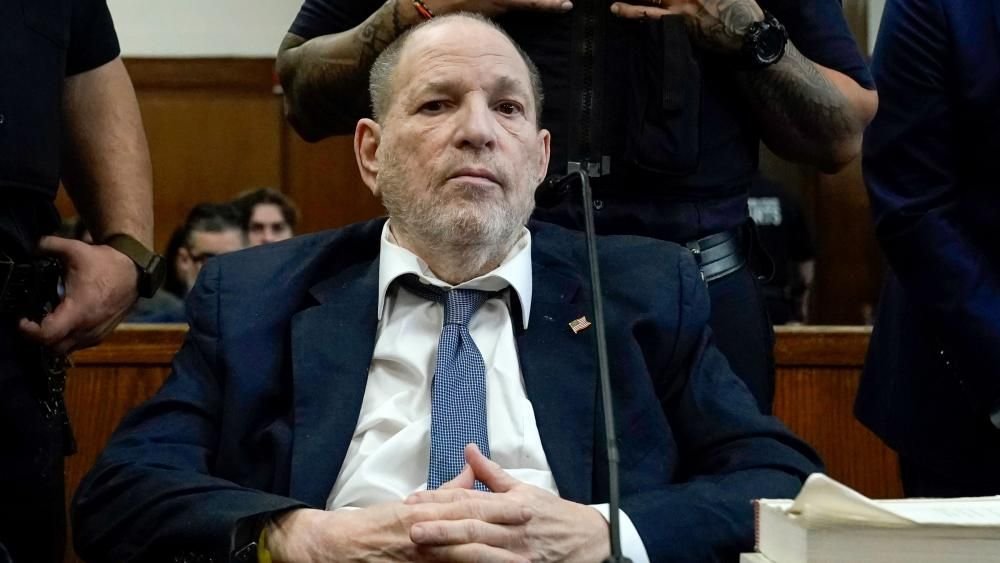
There is something deeply unsettling about hearing Harvey Weinstein speak in 2025. Not because of what he says, but because of how confidently he says it — as if the avalanche of convictions, the civil settlements, the destroyed careers, and the cultural reckoning his name helped ignite were all just a terrible misunderstanding that time will eventually correct.
From inside Rikers Island, New York City’s most notorious jail complex, the disgraced co-founder of Miramax and The Weinstein Company sat down for his first major interview since his legal nightmare began — and what came out was a mix of self-pity, defiance, and something that many survivors will find deeply difficult to stomach: an unshaken belief in his own innocence.
“I’m dying here,” Weinstein reportedly told the interviewer, referencing his deteriorating physical condition inside Rikers. He is 72 years old, walks with a walker, and has described a litany of health issues — heart problems, diabetes, vision difficulties — that he claims are being inadequately addressed. Whether or not one sympathises with that, it paints a picture starkly different from the powerful figure who once commanded fear, admiration, and Oscar campaigns in equal measure from his corner office in Midtown Manhattan.
ALSO READ : “She Never Made It Out…” Albany House Fire Claims Woman’s Life as Family Pleads for Help to Bring Her Home
From Hollywood Royalty to Rikers Island
For decades, Harvey Weinstein was one of the most powerful men in the entertainment industry — a producer who shepherded films like Pulp Fiction, Shakespeare in Love, Good Will Hunting, and Chicago to global acclaim and box office glory. His name on a film was a mark of prestige. His approval could launch careers. His disapproval could quietly end them.
Then came October 2017, and the story that changed everything. Reporting by The New York Times and The New Yorker — journalist Ronan Farrow was central to the latter — revealed decades of alleged sexual misconduct stretching across continents and decades. Within days, dozens of women had come forward. Within weeks, Weinstein had been fired from his own company, expelled from The Academy of Motion Picture Arts and Sciences, and had become the unwilling face of a global movement: #MeToo.
The legal proceedings were lengthy and exhausting. In 2020, he was convicted in New York on charges of rape and criminal sexual assault and sentenced to 23 years in prison. A separate Los Angeles trial in 2023 resulted in additional convictions. However, in a significant legal twist, New York’s Court of Appeals overturned his original New York conviction in 2024, citing juror conduct issues — a ruling that sent shockwaves through the legal community and briefly reignited hope among Weinstein’s legal team.
That ruling did not, however, set him free. He remains incarcerated pending retrial proceedings, and the Los Angeles convictions still stand. Yet it is that overturned verdict that appears to have breathed new life into Weinstein’s personal narrative — the one he has constructed for himself inside Rikers.
“I Will Be Proven Innocent. That I Promise You.”
Those words, reportedly delivered with startling certainty, encapsulate what many legal observers and survivors’ advocates find most troubling about this interview. Even accounting for the psychological self-preservation instincts of any person facing decades in prison, the sheer confidence of the statement — “that I promise you” — feels like a slap in the face to the many women who have given testimony, faced cross-examination, and re-lived trauma in courtrooms to hold Weinstein accountable.
Among those women are Ashley Judd, Rose McGowan, Lupita Nyong’o, and many others who went public with their experiences at enormous personal cost. Their accounts formed the moral backbone of the #MeToo movement that swept through not just Hollywood but media, politics, tech, and beyond.
For them, and for the broader public, Weinstein’s continued insistence on innocence is not just legally strategic — it represents something more fundamental: a refusal to acknowledge the harm caused, and a belief that the story isn’t over yet.

A Wrecked Legacy He Can’t Accept
What makes this interview especially fascinating — and disturbing — is the dissonance it reveals between how Weinstein sees himself and how history will almost certainly record him.
He reportedly fumes about his legacy: the films, the careers he launched, the cultural contributions he made. And it is true that, objectively, the list is significant. Films produced under his banner changed American cinema. Actors from Gwyneth Paltrow to Matt Damon to Quentin Tarantino owe parts of their careers to Weinstein’s instincts, money, or awards-season machinery. And yet, all of that is now inseparable from what he is accused of doing in hotel rooms, private offices, and industry meetings around the world.
That is his true legacy crisis: not that people have forgotten what he made, but that it’s impossible to remember it without also remembering what he allegedly did to get it, sustain it, and protect it.
The Bigger Picture: What This Interview Tells Us
Weinstein giving an interview from Rikers is, on one level, simply a media event — a man managing a narrative, reaching out to a public audience in the hope of shaping perception ahead of a potential retrial. On another level, it is a reminder of how power distorts reality.
The same entitlement, the same unshakeable self-belief, the same sense that the rules apply differently to men like him — these are not traits that disappear with a conviction. They linger. They reassert themselves. They find a microphone even in jail.
The #MeToo movement fundamentally shifted the public conversation around sexual misconduct, accountability, and the way institutions protect powerful men. But movements, no matter how transformative, cannot change the psychology of the individuals at their center. Harvey Weinstein still believes his story ends differently. He’s promised it.
Whether the courts, the evidence, or history agree with him remains to be seen. But the women who came forward — at great cost, under enormous scrutiny, and with nothing to gain but justice — have already written the chapter that matters most.


Entertainment
How ‘Avengers: Endgame’ Returned to Cinemas and Reclaimed Box Office Glory
Renewed ticket sales send Marvel’s 2019 finale past ‘Avatar’ to lead the all-time global chart again.
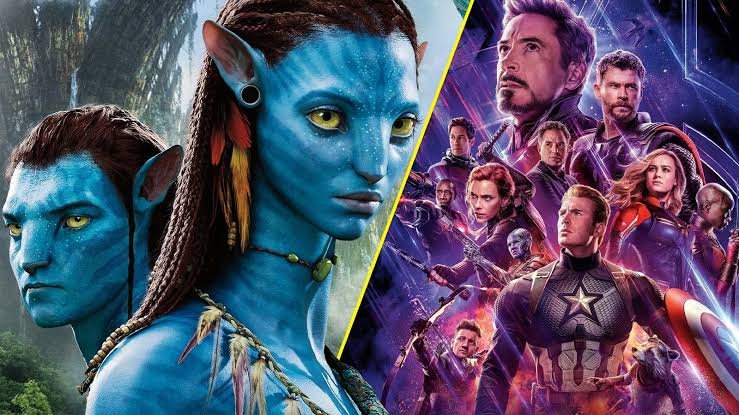
Seven years after its original release, Avengers: Endgame has unfinished business at the box office.
The Marvel Studios blockbuster has overtaken James Cameron’s Avatar to become the highest-grossing film worldwide once again. According to The Walt Disney Company’s October 4 announcement, Endgame now holds an estimated $2.9255 billion, narrowly ahead of Avatar’s $2.9237 billion. That puts just $1.8 million between two of cinema’s biggest hits.
The lead is small. The comeback, however, is substantial: a film released in 2019 has drawn enough fresh ticket sales to rewrite the all-time chart.
The ‘Encore’ release that tipped the balance
The latest theatrical run, titled Avengers Endgame: Encore, has earned $126 million worldwide, according to TheWrap. That includes $36.2 million in North America and $89.8 million from international markets—the extra business that pushed the film back into first place.
Audiences also had a reason to return beyond revisiting a familiar blockbuster. TheWrap reports that the reissue features a modified ending and three new scenes during and after the credits, connected to Avengers: Doomsday. The release therefore serves two purposes: bringing an established favourite back to cinemas and giving viewers a bridge to the next Avengers story.
ALSO READ : Emmy Nominations Announcement Gets a Star Twist… Liza Colón-Zayas & Jeff Hiller Set to Reveal 2026 TV Nominees
A rivalry with a history of reversals
This is another change of leadership in a box office contest that has lasted for years.
Endgame first displaced Avatar in 2019. Cameron’s science-fiction epic regained the crown following its Chinese re-release in 2021. Now, another theatrical return has swung the result in Marvel’s favour. Re-releases have become a decisive part of the competition, extending both films’ earning lives well beyond their original runs.
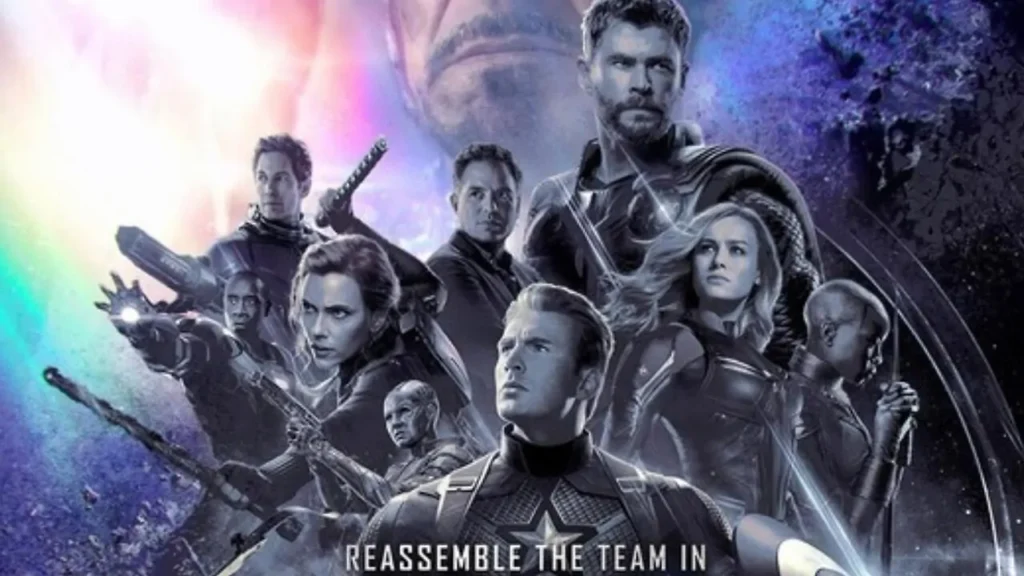
The distinction matters: this is the record for worldwide theatrical revenue without adjustment for inflation, including re-release earnings. It measures money collected rather than the number of tickets sold.
Why ‘Endgame’ matters to ‘Doomsday’
The timing gives Marvel’s comeback an added significance. Avengers: Doomsday is scheduled to reach cinemas on December 18, 2026, and Disney has positioned Endgame as an important foundation for that next chapter.
Explaining the connection, Anthony Russo said: “You really need to pick the story up from where you left it in Endgame.”
That makes this return more than a victory lap. A film remembered for closing a major chapter of Marvel’s story is now helping introduce the next one—and, along the way, has taken back Hollywood’s most closely watched box office title.
Entertainment
Tom Cruise’s ‘Digger’ Faces a Tough Opening: Could ‘Verity’ Take the Lead?
Cruise’s star power meets a fresh box office challenge as the Colleen Hoover adaptation emerges as a formidable rival.
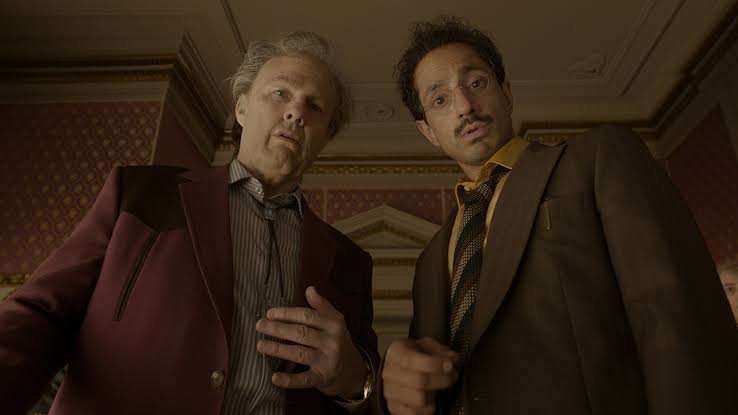
Tom Cruise has spent years persuading audiences to watch him attempt the impossible. With Digger, the challenge is different: convincing moviegoers to embrace an eccentric, darkly comic character who bears little resemblance to his familiar action heroes.
Directed by Alejandro González Iñárritu, the film arrives in US cinemas on October 2, 2026, carrying considerable expectations. Cruise plays Digger Rockwell, an oil tycoon confronting a catastrophe connected to his company’s actions. It is a conspicuous departure for an actor whose recent screen identity has been shaped by spectacular stunts and blockbuster franchises.
Yet the conversation before release has increasingly turned from Cruise’s transformation to a more uncomfortable question: how many people will buy a ticket?
ALSO READ : Emmy Nominations Announcement Gets a Star Twist… Liza Colón-Zayas & Jeff Hiller Set to Reveal 2026 TV Nominees
A costly film facing a modest opening
According to Koimoi’s September 30 report, Digger was tracking for a North American opening below $15 million, against a reported production cost of approximately $125 million. These are reported estimates, rather than confirmed earnings or a final accounting of the film’s costs.
That gap explains the concern surrounding Warner Bros.. An expensive production needs sustained attendance, and a subdued debut would place greater pressure on subsequent weekends and overseas markets.
An opening forecast cannot establish a film’s eventual profit or loss. It can, however, reveal how much work remains for the campaign.
Reviews have complicated the pitch
The critical response has been sharply divided. People reported reactions ranging from admiration for the film’s audacity and Cruise’s commitment to criticism of its scale, coherence and tone.
For potential ticket buyers, that creates an uncertain proposition. Cruise’s presence attracts attention, but attention does not automatically translate into enthusiasm for an unfamiliar kind of film.

The promotional campaign has leaned into that disagreement. The Guardian described advertising that places harsh reactions alongside praise, using the controversy itself to generate interest. Whether that approach encourages curiosity or deepens hesitation remains an open question.
Why ‘Verity’ makes the weekend more intriguing
The Hollywood Reporter expects Digger to open substantially behind Verity, the Amazon MGM Studios adaptation of Colleen Hoover’s novel. hollywoodreporter.com
Starring Anne Hathaway, Dakota Johnson and Josh Hartnett, Verity is also scheduled to open on October 2. Its psychological-thriller premise centres on a writer who discovers a disturbing manuscript while completing another author’s book series.
From a marketing perspective, an established novel and a recognisable thriller setup could offer a more immediate hook. Digger, by comparison, asks audiences to take a greater leap into unfamiliar territory.
The audience verdict is still ahead
Cruise has clearly committed to that leap. At the London premiere, Reuters reported that his transformation involved prosthetics and a padded bodysuit, alongside a demanding performance.
The commercial outcome remains unresolved. Strong audience recommendations could give Digger momentum beyond its initial forecasts. A weak response would make its financial challenge harder.
For now, the film’s biggest suspense lies beyond the screen: whether curiosity about Cruise’s unusual gamble becomes an opening-weekend ticket purchase.
Entertainment
‘Verity’ Could Outopen ‘Digger’: Why Tom Cruise Faces a Tough Contest
The competing releases raise a compelling question: which film will persuade more audiences to buy a ticket?
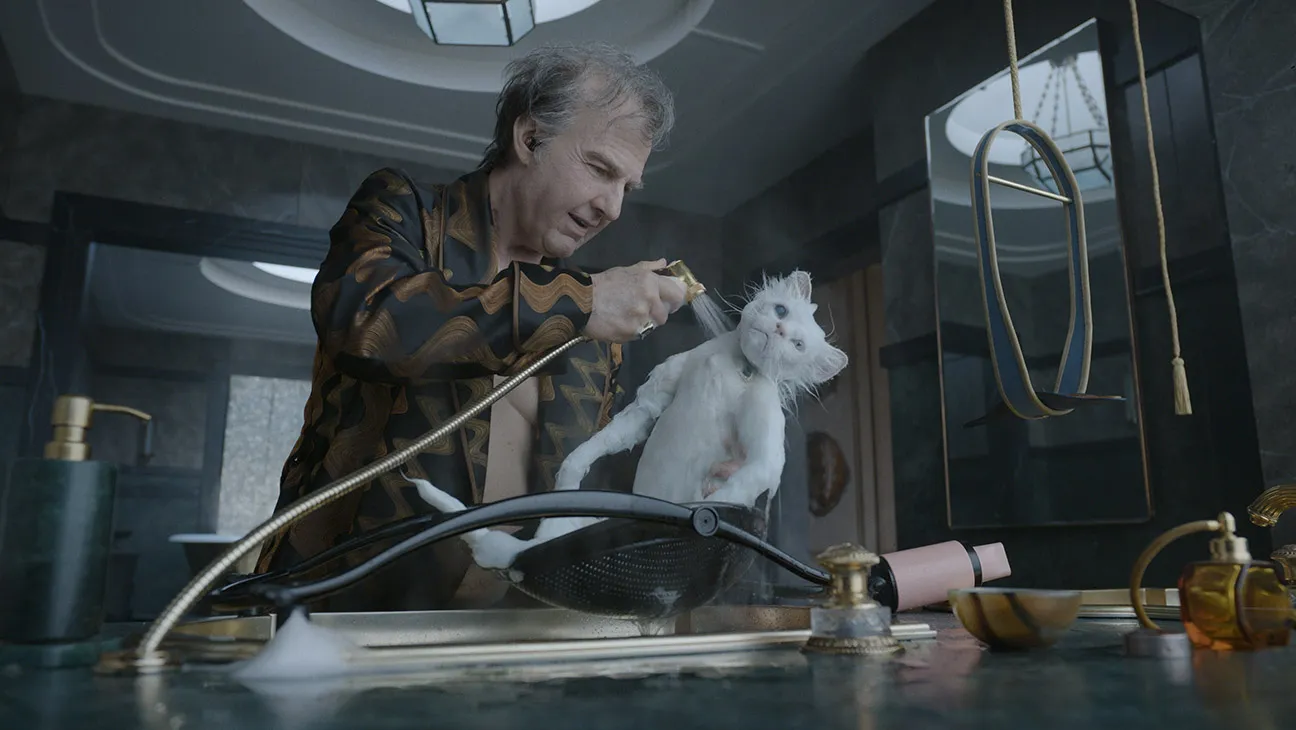
Tom Cruise has spent years persuading audiences to watch him attempt the impossible. With Digger, the challenge is different: convincing moviegoers to embrace an eccentric, darkly comic character who bears little resemblance to his familiar action heroes.
Directed by Alejandro González Iñárritu, the film arrives in US cinemas on October 2, 2026, carrying considerable expectations. Cruise plays Digger Rockwell, an oil tycoon confronting a catastrophe connected to his company’s actions. It is a conspicuous departure for an actor whose recent screen identity has been shaped by spectacular stunts and blockbuster franchises.
Yet the conversation before release has increasingly turned from Cruise’s transformation to a more uncomfortable question: how many people will buy a ticket?
ALSO READ : Emmy Nominations Announcement Gets a Star Twist… Liza Colón-Zayas & Jeff Hiller Set to Reveal 2026 TV Nominees
A costly film facing a modest opening
According to Koimoi’s September 30 report, Digger was tracking for a North American opening below $15 million, against a reported production cost of approximately $125 million. These are reported estimates, rather than confirmed earnings or a final accounting of the film’s costs.
That gap explains the concern surrounding Warner Bros.. An expensive production needs sustained attendance, and a subdued debut would place greater pressure on subsequent weekends and overseas markets.
An opening forecast cannot establish a film’s eventual profit or loss. It can, however, reveal how much work remains for the campaign.
Reviews have complicated the pitch
The critical response has been sharply divided. People reported reactions ranging from admiration for the film’s audacity and Cruise’s commitment to criticism of its scale, coherence and tone.
For potential ticket buyers, that creates an uncertain proposition. Cruise’s presence attracts attention, but attention does not automatically translate into enthusiasm for an unfamiliar kind of film.
The promotional campaign has leaned into that disagreement. The Guardian described advertising that places harsh reactions alongside praise, using the controversy itself to generate interest. Whether that approach encourages curiosity or deepens hesitation remains an open question.
Why ‘Verity’ makes the weekend more intriguing
The Hollywood Reporter expects Digger to open substantially behind Verity, the Amazon MGM Studios adaptation of Colleen Hoover’s novel. hollywoodreporter.com
Starring Anne Hathaway, Dakota Johnson and Josh Hartnett, Verity is also scheduled to open on October 2. Its psychological-thriller premise centres on a writer who discovers a disturbing manuscript while completing another author’s book series.
From a marketing perspective, an established novel and a recognisable thriller setup could offer a more immediate hook. Digger, by comparison, asks audiences to take a greater leap into unfamiliar territory.
The audience verdict is still ahead
Cruise has clearly committed to that leap. At the London premiere, Reuters reported that his transformation involved prosthetics and a padded bodysuit, alongside a demanding performance.
The commercial outcome remains unresolved. Strong audience recommendations could give Digger momentum beyond its initial forecasts. A weak response would make its financial challenge harder.
For now, the film’s biggest suspense lies beyond the screen: whether curiosity about Cruise’s unusual gamble becomes an opening-weekend ticket purchase.

How ‘Avengers: Endgame’ Returned to Cinemas and Reclaimed Box Office Glory

Tom Cruise’s ‘Digger’ Faces a Tough Opening: Could ‘Verity’ Take the Lead?

‘Verity’ Could Outopen ‘Digger’: Why Tom Cruise Faces a Tough Contest

‘Endgame’ Returns to No. 1 ‘Avatar’ Loses Its Box Office Throne

Mark Zuckerberg Faces a New Hollywood Reckoning Why Aaron Sorkin’s Film Hits Closer to Home

1-Iran Issues Dire Warning to Israel and Defies Trump on Nukes: “We’re Ready to Strike Deep Inside”

Sen. Elizabeth Warren Calls It a ‘Cesspool of Corruption’ — Here’s Why Senators Are Now Fighting Back Against the DOJ’s Live Nation Deal That Left Every Fan Betrayed…

Gucci bets on Demna to revive fading glamour as Milan fashion week opens with bold film surprise

Donald Trump’s net worth reveals the fortune behind the former US President and business mogul

“Tomás Rodríguez Net Worth 2025: Panama’s Gold Cup Goal‑Machine’s Surprising Fortune Revealed”

Miss Jamaica Suffers Terrifying Fall Off Miss Universe Stage; Rushed to Hospital on Stretcher in Viral Video

Moana Live-Action Teaser Sparks Outrage as Fans Call Disney’s Move a ‘Clear Money Grab’ — What Went Wrong?

Ryan Gosling’s Project Hail Mary Trailer Stuns Fans with a Mysterious Alien Ally and a Mission That Could Save Earth

Apple delays Jessica Chastain thriller The Savant about domestic extremism after recent US violence

Avatar 3, Fire and Ash trailer reveals Jake Sully’s family facing terrifying new Na’vi enemies with deadly fire powers
-
 Entertainment1 week ago
Mark Zuckerberg Faces a New Hollywood Reckoning Why Aaron Sorkin’s Film Hits Closer to Home
-
 Entertainment1 week ago
How ‘Avengers: Endgame’ Returned to Cinemas and Reclaimed Box Office Glory
-

 Entertainment1 week ago
‘Avengers: Endgame’ Makes Box Office History Again With Cinema Comeback
-

 Entertainment1 week ago
The Unexpected Dating Challenge Emmy Rossum Faced During Shameless
-

 Entertainment1 week ago
Sorkin’s return to the subject connects a familiar Hollywood story with the continuing debate over technology’s influence.
-

 Entertainment1 week ago
From Amazon to Neon: The Fight to Bring ‘Artificial’ to Audiences
-

 Entertainment1 week ago
Mike Flanagan’s ‘Carrie’ Takes on a Classic: Is Bigger Really Better?
-
 Entertainment1 week ago
‘Verity’ Could Outopen ‘Digger’: Why Tom Cruise Faces a Tough Contest