
Entertainment
Top Cinematographers Are Making a Shocking Confession: ‘Once You See That on the Big Screen, You Don’t Go Back’ — And It’s All Because of a Format Nobody Thought Would Return…
From Sinners to F1: The Movie, top DPs tell The Hollywood Reporter how old-school formats, real-world scale, and emotional realism are pulling audiences back into cinemas.


For years, Hollywood worried that audiences might never fully return to theaters. Streaming habits changed everything. Screens got smaller. Attention spans shortened.
Then something unexpected happened.
Big images came back — really big images.
At The Hollywood Reporter’s recent Cinematographers Roundtable, some of the industry’s most respected directors of photography agreed on one thing: once audiences experience large-format cinema properly projected, there’s no turning back.
“Once you see that stuff projected,” one cinematographer said,
“you don’t really turn back.”
VistaVision’s Stunning Comeback
What once seemed like a relic of cinema history has suddenly become one of Hollywood’s most exciting tools again.
This year, audiences packed IMAX theaters to watch Ryan Coogler’s Sinners and Paul Thomas Anderson’s One Battle After Another — both shot in VistaVision.
ALSO READ : King Charles III to Speak Publicly About Cancer Diagnosis and Recovery in Rare TV Address
Also joining that list was Yorgos Lanthimos’ upcoming Bugonia, captured in the same format.
The films were shot by Autumn Durald Arkapaw, Michael Bauman, and Robbie Ryan respectively — cinematographers who understand both the romance and the challenge of shooting large-format film.
VistaVision hadn’t been used for a feature film since 1961, until last year’s Academy Award–winning cinematography triumph The Brutalist brought it roaring back into relevance.
Why VistaVision Feels Different
VistaVision is not easy. The format is famously finicky, expensive, and demanding — but the payoff is massive.
The images feel deeper. Faces feel closer. Movement feels immersive.
“It’s not just sharper,” one DP explained. “It’s emotional scale.”
That emotional scale is precisely what makes VistaVision feel like an antidote to at-home viewing. You can stream a movie anywhere — but you feel VistaVision only in a theater.
A Different Path to Immersion in ‘F1: The Movie’
If VistaVision represents cinema at its grandest, F1: The Movie represents immersion through intimacy.
Shot by Claudio Miranda, the racing drama used an entirely different approach. Instead of massive cameras and classical compositions, Miranda strapped tiny cameras directly onto Formula 1 cars, placing audiences inside the chaos of real races.

“We played with light grading, exposure, and perspective,” Miranda said.
“It’s all of these choices that made things feel real.”
The result wasn’t spectacle from a distance — it was sensation. Viewers didn’t watch the race. They experienced it.
Capturing Emotion, Not Just Scale
Not every film this year chased adrenaline.
For quieter, more emotionally driven stories, cinematographers focused on truth over size.
In Chloé Zhao’s Hamnet, DP Łukasz Żal framed nature with tenderness, letting landscapes breathe alongside grief and memory.
Meanwhile, Adolpho Veloso brought poetic restraint to Clint Bentley’s Train Dreams, using light and texture to mirror human longing rather than overpower it.
Both films reminded audiences that visual storytelling isn’t about technology alone — it’s about intention.
Why Cinematographers Believe Theaters Still Matter
Across the roundtable, a common belief emerged: cinemas survive not because of nostalgia, but because movies look different when they’re respected visually.
Large-format projection, handcrafted compositions, and deliberate camera choices offer something streaming simply can’t replicate.
VistaVision may be old technology — but in 2025, it feels revolutionary again.
And for these cinematographers, that revolution might be the key to restoring the magic of moviegoing.
Because once audiences truly see what cinema can be…
they don’t really turn back.





Entertainment
Oscars New Rules Spark Debate: Academy Cracks Down on AI While Expanding Global Opportunities… Hollywood Reacts
As artificial intelligence sparks debate across the film industry, the Academy introduces new rules while expanding opportunities in international and acting categories.

In a move that could redefine the future of cinema’s most prestigious awards, the Academy of Motion Picture Arts and Sciences—the body behind the Academy Awards—has announced a significant update to its rules.
At the center of these changes lies a delicate balancing act: embracing global storytelling and evolving talent, while drawing a firm line on how artificial intelligence is used in filmmaking.
It’s a decision that reflects not just policy—but a deeper anxiety and excitement about where Hollywood is heading next.
AI in Hollywood: Innovation Meets Resistance
Artificial intelligence has been quietly transforming the way films are made—from editing and visual effects to voice replication and script assistance. But with that rise comes concern.
The Academy’s latest guidelines aim to regulate the use of AI in eligible films, ensuring that human creativity remains at the heart of storytelling.
ALSO READ : Younghoe Koo Explains Botched Field Goal After Slip: “The Ball Was Moving So I Pulled Up”
While the organization has not outright banned AI, it has made it clear: films overly reliant on AI-generated content may face stricter scrutiny during the awards process.
This comes amid growing debates across the industry, including discussions led by guilds like the Writers Guild of America, which has previously raised concerns about AI replacing creative professionals.
Even acclaimed filmmakers such as Christopher Nolan have voiced skepticism about overdependence on technology, emphasizing that storytelling must remain a deeply human craft.
A Bigger Stage for Global Cinema
While the Academy is tightening its stance on AI, it is simultaneously expanding its embrace of international cinema.
The international feature category is expected to see broader inclusion, reflecting the growing influence of global storytelling. Films from countries outside traditional Hollywood powerhouses are increasingly capturing attention—not just from audiences, but from critics and award bodies.
Streaming platforms like Netflix have played a key role in this shift, making international content more accessible than ever before.
From Korean dramas to European arthouse films, audiences are no longer confined by geography—and the Academy is clearly taking note.
Acting Categories Under the Spotlight
Another significant development is the Academy’s renewed focus on acting categories.
Discussions around inclusivity, diversity, and fair representation have pushed the organization to rethink how performances are evaluated and recognized.
While details continue to evolve, insiders suggest that these changes aim to create a more level playing field—one that acknowledges a wider range of performances across genres, languages, and cultural contexts.
It’s a move that could reshape career trajectories for actors worldwide, offering opportunities that were once limited to a narrow segment of the industry.
The Industry Reacts
Reactions to the Academy’s announcement have been mixed—but deeply engaged.
Some see the AI crackdown as necessary, a way to preserve the integrity of filmmaking. Others worry it could slow innovation or create ambiguity around what qualifies as “acceptable” use of technology.
At the same time, the expansion of international and acting categories has been widely welcomed. Many believe it signals a long-overdue recognition of the global nature of cinema.
Major studios, including Disney, are likely to adapt quickly, recalibrating their strategies to align with the new rules.
A Turning Point for the Oscars
For decades, the Academy Awards have been both a reflection of the industry and a force that shapes it.
This latest move suggests the Academy is trying to do both—protect the essence of filmmaking while acknowledging the inevitability of change.
It’s not an easy task.
Technology is evolving faster than ever, and audiences are demanding more diverse, inclusive, and innovative content. Navigating these expectations requires more than just rule changes—it requires vision.
What Happens Next?
The real impact of these changes will only become clear in the coming awards seasons.
Will filmmakers scale back their use of AI to stay within the Academy’s guidelines?
Will international films gain even greater recognition on the global stage?
And will new voices finally get the spotlight they deserve?
For now, one thing is certain: the Oscars are no longer just about celebrating the past—they are actively shaping the future.
And as Hollywood stands at this crossroads, the decisions made today could define what cinema looks like for decades to come.
Entertainment
“60 Percent Tax Break to Save Hollywood?” Steve Hilton’s Bold Governor Plan Sparks Big Industry Debate
Media personality Steve Hilton outlines an aggressive film tax credit proposal that could reshape Hollywood’s future—if he makes it to office.
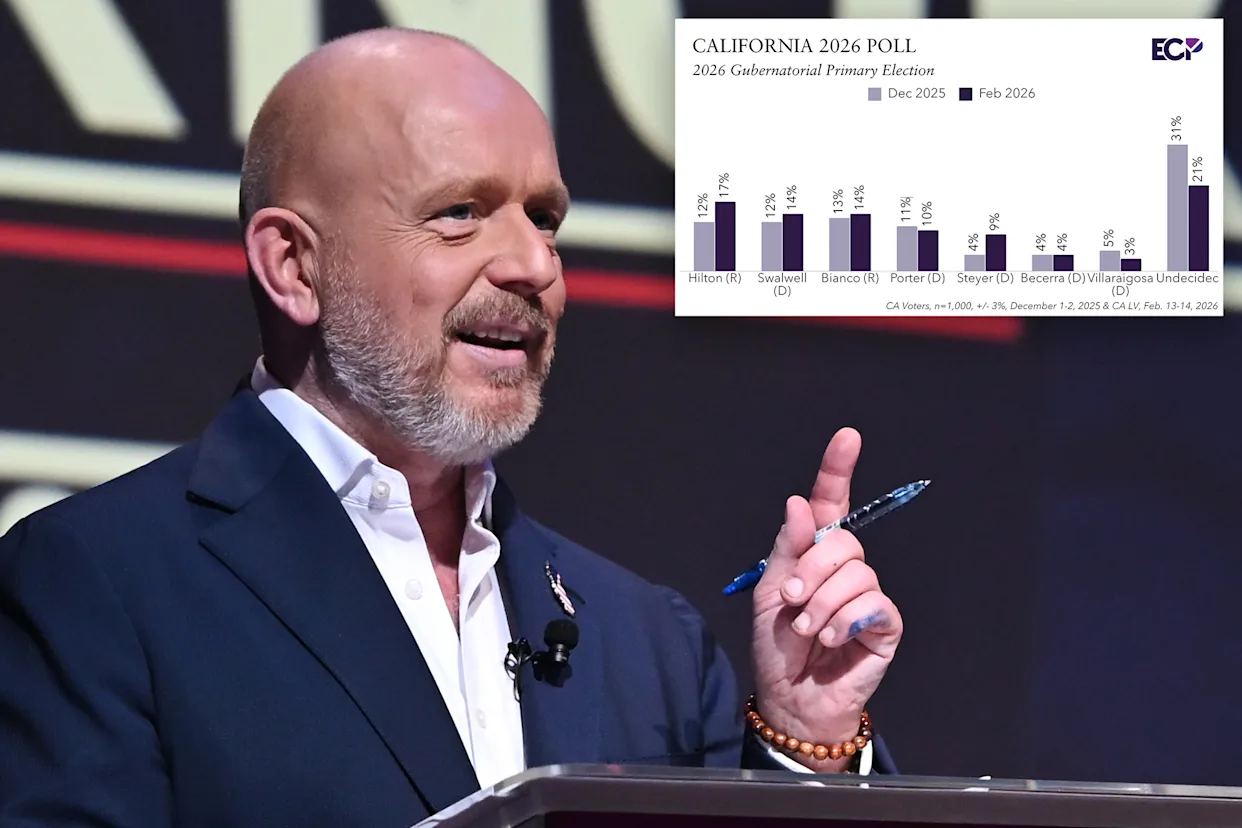
In a time when Hollywood is grappling with rising costs, production slowdowns, and fierce global competition, a bold new proposal has entered the conversation—and it’s turning heads.
Steve Hilton, a former political advisor and media personality, has floated an ambitious idea: if elected governor, he would push for a film tax credit of up to 60 percent to revive the struggling entertainment industry.
It’s a proposal that sounds almost too good to be true—and that’s exactly why it’s sparking debate across Hollywood.
A Lifeline for a Struggling Industry?
Hollywood, once the undisputed center of global filmmaking, has been facing increasing pressure in recent years. Productions are moving to other states and countries offering better financial incentives, leaving California scrambling to stay competitive.
ALSO READ : Younghoe Koo Explains Botched Field Goal After Slip: “The Ball Was Moving So I Pulled Up”
Hilton’s proposal aims to change that dramatically.
By offering a tax credit as high as 60 percent, he believes studios would have a powerful reason to bring productions back to California. The goal is simple: make Hollywood not just culturally dominant, but financially irresistible again.
And in an industry where budgets can stretch into hundreds of millions, even a small percentage shift can mean everything.
Why This Proposal Matters Now
The timing of Hilton’s pitch is no coincidence. The entertainment industry is still recovering from multiple disruptions—pandemic delays, labor strikes, and shifting audience habits due to streaming platforms.
Companies like Netflix and Disney have expanded production globally, often choosing locations where incentives are more attractive.
This has led to a slow but noticeable migration away from traditional Hollywood hubs.
Hilton’s plan, in essence, is an attempt to reverse that trend.
A High-Risk, High-Reward Strategy
While the idea of a 60 percent tax credit sounds appealing to studios, it raises significant questions.
Critics argue that such a generous incentive could come at a massive cost to taxpayers. Would the economic boost from increased production truly offset the loss in tax revenue? That’s the billion-dollar question policymakers would need to answer.
Supporters, on the other hand, see it as a necessary gamble.
They argue that without bold action, Hollywood risks losing its competitive edge permanently. In that context, Hilton’s proposal isn’t just ambitious—it’s urgent.
The Politics Behind the Proposal
Of course, this isn’t just about economics—it’s also about politics.
As Hilton positions himself for a potential run at governor, proposals like this serve a dual purpose: addressing real industry concerns while also capturing public attention.
By aligning himself with Hollywood’s revival, he taps into a narrative that resonates not just with industry insiders, but with millions whose livelihoods depend on film and television production.
Can Hollywood Be “Saved”?
That’s the question at the heart of this debate.
Is Hollywood truly in danger, or simply evolving with the times? And if intervention is needed, is a massive tax credit the right solution?
There’s no easy answer.
What’s clear, however, is that the conversation is far from over. Hilton’s proposal has already succeeded in doing one thing—forcing the industry, policymakers, and audiences to rethink what the future of Hollywood should look like.
Final Thoughts
Big ideas often come with big risks. Steve Hilton’s proposed 60 percent tax credit is no exception.
If implemented, it could redefine how and where movies are made. If rejected, it may still leave a lasting impact by pushing the conversation forward.
Either way, one thing is certain—Hollywood’s future is being written right now, and everyone is watching.
Entertainment
“The Devil Returns… But Is It Still Fashionably Fierce?” Early Reactions to Prada Sequel Surprise Fans
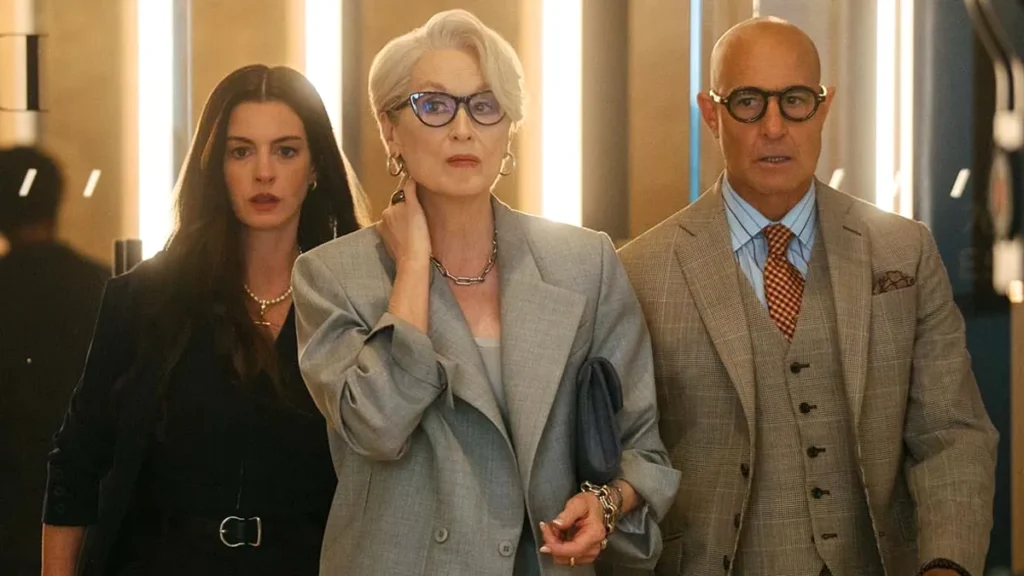
Nearly two decades later, Anne Hathaway, Meryl Streep, Emily Blunt, and Stanley Tucci reunite—but critics are divided on whether the magic still exists.
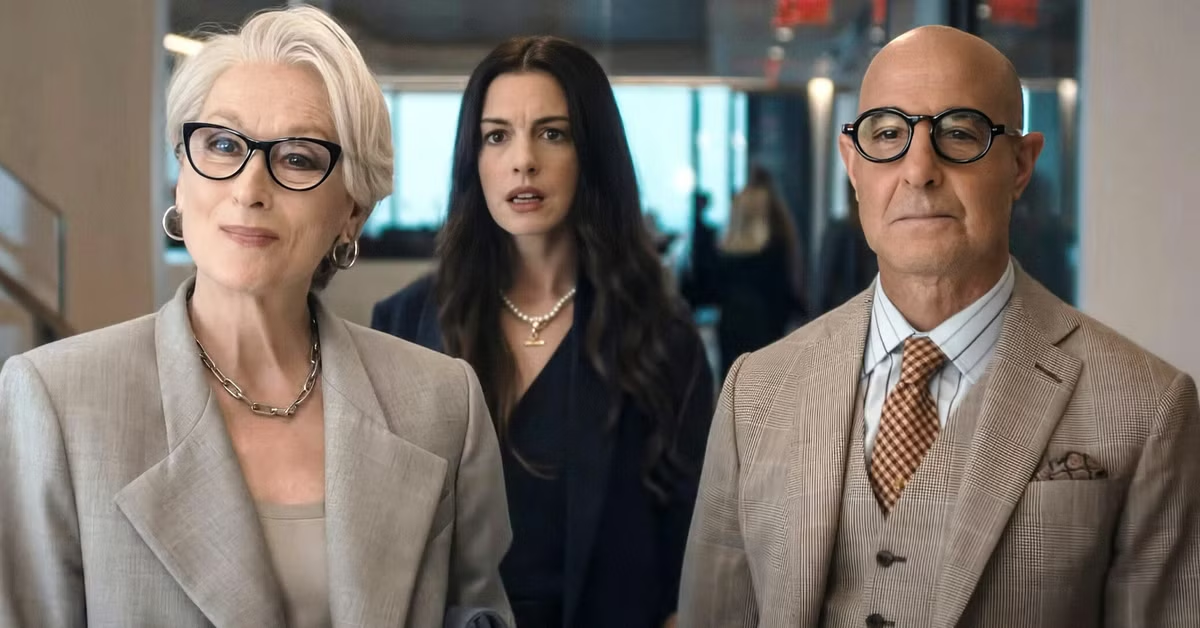
When The Devil Wears Prada first hit theaters in 2006, it didn’t just become a hit—it became a cultural moment. From iconic dialogues to unforgettable performances, the film carved its place in pop culture history.
Now, almost 20 years later, the much-anticipated sequel is finally here.
With Anne Hathaway, Meryl Streep, Emily Blunt, and Stanley Tucci returning to reprise their roles, expectations couldn’t be higher. But as early reviews start rolling in, one question dominates the conversation: does the sequel live up to its legendary predecessor?
A Return to a Very Different World
The original film captured the chaos and glamour of the fashion magazine industry at its peak. This time around, the sequel shifts its focus to a drastically evolved landscape—one shaped by social media, digital publishing, and the decline of traditional print.
It’s a smart move. After all, the world of fashion—and media itself—has changed dramatically over the past two decades. But adapting to this new reality is also where the film faces its biggest challenge.
ALSO READ : Younghoe Koo Explains Botched Field Goal After Slip: “The Ball Was Moving So I Pulled Up”
Meryl Streep Still Commands the Screen
If there’s one thing critics seem to agree on, it’s this: Meryl Streep hasn’t lost an ounce of her commanding presence.
Her portrayal of Miranda Priestly remains as sharp, intimidating, and captivating as ever. Every glance, every pause, every line delivery reminds audiences why the character became iconic in the first place.
In many ways, she is still the heart of the story.
Anne Hathaway’s Evolution Feels Real—But Subtle
Anne Hathaway’s Andy Sachs is no longer the wide-eyed assistant trying to survive her first job. She’s grown, evolved, and adapted to the changing media landscape.
However, some critics feel that her character arc lacks the emotional punch that made her journey in the original film so compelling. It’s not that the performance is weak—it’s that the stakes don’t always feel as high.
Emily Blunt and Stanley Tucci Bring Back the Charm
Emily Blunt slips effortlessly back into her role, delivering the same biting wit fans loved the first time around. Meanwhile, Stanley Tucci continues to provide warmth and balance, grounding the story with his understated performance.
Their chemistry with the rest of the cast remains one of the film’s strongest assets.
Style Meets Substance… Or Does It?
Visually, the sequel doesn’t disappoint. The fashion is bold, modern, and reflective of today’s trends. The film clearly understands its aesthetic roots.
But while it looks stunning, some critics argue that it struggles to match the narrative depth of the original. The sharp satire that once defined the story feels softened, replaced by a more reflective—but less impactful—tone.
The Weight of Expectations
Sequels are always tricky, especially when the original holds such a strong legacy. In this case, the challenge isn’t just to tell a good story—it’s to justify its own existence.
And that’s where opinions begin to split.
Some see the sequel as a thoughtful update, capturing how much the world has changed. Others view it as a nostalgic return that doesn’t quite recapture the original’s magic.
Final Verdict
So, is The Devil Wears Prada 2 worth the wait?
The answer depends on what you’re looking for.
If you’re hoping to relive the exact spark of the original, you might find yourself slightly disappointed. But if you’re open to seeing these beloved characters navigate a new era, there’s still plenty to enjoy.
One thing is certain—the devil may wear Prada, but this time, she’s walking a much more complicated runway.

Oscars New Rules Spark Debate: Academy Cracks Down on AI While Expanding Global Opportunities… Hollywood Reacts

“60 Percent Tax Break to Save Hollywood?” Steve Hilton’s Bold Governor Plan Sparks Big Industry Debate

“The Devil Returns… But Is It Still Fashionably Fierce?” Early Reactions to Prada Sequel Surprise Fans

The Devil Returns After 20 Years… But Has Prada Lost Its Power?

“They Didn’t Just Perform… They Revived Vegas” How Backstreet Boys Turned a ‘Dying’ Strip Into a Billion-Dollar Buzz

1-Iran Issues Dire Warning to Israel and Defies Trump on Nukes: “We’re Ready to Strike Deep Inside”

Donald Trump’s net worth reveals the fortune behind the former US President and business mogul

“She Never Made It Out…” Albany House Fire Claims Woman’s Life as Family Pleads for Help to Bring Her Home

“Tomás Rodríguez Net Worth 2025: Panama’s Gold Cup Goal‑Machine’s Surprising Fortune Revealed”

Caitlin Clark Sidelined with Quad Strain, Set to Miss Two Weeks of WNBA Action

Miss Jamaica Suffers Terrifying Fall Off Miss Universe Stage; Rushed to Hospital on Stretcher in Viral Video

Moana Live-Action Teaser Sparks Outrage as Fans Call Disney’s Move a ‘Clear Money Grab’ — What Went Wrong?

Ryan Gosling’s Project Hail Mary Trailer Stuns Fans with a Mysterious Alien Ally and a Mission That Could Save Earth

Apple delays Jessica Chastain thriller The Savant about domestic extremism after recent US violence

Avatar 3, Fire and Ash trailer reveals Jake Sully’s family facing terrifying new Na’vi enemies with deadly fire powers
-

 Entertainment1 week ago
“Choosing the Next James Bond Isn’t Easy…” Amazon MGM Breaks Silence on 007 Casting Mystery
-

 Entertainment5 days ago
“Hulk Hogan: Real American” Review: Netflix Docu… is More About Donald Trump Than the Wrestling Legend Himself, Fans Ask ‘Where is Hulk Hogan in His Own Story?’
-

 Entertainment6 days ago
“From White House to Hollywood… and Now Goodbye?” Obama-Netflix Deal Ends After 8 Years of Hits
-

 Entertainment1 week ago
“All Hail the Queen…” Donna Langley’s Hollywood Power Play Stuns CinemaCon as Nolan, Spielberg and Snoop Dogg Rally Behind Universal
-
 Entertainment4 days ago
Parker Posey & Stassi Schroeder Join Forces With Hulu Are These Unscripted Shows About to Redefine Reality TV?
-

 Entertainment4 days ago
‘Secret Lives of Mormon Wives’ Expands Into Orange County Is This the Next Reality TV Obsession?
-

 Entertainment1 week ago
Dutton Ranch Showrunner Chad Feehan Quietly Exits Just Weeks Before Premiere — And Nobody Saw It Coming…
-

 Entertainment6 days ago
“Half Man” Review: Richard Gadd’s ‘Baby Reindeer’ Follow-Up Turns Stepbrother Story Into a ‘Decades-Long Spiral’ That Leaves Viewers Drained…