
Entertainment
‘Sinners’ Won Big at the Writers Guild Awards, But Something Went Seriously Wrong With the LA Ceremony That Night…
Ryan Coogler’s hit film claimed the night’s top prize, while ‘The Pitt,’ ‘The Studio,’ and ‘Dying for Sex’ dominated TV — all as a historic staff strike quietly reshaped one of Hollywood’s most beloved traditions.


The 2026 Writers Guild Awards didn’t go exactly as planned — and honestly, that might have made Sunday night in New York even more memorable.
Held at a ceremony hosted by comedian Roy Wood Jr., the annual celebration of the best writing in film and television had its share of surprises, heartfelt speeches, and one very conspicuous absence on the other side of the country. But more on that later. First, the winners.
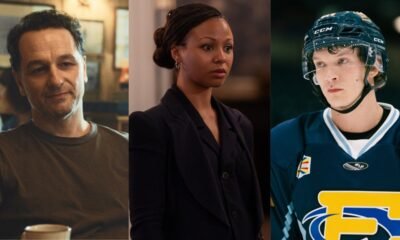
Ryan Coogler‘s Sinners walked away with the prize for best original screenplay — one of the most coveted awards of the evening. Coogler wasn’t there to accept it himself, but the film’s star Miles Caton took the stage and read directly from a personal note the director had written. It was a quiet, genuine moment in a room full of people who understand the weight of the written word. No theatrics needed.
Over in the adapted screenplay category, Paul Thomas Anderson‘s One Battle After Another claimed the top prize. Anderson, also absent, had Shayna McHayle — known professionally as Junglepussy, who appears in the film — accept on his behalf, reading a prepared statement from the writer-director. It’s worth noting that the WGA’s adapted screenplay nominees mirror those of the Academy Awards — though the original screenplay category sees some divergence between the two institutions.
ALSO READ : Younghoe Koo Explains Botched Field Goal After Slip: “The Ball Was Moving So I Pulled Up”
On the television side, the night belonged to a handful of shows making real statements about where prestige TV is headed.
The Pitt had arguably the strongest showing of any series, sweeping best drama series, best new series, and best episodic drama — a remarkable triple that signals the medical drama’s arrival as a serious force in the industry. The Studio claimed best comedy series, while The Righteous Gemstones won for best episodic comedy. And Dying for Sex took home the limited series prize — a show that has quietly earned enormous critical respect throughout awards season.
While the Pitt and Studio camps weren’t present at the New York event, the writers behind The Righteous Gemstones made the trip — and it showed. Danny McBride, accepting for the show, delivered a candid and funny line, saying he was “really glad we didn’t ditch this” — referencing the decision to actually show up despite the unusual circumstances of the evening. It landed exactly the way you’d expect a line from the man behind Gemstones to land.

Now, about those unusual circumstances.
The Writers Guild of America West — the branch that typically co-hosts a simultaneous ceremony in Los Angeles — canceled its event last week following an ongoing strike by its own staff union. The WGA West staff has been on strike since February 17, alleging that management engaged in unfair labor practices during first contract negotiations. In a letter to presenters and participants, WGAW president Michele Mulroney announced the cancellation, promising that “an alternative celebration for this year’s Los Angeles-based nominees will be scheduled at a later date.”
It’s a strange and somewhat poignant footnote to an awards season already defined by industry tension. The guild that fights for writers’ rights found itself navigating a labor dispute from within — its own staff walking picket lines while the organization prepared to honor the craft those writers protect.
The New York ceremony went ahead regardless, and by most accounts, it delivered. But the empty chair where a second, simultaneous ceremony should have been sitting was hard to ignore.
For Sinners, One Battle After Another, The Pitt, and the rest of Sunday’s winners, the recognition still means something. A WGA Award, even in a year like this, is a stamp of peer approval that no algorithm can manufacture and no studio can manufacture on your behalf.
That’s the whole point.







Entertainment
‘Abbott Elementary’ and ‘Shrinking’ Dominate AAFCA TV Honors… But Two New Categories Are Stealing Attention
The African American Film Critics Association TV Awards celebrated top series like Abbott Elementary, Paradise, and Shrinking, while also expanding its reach with new categories for reality TV and podcasts.

The latest AAFCA TV Honors, presented by the African American Film Critics Association, have once again highlighted some of television’s most acclaimed and culturally impactful series of the year.
Among the major winners were audience favorites such as Abbott Elementary, Paradise, and Shrinking, each recognized for their storytelling, performances, and growing influence in modern television.
This year’s ceremony also marked an important evolution for the organization, with the introduction of two new competitive categories: Best Reality Series and Best Podcast, reflecting the rapidly changing landscape of entertainment consumption.
A Celebration of Storytelling Excellence
The AAFCA TV Honors have become a respected platform for recognizing excellence in television, particularly in highlighting diverse voices and narratives that shape today’s media environment.
Abbott Elementary, the hit workplace comedy created by and starring Quinta Brunson, continues to earn widespread acclaim for its heartfelt humor and sharp social commentary centered around the public school system.
ALSO READ : Sen. Elizabeth Warren Calls It a ‘Cesspool of Corruption’ — Here’s Why Senators Are Now Fighting Back Against the DOJ’s Live Nation Deal That Left Every Fan Betrayed…
Meanwhile, Shrinking, starring Jason Segel and Harrison Ford, has been praised for its emotional depth and unique approach to grief, therapy, and healing through humor.
The series Paradise also received recognition, further cementing its place among standout television productions of the year.
Expanding Beyond Traditional Television
One of the most notable developments at this year’s AAFCA TV Honors was the addition of two new categories, signaling how rapidly entertainment formats are evolving.
The inclusion of Best Reality Series acknowledges the continued dominance of unscripted programming, which remains one of the most widely consumed genres across global streaming platforms and television networks.
The introduction of Best Podcast reflects the explosive growth of audio storytelling, where creators are reaching massive audiences through long-form conversations, investigative series, and cultural commentary.
These additions highlight the organization’s commitment to recognizing excellence across all forms of modern media—not just traditional scripted television.
AAFCA’s Role in Shaping Industry Recognition
Founded in 2003, the African American Film Critics Association has become an influential voice in entertainment criticism, often spotlighting films and series that may be overlooked by other major award bodies.
By focusing on diversity, representation, and cultural impact, AAFCA has helped elevate conversations around storytelling in Hollywood and beyond.

Its annual TV Honors event serves as both a celebration and a reflection of how television continues to evolve in a rapidly shifting media landscape.
Why These Wins Matter
For shows like Abbott Elementary and Shrinking, recognition from AAFCA reinforces their critical success and cultural relevance.
In particular, Abbott Elementary has become more than just a hit comedy—it has sparked discussions about education, public funding, and the realities faced by teachers in under-resourced schools.
Similarly, Shrinking has resonated with audiences for its honest portrayal of mental health, grief, and personal recovery, blending humor with emotional storytelling in a way that feels both accessible and meaningful.
A Changing Television Landscape
The winners and new categories together reflect a broader shift in entertainment.
Television is no longer confined to traditional broadcast formats. Streaming platforms, podcasts, and hybrid storytelling formats now play a major role in shaping what audiences watch and listen to.
Award bodies like AAFCA are increasingly adapting to this shift, ensuring that emerging formats receive the same level of recognition as established genres.
Looking Ahead
As the entertainment industry continues to evolve, events like the AAFCA TV Honors are likely to play an even greater role in defining what excellence looks like across platforms.
With acclaimed series like Abbott Elementary, Shrinking, and Paradise leading the way—and new categories embracing reality TV and podcasts—the future of storytelling appears more diverse and dynamic than ever.
For audiences, it’s a reminder that great storytelling isn’t limited to one format—it can thrive anywhere, from scripted television to a simple podcast conversation.
Entertainment
‘I Will Not Watch It’: Tomi Adeyemi Distances Herself From ‘Children of Blood and Bone’ Film… Why the Bestselling Author Is ‘Officially Separating’ Her Name
The creator of the globally acclaimed fantasy novel Children of Blood and Bone has revealed she will not watch the upcoming film adaptation, making a candid statement that has sparked widespread discussion among fans and the publishing world.

A major fantasy adaptation has found itself at the center of a surprising controversy after author Tomi Adeyemi publicly stated that she will not watch the film version of her bestselling novel Children of Blood and Bone.
The announcement has sent shockwaves through literary and entertainment circles, particularly because the novel remains one of the most successful young adult fantasy releases of the past decade. Adeyemi’s decision to distance herself from the project has raised questions about the relationship between authors and Hollywood adaptations, as well as the creative challenges involved in bringing beloved books to the screen.
A Strong Statement From the Author
In comments that quickly gained attention online, Tomi Adeyemi revealed that she has chosen not to watch the completed adaptation and is “officially separating” her name from the film.
While adaptations often involve creative changes, it is uncommon for the original author of a major literary franchise to publicly distance themselves from a project before audiences have even seen the final result.
ALSO READ : Sen. Elizabeth Warren Calls It a ‘Cesspool of Corruption’ — Here’s Why Senators Are Now Fighting Back Against the DOJ’s Live Nation Deal That Left Every Fan Betrayed…
The statement immediately fueled speculation among fans eager to understand what led to the decision and whether it reflects broader disagreements over the adaptation process.
A Book That Became a Global Phenomenon
Published in 2018, Children of Blood and Bone became an instant sensation, earning praise for its rich world-building, African-inspired mythology and compelling themes of power, identity and resistance.
The novel introduced readers to the magical kingdom of Orïsha and quickly developed a passionate global fanbase. It went on to become a bestseller and helped establish Tomi Adeyemi as one of the most influential voices in modern fantasy literature.
The success of the book also generated immediate interest from Hollywood studios eager to transform the story into a major cinematic franchise.
The Challenge of Adapting Beloved Stories
Film adaptations often face enormous expectations, especially when they are based on books with dedicated fan communities.
Throughout Hollywood history, adaptations of bestselling novels have generated both acclaim and controversy. Some authors have embraced cinematic reinterpretations of their work, while others have expressed concerns about creative decisions made during production.

For readers deeply connected to a fictional world, even small changes can become a source of debate. When those concerns come directly from the creator, they naturally attract even greater attention.
Fans React Across Social Media
Following Adeyemi’s remarks, discussions quickly spread across social media platforms and online fan communities.
Some readers expressed support for the author’s decision, arguing that creators have every right to speak openly about projects connected to their work. Others urged fans to wait until the movie is released before forming conclusions about the adaptation.
The conversation has highlighted the increasingly complex relationship between authors, studios and audiences in an era where every development can instantly become part of a global online discussion.
A Film Still Surrounded by Anticipation
Despite the controversy, anticipation for the adaptation remains high.
The original novel’s popularity, combined with years of excitement surrounding the project, has ensured that the film remains one of the most closely watched fantasy releases in development. Industry observers expect strong interest from both longtime readers and audiences discovering the story for the first time.
Whether Adeyemi’s comments will affect audience reception remains unclear, but they have undoubtedly added a new layer of intrigue to the film’s journey toward release.
More Than Just an Adaptation
At its core, the situation reflects a broader conversation about ownership, artistic vision and the challenges of translating literary imagination into a visual medium.
For Tomi Adeyemi, the decision to publicly separate herself from the adaptation appears to be a deeply personal one. For fans, it serves as a reminder that the path from page to screen is rarely straightforward.
As the film moves closer to audiences, many will be watching to see how it compares to the beloved novel that inspired it—even if its creator has chosen not to.
Entertainment
Uwe Boll Breaks Silence on Armie Hammer Film, Challenges Critics with Bold Message
The director has defended his latest collaboration with Armie Hammer, urging audiences to keep an open mind before passing judgment.

Controversial filmmaker Uwe Boll has once again found himself at the center of a heated debate after forcefully responding to criticism surrounding his upcoming film starring Armie Hammer.
Known for his direct and often confrontational style, Boll took to social media to defend both his latest project and his reputation as a filmmaker. In a strongly worded statement, he accused long-time critics of unfairly targeting his work and encouraged audiences to look beyond preconceived opinions.
“You love to hate and trash me,” the director wrote, before urging critics to “open your eyes” and evaluate the film based on its merits rather than his past reputation.
The comments quickly sparked fresh discussion across entertainment circles, with supporters praising Boll for standing by his creative vision while others questioned whether his response would further fuel controversy surrounding the project.
The film also marks another high-profile appearance for Armie Hammer, whose return to acting has continued to generate significant public attention. After stepping away from major Hollywood productions following years of personal and professional scrutiny, Hammer has gradually begun accepting new acting roles as he attempts to rebuild his career.
ALSO READ : ‘This Doesn’t Have to Be Goodbye’: Fox Broadcasters Make Emotional Plea After Belgium Ends U.S. World Cup Dream
Although Boll’s latest project has attracted attention because of Hammer’s involvement, the director insists the conversation should remain focused on the quality of the film itself rather than external controversies.
Throughout his career, Uwe Boll has rarely avoided confrontation. The German filmmaker has built a reputation for responding directly to critics, particularly those who have questioned his filmmaking style or reviewed his earlier productions harshly.
His films—including Citizen Vigilante and numerous action thrillers—have often divided critics and audiences alike. While professional reviews have frequently been mixed, Boll has consistently argued that many of his projects have been misunderstood or unfairly dismissed.
This latest exchange continues a long-running pattern in which the director challenges conventional critical opinion instead of remaining silent. For Boll, public debate has become almost as recognizable as the films themselves.

Meanwhile, Armie Hammer’s continued return to the screen remains closely watched throughout the entertainment industry. Every new project involving the actor has attracted widespread discussion, with audiences expressing a range of opinions about his comeback.
Industry observers note that controversy often brings additional visibility to independent films, although it does not necessarily translate into commercial success. Whether Boll’s outspoken defense ultimately benefits the film or intensifies criticism remains uncertain.
As anticipation builds for the project’s release, many viewers are choosing to reserve judgment until the film becomes available. Others continue debating whether an artist’s previous reputation should influence audience expectations.
For now, Uwe Boll has made one point unmistakably clear: he has no intention of softening his response to critics. Instead, he believes audiences should watch the film first and decide for themselves rather than relying solely on online commentary.
Whether his challenge resonates with moviegoers will become clearer once the film reaches audiences, but the conversation surrounding the project is already proving that Boll remains one of cinema’s most polarizing voices.

‘Abbott Elementary’ and ‘Shrinking’ Dominate AAFCA TV Honors… But Two New Categories Are Stealing Attention

‘I Will Not Watch It’: Tomi Adeyemi Distances Herself From ‘Children of Blood and Bone’ Film… Why the Bestselling Author Is ‘Officially Separating’ Her Name

Uwe Boll Breaks Silence on Armie Hammer Film, Challenges Critics with Bold Message

‘Resident Evil’ Review: Zach Cregger Brings Fresh Terror to a Tired Franchise

Hayden Panettiere’s Cause of Death Revealed: Coroner Details What Led to the ‘Heroes’ Star’s Tragic Passing

1-Iran Issues Dire Warning to Israel and Defies Trump on Nukes: “We’re Ready to Strike Deep Inside”

Sen. Elizabeth Warren Calls It a ‘Cesspool of Corruption’ — Here’s Why Senators Are Now Fighting Back Against the DOJ’s Live Nation Deal That Left Every Fan Betrayed…

Donald Trump’s net worth reveals the fortune behind the former US President and business mogul

Gucci bets on Demna to revive fading glamour as Milan fashion week opens with bold film surprise

“Tomás Rodríguez Net Worth 2025: Panama’s Gold Cup Goal‑Machine’s Surprising Fortune Revealed”

Miss Jamaica Suffers Terrifying Fall Off Miss Universe Stage; Rushed to Hospital on Stretcher in Viral Video

Moana Live-Action Teaser Sparks Outrage as Fans Call Disney’s Move a ‘Clear Money Grab’ — What Went Wrong?

Ryan Gosling’s Project Hail Mary Trailer Stuns Fans with a Mysterious Alien Ally and a Mission That Could Save Earth

Apple delays Jessica Chastain thriller The Savant about domestic extremism after recent US violence

Avatar 3, Fire and Ash trailer reveals Jake Sully’s family facing terrifying new Na’vi enemies with deadly fire powers
-
 Entertainment1 week ago
‘Spider-Man: Brand New Day’ Swings to No. 1 at the Domestic Box Office
-

 Entertainment1 week ago
Venice Falls for ‘Possible Love’ as Lee Chang-dong Makes a Powerful Comeback
-

 Entertainment1 week ago
TIFF Debut of ‘Musk’ Comes With a Defiant Message
-
 Entertainment1 week ago
The star discusses the bold choices behind the film’s closing moments and what they mean for his character’s journey.
-
 Entertainment1 week ago
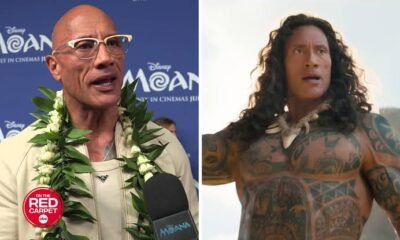
Can Disney’s Live-Action Moana Win Over Audiences? Dwayne Johnson Returns as Maui
-

 Entertainment1 week ago
Harvey Weinstein Gets 15 Years in Prison After New York Retrial
-

 Entertainment1 week ago
Kennedy Center Closure Sparks Fresh Legal Battle
-

 Entertainment1 week ago
Jesse Eisenberg Looks to Europe for Creative Freedom as U.S. Film Landscape Shifts