
Entertainment
Jodie Foster admits she was “scared” before taking her first-ever French-language lead role — “I came early just to speak French”
At 62, Oscar-winner Jodie Foster has finally fulfilled a lifelong dream — starring in her first fully French-language film, A Private Life. The actress opened up about her nerves and preparation at the New York Film Festival.


Even after a legendary career spanning five decades, Jodie Foster can still get nervous about a role.
At 62, the two-time Academy Award winner revealed during the New York Film Festival that she was “scared” to take on her first-ever French-language starring role in A Private Life, a mystery thriller that premiered earlier this year at the Cannes Film Festival.
Though fluent in French and educated at a French prep school, Foster said she had never before carried an entire film in the language. “It’s something I’ve wanted to do for a long time,” she told the audience during a Q&A after the screening.
ALSO READ : Trump family linked American Bitcoin seals Nasdaq debut after merger with Gryphon shareholders say yes
“I’ve made a few French films, but never with this much dialogue — and never as the lead,” she said. “I finally found the right role, the right script, and the right director.”
The film that made Jodie Foster face her fears
A Private Life, directed by acclaimed French filmmaker Rebecca Zlotowski, follows a psychiatrist (played by Foster) who becomes convinced that one of her patients — believed to have died by suicide — was actually murdered.
As she digs deeper into the mystery, her personal life unravels, particularly her strained relationship with her ex-husband Gabriel, played by French screen legend Daniel Auteuil.
The role demanded not only linguistic precision but also emotional vulnerability — both in a language Foster has long loved but never performed in so extensively.
“I was nervous,” Foster admitted. “I kept telling Rebecca, ‘I’m a little scared.’ So I came three weeks ahead of time just to live in the city and not talk to any American friends — only French people. I think that was helpful.”
A lifelong love affair with the French language
Foster’s connection with French culture runs deep. As a child prodigy who began acting at age six, she attended the prestigious Lycée Français de Los Angeles, where she became fluent in French. Over the years, she’s charmed French audiences not just through her work but also through interviews entirely conducted in their language.
In fact, many French fans already consider her an honorary citizen. Her earlier films like Contact and The Silence of the Lambs were major hits in France, but A Private Life marks the first time she has performed entirely in French for a starring role.
“I always felt like there was this part of me that belonged to French culture,” Foster said. “It’s not just the language — it’s the rhythm, the emotion, the subtlety. I’ve always wanted to express myself fully in French, and now I finally could.”
Critical acclaim and emotional connection
After its debut at Cannes, A Private Life received glowing reviews, with critics praising Foster’s natural fluency and emotional depth. French newspaper Le Monde described her performance as “beautifully restrained yet devastating,” calling it “a triumph of cultural duality.”
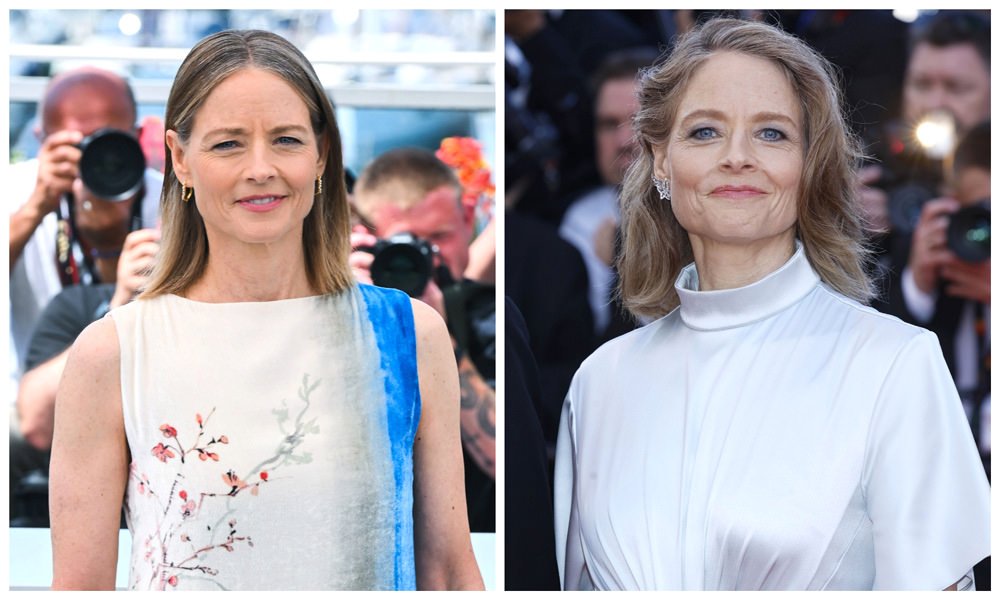
At the New York Film Festival, Foster’s fans were equally enthusiastic. Many attendees gave the film a standing ovation, highlighting her ability to make the language feel effortless.
“Even if you didn’t speak French, you could feel every word she said,” one festival-goer told Daily Global Diary.
Foster’s evolution — from Hollywood icon to international storyteller
From her unforgettable portrayal of Clarice Starling in The Silence of the Lambs to her nuanced work in The Mauritanian and Nyad, Foster has built a reputation as an actress who seeks meaning over fame.
In A Private Life, she channels that same intelligence and complexity — only this time, through the cadence of another language.
“It’s not just about being bilingual,” she explained. “It’s about feeling — about understanding how people think and express pain differently across cultures.”
A powerful partnership behind the camera
Director Rebecca Zlotowski, known for her films An Easy Girl and Planetarium, said working with Foster was “a dream and a challenge.”
“Jodie brought such discipline and humility to the set,” Zlotowski said in an interview with Variety. “She’s a perfectionist, but also deeply empathetic. There were moments on set when everyone just stopped to watch her — she made the French language her own.”
Why this role matters
For Foster, A Private Life represents more than just another milestone — it’s a celebration of growth, curiosity, and courage. Even after 50 years in film, she’s still finding new ways to challenge herself.
“I wanted to do something that scared me,” she confessed with a smile. “I’ve lived most of my life between two cultures, and this film finally allowed me to bring them together. It’s the most personal thing I’ve ever done.”
What’s next for Jodie Foster?
Following A Private Life, Foster is reportedly considering directing another feature — possibly a multilingual project that blends French and English storytelling. She’s also expected to continue her advocacy for global filmmaking diversity, something she has championed throughout her career.
Whether on-screen or behind the camera, Jodie Foster continues to redefine what it means to be a fearless artist.
And now, after conquering Hollywood — she’s conquered Paris, too.




Entertainment
Crystal Methyd Wins ‘RuPaul’s Drag Race All Stars,’ Completing Her Redemption Story
After years as a fan favorite, Crystal Methyd returned to the competition, captured the crown, and capped off her inspiring journey with an unforgettable All Stars victory.
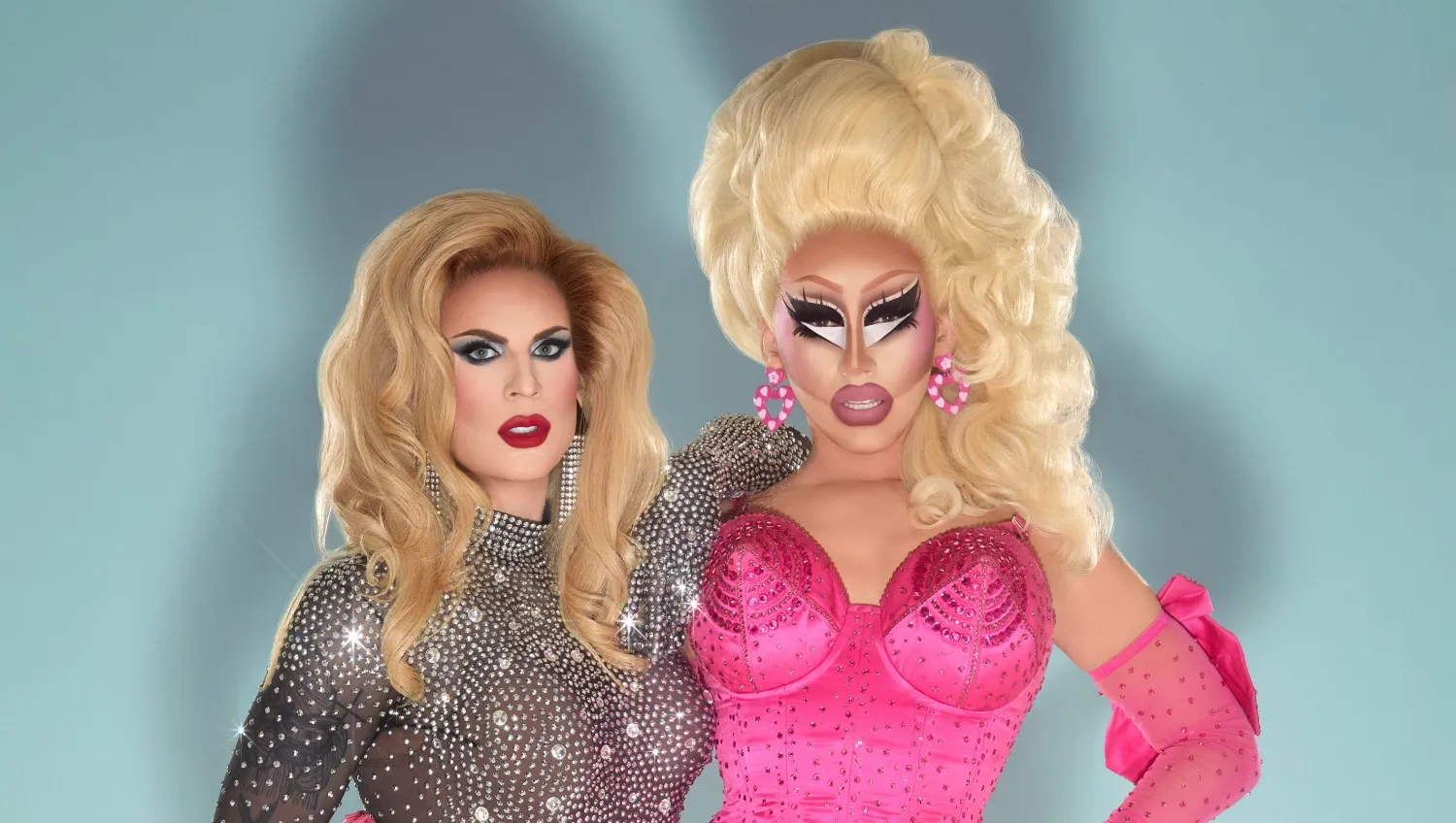
Sometimes, a second chance becomes the perfect stage for a lasting legacy.
For Crystal Methyd, returning to RuPaul’s Drag Race All Stars wasn’t simply about competing again—it was about proving how much she had evolved since capturing audiences’ hearts on Season 12 of RuPaul’s Drag Race.
Now crowned the latest All Stars champion, Crystal is embracing the moment with gratitude and confidence after years of artistic growth. Reflecting on her return, the drag performer admitted she was fully aware of the expectations waiting for her.
“I knew those expectations were going to be high, and I really wanted to be able to meet them,” she said while discussing her long-awaited return to the franchise.
That mindset became a driving force throughout the competition. Rather than relying on nostalgia, Crystal approached the season determined to showcase a more polished performer—one who had spent years refining her drag, expanding her creativity, and gaining confidence beyond the original competition.
ALSO READ : Sen. Elizabeth Warren Calls It a ‘Cesspool of Corruption’ — Here’s Why Senators Are Now Fighting Back Against the DOJ’s Live Nation Deal That Left Every Fan Betrayed…
Fans first met Crystal during Season 12, where her quirky fashion, imaginative makeup, and offbeat humor quickly made her one of the breakout stars. Although she narrowly missed taking the crown, she built a devoted following thanks to her originality and willingness to embrace her unique artistic vision.
Her return to All Stars demonstrated just how much she had grown. Throughout the season, Crystal consistently delivered inventive runway presentations, memorable performances, and a renewed confidence that impressed both the judges and longtime viewers.

The latest victory also highlights the enduring appeal of the Drag Race franchise, which continues to celebrate individuality, performance, and self-expression while giving returning contestants an opportunity to redefine their careers.
Hosted by RuPaul, the competition has become one of reality television’s most influential franchises, launching the careers of countless drag performers around the world and introducing mainstream audiences to diverse forms of artistry.
For Crystal, winning All Stars represents more than adding another title to her résumé. It marks the completion of a personal journey that began with high expectations, continued through years of creative development, and concluded with the validation that she had always hoped to earn.
As fans celebrate her victory, Crystal’s story serves as a reminder that growth often comes with patience—and sometimes the best comeback is the one that arrives exactly when the artist is ready.
Entertainment
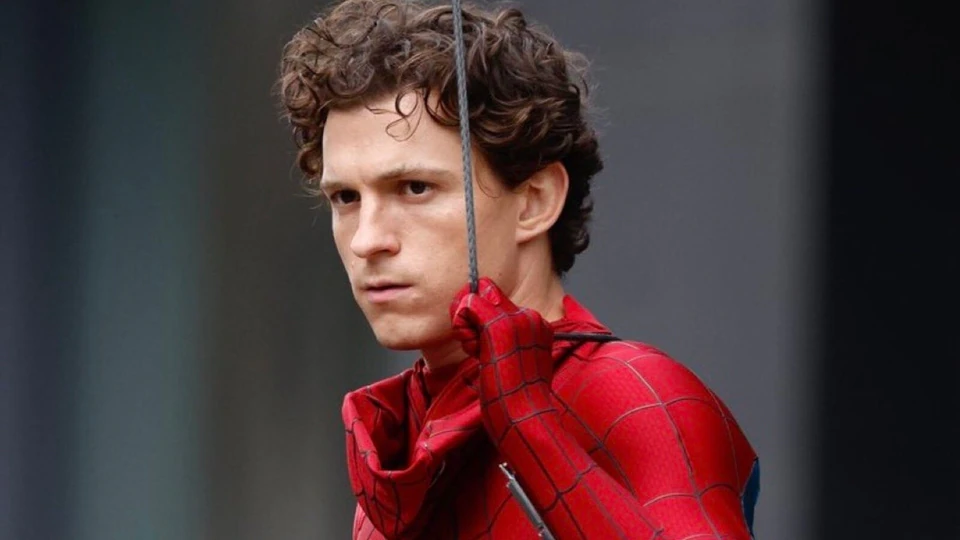
Tom Holland’s Next Big Role Could Be His Toughest Yet as He Commits to Doing Every Dance Move Himself
After wrapping work on Spider-Man: Brand New Day and The Odyssey, Tom Holland is preparing to portray Fred Astaire in a demanding biopic, determined to perform all of the dancing without a double.
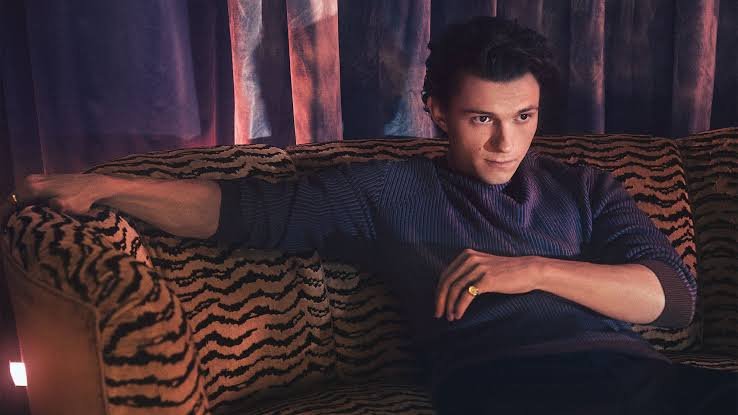
After an action-packed schedule featuring Spider-Man: Brand New Day and The Odyssey, Tom Holland is already setting his sights on an entirely different challenge—bringing legendary dancer Fred Astaire to life on the big screen.
The 30-year-old actor recently shared that the long-awaited Fred Astaire biopic is expected to be his next major project, and he has one ambitious goal in mind: performing every dance sequence himself.
For Holland, the role represents much more than another career milestone. It is also a chance to reconnect with a passion he left behind years ago.
“One of my biggest regrets in my career is after I finished Billy Elliot, I quit dancing,” Holland said while reflecting on his early years as a performer.
ALSO READ : Sen. Elizabeth Warren Calls It a ‘Cesspool of Corruption’ — Here’s Why Senators Are Now Fighting Back Against the DOJ’s Live Nation Deal That Left Every Fan Betrayed…
Before becoming one of Hollywood’s most recognizable faces, Holland built his reputation as a talented stage performer in the musical Billy Elliot, where his dancing skills earned widespread praise. However, as his acting career accelerated, dance gradually took a back seat.
Now, portraying Fred Astaire offers the opportunity to revisit those roots.
A Role That Demands Perfection
Known as one of cinema’s greatest dancers, Fred Astaire set standards that few performers have ever matched. His effortless style, precision, and elegance transformed musical films and influenced generations of entertainers.
Holland acknowledged the challenge ahead and made it clear that he wants audiences to see authentic performances rather than relying heavily on body doubles or digital tricks.
His commitment to performing all of the choreography himself is expected to require months of intensive dance rehearsals and physical preparation.
Busy Summer, Bigger Future
The announcement comes after an exceptionally busy period for Holland. He has been filming Spider-Man: Brand New Day, the latest installment in the hugely successful superhero franchise produced by Marvel Studios and distributed by Sony Pictures.
At the same time, he has also been involved in The Odyssey, the ambitious epic directed by acclaimed filmmaker Christopher Nolan. The back-to-back productions mark one of the busiest phases of Holland’s career.
Despite the demanding schedule, the actor appears excited about shifting from blockbuster action to the graceful world of classic dance cinema.
Returning to His Original Passion
Fans have long admired Holland’s athleticism in action films, but many remember that his professional journey actually began with dance before Hollywood came calling.
The upcoming Fred Astaire biopic could allow audiences to see a different side of the actor—one rooted in musical performance, discipline, and classic showmanship.
If Holland succeeds in performing every dance routine himself, the film may become one of the most physically demanding performances of his career and a fitting tribute to one of cinema’s greatest entertainers.
With blockbuster franchises already under his belt, Holland’s next chapter could prove that sometimes the biggest challenge isn’t saving the world—it’s mastering the dance floor.
Entertainment
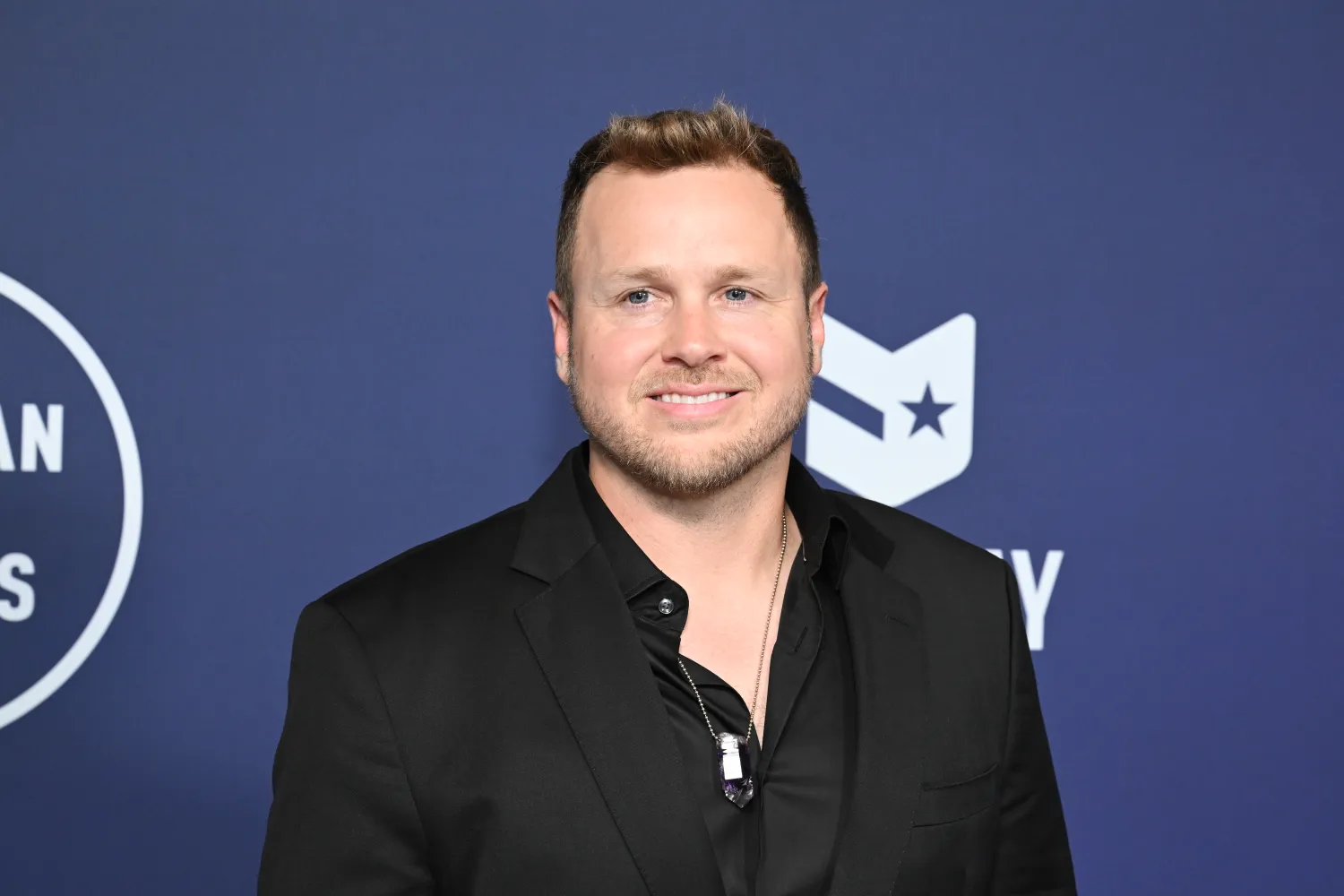
Crystal Methyd Wins ‘RuPaul’s Drag Race All Stars,’ Completing a Remarkable Comeback
After years as a fan favorite, Crystal Methyd returned to the competition, claimed the crown, and completed an inspiring journey with a memorable All Stars triumph.
Sometimes, a second chance becomes the perfect stage for a lasting legacy.
For Crystal Methyd, returning to RuPaul’s Drag Race All Stars wasn’t simply about competing again—it was about proving how much she had evolved since capturing audiences’ hearts on Season 12 of RuPaul’s Drag Race.
Now crowned the latest All Stars champion, Crystal is embracing the moment with gratitude and confidence after years of artistic growth. Reflecting on her return, the drag performer admitted she was fully aware of the expectations waiting for her.
“I knew those expectations were going to be high, and I really wanted to be able to meet them,” she said while discussing her long-awaited return to the franchise.
That mindset became a driving force throughout the competition. Rather than relying on nostalgia, Crystal approached the season determined to showcase a more polished performer—one who had spent years refining her drag, expanding her creativity, and gaining confidence beyond the original competition.
ALSO READ : Sen. Elizabeth Warren Calls It a ‘Cesspool of Corruption’ — Here’s Why Senators Are Now Fighting Back Against the DOJ’s Live Nation Deal That Left Every Fan Betrayed…
Fans first met Crystal during Season 12, where her quirky fashion, imaginative makeup, and offbeat humor quickly made her one of the breakout stars. Although she narrowly missed taking the crown, she built a devoted following thanks to her originality and willingness to embrace her unique artistic vision.
Her return to All Stars demonstrated just how much she had grown. Throughout the season, Crystal consistently delivered inventive runway presentations, memorable performances, and a renewed confidence that impressed both the judges and longtime viewers.
The latest victory also highlights the enduring appeal of the Drag Race franchise, which continues to celebrate individuality, performance, and self-expression while giving returning contestants an opportunity to redefine their careers.
Hosted by RuPaul, the competition has become one of reality television’s most influential franchises, launching the careers of countless drag performers around the world and introducing mainstream audiences to diverse forms of artistry.
For Crystal, winning All Stars represents more than adding another title to her résumé. It marks the completion of a personal journey that began with high expectations, continued through years of creative development, and concluded with the validation that she had always hoped to earn.
As fans celebrate her victory, Crystal’s story serves as a reminder that growth often comes with patience—and sometimes the best comeback is the one that arrives exactly when the artist is ready.

Vita Vea Wants Out of Tampa Bay: Two-Time Pro Bowl Star Requests Buccaneers Trade After Contract Talks Stall

Marlins End 12-Game Nightmare in Stunning Fashion: ‘Playoff-Type’ Comeback Stuns Phillies After Wheeler and Duran Fall

‘Go Ball, Please!’ Ceddanne Rafaela’s First Career Grand Slam Powers Red Sox to 10th Straight Road Win

Lindsay Clancy Trial: Could Postpartum Psychosis Lead to an Insanity Verdict? ‘This Case Is About This Defendant’

Chelsea Begin Xabi Alonso Era in Style: Joao Pedro Hat-Trick Powers Blues Past Western Sydney Wanderers

1-Iran Issues Dire Warning to Israel and Defies Trump on Nukes: “We’re Ready to Strike Deep Inside”

Donald Trump’s net worth reveals the fortune behind the former US President and business mogul

Sen. Elizabeth Warren Calls It a ‘Cesspool of Corruption’ — Here’s Why Senators Are Now Fighting Back Against the DOJ’s Live Nation Deal That Left Every Fan Betrayed…

“She Never Made It Out…” Albany House Fire Claims Woman’s Life as Family Pleads for Help to Bring Her Home

“Tomás Rodríguez Net Worth 2025: Panama’s Gold Cup Goal‑Machine’s Surprising Fortune Revealed”

Miss Jamaica Suffers Terrifying Fall Off Miss Universe Stage; Rushed to Hospital on Stretcher in Viral Video

Moana Live-Action Teaser Sparks Outrage as Fans Call Disney’s Move a ‘Clear Money Grab’ — What Went Wrong?

Ryan Gosling’s Project Hail Mary Trailer Stuns Fans with a Mysterious Alien Ally and a Mission That Could Save Earth

Apple delays Jessica Chastain thriller The Savant about domestic extremism after recent US violence

Avatar 3, Fire and Ash trailer reveals Jake Sully’s family facing terrifying new Na’vi enemies with deadly fire powers
-
 Sports1 week ago
Lionel Messi’s Last Dance? 2026 World Cup Final Could Rewrite Football History With These Records…
-

 Sports1 week ago
Where Is Lionel Messi? Argentina Return Home After FIFA World Cup Heartbreak, But Captain’s Absence Sparks Questions
-

 Sports1 week ago
India Spotted Him Before the World Did: How Ferran Torres’ Journey From Mumbai to World Cup Glory Came Full Circle…
-

 Entertainment1 week ago
‘Avengers: Doomsday’ Trailer Finally Unveils Robert Downey Jr. as Doctor Doom — Marvel Fans Spot Stunning First Look That Changes Everything
-
 Sports1 week ago
Spain Won the FIFA World Cup 2026 But the Biggest Story Wasn’t on the Pitch… Here’s What Football Lost Along the Way
-

 Entertainment1 week ago
Washington, D.C. Cracks Down on Ticket Scalpers… New Law Could Change How Fans Buy Concert and Sports Tickets
-

 Entertainment1 week ago
Will This End Sky-High Concert Ticket Prices? Massachusetts Introduces Noah Kahan-Backed Anti-Scalping Legislation
-

 Sports1 week ago
Argentina Under Fire After World Cup Final: Why Did Lionel Messi and Teammates Walk Away During Spain’s Trophy Celebration?